

Creating compost from kitchen waste is an eco-friendly and rewarding practice that benefits both the environment and your garden plants, whether they are indoors or outdoors. This detailed guide will walk you through the steps to turn your kitchen scraps into rich, organic compost, and provide additional information about the benefits and applications of compost in gardening.
Required Materials
- Kitchen Waste: Vegetable and fruit peels, tea leaves, coffee grounds, eggshells, bread crumbs, etc.
- Brown Material: Dry leaves, paper, cardboard pieces, wood shavings, etc.
- Compost Bin: A large container or bucket with a lid.
- Water: To maintain moisture.
Table of contents
- Required Materials
- Step-by-Step Guide to Composting
- Compost Characteristics Table
- Detailed Benefits and Applications of Compost in Gardening
- How to Use Compost in Your Garden
- Names in Different Languages
- Types of Composting
- Composting Challenges and Solutions
- Best Plants for Using Compost
- Integrating Compost into Various Gardening Practices
- Conclusion
- FAQs
- Suggested Links
Step-by-Step Guide to Composting

- Prepare the Compost Bin
Choose a large container or bucket with a lid. Make small holes at the bottom of the container to allow air circulation and excess water to drain out. This step ensures that the compost remains aerated and does not become waterlogged, which can lead to anaerobic conditions and bad odors.
- Create a Base Layer
Place a layer of brown material at the bottom of the compost bin. This helps control moisture and maintain air circulation. Brown materials, such as dry leaves, paper, and cardboard, are rich in carbon and provide the necessary structure to the compost.
- Add Kitchen Waste
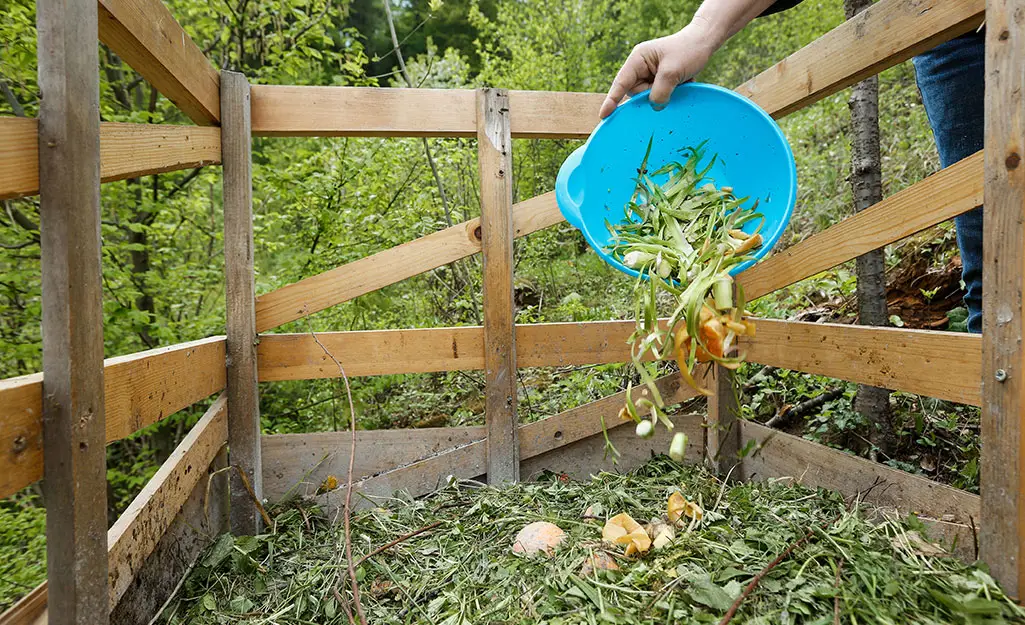
Cut kitchen waste such as vegetable and fruit peels, tea leaves, coffee grounds, eggshells, etc., into small pieces and add them to the compost bin. Cutting them into smaller pieces helps them decompose faster. Green materials like these are rich in nitrogen, which is essential for the microbial activity that breaks down the compost.
- Maintain the Balance of Brown and Green Materials
Maintain a balance between kitchen waste (green material) and brown material (dry leaves, paper). A ratio of 3 parts brown material to 1 part green material is generally good. This balance ensures that the composting process proceeds efficiently without producing unpleasant odors.
- Monitor Moisture and Air
Sprinkle some water to maintain the moisture of the compost bin. Ensure the mixture is damp but not wet. Stir the mixture occasionally to maintain air circulation. Proper moisture levels and aeration are crucial for the microorganisms that decompose the organic matter.
- Repeat the Process
Keep adding new kitchen waste and brown material to the compost bin. Stir the mixture each time to ensure all materials decompose evenly. Regular mixing helps maintain a uniform composition and speeds up the composting process.
- Harvest the Compost
After about 2-3 months, your compost will be ready. It will be dark brown and have a soil-like smell. Use this compost in your indoor and outdoor garden. Finished compost is a nutrient-rich amendment that can improve soil health and plant growth.
Compost Characteristics Table
| Detail | Description |
|---|---|
| Common Name | Home-made Compost |
| Scientific Name | Organic Fertilizer |
| Family | Organic Waste |
| Origin | Kitchen Waste |
| Habitat | Garden |
| Plant Type | Fertilizer |
| Leaves | N/A |
| Flowers | N/A |
| Flowering Season | N/A |
| Fruit | N/A |
| Seeds | N/A |
| Roots | N/A |
| Height | N/A |
| Light Requirements | Not Applicable |
| Soil Requirements | Rich in Organic Matter |
| Water Requirements | Slightly Damp |
| Propagation | N/A |
| Uses | Garden Fertilizer |
| Medicinal Properties | N/A |
| Cultural Significance | Sustainable Gardening Practice |
| Common Pests | None if managed properly |
| Common Diseases | None if managed properly |
Detailed Benefits and Applications of Compost in Gardening
Improving Soil Structure
Compost enhances the structure of the soil by adding organic matter. This improves the soil’s ability to retain moisture and nutrients, making it more fertile. Good soil structure allows roots to penetrate easily, access nutrients, and grow more robustly.
Increasing Nutrient Content
Compost is rich in essential nutrients such as nitrogen, phosphorus, and potassium, which are vital for plant growth. These nutrients are released slowly, providing a steady supply to plants over time. This reduces the need for chemical fertilizers and promotes sustainable gardening practices.
Enhancing Microbial Activity
Compost introduces beneficial microorganisms to the soil. These microbes play a crucial role in breaking down organic matter, cycling nutrients, and suppressing soil-borne diseases. A healthy microbial community contributes to the overall health and resilience of plants.
Reducing Waste and Environmental Impact
By composting kitchen waste, you reduce the amount of waste sent to landfills. This lowers methane emissions from decomposing organic matter in landfills and reduces your carbon footprint. Composting is a practical way to recycle organic waste and contribute to environmental sustainability.
Suppressing Plant Diseases and Pests
Compost can help suppress plant diseases and pests by promoting a healthy soil environment. The beneficial microbes in compost outcompete harmful pathogens, reducing the incidence of soil-borne diseases. Additionally, compost can improve plant health, making them more resistant to pests.
Promoting Healthy Plant Growth
Plants grown with compost tend to be healthier and more vigorous. The nutrients and improved soil conditions provided by compost support robust root development, enhanced flowering, and increased fruit production. Compost can be used in various gardening applications, including vegetable gardens, flower beds, and potted plants.
How to Use Compost in Your Garden

Mulching
Apply a layer of compost on the soil surface around plants. This helps retain soil moisture, suppress weeds, and regulate soil temperature. Mulching with compost also adds nutrients to the soil as it breaks down.
Soil Amendment
Mix compost into the soil before planting to improve soil structure and fertility. This is especially beneficial for heavy clay soils or sandy soils that lack organic matter. Incorporating compost into the soil enhances its water-holding capacity and nutrient availability.
Top Dressing
Spread a thin layer of compost around existing plants to provide a nutrient boost. Top dressing with compost can revitalize tired soils and support ongoing plant growth throughout the growing season.
Compost Tea
Make a nutrient-rich liquid fertilizer by steeping compost in water. Use compost tea to water plants, providing them with a quick nutrient boost. Compost tea is an excellent way to feed plants without disturbing the soil.
Names in Different Languages
| Language | Name |
|---|---|
| English | Compost |
| Mandarin | 堆肥 (Duīféi) |
| Spanish | Compost |
| Hindi | खाद (Khad) |
| Gujarati | ખાતર (Khatar) |
| Arabic | سماد (Samad) |
| Bengali | কম্পোস্ট (Kompost) |
| Portuguese | Composto |
| Russian | Компост (Kompost) |
| Japanese | コンポスト (Konposuto) |
| Punjabi | ਖਾਦ (Khad) |
| German | Kompost |
| Javanese | Kompos |
| Korean | 퇴비 (Toebi) |
| French | Compost |
| Telugu | కంపోస్ట్ (Kompost) |
| Marathi | कंपोस्ट (Kompost) |
| Tamil | கொம்போஸ்ட் (Kompost) |
| Urdu | کھاد (Khad) |
| Turkish | Kompost |
| Vietnamese | Phân hữu cơ |
Types of Composting
There are various methods of composting that you can choose from based on your needs and the amount of waste you generate.
- Hot Composting: This method requires maintaining a balance of green and brown materials and regular turning to keep the compost pile hot. It speeds up the decomposition process and produces compost in a few weeks.
- Cold Composting: This is a slower process where you simply add waste to a compost bin and let it decompose over time without turning. It can take several months to a year to produce compost.
- Vermicomposting: This method uses worms, typically red wigglers, to break down organic waste. It’s ideal for indoor composting and produces nutrient-rich worm castings that are excellent for plants.
- Trench Composting: This involves digging a trench in your garden, filling it with kitchen waste, and covering it with soil. The waste decomposes in place, enriching the soil directly where you plan to plant.
Composting Challenges and Solutions
- Odor Issues: Bad smells usually indicate an imbalance between green and brown materials or excess moisture. Adjust the ratio and ensure proper aeration.
- Pests: To avoid attracting pests, do not add meat, dairy, or oily foods to your compost. Use a covered bin and maintain proper moisture levels.
- Slow Decomposition: If your compost is not breaking down, it may lack sufficient green materials or moisture. Add more nitrogen-rich materials and water as needed.

Best Plants for Using Compost
Compost benefits a wide range of plants by improving soil fertility and structure. Here are some plants that thrive with compost:
- Vegetables: Tomatoes, peppers, cucumbers, and leafy greens like lettuce and spinach.
- Flowers: Roses, marigolds, petunias, and sunflowers.
- Herbs: Basil, mint, rosemary, and thyme.
- Fruit Trees: Apple, citrus, and pear trees.
- Houseplants: Ferns, pothos, and peace lilies.
Integrating Compost into Various Gardening Practices
- Raised Beds: Incorporate compost into the soil of raised beds to enhance soil fertility and structure, promoting healthy root growth and high yields.
- Container Gardening: Mix compost with potting soil to provide essential nutrients and improve moisture retention for container plants.
- Lawn Care: Spread a thin layer of compost over your lawn to boost grass growth and improve soil health.
Conclusion
Composting is a sustainable practice that offers numerous benefits for both your garden and the environment. By transforming kitchen waste into valuable compost, you can create a healthier, more productive garden. Whether you have a small indoor herb garden or a large outdoor vegetable plot, composting can significantly enhance your gardening efforts. Embrace this eco-friendly method and enjoy the rewards of a thriving, green garden.
FAQs
You can compost vegetable and fruit peels, tea leaves, coffee grounds, and eggshells.
Turn your compost every 1-2 weeks to ensure proper air circulation and faster decomposition.
Bad smell in compost is usually due to too much green waste or excessive moisture. Add more brown waste to balance it.
No, avoid composting meat, dairy products, oils, and fats as they can cause bad odor and attract pests.
Compost is ready when it turns dark brown, has a soil-like texture, and smells earthy.

