
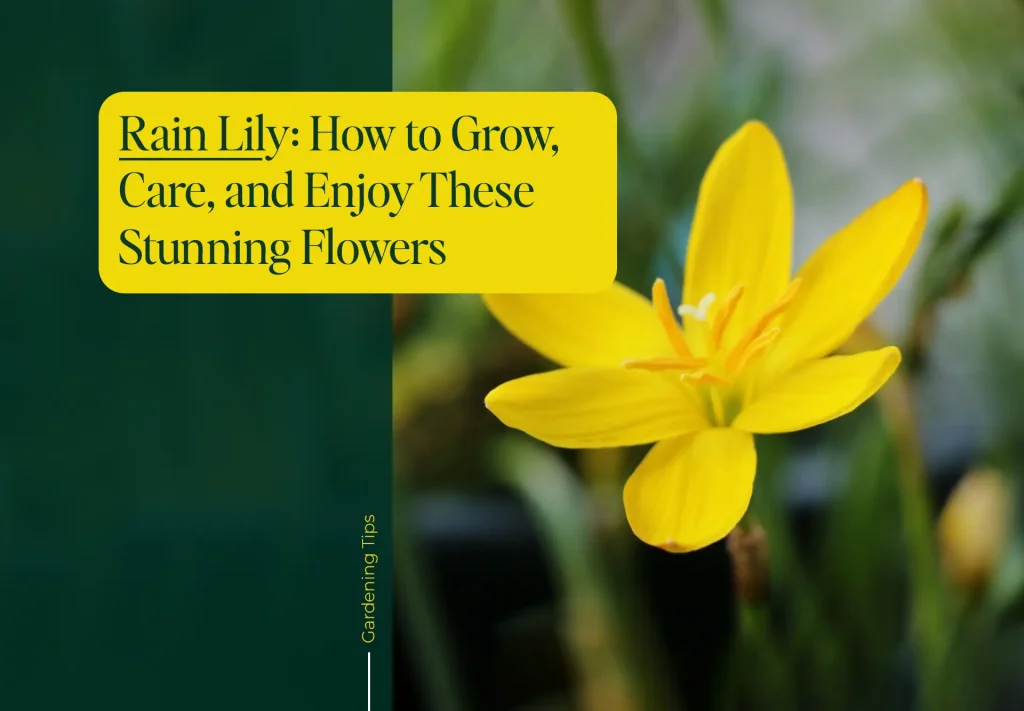
If you want to plant something in your garden that brings fragrance and color throughout the seasons, then the Rain Lily is an excellent choice. This plant, known for its beautiful blossoms during the monsoon, has gained popularity among gardeners and plant lovers. This blog will delve into various aspects of Rain Lily, including rain lily bulbs, rain lily yellow, rain lily care, rain lily seeds, rain lily blooming season, how to plant rain lily bulbs, how to grow rain lily, best month to plant rain lily bulbs, best time to plant rain lily bulbs, blue rain lily flower, and colors of rain lily.
Table of contents
- Introduction to Rain Lily
- Characteristics of Rain Lily
- Cultivation of Rain Lily
- Medicinal Uses of Rain Lily
- Ornamental Value of Rain Lily
- Species of Rain Lily
- Colors of Rain Lily
- Rain Lily Care & Tips
- How to Plant Rain Lily Bulbs
- How to Grow Rain Lily
- Rain Lily Seeds
- Buying Rain Lily Plants Online
- Rain Lily Plant Name in Different Languages
- Seasonal Care Guide
- Conclusion
- FAQs
- Suggested Links
Introduction to Rain Lily

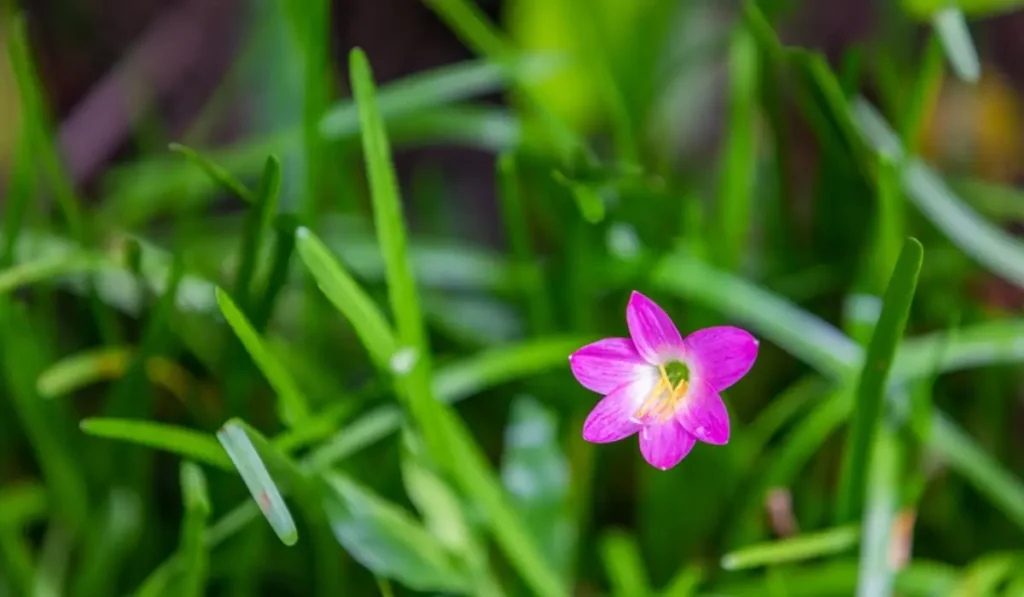
Rain Lily belongs to the Amaryllidaceae family and is native to Central and South America. There are several species of this plant, the most well-known being Zephyranthes grandiflora, Zephyranthes candida, and Zephyranthes rosea. The flowers come in colors like white, pink, yellow, and orange, with delicate and attractive petals.
Characteristics of Rain Lily
| Details | Description |
|---|---|
| Common Name | Rain Lily |
| Scientific Name | Zephyranthes spp. |
| Family | Amaryllidaceae |
| Origin | Central and South America |
| Habitat | Tropical and subtropical areas |
| Plant Type | Perennial bulbous plant |
| Leaves | Long, narrow, green |
| Flowers | White, pink, yellow, orange |
| Flowering Season | Monsoon |
| Fruit | Capsule |
| Seeds | Small, black |
| Roots | Bulbous |
| Height | 6-12 inches |
| Light Requirements | Full sun to partial shade |
| Soil Requirements | Well-drained |
| Water Requirements | Regular, well-drained |
| Propagation | Bulbs, seeds |
| Uses | Ornamental, medicinal |
| Medicinal Properties | Pain relief, anti-inflammatory, skin diseases |
| Cultural Significance | Popular in traditional medicine |
| Common Pests | Aphids, spider mites |
| Common Diseases | Root rot, leaf spot |
Cultivation of Rain Lily
Cultivating Rain Lily is relatively easy, and it grows well with minimal care. Here are the steps to follow for its cultivation:
Selecting Soil and Location
Choose well-drained soil for Rain Lily. It should be planted in a sunny spot where it gets ample light. While it can grow in partial shade, it blooms better in sunlight.
Planting Bulbs
Rain Lily is grown from bulbs. Plant the bulbs 2-3 inches deep and 6-8 inches apart. After planting, gently press the soil and water well.
Water Management
Rain Lily requires regular watering, especially in summer. Avoid overwatering as it can cause the bulbs to rot. Ensure the soil remains moist but well-drained.
Fertilizer and Manure
Rain Lily doesn’t require much fertilizer. You can use organic compost or a slow-release fertilizer once a year. The best time for fertilizing is spring or early summer.
Pruning and Care
After the flowers bloom, remove the wilted flowers to conserve the plant’s energy. If the leaves turn yellow, prune them as well.
Medicinal Uses of Rain Lily
Various parts of the Rain Lily plant are used in traditional medicine due to their medicinal properties:
Pain Relief
The bulbs of Rain Lily are used as a pain reliever. Applying its paste on the painful area provides relief.
Reducing Swelling
The paste made from its bulbs helps in reducing swelling when applied to the affected area.
Skin Diseases
The juice from Rain Lily leaves is beneficial for skin diseases like eczema and itching. Applying it to the affected area provides relief.
Ornamental Value of Rain Lily
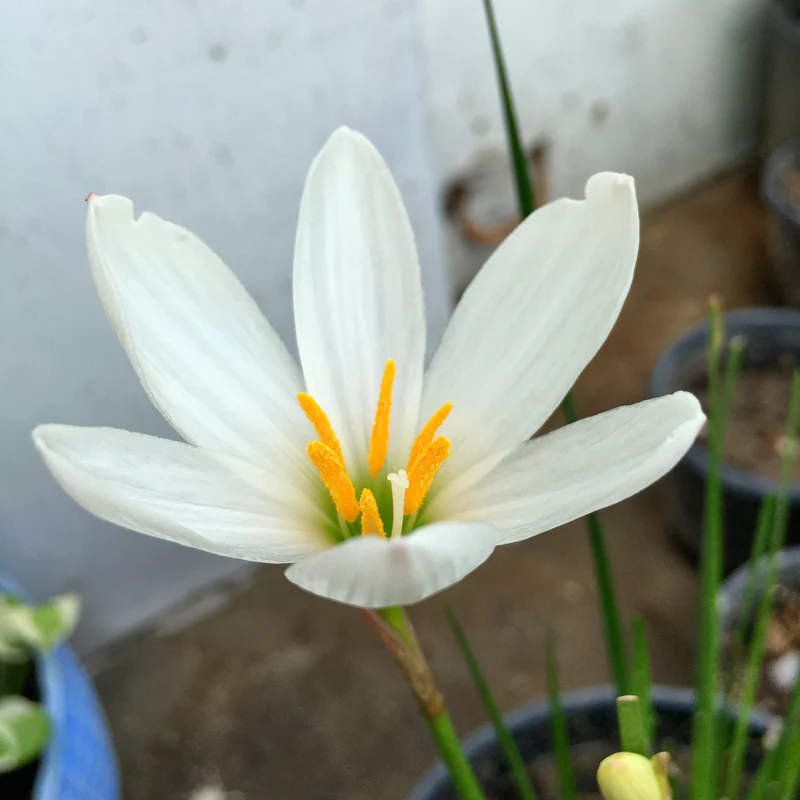
Rain Lily is favored for decorating gardens, parks, and homes due to its attractive flowers. It can be grown in borders, flower beds, and containers. The flowers are not only beautiful to look at but also have a pleasant fragrance.
Species of Rain Lily
There are several species of Rain Lily, among which some notable ones are:
Zephyranthes grandiflora
This species is known for its large pink flowers that bloom rapidly after rainfall, adding beauty to the garden.
Zephyranthes candida
This species has white flowers of a smaller size and is primarily used for ornamental purposes.
Zephyranthes rosea
Known for its pink flowers, this species is highly attractive and is given a special place in gardens.
Colors of Rain Lily
Rain Lilies come in a variety of colors, each adding a unique charm to gardens. The most common colors are white, pink, yellow, and orange. However, there are also rare varieties like the blue rain lily flower, which can add an exotic touch to your garden.
Rain Lily Care & Tips
Taking care of Rain Lilies is straightforward. Here are some tips for rain lily care:
- Watering: Regular watering is essential, especially during dry spells. However, ensure that the soil is well-drained to prevent bulb rot.
- Sunlight: Plant Rain Lilies in a location where they can receive full sunlight to partial shade. They bloom better with adequate sunlight.
- Soil: Use well-drained soil with good organic content. You can amend the soil with compost to improve its fertility.
- Fertilizer: Fertilize once a year with organic compost or a balanced slow-release fertilizer during the growing season.
- Pruning: Remove wilted flowers and yellow leaves to maintain the plant’s health and encourage new growth.
Pests and Diseases
Rain Lily can be affected by common garden pests such as aphids and spider mites. To control these pests:
- Natural Remedies: Use neem oil or insecticidal soap to treat affected plants.
- Chemical Control: In severe cases, you may use appropriate pesticides.
Rain Lily is also susceptible to diseases like root rot and leaf spot. To prevent these diseases:
- Watering: Ensure proper drainage to avoid waterlogging.
- Sanitation: Remove and dispose of infected leaves and bulbs.
Propagation
Apart from seeds and bulbs, Rain Lily can also be propagated through division. Here’s how:
- Division: Carefully dig up the plant and separate the bulbs.
- Replanting: Replant the separated bulbs in a new location or container with well-drained soil.
- Watering: Water the newly planted bulbs to help them establish.
Container Gardening
Rain Lilies are well-suited for container gardening. Here are some tips:
- Container Selection: Choose a container with good drainage holes.
- Soil Mix: Use a well-drained potting mix.
- Spacing: Plant the bulbs with adequate space between them to ensure good airflow.
- Placement: Place the container in a sunny location.
Winter Care
In regions with cold winters, Rain Lilies require special care:
- Mulching: Apply a layer of mulch to protect the bulbs from freezing temperatures.
- Indoor Storage: In very cold regions, dig up the bulbs and store them indoors in a cool, dry place until spring.

Landscaping with Rain Lily
Rain Lilies can be used creatively in landscaping:
- Borders and Edges: Plant Rain Lilies along garden borders and pathways for a colorful edge.
- Mass Planting: Create a striking visual effect by planting Rain Lilies in groups.
- Mixed Beds: Combine Rain Lilies with other perennials for a vibrant, mixed flower bed.
Companion Plants
Rain Lilies pair well with various companion plants:
- Daylilies: The contrasting bloom times create continuous color.
- Hostas: The foliage contrast adds visual interest.
- Ferns: Provide a lush, green backdrop for the colorful Rain Lilies.
Cultural Significance
Rain Lilies hold cultural significance in various regions:
- Traditional Medicine: Used in various cultures for their medicinal properties.
- Symbolism: In some cultures, Rain Lilies symbolize renewal and rebirth due to their tendency to bloom after rain.
Unique Varieties
Explore some unique varieties of Rain Lilies:
- Zephyranthes Citrina: Known for its bright yellow flowers.
- Zephyranthes Flavissima: Features small, yellow flowers and is less common.
- Habranthus Tubispathus: Often confused with Rain Lilies, these have slightly larger flowers.
Rain Lily Blooming Season
The blooming season of Rain Lily typically coincides with the monsoon or rainy season. This is when the plant shows its most vibrant flowers. However, with proper care, you can encourage blooming at other times of the year as well.
How to Plant Rain Lily Bulbs
Planting rain lily bulbs is an easy process. Here are the steps on how to plant rain lily bulbs:


- Choose the Right Bulbs: Select healthy and firm bulbs without any signs of rot or disease.
- Prepare the Soil: Ensure the soil is well-drained and rich in organic matter.
- Planting Depth: Plant the bulbs 2-3 inches deep and 6-8 inches apart.
- Watering: Water the bulbs thoroughly after planting.
- Sunlight: Ensure the planted area receives ample sunlight.
How to Grow Rain Lily
Growing Rain Lily requires minimal effort, making it ideal for both novice and experienced gardeners. Here’s how to grow rain lily:
- Location: Choose a sunny spot with well-drained soil.
- Planting Bulbs: Plant the bulbs at the correct depth and spacing.
- Watering: Keep the soil moist but not waterlogged.
- Fertilizing: Use organic compost or a balanced fertilizer once a year.
- Pruning: Regularly remove dead flowers and yellow leaves.
Best Month to Plant Rain Lily Bulbs
The best month to plant rain lily bulbs is during the spring or early summer. This timing ensures that the bulbs have enough time to establish before the blooming season.
Best Time to Plant Rain Lily Bulbs
The best time to plant rain lily bulbs is in the early morning or late afternoon when the temperatures are cooler. This helps reduce stress on the bulbs and allows them to establish more effectively.
Rain Lily Seeds
Rain Lily can also be propagated through seeds. Here’s how to handle rain lily seeds:
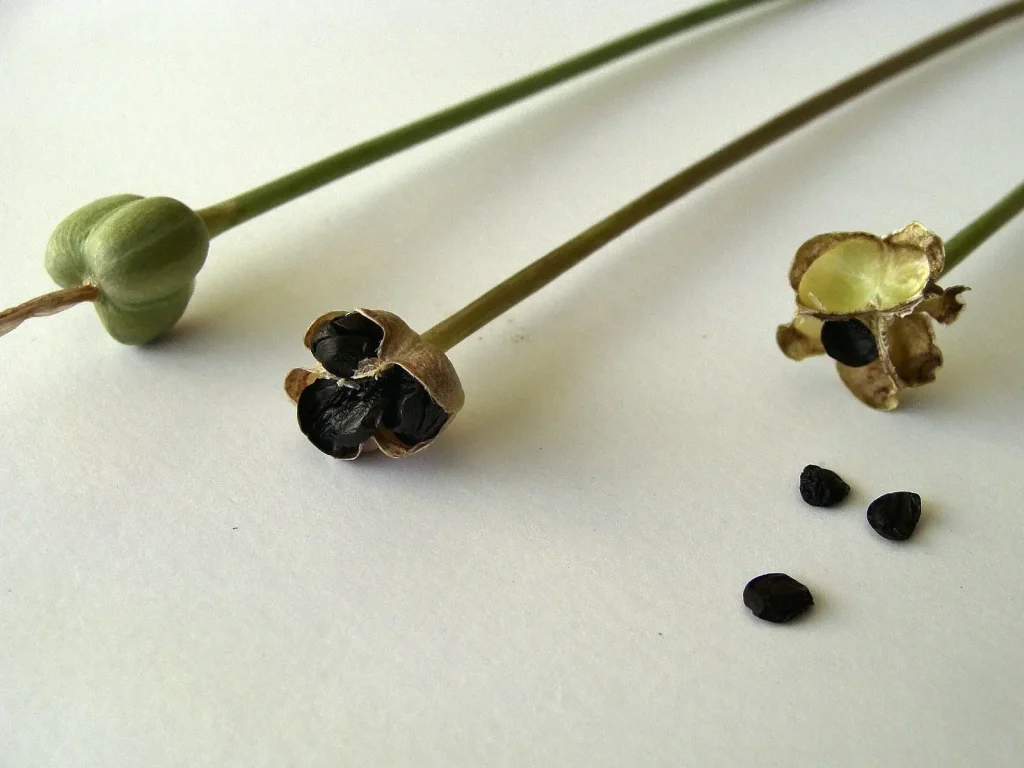
- Collecting Seeds: After the flowers bloom, they produce seed pods. Collect the seeds once the pods are dry.
- Sowing Seeds: Sow the seeds in a well-drained seed mix. Cover them lightly with soil.
- Watering: Keep the soil moist but not waterlogged.
- Germination: Seeds typically germinate within a few weeks. Provide adequate sunlight and warmth.
Buying Rain Lily Plants Online
If you’re inspired to add the vibrant and fragrant Rain Lily to your garden, you can conveniently purchase them online. Buying Rain Lily bulbs or plants from a trusted source ensures you get healthy and high-quality plants ready to bloom beautifully in your garden. Check out this link on Amazon to explore a variety of Rain Lily options available for purchase. With just a few clicks, you can have these stunning flowers delivered right to your doorstep, ready to enhance your garden’s charm.
Rain Lily Plant Name in Different Languages
| Language | Name |
|---|---|
| English | Rain Lily |
| Mandarin Chinese | Yǔ bǎihé |
| Spanish | Lirio de la lluvia |
| Hindi | रेन लिली |
| Gujarati | રેન લિલી |
| Arabic | زنبق المطر |
| Bengali | রেন লিলি |
| Portuguese | Lírio da chuva |
| Russian | Лилия дождя |
| Japanese | レインリリー |
| Punjabi | ਰੈਨ ਲਿੱਲੀ |
| German | Regenlilie |
| Javanese | Lili udan |
| Korean | 비의 백합 |
| French | Lis de pluie |
| Telugu | రేన్ లిల్లీ |
| Marathi | रेन लिली |
| Tamil | ரெய்ன் லில்லி |
| Urdu | رین للی |
| Turkish | Yağmur zambağı |
| Vietnamese | Hoa loa kèn mưa |
Keyphrases & Synonyms
- Rain Lily – Zephyranthes
, Rainflower
- Cultivation – Growing, Farming
- Medicinal Uses – Health benefits, Therapeutic properties
- Ornamental Plant – Decorative plant, Garden beauty
Meta Description
“Discover the beauty and versatility of Rain Lily, from rain lily bulbs to rain lily care. Learn how to plant and grow rain lilies, the best time to plant rain lily bulbs, and explore the vibrant colors of rain lily flowers.”
Additional Care Tips for Rain Lily
Seasonal Care Guide
Spring:
- Plant new bulbs.
- Fertilize with organic compost.
- Water regularly as the weather warms up.
Summer:
- Ensure consistent watering.
- Watch for pests and treat as needed.
- Enjoy the blooming flowers.
Autumn:
- Deadhead spent flowers.
- Prepare plants for dormancy.
- Apply mulch in colder regions.
Winter:
- Protect bulbs from freezing temperatures.
- Store bulbs indoors if necessary.
- Plan for spring planting.
Conclusion
Rain Lily is a versatile and beautiful plant that can enhance any garden with its vibrant flowers and pleasant fragrance. With minimal care, it thrives and provides year-round beauty. Whether you are a novice or an experienced gardener, Rain Lily is a perfect choice to add color and charm to your garden. Explore the various species, colors, and care tips to make the most of this enchanting plant.
FAQs
Well-drained soil is ideal for Rain Lily to prevent waterlogging and root rot.
Regular watering is needed, especially in summer, but avoid overwatering.
Yes, but it blooms better in full sunlight.
Once a year in spring or early summer with organic compost or a slow-release fertilizer.
It has pain-relieving properties, reduces swelling, and is beneficial for skin diseases like eczema and itching.

