
Introduction
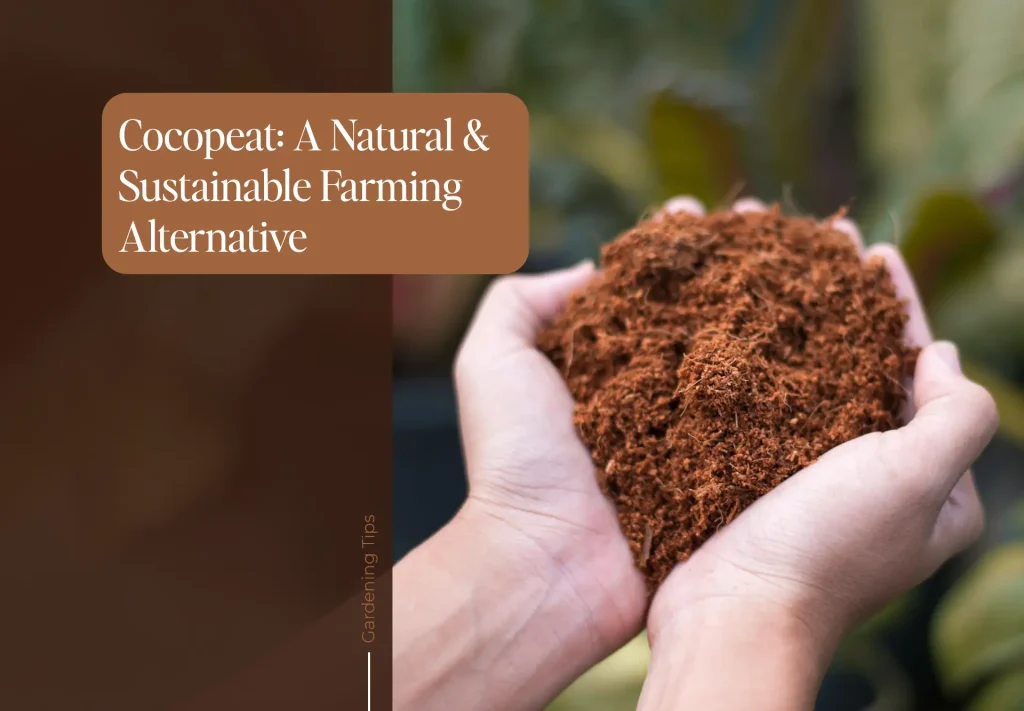
The continuous search for new and sustainable methods in agriculture and horticulture has brought cocopeat to the forefront as an excellent medium. Cocopeat, also known as coco coir or coco peat, is derived from coconut fibers and is known for being eco-friendly while promoting healthy plant growth. In this comprehensive guide, we will explore every detail about cocopeat, including its benefits, uses, and how to make it at home. Let’s dive into the world of cocopeat for plants and see how it can revolutionize your gardening practices.
Table of contents
- Introduction
- What is Cocopeat?
- Characteristics Table for Cocopeat
- Benefits of Cocopeat
- How to Use Cocopeat
- How to Make Cocopeat at Home
- Growing Plants in Cocopeat
- Cocopeat for Different Plants
- Cocopeat Price and Availability
- Cocopeat in Different Languages
- Caring for Plants After Using Cocopeat
- Conclusion
- FAQs
- Suggested Links
What is Cocopeat?
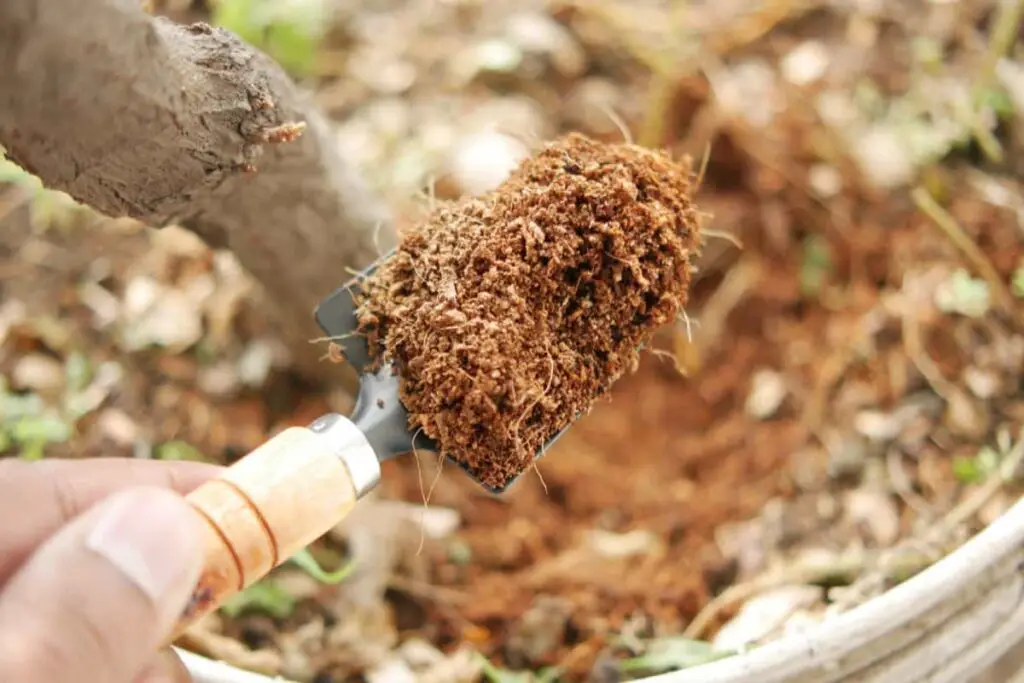
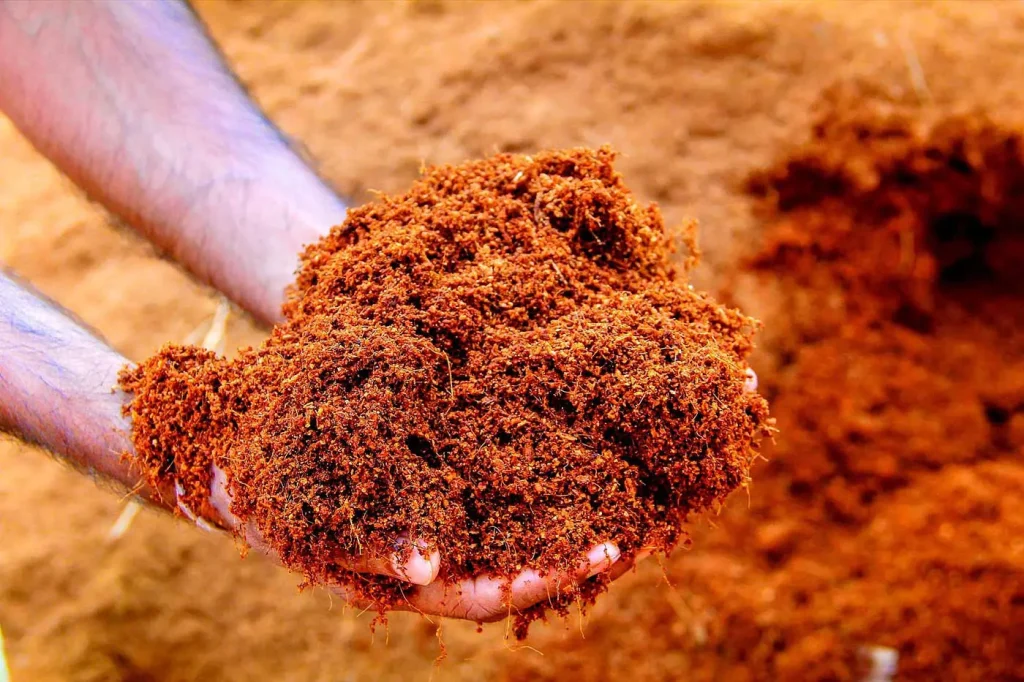
Cocopeat is made from the fibers extracted from the outer shell of coconuts. These fibers are cut into small pieces, dried, and then compressed into bricks or blocks. When ready to use, these blocks are soaked in water, causing them to expand into a soft and airy medium that is highly beneficial for plant roots. Cocopeat is widely used as a soil substitute or soil conditioner in gardening and horticulture.
Coco Coir vs. Coco Peat
Coco coir and coco peat are often used interchangeably, but they have slight differences. The term “coco coir” refers to the entire coconut husk fiber, including the coir dust, while “coco peat” specifically refers to the fine, powdery material produced from the husk. Both are used in gardening, but coco peat is more commonly used for soil amendment due to its superior water retention and aeration properties.
Characteristics Table for Cocopeat
| Characteristic | Details |
|---|---|
| Common Name | Cocopeat |
| Scientific Name | N/A |
| Family | Arecaceae |
| Origin | Derived from coconut husk |
| Habitat | Tropical regions |
| Plant Type | Soil substitute |
| Leaves | N/A |
| Flowers | N/A |
| Flowering Season | N/A |
| Fruit | N/A |
| Seeds | N/A |
| Roots | N/A |
| Height | N/A |
| Light Requirements | Indirect sunlight |
| Soil Requirements | Mixed with soil or compost |
| Water Requirements | High water retention capacity |
| Propagation | N/A |
| Uses | Potting mix, seed starting |
| Medicinal Properties | Antifungal properties |
| Cultural Significance | Used in eco-friendly gardening |
| Common Pests | Resistant to most pests |
| Common Diseases | Resistant to most diseases |
Benefits of Cocopeat
Excellent Water Retention Capacity
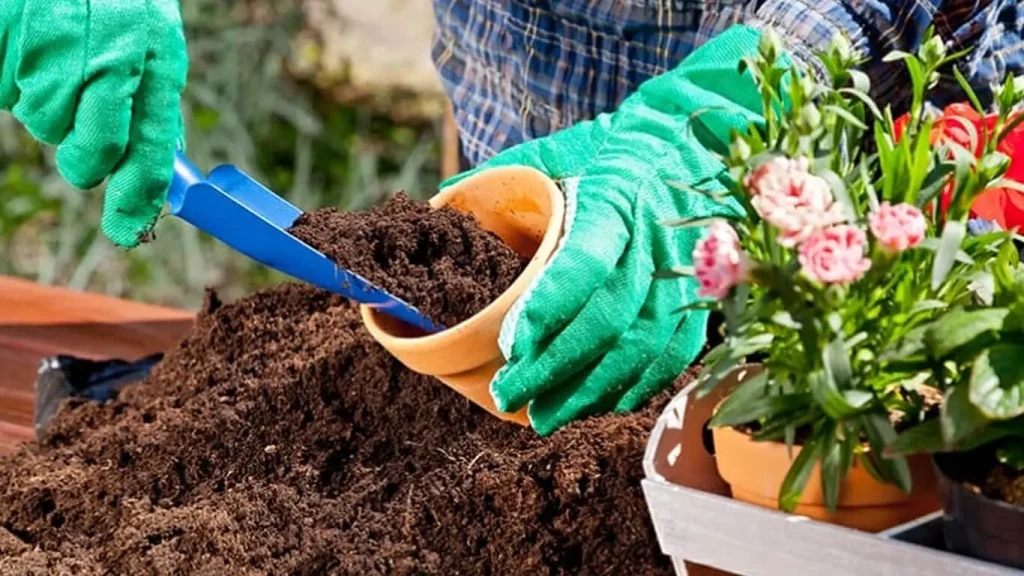
Cocopeat has a high water retention capacity, ensuring that plant roots receive consistent moisture. This is particularly beneficial for plants that require a lot of water, as cocopeat can hold up to eight times its weight in water.
Airy and Lightweight
This medium is airy, providing ample oxygen supply to the roots, which promotes rapid plant growth. The lightweight nature of cocopeat makes it easy to handle and mix with other growing mediums.
Eco-friendly
Cocopeat is made from coconut waste, making it an environmentally friendly option that can be used without harming the environment. By using cocopeat, you are recycling a waste product and contributing to sustainable agriculture.
Disease Resistance
It naturally possesses antifungal properties, helping to protect plants from fungi and other diseases. This reduces the need for chemical fungicides, making your garden healthier and safer.
Reusable
Cocopeat can be used multiple times. After use, it can be cleaned and reused, making it a cost-effective option for gardeners and farmers.
How to Use Cocopeat
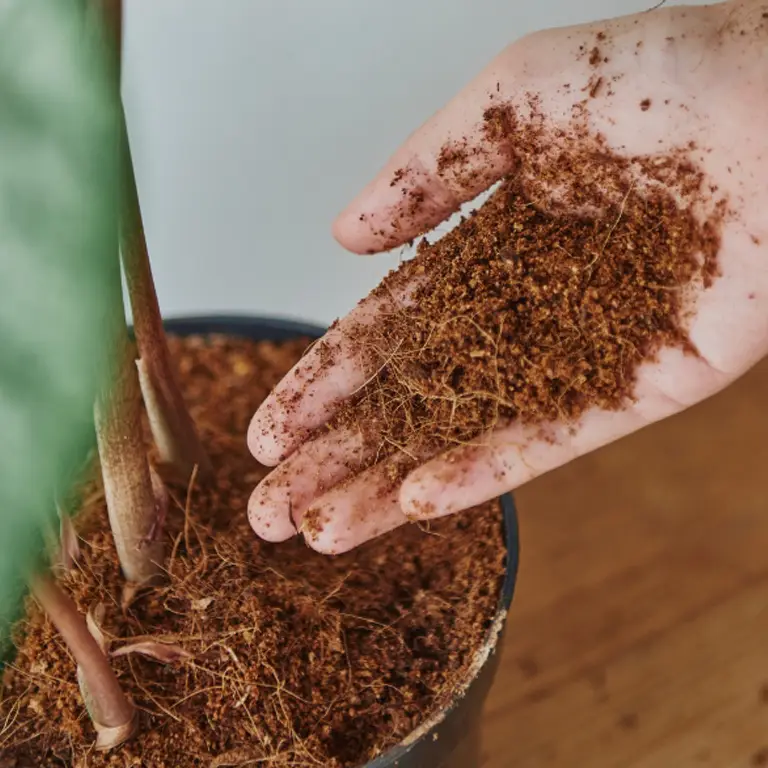
Preparation
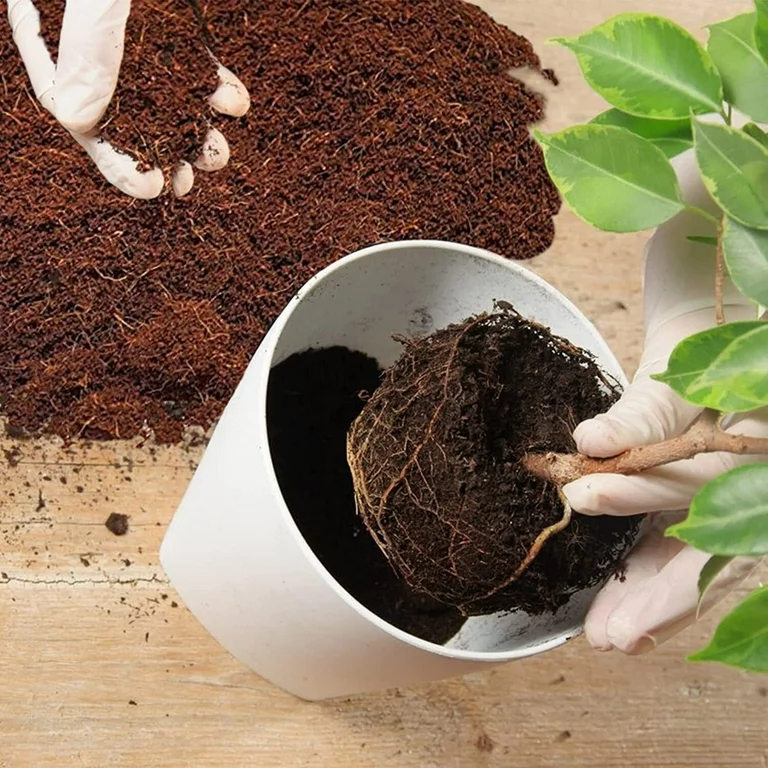
To use cocopeat, you need to first prepare it. Here’s a step-by-step guide on how to use cocopeat blocks:
- Soak the Block: Place the cocopeat block in a large container.
- Add Water: Pour water over the block. Typically, one block requires about 4-5 liters of water.
- Wait: Allow the block to soak for about 15-20 minutes. It will absorb the water and expand.
- Fluff: Once fully expanded, fluff the cocopeat with your hands to break it apart and create a soft, airy medium.
Potting Mix
Cocopeat can be mixed with soil or compost to prepare a potting mix for plants. Typically, a mix of 50% cocopeat and 50% soil or compost is ideal. This mixture provides excellent drainage and aeration for plant roots.
Seed Starting
Cocopeat is also excellent for germinating seeds due to its light and airy nature, which is ideal for seed germination. Fill seed trays with moistened cocopeat, plant the seeds, and keep the medium consistently moist until the seeds germinate.
Using Cocopeat for Indoor Plants
Cocopeat is perfect for indoor plants because of its water retention properties and lightweight nature. To use cocopeat for indoor plants, mix it with potting soil in a 1:1 ratio. This mix will provide good drainage and keep the indoor plants hydrated.
How to Make Cocopeat at Home
Making cocopeat at home is a straightforward process. Here’s how you can do it:
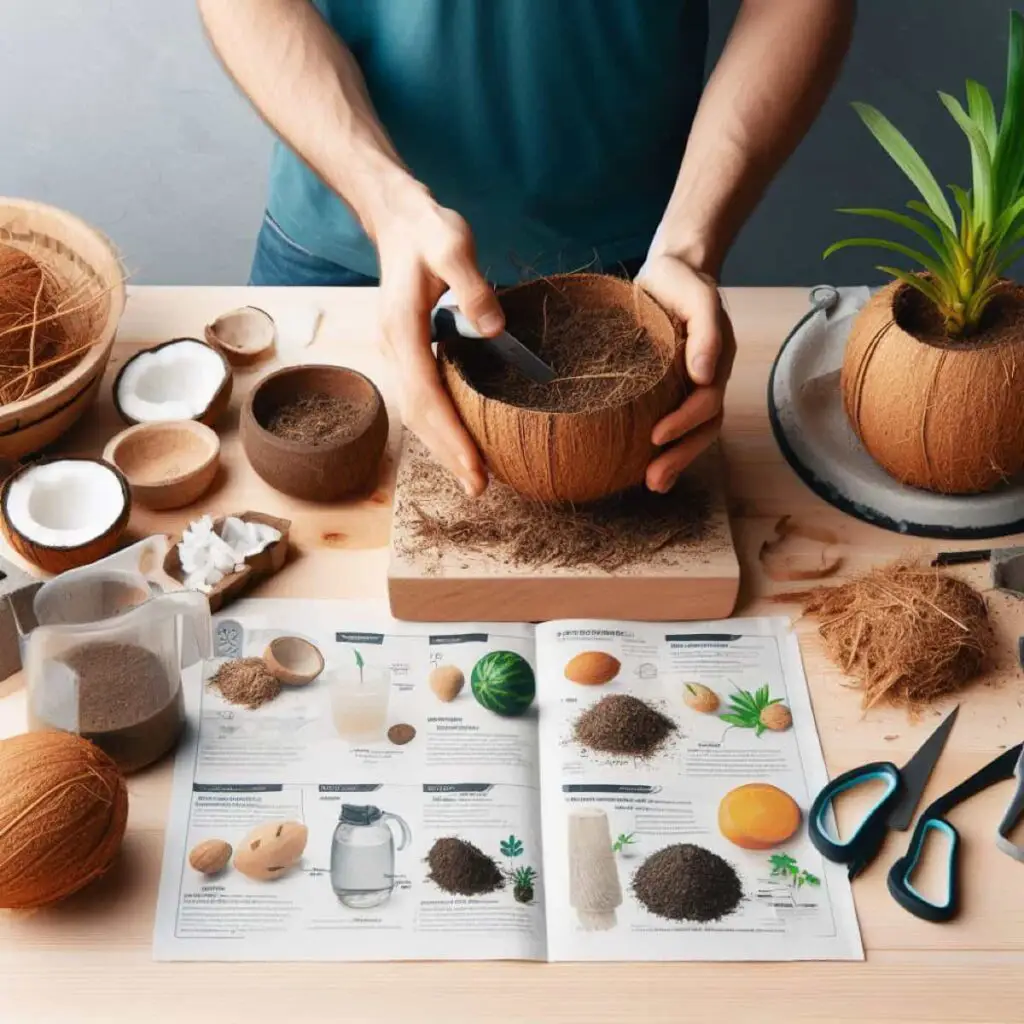
- Collect Coconut Husks: Gather coconut husks from mature coconuts.
- Separate Fibers: Manually or mechanically separate the fibers from the husk.
- Soak the Fibers: Soak the separated fibers in water for a few days to soften them.
- Dry the Fibers: After soaking, spread the fibers out to dry in the sun.
- Grind the Fibers: Once dried, grind the fibers to a fine powder using a grinder or food processor.
By following these steps, you can create your own cocopeat at home, ensuring it is free from chemical additives.
Growing Plants in Cocopeat
Guide to Grow Plants in Cocopeat
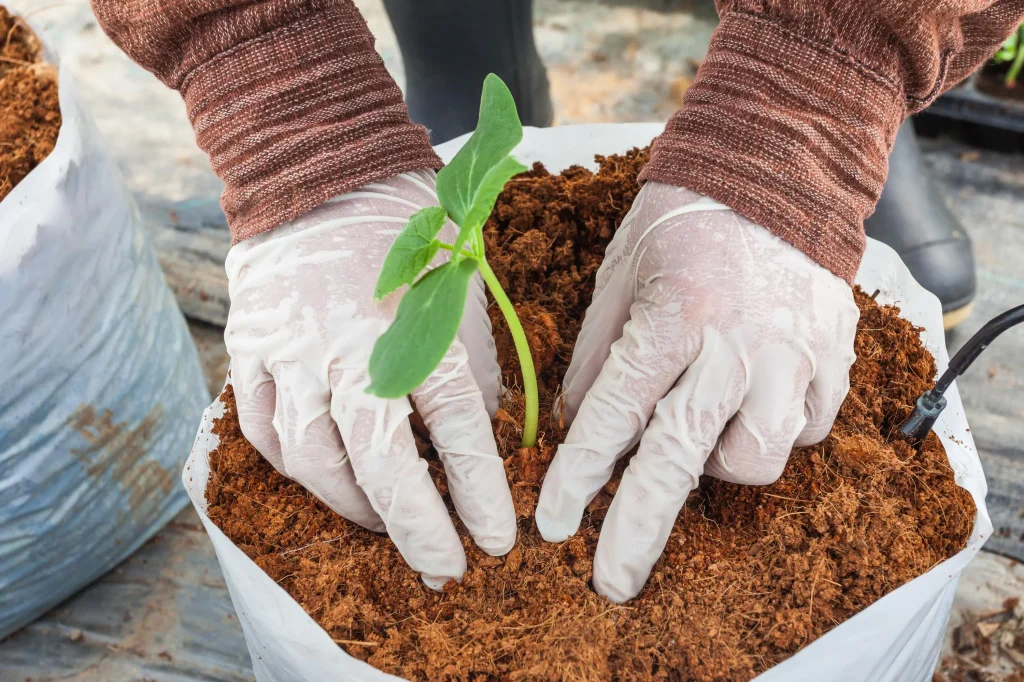
Growing plants in cocopeat is simple and effective. Here’s a step-by-step guide:
- Prepare the Cocopeat: Soak and fluff the cocopeat as described earlier.
- Mix with Soil: For most plants, mix the cocopeat with soil or compost in a 1:1 ratio.
- Planting: Fill your pots or garden beds with the cocopeat mixture and plant your seeds or seedlings.
- Watering: Water the plants regularly. Cocopeat retains moisture well, so be careful not to overwater.
- Fertilizing: Although cocopeat provides good aeration and moisture retention, it lacks nutrients. Regularly fertilize your plants with organic or synthetic fertilizers.
How to Use Cocopeat Powder for Plants
Cocopeat powder can be used in the same way as cocopeat blocks. Simply soak the powder in water until it expands and use it as a soil amendment or growing medium.
Cocopeat for Different Plants
Cocopeat can be used for a wide variety of plants, including vegetables, flowers, and indoor plants. It is particularly beneficial for:
- Vegetables: Tomatoes, peppers, cucumbers, and leafy greens thrive in cocopeat due to its moisture retention and aeration properties.
- Flowers: Annuals and perennials benefit from the lightweight and airy structure of cocopeat.
- Indoor Plants: Houseplants such as pothos, philodendrons, and succulents do well in cocopeat mixtures.
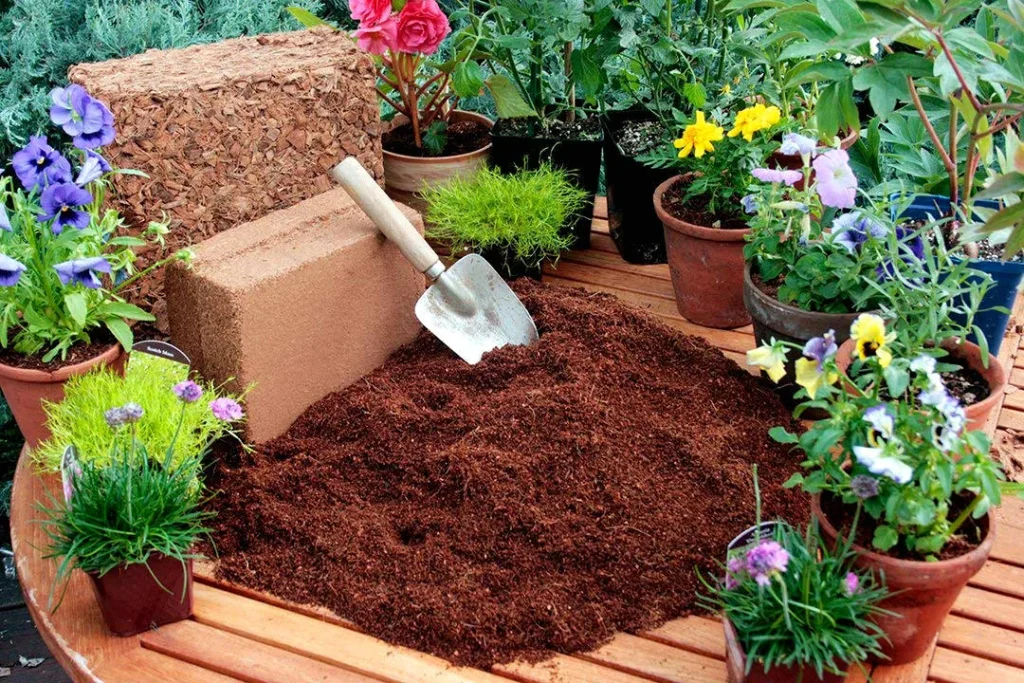
Cocopeat Price and Availability
Cocopeat Price
The price of cocopeat can vary based on quality and quantity. On average, a 5kg block of cocopeat can cost between $5 to $10. Larger quantities, such as 25kg bags, can cost around $20 to $30.
Cocopeat 25kg Bags Price
A 25kg bag of cocopeat typically costs between $20 to $30, depending on the brand and quality. Buying in bulk can often reduce the cost per kilogram.
Where to Buy Cocopeat
Cocopeat is available online, in garden centers, and in agricultural supply stores. When purchasing cocopeat, ensure to select high-quality cocopeat that is free from chemical additives. You can find cocopeat easily on Amazon, which offers a variety of options, including cocopeat blocks.
Cocopeat in Different Languages
| Language | Name |
|---|---|
| English | Cocopeat |
| Mandarin Chinese | 椰糠 (Yē kāng) |
| Spanish | Fibra de coco |
| Hindi | कोकोपीट |
| Gujarati | કોકોપીટ |
| Arabic | بيتموس جوز الهند |
| Bengali | নারিকেল পিট |
| Portuguese | Fibra de coco |
| Russian | Кокосовый торф |
| Japanese | ココピート |
| Punjabi | ਕੋਕੋਪੀਟ |
| German | Kokosfaser |
| Javanese | Serat kelapa |
| Korean | 코코피트 |
| French | Fibre de coco |
| Telugu | కొబ్బరి పీట్ |
| Marathi | नारळ पीट |
| Tamil | தேங்காய் பீட் |
| Urdu | ناریل پیٹ |
| Turkish | Hindistan cevizi lifi |
| Vietnamese | Xơ dừa |
Caring for Plants After Using Cocopeat
After planting in cocopeat, proper care is essential to ensure healthy plant growth. Here are some tips:
Watering
Cocopeat retains moisture well, so be mindful of watering. Water the plants regularly but avoid overwatering, as this can lead to root rot.
Fertilizing
Since cocopeat is low in nutrients, regular fertilization is necessary. Use a balanced fertilizer to provide essential nutrients to the plants.
Monitoring
Keep an eye on the plants for any signs of stress or disease. Cocopeat’s antifungal properties help reduce disease risk, but regular monitoring is still important.
Mulching
Mulching with organic material can help retain moisture and improve soil health. Apply a thin layer of mulch around the plants to protect the soil.
Conclusion
Cocopeat is an excellent medium that not only promotes plant growth but is also environmentally friendly. By using cocopeat, we can improve our farming and gardening practices while also safeguarding the Earth. Embrace this natural and sustainable farming alternative and take a step towards a greener future.
FAQs
Cocopeat is used as a soil substitute or additive in gardening and farming, promoting healthy plant growth.
It retains moisture, provides aeration to roots, and has natural antifungal properties, making it ideal for plant growth.
Yes, cocopeat can be cleaned and reused multiple times, making it a sustainable option.
Cocopeat is available online and in agricultural stores. You can find it on Amazon.
Yes, cocopeat is made from coconut husk waste and is environmentally friendly.

