

Krishna Kamal, also known as Passion Flower or Passiflora in English, is an exceptionally beautiful and unique flower. Named in honor of Lord Krishna, this flower holds significant religious and medicinal value. Let’s delve into the fascinating details of this remarkable flower.
Table of contents
Historical and Religious Significance

Krishna Kamal derives its name from Lord Krishna. In Hinduism, it is considered a sacred flower and is used in various religious rituals and ceremonies. It symbolizes various avatars of Lord Krishna and the major events of his life. The intricate structure of the Krishna Kamal flower is often associated with the stories from Krishna’s life, making it a symbol of divinity and devotion.
Plant Characteristics Table
| Detail | Description |
|---|---|
| Common Name | Krishna Kamal |
| Scientific Name | Passiflora |
| Family | Passifloraceae |
| Origin | Tropical and subtropical regions |
| Habitat | Forests, grasslands, and gardens |
| Plant Type | Vine |
| Indoor Plant | Yes |
| Outdoor Plant | Yes |
| Leaves | Lobed, dark green |
| Flowers | Purple, blue, or white with a complex structure |
| Flowering Season | Spring to autumn |
| Fruit | Edible, berry-like |
| Seeds | Numerous, within the fruit |
| Roots | Fibrous |
| Height | Up to 30 feet |
| Growth Rate | Fast |
| Light Requirements | Full sun to partial shade |
| Soil Requirements | Well-drained, fertile soil |
| Water Requirements | Moderate |
| Temperature Requirements | Warm, frost-sensitive |
| Humidity Requirements | High |
| Propagation | Seeds, cuttings |
| Uses | Ornamental, medicinal, edible fruit |
| Medicinal Properties | Stress relief, insomnia, pain relief, digestive aid |
| Toxicity | Generally non-toxic |
| Cultural Significance | Sacred in Hinduism |
| Common Pests | Aphids, spider mites |
| Common Diseases | Leaf spot, root rot |
| Special Care Tips | Provide support for the vine |
| Cultural Practices | Regular pruning, adequate watering |
Symbolism in Hinduism
The various parts of the Krishna Kamal flower are said to represent different aspects of Hindu mythology. The ten petals and sepals are believed to symbolize the ten incarnations of Lord Vishnu, of which Krishna is one. The corona in the center of the flower is said to resemble the crown of thorns placed on Jesus during the Crucifixion, drawing a parallel to Christian symbolism as well. This dual religious significance makes Krishna Kamal a unique and revered flower across different cultures.
Uses in Rituals
Krishna Kamal is commonly used in religious ceremonies and offerings. The flower is often placed at the feet of Lord Krishna idols, especially during Janmashtami, which celebrates Krishna’s birth. The use of Krishna Kamal in these rituals is believed to invoke divine blessings and bring peace and prosperity to the household.
Natural Description
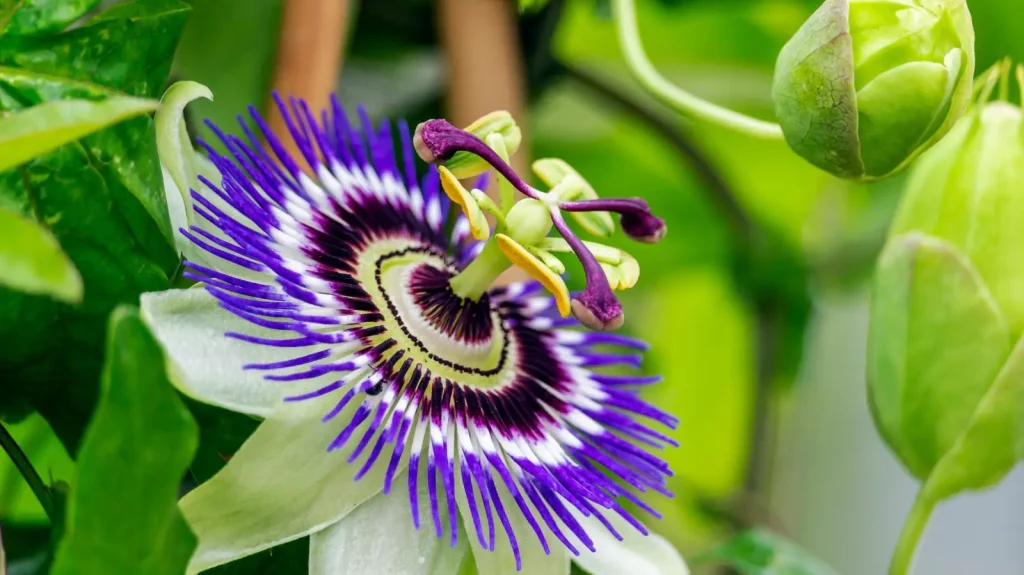
Krishna Kamal is a vine plant known for its unique and attractive flowers. The flowers have a complex structure, featuring five petals, five sepals, and a central intricate filament. The color of its flowers is typically purple, blue, or white, adding to its extraordinary beauty.
Botanical Characteristics
The Passiflora genus consists of about 550 species, making it a diverse group with a variety of flower shapes and colors. The vines can grow up to 30 feet in length and have tendrils that help them climb and spread. The leaves are usually lobed and dark green, providing a lush backdrop for the stunning flowers. The flowers themselves can be quite large, often reaching up to 5 inches in diameter.
Flower Structure
The unique structure of the Krishna Kamal flower includes several components:
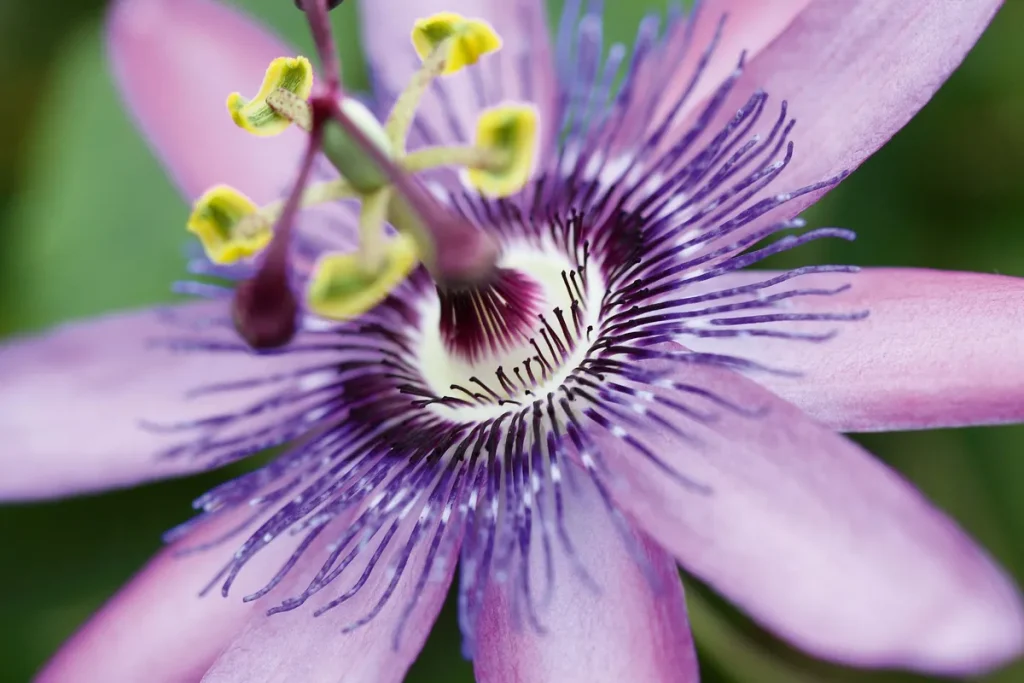
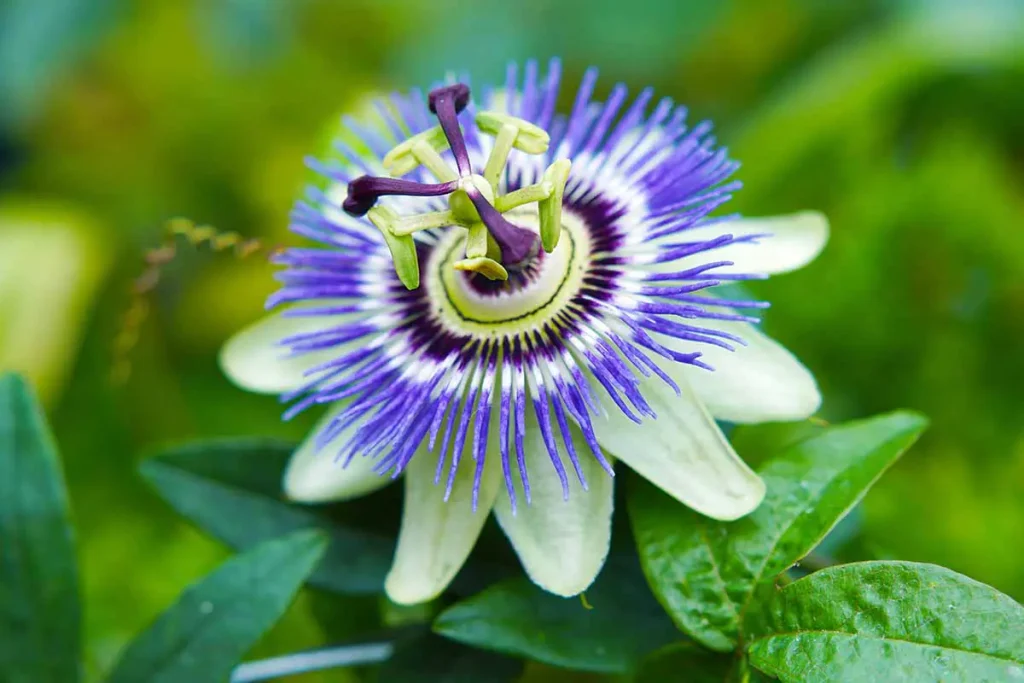
- Petals and Sepals: The flower has five petals and five sepals, which are often indistinguishable from each other due to their similar appearance.
- Corona Filaments: These are the most distinctive part of the flower, forming a crown-like structure in the center. They can be of varying lengths and colors, adding to the flower’s intricate beauty.
- Gynoecium and Androecium: The reproductive parts of the flower are also quite prominent, with three stigmas and five anthers. This elaborate structure is not only visually appealing but also aids in the flower’s pollination process.

Medicinal Uses
The flowers, leaves, and stems of Krishna Kamal are rich in medicinal properties. They are used to treat various health issues:
Passiflora in Homeopathy
Passiflora is widely used in homeopathy for its calming and sedative properties. Homeopathic remedies made from Passiflora are used to treat conditions such as anxiety, insomnia, and nervousness. These remedies are prepared by diluting extracts of the plant and are believed to work by stimulating the body’s natural healing processes.
What is Passiflora Used for in Homeopathy?
In homeopathy, Passiflora is used to treat a range of conditions, including:
- Anxiety and Nervousness: Passiflora is known for its calming effects on the nervous system. It helps reduce symptoms of anxiety and promotes a sense of relaxation.
- Insomnia: Passiflora is commonly used to treat sleep disorders. It helps improve sleep quality and duration, making it an effective remedy for insomnia.
- Pain Relief: Passiflora has analgesic properties that make it useful in managing pain. It is often used to treat headaches, muscle pain, and other types of chronic pain.
- Digestive Issues: Passiflora helps improve digestion and alleviate symptoms of digestive disorders such as irritable bowel syndrome (IBS) and gastritis.
Passiflora Flower Benefits
The Passiflora flower itself is also used for its medicinal properties. It contains various bioactive compounds that contribute to its health benefits:
- Flavonoids: These compounds have antioxidant properties that help protect the body from oxidative stress and inflammation.
- Alkaloids: Passiflora contains alkaloids that have calming and sedative effects, making it useful in treating anxiety and sleep disorders.
- Glycosides: These compounds have a beneficial effect on the cardiovascular system and help regulate blood pressure.
Is Passionflower Safe to Take Daily?
Passionflower is generally considered safe for daily use, especially in moderate amounts. However, it is important to follow the recommended dosage and consult with a healthcare provider before starting any new supplement. Potential side effects of passionflower include dizziness, drowsiness, and nausea, particularly when taken in large doses.
Is Passiflora Good for Sleep?
Yes, Passiflora is known for its sedative properties and is commonly used to improve sleep quality. It helps relax the mind and body, making it easier to fall asleep and stay asleep. Passiflora can be taken in the form of tea, tincture, or capsules to promote restful sleep.
Is Passiflora Good for Blood Pressure?
Passiflora has been shown to have a beneficial effect on blood pressure. The flavonoids and alkaloids in Passiflora help relax the blood vessels, which can lower blood pressure. Regular consumption of Passiflora can contribute to better cardiovascular health.
PASSIONFLOWER – Uses, Side Effects, and More
Passionflower has a wide range of uses, but it is important to be aware of potential side effects and interactions with other medications. Some common uses and side effects include:
- Uses:
- Treating anxiety and stress
- Improving sleep quality
- Relieving pain
- Supporting digestive health
- Side Effects:
- Drowsiness and dizziness
- Nausea and vomiting
- Allergic reactions in some individuals
- Interactions:
- Passionflower may interact with sedative medications, blood thinners, and certain antidepressants. It is important to consult with a healthcare provider before using Passionflower if you are taking other medications.
Cultivation and Care
Krishna Kamal is easy to cultivate but requires adequate sunlight and moisture. It can be grown in pots or gardens. This plant grows rapidly and thrives well with minimal care.
How to Plant Passiflora
Planting Passiflora involves a few simple steps to ensure healthy growth:
- Choose the Right Location: Passiflora requires full sun to partial shade. Select a location that receives at least six hours of sunlight per day.
- Prepare the Soil: Passiflora prefers well-drained, fertile soil. Amend the soil with compost or organic matter to improve its fertility and drainage.
- Planting: Dig a hole twice the size of the root ball. Place the plant in the hole and cover the roots with soil. Water thoroughly after planting.
- Support: As a climbing vine, Passiflora needs support to grow. Provide a trellis, fence, or other structure for the plant to climb.
- Watering: Water the plant regularly, especially during dry periods. Keep the soil consistently moist but not waterlogged.
Passiflora Varieties
The Passiflora genus includes a wide variety of species, each with its own unique characteristics. Some popular varieties include:
- Passiflora caerulea (Blue Passionflower): Known for its striking blue and white flowers, this variety is hardy and can tolerate cooler temperatures.
- Passiflora edulis (Purple Passionfruit): This variety produces edible fruits known as passionfruits. The flowers are usually white with purple filaments.
- Passiflora incarnata (Maypop): Native to the southeastern United States, this variety has large, fragrant flowers and is often used in herbal medicine.
- Passiflora quadrangularis (Giant Granadilla): This variety has large, showy flowers and produces large, edible fruits. It is commonly grown in tropical regions.
Maintenance and Pruning
Passiflora requires regular maintenance and pruning to promote healthy growth:
- Pruning: Prune the plant regularly to remove dead or damaged branches and encourage new growth. Pruning also helps control the size and shape of the plant.
- Fertilizing: Feed the plant with a balanced fertilizer during the growing season to promote healthy growth and flowering.
- Pest Control: Monitor the plant for common pests such as aphids, spider mites, and whiteflies. Use organic or chemical controls as needed to keep pests in check.
Plant Name in Different Languages
| Language | Name |
|---|---|
| English | Passion Flower |
| Mandarin Chinese | 百香果花 (Bǎixiāng guǒ huā) |
| Spanish | Flor de la Pasión |
| Hindi | कृष्णकमल |
| Gujarati | કૃષ્ણકમળ |
| Arabic | زهرة العاطفة |
| Bengali | কৃষ্ণকমল |
| Portuguese | Flor da Paixão |
| Russian | Страстоцвет |
| Japanese | パッションフラワー |
| Punjabi | ਕ੍ਰਿਸ਼ਨਕਮਲ |
| German | Passionsblume |
| Javanese | Kembang Marak |
| Korean | 패션플라워 |
| French | Fleur de la Passion |
| Telugu | కృష్ణకమలం |
| Marathi | कृष्णकमल |
| Tamil | கிருஷ்ணகமலம் |
| Urdu | کرشن کملا |
| Turkish | Çarkıfelek |
| Vietnamese | Hoa lạc tiên |
Conclusion
Krishna Kamal is not only a beautiful and unique flower but also holds great religious, historical, and medicinal importance. Cultivating and preserving this plant is beneficial for both the environment and health. If you are looking for a plant that excels in beauty and utility, Krishna Kamal is an excellent choice for your garden.
FAQs
Krishna Kamal, also known as Passion Flower, is a vine plant known for its beautiful and complex flowers.
It is used for stress relief, insomnia, pain relief, and digestive aid.
It requires adequate sunlight, moderate watering, and well-drained soil. It can be grown in pots or gardens.
Krishna Kamal can be grown both indoors and outdoors.
In Hinduism, it is considered a sacred flower and symbolizes various avatars and events from Lord Krishna’s life.

