

Marigold flowers are among the most popular and common flowers in Indian gardening. Their bright colors, various sizes, and fragrance not only enhance the beauty of gardens but also play a significant role in religious and social ceremonies. In this blog, we will discuss the different types of marigolds and their unique characteristics.
Table of contents
- African Marigold (Tagetes erecta)
- French Marigold (Tagetes patula)
- Signet Marigold (Tagetes tenuifolia)
- Aztec Marigold (Tagetes lucida)
- Spanish Marigold (Tagetes minuta)
- Care and Uses of Marigold Flowers
- Marigold Characteristics Table
- Common Uses of Marigold Flowers
- Medicinal Properties of Marigold Flowers
- Marigold Varieties and Their Growth Conditions
- Growing Marigold Flowers from Seeds
- Cultural Significance of Marigold Flowers
- Pests and Diseases Affecting Marigold Flowers
- Conclusion
- Marigold Names in Different Languages
- Suggested Links
African Marigold (Tagetes erecta)
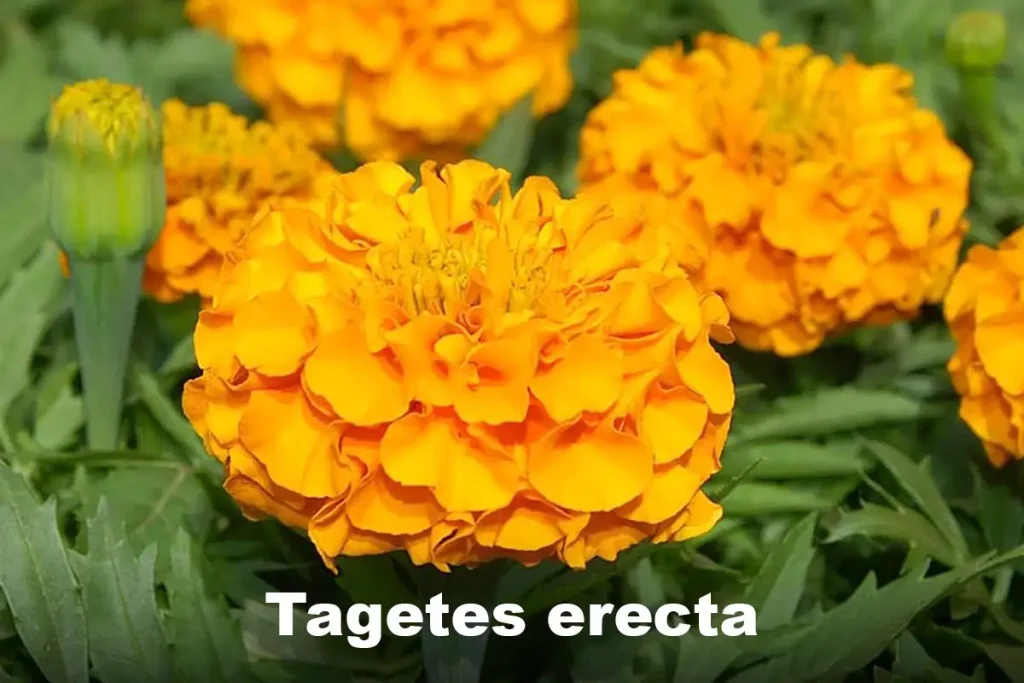
African Marigold, also known as ‘Marigold,’ is renowned for its large and magnificent flowers. The diameter of these flowers can range from 4 to 6 inches, and they typically come in yellow, orange, and golden hues. This species primarily blooms during the summer and monsoon seasons. African Marigold plants can reach a height of 3 to 4 feet, and their flowers remain fresh for a long time, making them suitable for bouquets and garlands.
Characteristics
- Common Name: African Marigold
- Scientific Name: Tagetes erecta
- Family: Asteraceae
- Origin: Mexico
- Habitat: Gardens and cultivated fields
- Plant Type: Annual
- Leaves: Pinnate with serrated edges
- Flowers: Large, ranging from yellow to orange
- Flowering Season: Summer and monsoon
- Height: 3 to 4 feet
- Light Requirements: Full sunlight
- Soil Requirements: Well-drained, fertile soil
- Water Requirements: Regular watering, but avoid waterlogging
- Propagation: Seeds
Uses
African Marigolds are widely used for decorative purposes in homes, gardens, and during festive occasions. Their large, bright blooms make them a favorite for garlands and flower arrangements. They also have insect-repelling properties, making them useful in companion planting to protect vegetable gardens from pests.
French Marigold (Tagetes patula)
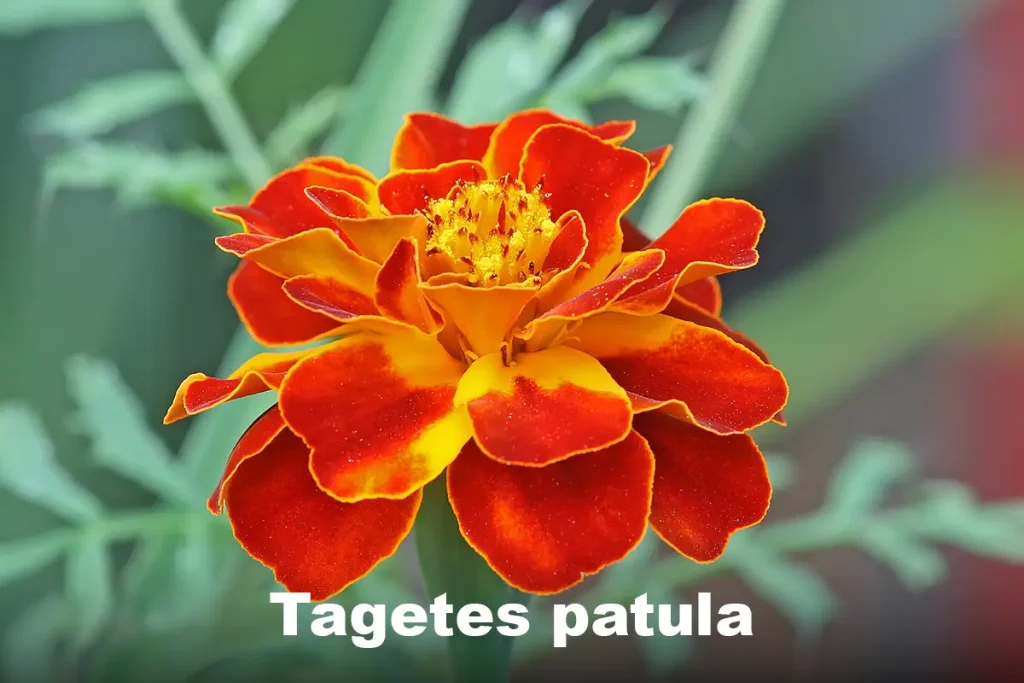
French Marigold is identified by its smaller and denser flowers, with a diameter of 2 to 3 inches. These flowers come in a variety of colors, including red, yellow, orange, and mixed shades. French Marigold plants are smaller, with a height ranging from 6 to 12 inches. These flowers mostly bloom in the summer and early autumn and look attractive in gardens due to their bright colors.
Characteristics
- Common Name: French Marigold
- Scientific Name: Tagetes patula
- Family: Asteraceae
- Origin: Mexico
- Habitat: Gardens and containers
- Plant Type: Annual
- Leaves: Dark green, pinnate with serrated edges
- Flowers: Small, ranging from red, yellow, orange, and bi-colored
- Flowering Season: Summer to early autumn
- Height: 6 to 12 inches
- Light Requirements: Full sunlight
- Soil Requirements: Well-drained, fertile soil
- Water Requirements: Regular watering
- Propagation: Seeds
Uses
French Marigolds are ideal for edging garden beds, planting in containers, and using in borders due to their compact size and bright colors. They also have pest-repelling qualities and are often used in vegetable gardens to deter nematodes and other pests.
Signet Marigold (Tagetes tenuifolia)
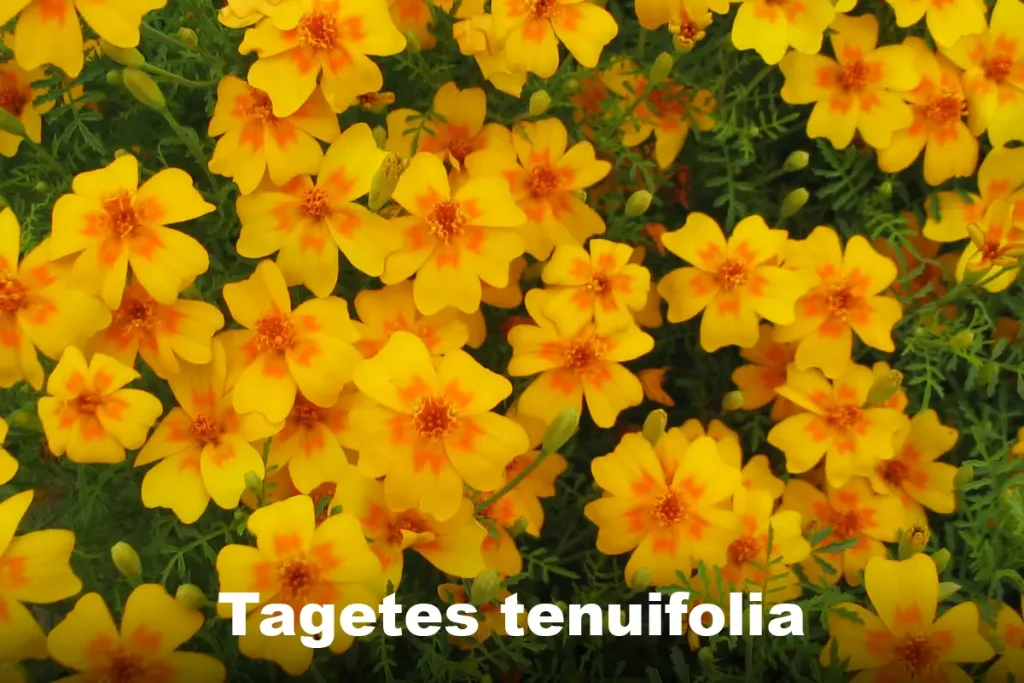
Signet Marigold is characterized by its small and delicate flowers. These flowers are yellow and orange in color and have a mild fragrance. Signet Marigold plants grow to a height of about 1 to 2 feet. These plants are drought-tolerant and ideal for planting along garden borders or in small flower beds.
Characteristics
- Common Name: Signet Marigold
- Scientific Name: Tagetes tenuifolia
- Family: Asteraceae
- Origin: Mexico
- Habitat: Dry, well-drained areas
- Plant Type: Annual
- Leaves: Small, fern-like
- Flowers: Small, yellow or orange, fragrant
- Flowering Season: Summer
- Height: 1 to 2 feet
- Light Requirements: Full sunlight
- Soil Requirements: Well-drained soil
- Water Requirements: Low, drought-tolerant
- Propagation: Seeds
Uses
Signet Marigolds are excellent for rock gardens, borders, and as companion plants in vegetable gardens. Their delicate flowers and foliage add a soft touch to garden landscapes. They are also edible and can be used as a garnish in salads and other dishes.
Aztec Marigold (Tagetes lucida)
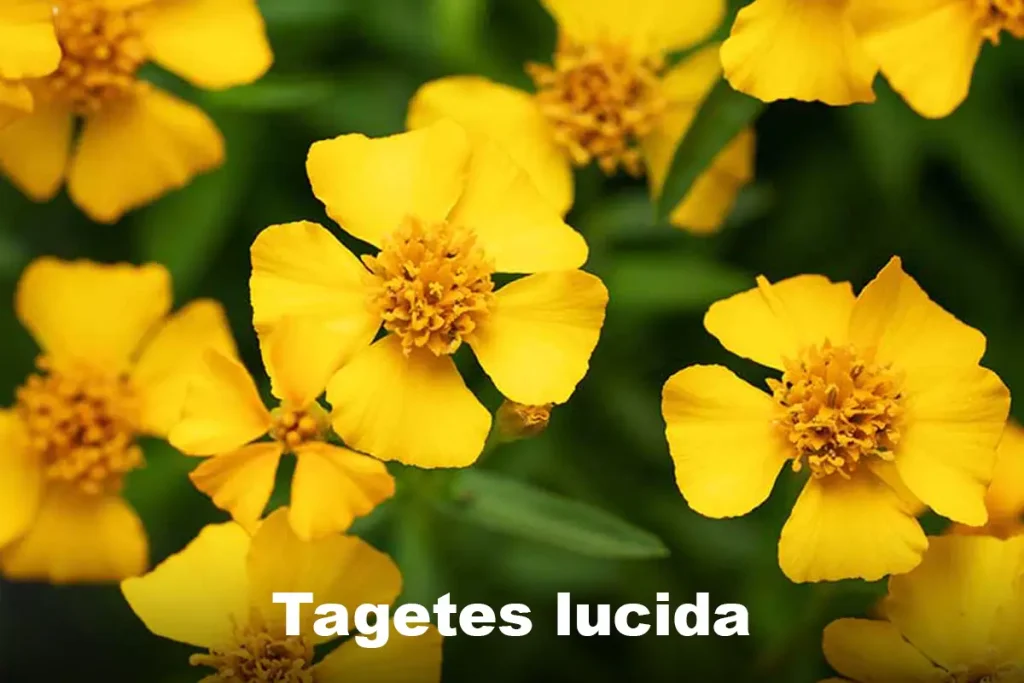
Aztec Marigold is known for its bright yellow flowers and medicinal properties. The flowers are small, and the plants can reach a height of 1 to 3 feet. Aztec Marigold is used in traditional medicine and can also be consumed as tea. This species is mainly found in Mexico and Central America.
Characteristics
- Common Name: Aztec Marigold
- Scientific Name: Tagetes lucida
- Family: Asteraceae
- Origin: Mexico and Central America
- Habitat: Mountainous regions
- Plant Type: Perennial
- Leaves: Lanceolate, glossy green
- Flowers: Small, bright yellow
- Flowering Season: Summer and autumn
- Height: 1 to 3 feet
- Light Requirements: Full sunlight to partial shade
- Soil Requirements: Well-drained soil
- Water Requirements: Moderate
- Propagation: Seeds or cuttings
Uses
Aztec Marigold has various uses in traditional medicine for treating digestive issues, colds, and as a stimulant. The leaves and flowers are often used to make a herbal tea known as ‘Mexican Tarragon.’ It is also used in religious and cultural rituals in Mexico.
Spanish Marigold (Tagetes minuta)
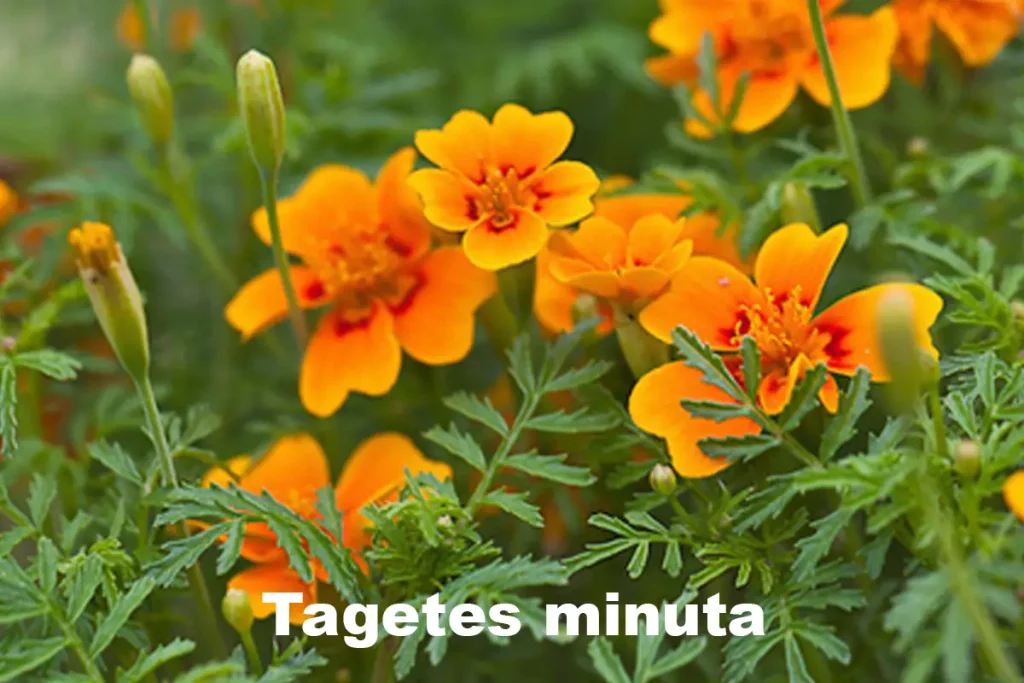
Spanish Marigold is distinguished by its small and fragrant flowers, which are yellow and light orange. Spanish Marigold plants can grow up to 3 to 5 feet tall. It is also used in traditional medicine due to its medicinal properties. This plant is considered insect-resistant and is planted in gardens to protect other plants.
Characteristics
- Common Name: Spanish Marigold
- Scientific Name: Tagetes minuta
- Family: Asteraceae
- Origin: South America
- Habitat: Open fields and gardens
- Plant Type: Annual
- Leaves: Pinnate, aromatic
- Flowers: Small, yellow to light orange
- Flowering Season: Summer and autumn
- Height: 3 to 5 feet
- Light Requirements: Full sunlight
- Soil Requirements: Well-drained soil
- Water Requirements: Regular watering
- Propagation: Seeds
Uses
Spanish Marigold is known for its insect-repellent properties and is used in companion planting to protect other crops from pests. Its essential oils are used in traditional medicine to treat various ailments, including respiratory issues and digestive problems. The plant is also used in some cultures for its aromatic leaves and flowers in cooking.
Care and Uses of Marigold Flowers
Marigold flowers are easy to grow and can thrive in various types of soil and climates. They require direct sunlight and regular watering, along with proper fertilization, for the best results. Marigold flowers can be used in various ways:
- Decoration: For decorating homes, gardens, and worship places.
- Medicinal: In traditional medicine for treating various ailments.
- Insect Repellent: For protecting gardens from pests.
Tips for Growing Healthy Marigold Flowers
To grow healthy marigold flowers, follow these tips:
- Choose the Right Variety: Select a marigold variety that suits your garden’s climate and soil conditions.
- Proper Planting: Plant marigold seeds or seedlings in well-drained soil. Ensure they are spaced adequately to allow for proper air circulation.
- Sunlight: Marigolds thrive in full sunlight. Ensure they receive at least 6-8 hours of direct sunlight daily.
- Watering: Water marigolds regularly, keeping the soil moist but not waterlogged. Overwatering can lead to root rot.
- Fertilization: Use a balanced fertilizer to promote healthy growth and vibrant blooms. Fertilize every 4-6 weeks during the growing season.
- Pest Control: Keep an eye out for common pests like aphids and spider mites. Use organic pest control methods or insecticidal soap to manage infestations.
- Deadheading: Remove spent flowers to encourage new blooms and maintain the plant’s appearance.
Marigold Characteristics Table
| Details | Description |
|---|---|
| Common Name | Marigold |
| Scientific Name | Tagetes |
| Family | Asteraceae |
| Origin | Central and South America |
| Habitat | Gardens, fields, and roadsides |
| Plant Type | Annual and perennial |
| Leaves | Green, pinnate |
| Flowers | Yellow, orange, red, mixed colors |
| Flowering Season | Summer, monsoon, autumn |
| Fruit | Small, dry |
| Seeds | Black, linear |
| Roots | Fibrous |
| Height | 6 inches to 5 feet |
| Light Requirements | Full sunlight |
| Soil Requirements | Well-drained soil |
| Water Requirements | Regular watering |
| Propagation | Seeds |
| Uses | Decoration, medicinal, insect repellent |
| Medicinal Properties | Anti-inflammatory, antiseptic |
| Cultural Significance | Used in festivals and rituals |
| Common Pests | Aphids, spider mites |
| Common Diseases | Powdery mildew, root rot |
Common Uses of Marigold Flowers
Marigold flowers have various uses beyond their ornamental value:
- Culinary Uses: Marigold petals are used in cooking to add color and flavor to dishes. They are often used as a substitute for saffron.
- Cosmetic Uses: Marigold extracts are used in skincare products for their anti-inflammatory and healing properties.
- Religious and Cultural Uses: Marigolds are extensively used in religious ceremonies, festivals, and cultural events. They are often used to make garlands and decorations for special occasions.
Medicinal Properties of Marigold Flowers
Marigold flowers have been used in
traditional medicine for centuries. Their medicinal properties include:
- Anti-Inflammatory: Marigold extracts are used to reduce inflammation and treat skin conditions like eczema and dermatitis.
- Antiseptic: The flowers have antiseptic properties and are used to heal wounds and prevent infections.
- Digestive Aid: Marigold tea is used to treat digestive issues such as stomach cramps, diarrhea, and indigestion.
- Eye Health: The carotenoids in marigold flowers are beneficial for eye health and help prevent age-related macular degeneration.
- Immune Support: Marigold extracts are believed to boost the immune system and protect against infections.
Marigold Varieties and Their Growth Conditions
Different varieties of marigold flowers have specific growth conditions that optimize their health and blooming:
African Marigold
- Climate: Warm and sunny climates are ideal for African Marigolds.
- Soil: They prefer well-drained, fertile soil with a neutral pH.
- Watering: Regular watering is essential, especially during dry spells, but avoid overwatering.
French Marigold
- Climate: French Marigolds thrive in a wide range of climates, from warm to moderately cool.
- Soil: They grow well in well-drained, moderately fertile soil.
- Watering: Regular watering is needed, but they can tolerate short periods of drought.
Signet Marigold
- Climate: Signet Marigolds prefer warm, dry climates.
- Soil: Well-drained, sandy or loamy soil is ideal.
- Watering: Low water requirements, drought-tolerant once established.
Aztec Marigold
- Climate: Warm climates with some shade.
- Soil: Rich, well-drained soil.
- Watering: Moderate watering needs, avoid waterlogging.
Spanish Marigold
- Climate: Warm, sunny climates.
- Soil: Well-drained soil with moderate fertility.
- Watering: Regular watering, especially during dry periods.
Growing Marigold Flowers from Seeds
Growing marigold flowers from seeds is a rewarding process that ensures a vibrant display of blooms. Here’s a step-by-step guide:
- Seed Selection: Choose high-quality marigold seeds from a reputable source. Consider the variety you want to grow based on your garden’s conditions and your preferences.
- Sowing Seeds: Sow marigold seeds indoors 6-8 weeks before the last frost date. Use seed trays or pots filled with seed-starting mix.
- Light and Temperature: Place the seed trays in a warm location with plenty of light. Maintain a temperature of around 70-75°F (21-24°C).
- Germination: Marigold seeds typically germinate in 5-7 days. Keep the soil moist but not waterlogged during this period.
- Transplanting: Once the seedlings have developed two sets of true leaves, they can be transplanted outdoors. Harden off the seedlings by gradually exposing them to outdoor conditions for a week.
- Planting Outdoors: Choose a sunny location with well-drained soil. Space the plants according to their mature size—typically 6-12 inches apart for French Marigolds and 12-18 inches apart for African Marigolds.
- Care and Maintenance: Water the plants regularly and apply a balanced fertilizer every 4-6 weeks. Deadhead spent flowers to encourage continuous blooming.
Cultural Significance of Marigold Flowers
Marigold flowers hold significant cultural and religious importance in many parts of the world. In India, marigolds are extensively used in religious ceremonies, weddings, and festivals. They are often used to make garlands and decorate temples and homes.
- Hindu Festivals: Marigolds are used in large quantities during festivals like Diwali and Navratri. Their bright colors symbolize positivity and are believed to attract divine blessings.
- Weddings: In Indian weddings, marigold garlands are used to welcome guests and decorate venues. They are also used in various rituals and ceremonies.
- Day of the Dead: In Mexico, marigolds, known as ‘cempasúchil,’ are an integral part of the Day of the Dead celebrations. The flowers are used to create altars and are believed to guide the spirits of the deceased to their families.
Pests and Diseases Affecting Marigold Flowers
While marigold flowers are relatively hardy, they can still be affected by various pests and diseases. Here are some common issues and how to manage them:
Common Pests
- Aphids: These small insects suck sap from marigold plants, causing yellowing and distortion of leaves. Use insecticidal soap or neem oil to control aphid infestations.
- Spider Mites: These tiny pests can cause stippling and yellowing of leaves. Increase humidity around the plants and use miticides if necessary.
- Whiteflies: Whiteflies can weaken marigold plants by sucking sap. Use yellow sticky traps and insecticidal soap to manage whiteflies.
- Slugs and Snails: These pests can chew holes in marigold leaves and flowers. Use slug pellets or create barriers with crushed eggshells to deter them.
Common Diseases
- Powdery Mildew: This fungal disease appears as white, powdery spots on leaves and stems. Improve air circulation around the plants and use fungicidal sprays to control powdery mildew.
- Botrytis Blight: Also known as gray mold, this disease causes brown spots on flowers and leaves. Remove affected plant parts and ensure good air circulation.
- Root Rot: Overwatering can lead to root rot, causing the plant to wilt and die. Ensure well-drained soil and avoid waterlogging.
- Leaf Spot: Fungal leaf spots can cause dark lesions on marigold leaves. Remove and destroy affected leaves and use fungicidal sprays if necessary.
Conclusion
Marigold flowers are a versatile and vibrant addition to any garden. Their wide variety of colors, sizes, and types makes them a favorite among gardeners. Whether you are growing them for their beauty, medicinal properties, or pest-repelling qualities, marigolds are sure to enhance the charm of your garden. With proper care and attention, you can enjoy their bright blooms throughout the growing season.
Marigold Names in Different Languages
| Language | Name |
|---|---|
| English | Marigold |
| Mandarin | 金盏花 (Jīnzhǎn huā) |
| Spanish | Caléndula |
| Hindi | गेंदा |
| Gujarati | ગલગોટા |
| Arabic | القطيفة (Alqatifa) |
| Bengali | গাঁদা ফুল |
| Portuguese | Calêndula |
| Russian | Календула |
| Japanese | マリーゴールド (Marīgōrudo) |
| Punjabi | ਗੇਂਦਾ ਫੁੱਲ |
| German | Ringelblume |
| Javanese | Kenikir |
| Korean | 금잔화 (Geumjanhwa) |
| French | Souci |
| Telugu | బంతిపువ్వు |
| Marathi | झेंडू |
| Tamil | சாமந்தி |
| Urdu | گیندا |
| Turkish | Kadife çiçeği |
| Vietnamese | Cúc vạn thọ |
FAQs about Marigold Flowers
The main types are African Marigold, French Marigold, Signet Marigold, Aztec Marigold, and Spanish Marigold.
Marigolds need full sunlight, regular watering, and well-drained soil. Fertilization helps in better growth and blooming.
Yes, marigold flowers have anti-inflammatory and antiseptic properties and are used in traditional medicine.
Common pests include aphids and spider mites.
Marigolds are widely used in festivals, rituals, and as decorative elements in various cultural ceremonies.
Sow seeds indoors 6-8 weeks before the last frost date, keep them warm and moist, and transplant outdoors after hardening off.
They include anti-inflammatory, antiseptic, digestive aid, eye health benefits, and immune support.
Marigold petals can be used to add color and flavor to dishes, often as a substitute for saffron.
Powdery mildew, botrytis blight, root rot, and leaf spot are common diseases that affect marigolds.
Plant marigolds around vegetable gardens to repel pests and protect other plants from nematodes and insects.

