
Introduction to Spider Plant
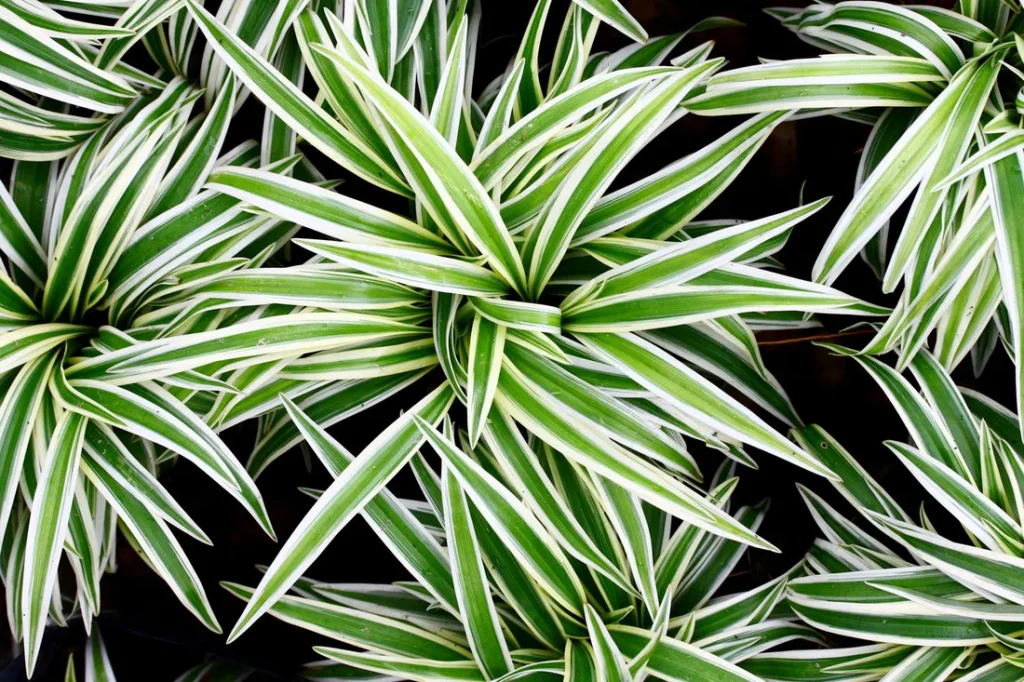
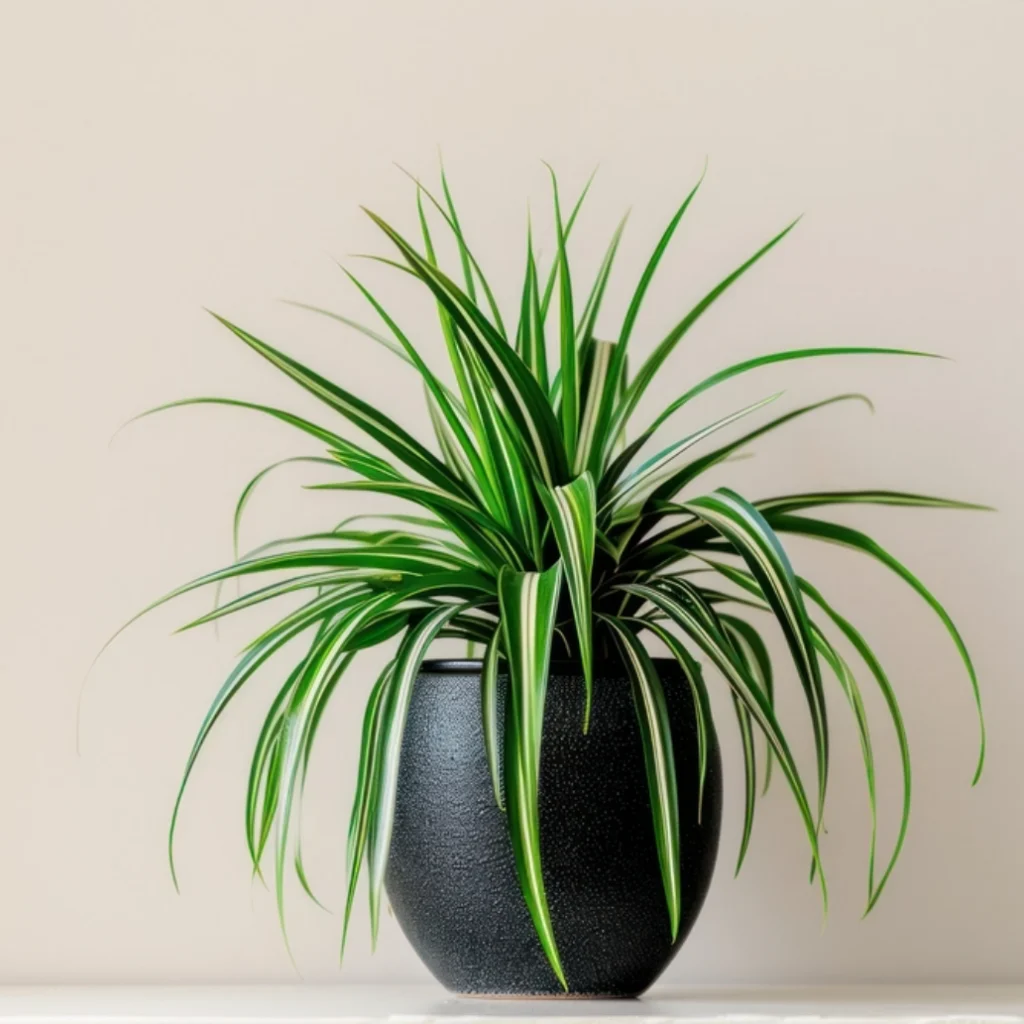
The Spider Plant, scientifically known as Chlorophytum comosum, is a widely favored indoor plant renowned for its distinctive green and white striped leaves and decorative charm. Originating from the tropical regions of Africa, the Spider Plant is celebrated for its ease of cultivation and maintenance, making it an ideal choice for novice gardeners and plant enthusiasts alike. This guide will delve into every aspect of the Spider Plant, from its benefits to detailed care instructions, propagation methods, and solutions to common problems.
Table of contents
- Introduction to Spider Plant
- Spider Plant Benefits
- Spider Plant Characteristics Table
- How to Care for Spider Plant
- Spider Plant Propagation
- How to Save a Dying Spider Plant
- Spider Plant Care for Babies
- Lifespan and Placement of Spider Plants
- Common Problems and Solutions
- Special Care Tips
- Cultural Practices
- Plant Name in Different Languages
- Conclusion
- FAQs
- Suggested Links
Spider Plant Benefits
Air Purification
One of the most significant benefits of the Spider Plant is its ability to purify the air. According to NASA’s Clean Air Study, Spider Plants are effective at removing harmful chemicals like formaldehyde, xylene, and toluene from the air. These volatile organic compounds (VOCs) are commonly found in household products and can cause health issues with prolonged exposure. By absorbing these toxins, Spider Plants help improve indoor air quality, making them an excellent addition to any home or office.
Easy Care and Maintenance
Spider Plants are known for their low maintenance requirements. They are resilient and can thrive in a variety of environmental conditions, which makes them perfect for both seasoned gardeners and beginners. Their adaptability to different light and water conditions means they require minimal attention, yet they continue to grow and flourish.
Fast Growth and Propagation
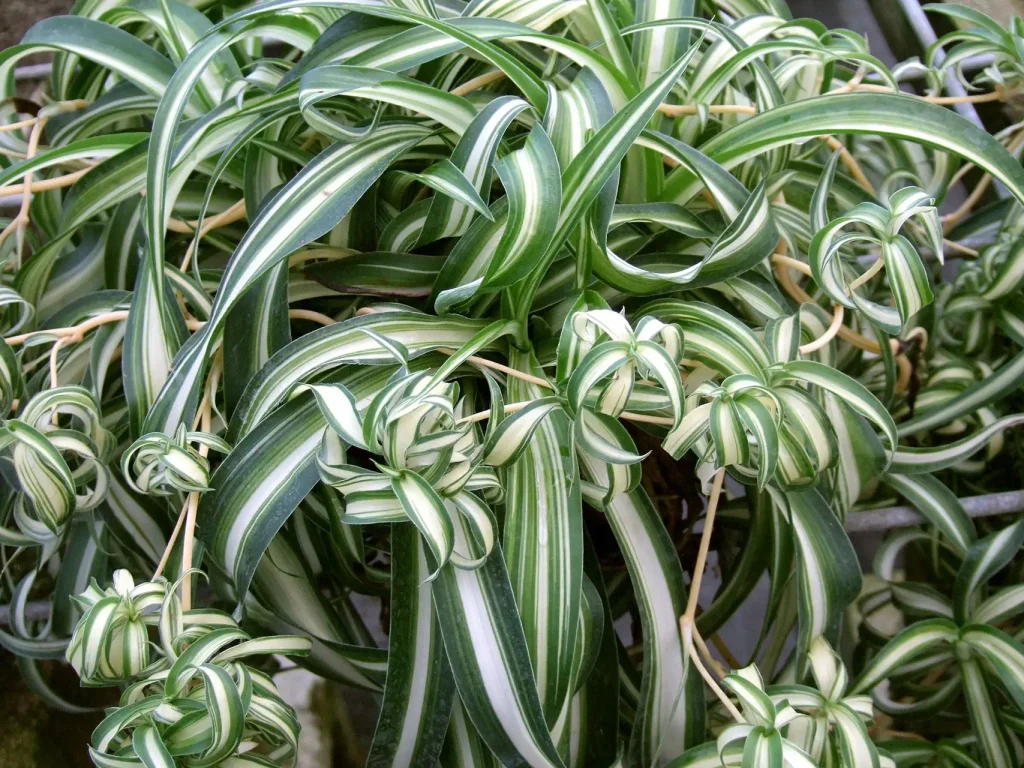
Spider Plants grow rapidly, often producing numerous baby plants, known as spiderettes, on their stolons. This rapid growth allows plant owners to propagate new plants easily, providing an endless supply of greenery for homes and offices. The propagation process is simple and can be done by anyone, regardless of their gardening experience.
Decorative Appeal
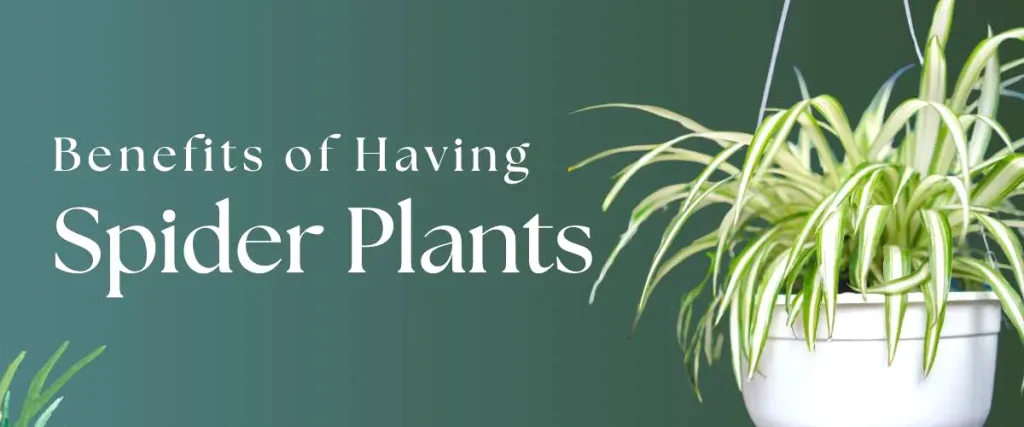
With their long, arching leaves and clusters of spiderettes, Spider Plants add a touch of natural beauty to any interior space. Their cascading growth habit makes them ideal for hanging baskets or high shelves, where their foliage can drape elegantly.
Spider Plant Characteristics Table
| Detail | Description |
|---|---|
| Common Name | Spider Plant |
| Scientific Name | Chlorophytum comosum |
| Family | Asparagaceae |
| Origin | Africa |
| Habitat | Tropical regions |
| Plant Type | Perennial |
| Indoor Plant | Yes |
| Outdoor Plant | Yes |
| Leaves | Green with white stripes |
| Flowers | Small, white |
| Flowering Season | Varies |
| Fruit | None |
| Seeds | Tiny, black |
| Roots | Thick, tuberous |
| Height | Up to 60 cm |
| Growth Rate | Fast |
| Light Requirements | Bright, indirect light |
| Soil Requirements | Well-draining potting soil |
| Water Requirements | Regular, let soil dry |
| Temperature Requirements | 15°C – 25°C |
| Humidity Requirements | Moderate |
| Propagation | By plantlets on stolons |
| Uses | Ornamental, air purification |
| Medicinal Properties | None known |
| Toxicity | Non-toxic to humans and pets |
| Cultural Significance | Popular in households |
| Common Pests | Spider mites, aphids |
| Common Diseases | Root rot due to overwatering |
| Special Care Tips | Avoid direct sunlight |
| Cultural Practices | Regular pruning |
How to Care for Spider Plant
Light Requirements
Spider Plants thrive in bright, indirect light but can also tolerate low light conditions. However, for optimal growth, place them in a spot where they can receive filtered sunlight. Direct sunlight can scorch their leaves, so it’s best to avoid placing them in such locations.
Watering
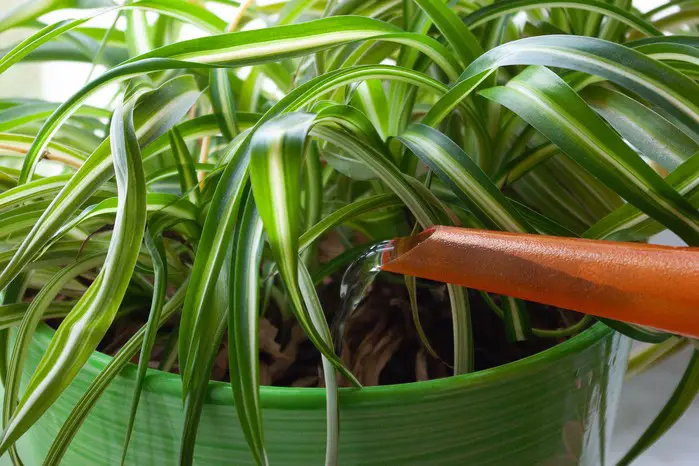
Spider Plants prefer to be kept moderately moist. Water them thoroughly, allowing the soil to dry out slightly between waterings. Overwatering can lead to root rot, a common issue with many houseplants. During the growing season (spring and summer), increase watering frequency, but reduce it during the dormant period (fall and winter).
Soil and Potting
Use well-draining potting soil for Spider Plants. A mix that includes peat moss, pine bark, and perlite is ideal. Good drainage is crucial to prevent water from stagnating around the roots, which can cause root rot.
Temperature and Humidity
Spider Plants prefer temperatures between 15°C and 25°C (59°F to 77°F). They can tolerate slightly lower temperatures but should be protected from frost. These plants also appreciate moderate humidity levels. In dry indoor environments, occasional misting can help maintain the humidity around the plant.
Fertilizing
Feed your Spider Plant with a balanced, water-soluble fertilizer once a month during the growing season. Over-fertilizing can lead to salt build-up in the soil, which can harm the plant. Therefore, it’s important to follow the recommended dosage on the fertilizer package.
Pruning
Prune your Spider Plant to remove any yellow or brown leaves and to maintain its shape. Regular pruning encourages new growth and helps keep the plant looking its best.
Spider Plant Propagation
How to Propagate Spider Plant Babies
Spider Plant babies, or spiderettes, grow on the ends of long stolons. To propagate, follow these steps:
- Identify Mature Spiderettes: Look for spiderettes that have small roots already forming. These are ready to be propagated.
- Cut the Spiderette: Using clean scissors or pruning shears, cut the spiderette from the main plant.
- Planting in Soil: Plant the spiderette directly into a pot filled with well-draining soil. Water it lightly and keep the soil moist until the plant establishes itself.
How to Know When Spider Plant Babies Are Ready
Spider Plant babies are ready to be propagated when they have developed small roots, usually about 1-2 centimeters long. These roots indicate that the spiderette is capable of sustaining itself once separated from the parent plant.
How Long Does It Take for Spider Plant Babies to Grow Roots?
Typically, spiderettes will start developing roots within a few weeks if placed in water or moist soil. The exact time can vary depending on environmental conditions such as light, temperature, and humidity.
How Can I Make My Baby Spider Plant Grow Faster?
To encourage faster growth in spider plant babies, provide them with optimal conditions:
- Light: Ensure they receive bright, indirect light.
- Water: Keep the soil consistently moist but not waterlogged.
- Humidity: Maintain moderate humidity levels around the plants.
- Fertilizer: Use a diluted, balanced fertilizer to provide necessary nutrients.
Can I Plant Spider Plant Babies Directly into Soil?
Yes, spider plant babies can be planted directly into soil. Ensure the soil is well-draining and water the newly planted spiderette lightly. Keep the soil moist until the plant establishes its roots and starts to grow.
How to Save a Dying Spider Plant
Diagnosing the Problem
Before you can save a dying Spider Plant, it’s essential to diagnose the problem. Common issues include:
- Yellow Leaves: Often caused by overwatering or poor drainage.
- Brown Tips: Usually due to low humidity, excessive fertilizer, or fluoride in the water.
- Wilting: Can result from underwatering or root rot.
Solutions
Overwatering: Reduce watering frequency and ensure the pot has proper drainage. Consider repotting the plant in fresh, well-draining soil.
Low Humidity: Increase humidity by misting the plant regularly or placing a humidity tray nearby.
Excessive Fertilizer: Flush the soil with water to remove excess salts and reduce the frequency of fertilization.
Fluoride Sensitivity: Use distilled or rainwater to water your Spider Plant.
Recovery Steps
- Prune Damaged Leaves: Remove any yellow or brown leaves to prevent the plant from wasting energy on them.
- Adjust Watering: Water only when the top inch of soil is dry.
- Improve Lighting: Ensure the plant is receiving bright, indirect light.
- Check for Pests: Inspect the plant for pests like spider mites or aphids and treat accordingly.
Spider Plant Care for Babies
How to Care for Spider Plant Babies
Spider plant babies require similar care to mature plants but with extra attention to their establishment phase:
- Light: Provide bright, indirect light.
- Watering: Keep the soil consistently moist but not soggy.
- Humidity: Maintain moderate humidity levels.
- Fertilizer: Once the plant starts to grow, use a diluted fertilizer every 4-6 weeks.
How Long Does It Take for Spider Plant Babies to Grow Roots?
Spider plant babies typically start growing roots within a few weeks when placed in water or moist soil. The time can vary based on environmental conditions.
How to Know When Spider Plant Babies Are Ready
Spider plant babies are ready for propagation when their roots are at least 1-2 centimeters long. This indicates they are capable of sustaining themselves independently.
How Can I Make My Baby Spider Plant Grow Faster?
To promote faster growth, provide optimal conditions:
- Light: Ensure they get bright, indirect light.
- Water: Keep the soil consistently moist.
- Humidity: Maintain moderate humidity.
- Fertilizer: Use a diluted, balanced fertilizer to support growth.
Can I Plant Spider Plant Babies Directly into Soil?
Yes, spider plant babies can be planted directly into soil. Use well-draining potting mix and keep the soil moist until they establish roots.
Lifespan and Placement of Spider Plants
How Long Do Spider Plants Live?
Spider Plants can live for several years with proper care. They are resilient and can continue to produce new plantlets over their lifetime, making them a long-term addition to your indoor garden.
Where Is the Best Place to Put a Spider Plant?
The best place for a Spider Plant is in a spot with bright, indirect light. Avoid direct sunlight as it can scorch the leaves. Ideal locations include near a window with filtered light or in a well-lit room.
What Are the Disadvantages of Spider Plants?
While Spider Plants have many benefits, there are a few disadvantages to consider:
- Sensitivity to Fluoride: They can be sensitive to fluoride in tap water, which can cause leaf tips to brown.
- Root Bound: Spider Plants tend to become root-bound quickly, requiring frequent repotting.
- Pest Attraction: They can occasionally attract pests like spider mites and aphids.
What Are the Best Conditions for Spider Plants?
The best conditions for Spider Plants include:
- Light: Bright, indirect light.
- Watering: Moderate watering, allowing soil to dry slightly between waterings.
- Soil: Well-draining potting mix.
- Temperature: Between 15°C and 25°C.
- Humidity: Moderate humidity levels.
Common Problems and Solutions
Yellow Leaves
Cause: Overwatering or poor drainage.
Solution: Reduce watering frequency, ensure the pot has proper drainage, and consider repotting in fresh soil.
Brown Tips
Cause: Low humidity, excessive fertilizer, or fluoride in the water.
Solution: Increase humidity, reduce fertilizer usage, and use distilled or rainwater.
Wilting
Cause: Underwatering or root rot.
Solution: Adjust watering
habits and check roots for rot. If root rot is present, trim affected roots and repot in fresh soil.
Pests
Common Pests: Spider mites and aphids.
Solution: Treat with insecticidal soap or a mixture of water and mild dish soap. Ensure the plant is in good health to resist pests naturally.
Root Rot
Cause: Overwatering and poor drainage.
Solution: Allow soil to dry out between waterings, ensure the pot has drainage holes, and repot in well-draining soil if necessary.
Special Care Tips
Avoid Direct Sunlight
Spider Plants can get sunburned if exposed to direct sunlight. Place them in a location with bright, indirect light to prevent this.
Regular Pruning
Prune your Spider Plant regularly to remove dead or damaged leaves. This helps the plant conserve energy and encourages new growth.
Repotting
Spider Plants tend to become root-bound. Repot them every 1-2 years to ensure they have enough space to grow. Use a slightly larger pot with fresh, well-draining soil.
Humidity Maintenance
Maintain moderate humidity levels around your Spider Plant. In dry environments, use a humidity tray or mist the plant occasionally to keep it healthy.
Monitoring Pests
Regularly inspect your Spider Plant for signs of pests such as spider mites or aphids. Early detection and treatment can prevent infestations from becoming severe.
Cultural Practices
Regular Fertilization
Feed your Spider Plant with a balanced, water-soluble fertilizer once a month during the growing season to support healthy growth.
Proper Watering
Follow a consistent watering schedule, allowing the soil to dry out slightly between waterings to prevent overwatering and root rot.
Light Adjustment
If your Spider Plant shows signs of light stress (scorched leaves or leggy growth), adjust its placement to ensure it receives optimal light conditions.
Seasonal Care
Adjust your care routine with the seasons. Increase watering and feeding during the spring and summer, and reduce both during the fall and winter when the plant’s growth slows down.
Plant Name in Different Languages
| Language | Name |
|---|---|
| English | Spider Plant |
| Mandarin | 吊兰 (Diào lán) |
| Spanish | Planta araña |
| Hindi | स्पाइडर प्लांट |
| Gujarati | સ્પાઇડર પ્લાન્ટ |
| Arabic | نبات العنكبوت |
| Bengali | মাকড়সা উদ্ভিদ |
| Portuguese | Planta-aranha |
| Russian | Хлорофитум |
| Japanese | クモノス草 (Kumo no kusa) |
| Punjabi | ਸਪਾਇਡਰ ਪੌਦਾ |
| German | Grünlilie |
| Javanese | Tanduran laba-laba |
| Korean | 거미 식물 (Geom-i singmul) |
| French | Plante araignée |
| Telugu | స్పైడర్ ప్లాంట్ |
| Marathi | स्पायडर प्लांट |
| Tamil | ஸ்பைடர் செடி |
| Urdu | مکڑی کا پودا |
| Turkish | Örümcek Bitkisi |
| Vietnamese | Cây nhện |
Conclusion
The Spider Plant (Chlorophytum comosum) is a versatile and resilient indoor plant that offers numerous benefits, including air purification, easy care, and decorative appeal. With the right care and attention, Spider Plants can thrive for many years, continually producing new plantlets and enhancing the greenery of any indoor space. Whether you’re a seasoned gardener or a beginner, the Spider Plant is an excellent choice to add beauty and health benefits to your home or office.
FAQs
Water your Spider Plant when the top inch of soil is dry. Avoid overwatering to prevent root rot.
Yes, Spider Plants can tolerate low light conditions but thrive best in bright, indirect light.
Brown leaves can be caused by low humidity, excessive fertilizer, or fluoride in the water. Adjust your watering and fertilizing habits, and consider using distilled water.
Propagate by separating spiderettes from the main plant and planting them in well-draining soil or placing them in water until roots develop.
Spider Plants can be affected by spider mites and aphids. Treat infestations with insecticidal soap or a mixture of water and mild dish soap.
With proper care, Spider Plants can live for several years, continually producing new plantlets.
Place your Spider Plant in a location with bright, indirect light, away from direct sunlight.
Disadvantages include sensitivity to fluoride, tendency to become root-bound, and occasional pest infestations.
The best conditions include bright, indirect light, moderate watering, well-draining soil, temperatures between 15°C and 25°C, and moderate humidity levels.
Yes, spider plant babies can be planted directly into well-draining soil. Keep the soil moist until they establish roots.

