
⏱ 25 min read
Table of Contents
- What Is Peperomia?
- Top Benefits of Growing Peperomia
- How to Grow Peperomia Successfully
- Best Soil and Fertilizer for Peperomia
- Watering Peperomia the Right Way
- Sunlight and Light Requirements
- Common Peperomia Problems and Fixes
- How to Propagate Peperomia
- Seasonal Peperomia Care Through the Year
- Uses and Cultural Significance
A reader in Toronto wrote to me last winter, baffled. Her peperomia sat happily on a windowsill for two years, then collapsed in a single week. The culprit? Something almost nobody talks about. We’ll get to that. But first, here’s the quick answer: peperomia plant care is genuinely easy once you understand three things — these plants store water in their thick leaves, hate soggy roots, and prefer bright shade over direct sun. Good peperomia plant care means watering less than you think, using a chunky well-draining mix, and giving them warmth. With over 1,500 species (Peperomia spp.), there’s one for every home, from the rippled watermelon peperomia to the trailing string-of-turtles. Whether you garden in tropical Singapore, temperate London, or arid Dubai, these compact beauties adapt beautifully. By the end of this guide, you’ll know exactly why so many plants fail — and the simple fixes that keep yours thriving for years. For more tips, check out our detailed article on Lithops Care Guide.
Quick Highlights
- Discover why peperomia store water like succulents — and how that changes your watering routine completely
- Learn the exact light spot that makes leaves glow instead of fade
- Master a foolproof propagation method that turns one plant into ten
- Avoid the single most common mistake that kills these plants overnight
- Find the perfect soil mix using globally available materials
- Keep your plant safe — including its pet-friendly status confirmed
Plant Characteristics at a Glance
| Common Name | Peperomia (Radiator Plant, Baby Rubber Plant) |
| Scientific Name | Peperomia spp. |
| Family | Piperaceae (the pepper family) |
| Origin | Tropical Central and South America; some in Africa and Asia |
| Habitat | Rainforest floors and tree trunks (often epiphytic) |
| Plant Type | Evergreen perennial, semi-succulent foliage plant |
| Indoor Plant | Yes — excellent, easy-care houseplant |
| Outdoor Plant | Yes, in frost-free tropical and shaded subtropical areas |
| Leaves | Thick, fleshy; rippled, striped, or glossy depending on species |
| Flowers | Tiny, on slender greenish spikes (rat-tail spadix) |
| Flowering Season | Spring to summer; insignificant blooms |
| Fruit | Very small, dry, rarely seen indoors |
| Seeds | Tiny; propagation is usually by cuttings instead |
| Roots | Shallow, fine, delicate; prone to rot if waterlogged |
| Height | 15–30 cm (6–12 inches); compact |
| Growth Rate | Slow to moderate |
| Light Requirements | Bright, indirect light; no harsh direct sun |
| Soil Requirements | Loose, airy, well-draining mix; pH 6.0–6.6 |
| Water Requirements | Low to moderate; let topsoil dry between waterings |
| Temperature Requirements | 18–26°C (65–79°F); avoid below 10°C (50°F) |
| Humidity Requirements | Moderate, around 40–50% |
| Propagation | Leaf cuttings, stem cuttings, or division |
| Uses | Ornamental houseplant; some folk-medicinal species |
| Medicinal Properties | Some species studied for anti-inflammatory compounds (early-stage) |
| Toxicity | Non-toxic to cats and dogs (per ASPCA) |
| Cultural Significance | Symbol of good fortune; folk use in South America and Philippines |
| Common Pests | Mealybugs, spider mites, fungus gnats |
| Common Diseases | Root rot, leaf spot, edema |
| Special Care Tips | Use a small pot with drainage; never overwater |
| Cultural Practices | Repot rarely; feed lightly in growing season only |
| Vastu Direction | East or north-east for positive indoor energy |
Peperomia plant care Names in Different Languages
| English | Peperomia / Radiator Plant |
| Mandarin Chinese | 豆瓣绿 (Dòubànlǜ) |
| Spanish | Peperomia / Yerba de plata |
| Hindi | Peperomia (पेपरोमिया) |
| Gujarati | પેપેરોમિયા (Peperomia) |
| Arabic | بيبيروميا (Bībīrūmiyā) |
| Bengali | পেপেরোমিয়া (Peperomia) |
| Portuguese | Peperômia / Erva-de-vidro |
| Russian | Пеперомия (Peperomiya) |
| Japanese | ペペロミア (Peperomia) |
| Punjabi | ਪੈਪੇਰੋਮੀਆ (Peperomia) |
| German | Peperomie / Zwergpfeffer |
| Javanese | Peperomia / Suruhan |
| Korean | 페페로미아 (Peperomia) |
| French | Pépéromia |
| Telugu | పెపెరోమియా (Peperomia) |
| Marathi | पेपेरोमिया (Peperomia) |
| Tamil | பெபெரோமியா (Peperomia) |
| Urdu | پیپرومیا (Peperomia) |
| Turkish | Peperomya |
| Vietnamese | Cây Peperomia / Càng cua |
What Is Peperomia?
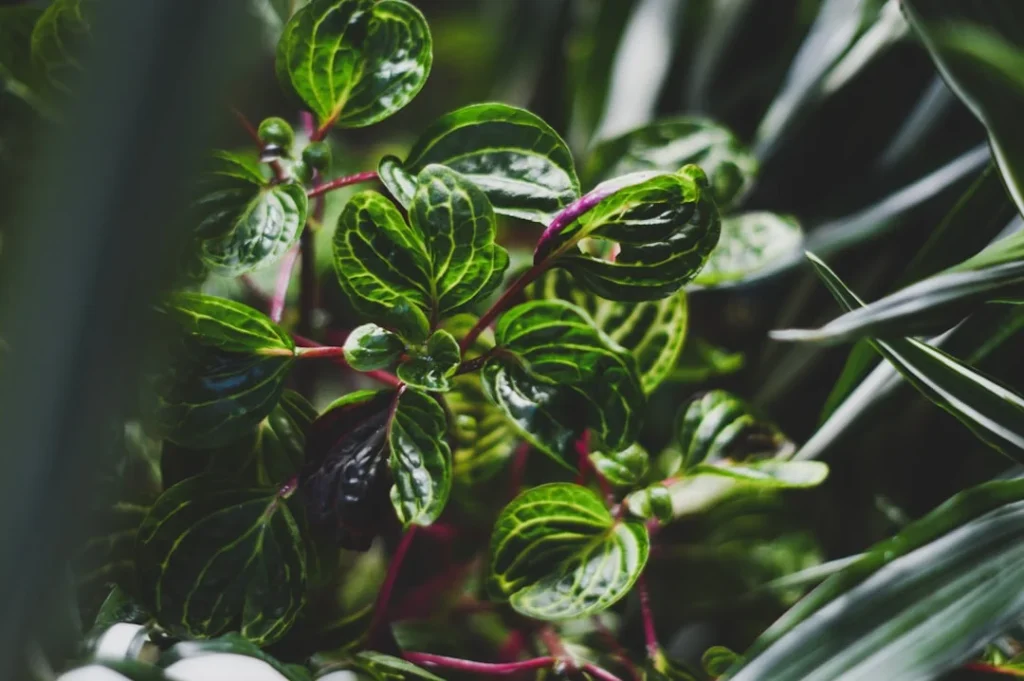
Peperomia is a huge group of small, leafy houseplants. The name covers more than 1,500 species, all part of the pepper family, Piperaceae. Yes, the same family as black pepper. Most come from the tropical rainforests of Central and South America, where they grow on tree trunks and rocky ledges rather than deep soil. Many gardeners who grow this plant also love to read about Lithops Care Guide.
Here’s the thing that surprises people. Peperomia aren’t true succulents, yet they behave like them. Their thick, fleshy leaves store water, which is why they shrug off the odd missed watering. According to Kew Gardens, this group shows incredible leaf variety — some rippled, some striped, some round as coins.
In my experience, beginners love them because they stay small. Most reach just 15–30 cm tall. That makes them perfect for desks, shelves, and windowsills. They won’t take over your room like a monstera.
Furthermore, they suit almost every climate when grown indoors. A gardener in cold Calgary and one in humid Chennai can grow the same plant on a kitchen counter. But understanding their wild origins is the secret to keeping them alive — and that’s where most people get watering wrong, as you’ll see next. If you enjoy growing this plant, you might also find our guide on Elephant Bush Succulent Care very useful.
Where Peperomia Comes From
Most peperomia species hail from tropical America, especially the Amazon basin and Caribbean islands. Some also grow naturally in Africa and Southern Asia. In the wild, they’re often epiphytes. That means they cling to trees and absorb moisture from the air and rain, not from rich ground soil. If you enjoy growing this plant, you might also find our guide on how to propagate plants from leaf cuttings very useful.
This origin story explains everything about their care. Because they grow on bark, their roots are small and shallow. They crave airflow and dislike heavy, wet soil. Once you picture a peperomia perched on a mossy branch in a misty rainforest, the right care becomes obvious. Give them light, warmth, and quick-draining conditions — never a swamp around their roots. Many gardeners who grow this plant also love to read about Marble Queen Pothos Care.
Popular Peperomia Varieties
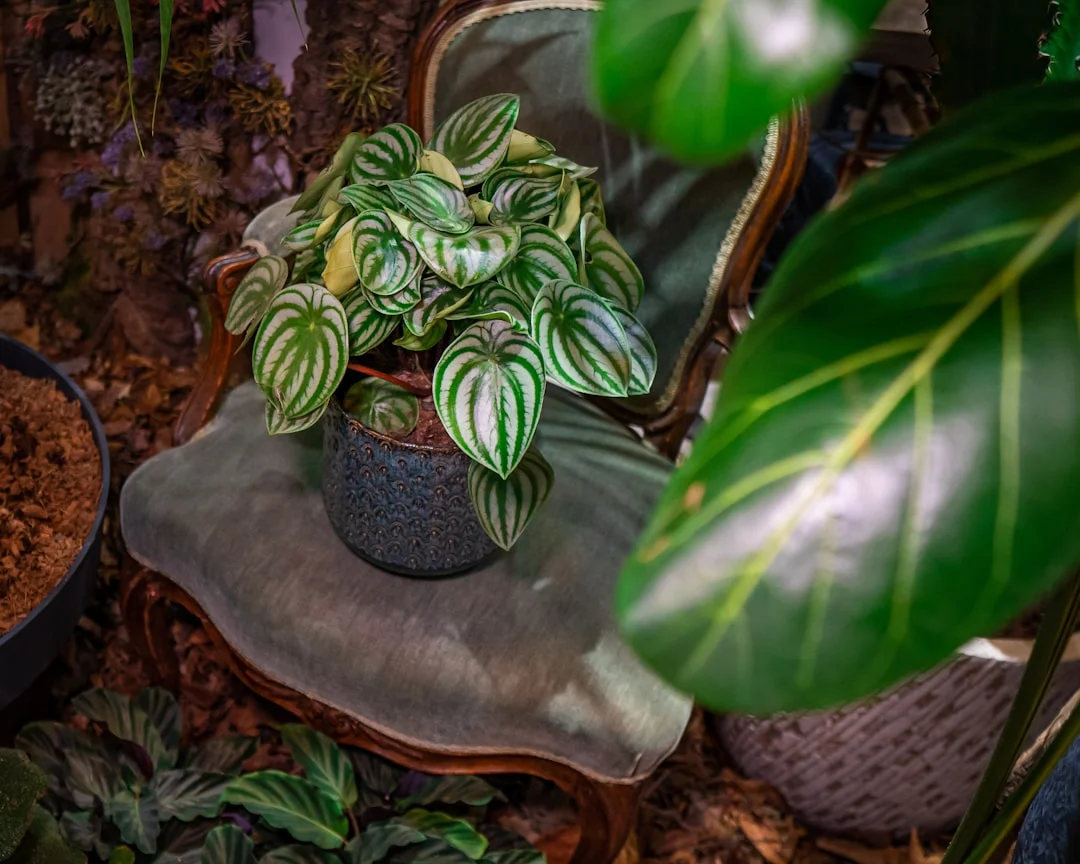
There’s a peperomia for every taste. The watermelon peperomia (Peperomia argyreia) has striped, teardrop leaves that look hand-painted. The baby rubber plant (Peperomia obtusifolia) offers glossy, upright foliage and tolerates neglect well. String-of-turtles (Peperomia prostrata) trails delicately, perfect for hanging pots.
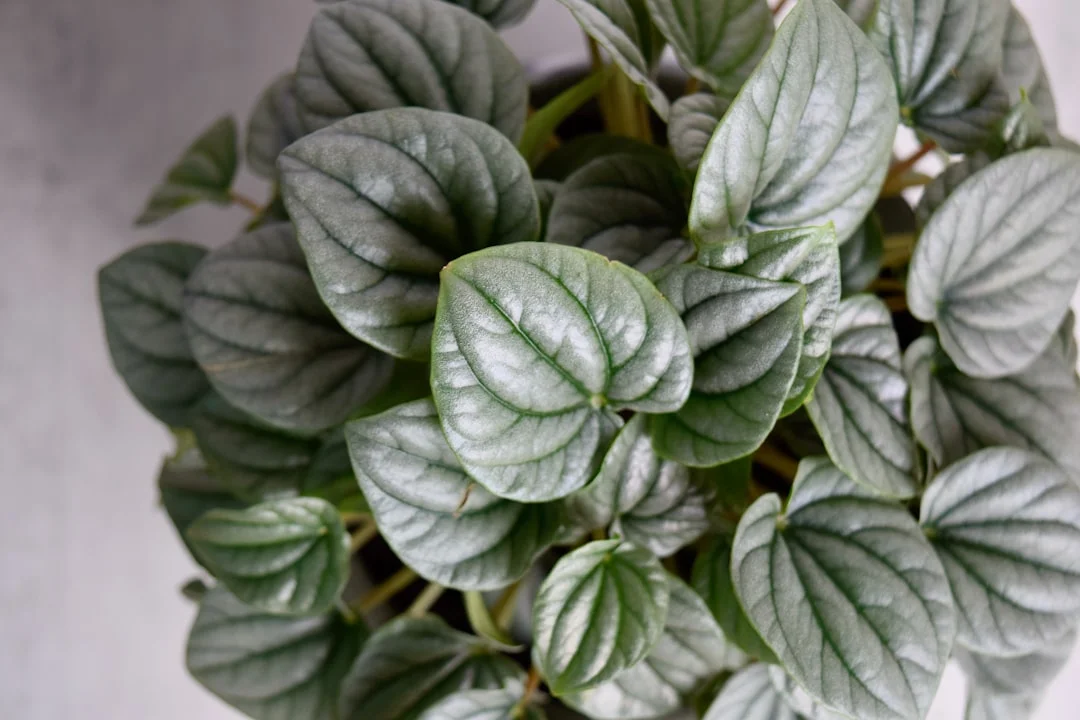
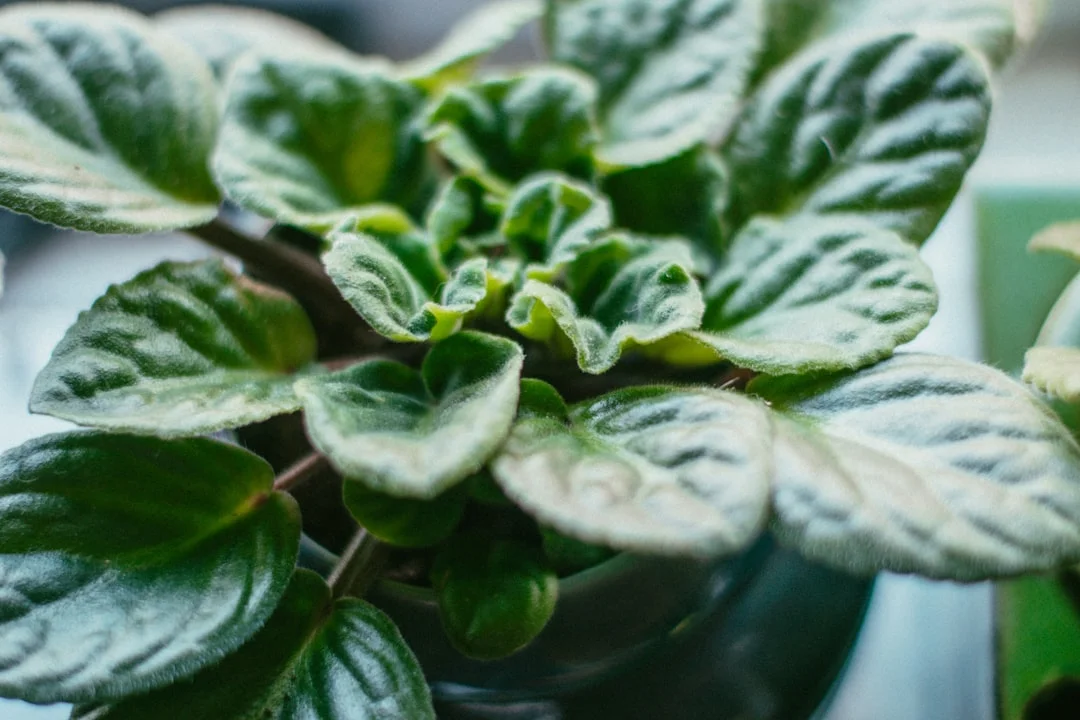
Others include the rippled emerald ripple (Peperomia caperata) and the silvery Peperomia ‘Frost’. Each looks different, yet care stays nearly identical across the whole genus. So once you learn the basics for one, you can grow them all. That’s a rare gift in the plant world — and it makes peperomia a fantastic starting point for new growers.
Top Benefits of Growing Peperomia
Why do so many gardeners adore these little plants? The reasons go beyond good looks. First, they’re forgiving. You can forget to water for a week and they’ll likely survive, since they hoard moisture in their leaves.
Second, they stay compact. In small flats from Tokyo to New York, space is gold. A peperomia fits on the tiniest shelf without crowding you out.
Third, they’re safe. Unlike many popular houseplants, peperomia are listed as non-toxic to cats and dogs by the ASPCA. That’s a huge relief for pet owners.
In fact, NASA’s famous clean air research found that many leafy houseplants help filter indoor air. While peperomia weren’t the star of that study, their lush foliage still adds humidity and a touch of nature to stuffy rooms. Many gardeners find their mood lifts simply by keeping greenery nearby — a benefit backed by several wellbeing studies.
But benefits mean little if your plant struggles. So let’s move into the real heart of peperomia plant care — how to actually grow them well.
A Pet-Safe, Family-Friendly Choice
If you’ve got curious cats, playful dogs, or small children, peperomia is a smart pick. Most houseplants — pothos, philodendron, lilies — are toxic if chewed. Peperomia isn’t. The ASPCA confirms the genus as non-toxic to both cats and dogs.
That said, no plant is truly meant for eating. A nibbling pet might still get a mild upset tummy, simply because the leaves aren’t food. So keep plants out of reach where you can. Still, the peace of mind that comes with a non-toxic plant is priceless, especially for busy households.
How to Grow Peperomia Successfully
Good peperomia plant care starts with the right setup. Get the basics right from day one, and these plants almost take care of themselves. Here’s what you’ll need: a small pot with drainage holes, a chunky well-draining mix, and a bright spot out of harsh sun.
Choose a pot only slightly bigger than the root ball. This catches many beginners out. Peperomia have small roots, so a big pot holds too much wet soil, which rots them. A pot just 1–2 cm wider than the roots is perfect.
Next, think about warmth. These tropical natives love temperatures between 18–26°C (65–79°F). They sulk below 10°C (50°F). So in cold climates like Canada or northern Europe, keep them indoors year-round.
Meanwhile, in tropical India or Southeast Asia, they happily grow on shaded balconies. Just shield them from blazing afternoon sun. The RHS rates many peperomia as tender, suited to indoor or greenhouse growing in temperate zones.
Finally, give them airflow. Stuffy, stale air invites rot and pests. A gently moving room is ideal. Master these basics and the rest of peperomia plant care falls into place — starting with soil, which we’ll tackle now.
Indoor Growing Across Climates
Indoors, peperomia adapt beautifully worldwide. In temperate homes (USDA zones 3–8, RHS hardy down to H1b only), grow them as houseplants away from cold draughts and radiators. In Mediterranean climates like California or southern Spain, they enjoy a shaded patio in summer, then come indoors for winter.
In arid regions like Dubai or Phoenix, the indoor air-conditioning actually suits them, though you may need to boost humidity. In the tropics, a bright shaded verandah works year-round. The trick everywhere is the same: bright indirect light, warmth, and never letting roots sit in water. That consistency is what makes peperomia plant care so beginner-friendly.
Best Soil and Fertilizer for Peperomia
Soil makes or breaks peperomia plant care. Remember, these plants grow on tree bark in the wild. So they need a loose, airy mix that drains fast — never dense garden soil.
Here’s my go-to recipe. Mix two parts standard potting soil with one part perlite and one part coco coir or orchid bark. This blend holds a little moisture while letting excess water rush away. You can find perlite, coco coir, and orchid bark in garden centres almost everywhere, from Bunnings in Australia to your local nursery in Mumbai.
If you’d rather buy ready-made, a cactus or succulent mix works well too. Just add a handful of extra perlite for airflow.
Now, feeding. Peperomia aren’t hungry plants. Over-feeding causes weak, leggy growth and salt build-up. Feed only during the growing season, spring through early autumn. Use a balanced liquid houseplant fertiliser diluted to half strength, roughly once a month.
In winter, stop feeding entirely. The plant rests, and extra nutrients just sit unused in the soil. Less really is more here. Now that the roots are happy, let’s solve the question that trips up nearly everyone — watering.
The Right pH and Pot Choice
Peperomia like slightly acidic to neutral soil, around pH 6.0 to 6.6. Most quality potting mixes already fall in this range, so you rarely need to test. If your tap water is very hard or alkaline, occasional rainwater helps keep things balanced.
Pots matter too. Terracotta is brilliant because it breathes and dries soil faster, which suits these rot-prone roots. Plastic and glazed pots hold moisture longer, so water less often if you use them. Whatever you choose, drainage holes are non-negotiable. A pretty pot with no holes is the fastest way to lose a peperomia.
Watering Peperomia the Right Way
This is where most people go wrong. The internet says water houseplants weekly. For peperomia, that’s the fastest way to kill them. Remember the Toronto reader from the start? Her plant didn’t die from neglect — it drowned. She’d switched to watering every few days in winter, and the roots simply rotted.
Here’s the golden rule of peperomia plant care: let the top 2–3 cm of soil dry out before watering again. Stick your finger in. If it feels dry, water. If it’s still moist, wait.
Because they store water in their leaves, peperomia tolerate dryness far better than sogginess. When you do water, soak the soil thoroughly, then let all excess drain away. Never leave the pot sitting in a saucer of water.
Frequency varies by climate. In hot, dry summers, you might water weekly. In cool winters, every two to three weeks may be plenty. Always check the soil first rather than following a fixed schedule.
Have you ever noticed leaves looking puffy or scarred? That’s overwatering. Wrinkled, drooping leaves mean it’s thirsty. Learn to read these signs, and you’ll never guess again. Next up — the light conditions that make or break those gorgeous leaves.
Signs of Over and Under Watering
Peperomia tell you exactly what they need. Yellowing leaves, mushy stems, and a sour smell from the soil all scream overwatering. The fix? Stop watering, let the soil dry, and check the roots. Trim any brown, slimy roots and repot in fresh dry mix.
On the other hand, drooping, wrinkled, or curling leaves signal thirst. A good soak usually perks them up within a day. Importantly, slight wilting in the afternoon heat is normal and recovers by evening. So don’t rush to water every time you see a droop — check the soil first.
Sunlight and Light Requirements
Light is the secret ingredient in peperomia plant care. Get it right, and leaf colours pop. Get it wrong, and the plant fades or stretches.
Peperomia love bright, indirect light. Picture the dappled shade beneath rainforest trees. A spot near an east or north-facing window is often ideal. There, plants get gentle morning sun without harsh midday rays.
Direct sun, especially hot afternoon sun, scorches the leaves. You’ll see pale, bleached patches or crispy edges. In sunny climates like Australia or the southern US, always filter strong light with a sheer curtain.
Meanwhile, too little light causes leggy, stretched growth. The plant reaches for the window, and variegated types lose their pretty markings. If your room is dim, this matters a lot.
The good news is peperomia adapt well to grow lights. A simple LED grow light works wonders in dark winter months or windowless offices. Many gardeners in cloudy northern climates rely on them all winter.
In my experience, the brightest spot that never gets direct sun is the sweet spot. Now, even with perfect light, problems sometimes appear — so let’s tackle the most common ones.
Adjusting Light by Season and Region
Light needs shift through the year. In summer, when the sun is strong, pull plants back from south or west windows to avoid scorching. In winter, move them closer to the brightest window, since daylight is weaker and shorter.
Region matters too. Near the equator, like Singapore or Kenya, light is intense year-round, so steady shade is key. In high latitudes, such as the UK or Scandinavia, winter light is so weak that a grow light becomes almost essential. Watching how your plant responds — leaning, fading, or stretching — tells you whether to move it brighter or dimmer.
Common Peperomia Problems and Fixes
Even easy plants hit snags. The good news? Most peperomia troubles trace back to just a few causes, and all are fixable.
Root rot is the biggest killer, caused by overwatering and poor drainage. If leaves yellow and stems turn mushy, act fast. Unpot the plant, trim rotten roots, and repot in fresh, dry, airy mix. Then water far less.
Leaf drop often follows cold draughts or sudden temperature swings. So keep plants away from open winter windows and air-conditioning blasts.
Pests sometimes visit too. Watch for tiny mealybugs, which look like white cotton fluff in leaf joints, and spider mites, which leave fine webbing. Wipe them off with a cotton bud dipped in diluted neem oil or insecticidal soap. Neem oil is widely available worldwide and gentle on plants.
Furthermore, faded leaves usually mean too much sun, while leggy growth means too little light. Adjust the position and the plant recovers.
A quick tip here: inspect your plant once a week. Catching problems early makes them easy to fix. Once your plant is healthy, you’ll want more of it — and propagation is wonderfully simple, as you’ll discover next.
Preventing Problems Before They Start
Prevention beats cure every time. First, always use a pot with drainage holes and a chunky mix. This alone stops most root rot. Second, water only when the topsoil feels dry. Third, keep plants in stable warmth, away from draughts and heaters.
Good airflow helps too, since stagnant air invites fungus and pests. A gently circulating room is ideal. Finally, quarantine any new plant for two weeks before placing it near others. This stops hitchhiking pests from spreading. Follow these simple habits and serious problems become rare. Healthy peperomia plant care is mostly about gentle consistency, not constant fussing.
How to Propagate Peperomia
Here’s the fun part. Propagating peperomia is so easy it feels like magic. One healthy plant can become a whole shelf full. The best time is spring and summer, when growth is fast, though it works year-round indoors with warmth.
There are two simple methods: leaf cuttings and stem cuttings. Both have high success rates. In fact, leaf propagation lets you grow many new plants from a single mother leaf.
Follow the numbered steps below, and you’ll see roots within a few weeks. Soon you’ll have free plants to share with friends — a lovely tradition among gardeners worldwide.
Let’s walk through the full process step by step.
Leaf vs Stem Cuttings
Stem cuttings root faster and grow into a full plant more quickly. They suit upright types like the baby rubber plant. Simply snip a healthy stem with a few leaves, then plant it.
Leaf cuttings take longer but feel almost miraculous. A single leaf, cut and planted, sprouts tiny baby plants at its base. This works brilliantly for rippled types like Peperomia caperata. Either way, keep cuttings warm and lightly moist. Some gardeners root them in water instead of soil, which lets you watch the roots grow. Both methods work, so pick whichever you enjoy more.
Seasonal Peperomia Care Through the Year
Smart peperomia plant care shifts with the seasons. These plants have an active growing phase and a resting phase, and matching your care to each keeps them thriving.
In spring and summer, growth speeds up. This is when to feed monthly, propagate, and repot if needed. Water a little more often, since warmth and light dry the soil faster. It’s June now in the Northern Hemisphere, so growers there are right in the thick of this lush growing season.
In autumn and winter, the plant slows down. Stop feeding completely. Water much less, perhaps every two to three weeks. Keep plants warm and away from cold windows, since chilly draughts cause leaf drop.
Remember, seasons flip below the equator. Gardeners in Australia or South Africa enjoy their growing season from October through March. So adjust by your local season, not the calendar month.
Humidity also shifts with seasons. Winter heating dries indoor air, so a pebble tray or occasional misting helps. With these gentle seasonal tweaks, your plant stays happy all year. Beyond beauty, these plants carry interesting uses and history — let’s explore that next.
Humidity and Temperature Tips
Peperomia enjoy moderate humidity, around 40–50%. Most homes already sit in this range, so they rarely need a humid jungle setup. That makes them easier than fussy ferns or calatheas.
That said, very dry air, common in heated winter homes or arid climates, can crisp leaf edges. A simple pebble tray, grouping plants together, or a small humidifier solves this. Avoid heavy misting, though, as trapped water on fleaves can cause spots. Temperature-wise, keep them between 18–26°C (65–79°F) and never let them face frost. Cold is their one true enemy.
Uses and Cultural Significance
Peperomia are loved mainly as ornamental plants. Their tidy size and striking leaves make them favourites in homes, offices, and terrariums worldwide. They’re also popular gifts, symbolising good fortune in some cultures.
Yet there’s more to them than looks. Some species have a history in traditional folk medicine. In parts of South America and the Caribbean, Peperomia pellucida — sometimes called shiny bush or ‘pansit-pansitan’ in the Philippines — has been used in folk remedies for joint pain and minor wounds. Researchers have studied its compounds, and you can find related papers on PubMed.
In the Philippines, this same herb is even eaten in salads and brewed as a mild tea. Folk healers across Brazil and West Africa have used various peperomia species in traditional ways too.
Importantly, most decorative peperomia sold as houseplants are grown for beauty, not eating. So enjoy them as plants, not food, unless you’re certain of the species and its safety.
Whether you grow them for clean lines, glossy leaves, or simple joy, peperomia bring a quiet charm to any space. They prove that great plant care doesn’t have to be complicated.
A Note on Medicinal Claims
While some peperomia species appear in folk medicine, scientific evidence is still early-stage. Most research involves lab studies, not large human trials. So treat any health claims with caution.
Never eat or brew a houseplant peperomia unless you’ve confirmed the exact species and its safety. Pregnant or breastfeeding readers, and anyone on medication, should avoid herbal use without medical advice. The plants you buy at nurseries are ornamental varieties, chosen for looks, not for eating. Enjoy them for their beauty, and leave medicinal use to trained herbalists working with verified species.
Frequently Asked Questions
Can I grow peperomia indoors in a cold climate?
Yes, absolutely. Peperomia make superb indoor plants in cold regions like Canada, the UK, or northern Europe. They can't survive frost, so they must stay indoors year-round once temperatures drop below 10°C (50°F). Place them near a bright window, away from cold draughts and radiators. Good indoor peperomia plant care in cold climates means watering less in winter, since slow growth and dim light mean the soil stays wet longer. A grow light helps during short, dark winter days. Keep the room above 15°C (59°F) and your plant will stay happy all winter.
Is peperomia safe for pets like cats and dogs?
Yes, peperomia is one of the safest houseplants for pet owners. The ASPCA lists the genus as non-toxic to both cats and dogs. So if your pet nibbles a leaf, it won't be poisoned. That said, no plant is meant to be eaten, and a curious pet might still get a mild upset stomach. So it's best to keep plants out of reach where possible. Compared to common toxic plants like lilies, pothos, or philodendron, peperomia gives real peace of mind for homes with furry friends or small children.
How do I grow peperomia in containers?
Container growing suits peperomia perfectly, since they have small, shallow roots. Choose a pot only 1–2 cm wider than the root ball, always with drainage holes. Terracotta works best because it breathes and dries quickly. Fill it with an airy mix of potting soil, perlite, and coco coir. Solid peperomia plant care in containers means watering only when the top few centimetres feel dry, then letting excess drain fully. Never leave the pot in standing water. Repot rarely, perhaps every two to three years, as these plants actually prefer being slightly snug in their pots.
Why are my peperomia leaves turning yellow and falling off?
Yellow, dropping leaves almost always point to overwatering. Because peperomia store water in their leaves, soggy soil quickly rots their delicate roots. First, check if the soil feels wet and smells sour. If so, stop watering, let it dry, and check the roots for mushy brown sections. Trim those and repot in fresh, dry, airy mix. Cold draughts and sudden temperature drops can also cause leaf drop, so move the plant away from open windows and air-conditioning. Going forward, water only when the topsoil is dry to the touch.
How often should I water a peperomia?
There's no fixed schedule — and that's the key lesson in watering. Instead, check the soil. Water only when the top 2–3 cm feel dry. In warm summer weather, this might mean once a week. In cool winter months, every two to three weeks may be enough. Climate matters greatly. Hot, dry regions like Dubai or Arizona dry the soil faster than damp, cool ones like Britain. When you do water, soak thoroughly and let all excess drain away. The thick leaves mean these plants handle dryness far better than soggy roots.
Does peperomia need a lot of sunlight?
No, peperomia prefer bright but indirect light rather than strong direct sun. In the wild, they grow in dappled shade beneath rainforest trees. An east or north-facing window is ideal. Harsh afternoon sun scorches their leaves, leaving pale, crispy patches. In sunny climates like Australia or California, filter the light with a sheer curtain. On the other hand, too little light causes stretched, leggy growth and faded colours. If your room is dim, a simple LED grow light keeps them lush, especially through dark northern winters.
Can peperomia be grown outdoors year-round?
Only in warm, frost-free climates. In tropical regions like southern India, Singapore, or coastal Brazil, peperomia thrive outdoors in shaded spots all year. In subtropical and Mediterranean areas, such as Florida or southern Spain, they can live outside in summer but should come indoors before cold weather. In temperate and cold zones — most of the UK, US, and Canada — they must be houseplants, since they die in frost. Whatever your region, keep them out of direct midday sun and never let outdoor pots sit waterlogged after rain.
Final Thoughts
Peperomia plant care really does come down to a few simple habits. Give them bright indirect light, water only when the topsoil dries, and use a loose, airy mix in a small pot with drainage. Keep them warm, feed lightly in the growing season, and protect them from frost and cold draughts. Do this, and these charming little plants will reward you for years. Remember the Toronto reader from the start? Once she stopped overwatering in winter, her replacement plant flourished. That single change — watering less, not more — is the heart of good peperomia plant care. Whether you garden in tropical heat, temperate cool, or arid warmth, these adaptable beauties fit right in. Best of all, they’re pet-safe and beginner-friendly. So pick a variety you love, give it a bright shaded home, and start propagating once it settles in. With these easy peperomia plant care steps, you’ll soon have a thriving, ever-growing collection.

