
⏱ 24 min read
Table of Contents
A gardener in Phoenix, Arizona once told me her elephant bush had outlived three roommates, two heatwaves, and a month-long holiday with zero water. That’s the magic of this plant. Elephant bush succulent care is honestly one of the easiest journeys you’ll take in gardening — and that’s exactly why beginners love Portulacaria afra so much. This tough little succulent, also called porkbush or spekboom, stores water in its plump green leaves and forgives almost every mistake. Here’s the quick answer: give it bright light, well-draining soil, and water only when the soil dries out completely. That’s the heart of good elephant bush succulent care. Whether you’re growing on a Mumbai balcony, a Sydney patio, or a sunny London windowsill, this guide covers every climate. By the end, you’ll know exactly why your past succulents failed — and what to do differently. There’s even one surprising thing this plant does for the air around it, which scientists only began praising recently. Let’s dig in. If you enjoy growing this plant, you might also find our guide on how to propagate succulents very useful.
Quick Highlights
- Discover why this succulent survives weeks without water and bounces back fast
- Master watering timing — the single biggest mistake new growers make
- Learn to propagate new plants for free from a single fallen leaf
- Find the perfect light balance for indoor and outdoor growing
- Understand pet safety facts before placing it in your home
- Grow it confidently in tropical, temperate, arid, or Mediterranean climates
Plant Characteristics at a Glance
| Common Name | Elephant Bush, Porkbush, Spekboom, Dwarf Jade |
| Scientific Name | Portulacaria afra |
| Family | Didiereaceae |
| Origin | South Africa (Eastern Cape) |
| Habitat | Dry, rocky thickets and arid slopes |
| Plant Type | Semi-evergreen succulent shrub |
| Indoor Plant | Yes — excellent in bright light |
| Outdoor Plant | Yes — in USDA zones 9–11 |
| Leaves | Small, round, fleshy, jade-green |
| Flowers | Tiny, pink, star-shaped (rare in pots) |
| Flowering Season | Late spring to summer |
| Fruit | Small, winged capsules (rarely produced) |
| Seeds | Tiny; rarely sets seed in cultivation |
| Roots | Shallow, fibrous, drought-adapted |
| Height | 2–4 m wild; 30–90 cm in pots |
| Growth Rate | Fast for a succulent |
| Light Requirements | Bright light to full sun (4–6+ hrs) |
| Soil Requirements | Gritty, fast-draining cactus mix; pH 6.0–7.0 |
| Water Requirements | Low; water only when soil is fully dry |
| Temperature Requirements | 18–30°C (65–86°F); frost-sensitive below 5°C (40°F) |
| Humidity Requirements | Low to moderate; tolerates dry air |
| Propagation | Stem cuttings (easy); leaf propagation |
| Uses | Ornamental, bonsai, edible leaves, carbon capture |
| Medicinal Properties | Folk use for thirst, sunburn, mouth sores; vitamin C source |
| Toxicity | Non-toxic to cats, dogs, and humans |
| Cultural Significance | South African climate-restoration icon; bonsai favourite |
| Common Pests | Mealybugs, spider mites, occasional aphids |
| Common Diseases | Root rot from overwatering |
| Special Care Tips | Avoid overwatering; give bright light; use draining pots |
| Cultural Practices | Prune to shape; repot in spring; reduce winter water |
| Vastu Direction | East or south-east for positive energy |
Elephant bush succulent care Names in Different Languages
| English | Elephant Bush, Porkbush |
| Mandarin Chinese | 马齿苋树 (mǎchǐxiàn shù) |
| Spanish | Arbusto de elefante |
| Hindi | एलिफेंट बुश (Elephant Bush) |
| Gujarati | એલિફન્ટ બુશ |
| Arabic | شجيرة الفيل (Shujayrat al-fīl) |
| Bengali | এলিফ্যান্ট বুশ |
| Portuguese | Planta-elefante, Spekboom |
| Russian | Портулакария афра |
| Japanese | 象の木 (Zō no ki) |
| Punjabi | ਐਲੀਫੈਂਟ ਬੁਸ਼ |
| German | Elefantenstrauch, Speckbaum |
| Javanese | Tanduran gajah |
| Korean | 코끼리나무 (Kokkiri namu) |
| French | Arbre à éléphant, Pourpier en arbre |
| Telugu | ఎలిఫెంట్ బుష్ |
| Marathi | एलिफंट बुश |
| Tamil | யானை புதர் செடி |
| Urdu | ہاتھی جھاڑی |
| Turkish | Fil çalısı |
| Vietnamese | Cây voi, Spekboom |
What Is the Elephant Bush Succulent?
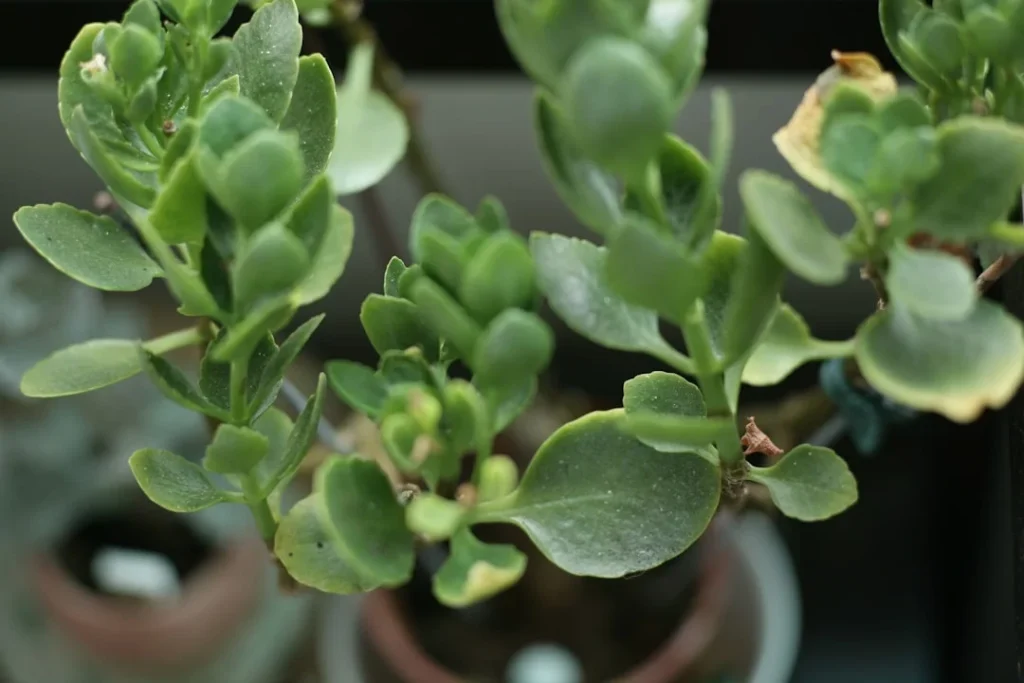
Have you ever wondered why this plant shares its name with the world’s largest land animal? The answer is simple — elephants love to eat it. In South Africa’s Eastern Cape, wild herds munch on Portulacaria afra all day long, which is how it earned the name ‘elephant bush.’ This is a soft-wooded, semi-evergreen succulent shrub. Its small, round, jade-green leaves grow along reddish-brown stems that turn woody with age. In the wild, it can reach 2 to 4 metres (6 to 13 feet) tall. In a pot on your windowsill, though, it stays neat and bushy. Many gardeners confuse it with the jade plant (Crassula ovata), and that’s understandable. However, the elephant bush has smaller leaves, softer stems, and faster growth. According to Kew Gardens, Portulacaria afra belongs to the Didiereaceae family and originates from the dry thickets of southern Africa. That tough desert background explains why elephant bush succulent care is so forgiving. But the most surprising thing about this plant isn’t how it looks — it’s what it does for the planet. I’ll reveal that in the benefits section coming up next.
Where It Comes From
Portulacaria afra is native to the rocky, sun-baked slopes of South Africa. It thrives in the Eastern Cape, where rainfall is scarce and summers are brutal. Over thousands of years, it developed a clever survival trick — it can switch between two ways of breathing, depending on how dry conditions get. Most plants can’t do this. This adaptation lets it lock in water and keep growing even during drought. That’s why it handles neglect so well. Whether you live in arid Dubai, Mediterranean California, or humid Singapore, this desert heritage shapes how you should care for it. For more tips, check out our detailed article on Marble Queen Pothos Care.
Benefits of Growing Elephant Bush
Here’s the thing most people don’t know: the elephant bush is one of the best carbon-capturing plants on Earth. South Africa has actually launched large ‘spekboom’ planting projects to fight climate change, because this little succulent absorbs carbon dioxide at a remarkable rate. In fact, a hectare of spekboom can capture up to 4 tonnes of carbon per year, similar to a moist subtropical forest. That’s the surprise I promised earlier. Beyond its green-hero status, this plant cleans indoor air, looks gorgeous, and asks for almost nothing in return. As a result, it’s perfect for busy people, frequent travellers, and first-time plant parents. In my experience, no other succulent recovers from neglect quite as gracefully. You can forget about it for weeks, and it simply waits patiently. Furthermore, it’s edible — the leaves have a tart, lemony crunch that South Africans add to salads and stews. They’re rich in vitamin C, too. Importantly, though, edible doesn’t mean unlimited, and I’ll cover safe use later. The benefits go beyond beauty, which makes the next question even more important — how do you actually grow it well? For more tips, check out our detailed article on how to propagate succulents.
An Air-Cleaning Powerhouse
Like many succulents, the elephant bush helps freshen indoor air. It absorbs carbon dioxide at night through a special process called CAM photosynthesis, where the plant opens its pores after dark to save water. This means it keeps quietly working while you sleep. While it won’t replace a full air purifier, placing a few pots around your home adds a gentle, natural boost. For small apartments in crowded cities like Tokyo, Toronto, or Delhi, that’s a welcome bonus from a plant that asks for so little. For more tips, check out our detailed article on ZZ Plant Care Guide.
How to Grow Elephant Bush Succulent
Good elephant bush succulent care starts with getting the basics right from day one. This plant isn’t fussy, but it does have firm preferences. First, choose a container with drainage holes — this single detail prevents most problems. Terracotta pots work brilliantly because they let excess moisture escape through their walls. Next, pick a bright spot. A south-facing window in the Northern Hemisphere, or a north-facing one in Australia, suits it perfectly. Then, plant it in gritty, fast-draining soil (more on that soon). After that, water sparingly and let the plant settle. Don’t fuss over it. Honestly, the biggest danger to this succulent is too much love. Many gardeners kill it with kindness by overwatering. On the other hand, if you treat it a bit like a forgotten desert plant, it rewards you with steady, bushy growth. The RHS rates it as suitable for greenhouses and bright indoor spaces in cooler climates. Whether you’re in a tropical garden or a chilly temperate flat, the rules barely change. But there’s one growing detail that decides everything — and it’s the soil. Let’s get into that next.
Indoor vs Outdoor Growing
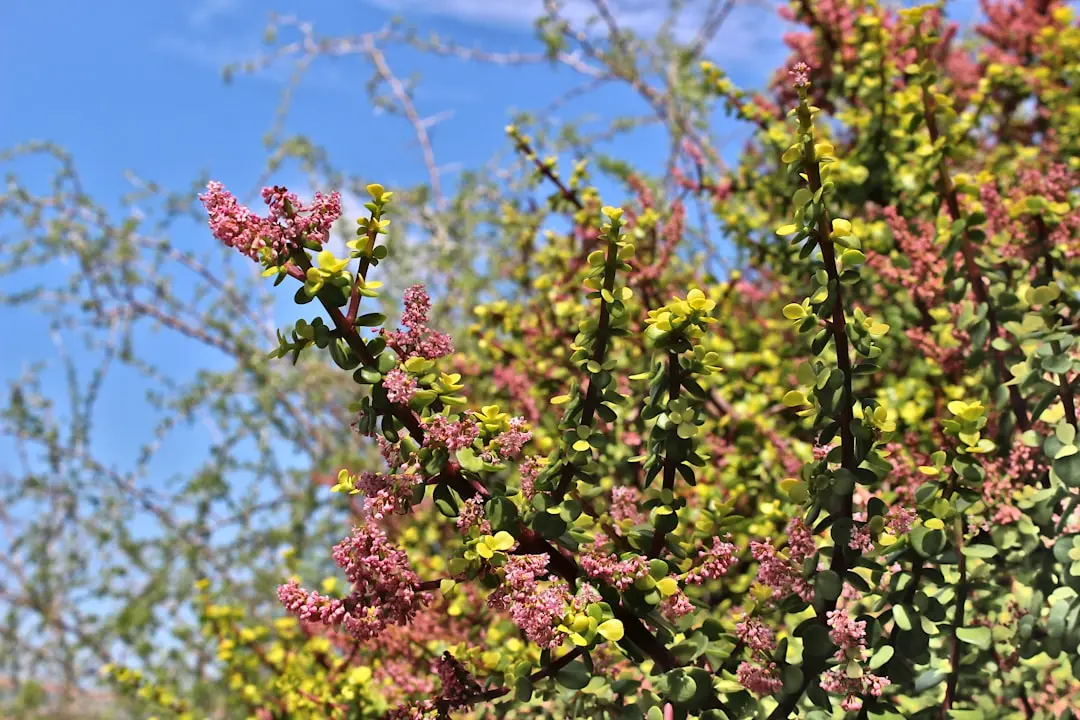
In warm regions — USDA zones 9 to 11, like Florida, southern Spain, or coastal Australia — you can grow it outdoors year-round. It forms a lovely low hedge or bonsai feature. In cooler zones, treat it as an indoor plant or move it inside before frost. The good news is it adapts easily to pots. A bright windowsill in London or Vancouver keeps it happy through winter. Just remember to bring it in once nights drop below 10°C (50°F), because frost will damage those tender leaves quickly.
Soil and Fertilizer Needs
Soil is where most people go wrong, so pay close attention here. The elephant bush hates wet feet. As a desert native, it needs soil that drains in seconds, not minutes. Regular potting compost holds far too much water and will rot the roots. Instead, use a cactus or succulent mix. You can buy these ready-made worldwide, or make your own. My go-to recipe: two parts potting soil, one part coarse sand, and one part perlite or pumice. In India, you can swap perlite for cocopeat mixed with river sand. The aim is a gritty, airy blend. The ideal soil pH sits between 6.0 and 7.0 — slightly acidic to neutral. As for feeding, this plant needs very little. Too much fertilizer causes weak, leggy growth. Feed it once a month during spring and summer with a diluted, balanced liquid feed at half strength. Stop feeding completely in autumn and winter when growth slows. Proper soil and feeding form the backbone of elephant bush succulent care. But even perfect soil can’t save a plant from one common killer — incorrect watering. That’s our next, and most important, topic. Many gardeners who grow this plant also love to read about Lucky Bamboo Vastu Benefits.
Best Pots and Containers
Choose a pot only slightly larger than the root ball. Oversized pots hold extra soil, which stays damp and invites rot. Terracotta and unglazed clay are best because they breathe. For bonsai lovers, shallow ceramic trays show off the gnarled stems beautifully. Always check for drainage holes — I can’t stress this enough. If you fall for a pretty pot without holes, drill some or use it as a decorative outer cover only. Good containers make daily elephant bush succulent care almost effortless, since they protect against the most common mistakes.
Watering Your Elephant Bush
Have you ever noticed a succulent looking plump one week and shrivelled the next? Watering is usually the reason. Here’s the golden rule: water only when the soil is bone dry. Then water deeply until it runs from the drainage holes. After that, leave it completely alone until it dries again. The internet tells some people to water on a fixed schedule. Experienced gardeners know that’s the fastest way to kill this plant. Your watering rhythm depends entirely on your climate. In hot, arid places like Phoenix or Dubai, that might mean watering every 10 to 14 days in summer. In humid tropics like Kerala or Singapore, the soil stays moist longer, so stretch it to every 3 weeks. In cool temperate winters, you might water just once a month or less. A quick tip here: stick your finger two inches into the soil. If you feel any moisture, wait. The plant tells you it’s thirsty when its leaves look slightly soft and wrinkled. Mastering this is the single most valuable skill in elephant bush succulent care. Get watering right, and you’ve won 80% of the battle. Next, let’s talk about the light that fuels all this growth.
Signs of Over and Underwatering
Overwatered plants show yellow, mushy, translucent leaves that drop off easily. The stems may feel soft and the base may blacken — a sign of root rot. If you spot this, stop watering at once and repot into dry soil. Underwatered plants, on the other hand, look wrinkled and thin, but they perk up fast after a good drink. Between the two, underwatering is far safer. When in doubt, wait another few days. This plant survives drought brilliantly, so erring on the dry side is always the smarter choice.
Sunlight and Temperature
Light makes the difference between a leggy, sad plant and a lush, compact one. The elephant bush loves bright light. Outdoors, give it full sun to light shade. Indoors, place it in your brightest window. At least four to six hours of direct light keeps it dense and healthy. Without enough light, the stems stretch and leaves space out — gardeners call this ‘etiolation,’ which simply means the plant reaching desperately toward light. If yours looks stretched, move it brighter. In intense desert sun, though, a little afternoon shade prevents scorching, especially in regions like Rajasthan or inland Australia. On temperature, this plant prefers warmth. It thrives between 18°C and 30°C (65°F to 86°F). It tolerates heat well but hates cold. Frost is its enemy. Below 5°C (40°F), the leaves suffer damage. So gardeners in the UK, Canada, or the US Midwest should bring pots indoors well before the first frost. Mediterranean and tropical growers can leave it out all year. Light and warmth, paired with the watering wisdom from before, complete the core of confident growing. But what happens when things go wrong? Let’s troubleshoot.
Variegated Varieties Need Extra Light
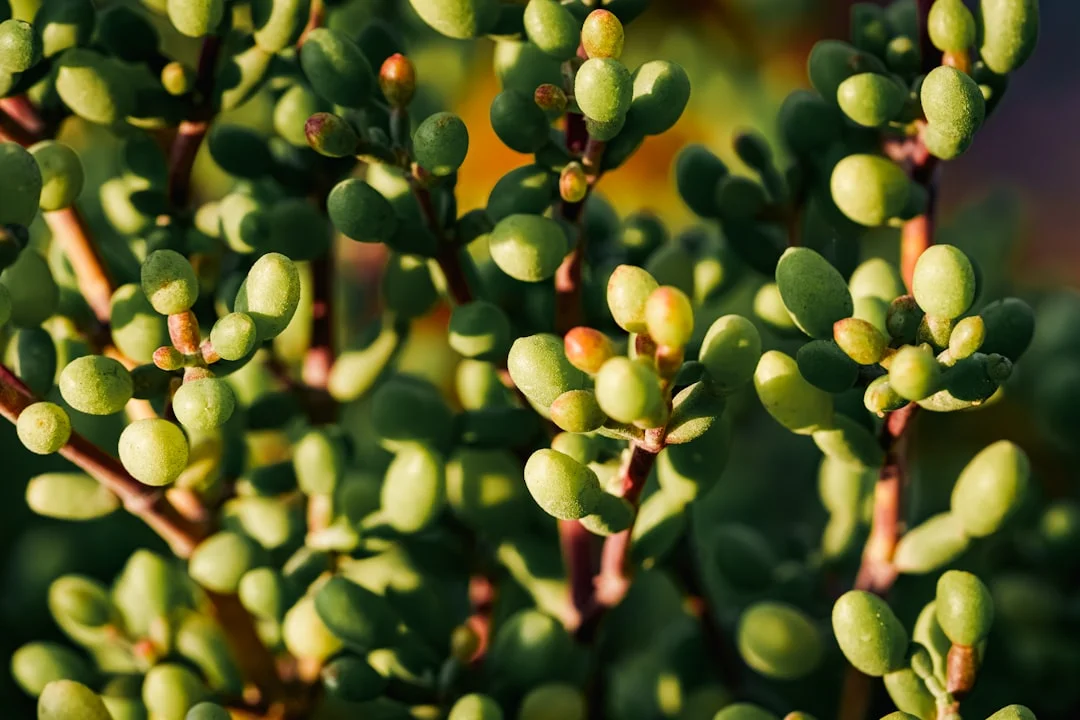
The popular variegated form, often sold as ‘Rainbow Bush’ or Portulacaria afra ‘Variegata,’ has cream and pink edges on its leaves. These pretty plants have less chlorophyll, so they need even more light to thrive. Give them the brightest spot you have. However, watch for harsh midday sun, which can burn their delicate pale leaves. Morning sun with afternoon shade works best. In cooler climates, a grow light helps maintain those gorgeous colours through dark winter months. Without enough light, variegated forms fade and stretch faster than the plain green type.
Common Problems and Fixes
Even tough plants run into trouble sometimes. The good news is that most elephant bush problems are easy to fix once you spot them. Root rot tops the list, and overwatering causes nearly every case. If the base turns black and mushy, act fast. Remove the plant, cut away rotted roots, let it dry for a few days, then replant in fresh dry soil. Pests rarely bother this succulent, but mealybugs occasionally appear as small white cottony spots in leaf joints. Wipe them off with a cotton bud dipped in rubbing alcohol. Spider mites may strike in dry indoor air — a gentle rinse and better airflow usually solve it. Leaf drop often alarms new growers, yet it’s frequently just stress from a move, sudden cold, or a dramatic change in watering. The plant usually recovers on its own. Leggy growth, as mentioned, means too little light. Strong elephant bush succulent care means watching your plant weekly and catching small issues early. Catch them early, and they’re trivial. Ignore them, and they spread. Now, here’s the part that turns one plant into dozens for free — propagation.
Three Warning Signs to Watch For
First, soft yellow leaves that fall at a touch signal overwatering — cut back immediately. Second, a stretched, spindly shape with wide gaps between leaves means inadequate light, so move it to a brighter spot. Third, and this one’s counterintuitive, leaves that wrinkle even after watering can point to root rot rather than thirst. Damaged roots can’t drink, so the plant looks parched while sitting in moist soil. Check the roots if watering doesn’t help. Spotting these three signs early keeps your plant thriving for decades.
How to Propagate Elephant Bush
Want more plants without spending a penny? Propagation is where the elephant bush truly shines. It roots so easily that a single dropped leaf can sometimes grow into a whole new plant. The best time is spring or early summer, during active growth. The most reliable method uses stem cuttings, and it works almost every time. Many gardeners find this the most rewarding part of elephant bush succulent care, because success comes fast and feels like magic. Below is the simple step-by-step process I use and teach in workshops. Follow it closely, and you’ll have a windowsill full of new plants within weeks. Once you’ve mastered propagation, your single succulent becomes an endless source of gifts for friends and family. After learning to multiply your plant, the final piece is keeping it happy as the seasons change — that’s coming up next.
Stem Cuttings vs Leaf Propagation
Stem cuttings are the fastest and most reliable way to grow new plants. Leaf propagation works too, but it’s slower and less certain. For stem cuttings, snip a healthy piece about 10 cm (4 inches) long. For leaf propagation, simply lay a fallen leaf on dry soil and wait. Both methods need the same key ingredient — patience and dry conditions before watering. In my experience, beginners should always start with stem cuttings for quick, satisfying results, then experiment with leaves once they feel confident.
Seasonal Care Through the Year
This plant grows on a clear seasonal rhythm, and matching your care to it makes a huge difference. In spring and summer (March to August in the Northern Hemisphere, September to February in Australia), the plant grows actively. Water more often, feed monthly, and enjoy fast growth. This is the prime season for propagation and repotting too. Come autumn, growth slows right down. Cut back on water and stop feeding entirely. In winter, the plant rests. Water sparingly, perhaps once a month, and keep it warm and bright. Cold, damp winter soil is the number one killer, so resist the urge to water. Since you asked about June — for Northern Hemisphere readers, that’s peak growing season, so it’s the perfect month to take cuttings and repot. For readers in the Southern Hemisphere, June is winter, so ease off watering and protect from cold. Smart seasonal elephant bush succulent care simply means following the plant’s natural cycle. Work with the seasons, not against them. Beyond care, this remarkable plant has a rich story of uses worth knowing.

Winter Protection in Cold Climates
Frost is deadly to this succulent. In regions with freezing winters — much of the US, Canada, northern Europe — bring pots indoors before temperatures drop below 5°C (40°F). Place them near a bright window away from cold draughts and radiators. Reduce watering dramatically. The plant essentially sleeps through winter. Don’t worry if it looks a little dull; it’ll burst back to life in spring. Outdoor plants in mild Mediterranean or tropical zones need no special protection and keep growing slowly all winter long.
Uses and Cultural Significance
Beyond its good looks, the elephant bush has a surprisingly useful history. In its native South Africa, the Khoi and San peoples have eaten the tart, lemony leaves for centuries. They chew them to quench thirst and ease the discomfort of sunburn, exhaustion, and even mouth sores. The leaves contain vitamin C and a pleasant sour tang from malic acid — the same acid found in apples. Today, South African chefs add them raw to salads or cooked into stews. As a medicinal folk remedy, crushed leaves have traditionally been used to soothe minor skin irritations, though scientific study remains limited. Importantly, while edible, it should be eaten in moderation, and you should never eat any plant unless you’re certain of its identity. This succulent is also a beloved bonsai subject worldwide, prized for its quick-thickening trunk and tiny leaves. From climate-fighting hedges in Africa to elegant bonsai in Japan, this humble plant earns its place. Its versatility is matched only by how easy it is to grow — which brings us neatly to the questions readers ask most.
A Favourite for Bonsai Lovers
Few succulents make better bonsai than the elephant bush. Its stems thicken quickly into a realistic trunk, and the small leaves shrink even further with careful pruning. Bonsai enthusiasts from Japan to Brazil love it because it forgives mistakes and grows fast. You can wire the branches gently or simply prune to shape. Because it roots so easily, trimmed pieces become new plants. For anyone wanting to try bonsai without years of waiting, this is the perfect beginner species — rewarding, tough, and beautiful.
Frequently Asked Questions
Can I grow elephant bush succulent indoors in a cold climate?
Yes, absolutely. In cold regions like Canada, the UK, or the northern US, grow it as an indoor plant. Good elephant bush succulent care indoors means placing it in your brightest window, ideally south-facing, for at least four to six hours of light daily. Water sparingly and keep it away from cold draughts and heating vents. In summer, you can move it outside once nights stay above 10°C (50°F). Just bring it back in well before the first autumn frost, since this plant can't survive freezing temperatures.
Is elephant bush succulent safe for pets?
Yes, it's one of the safest succulents for pet owners. According to the ASPCA, Portulacaria afra is non-toxic to both cats and dogs. So if your curious cat nibbles a leaf, there's no cause for alarm. It's also harmless to humans, and the leaves are even edible. That said, eating large amounts of any plant can upset a pet's stomach, so it's wise to discourage chewing. For homes with pets and children, this succulent is a worry-free, family-friendly choice that brings greenery without the danger many other houseplants pose.
How often should I water my elephant bush?
Water only when the soil is completely dry — never on a fixed schedule. In hot, dry climates, that may mean every 10 to 14 days in summer. In humid or cool conditions, stretch it to every three weeks or longer. In winter, water just once a month or less. The simplest test is to push your finger two inches into the soil; if it feels even slightly moist, wait. Smart watering is the heart of elephant bush succulent care, and underwatering is always far safer than overwatering, which causes deadly root rot.
Why is my elephant bush dropping leaves?
Leaf drop usually has a simple cause. Overwatering is the most common culprit, leaving leaves yellow and mushy before they fall. Sudden cold, a big move, or a dramatic change in light or watering can also trigger temporary stress drop. Don't panic — the plant often recovers once conditions stabilise. Check the soil first. If it's wet, hold off watering and let it dry fully. If it's bone dry and leaves look wrinkled, give a deep drink. With steady, attentive elephant bush succulent care, leaf drop usually stops within a few weeks.
How do I grow elephant bush succulent in containers?
Containers are ideal for this plant. Choose a terracotta or clay pot with drainage holes, only slightly larger than the root ball. Fill it with a gritty cactus or succulent mix — never regular compost. Place the pot in a bright spot and water only when the soil dries out. Repot every two to three years in spring. Container growing also lets cold-climate gardeners move plants indoors for winter. This flexibility makes it perfect for balconies and patios from Mumbai to Melbourne.
What's the difference between elephant bush and jade plant?
People often mix these two up, and it's an easy mistake. The jade plant (Crassula ovata) has larger, thicker, oval leaves and slow growth. The elephant bush (Portulacaria afra) has smaller, rounder leaves, reddish stems, and grows much faster. They belong to different plant families entirely. Care is similar — both love bright light and dry soil — but the elephant bush is more forgiving and propagates faster. If your succulent has tiny leaves on red stems, it's almost certainly an elephant bush, not a jade plant.
Can elephant bush survive full sun outdoors?
Yes, it loves sun and thrives in full light in most regions. In mild climates like Mediterranean Spain, coastal California, or much of Australia, full sun produces compact, healthy growth. However, in extremely hot, dry areas such as inland India or the desert Southwest, intense afternoon sun can scorch the leaves. There, give it light afternoon shade. Plants moved suddenly from indoors to full sun can also burn, so introduce them to bright light gradually over a week or two to avoid sunburn.
Final Thoughts
Mastering elephant bush succulent care really does come down to a few simple habits. Give it bright light, plant it in gritty draining soil, and water only when the soil dries completely. Do those three things, and this cheerful little succulent will reward you for decades. Remember the golden rule — when in doubt, don’t water. This plant survives drought far better than soggy roots. Whether you’re growing on a sun-drenched patio in Sydney, a windowsill in chilly Toronto, or a balcony in busy Mumbai, the same gentle approach works everywhere. And don’t forget its hidden superpower: it’s one of nature’s best carbon-capturing plants, so growing it is a small act of planet care too. Start with one healthy cutting, follow the steps in this guide, and soon you’ll have a thriving, bushy plant — plus plenty of free cuttings to share. That’s the joy of this forgiving, beautiful succulent. Now go give your elephant bush the bright, dry, easygoing life it loves. Happy growing!

