
⏱ 20 min read
Table of Contents
- Overview: Understanding Yellow Leaves
- What You'll Need to Diagnose and Treat
- Step-by-Step Guide to Fixing Yellow Leaves
- Soil & Pot Selection for Healthy Roots
- Watering Schedule by Climate Zone
- Fertilizing to Prevent Yellowing
- Common Mistakes Gardeners Make
- Pruning and Harvesting Affected Leaves
- Climate-Specific Care Across Regions
If you’ve ever woken up to find your favourite money plant or tomato vine looking pale and sickly, you’re not alone. The question of why plant leaves turning yellow India gardeners ask most often has a few clear answers — and the good news is, most are easy to fix. Yellowing leaves (called chlorosis in plant science) usually point to overwatering, poor drainage, nutrient gaps, pests, or sudden temperature shifts. While this guide is rooted in tropical and subtropical experience, the science applies everywhere — from a balcony in Bengaluru to a sunroom in Seattle or a courtyard in Sydney. In this step-by-step guide, we’ll walk through why plant leaves turning yellow India and worldwide, how to diagnose the cause within minutes, and what to do this week to bring your plants back to glossy green health. Let’s dig in. If you enjoy growing this plant, you might also find our guide on Plant Care Winter India Tips very useful.
Quick Highlights
- Diagnose yellow leaves in under 5 minutes using a simple visual checklist
- Fix the top 7 causes — from overwatering to iron deficiency — with proven steps
- Learn watering schedules tailored for tropical, temperate, and arid climates
- Discover safe, natural remedies using Epsom salt, compost, and neem
- Avoid the 5 most common mistakes that turn yellow leaves into dead plants
- Build a season-by-season care routine that prevents chlorosis year-round
Plant Characteristics at a Glance
| Common Name | Yellow Leaves (Chlorosis) |
| Scientific Name | Chlorosis (general botanical condition) |
| Family | Affects all plant families |
| Origin | Universal plant stress response |
| Habitat | Indoor and outdoor plants worldwide |
| Plant Type | Symptom across all plant types |
| Indoor Plant | Yes — common in houseplants |
| Outdoor Plant | Yes — common in garden and crop plants |
| Leaves | Yellowing pattern indicates cause |
| Flowers | May drop or fail to form if severe |
| Flowering Season | Affects flowering in any season |
| Fruit | Reduced yield if untreated |
| Seeds | Seedlings yellow from damping-off |
| Roots | Root health is key — rot causes 40% of cases |
| Height | Stunted growth in chronic cases |
| Growth Rate | Slows significantly until corrected |
| Light Requirements | Bright indirect light for most affected plants |
| Soil Requirements | Well-draining, pH 6.0–7.0 |
| Water Requirements | Moderate — top 2 cm dry before re-watering |
| Temperature Requirements | 18–30°C (64–86°F) ideal for most species |
| Humidity Requirements | 40–70% relative humidity |
| Propagation | Take cuttings from healthy green growth only |
| Uses | Diagnostic indicator of plant health |
| Medicinal Properties | Not applicable — symptom, not a plant |
| Toxicity | Yellow leaves themselves not toxic; check species |
| Cultural Significance | Across cultures, yellow leaves symbolise change |
| Common Pests | Spider mites, aphids, mealybugs, fungus gnats |
| Common Diseases | Root rot, fungal leaf spot, bacterial wilt |
| Special Care Tips | Diagnose before treating; never fertilize sick plants |
| Cultural Practices | Regular soil checks, monthly pH testing, leaf wiping |
| Vastu Direction | Place healthy green plants in east or north-east |
Why plant leaves turning yellow Names in Different Languages
| English | Yellow Leaves / Chlorosis |
| Mandarin Chinese | 黄叶病 (Huáng yè bìng) |
| Spanish | Hojas Amarillas / Clorosis |
| Hindi | पीले पत्ते (Peele Patte) |
| Gujarati | પીળા પાંદડા (Pila Pandda) |
| Arabic | الأوراق الصفراء (Al-Awraq As-Safra) |
| Bengali | হলুদ পাতা (Holud Pata) |
| Portuguese | Folhas Amarelas / Clorose |
| Russian | Жёлтые листья (Zhyoltyye list'ya) |
| Japanese | 黄色い葉 (Kiiroi ha) |
| Punjabi | ਪੀਲੇ ਪੱਤੇ (Pile Patte) |
| German | Gelbe Blätter / Chlorose |
| Javanese | Godhong Kuning |
| Korean | 노란 잎 (Noran ip) |
| French | Feuilles Jaunes / Chlorose |
| Telugu | పసుపు ఆకులు (Pasupu Akulu) |
| Marathi | पिवळी पाने (Pivli Pane) |
| Tamil | மஞ்சள் இலைகள் (Manjal Ilaigal) |
| Urdu | پیلے پتے (Peelay Pattay) |
| Turkish | Sarı Yapraklar / Kloroz |
| Vietnamese | Lá Vàng |
Overview: Understanding Yellow Leaves
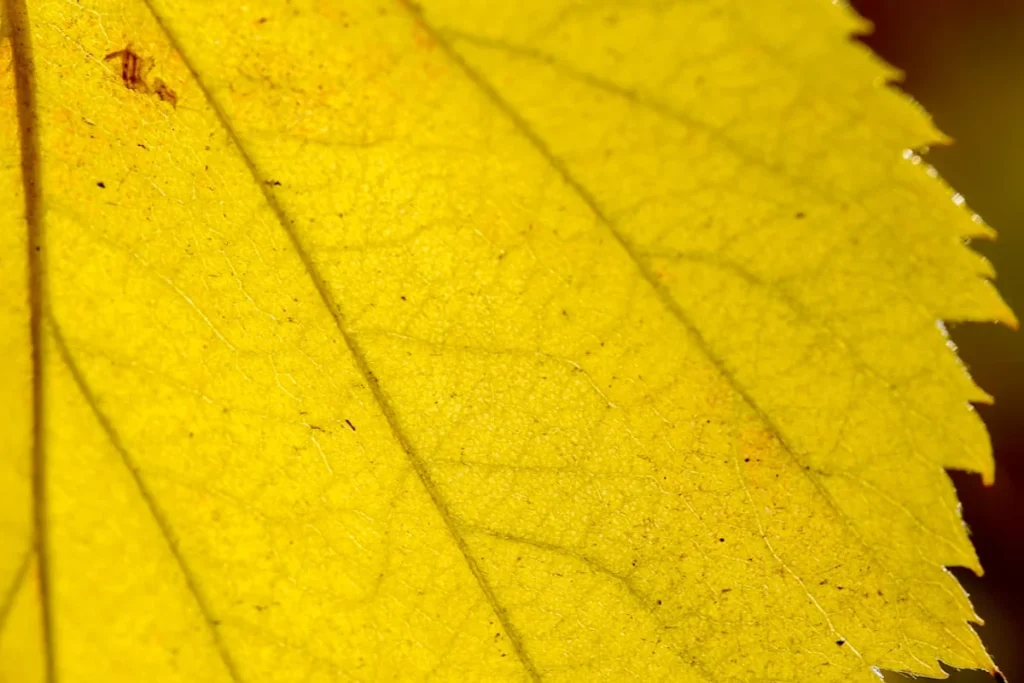
Yellowing leaves are your plant’s way of waving a red flag. In botanical terms, this loss of green colour is called chlorosis — it happens when chlorophyll, the pigment that powers photosynthesis, breaks down or fails to form. The reasons range from simple watering errors to deeper soil and root issues. Understanding why plant leaves turning yellow India and worldwide starts with knowing that not all yellowing is bad. Older bottom leaves naturally yellow and drop as the plant ages. However, when young leaves yellow, or when the change is sudden and widespread, something is off. In my experience helping urban gardeners across Mumbai, Delhi, and even consulting clients in London and Melbourne, the pattern is remarkably consistent. Roughly 70% of yellow-leaf cases trace back to watering issues. The rest involve light, nutrients, pests, or temperature stress. According to the Royal Horticultural Society, accurate diagnosis is the single biggest factor in saving a yellowing plant.
What Yellow Leaves Actually Mean
Think of yellow leaves as a symptom, not a disease. A pale yellow with green veins usually signals iron or manganese deficiency. Uniform yellow with brown crispy edges often means underwatering or salt buildup. Yellow with soft, mushy stems? That’s overwatering or root rot. Yellow leaves with tiny webs or sticky residue point to pests like spider mites or aphids. Each pattern tells a different story, and once you learn to read them, you’ll fix plants faster than most nursery staff. If you enjoy growing this plant, you might also find our guide on monsoon plant care tips very useful.
Why It Happens More
India’s climate brings unique pressures. Monsoon humidity encourages fungal root rot. Summer heatwaves above 42°C (108°F) scorch leaves. Hard tap water laden with calcium raises soil pH, locking out iron. Container gardeners in apartments face poor drainage on balconies. That’s why plant leaves turning yellow India gardeners report spikes during June–August and again in peak summer. If you enjoy growing this plant, you might also find our guide on how to make organic compost at home very useful.
What You'll Need to Diagnose and Treat
Before you panic and toss the plant, gather a few simple tools. You don’t need a lab — just a curious eye and basic supplies. Most items are sitting in your kitchen or local nursery already. Here’s what helps: a wooden chopstick or moisture meter to check soil dampness, a small hand lens or phone camera (zoomed in) to spot pests, pH test strips available globally at any garden centre or online for around USD 5 (₹400, £4), and a clean pair of pruning scissors. You’ll also want Epsom salt, balanced NPK fertilizer (10-10-10), iron chelate, neem oil, and fresh potting mix. For tropical climates, add coco coir; for cool zones, peat moss or composted bark works better. Many gardeners who grow this plant also love to read about How to Propagate Plants Cuttings India.
Essential Diagnostic Tools
A moisture meter is your best friend. Stick it in the root zone — readings of 1–3 mean dry, 4–7 moist, 8–10 wet. A pH strip tells you if soil is acidic (below 6.0), neutral (6.5–7.0), or alkaline (above 7.5). Most houseplants prefer slightly acidic soil. If you’re in a hard-water area like Chennai, Phoenix, or Madrid, expect alkaline drift over time, which blocks iron uptake. For more tips, check out our detailed article on how to make organic compost at home.
Step-by-Step Guide to Fixing Yellow Leaves
Here's the thing — fixing yellow leaves isn't guesswork once you follow a system. This 7-step process works whether you're saving a fiddle-leaf fig in Toronto or a tulsi plant in Pune. Work through each step in order. Don't skip ahead, because misdiagnosis is the number one reason gardeners lose plants. The whole check takes about 15 minutes per plant. After that, treatment runs over 1–3 weeks depending on the cause. Be patient. Plants heal slowly, and pushing fertilizer or water in panic usually makes things worse.
- Quick Diagnostic Checklist
First, check soil moisture two inches down. Next, inspect the underside of leaves for pests. Then, look at where the yellowing starts — bottom, top, or middle. After that, examine the roots if the plant is in a pot. Finally, review recent changes: new location, new fertilizer, weather shift, or repotting. This 5-minute scan answers why plant leaves turning yellow India gardeners face most often.
Soil & Pot Selection for Healthy Roots
Roots are the foundation of leaf health. Poor soil and wrong pots are silent killers. A good potting mix drains in 10–15 seconds when you pour water through. If water pools or runs off without soaking in, your mix is wrong. For most houseplants, blend 60% quality potting soil, 20% perlite or coarse sand, and 20% organic matter like compost or coco coir. Pots must have drainage holes — non-negotiable. Decorative pots without holes trap water and rot roots within weeks. Terracotta pots breathe well and suit dry climates like Rajasthan or Arizona. Plastic pots retain moisture longer, better for cool, low-light flats in London or Vancouver.
Choosing the Right Pot Size
Bigger isn’t better. A pot only 2–5 cm wider than the root ball is ideal. Oversized pots hold excess soil that stays wet, suffocating roots. This is a major reason why plant leaves turning yellow India gardeners see after repotting. Upsize gradually, once every 12–18 months for most plants.
Refreshing Tired Soil
Old soil compacts and loses nutrients. Every 12–18 months, refresh the top 5 cm with fresh compost. For a full repot, gently shake off old soil, trim dead roots, and use new mix. The USDA notes that organic-rich soil holds nutrients up to three times longer than depleted mixes.
Watering Schedule by Climate Zone
Watering is where most gardeners go wrong. There’s no universal schedule — your climate, pot type, plant species, and indoor humidity all matter. The golden rule: water when the top 2–3 cm of soil feels dry to the touch. In tropical India during summer, that might mean every 2–3 days. In a cool UK winter, once every 10–14 days may be plenty. Always water deeply until it drains out the bottom, then empty the saucer. Shallow, frequent watering creates weak surface roots.
Tropical Climates
High heat and humidity speed up water loss. However, monsoons flip the equation — humidity stays above 85%, and overwatering becomes the bigger risk. From June to September in India, cut watering by half and improve airflow around plants. Move them under cover during heavy rain to prevent waterlogging.
Temperate Climates (UK, US Pacific Northwest, Central Europe)
Slower growth means slower water use. Winter watering should drop to once every 7–14 days for most houseplants. Cold tap water shocks roots — let it sit overnight to reach room temperature. USDA zones 6–8 gardeners should also watch for cold drafts near windows, a common yellowing trigger.
Arid Climates (Middle East, Inland Australia, US Southwest)
Low humidity means rapid evaporation. Group plants together to create a humid microclimate. Use mulch on top of pots to slow water loss. A pebble tray with water under the pot raises local humidity by 15–20%.
Fertilizing to Prevent Yellowing
Nutrients are like vitamins for plants. Without enough nitrogen, magnesium, or iron, leaves yellow even with perfect watering. A balanced liquid fertilizer (NPK 10-10-10 or 20-20-20) applied at half strength every 2–4 weeks during the growing season keeps most plants happy. For iron deficiency — common with hard water — apply iron chelate once a month. For magnesium, dissolve 1 teaspoon of Epsom salt in 1 litre of water and use monthly. Organic options work beautifully too. Compost tea, banana peel water, and well-rotted cow manure feed plants slowly and improve soil life. Avoid fertilizing in winter when plants rest, and never feed a stressed or bone-dry plant — always water first.

Reading Nutrient Deficiency Patterns
Yellow with green veins on young leaves means iron. Yellow with green veins on old leaves means magnesium. Overall pale yellow means nitrogen. Yellow edges with brown tips means potassium. Once you spot the pattern, the fix is straightforward. This visual code helps explain why plant leaves turning yellow India gardeners see despite regular fertilizing — they’re often missing one specific nutrient, not all.
Common Mistakes Gardeners Make
Many gardeners find that the problem isn’t the plant — it’s the routine. Overwatering tops the list globally. The second mistake is misting in low light, which invites fungal spots. Third, fertilizing a sick plant in hopes it’ll perk up — this burns weakened roots. Fourth, moving plants suddenly from low to high light causes scorch and yellowing within 48 hours. Fifth, ignoring pH, especially in cities with hard tap water like Delhi, Houston, or Birmingham. A quick monthly pH check saves months of frustration.
The Overwatering Trap
Roots need oxygen as much as water. Constantly wet soil drowns them, causing root rot — a major cause of why plant leaves turning yellow India and worldwide. Symptoms include mushy stems, foul soil smell, and leaves yellowing from the bottom up. Fix it by letting soil dry out, trimming black roots, and repotting in fresh, well-draining mix.
Light Stress Mistakes
Too little light slows photosynthesis, fading green pigment. Too much direct sun bleaches leaves yellow-white. Most houseplants thrive in bright, indirect light — about 1–2 metres from a south or east-facing window. Use sheer curtains to soften harsh afternoon sun, especially in summer.
Pruning and Harvesting Affected Leaves
Once a leaf turns fully yellow, it won’t turn green again. Pruning it off lets the plant redirect energy to healthy growth. Use clean, sharp scissors and cut at the base of the stem. For leaves that are only partly yellow, leave them be — they’re still doing some photosynthesis. Don’t strip more than 25% of foliage at once, as this stresses the plant further. After pruning, support recovery with a mild seaweed tonic or compost tea every two weeks. Within 3–6 weeks, you should see fresh green growth emerge.
Tools and Hygiene
Wipe blades with rubbing alcohol or diluted neem oil between plants to stop disease spread. Drop pruned leaves into compost only if they’re pest-free. Diseased leaves go in sealed bags to the bin — never compost. Good hygiene cuts repeat yellowing by half.
Climate-Specific Care Across Regions
Plants respond to their environment first, your care routine second. A pothos that thrives effortlessly in Kerala’s coastal humidity will sulk in dry Calgary winters unless you adapt. Understanding why plant leaves turning yellow India differs from why it happens in California or Cairo helps you tailor care precisely. The Kew Gardens plant database notes that climate-matched care reduces stress symptoms by up to 60%.

Monsoon Care (June–September in South Asia)
Reduce watering drastically. Move pots under cover. Spray neem oil weekly to prevent fungal leaf spots. Improve drainage with extra perlite. Open windows for airflow.
Winter Care (Nov–Feb in Northern Hemisphere)
Cut watering by 50%. Stop fertilizing. Move plants away from cold windows and heating vents. Wipe leaves to remove dust that blocks light. Use a grow light if natural daylight drops below 6 hours.
Summer Heatwaves (Mar–May , Jun–Aug in Europe/US)
Water early morning or after sunset. Mulch pots. Shift sensitive plants to dappled shade. Mist tropical species. Watch for spider mites, which explode in dry heat.
Frequently Asked Questions
Why are my plant leaves turning yellow suddenly?
Sudden yellowing usually means stress from a recent change — overwatering after a rainy spell, moving the plant to a new spot, cold drafts, or sunburn. Check soil moisture first. If it's soggy, let it dry out and improve drainage. If dry, water deeply. The reason why plant leaves turning yellow India gardeners face suddenly is often monsoon-related overwatering. For other climates, check for temperature swings or pest activity within 48 hours of noticing the change.
Should I cut off yellow leaves from my plant?
Yes, but only fully yellow ones. Once a leaf turns completely yellow, it can't recover its chlorophyll. Snip it at the base with clean scissors so the plant redirects energy to new growth. Leaves that are partly yellow still photosynthesise — leave them alone. Never remove more than 25% of foliage at once, as this shocks the plant. Disinfect scissors between cuts to prevent disease spread.
Can yellow leaves turn green again?
Sadly, no. Once chlorophyll breaks down in a leaf, it's gone for good. However, the plant will produce fresh green leaves once you fix the underlying problem. Expect new growth within 2–6 weeks of correcting watering, light, or nutrient issues. Focus on prevention going forward — regular soil checks, balanced feeding, and proper light placement will keep new leaves healthy and vibrant.
How do I know if yellow leaves mean overwatering or underwatering?
Touch the soil. Soggy, smelly soil with soft yellow leaves and mushy stems means overwatering — the most common reason why plant leaves turning yellow India and worldwide. Bone-dry soil with crispy yellow-brown edges means underwatering. A wooden chopstick stuck into the root zone tells you instantly — if it comes out clean and dry, water now. If it's muddy, hold off and check drainage.
Can I grow plants indoors in cold climates without yellow leaves?
Absolutely. Many tropical plants thrive indoors in places like the UK, Canada, or Northern Europe. The keys are bright indirect light (use a grow light if needed), stable temperatures of 18–24°C (64–75°F), humidity above 40%, and reduced winter watering. Keep plants away from cold windows and hot radiators. Group plants together to boost local humidity. With these tweaks, even cold-climate growers enjoy lush green foliage year-round.
Are yellow leaves dangerous for pets or children?
The yellow colour itself isn't toxic, but the underlying plant might be. Common houseplants like pothos, philodendron, and lilies are toxic to cats and dogs if chewed. Always check your plant species against the [ASPCA toxic plants list](https://www.aspca.org/). Keep plants out of reach of curious pets and toddlers. If ingestion occurs, contact a vet or poison helpline immediately. Yellowing or dropped leaves should be cleaned up promptly to avoid accidental nibbling.
How do I prevent yellow leaves in container plants?
Start with the right pot — drainage holes are essential. Use well-draining soil, water only when the top 2 cm feels dry, and fertilize lightly every 2–4 weeks in the growing season. Repot every 12–18 months with fresh mix. Wipe leaves monthly to remove dust. Test soil pH every 2–3 months, especially if you use hard tap water. These small habits prevent 90% of container plant yellowing.
Does hard water cause yellow leaves?
Yes, frequently. Hard water raises soil pH and deposits calcium and magnesium salts, which block iron uptake and cause iron chlorosis — yellow leaves with green veins. This is common in Delhi, Chennai, parts of the US Southwest, the UK Midlands, and Australia. Use filtered, rainwater, or boiled-and-cooled water for sensitive plants. Apply iron chelate monthly. Flush pots with plain water every 6–8 weeks to wash out salt buildup.
Final Thoughts
Yellow leaves aren’t a death sentence — they’re a conversation. Your plant is telling you something needs to change, and now you know how to listen. From overwatering and poor drainage to nutrient gaps and pest invasions, the reasons why plant leaves turning yellow India gardeners face are nearly always fixable with patience and the right diagnosis. Start with the soil moisture check, inspect for pests, review your watering and light routine, and adjust one thing at a time. Whether you garden on a Mumbai balcony, a London windowsill, or a Sydney courtyard, the same principles apply: healthy roots make healthy leaves. Keep a simple monthly routine — check moisture, wipe leaves, test pH every season, and feed lightly. Within weeks, you’ll see fresh green growth and feel that quiet pride only gardeners know. Happy growing in June 2026 and beyond!

