
⏱ 23 min read
Table of Contents
- What Is Seed Germination?
- Benefits of Faster Germination
- How to Germinate Seeds Faster: Step by Step
- Soil, Seed-Starting Mix and Fertilizer
- Watering Seeds the Right Way
- Light and Temperature Needs
- Common Germination Problems and Fixes
- Propagation Methods Beyond Seeds
- Seasonal Care Across Climates
- Uses and Practical Applications
Want your seeds to sprout in days, not weeks? You’re in the right place. The best seed germination tips faster India gardeners use come down to four things: warmth, moisture, oxygen, and the right soil. Get these right, and even stubborn seeds wake up quickly. Here’s the surprising part — most seeds fail not because they’re bad, but because of one tiny mistake in temperature or watering. In my experience, gardeners from Mumbai to Manchester make the same error again and again. This guide unpacks the science and the simple, hands-on seed germination tips faster India and global growers can apply today. Whether you’re sowing tomatoes in a Chennai balcony, chillies in a London windowsill, or basil in a Sydney greenhouse, the rules are surprisingly similar. By the end, you’ll know exactly why your past attempts failed — and what to change. There’s also one weather trick that almost nobody talks about, and it can cut your sprouting time in half. Let’s dig in. For more tips, check out our detailed article on Best Plants Gift Diwali India.
Quick Highlights
- Speed up sprouting with simple pre-soaking and scarification tricks
- Master the ideal soil mix and temperature for any climate zone
- Avoid the watering mistake that rots 70% of failed seeds
- Learn region-specific timing for tropical, temperate and arid gardens
- Fix damping-off and mould before they kill your seedlings
- Use everyday kitchen items to boost germination rates fast
Plant Characteristics at a Glance
| Common Name | Seed Germination (the sprouting process) |
| Scientific Name | N/A (a biological process, not a single species) |
| Family | Applies across all flowering plant families |
| Origin | Universal — occurs in all seed-bearing plants |
| Habitat | Soil, water, paper towel, or any moist medium |
| Plant Type | Process stage of annuals, perennials, vegetables, herbs |
| Indoor Plant | Yes — seeds start well indoors year-round |
| Outdoor Plant | Yes — direct sowing works in beds and pots |
| Leaves | First cotyledons (seed leaves), then true leaves |
| Flowers | Appear later in the plant's life cycle, not at germination |
| Flowering Season | Varies by species after germination |
| Fruit | Develops after flowering, post-germination stage |
| Seeds | The starting unit; contains embryo plus stored food |
| Roots | Radicle (first root) emerges first during sprouting |
| Height | From 1–5 mm sprout to full plant height over time |
| Growth Rate | Germination takes 2 days to several weeks by species |
| Light Requirements | Most need none to germinate; light vital after sprouting |
| Soil Requirements | Light, well-draining seed-starting mix; pH 6.0–7.0 |
| Water Requirements | Evenly moist, never waterlogged; mist or bottom-water |
| Temperature Requirements | 18–27°C (65–80°F) ideal for most seeds |
| Humidity Requirements | High humidity (70–90%) speeds sprouting; use a dome |
| Propagation | Direct sowing, paper towel method, cuttings, division |
| Uses | Growing vegetables, herbs, flowers; seed saving; teaching |
| Medicinal Properties | Sprouts (e.g. fenugreek, mung) are nutrient-rich foods |
| Toxicity | Some raw sprouts/seeds (e.g. kidney bean) toxic until cooked |
| Cultural Significance | Seed saving central to farming heritage worldwide |
| Common Pests | Fungus gnats, damping-off fungi, ants, slugs |
| Common Diseases | Damping-off, mould, root rot from overwatering |
| Special Care Tips | Use bottom heat, mist gently, ensure airflow |
| Cultural Practices | Pre-soak hard seeds, scarify tough coats, sow shallow |
| Vastu Direction | East or north-east light favoured for healthy seedlings |
Seed germination tips faster Names in Different Languages
| English | Seed Germination / Sprouting |
| Mandarin Chinese | 种子发芽 (Zhǒngzǐ fāyá) |
| Spanish | Germinación de semillas |
| Hindi | बीज अंकुरण (Beej Ankuran) |
| Gujarati | બીજ અંકુરણ (Bīj Aṅkuraṇ) |
| Arabic | إنبات البذور (Inbāt al-budhūr) |
| Bengali | বীজ অঙ্কুরোদগম (Bīj Ankurodgam) |
| Portuguese | Germinação de sementes |
| Russian | Прорастание семян (Prorastaniye semyan) |
| Japanese | 種子の発芽 (Shushi no hatsuga) |
| Punjabi | ਬੀਜ ਉਗਣਾ (Bīj Ugaṇā) |
| German | Samenkeimung |
| Javanese | Tukulé wiji |
| Korean | 씨앗 발아 (Ssiat bara) |
| French | Germination des graines |
| Telugu | విత్తన అంకురణం (Vittana Aṅkuraṇaṁ) |
| Marathi | बीज अंकुरण (Bīj Aṅkuraṇ) |
| Tamil | விதை முளைத்தல் (Vidhai Muḷaittal) |
| Urdu | بیج کا اگاؤ (Beej ka Ugāo) |
| Turkish | Tohum çimlenmesi |
| Vietnamese | Sự nảy mầm của hạt |
What Is Seed Germination?
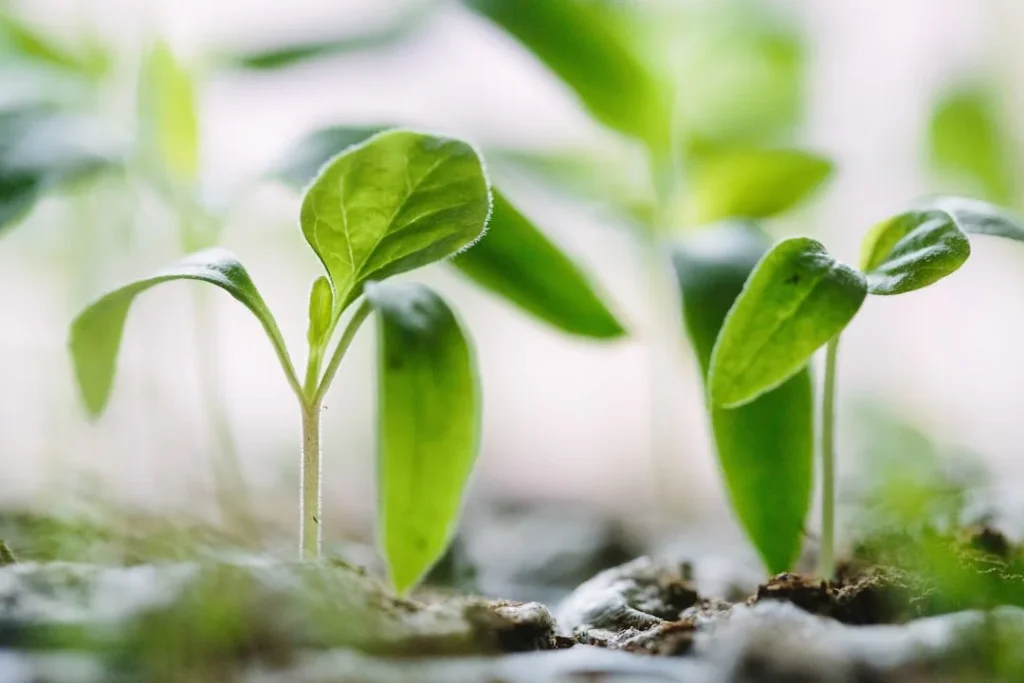
Seed germination is the moment a dormant seed wakes up and starts to grow. Inside every seed sits a tiny baby plant, called the embryo, plus a packed lunch of stored food. When the right conditions arrive, the seed soaks up water, swells, and pushes out its first root. That’s germination in a nutshell. Many gardeners who grow this plant also love to read about growing herbs indoors year-round.
Here’s the thing most people miss. A seed needs four signals to start: water, warmth, oxygen, and for some seeds, light. Skip one, and the seed stays asleep. This is the core of all good seed germination tips faster India gardeners rely on. For more tips, check out our detailed article on Why Plant Leaves Turning Yellow India.
The process has clear stages. First, the seed absorbs water (this is called imbibition). Next, enzymes wake up and break down stored food. Then the root, or radicle, breaks through the seed coat. Finally, the shoot rises toward light. According to Kew Gardens, some seeds germinate in 48 hours while others can take months.
Understanding seed germination tips faster India and worldwide starts with knowing this simple cycle. But knowing the stages is only the start — the real magic is in speeding them up. That’s where we head next. For more tips, check out our detailed article on Plant Care Winter India Tips.
The Science Behind Sprouting
When water enters a dry seed, it triggers a chain reaction. Stored starches turn into sugars the embryo can eat. Oxygen fuels this energy release through respiration — basically the seed breathing. Without enough air in the soil, seeds suffocate and rot. Many gardeners who grow this plant also love to read about Plant Care During Monsoon India.
Temperature acts like a switch. Most vegetable seeds prefer soil between 18°C and 27°C (65°F to 80°F). Too cold, and enzymes work slowly. Too hot, and the embryo cooks. In fact, researchers at the IARI in New Delhi have shown that warm-soil tricks can speed sprouting in many crops. This balance of water, air, and warmth is the foundation of everything that follows.
Benefits of Faster Germination
Why rush germination at all? Because speed protects your seeds. The longer a seed sits in soil, the more time pests, fungi, and rot have to attack it. Quick sprouting means stronger, healthier seedlings.
Faster germination also means earlier harvests. For example, a tomato seed that sprouts in four days instead of twelve gives you over a week’s head start. In short growing seasons — like a UK summer or a Canadian spring — that week matters a lot.
There’s a money angle too. Seeds aren’t free, and failed batches add up. Reliable seed germination tips faster India gardeners use can boost success rates from 50% to over 90%. That’s twice the plants from the same packet.
Furthermore, even germination gives you uniform seedlings. They grow at the same pace, making transplanting and care far simpler. Many gardeners find this is the difference between a tidy bed and a patchy mess.
The good news is that faster germination isn’t luck. It’s a method anyone can learn. And the next section breaks it down step by step.
How to Germinate Seeds Faster: Step by Step
This is where most people go wrong — they just toss seeds in soil and hope. There’s a better way. The seed germination tips faster India and global growers swear by follow a clear order. Below is the exact method I use and teach.
Before you start, gather your tools: seeds, a seed-starting tray, quality mix, a spray bottle, and clear plastic wrap or a humidity dome. A warm spot helps too. Now follow the steps in the dedicated guide below.
A quick tip here: not every seed needs every step. Tiny seeds like lettuce skip soaking. Hard seeds like okra or morning glory love it. Read your seed packet, then adapt.

Pre-Soaking and Scarification
Pre-soaking is the simplest speed trick. Drop hard-coated seeds in room-temperature water for 6 to 24 hours. The water softens the coat so the root pushes out faster. Beans, peas, okra, and beetroot respond brilliantly.
Scarification means scratching or nicking the tough coat. Use sandpaper or a nail file on big seeds like morning glory or moringa. Just one gentle scratch lets water in. Don’t overdo it — you only need to break the surface, not crack the seed.
These two tricks alone can halve germination time. They’re the most underrated seed germination tips faster India home gardeners often skip.
The Paper Towel Method
Want to see sprouts in days? Try the paper towel method. First, dampen a paper towel (not soaking wet). Next, place your seeds on one half and fold it over. Then slide it into a zip-lock bag and keep it somewhere warm, around 24°C (75°F).
Check daily. Once you see white roots, gently move each seed to soil. This method is great because you only plant seeds that actually sprout — no empty pots. It works for tomatoes, peppers, cucumbers, and most herbs. The RHS recommends similar moisture-control techniques for tricky seeds.
Soil, Seed-Starting Mix and Fertilizer
Here’s a surprise: garden soil is often the worst choice for starting seeds. It’s heavy, holds too much water, and may carry disease. Seedlings need a light, fluffy mix that drains well yet stays moist.
A good seed-starting mix is fine-textured and low in nutrients. Why low? Because seeds carry their own food. Heavy fertilizer early on can actually burn delicate roots. This is a key part of effective seed germination tips faster India experts recommend.
You can buy ready-made seed-starting mix worldwide, or make your own. A simple blend works everywhere: two parts coco coir or peat moss, one part fine compost, and one part perlite or coarse sand. Coco coir is cheap and widely available in India, while peat moss is common in the US and UK.
Hold off on fertilizer until the first true leaves appear. Then feed lightly with a half-strength liquid feed. Overfeeding is a top beginner mistake. As long as your mix drains freely and stays damp, your seeds will thank you. Next, let’s talk water — because watering wrong kills more seeds than anything else.
pH and Drainage Basics
Most seeds like a slightly acidic to neutral pH, around 6.0 to 7.0. Coco coir and peat naturally fall in this range. If you’re unsure, a cheap pH strip tells you fast.
Drainage matters even more. Soggy mix drowns roots and invites rot. Always use containers with holes. After watering, the mix should feel like a wrung-out sponge — damp but never dripping. This single habit prevents most seedling deaths.
Watering Seeds the Right Way
The internet tells you to water daily. Experienced gardeners know that’s often the fastest way to rot your seeds. Watering is a balance — too little and seeds dry out, too much and they suffocate or mould.
The trick is to keep the mix evenly moist, never waterlogged. Use a spray bottle or mist setting for tiny seeds. Heavy pouring can wash seeds out or pack the soil tight, cutting off the air they need.
Bottom watering is a game-changer. Sit your tray in a shallow dish of water for ten minutes, then drain. The mix soaks up moisture from below, leaving the surface drier. This keeps fungus away while feeding the roots. Many gardeners find this method cuts losses dramatically.
A covered tray or humidity dome holds moisture so you water less often. Once seeds sprout, remove the cover to boost airflow. These watering habits are core seed germination tips faster India growers depend on across every climate. Get this right and you’ve won half the battle. Now, let’s shed some light on the next factor.
Common Watering Mistakes
Have you ever seen white fuzz on your soil? That’s mould from too much water and poor airflow. The fix is simple: water less, uncover the tray, and add a small fan nearby.
Another mistake is watering with cold tap water in winter. Cold water shocks warm-loving seeds and slows them down. Use room-temperature water instead. Finally, never let trays sit in standing water for hours — drain after ten minutes. These small fixes save countless seedlings.
Light and Temperature Needs
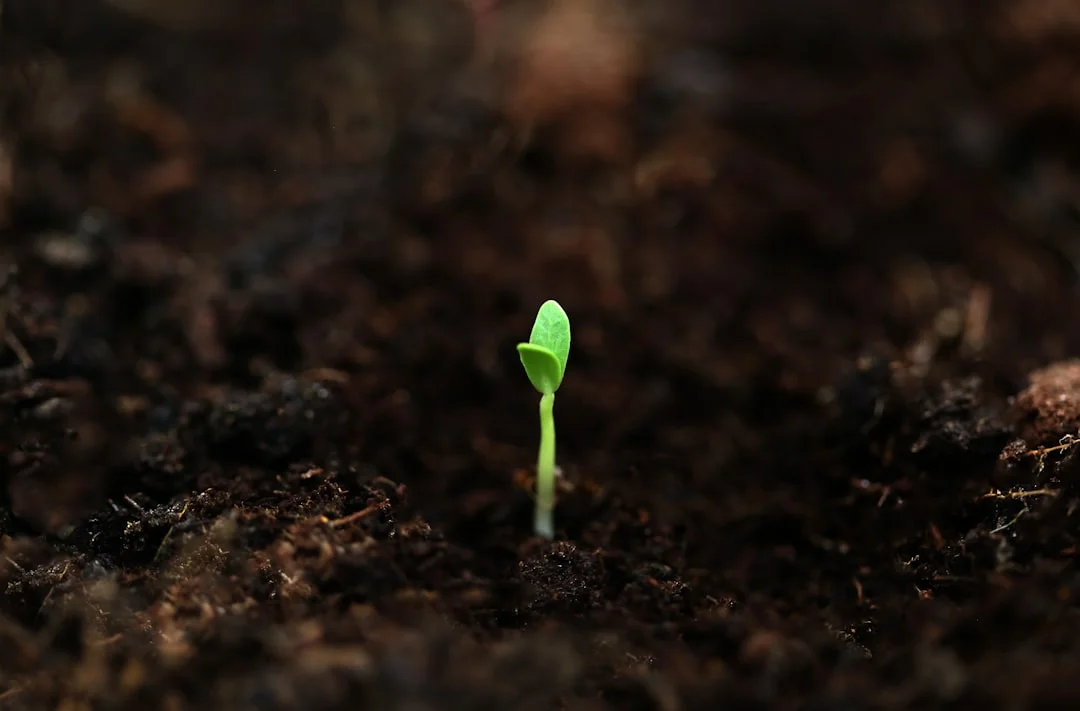
Here’s a fact that surprises new gardeners: most seeds don’t need light to germinate. They need warmth. Light becomes vital only after the green shoot appears. Bury that detail in your memory — it explains a lot of failures.
Temperature is the real engine. Warm soil speeds germination dramatically. For example, peppers may take three weeks in cool 15°C (59°F) soil but only one week at 27°C (80°F). A simple heat mat under your tray works wonders, especially in cold climates like Canada or northern Europe.
There’s one growing condition almost nobody talks about: bottom heat. Warming the soil, not the air, triggers faster sprouting. In tropical regions like India and Southeast Asia, room temperature often does the job naturally. In arid zones like the Middle East or Australia’s interior, shade the trays so heat doesn’t scorch them.
Once seeds sprout, light becomes urgent. Without enough, seedlings stretch tall, pale, and weak — a problem called legginess. A sunny windowsill or a cheap LED grow light fixes it. Balancing warmth before and light after is one of the smartest seed germination tips faster India gardeners can master.
Climate-Specific Adjustments
In tropical climates, warmth is rarely the issue — excess humidity and fungus are. Add airflow and avoid overwatering. In temperate zones like the UK or US Pacific Northwest, use heat mats and start seeds indoors before the last frost.
Mediterranean gardeners (California, southern Europe) enjoy mild springs ideal for direct sowing. Arid regions need shade cloth and frequent light misting to stop trays drying out. Match your method to your weather and your success rate jumps.
Common Germination Problems and Fixes
Even with great care, problems pop up. The good news is each one has a clear fix. Let’s tackle the three most common killers.
First, damping-off. This fungal disease makes seedlings flop over and rot at the base. It strikes when soil is too wet and air too still. The cure? Better drainage, less water, and a gentle fan. A pinch of cinnamon on the soil surface acts as a natural fungus fighter — an old folk trick that genuinely works.
Second, no germination at all. Usually the cause is old seeds, cold soil, or planting too deep. A good rule: bury seeds twice as deep as their width. Tiny seeds barely need covering.
Third, leggy seedlings. These stretch toward weak light and topple over. Move them closer to a bright window or grow light right away. These troubleshooting steps round out the seed germination tips faster India and worldwide gardeners need. Spotting trouble early is the secret to saving your crop.
Three Signs Your Seeds Are in Trouble
Watch for these warning signs. One, soil surface stays soggy for days — that means poor drainage and rot risk. Two, a white or grey fuzz appears, signalling mould. Three, sprouts emerge tall and floppy, the classic legginess sign.
The counterintuitive one? Seeds that sprout too fast then collapse often suffered from too much warmth and moisture together. Ease off heat and water, add airflow, and your survivors will firm up. Catching these early saves the whole tray.
Propagation Methods Beyond Seeds
Seeds aren’t the only way to grow plants. Sometimes propagation by cuttings or division is faster and gives an exact copy of the parent. Knowing both methods makes you a stronger gardener.
Stem cuttings work brilliantly for herbs like basil, mint, and tulsi (बीज अंकुरण isn’t your only path here). Snip a healthy stem, strip the lower leaves, and pop it in water or moist mix. Roots appear within one to two weeks. It’s faster than seeds for many soft-stemmed plants.
Division suits clumping plants like lemongrass or aloe. Simply split the root ball into sections, each with roots attached, and replant. Each piece grows into a full plant.
Meanwhile, layering works for woody plants. Bend a low branch to the soil, pin it down, and wait for roots to form before cutting it free. According to Wikipedia's entry on plant propagation, these vegetative methods preserve desirable traits that seeds may lose. That said, seeds remain the cheapest way to grow many plants at once — and the seed germination tips faster India gardeners use stay your best starting point.
Seasonal Care Across Climates
Timing makes or breaks germination. Sow at the right moment and seeds practically sprout themselves. Get it wrong and even perfect technique fails.
In the Northern Hemisphere, spring (March to May) is prime sowing time. The soil warms, days lengthen, and most seeds love it. In Australia and the Southern Hemisphere, that window shifts to spring there (September to November) or mild autumn months.
June, the current month for many readers, is peak summer up north and mild winter down south. In India’s monsoon belt, June rains bring perfect moisture for direct sowing of beans, gourds, and okra — though you must guard against fungus. This seasonal awareness is one of the practical seed germination tips faster India growers apply year-round.
For cold climates, start seeds indoors weeks before the last frost. The USDA hardiness zone maps help US gardeners pick the right date. UK readers can check RHS frost guides. Whatever your zone, match your sowing to your local warmth and you’ll see faster, stronger sprouts.
Indoor Sowing for Cold Regions
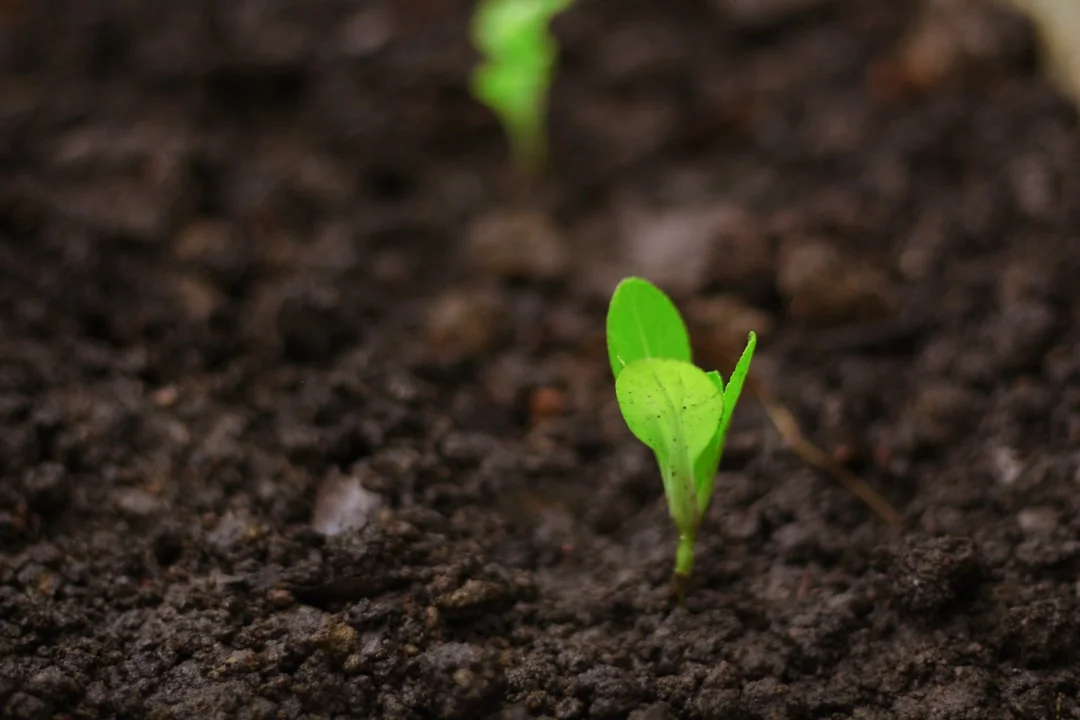
Gardeners in cold zones don’t have to wait for spring. Start seeds indoors six to eight weeks before your last frost date. Use a sunny window or grow light, a heat mat for warmth, and trays with domes for humidity.
This gives tender crops like tomatoes and peppers a long head start. By the time it’s warm enough outdoors, you’ll have sturdy seedlings ready to transplant. Many gardeners in Canada and northern Europe find this trick doubles their harvest window.
Uses and Practical Applications
Why does mastering germination matter beyond your hobby? Because growing from seed opens doors that buying plants never can.
For one, seeds cost a fraction of nursery plants. A single packet can yield dozens of seedlings — huge savings for vegetable gardeners and small farms alike. In India, seed-starting at home supports kitchen gardens that cut grocery bills.
Seeds also give you variety. Garden centres stock a handful of types, but seed catalogues offer thousands — heirloom tomatoes, rare chillies, medicinal herbs. Traditional Ayurvedic gardens often start from saved seed, preserving local varieties for generations.
Furthermore, growing from seed teaches patience and observation. Watching a seed transform into a plant connects you to natural cycles in a deeply satisfying way. Schools and community gardens worldwide use seed-starting to teach children about food and biology.
Finally, saving and sharing seeds builds community and protects biodiversity. The seed germination tips faster India and global gardeners learn here pass on through generations, keeping rare plants alive. From the balcony to the farm, these skills genuinely pay off.
Frequently Asked Questions
How can I make seeds germinate faster at home?
The quickest way is to combine warmth, moisture, and pre-soaking. First, soak hard seeds in room-temperature water for 6 to 24 hours. Next, sow them in a light, well-draining seed-starting mix kept evenly moist. Then place the tray somewhere warm, ideally 24–27°C (75–80°F), using a heat mat in cold climates. Cover with a humidity dome to lock in moisture. These seed germination tips faster India and worldwide gardeners rely on can cut sprouting time in half. The paper towel method also speeds things up since you can watch roots appear before planting.
Can I germinate seeds indoors in a cold climate?
Absolutely. Cold-climate gardeners in Canada, the UK, or northern Europe routinely start seeds indoors six to eight weeks before the last frost. Use a sunny windowsill or an affordable LED grow light. A heat mat under the tray provides the bottom warmth seeds love, while a humidity dome keeps moisture in. Once seedlings have a couple of true leaves and frost has passed, harden them off and transplant outside. This indoor head start is one of the smartest seed germination tips faster India and temperate-zone gardeners can use to extend short seasons.
Why are my seeds not germinating at all?
Several things could be at fault. Old or improperly stored seeds lose viability over time, so check the packet date. Cold soil is another big culprit — most seeds stall below 15°C (59°F). Planting too deep also stops sprouts from reaching the surface; sow seeds about twice as deep as their width. Overwatering can rot seeds before they wake, while bone-dry soil halts the process entirely. Fix the temperature, moisture balance, and planting depth, and most seeds will respond within their normal window.
How long does seed germination usually take?
It depends on the plant. Fast sprouters like radish, lettuce, and many beans pop up in 3 to 7 days. Tomatoes and chillies take 7 to 14 days. Some perennials and tree seeds can need weeks or even months. Warmth speeds everything along — peppers may sprout in a week at 27°C (80°F) but take three weeks in cool soil. Following proven seed germination tips faster India growers use, such as pre-soaking and bottom heat, reliably shortens these times across most common vegetables and herbs.
Is it safe to eat homegrown sprouts?
Many sprouts like mung bean, fenugreek (methi), and alfalfa are nutritious and safe when grown cleanly. However, raw sprouts can harbour bacteria if hygiene is poor, so rinse them often and use clean water. Some seeds are unsafe raw — kidney bean sprouts, for example, contain a toxin that proper cooking destroys. Always research the specific seed before eating. For pets, most sprouting seeds are fine, but check toxicity of any ornamental plant seeds. When in doubt, cook sprouts thoroughly to stay safe.
How do I germinate seeds in containers or pots?
Container germination is easy and ideal for balconies or small spaces. Choose a pot with drainage holes and fill it with a light seed-starting mix, not heavy garden soil. Sow seeds at the right depth, mist gently, and cover with plastic wrap to hold humidity. Keep the pot warm and out of harsh direct sun until sprouts appear. Bottom watering keeps moisture even without drowning seeds. These container-friendly seed germination tips faster India apartment gardeners love work equally well in any urban setting worldwide.
What is the best soil for starting seeds quickly?
The best medium is a light, fluffy, well-draining seed-starting mix that holds moisture without staying soggy. A simple homemade blend uses two parts coco coir or peat moss, one part fine compost, and one part perlite or coarse sand. Keep nutrients low since seeds carry their own food supply, and overly rich soil can burn tender roots. Aim for a pH between 6.0 and 7.0. This mix gives seeds the oxygen, moisture, and drainage they need to sprout fast and healthy.
Final Thoughts
Mastering seed germination really does come down to a handful of simple habits: warmth, even moisture, oxygen, and patience. Get these right and your seeds will reward you with fast, strong sprouts. The seed germination tips faster India and gardeners across the globe rely on — pre-soaking, the paper towel method, bottom heat, and gentle watering — work in every climate, from tropical Mumbai balconies to chilly Canadian windowsills. Remember the curiosity loop from the start? That one quiet trick was bottom heat — warming the soil, not the air, which dramatically speeds sprouting. Start small. Pick one packet of easy seeds like beans or basil, follow the steps here, and watch what happens. In my experience, your confidence grows with every sprout. Soon you’ll be saving seeds, sharing seedlings, and growing far more than you ever bought. So grab a tray, dampen some mix, and sow your first seeds today. Your future garden is waiting inside those tiny seeds — go wake them up.
