
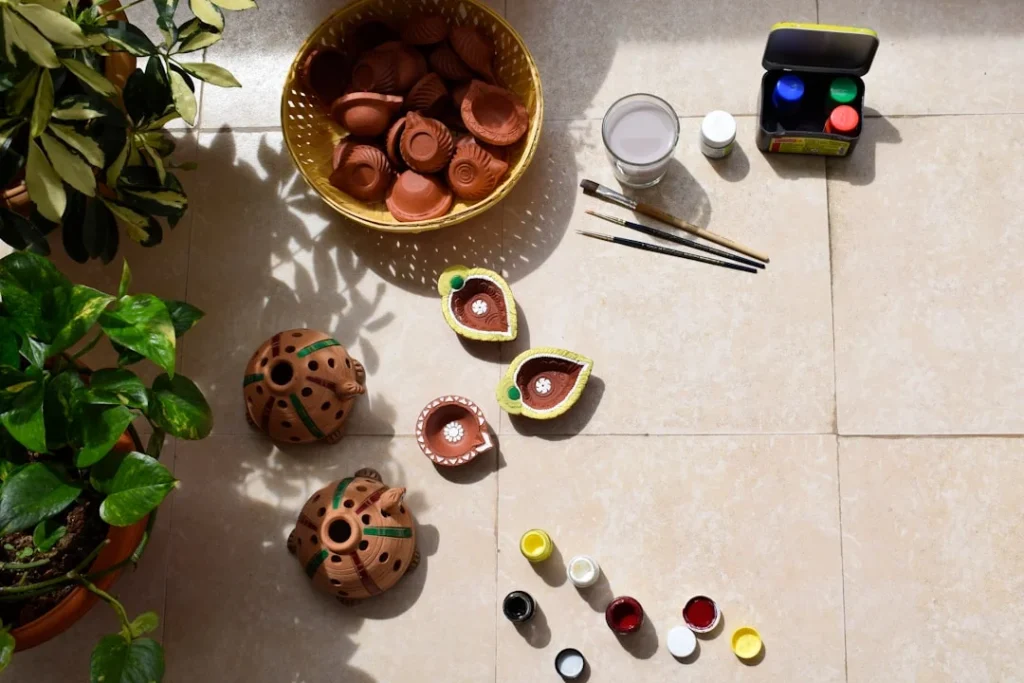
⏱ 27 min read
Table of Contents
- What Are the Best Plants to Gift for Diwali?
- Why Gift Plants Instead of Sweets This Diwali?
- Top 7 Best Plants Gift Diwali India
- How to Grow and Care for Gifted Diwali Plants
- Soil and Fertilizer for Healthy Festive Plants
- Watering Your Diwali Plants the Right Way
- Sunlight Needs Across Different Climates
- Common Problems and How to Fix Them
- How to Propagate Your Diwali Plants
- Seasonal Care Through Winter and Beyond
- Cultural and Spiritual Significance
Last Diwali, a reader in Pune sent me a photo of a money plant she’d gifted her grandmother three years earlier — now a leafy curtain across an entire balcony. That single gift, she said, made her grandmother smile every single morning. This is why choosing the best plants gift Diwali India has become one of the most heartfelt festive traditions of our time. Forget boxes of sweets that vanish in a week. A living plant grows, breathes, and remembers. The best plants gift Diwali India options include lucky bamboo, money plant, tulsi, jade, and peace lily — each carrying meaning, beauty, and surprisingly easy care. In this guide, you’ll learn exactly which plants to gift, why they’re considered auspicious, and how to keep them thriving whether your loved one lives in tropical Chennai, chilly London, or arid Dubai. There’s one plant on this list that’s almost impossible to kill — and most people overlook it completely. For more tips, check out our detailed article on best air-purifying indoor plants.
Quick Highlights
- Discover the top 7 auspicious plants to gift this Diwali season
- Learn which plants suit beginners and forgetful waterers
- Match the right plant to tropical, temperate, or arid climates
- Understand the Vastu and Feng Shui meaning behind each plant
- Master simple care routines that keep gifted plants alive for years
- Avoid the common mistakes that kill freshly gifted plants
Plant Characteristics at a Glance
| Common Name | Plant Gifts for Diwali (Lucky Bamboo, Money Plant, Tulsi, Jade, Peace Lily) |
| Scientific Name | Varies — e.g. Epipremnum aureum, Ocimum tenuiflorum, Crassula ovata, Spathiphyllum spp. |
| Family | Araceae, Lamiaceae, Crassulaceae, Asparagaceae (depending on plant) |
| Origin | India, Southeast Asia, South Africa, tropical Americas |
| Habitat | Tropical forests, dry scrubland, and cultivated home gardens |
| Plant Type | Mix of foliage, succulent, herb, and flowering plants |
| Indoor Plant | Yes — most are excellent indoor gift plants |
| Outdoor Plant | Yes in warm climates; tulsi and marigold thrive outdoors |
| Leaves | Glossy green (money plant), aromatic (tulsi), fleshy (jade), broad (peace lily) |
| Flowers | Peace lily white spathes; tulsi tiny purple-white spikes; jade pink-white clusters |
| Flowering Season | Spring to autumn for most; peace lily can flower year-round indoors |
| Fruit | Generally none in indoor conditions; tulsi produces tiny seed capsules |
| Seeds | Tulsi and marigold grow readily from seed |
| Roots | Fibrous (most) or shallow fleshy roots (jade) |
| Height | 15 cm to 1.5 m depending on species and pot size |
| Growth Rate | Moderate to fast (money plant fast; jade slow) |
| Light Requirements | Bright indirect light; tulsi and jade need direct sun |
| Soil Requirements | Well-draining potting mix; cactus mix for succulents |
| Water Requirements | Low to moderate; let topsoil dry between waterings |
| Temperature Requirements | 18–30°C (64–86°F); protect from frost below 10°C (50°F) |
| Humidity Requirements | Moderate; peace lily prefers high, jade tolerates dry air |
| Propagation | Stem cuttings, leaf cuttings, division, or seed |
| Uses | Gifting, air purification, decoration, worship, medicine |
| Medicinal Properties | Tulsi is adaptogenic and antibacterial (Ayurveda); others mainly air-cleaning |
| Toxicity | Money plant, peace lily, and jade are toxic to pets if eaten; tulsi is safe |
| Cultural Significance | Symbols of prosperity, health, and good luck in Hindu, Feng Shui traditions |
| Common Pests | Mealybugs, spider mites, fungus gnats, scale |
| Common Diseases | Root rot, leaf spot, powdery mildew |
| Special Care Tips | Use filtered water for lucky bamboo; never overwater succulents |
| Cultural Practices | Gifted during Diwali; tulsi worshipped daily in Indian homes |
| Vastu Direction | Southeast for wealth plants; north/northeast for tulsi |
Best plants gift Diwali Names in Different Languages
| English | Diwali Plant Gifts (Lucky Bamboo, Money Plant) |
| Mandarin Chinese | 富贵竹 / 金钱树 (Fùguìzhú / Jīnqián shù) |
| Spanish | Plantas de regalo para Diwali |
| Hindi | दिवाली पर पौधे का उपहार (Diwali ke paudhe) |
| Gujarati | દિવાળીના છોડ ભેટ (Divali na chhod) |
| Arabic | نباتات هدايا ديوالي (Nabatat hadaya Diwali) |
| Bengali | দীপাবলির গাছের উপহার (Dipaboli'r gachh) |
| Portuguese | Plantas de presente para o Diwali |
| Russian | Растения в подарок на Дивали (Rasteniya na Divali) |
| Japanese | ディワリの植物ギフト (Diwari no shokubutsu gifuto) |
| Punjabi | ਦੀਵਾਲੀ ਦੇ ਪੌਦੇ (Diwali de paude) |
| German | Diwali-Pflanzengeschenke |
| Javanese | Tanduran hadiah Diwali |
| Korean | 디왈리 식물 선물 (Diwali sikmul seonmul) |
| French | Plantes cadeaux de Diwali |
| Telugu | దీపావళి మొక్కల బహుమతి (Deepavali mokkalu) |
| Marathi | दिवाळीची रोपटी भेट (Diwalichi ropti) |
| Tamil | தீபாவளி தாவர பரிசு (Deepavali thaavara parisu) |
| Urdu | دیوالی کے پودے کا تحفہ (Diwali ke paude ka tohfa) |
| Turkish | Diwali bitki hediyeleri |
| Vietnamese | Quà tặng cây cảnh Diwali |
What Are the Best Plants to Gift for Diwali?
Diwali, the festival of lights, marks new beginnings, prosperity, and the triumph of light over darkness. So what better gift than a living plant? The best plants gift Diwali India choices are ones that carry good fortune, grow easily, and look beautiful on a festive shelf. Think lucky bamboo, money plant, tulsi, jade, peace lily, and small flowering plants like chrysanthemums. If you enjoy growing this plant, you might also find our guide on Why Plant Leaves Turning Yellow India very useful.
Here’s the thing — a great Diwali plant gift does three jobs at once. It looks lovely, it means something culturally, and it survives even when the receiver isn’t a gardening expert. That last point matters more than people think. Many gardeners find that gift plants die not from neglect, but from being too fussy in the first place. Many gardeners who grow this plant also love to read about Plant Care Winter India Tips.
These plants span traditions too. In India, tulsi and money plant top the list. In China, lucky bamboo and jade represent wealth and growth. Meanwhile in the West, peace lilies and succulents make popular thoughtful presents. The overlap is no accident — humans everywhere connect plants with hope. Many gardeners who grow this plant also love to read about Plant Care During Monsoon India.
But knowing which plant to pick is only the start. The real question is why a plant beats a box of laddoos every single time — and that answer might surprise you.
Quick Answer: The Top Picks
If you want the short version, here it is. The best plants gift Diwali India for most people are: lucky bamboo (Dracaena sanderiana) for prosperity, money plant (Epipremnum aureum) for wealth, tulsi (Ocimum tenuiflorum) for health and devotion, jade plant (Crassula ovata) for good fortune, and peace lily (Spathiphyllum) for peace and clean air. Each one is low-maintenance, widely available, and meaningful. For colder climates, jade and peace lily handle indoor life best. For tropical homes, tulsi and money plant flourish almost anywhere. If you enjoy growing this plant, you might also find our guide on Home Composting Kitchen Waste India very useful.
Why Gift Plants Instead of Sweets This Diwali?
Sweets are gone in days. Plants stay for years. That single difference explains why gifting plants has exploded in popularity across India and beyond.
Furthermore, plants are a healthier, greener choice. A 2019 study referenced by NASA's Clean Air research found that several common houseplants — including peace lily and money plant — help filter indoor air pollutants. During Diwali, when firecracker smoke fills the air in many Indian cities, an air-purifying plant gift feels especially thoughtful.
In fact, plants also reduce festive waste. Sweet boxes pile up plastic and foil. A potted plant produces zero throwaway packaging if you skip the wrap.
There’s an emotional layer too. In my experience, people remember who gave them a plant far longer than who gave them mithai. A plant grows alongside a relationship. Every new leaf becomes a small reminder of the person who gave it.
Many families now choose the best plants gift Diwali India precisely because it lasts. A money plant gifted today can be propagated and passed on for generations — a literal living legacy. But which plants actually deserve a spot on your gifting list? Let’s count down the top seven.
Health and Air Benefits
Indoor plants do more than decorate. Peace lily, money plant, and snake plant all help trap dust and certain airborne toxins. According to the RHS, houseplants also raise humidity slightly, which can ease dry winter air — a real bonus during the cold, dusty months after Diwali. For households with elderly members or children, a clean-air plant gift offers genuine wellbeing value, not just symbolism.
Top 7 Best Plants Gift Diwali
Now for the heart of this guide. The best plants gift Diwali India fall into a clear top seven — each chosen for beauty, meaning, and easy care. I’ve ranked them roughly from most beginner-friendly to slightly more demanding.
First, lucky bamboo. It grows in just water, needs no soil, and symbolizes growth and luck. Next, the money plant — nearly impossible to kill and tied to wealth in both Vastu and Feng Shui. Then tulsi, the sacred basil of Indian homes, loved for both worship and health.
Jade plant comes fourth, a chubby succulent that thrives on neglect and means prosperity. Peace lily ranks fifth, offering elegant white blooms and air-purifying power. Sixth, the snake plant (Sansevieria) — the indestructible one most people overlook. Finally, small flowering pots like chrysanthemums or marigolds bring instant festive colour.
Importantly, every plant here suits a beginner. That’s the secret to a good gift — it shouldn’t stress the receiver. A quick tip: pair the plant with a small handwritten care card. It turns a gift into a guide.
Wondering how to actually keep these alive once gifted? That’s where the next section comes in.
Comparison of Top Diwali Plants
Here’s a quick comparison to help you choose. Lucky bamboo and money plant tolerate low light and irregular watering — ideal for busy people. Jade and snake plant suit dry, arid homes and forgetful waterers. Peace lily prefers humidity and shade, perfect for bathrooms or kitchens. Tulsi needs bright sun, so it’s best for sunny balconies in warm regions. Flowering pots like chrysanthemums offer colour but are seasonal and shorter-lived. Match the plant to the person’s lifestyle, and your gift will thrive for years.
Best Picks for Beginners
If your loved one has a track record of killing plants, gift the snake plant or money plant. Both forgive missed waterings, low light, and general neglect. Snake plant, in particular, can go two weeks without water and still look perfect. Money plant happily grows in a simple glass of water on a windowsill. These two make the safest best plants gift Diwali India choices for anyone who claims they ‘can’t keep anything alive.’
How to Grow and Care for Gifted Diwali Plants
So your loved one has received their plant. Now what? The good news is that most Diwali plants are tough. Still, a few simple habits make the difference between thriving and dying.
First, let the plant settle. After travelling to a new home, plants need a few days in a stable, bright spot away from direct harsh sun. Don’t repot immediately — that shocks the roots.
Next, check drainage. Many decorative pots have no drainage holes, which causes deadly root rot. If the pot can’t drain, either drill a hole or pop the plant into a plastic nursery pot inside the pretty one.
Then, set a simple routine. Most of these plants want watering only when the top 2-3 cm of soil feels dry. Overwatering kills far more gift plants than underwatering ever does.
Here’s a step-by-step process to settle any newly gifted plant successfully. Follow it once, and the plant should sail through its first month with ease. After that, care becomes nearly automatic.
But soil and feeding deserve special attention — get these wrong, and even the toughest plant struggles. Let’s dig into that next.
Container Growing Tips
Most gifted plants live in containers, so drainage is everything. Choose pots with holes and a saucer beneath. Use a chunky, well-draining mix rather than dense garden soil. For lucky bamboo grown in water, change the water every 7-10 days and use filtered or rainwater, since fluoride in tap water can brown the tips. In small flats across cities like Mumbai, London, or Singapore, container growing keeps these plants happy on windowsills and balconies alike.
Soil and Fertilizer for Healthy Festive Plants
Soil is the foundation of plant health — yet it’s where most people go wrong. The right mix changes depending on the plant.
For succulents like jade and snake plant, use a fast-draining cactus mix. You can make your own by blending regular potting soil with sand and perlite in a 2:1:1 ratio. This stops water from sitting around roots, which causes rot.
Meanwhile, tulsi, money plant, and peace lily prefer richer, moisture-retaining soil. A blend of potting soil, compost, and coco coir works beautifully across climates. Coco coir is sold worldwide and holds moisture without going soggy.
Feeding is simple. During the active growing season — spring and summer — feed once a month with a balanced liquid fertilizer diluted to half strength. In winter, most plants rest, so cut feeding right back or stop entirely.
A quick tip from my own balcony: too much fertilizer burns roots and yellows leaves. Less is genuinely more. The best plants gift Diwali India choices barely need feeding to look great.
However, even perfect soil won’t save a plant from bad watering habits. And watering is the single skill that trips up almost every new plant owner. Here’s how to master it.
Organic Feeding Options
Prefer natural feeding? You’re in good company. Diluted seaweed extract, banana peel water, and well-rotted compost tea all work wonderfully and are gentle on roots. In India, vermicompost is cheap and widely available. In the UK and US, worm castings and liquid seaweed feed are popular organic choices. Apply organic feeds every 3-4 weeks during the growing season. They release nutrients slowly, so there’s far less risk of burning your plant compared to strong synthetic feeds.
Watering Your Diwali Plants the Right Way
Most people water their plants wrong — not too little, but too often. Overwatering is the number one killer of gifted plants worldwide.
Here’s the golden rule. Stick a finger 2-3 cm into the soil. If it feels dry, water. If it feels damp, wait. This simple check beats any fixed schedule.
Different plants have different thirst levels. Snake plant and jade want watering only every 2-3 weeks. Money plant and peace lily prefer weekly watering. Tulsi, especially in hot weather, may need water daily during peak summer.
Climate changes everything too. In tropical Chennai or Singapore, plants dry out fast and need more frequent water. Meanwhile in temperate London or cool Canadian winters, indoor plants barely drink, so you’ll water far less often. In arid Dubai, indoor humidity is low but air conditioning dries soil quickly — check more often.
Have you ever noticed your peace lily dramatically droop, then perk up an hour after watering? That’s its built-in thirst alarm — handy, but don’t let it happen too often.
Water quality matters as well. Lucky bamboo hates fluoride, so use filtered or rainwater. The best plants gift Diwali India will reward correct watering with steady, healthy growth. Next, let’s talk light.
Signs You're Overwatering
Watch for these warning signs: yellowing leaves, soft mushy stems, a musty smell from the soil, and tiny flies hovering around the pot. All point to too much water. If you spot them, stop watering immediately and let the soil dry out fully. For severe cases, remove the plant, trim any black mushy roots, and repot in fresh, dry mix. Most plants recover well if you catch the problem early enough.
Sunlight Needs Across Different Climates
Light is plant food. Without enough of it, even healthy plants slowly fade. But the right amount varies hugely between species.
Tulsi and jade love bright, direct sun — at least 4-6 hours daily. Place them on a sunny south-facing windowsill (or north-facing in the Southern Hemisphere). Money plant, peace lily, and lucky bamboo prefer bright but indirect light. Harsh midday sun scorches their leaves.
Snake plant is the easygoing exception. It tolerates everything from low light to bright sun, which is exactly why it’s so beginner-friendly.
Now, climate matters a lot here. In tropical India and Southeast Asia, intense sun means even sun-lovers may need light shade at midday. In temperate UK and northern US, the opposite is true — winter light is so weak that plants benefit from the brightest window available. In Mediterranean regions like southern Spain or California, bright morning sun with afternoon shade works perfectly.
A simple test: if leaves look pale and leggy, the plant wants more light. If leaves develop brown crispy patches, it’s getting too much.
Getting light right makes the best plants gift Diwali India almost foolproof. But problems still pop up now and then — so let’s troubleshoot the common ones.
Low-Light Solutions for Dark Homes
Living somewhere dim? Don’t worry. Snake plant, lucky bamboo, and peace lily all cope well in low light. For very dark rooms — common in winter across northern Europe and Canada — a simple LED grow light works wonders. Run it for 8-10 hours a day. Affordable clip-on grow lights are available worldwide for under $20 (around ₹1,500 / £15). They keep plants healthy through the darkest months without any fuss.
Common Problems and How to Fix Them
Even the toughest plant hits a rough patch eventually. The good news? Most issues are easy to fix once you know the signs.
Yellow leaves usually mean overwatering. Cut back on water and check drainage. Brown leaf tips often point to dry air, fluoride in tap water (especially for lucky bamboo), or too much fertilizer. Drooping leaves can mean either too much or too little water — so always check the soil before acting.
Pests show up too. Watch for mealybugs (white cottony spots), spider mites (fine webbing), and fungus gnats (tiny flies). For most, a spray of neem oil mixed with water knocks them out. Neem is a trusted remedy in Ayurveda and is sold globally as an organic pesticide.
Root rot is the most serious problem. If the base feels mushy and smells bad, act fast. Remove the plant, trim blackened roots, and repot in fresh dry soil.
In my experience, 90% of gift-plant deaths trace back to one thing — too much love expressed through too much water. Resist the urge.
With problems handled, you might want to multiply your plant. Propagation lets one Diwali gift become many — and it’s easier than you think.
Pest Control the Natural Way
Skip harsh chemicals indoors. Instead, wipe leaves with a damp cloth weekly to stop pests settling. For active infestations, mix 5 ml neem oil with 1 litre water and a drop of mild soap, then spray every 5-7 days until clear. A sticky yellow trap catches fungus gnats. These gentle methods are safe around children and pets, and they’re used by organic gardeners from Kerala to California.
How to Propagate Your Diwali Plants
Here’s a magical part of plant gifting: one plant can become many. Propagation means growing new plants from cuttings — and it costs nothing.
Money plant is the easiest. Snip a stem just below a node (the bump where leaves grow), pop it in a glass of water, and roots appear within two weeks. Once roots are a few centimetres long, plant it in soil or leave it in water.
Jade and snake plant propagate from leaf cuttings. Let the cut leaf dry for a day or two first, then place it on slightly moist soil. Roots form slowly over a few weeks. Lucky bamboo grows from stem sections too, as long as each piece has a node.
Tulsi is best grown from seeds or soft stem cuttings during warm months. Peace lily multiplies by division — gently split the root clump when repotting.
The best time to propagate most plants is spring and summer, when growth is fastest. Winter propagation is slower but still works for hardy types like money plant.
Many gardeners find propagation almost addictive — and it means your single Diwali gift can spread to friends and family for years. The best plants gift Diwali India quite literally keep on giving.
Now, how do you keep all these plants happy through the cold winter months that follow Diwali? Let’s cover seasonal care.
Step-by-Step Water Propagation
Water propagation is the simplest method for money plant and lucky bamboo. First, choose a healthy stem with at least one node. Next, cut just below the node with clean scissors. Then place the cutting in a clear glass of clean, room-temperature water, making sure the node sits underwater but leaves stay above. After that, set the glass in bright, indirect light. Finally, change the water every 5-7 days. Roots usually appear within 1-3 weeks.
Seasonal Care Through Winter and Beyond
Diwali falls in late autumn, so your gifted plants head straight into winter. Cold months change how plants behave, and adjusting your care keeps them thriving.
During winter, most plants slow down or rest. They drink less water, so cut back watering significantly. Stop or reduce fertilizer until spring. Move tender plants away from cold windows and draughts at night — sudden cold snaps damage tropical species like money plant and peace lily.
In cold climates such as the UK, Canada, and the northern US, keep plants indoors and away from heaters, which dry the air. A pebble tray with water boosts humidity for moisture-loving plants. In warm regions like southern India, the Gulf, and Southeast Asia, winter is mild, so plants keep growing — just water as normal and enjoy steady growth.
Tulsi can struggle in frost, so protect it or bring it indoors in cold zones. The USDA hardiness zones help gardeners in the US judge what survives outdoors.
Come spring, everything wakes up. Resume regular feeding, repot anything that’s outgrown its pot, and start propagating. Winter is the resting season; spring is the growing surge.
Proper seasonal care keeps the best plants gift Diwali India looking lush all year round.
Protecting Plants from Festive Smoke
Diwali firecracker smoke isn’t just bad for people — it coats leaves too. A layer of soot blocks light and slows photosynthesis. After the festivities, gently wipe leaves with a damp cloth to clear the dust. For sensitive plants, keep windows closed during heavy fireworks and move pots away from smoky balconies. This simple after-festival cleanup keeps your gifted plants breathing freely and looking their best.
Cultural and Spiritual Significance
Plants carry deep meaning at Diwali — far beyond decoration. Each one whispers a wish for the year ahead.
Tulsi (दिवाली पर पौधे का उपहार often features tulsi) holds sacred status in Hindu homes. The plant is worshipped as a form of the goddess Lakshmi and is said to invite prosperity and protection. Many Indian families keep a tulsi in a special raised pot called a tulsi vrindavan.
Money plant and jade represent wealth in both Vastu Shastra and Chinese Feng Shui. Placed in the southeast corner, they’re believed to attract financial growth. Lucky bamboo’s meaning depends on its stalk count — three stalks for happiness, five for wealth, and so on, according to Feng Shui tradition.
Marigolds and chrysanthemums bring festive colour and are used in Diwali decorations and rangoli across India. Their bright orange and yellow blooms mirror the glow of diyas.
This blend of beauty and belief is exactly why the best plants gift Diwali India resonates so deeply. You’re not just giving a plant — you’re gifting good wishes, prosperity, and health in living form.
Whether your loved one follows these traditions or simply loves greenery, a thoughtful plant gift speaks a universal language of care.
Vastu and Feng Shui Placement
Want to honour tradition? Place money plant and jade in the southeast corner of a room — the zone of wealth in both Vastu and Feng Shui. Tulsi traditionally sits in the north or northeast, often near the entrance. Avoid placing plants in the bedroom’s southwest corner. Lucky bamboo does well on a desk or near the entrance to welcome positive energy. These placements add intention to your gift, making it even more meaningful.
Frequently Asked Questions
What are the best plants gift Diwali options for beginners?
For beginners, the best plants gift Diwali India choices are money plant, snake plant, and lucky bamboo. All three forgive missed waterings and low light. Money plant grows happily in just a glass of water. Snake plant can survive two weeks without water. Lucky bamboo needs only a water change every week or so. These plants thrive even for people who claim they can't keep anything alive, making them perfect, low-stress festive gifts that last for years.
Can I grow Diwali gift plants indoors in a cold climate?
Yes, absolutely. Most Diwali gift plants are tropical, so they grow well indoors in cold climates like the UK, Canada, or the northern US. Keep them in a warm room above 15°C (59°F), away from cold draughts and direct heater air. Place them near the brightest window, since winter light is weak. For very dark homes, a cheap LED grow light helps. Snake plant, peace lily, and lucky bamboo all cope well with low indoor light.
Are Diwali gift plants safe for pets and children?
It depends on the plant. Tulsi (holy basil) is completely safe and even beneficial. However, money plant, peace lily, and jade are mildly toxic if eaten, causing mouth irritation or stomach upset in pets and children. According to the [RHS](https://www.rhs.org.uk/), keep these out of reach of curious cats, dogs, and toddlers. If you're gifting to a home with pets, choose tulsi, marigold, or spider plant, which are non-toxic safer options.
How do I grow Diwali plants in containers and small flats?
Container growing is easy and perfect for small flats. First, pick a pot with drainage holes and a saucer. Use a well-draining potting mix suited to the plant — cactus mix for jade, richer mix for tulsi. Water only when the topsoil feels dry. Place the pot near a bright window. For lucky bamboo, a simple glass vase with pebbles and filtered water works beautifully. The best plants gift Diwali India all adapt brilliantly to apartment life worldwide.
Which Diwali plant is considered the luckiest?
Money plant and lucky bamboo top the luck list. In both Vastu Shastra and Feng Shui, money plant placed in the southeast corner is believed to attract wealth. Lucky bamboo's luck depends on stalk count — three for happiness, five for wealth, eight for prosperity. Tulsi is the most sacred, linked to the goddess Lakshmi and prosperity in Hindu homes. Choose based on the wish you'd like to send your loved one this festive season.
When is the best time to gift and care for these plants?
Diwali falls in autumn, so gifting then sends plants straight into winter. That's fine — just reduce watering and stop fertilizing during the cold months when plants rest. In warm regions like southern India, Dubai, or Southeast Asia, plants keep growing through mild winters, so normal care continues. Come spring, resume feeding and propagating. With correct seasonal care, the best plants gift Diwali India stay healthy and beautiful all year round, well beyond the festive season itself.
How long do gifted Diwali plants last?
With basic care, most Diwali gift plants last for years — even decades. Money plant, snake plant, and jade are practically lifelong companions. Tulsi typically lives 1-2 years but reseeds easily. Flowering pots like chrysanthemums are seasonal and shorter-lived, lasting a few months. The key to longevity is avoiding overwatering and giving the right light. A well-cared-for plant gift becomes a living memory, growing alongside your relationship for many festive seasons to come.
Final Thoughts
Choosing the best plants gift Diwali India is one of the most meaningful festive decisions you can make. Unlike sweets that vanish in days, a living plant grows, purifies the air, and carries good wishes for years. Whether you pick a lucky bamboo for prosperity, a money plant for wealth, a sacred tulsi for health, or a jade for good fortune, you’re gifting far more than greenery. You’re gifting hope. Remember the simple rules: don’t overwater, provide the right light, and adjust care through winter. Match the plant to your loved one’s lifestyle and climate, and it’ll thrive whether they live in tropical Chennai, chilly London, or sunny Sydney. The best part? These plants keep giving through propagation, so a single gift can spread joy across families for generations. This Diwali, skip the mithai box and gift something that grows. Your loved ones will remember it long after the diyas fade — and that’s a gift truly worth giving.

