
⏱ 22 min read
Table of Contents
- Why Monsoon Matters for Water Spinach
- Meet the Plant: What Makes Kalmi Special
- Preparing Your Soil and Space
- How to Grow Water Spinach Kalmi in India
- Watering Changes During Monsoon
- Fertilizing for Fast Leafy Growth
- Pest Alert: Monsoon Troublemakers
- Recovery: Saving a Struggling Crop
- Harvesting and Health Benefits
A farmer near Kolkata once told me her water spinach kalmi grew so fast during monsoon that she harvested it three times in a single month. That’s the magic of this plant. Water spinach (Ipomoea aquatica), known as कलमी शाक in Hindi, is one of the easiest and fastest leafy greens you can grow — and the monsoon makes it almost foolproof. If you want to understand how water spinach kalmi grow India really works, the short answer is simple: give it warmth, plenty of water, and rich soil, and it rewards you in just 30 days. This semi-aquatic vegetable thrives in waterlogged conditions that would kill most plants. Whether you garden in tropical India, humid Southeast Asia, or even a warm greenhouse in temperate Europe, this guide covers it all. By the end, you’ll know exactly why some gardeners get bumper harvests while others watch their plants rot — and what one monsoon mistake quietly ruins most crops. For more tips, check out our detailed article on Chives Grow Pot India Kitchen.
Quick Highlights
- Discover why monsoon is the perfect season to grow water spinach kalmi in India
- Master the exact soil mix and water levels for fast, leafy growth
- Learn the one watering mistake that rots roots during heavy rain
- Identify and stop the three pests that attack kalmi in humid weather
- Harvest fresh greens in just 30 days with simple cut-and-come-again tips
- Grow kalmi in containers, ponds, or garden beds across any warm climate
Plant Characteristics at a Glance
| Common Name | Water Spinach (Kalmi, Kangkong, Ong Choy) |
| Scientific Name | Ipomoea aquatica |
| Family | Convolvulaceae (morning glory family) |
| Origin | Tropical Asia (India, Southeast Asia, China) |
| Habitat | Wetlands, ponds, ditches, marshy soil |
| Plant Type | Semi-aquatic perennial herb (grown as annual) |
| Indoor Plant | Possible in warm, bright spots or greenhouses |
| Outdoor Plant | Yes — ideal in warm, wet outdoor settings |
| Leaves | Arrow or heart-shaped, glossy green, hollow stems |
| Flowers | White to pale pink, trumpet-shaped, like morning glory |
| Flowering Season | Late summer to autumn in warm climates |
| Fruit | Small dry capsule containing seeds |
| Seeds | Hard-coated, brown to black, soak before sowing |
| Roots | Fibrous, shallow, tolerant of waterlogging |
| Height | Stems sprawl 1–3 m; upright growth 30–70 cm |
| Growth Rate | Very fast — harvest in 4–6 weeks |
| Light Requirements | Full sun, at least 6 hours daily |
| Soil Requirements | Rich, moist, fertile; pH 6.0–7.0 |
| Water Requirements | Very high — boggy or shallow standing water |
| Temperature Requirements | 25–35°C (77–95°F); dies below 10°C (50°F) |
| Humidity Requirements | High humidity preferred |
| Propagation | Seeds or stem cuttings |
| Uses | Leafy vegetable, stir-fries, soups, salads |
| Medicinal Properties | Cooling food; antioxidant and blood-sugar support |
| Toxicity | Non-toxic when cooked; eat raw with caution |
| Cultural Significance | Staple green across Asian cuisines and folk medicine |
| Common Pests | Aphids, caterpillars, whiteflies |
| Common Diseases | Leaf spot, root rot in stagnant water |
| Special Care Tips | Keep water fresh; harvest often for regrowth |
| Cultural Practices | Cut-and-come-again harvesting; feed nitrogen regularly |
| Vastu Direction | North or east for water-loving plants |
Water spinach kalmi grow Names in Different Languages
| English | Water Spinach / Swamp Cabbage |
| Mandarin Chinese | 空心菜 (Kōngxīncài) / 蕹菜 (Wèngcài) |
| Spanish | Espinaca de agua / Kangkong |
| Hindi | कलमी शाक (Kalmi Saag) |
| Gujarati | નળી ભાજી (Nali Bhaji) |
| Arabic | سبانخ الماء (Sabanikh al-ma) |
| Bengali | কলমি শাক (Kolmi Shak) |
| Portuguese | Espinafre-d'água |
| Russian | Водяной шпинат (Vodyanoy shpinat) |
| Japanese | 空心菜 (Kūshinsai) / エンサイ (Ensai) |
| Punjabi | ਕਲਮੀ ਸਾਗ (Kalmi Saag) |
| German | Wasserspinat |
| Javanese | Kangkung |
| Korean | 공심채 (Gongsimchae) |
| French | Épinard d'eau / Liseron d'eau |
| Telugu | తోటకూర / కలంగు (Thotakura type) |
| Marathi | नळीची भाजी (Nalichi Bhaji) |
| Tamil | வள்ளல் கீரை (Vallal Keerai) |
| Urdu | کلمی ساگ (Kalmi Saag) |
| Turkish | Su ıspanağı |
| Vietnamese | Rau muống |
Why Monsoon Matters for Water Spinach
Here’s the thing about water spinach — it loves what most plants hate. Heavy rain, waterlogged soil, and high humidity. That’s why the monsoon, which sweeps across India from June to September, is the golden window for this crop. While your tomatoes struggle and your herbs droop in the damp, kalmi simply takes off. Many gardeners who grow this plant also love to read about Curry Leaves Grow Pot Fast.
Water spinach is a semi-aquatic plant. In fact, its roots can sit in standing water without rotting, unlike almost every other vegetable. So when the rains arrive and ditches, ponds, and low garden corners fill up, this plant treats it like a feast. Many gardeners find their kalmi doubles in size within two weeks of the first monsoon showers. If you enjoy growing this plant, you might also find our guide on Capsicum Grow Pot India very useful.
Understanding how water spinach kalmi grow India starts with this season. The warm temperatures (25–35°C / 77–95°F) and constant moisture create perfect growing conditions. Furthermore, the cloudy, humid weather reduces water stress, so the leaves stay tender and sweet. Many gardeners who grow this plant also love to read about how to make compost at home.
But there’s a catch — too much of a good thing can backfire. There’s one monsoon condition that quietly destroys crops, and I’ll reveal it in the watering section. For now, just know this: timing your planting with the early rains gives you the strongest start. Many gardeners who grow this plant also love to read about Tomato Grow Pot India.
What season is best across the world?
While India relies on the monsoon, the rules shift by region. In tropical Southeast Asia — Thailand, Vietnam, the Philippines — water spinach grows year-round because warmth never leaves. In temperate zones like the UK or US Pacific Northwest, you’ll grow it in summer (June–August) or under cover, since it dies in frost. Gardeners in arid regions like Dubai or inland Australia should grow it in cooler months with steady irrigation. The key, no matter where you live, is warmth above 24°C (75°F) and plenty of water. Without both, growth slows to a crawl.
Meet the Plant: What Makes Kalmi Special
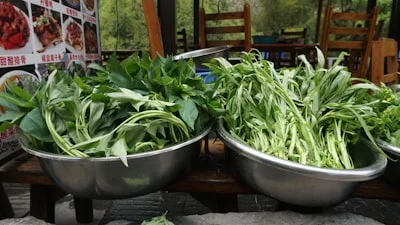
Water spinach (Ipomoea aquatica) belongs to the morning glory family, Convolvulaceae. You might be surprised to learn it’s a close cousin of the sweet potato. Its hollow stems let it float on water, while its arrow-shaped leaves point skyward. According to Kew Gardens, this species is native to tropical Asia and has spread across the warm regions of the world.
There are two main types. The first, called ‘upland’ or pak bung, grows in moist soil. The second, the ‘aquatic’ type, grows in water or floating on ponds. Both taste mild and slightly nutty, a bit like spinach but crunchier.
In fact, this is one of the fastest-growing leafy vegetables on earth. From seed to harvest takes barely four to six weeks. That speed is exactly why home gardeners and small farmers across Asia adore it.
But here’s something most people don’t know — in the United States, this plant is considered a noxious weed in several states because it spreads so aggressively in waterways. So while it’s a beloved crop in India, it carries a warning elsewhere. I’ll explain how to grow it responsibly later in this guide.
A vegetable with deep cultural roots
Across Asia, kalmi is far more than a garden plant. In Bengali kitchens, kalmi shaak is a monsoon staple, stir-fried with garlic and chilli. In Chinese cuisine, it’s called ong choy and cooked with fermented tofu. Vietnamese cooks shred the stems for salads. Traditional healers in parts of India and China have long used it as a cooling food to soothe the body during hot, humid weather. This shared love across cultures shows just how valuable this humble green really is — and why learning to grow it well is worth your time.
Preparing Your Soil and Space
Good preparation is half the battle. Before the monsoon hits, get your growing space ready so the plant can explode into growth the moment rain falls.
Water spinach isn’t fussy, but it does have favourites. It loves rich, fertile soil packed with organic matter. Mix plenty of well-rotted compost or aged manure into your bed. Aim for a slightly acidic to neutral pH of 6.0 to 7.0. If your soil is heavy clay, that’s actually fine here — clay holds water, and this plant adores wet feet.
For the aquatic type, choose a low spot that floods naturally, or a shallow trench you can keep filled. For the upland type, a regular raised bed or large container works well. A quick tip here: line the bottom of containers loosely so they drain slowly rather than fast.
Furthermore, pick a sunny spot. This plant needs at least six hours of direct sun daily. The more light it gets, the faster the leaves grow.
Mastering how water spinach kalmi grow India means matching its love of warmth, water, and sun. Once your space ticks all three boxes, you’re ready to plant — which is where the real fun begins.

Containers vs garden beds vs ponds
You’ve got three good options. Containers suit balcony gardeners — use a wide pot at least 30cm (12in) deep and keep it standing in a tray of water. Garden beds work for the upland type; just keep the soil constantly moist. Ponds and water troughs suit the aquatic type, which floats and roots into shallow mud. Whichever you pick, never let the soil dry out completely. In my experience, container growers in dry cities like Delhi or Dubai succeed best by using the saucer-of-water trick to mimic boggy ground.
How to Grow Water Spinach Kalmi in India
Now for the part you’ve been waiting for. Growing this plant is genuinely simple, and the monsoon does most of the heavy lifting. Follow these steps and you’ll have a thriving patch in no time.
You can start from seed or from stem cuttings. Seeds are cheap and easy, while cuttings give you a faster harvest because they’re already part-grown. Both methods work brilliantly during the rainy season.
Learning how water spinach kalmi grow India is mostly about getting the basics right and then staying out of the plant’s way. It really is that forgiving. Below, I’ve laid out the full process step by step so you can follow along whether you’re in Mumbai, Manila, or a warm greenhouse in Manchester.
Seed soaking and germination
Water spinach seeds have a hard coat. To speed things up, soak them in warm water for 12 to 24 hours before sowing. This softens the shell so the seedling pushes out faster. After soaking, the swollen seeds sprout within four to seven days in warm, damp soil. Sow them about 1cm (half an inch) deep and 10–15cm apart. Keep the soil wet but not flooded until the seedlings stand a few centimetres tall. Then, gradually raise the water level for the aquatic type.
Watering Changes During Monsoon
Now for that monsoon secret I teased earlier. The internet tells you water spinach loves water, so more is always better. Experienced gardeners know that’s not quite true.
Here’s the real danger: stagnant, dirty water during heavy monsoon can suffocate the roots and breed disease. While the plant loves wet feet, it needs that water to stay reasonably fresh and oxygen-rich. Stale, muddy floodwater sitting for weeks invites root rot and fungal problems.
So during the rains, the trick is movement and overflow. Let excess rainwater drain away rather than pool and stagnate. For pond growers, refresh the water every week or two. For container growers, tip out old saucer water and refill it.
Meanwhile, during dry spells between monsoon bursts, water generously every single day. The soil should never crack or dry. As a result, your leaves stay soft and never turn bitter.
This balance is the heart of how water spinach kalmi grow India successfully. Too little water and growth stalls. Too much stale water and roots rot. Get this right, and you’ve cracked the code that beats most beginners.
Watering by climate zone
Your watering routine shifts with where you live. In humid tropics, the monsoon handles most of it — just manage drainage. In Mediterranean climates like California or southern Spain, water deeply once or twice daily through summer. In arid regions, daily watering plus a water tray is essential, since the air sucks moisture out fast. In cooler temperate zones, water enough to keep soil boggy but watch for cold, which slows uptake. The golden rule everywhere: the soil should feel like a wrung-out sponge that never fully dries.
Fertilizing for Fast Leafy Growth
Because water spinach grows so fast, it’s hungry. Feeding it well is the difference between thin, scraggly stems and a lush, leafy harvest you’ll be proud of.
This plant is a leafy green, so it craves nitrogen above all. Nitrogen is the nutrient that powers green, leafy growth. Before planting, mix in compost or aged manure as your base. Then, every two to three weeks, give a boost with a nitrogen-rich liquid feed.
For organic gardeners, diluted cow manure tea, vermicompost liquid, or fish emulsion all work wonders. For those who prefer ready-made products, a balanced liquid vegetable fertiliser available worldwide does the job. A quick tip: always dilute feeds well, because strong doses can burn the tender roots.
Furthermore, don’t overdo the nitrogen. Too much makes the plant grow soft and weak, which attracts pests. Aim for steady, moderate feeding rather than big bursts.
In my experience, gardeners who add a handful of compost every couple of weeks get the best results without any chemicals at all. That’s the simplest path to understanding how water spinach kalmi grow India produces such generous harvests — feed little, feed often, and let the monsoon warmth do the rest.

Pest Alert: Monsoon Troublemakers
Have you ever noticed tiny holes appearing in your leaves overnight? In warm, wet weather, pests multiply fast. The good news is that water spinach is tough, and most problems are easy to manage if you catch them early.
The three main troublemakers are aphids, leaf-eating caterpillars, and whiteflies. Aphids are tiny sap-suckers that cluster under leaves. Caterpillars chew ragged holes. Whiteflies rise in clouds when you brush the plant. All three love the humid monsoon air.
Fortunately, you don’t need harsh chemicals. A simple spray of neem oil — a natural plant extract used in Indian gardens for centuries — controls most pests. Mix a teaspoon of neem oil with a few drops of mild soap in a litre of water and spray every week. Insecticidal soap, sold worldwide, works just as well.
Meanwhile, keep the area tidy. Remove fallen leaves and weeds where pests hide. Encouraging ladybirds and other helpful insects keeps aphid numbers down naturally.
That said, the biggest monsoon threat isn’t insects at all — it’s disease, which thrives in stagnant water. Let’s look at how to rescue a struggling crop next.
Spotting fungal problems early
Constant wet weather can bring leaf spot and root rot. Leaf spot shows as brown or yellow patches, while root rot makes the plant wilt even though it’s standing in water. The cause is almost always stale, airless water. To prevent it, refresh standing water often and give plants enough space so air flows between them. If you spot disease, remove affected leaves at once and bin them — never compost diseased material. A diluted neem spray also helps slow fungal spread during long, damp spells.
Recovery: Saving a Struggling Crop
Don’t worry if your plants look sad mid-season. Water spinach bounces back faster than almost any vegetable. This is where its incredible vigour really shines.
If the leaves turn yellow, the usual cause is either stale water or a nitrogen shortage. First, refresh the water or improve drainage. Then, give a gentle liquid feed. Within a week, you’ll usually see fresh green growth.
If pests or disease have wrecked the top growth, here’s a trick that surprises people. Cut the whole plant back hard, leaving just a few centimetres of stem above the roots. Because the roots stay strong, the plant regrows quickly. This cut-and-come-again habit means one planting can feed you for months.
Furthermore, if cold weather has slowed things down, move containers to a warmer, brighter spot. Even a sunny windowsill helps revive a stalled plant.
The resilience of this crop is a big reason so many people find that learning how water spinach kalmi grow India is such a rewarding first project. Even mistakes rarely kill it. As long as the roots survive, you’ve got a second chance — and usually a third and fourth too.
Harvesting and Health Benefits
Finally, the best part — eating what you’ve grown. Harvesting is simple and keeps the plant producing for weeks.
Start harvesting once the plants reach about 30cm (12in) tall, usually four to six weeks after sowing. Use scissors to snip the top 15cm of each stem. Leave the lower part with a few leaves, and it’ll sprout again within days. Many gardeners harvest every two weeks all season long.
Nutritionally, water spinach is a powerhouse. It’s rich in vitamin A, vitamin C, iron, and fibre. Research summarised on PubMed notes that the plant contains useful antioxidants and may help support healthy blood sugar levels. In traditional Indian and Chinese medicine, it’s valued as a cooling, soothing food eaten during hot months.
That said, eat it cooked rather than raw, especially the aquatic type. Because it grows in water, raw stems can carry waterborne parasites. A quick stir-fry or blanch removes any risk and brings out the best flavour.
From seed to plate in barely a month, this is one of the most satisfying crops you can grow. It’s no wonder so many people fall in love with kalmi the first time they try it.

Frequently Asked Questions
Can I grow water spinach indoors in a cold climate?
Yes, but you'll need warmth and light. Water spinach needs temperatures above 24°C (75°F), so in cold climates like the UK or Canada, grow it indoors near a sunny south-facing window or under grow lights. Keep the pot standing in a tray of water to mimic boggy ground. A heated greenhouse or conservatory works even better. The plant dies in frost, so it won't survive winter outdoors in temperate zones. Indoors, with steady warmth and water, you can grow it year-round and harvest fresh leaves regularly.
Is water spinach safe for pets like cats and dogs?
Water spinach is generally considered safe and non-toxic to cats and dogs in small amounts. It's not listed as a poisonous plant for pets. However, like any new food, large quantities could upset a pet's stomach. Always introduce it slowly and cooked, never raw, since raw aquatic plants may carry parasites. If your pet eats a lot of the plant and shows signs of distress, contact your vet. As a leafy green, it's far safer than many common houseplants, but moderation is always the wise choice.
How do I grow water spinach in containers?
Container growing is easy and ideal for balconies. Choose a wide pot at least 30cm (12in) deep with rich, moist soil. Sit the pot in a deep saucer or tray filled with water so the soil stays constantly wet. Sow soaked seeds or plant stem cuttings, then place the container in full sun. Water daily and feed every two weeks with a nitrogen-rich liquid feed. Learning how water spinach kalmi grow India in containers comes down to never letting the soil dry out. Harvest the top stems often to keep new growth coming.
How long does water spinach take to grow?
Water spinach is one of the fastest leafy greens around. From seed, it's ready to harvest in just four to six weeks. From stem cuttings, you can harvest even sooner, often within three to four weeks. Once you start cutting the tops, the plant regrows within days, letting you harvest every couple of weeks for the rest of the season. This speed is exactly why understanding how water spinach kalmi grow India is such a rewarding project for beginners. Few vegetables give you food this quickly with so little effort.
Can I grow water spinach in arid or desert climates?
Yes, though it takes more effort. In arid regions like Dubai, inland Australia, or the American Southwest, the heat suits the plant but the dry air does not. The trick is constant water. Grow it in containers sitting in water trays, or in a shallow pond or trough you keep topped up. Water deeply at least once or twice daily. Provide some afternoon shade if temperatures soar above 38°C (100°F). With reliable irrigation, this plant can thrive even in dry climates, since it's the soil moisture, not the air, that matters most.
Why are my water spinach leaves turning yellow?
Yellow leaves usually mean one of two things: stale water or a nitrogen shortage. If the plant sits in stagnant, muddy water for weeks, the roots can't breathe, and leaves yellow. Refresh the water and improve drainage. If the water is fine, the plant likely needs feeding — give it a diluted nitrogen-rich liquid feed. Cold weather can also cause yellowing in temperate zones, so move containers somewhere warmer. In most cases, the plant recovers within a week once you fix the underlying cause and resume gentle, regular care.
Is it legal to grow water spinach everywhere?
Not quite. In India and most of Asia, water spinach is a beloved crop with no restrictions. However, in parts of the United States — including states like Texas, Florida, and California — it's classed as a noxious weed because it spreads aggressively in waterways and can choke native plants. In these areas, you may need a permit, or growing it may be banned outright. Always check local rules before planting. If you garden where it's restricted, grow it in sealed containers and never let it escape into natural ponds or streams.
Final Thoughts
Growing water spinach really is one of the most rewarding things you can do in the rainy season. It’s fast, forgiving, and packed with nutrition. The monsoon gives this plant everything it craves — warmth, moisture, and humidity — which is why learning how water spinach kalmi grow India is so satisfying for beginners and seasoned gardeners alike. Remember the key lessons: rich soil, full sun, fresh water rather than stagnant pools, and regular nitrogen feeding. Watch for monsoon pests, refresh standing water to dodge root rot, and harvest the tops often so the plant keeps producing. Always cook the leaves before eating, and check local rules if you live where the plant is restricted. From a handful of soaked seeds to a basket of fresh greens in just a month, kalmi proves that great food doesn’t need fancy gear or years of skill. So grab some seeds, wait for the first rains, and give it a try this season. Your kitchen will thank you.

