
⏱ 19 min read
Table of Contents
Looking for a houseplant that’s nearly impossible to kill? The philodendron might be your perfect match. This tropical beauty has charmed plant lovers from Mumbai to Manchester, and good philodendron plant care starts with picking the right variety for your home. Whether you’re a first-time buyer in Toronto or a seasoned collector in Singapore, this guide walks you through everything — from choosing healthy plants to keeping them thriving for decades. Philodendron hederaceum, commonly called the heartleaf philodendron, grows happily in most indoor conditions. It tolerates low light, forgives missed watering, and purifies the air while it’s at it. In this complete buyer’s guide, you’ll find prices in multiple currencies, trusted nurseries across continents, and proven philodendron plant care tips backed by 15 years of hands-on experience. Let’s dig in. For more tips, check out our detailed article on Golden Pothos Care.
Quick Highlights
- Discover 10+ best philodendron varieties for every budget and home style
- Compare price ranges across India (₹150–₹5000), US ($8–$80), UK (£10–£60), and Australia
- Learn what to inspect before buying — leaves, roots, pests, and pot condition
- Master watering, light, and humidity needs across tropical and temperate climates
- Find trusted online nurseries like Ugaoo, NurseryLive, Etsy, and The Sill
- Understand toxicity warnings to keep pets and children safe at home
Plant Characteristics at a Glance
| Common Name | Philodendron (Heartleaf Philodendron) |
| Scientific Name | Philodendron hederaceum |
| Family | Araceae |
| Origin | Central and South America, Caribbean |
| Habitat | Tropical rainforests, climbing on trees |
| Plant Type | Evergreen perennial vine/climber |
| Indoor Plant | Yes — excellent indoor performance |
| Outdoor Plant | Yes, in tropical and subtropical zones (USDA 10–12) |
| Leaves | Heart-shaped, glossy, 5–15 cm long, deep green |
| Flowers | Rare indoors; small spadix with white spathe |
| Flowering Season | Spring–Summer (mostly in wild conditions) |
| Fruit | Small berries (rare in cultivation) |
| Seeds | Tiny, rarely produced indoors |
| Roots | Fibrous with aerial roots along stems |
| Height | Up to 3–6 metres (10–20 feet) when climbing |
| Growth Rate | Fast, especially in warm humid conditions |
| Light Requirements | Bright indirect light; tolerates low light |
| Soil Requirements | Well-draining, rich in organic matter, pH 5.5–7.0 |
| Water Requirements | Moderate; allow top 2–3 cm to dry between waterings |
| Temperature Requirements | 18–27°C (65–80°F); avoid below 13°C (55°F) |
| Humidity Requirements | 50–70%; tolerates lower with care |
| Propagation | Stem cuttings in water or soil |
| Uses | Ornamental, air purification, indoor décor |
| Medicinal Properties | Not used medicinally; toxic if consumed |
| Toxicity | Toxic to humans, cats, dogs (calcium oxalate crystals) |
| Cultural Significance | Symbol of love and abundance in tropical cultures |
| Common Pests | Spider mites, mealybugs, scale, aphids |
| Common Diseases | Root rot, bacterial leaf spot, fungal blight |
| Special Care Tips | Wipe leaves monthly; use moss pole for climbing types |
| Cultural Practices | Repot every 1–2 years; prune for bushier growth |
| Vastu Direction | East or North-East for positive energy |
Philodendron plant care Names in Different Languages
| English | Philodendron / Heartleaf Philodendron |
| Mandarin Chinese | 心叶蔓绿绒 (Xīn yè màn lǜ róng) |
| Spanish | Filodendro |
| Hindi | फिलोडेंड्रन (Philodendron) |
| Gujarati | ફિલોડેન્ડ્રોન |
| Arabic | فيلوديندرون |
| Bengali | ফিলোডেনড্রন |
| Portuguese | Filodendro |
| Russian | Филодендрон |
| Japanese | フィロデンドロン |
| Punjabi | ਫਿਲੋਡੇਂਡਰਨ |
| German | Philodendron / Baumfreund |
| Javanese | Filodendron |
| Korean | 필로덴드론 |
| French | Philodendron |
| Telugu | ఫిలోడెండ్రాన్ |
| Marathi | फिलोडेंड्रॉन |
| Tamil | பிலோடென்ட்ரான் |
| Urdu | فلوڈینڈرن |
| Turkish | Filodendron |
| Vietnamese | Cây trầu bà |
Philodendron Overview: Why It's a Global Favourite
The philodendron belongs to the Araceae family, native to the tropical rainforests of Central and South America. However, it now grows in homes across every continent. Why? Because it’s tough, beautiful, and forgiving. Gardeners in tropical India, humid Singapore, dry Dubai, and chilly London all manage to grow it successfully. According to Kew Gardens, the genus Philodendron contains over 480 accepted species, ranging from tiny trailing vines to massive tree-like climbers. In my experience, the heartleaf philodendron (Philodendron hederaceum) remains the easiest entry point for new plant parents. Furthermore, it’s one of NASA’s recommended air-purifying plants. The name itself comes from Greek — ‘philo’ meaning love, and ‘dendron’ meaning tree. That’s quite fitting, since these plants climb trees in the wild using aerial roots. For indoor growers, this climbing habit means you can train them up moss poles or let them trail from hanging baskets.
What Makes Philodendrons So Popular?
Here’s the thing — philodendrons tick almost every box a plant buyer wants. They tolerate low light, recover from neglect, and propagate easily from cuttings. In addition, their glossy leaves come in countless shapes, colours, and sizes. You can find heart-shaped, split-leaf, velvety, variegated, and even neon-yellow varieties. Many gardeners find that once they buy one philodendron, they end up with five within a year. The plant is also affordable compared to trendy alternatives like Monstera obliqua or rare Anthuriums. That said, some rare philodendron cultivars (like the Pink Princess) can fetch eye-watering prices on collector markets. Many gardeners who grow this plant also love to read about how to propagate houseplants from cuttings.
Best Philodendron Varieties to Buy
Choosing the right variety is the first step in good philodendron plant care. There are dozens of options, but some stand out for beginners while others suit collectors. Below is a comparison of the most popular varieties available globally, along with their key traits and price brackets. Whether you want a trailing vine for a small flat or a statement floor plant for a sunny corner, there’s a philodendron for you. Many gardeners who grow this plant also love to read about how to propagate houseplants from cuttings.
Top Beginner-Friendly Varieties
For first-time buyers, stick with the classics. The Heartleaf Philodendron (P. hederaceum) is nearly indestructible. Similarly, the Brasil cultivar offers stunning lime-and-green variegation without fussy care needs. Philodendron Selloum (now reclassified as Thaumatophyllum bipinnatifidum) makes a bold floor plant. The Xanadu is compact and perfect for desks. All four cost very little and grow quickly. In tropical climates like India and the Philippines, these varieties grow outdoors year-round. Meanwhile, gardeners in the UK or northern US should keep them indoors except during warm summer months. If you enjoy growing this plant, you might also find our guide on how to propagate houseplants from cuttings very useful.
Rare and Collector Varieties
If you’re ready to splurge, the Pink Princess (P. erubescens ‘Pink Princess’) features dramatic pink variegation and sells for $50–$300 (₹4,000–₹25,000). The Philodendron Gloriosum has velvety heart-shaped leaves and crawls along soil rather than climbing. Other sought-after types include the Florida Ghost, Birkin, Micans (velvet-leafed), and the stunning Philodendron Melanochrysum. However, rare doesn’t always mean better. In fact, many collectors agree that the humble Brasil offers more daily joy than a temperamental Pink Princess. If you enjoy growing this plant, you might also find our guide on how to propagate houseplants from cuttings very useful.
Philodendron Price Range Across the World
Prices vary widely based on variety, size, and region. A common heartleaf in a 4-inch pot might cost ₹150 in Bengaluru but $15 in New York. Rare cultivars carry premium price tags everywhere. Here’s a rough guide to help you budget. In India, Ugaoo and NurseryLive sell common philodendrons for ₹199–₹599. Medium-sized plants in 6-inch pots range from ₹600–₹1,500. Rare types like Pink Princess can hit ₹5,000–₹15,000. In the US, expect $8–$25 for small plants at Lowe’s, Home Depot, or local nurseries. Specialty shops like The Sill or Pistils Nursery charge $25–$80. UK buyers at Patch Plants or Crocus pay £10–£60 depending on size. Australian prices at Bunnings or Plants in a Box typically run AUD 15–70.
Price Comparison by Variety
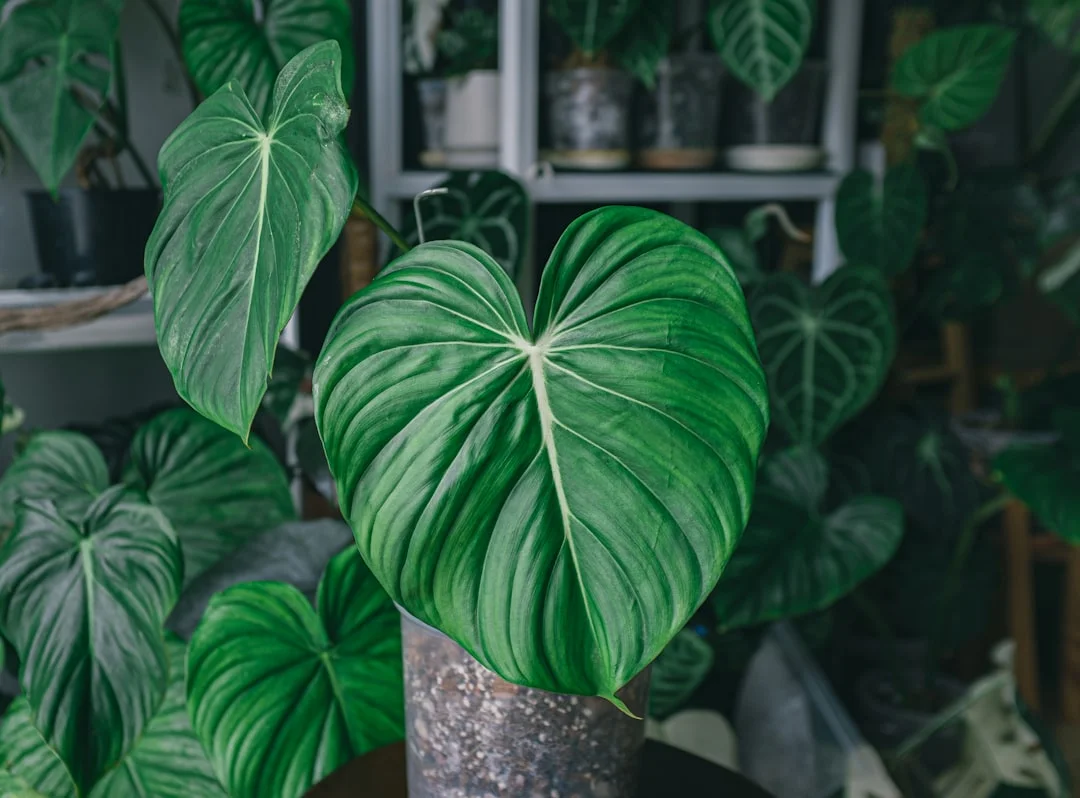
Common varieties like Heartleaf, Brasil, and Xanadu sit at the budget-friendly end. Mid-range options include Birkin, Micans, and Selloum. Premium varieties cover Pink Princess, Gloriosum, and Melanochrysum. A quick tip here — buy small plants when possible. They adjust faster to your home and grow quickly with proper philodendron plant care. Large mature plants often suffer transplant shock and may take months to bounce back.
Where to Buy a Healthy Philodendron
You have more options than ever for buying philodendrons. Online nurseries deliver to your doorstep, while local garden centres let you inspect plants in person. Both have pros and cons. Online shopping offers variety and convenience but carries shipping risks, especially in cold weather. In-person shopping lets you check root health, leaf condition, and pest signs before you pay.
Trusted Online Nurseries
In India, Ugaoo, NurseryLive, and Amazon Plants are reliable choices with good packaging. For the US, The Sill, Costa Farms, Etsy (great for rare cultivars), and Plant Proper deliver healthy specimens. UK gardeners trust Patch Plants, Crocus, and Hortology. Australian buyers rely on Plants in a Box and Bunnings online. Always check return policies and read recent reviews. Furthermore, look for sellers who guarantee live arrival.
Local Nurseries and Garden Centres
Local nurseries beat online stores in one key way — you see what you’re buying. Visit independent garden centres rather than big-box stores when possible. Independent shops often source from specialty growers and stock healthier plants. In Mumbai, visit Dadar flower market. London plant lovers should try Conservatory Archives. New Yorkers swear by Brooklyn’s GRDN. Whatever your city, ask the staff questions — knowledgeable sellers are a green flag.
What to Look For Before Buying
Don’t just grab the nearest pot. A careful check before purchase saves months of struggle later. Many gardeners find that 80% of plant problems come from buying an already-stressed plant. Here’s what to inspect every single time. Look at the leaves first. They should be glossy, firm, and richly coloured. Avoid plants with yellow, brown, or curling leaves. Check both sides for pests like spider mites, mealybugs, or scale insects — these often hide on leaf undersides. Next, gently lift the plant from its pot if allowed. Healthy roots are white or light tan, never black or mushy. Smell the soil. It should smell earthy, not sour or rotten.
Red Flags to Avoid
Skip plants with droopy stems, wilted leaves, or visible webbing. Avoid pots with crusty white deposits — this means salt buildup from poor watering. Watch out for plants sitting in water trays, since this signals root rot risk. Also avoid plants with damaged stems or recent leaf scars near the soil line. Importantly, don’t buy heavily variegated plants if you’re a beginner. They’re prettier but need brighter light and more careful philodendron plant care than green varieties.
Signs of a Healthy Philodendron
A good philodendron has plump, upright stems and new leaf growth (look for tiny rolled-up leaves at the tip). The soil should be slightly moist but not soggy. Roots should fill the pot moderately — not so packed they circle the pot, but enough to hold the soil together. Aerial roots along the stem are a great sign. They show the plant is actively growing and healthy.
Philodendron Plant Care After Buying
Bringing your philodendron home is just the start. The first two weeks are critical for helping it settle in. Place it in a quiet spot with bright indirect light, away from direct sun, heating vents, and air conditioners. Don’t repot immediately — wait 2–3 weeks to let the plant adjust. Water only when the top 2–3 cm of soil feels dry. Skip fertiliser for the first month. According to the RHS, philodendrons prefer temperatures between 18–27°C (65–80°F) and moderate humidity above 50%. Good philodendron plant care isn’t complicated, but it does require consistency.
Light and Placement
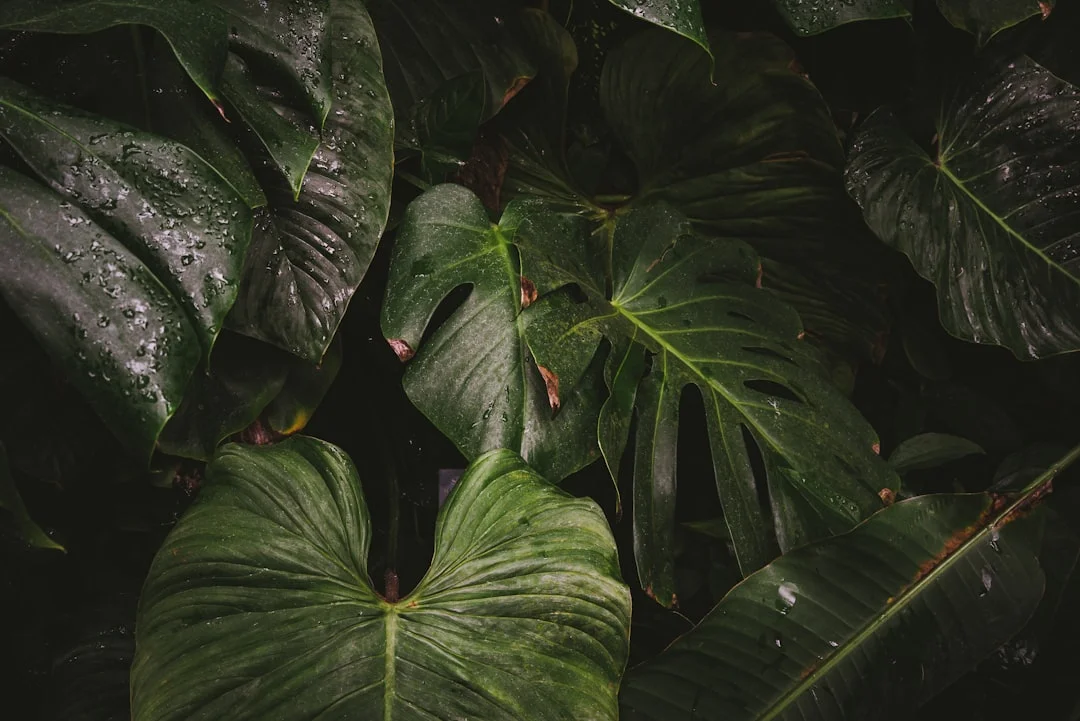
Philodendrons love bright, indirect light. An east-facing window is ideal worldwide. South or west windows work too, as long as you use a sheer curtain. In low-light corners, they survive but grow slowly with smaller leaves. Gardeners in dim flats in London or Stockholm should consider a grow light during winter months. Meanwhile, those in sunny Sydney or Bengaluru must protect plants from harsh afternoon sun, which scorches leaves quickly.
Watering and Humidity
Overwatering kills more philodendrons than anything else. Check the soil with your finger before watering — if the top 2–3 cm feels dry, water thoroughly until it drains from the bottom. In humid climates like Mumbai monsoon or Singapore year-round, water less often. In dry climates like Dubai or Arizona, water more and consider a humidifier. Mist leaves occasionally, but don’t rely on misting alone for humidity. A pebble tray under the pot works better.
Soil, Fertiliser, and Repotting
Use a well-draining mix — equal parts potting soil, perlite, and coco coir (or peat moss) works perfectly. Feed monthly during spring and summer with a balanced liquid fertiliser diluted to half strength. Skip feeding in winter. Repot every 1–2 years into a pot 2–5 cm larger. Spring is the best time globally, though tropical growers can repot almost any season. Proper philodendron plant care includes refreshing the soil periodically, even without repotting.
Common Problems and How to Fix Them
Even the easiest plants run into trouble sometimes. Yellow leaves usually mean overwatering — let the soil dry out more between waterings. Brown crispy edges point to low humidity or salt buildup; flush the soil with distilled water. Drooping stems often signal underwatering or root rot. Check the roots to tell the difference. If they’re white and firm, water more. If they’re brown and mushy, you’ll need to cut away rotted sections and repot in fresh soil.
Pest Control
Spider mites, mealybugs, and scale are the usual culprits. Wipe leaves with a damp cloth weekly to spot pests early. For small infestations, mix one teaspoon of neem oil with one litre of water and a drop of dish soap, then spray weekly. Severe infestations may need insecticidal soap. Quarantine new plants for two weeks before placing them near your collection. This simple habit prevents most pest disasters.
Toxicity and Safety Concerns
Here’s a serious note — all philodendrons are toxic to humans and pets if eaten. They contain calcium oxalate crystals that cause mouth irritation, drooling, vomiting, and difficulty swallowing. The ASPCA lists philodendron as toxic to both cats and dogs. Keep plants out of reach of children, cats, dogs, and curious rabbits. If chewed, rinse the mouth with water and contact a vet or poison helpline immediately. Symptoms usually resolve within hours but can be distressing. That said, simply having a philodendron in your home isn’t dangerous — only ingestion causes problems. Wash your hands after pruning, since the sap can irritate sensitive skin.
Frequently Asked Questions
Can I grow a philodendron indoors in a cold climate?
Yes, absolutely. Philodendrons are tropical plants but they thrive indoors in cold climates like the UK, Canada, and northern Europe. Keep them away from cold windows and drafts. Maintain room temperature above 16°C (60°F) at all times. During winter, reduce watering and skip fertiliser. A grow light helps if your home gets very little natural light. Philodendron plant care in cold climates simply requires staying mindful of indoor heating, which dries the air. A pebble tray or small humidifier near the plant keeps humidity comfortable.
Is philodendron safe for pets?
No, philodendrons are toxic to cats, dogs, rabbits, and other pets. They contain calcium oxalate crystals that cause mouth pain, drooling, vomiting, and swallowing difficulty if chewed. Symptoms appear quickly and resolve within hours, but they're distressing for your pet. Keep philodendrons on high shelves, in hanging baskets, or in rooms pets can't access. If your pet chews a leaf, rinse their mouth with water and call your vet. Consider pet-safe alternatives like spider plants, Boston ferns, or calatheas if you have curious chewers at home.
How often should I water my philodendron?
Water your philodendron when the top 2–3 cm (about an inch) of soil feels dry. For most homes, this means once a week in summer and every 10–14 days in winter. However, frequency depends on your climate, pot size, and humidity. In humid tropical climates, you'll water less often. In dry heated homes during winter, you may water slightly more. Always check the soil first rather than following a fixed schedule. Overwatering is the most common cause of philodendron death.
How do I grow philodendron in containers?
Container growing is the easiest way to enjoy philodendrons worldwide. Choose a pot 2–5 cm larger than the root ball with drainage holes. Use a mix of potting soil, perlite, and coco coir in equal parts. Place a moss pole in the centre if you want a climbing display, or use a hanging basket for trailing varieties. Good philodendron plant care in containers means repotting every 1–2 years and refreshing the top layer of soil annually. Terracotta pots work well in humid climates while plastic suits drier homes.
Why are my philodendron's leaves turning yellow?
Yellow leaves usually mean overwatering. The roots can't breathe in soggy soil, so leaves yellow and drop. Check the soil moisture and reduce watering frequency. Other causes include natural ageing (old lower leaves yellow normally), too much direct sun, nutrient deficiency, or sudden temperature changes. If multiple leaves yellow at once and the stem feels mushy, check for root rot. Trim affected roots, repot in fresh dry soil, and water sparingly until the plant recovers.
How long does a philodendron live?
With proper philodendron plant care, these plants can live 20 years or more indoors. Some heirloom philodendrons in botanical gardens are over 100 years old. They don't really die of old age — they decline from poor care, pests, or root rot. As long as you provide good light, the right water, and occasional repotting, your philodendron will grow for decades. You can also propagate cuttings to keep the same plant going essentially forever, passing it down through family generations.
Can I propagate philodendron from cuttings?
Yes, philodendron is one of the easiest plants to propagate. Cut a 10–15 cm stem section with at least 2–3 leaves and a visible node (the small bump where roots emerge). Place the cutting in a glass of water, changing the water weekly. Roots appear in 2–4 weeks. Once roots reach 5 cm, transplant into soil. You can also root cuttings directly in moist soil. Spring and summer are the best times worldwide, though tropical climates allow year-round propagation.
Do philodendrons purify indoor air?
Yes, NASA's Clean Air Study found philodendrons effectively remove formaldehyde and other volatile organic compounds from indoor air. They also boost humidity through transpiration, which helps respiratory comfort in dry climates. However, the air-purifying effect requires multiple plants per room to be significant. One philodendron alone won't transform your air quality, but several houseplants together create a noticeable difference. Many gardeners find that philodendrons in bedrooms and offices improve overall air freshness and mood.
Final Thoughts
Buying a philodendron is one of the smartest plant decisions you can make. They’re affordable, beautiful, forgiving, and adapt to homes from Mumbai to Melbourne. Whether you start with a humble Heartleaf or splurge on a Pink Princess, good philodendron plant care comes down to bright indirect light, proper watering, and a bit of patience. Inspect plants carefully before buying — check leaves, roots, and signs of pests. Choose trusted nurseries like Ugaoo, NurseryLive, The Sill, or local independent garden centres. After bringing your plant home, give it two weeks to settle in before repotting or fertilising. Remember to keep philodendrons out of reach of pets and children due to their toxicity. With consistent care, your philodendron will reward you with decades of lush, glossy growth. Now go pick out your perfect plant — your home is about to get a lot greener.

