

⏱ 22 min read
The jade plant benefits go far beyond its reputation as a lucky charm. This chubby-leaved succulent, known to botanists as Crassula ovata, has earned a spot on windowsills from Mumbai to Manchester for good reason. It cleans indoor air, thrives on neglect, and lives for decades — sometimes outliving its owners. In my experience teaching new gardeners across India, the UK, and Australia, this is the one plant I recommend to almost everyone. Whether you keep one on your office desk or grow a knee-high specimen in a sunny courtyard, the jade plant benefits cover wellness, décor, and cultural meaning. In this guide, you’ll learn what makes this succulent special, the science behind its air-cleaning power, how to use it in Feng Shui and Vastu, plus step-by-step care for every climate. Let’s dig in. For more tips, check out our detailed article on Aloe Vera Care Guide.
Quick Highlights
- Purifies indoor air by removing common household toxins like VOCs
- Brings prosperity and luck in Feng Shui, Vastu, and global folk traditions
- Survives drought and neglect, making it perfect for busy gardeners
- Lives 70-100+ years with simple care, becoming a true heirloom plant
- Boosts humidity and reduces dust in dry, air-conditioned rooms
- Roots easily from a single leaf, giving you free plants to share
Plant Characteristics at a Glance
| Common Name | Jade Plant, Money Plant, Friendship Tree, Lucky Plant |
| Scientific Name | Crassula ovata |
| Family | Crassulaceae |
| Origin | South Africa, Mozambique |
| Habitat | Rocky hillsides, semi-arid scrubland |
| Plant Type | Evergreen succulent shrub |
| Indoor Plant | Yes — excellent indoor performer |
| Outdoor Plant | Yes, in USDA zones 10-11 / RHS H1c |
| Leaves | Oval, thick, glossy, 3-9 cm long, green with red edges in sun |
| Flowers | Small, star-shaped, white to pale pink |
| Flowering Season | Late winter to early spring (mature plants only) |
| Fruit | Small capsules; rarely produced indoors |
| Seeds | Tiny; propagation by cuttings is far more common |
| Roots | Shallow, fibrous; sensitive to overwatering |
| Height | 30 cm to 1.8 m (1-6 feet) indoors |
| Growth Rate | Slow — about 5-10 cm per year |
| Light Requirements | Bright indirect to full sun; 4+ hours daily |
| Soil Requirements | Gritty, fast-draining cactus mix; pH 6.0-6.5 |
| Water Requirements | Low; water when top 3-4 cm of soil is dry |
| Temperature Requirements | 18-24°C (65-75°F) day; min 10°C (50°F) night |
| Humidity Requirements | Low to moderate (30-50%); tolerates dry indoor air |
| Propagation | Leaf cuttings, stem cuttings; very easy |
| Uses | Ornamental, air-purifying, Feng Shui, bonsai, gifting |
| Medicinal Properties | Traditional Zulu use for nausea and skin conditions; not for internal use |
| Toxicity | Mildly toxic to cats, dogs, and horses if eaten |
| Cultural Significance | Wealth and luck in Feng Shui and Vastu; friendship in Western tradition |
| Common Pests | Mealybugs, spider mites, scale insects |
| Common Diseases | Root rot, powdery mildew, fungal leaf spots |
| Special Care Tips | Never let it sit in water; rotate pot for even growth |
| Cultural Practices | Repot every 2-3 years; prune to shape; minimal fertiliser needed |
| Vastu Direction | Southeast corner for wealth and prosperity |
Jade plant benefits Names in Different Languages
| English | Jade Plant, Money Tree, Friendship Tree |
| Mandarin Chinese | 翡翠木 (Fěicuì mù) |
| Spanish | Árbol de Jade, Planta del Dinero |
| Hindi | जेड प्लांट (Jade Plant), क्रासुला |
| Gujarati | જેડ પ્લાન્ટ (Jade Plant) |
| Arabic | نبات اليشم (Nabat al-Yashm) |
| Bengali | জেড গাছ (Jade Gachh) |
| Portuguese | Planta Jade, Árvore da Amizade |
| Russian | Толстянка, Денежное дерево (Tolstyanka) |
| Japanese | 金のなる木 (Kane no Naru Ki) |
| Punjabi | ਜੇਡ ਪੌਦਾ (Jade Pauda) |
| German | Geldbaum, Pfennigbaum |
| Javanese | Tanduran Jade |
| Korean | 염자 (Yeomja) |
| French | Arbre de Jade, Plante de l'Amitié |
| Telugu | జేడ్ మొక్క (Jade Mokka) |
| Marathi | जेड वनस्पती (Jade Vanaspati) |
| Tamil | ஜேட் செடி (Jade Sedi) |
| Urdu | جیڈ پودا (Jade Pauda) |
| Turkish | Para Ağacı, Yeşim Bitkisi |
| Vietnamese | Cây Ngọc Bích |
What is a Jade Plant?
The Jade Plant (Crassula ovata) is a slow-growing succulent native to the dry slopes of South Africa and Mozambique. It belongs to the Crassulaceae family, which also includes echeveria and sedum. You’ll spot it by its plump, oval leaves, woody trunk, and tree-like shape. Mature plants can reach 1.8 metres (6 feet) tall, though most indoor specimens stay between 30-60 cm. According to Kew Gardens, this species has been cultivated in Europe since the early 1700s and remains one of the most popular houseplants globally. The leaves store water, which is why the plant tolerates long dry spells. Many gardeners find that older plants develop a beautiful red blush along the leaf edges when grown in bright light — a sign the plant is happy, not stressed.
Origin and natural habitat
Jade plants grow wild on rocky outcrops in the Eastern Cape of South Africa. The climate there is arid to semi-arid, with hot days and cool nights. Rainfall is low and unpredictable, which explains the plant’s water-storing leaves. In its native range, it shares space with aloes and other succulents. This background matters because it tells you exactly how to care for one indoors — bright light, gritty soil, and infrequent watering. For more tips, check out our detailed article on Money Plant Care in Water.
Key identifying features
Look for thick, glossy leaves shaped like flat eggs, usually 3-9 cm long. The trunk turns brown and woody with age, giving older plants a bonsai-like look. In winter, mature plants may produce small, star-shaped white or pink flowers. Stems are jointed and break easily, which is actually helpful — every broken piece can become a new plant. For more tips, check out our detailed article on Snake Plant Benefits.
Nutritional and Phytochemical Profile
Jade plants aren’t grown as food, but their leaves do contain interesting compounds. Research catalogued on PubMed notes that Crassula ovata leaves contain flavonoids, triterpenes, and phenolic compounds with mild antimicrobial activity. The Zulu people of South Africa have traditionally used the leaves as a folk remedy for nausea, corns, and minor skin issues, though modern medicine doesn’t endorse internal use. The sap is mildly irritating and contains arsenic-like compounds in trace amounts, so the plant should never be eaten. That said, its decorative and air-cleaning roles are where the real value lies. Unlike edible herbs such as tulsi or mint, the jade plant earns its place through presence, longevity, and the quiet way it improves the spaces we live in.
Active compounds at a glance
The leaves contain bufadienolides (cardiac glycosides — toxic if eaten in quantity), flavonoids like quercetin derivatives, and small amounts of saponins. These compounds explain both the mild toxicity to pets and the plant’s folk-medicine reputation. Importantly, simply touching the plant is safe for most people, though sensitive skin may react to the sap. Many gardeners who grow this plant also love to read about Broken Heart Plant Benefits, Care &.
Top 12 Jade Plant Benefits
Here’s where things get interesting. The jade plant benefits fall into four broad buckets — health, home, wellbeing, and wallet. Whether you’re growing in a sunny Mumbai balcony or a chilly London flat, this succulent earns its keep. Below, I’ve broken down the twelve biggest reasons to grow one, with notes drawn from research, tradition, and 15 years of working with houseplants across climates. If you enjoy growing this plant, you might also find our guide on Marua (Marjoram) Benefits, Uses & Growing very useful.
Health and air-quality benefits
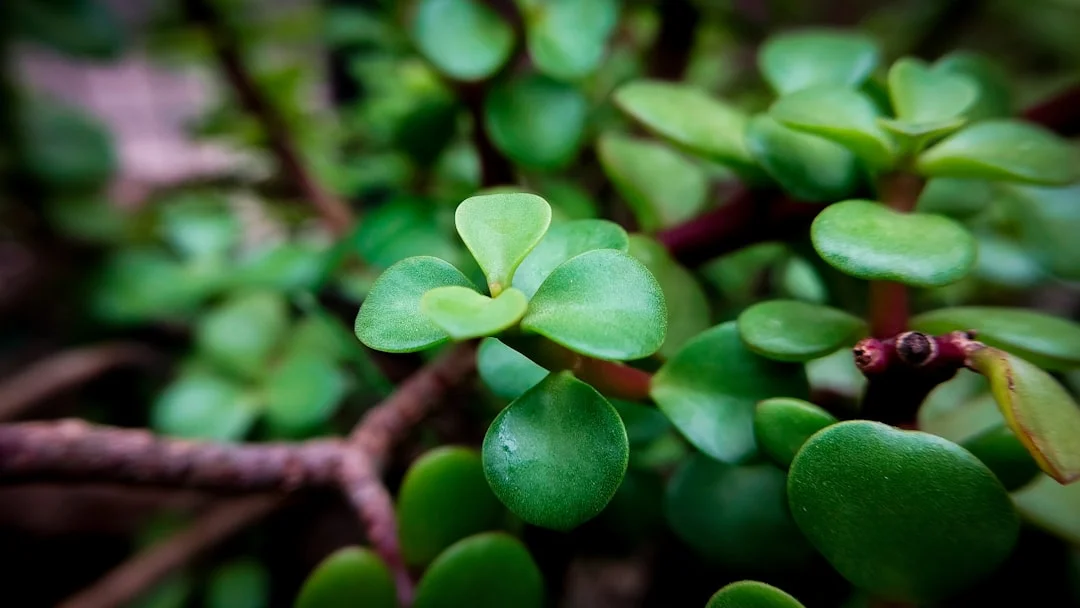
First, jade plants are CAM photosynthesisers — meaning they release oxygen at night, unlike most houseplants. This makes them a smart pick for bedrooms. Second, they help remove volatile organic compounds (VOCs) like toluene and acetone from indoor air, a finding consistent with NASA’s classic clean-air research. Third, the leaves transpire small amounts of moisture, gently raising humidity in dry, air-conditioned rooms. Fourth, having greenery in view has been shown to lower cortisol and blood pressure. These four jade plant benefits alone justify a spot near your desk or bed.
Home and décor benefits
Fifth, jade plants need almost no care — perfect for travellers and busy professionals. Sixth, they live for decades; my grandmother’s plant in Pune is over 40 years old. Seventh, they’re easy to shape into bonsai forms, adding sculptural value. Eighth, a single leaf can grow a whole new plant, so propagation costs nothing. Many gardeners find these jade plant benefits make it the most economical houseplant they own.
Wellbeing and prosperity benefits
Ninth, Feng Shui practitioners across China and Southeast Asia consider the round leaves symbols of wealth and friendship. Tenth, Vastu Shastra recommends placing one in the southeast corner to attract money. Eleventh, gifting a jade plant is a global tradition for housewarmings, weddings, and business openings. Twelfth, caring for a long-lived plant teaches patience — a quiet mental-health benefit that doesn’t show up in studies but matters all the same. These jade plant benefits explain why the species is sometimes called the ‘money tree’ or ‘friendship tree’ worldwide.
Cultural and Spiritual Significance
Few houseplants carry as much cultural weight as the jade. In China, the round, coin-like leaves are linked to jade stone — itself a symbol of wealth and good fortune for over 3,000 years. Businesses across Hong Kong, Singapore, and Taiwan often place a plant near the entrance to welcome prosperity. In India, Vastu Shastra teachings recommend the southeast direction, ruled by Venus, for wealth-attracting plants. Meanwhile, in the Western world, the jade plant is commonly called the ‘friendship tree’ and gifted at weddings and housewarmings. South African traditional healers, working in the plant’s homeland, have used the leaves topically for centuries. This cross-cultural respect is rare and tells you something real — people across continents have noticed something special about this little succulent.
Feng Shui and Vastu placement
For Feng Shui, place your jade plant in the southeast corner of your living room or office — the wealth area. Avoid bedrooms and bathrooms in Feng Shui tradition, though modern practitioners are flexible. In Vastu, the same southeast direction applies, and the plant should be healthy and pest-free to channel positive energy. A dying plant is considered bad luck in both systems, so swap out struggling specimens promptly.
How to Use Jade Plant at Home
You don’t need to do anything fancy to enjoy the jade plant benefits — just having one in the room works. That said, placement makes a difference. Put one on your work desk to soften screen fatigue. Group three or five in a sunny window for visual impact. Use a small specimen in a ceramic pot as a meaningful gift. For bonsai lovers, the jade plant benefits from gentle pruning into tree-like shapes over years — no special tools needed. In Indian homes, many people place one near the main entrance or cash counter for prosperity. In the UK and US, jade plants are popular on kitchen windowsills where they get bright light without scorching.
Best rooms and placements
Bright living rooms, sunny home offices, and east or south-facing windowsills are ideal. Avoid dark hallways, steamy bathrooms, and rooms that drop below 7°C (45°F) in winter. If you’re in a tropical climate like Singapore or Chennai, a shaded balcony works year-round. In temperate zones like the UK or Canada, keep your plant indoors from October to April.
Safety, Toxicity, and Pet Concerns
Here’s the thing — jade plants are mildly toxic to cats, dogs, and horses. The ASPCA lists Crassula ovata as toxic, with symptoms including vomiting, lethargy, and incoordination if eaten. For most pets, a curious nibble causes only mild upset, but persistent chewing needs a vet visit. Children should also be kept from eating the leaves, though the bitter taste usually puts them off. The sap can cause skin irritation in sensitive people, so wear gloves when pruning if you have eczema or allergies. Importantly, simply having the plant in your home is completely safe — toxicity only matters if leaves are eaten. Place plants on high shelves if you have curious pets or toddlers, and you can enjoy all the jade plant benefits worry-free.
What to do if a pet eats jade
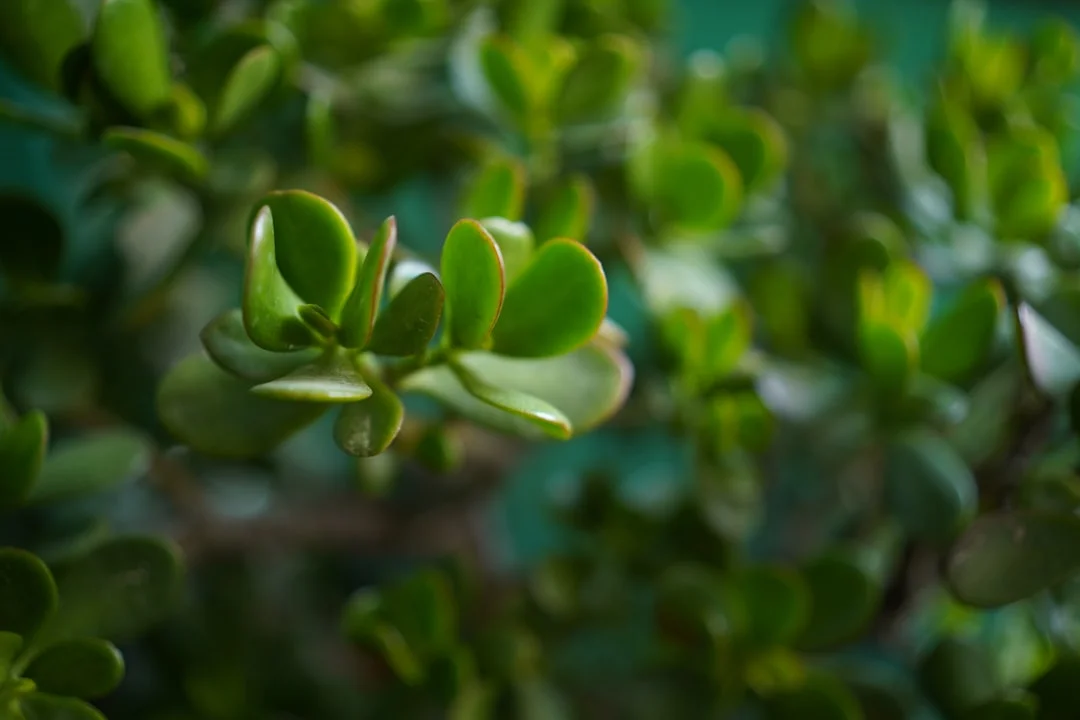
First, remove any remaining plant material from your pet’s mouth. Then watch for vomiting, drooling, or wobbly movement. Most cases resolve within 12-24 hours, but call your vet or a poison helpline if symptoms last longer or worsen. Keep a photo of the plant handy to show the vet. The ASPCA Animal Poison Control operates 24/7 in the US and is a useful reference globally.
How to Grow Jade Plant in Any Climate
Growing a jade plant is genuinely easy, but a few rules separate thriving specimens from leggy, sad ones. The biggest mistake new growers make is overwatering — this plant evolved in dry South African hillsides and hates wet feet. According to the Royal Horticultural Society, jade plants are hardy to USDA zone 11 and RHS H1c, meaning they need protection below 10°C (50°F). In tropical climates (India, Southeast Asia, northern Australia), they can live outdoors year-round in part sun. In temperate zones (UK, most of US and Canada), keep them indoors except for summer. In Mediterranean climates (California, southern Europe), they thrive outdoors with light frost protection. In arid zones (Middle East, parts of Australia), morning sun and afternoon shade prevent leaf scorch.
Light, soil, and water basics
Give your plant at least 4 hours of bright light daily. South or west windows work best in the Northern Hemisphere; north or east in the Southern. Use a gritty cactus mix — roughly 50% potting soil and 50% perlite or coarse sand. Water only when the top 3-4 cm of soil is bone dry. In summer, that might mean every 10-14 days; in winter, every 3-4 weeks. Always pour off excess water from the saucer.
Temperature and humidity
Aim for 18-24°C (65-75°F) during the day and no lower than 10°C (50°F) at night. The plant tolerates dry indoor air better than most houseplants, so no misting is needed. Avoid placing it near cold drafts or heating vents, which can cause leaf drop. A quick tip — if you live somewhere humid like Mumbai during monsoon, move the pot to a covered spot to prevent rot.
Propagation in 6 steps
Propagation is one of the most rewarding jade plant benefits. First, snap off a healthy leaf or 8-10 cm stem cutting. Next, let it dry in a shaded spot for 3-5 days until the cut end callouses over. Then, place it on top of dry succulent soil — don’t bury it deep. After that, mist lightly every few days. Once tiny roots and leaves appear (2-4 weeks), water normally. Finally, transplant to a small pot once the new plant is established.
Buying Tips and Price Guide
Jade plants are widely available and affordable. In India, expect to pay ₹150-500 ($2-6) for a small plant from Ugaoo, NurseryLive, or Amazon India. Mature, bonsai-style specimens can run ₹2,000-8,000 ($25-100). In the US, small plants cost $8-15 at Home Depot, Lowe’s, or Etsy sellers; larger ones $30-80. In the UK, Crocus and B&Q sell young plants for £6-15, while RHS plant fairs often have unusual varieties. In Australia, Bunnings stocks them for AUD 8-25. When buying online, choose sellers with clear return policies and check for healthy, plump leaves in photos. Local nurseries let you inspect before buying — always a better option if available.
What to look for in a healthy plant
Pick a plant with firm, glossy leaves and no soft or wrinkled spots. The trunk should feel solid, not mushy. Check the underside of leaves and the soil surface for mealybugs — small white cottony pests that love jade plants. Avoid plants with yellow or dropping leaves, which signal overwatering. A slightly red leaf edge is fine and shows good light exposure.
Popular varieties worth buying
Beyond the classic green jade, look for ‘Hummel’s Sunset’ (yellow and red leaves), ‘Tricolor’ (white-striped), ‘Gollum’ (tubular finger-like leaves), and ‘Hobbit’ (curled leaves). These cost slightly more but add real character. In India, the variegated and Hobbit forms are increasingly available through specialist Instagram nurseries and at prices around ₹400-1,200.
Common Problems and Quick Fixes
Even tough plants run into trouble. Most jade plant problems trace back to one cause — too much water. Yellow, mushy leaves mean root rot; let the soil dry out completely and repot in fresh gritty mix if needed. Wrinkled, soft leaves mean underwatering; give a deep drink and wait. Leggy growth with long gaps between leaves means too little light; move closer to a window. White cottony spots are mealybugs; dab with a cotton bud dipped in rubbing alcohol. Leaf drop in winter is usually from cold drafts or sudden temperature change. Most issues fix themselves once you sort out the underlying cause, and that’s another quiet plus among the many jade plant benefits — this is a forgiving species.
Pest and disease comparison
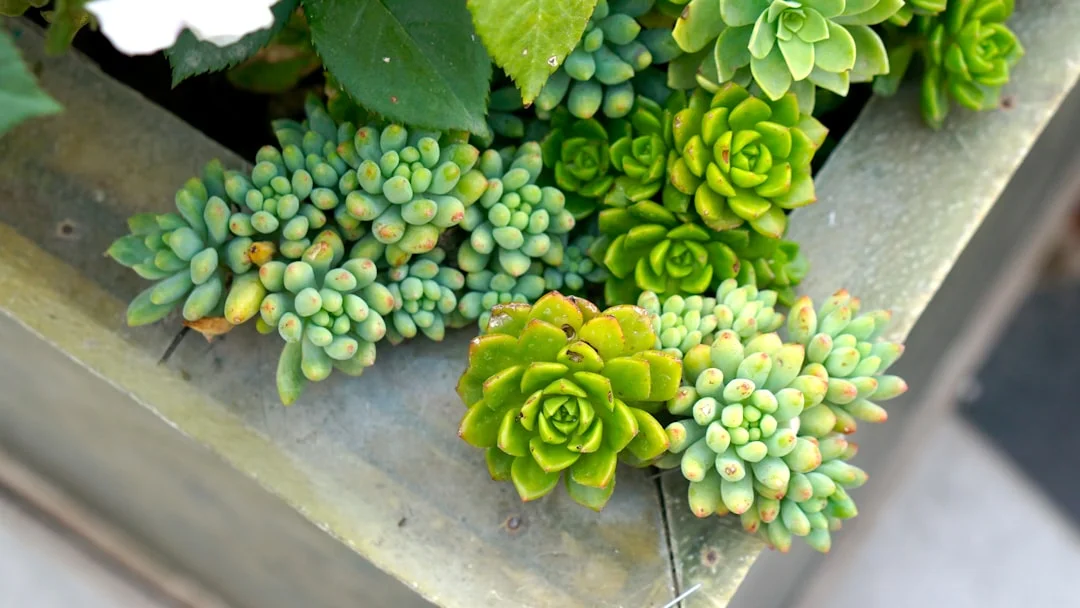
Mealybugs are the most common pest worldwide. Spider mites appear in very dry indoor air — bump up humidity to prevent them. Scale insects show up as brown bumps on stems; scrape off gently with a fingernail. Fungal rot from wet soil is the biggest disease threat. Outdoor plants in humid regions may get powdery mildew in monsoon — improve airflow and avoid wetting leaves.
Frequently Asked Questions
Can I grow a jade plant indoors in a cold climate like the UK or Canada?
Yes, absolutely. Jade plants are popular houseplants in cold regions because they thrive in dry indoor air created by central heating. Place yours in a bright south-facing window from October to April, and water sparingly — once every 3-4 weeks is plenty in winter. Keep the plant away from cold window panes and drafts, which can damage leaves. In summer, you can move it outside to a sunny but sheltered spot once nights stay above 10°C (50°F). Bring it back indoors before the first frost. Many gardeners in London, Toronto, and Seattle grow beautiful jade plants this way.
Is the jade plant safe for cats, dogs, and children?
Jade plants are mildly toxic to cats, dogs, and horses if eaten. Symptoms include vomiting, drooling, and lethargy, though serious harm is rare. The ASPCA lists Crassula ovata as toxic. For children, the bitter taste usually prevents enough being eaten to cause real harm, but it's still best to keep plants out of reach. Simply having the plant in your home is completely safe — only chewing or eating leaves causes problems. Place specimens on high shelves or hanging brackets if you have curious pets. If your pet does eat some, contact your vet, especially if symptoms last more than a day.
What are the main jade plant benefits for indoor air quality?
The main jade plant benefits for air quality include removing VOCs like toluene and acetone from indoor air, gently raising humidity through transpiration, and releasing oxygen at night thanks to its CAM photosynthesis. This makes it one of the few houseplants suited to bedrooms. The plant also collects dust on its waxy leaves, which you can wipe off with a damp cloth. While no single plant transforms a room's air, having several jade plants alongside other species creates a measurable improvement. The added wellbeing boost from greenery is well documented in environmental psychology research.
How often should I water my jade plant?
Water only when the top 3-4 cm of soil is completely dry. In summer, that usually means every 10-14 days. In winter, stretch it to every 3-4 weeks. The exact schedule depends on your climate — gardeners in hot, dry Dubai will water more often than those in damp Manchester. The finger test never fails: poke your finger into the soil, and if it feels dry, water deeply until liquid runs from the drainage holes. Then pour off any water from the saucer. Overwatering is the number one killer of jade plants worldwide.
Where should I place a jade plant for Feng Shui or Vastu benefits?
Both Feng Shui and Vastu Shastra recommend the southeast corner of your home or office for the strongest jade plant benefits. This direction is linked to wealth, prosperity, and Venus energy. Place your plant near the entrance, in the living room, or on a desk facing southeast. Avoid bedrooms and bathrooms in traditional Feng Shui, though many modern practitioners are flexible. The plant must be healthy — a wilting or pest-ridden jade is considered to bring bad luck in both traditions, so swap out struggling specimens quickly. Many businesses across Asia keep one near the cash counter.
How do I propagate a jade plant from a single leaf?
Propagation is one of the easiest jade plant benefits to enjoy. First, gently twist off a healthy leaf so the base stays intact. Then let it dry in a shaded spot for 3-5 days until the cut callouses over. Next, place the leaf flat on top of dry succulent or cactus soil — don't bury it. Mist lightly every few days to keep the surface barely damp. In 2-4 weeks, you'll see tiny pink roots and a baby plant forming at the base. Once the new plant is 2-3 cm tall, transplant it to its own small pot. Success rate is around 70-80%.
Why are my jade plant leaves falling off or turning yellow?
The most common cause is overwatering, which leads to root rot and soft, yellow, dropping leaves. Stop watering immediately, let the soil dry out completely, and check roots for blackening — trim any rot and repot in fresh, gritty soil. Other causes include sudden temperature changes, cold drafts, or a recent move to a new spot. Leaves may also drop after the plant is moved from low light to strong sun without a gradual transition. Wrinkled, shrivelled leaves point to underwatering — the opposite problem — and need a deep drink. Most plants bounce back once the cause is fixed.
How long does a jade plant live and how big does it get?
Jade plants are remarkably long-lived, often reaching 70-100 years with simple care. Some specimens in botanical gardens are over 150 years old. Indoors, expect a height of 30-90 cm over 10-15 years, with very slow growth of around 5-10 cm per year. Outdoors in suitable climates like California or southern Spain, they can grow into small trees of 1.8 metres (6 feet) tall with thick, woody trunks. The combination of longevity, easy care, and decorative value makes them excellent heirloom plants to pass down through families — another of the quiet jade plant benefits.
Final Thoughts
The jade plant benefits really do add up — clean air, easy care, cultural meaning, and a lifespan that can outlast most pieces of furniture. Whether you’re drawn to its Feng Shui reputation, its air-cleaning ability, or simply its chubby green leaves, this is one houseplant that rewards far more than it asks. Start with a small plant from a reputable nursery, give it a bright spot and a gritty pot, and water sparingly. Within a year, you’ll have a thriving specimen. Within a decade, a small tree. Within a lifetime, a family heirloom worth passing on. If you’re new to plants, this is the one I’d recommend above almost any other. Pick one up this week, place it in your southeast corner, and see for yourself why gardeners across India, the UK, the US, and beyond keep coming back to this humble succulent. Happy growing!

