
⏱ 24 min read
Table of Contents
- What is a Peace Lily?
- Top Benefits of Growing Peace Lily Indoors
- How to Grow Peace Lily: Step-by-Step
- Soil and Fertilizer Requirements
- Watering Your Peace Lily Correctly
- Sunlight and Temperature Needs
- Common Problems and Quick Fixes
- How to Propagate Peace Lily
- Seasonal Care Across Climates
- Traditional Uses and Cultural Significance
- Safety, Toxicity, and Pet Considerations
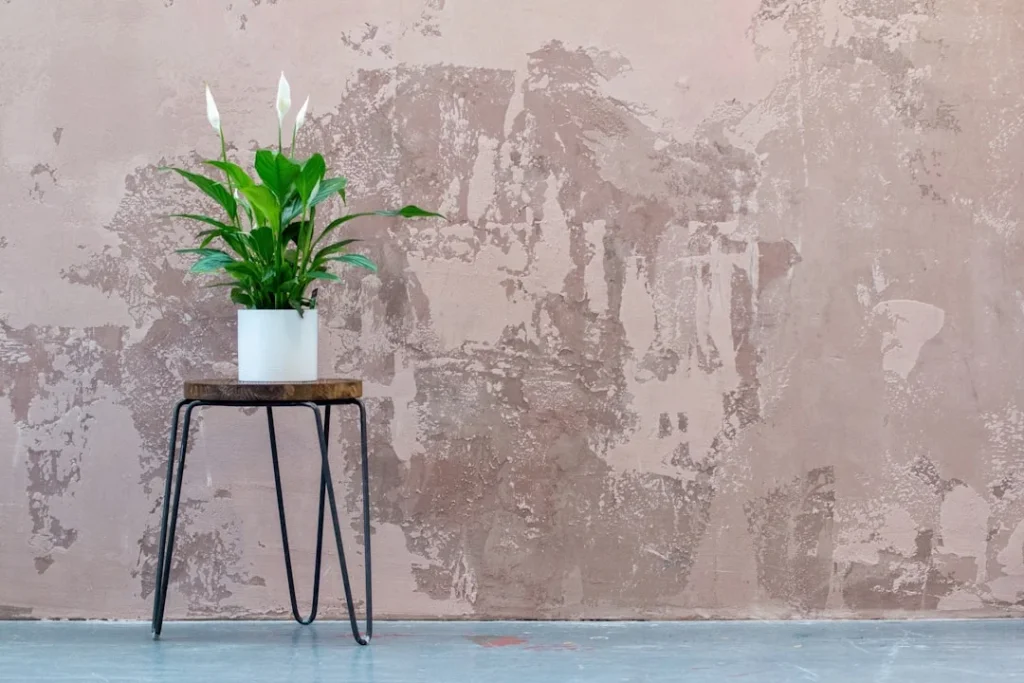
Peace lily plant care is easier than most beginners think, yet small mistakes can turn glossy green leaves into droopy yellow ones overnight. However, whether you live in tropical Mumbai, foggy London, sunny Sydney, or chilly Toronto, the Peace Lily (Spathiphyllum wallisii) adapts beautifully to indoor life. In my experience, this elegant plant rewards even forgetful gardeners with its iconic white blooms and air-purifying leaves. If you enjoy growing this plant, you might also find our guide on Snake Plant Benefits very useful.
Here’s the thing — proper peace lily plant care comes down to four simple needs: filtered light, steady moisture, warm temperatures, and humid air. Furthermore, that’s it — no green thumb required. According to Kew Gardens, Spathiphyllum belongs to the Araceae family and originates from the rainforests of Central and South America, which explains its love for warmth and humidity.
In this guide, you’ll learn everything from watering schedules to fixing brown tips, propagation tricks, and seasonal adjustments. In fact, these proven peace lily plant care strategies work across every climate and skill level. Let’s get started. If you enjoy growing this plant, you might also find our guide on Jade Plant Benefits very useful.
Quick Highlights
- Discover the exact watering rhythm that keeps Peace Lily leaves glossy year-round
- Master light placement for any climate — from tropical balconies to UK windowsills
- Learn quick fixes for yellow leaves, brown tips, and drooping stems
- Unlock NASA-backed air purification benefits for cleaner indoor air
- Propagate new plants for free using simple division techniques
- Avoid the toxicity risk for pets and children with safe placement tips
Plant Characteristics at a Glance
| Common Name | Peace Lily |
| Scientific Name | Spathiphyllum wallisii |
| Family | Araceae |
| Origin | Tropical rainforests of Colombia, Venezuela, and Central America |
| Habitat | Shaded forest floors, humid lowlands |
| Plant Type | Evergreen perennial herbaceous houseplant |
| Indoor Plant | Yes — excellent choice |
| Outdoor Plant | Only in USDA zones 11–12 / RHS H1c (frost-free tropics) |
| Leaves | Glossy dark green, lance-shaped, 12–65 cm long with prominent parallel veins |
| Flowers | White spathe surrounding a creamy spadix; modified leaf, not a true flower |
| Flowering Season | Spring and autumn primarily; sporadic year-round indoors |
| Fruit | Rare indoors; small berries when produced |
| Seeds | Small, brown; rarely viable in cultivation |
| Roots | Fleshy rhizomes with fibrous secondary roots |
| Height | 40–65 cm typical; up to 1.5 m for 'Sensation' cultivar |
| Growth Rate | Moderate |
| Light Requirements | Bright, indirect light; tolerates low light |
| Soil Requirements | Well-draining, slightly acidic mix (pH 5.5–6.5) |
| Water Requirements | Keep evenly moist; water when top 2–3 cm is dry |
| Temperature Requirements | 18–30°C (65–85°F); minimum 13°C (55°F) |
| Humidity Requirements | 50–70%; mist or use humidifier in dry climates |
| Propagation | Division of root clumps in spring |
| Uses | Ornamental houseplant, air purifier, office decor, sympathy gift |
| Medicinal Properties | None — plant is toxic, not used medicinally |
| Toxicity | Mildly toxic to humans, cats, dogs; contains calcium oxalate crystals |
| Cultural Significance | Symbol of peace, purity, sympathy across global cultures |
| Common Pests | Spider mites, mealybugs, scale insects, aphids |
| Common Diseases | Root rot, leaf spot, bacterial soft rot |
| Special Care Tips | Use filtered water; wipe leaves weekly; rotate pot monthly |
| Cultural Practices | Repot every 2–3 years; divide mature clumps; deadhead spent blooms |
| Vastu Direction | North or east corner of living room for harmony |
Peace lily plant care Names in Different Languages
| English | Peace Lily |
| Mandarin Chinese | 白鹤芋 (Bái hè yù) |
| Spanish | Cuna de Moisés |
| Hindi | शांति लिली (Shanti Lily) |
| Gujarati | શાંતિ લીલી (Shanti Lily) |
| Arabic | زنبق السلام (Zanbaq al-Salam) |
| Bengali | শান্তি লিলি (Shanti Lily) |
| Portuguese | Lírio-da-paz |
| Russian | Спатифиллум (Spatifillum) |
| Japanese | スパティフィラム (Supatifiramu) |
| Punjabi | ਸ਼ਾਂਤੀ ਲਿਲੀ (Shanti Lily) |
| German | Friedenslilie |
| Javanese | Kembang Damai |
| Korean | 스파티필룸 (Seupatipillum) |
| French | Fleur de Lune |
| Telugu | శాంతి లిల్లీ (Shanti Lily) |
| Marathi | शांती लिली (Shanti Lily) |
| Tamil | அமைதி லில்லி (Amaithi Lily) |
| Urdu | امن کا پھول (Aman ka Phool) |
| Turkish | Barış Çiçeği |
| Vietnamese | Lan Ý |
What is a Peace Lily?
The Peace Lily, known scientifically as Spathiphyllum wallisii, is a tropical evergreen perennial famous for its glossy dark green leaves and elegant white spathes. Although it’s called a lily, it actually belongs to the Araceae family — the same group as Monstera and Philodendron. In Hindi, it’s lovingly called शांति लिली, while Spanish speakers know it as Cuna de Moisés (Moses’ Cradle). If you enjoy growing this plant, you might also find our guide on Aloe Vera Care Guide very useful.
Native to the rainforests of Colombia, Venezuela, and parts of Central America, this plant thrives in dappled shade beneath tall canopies. That’s exactly why it adapts so well to homes and offices worldwide. Furthermore, you’ll find it brightening up apartments in New York, London flats, Singapore condos, and Dubai villas alike. If you enjoy growing this plant, you might also find our guide on Money Plant Care in Water very useful.
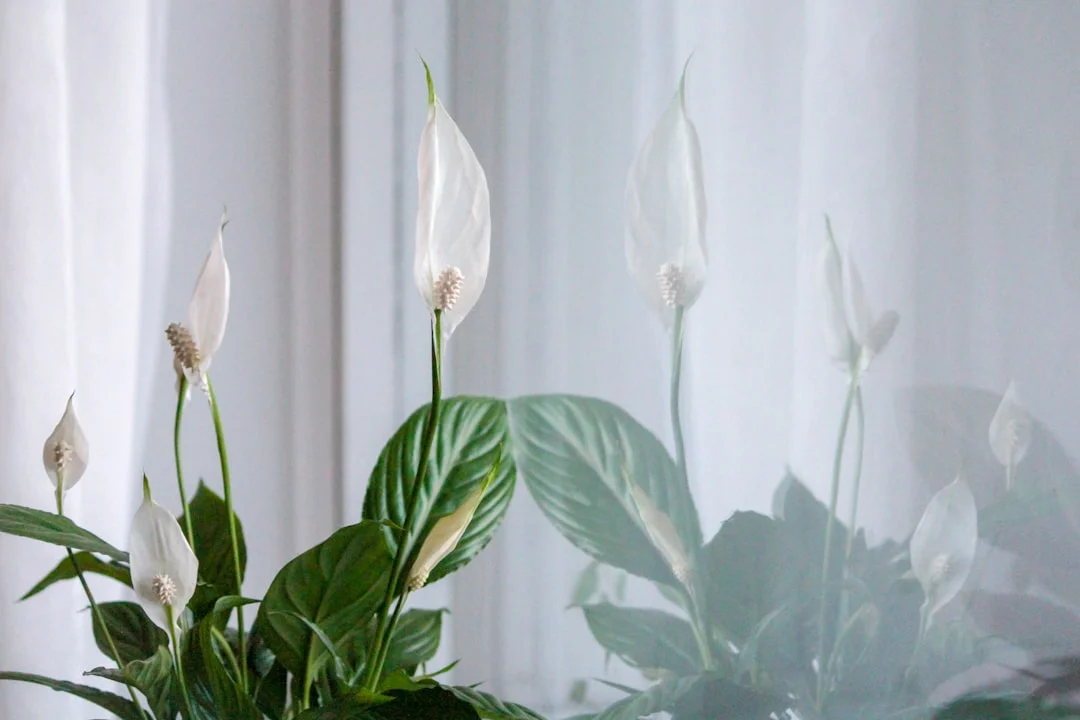
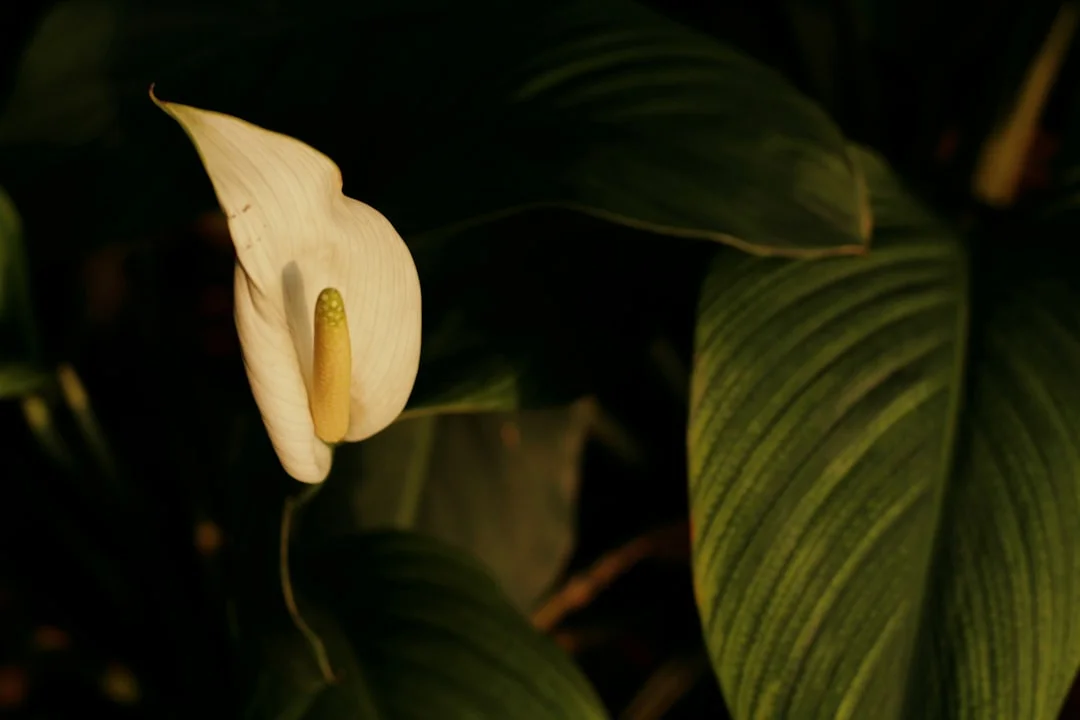
The white bloom isn’t a flower in the traditional sense. In fact, it’s a modified leaf called a spathe, which wraps around a small spike (spadix) covered in tiny true flowers. Many gardeners find this botanical quirk fascinating.
Key Botanical Features of Peace Lily Plant Care
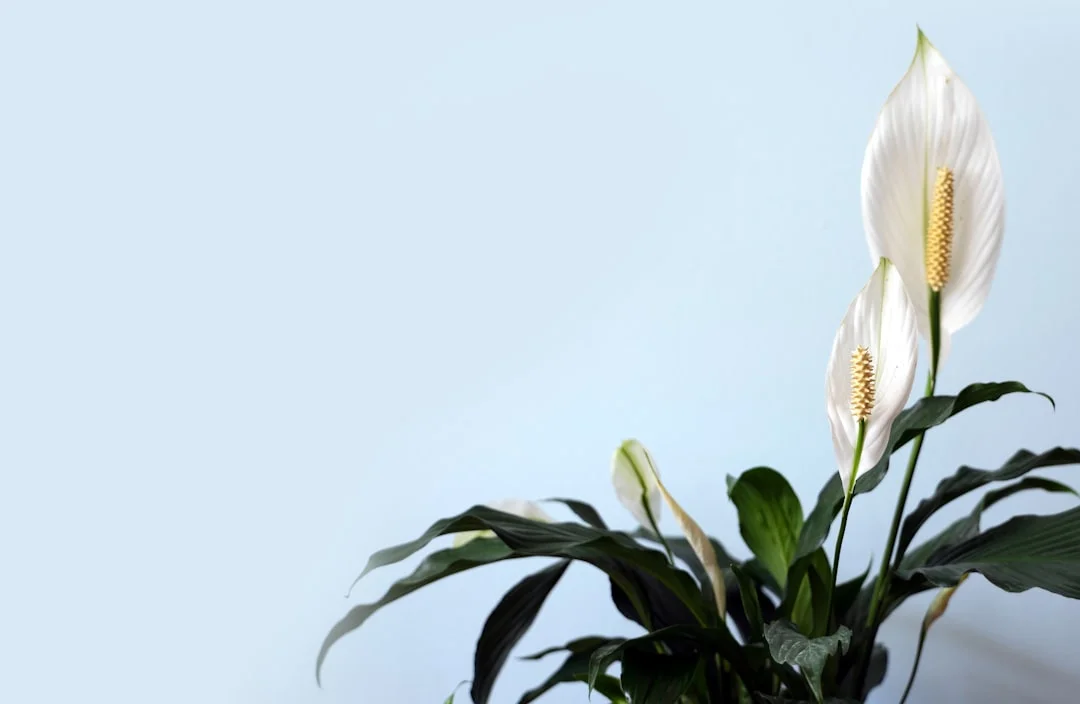
Peace Lilies typically grow 40–65 cm (16–26 inches) tall indoors, though some cultivars like ‘Sensation’ can reach 1.5 metres. The leaves emerge directly from the soil in clumps, with no visible stem. Furthermore, each leaf has prominent parallel veins and a glossy surface that reflects light beautifully. Flowering usually happens in spring and again in autumn, though indoor plants may bloom anytime with the right peace lily plant care routine. For more tips, check out our detailed article on Snake Plant Benefits.
Popular Varieties Worldwide
Several cultivars suit different spaces. First, ‘Mauna Loa’ is the classic large variety, perfect for floor pots. Next, ‘Domino’ features striking variegated leaves with white speckles. Then, ‘Petite’ stays compact at around 30 cm, ideal for desks. Finally, ‘Sensation’ is the giant of the family. According to the RHS, ‘Mauna Loa’ remains the most widely grown Peace Lily globally.
Top Benefits of Growing Peace Lily Indoors
Peace Lilies aren’t just pretty — they pull double duty as air purifiers and mood boosters. The famous NASA Clean Air Study from 1989 listed Spathiphyllum among the top houseplants for removing indoor toxins like benzene, formaldehyde, and trichloroethylene. While modern research suggests you’d need many plants to dramatically clean room air, even one or two help.
Furthermore, Peace Lilies release moisture through transpiration, which gently raises humidity. This benefit is especially valuable in dry climates like Arizona, Dubai, or centrally heated UK homes during winter. Similarly, many gardeners find their skin and sinuses feel better with a few Peace Lilies around. Because of this, key peace lily plant care practices should always include humidity management.
Air Purification Power
Peace Lilies absorb common indoor pollutants through tiny pores in their leaves. In fact, they tackle volatile organic compounds (VOCs) released by paints, furniture, and cleaning products. While they won’t replace an air purifier, they add a natural boost. Furthermore, the NIH has published several reviews on plants and indoor air quality confirming measurable, if modest, effects.
Mental Wellbeing and Feng Shui
In Feng Shui and Vastu traditions, Peace Lilies symbolise harmony and balance. For example, place one in the north or east corner of your home for positive energy flow. In addition, studies from Japanese universities show that simply viewing greenery for a few minutes lowers cortisol levels. That’s a real, measurable stress reduction — no mysticism required.
How to Grow Peace Lily: Step-by-Step
Growing a thriving Peace Lily comes down to mimicking its rainforest origins. Warm, humid, shaded, and slightly moist — that’s the formula. Whether you’re starting from a nursery plant or a friend’s division, the setup is the same. Let’s walk through it.
First, choose a pot with drainage holes. Plastic, ceramic, or terracotta all work, though terracotta dries faster and suits gardeners who tend to overwater. Next, pick a spot away from direct sunlight but with bright, filtered light. East-facing windows are ideal in most climates. Importantly, these steps form the foundation of major peace lily plant care success.
Choosing the Right Pot Size
Peace Lilies actually prefer being slightly root-bound. A pot that’s just 2–5 cm wider than the root ball encourages flowering. On the other hand, oversized pots hold excess moisture and invite root rot. As a result, repot only every 2–3 years, ideally in spring. For a young plant, a 15 cm pot works perfectly. Mature specimens do well in 25–30 cm containers.
Initial Planting Technique
First, fill the pot one-third with potting mix. Then place the plant so the crown sits about 1 cm below the rim. Next, backfill around the roots, gently firming the soil. Finally, water thoroughly until it drains from the bottom. Then place the pot in a warm, shaded spot for a week to let it settle before resuming normal peace lily plant care.
Soil and Fertilizer Requirements
The right soil makes or breaks Peace Lily success. These plants need a mix that holds moisture but drains freely — never soggy, never bone dry. A standard houseplant potting mix amended with perlite and coconut coir works brilliantly worldwide. For example, in India, you might use cocopeat with a handful of vermicompost. Similarly, in the US or UK, peat-free compost with perlite is the modern, sustainable choice.
Aim for a slightly acidic to neutral pH between 5.5 and 6.5. Most commercial mixes already sit in this range. Importantly, avoid heavy garden soil — it compacts and suffocates the roots.
Ideal Soil Recipe
Mix 2 parts peat-free compost or coco coir, 1 part perlite, and 1 part fine bark or vermicompost. This blend holds moisture without becoming waterlogged. In addition, add a small handful of activated charcoal to keep the soil sweet and odour-free. For gardeners in humid tropical climates, increase perlite to 30% to improve airflow around roots.
Fertilizing Schedule
Feed your Peace Lily every 6–8 weeks during spring and summer with a balanced liquid fertilizer (NPK 20-20-20) diluted to half strength. However, overfeeding causes brown leaf tips — a classic mistake. Skip fertilizer in winter when growth slows. Furthermore, organic options like seaweed extract or diluted compost tea work wonderfully too, and they suit anyone preferring natural peace lily plant care methods.
Watering Your Peace Lily Correctly
Watering is where most people go wrong with peace lily plant care. Peace Lilies famously droop dramatically when thirsty — and bounce back within hours after a drink. While this makes them forgiving, repeated drought stress damages roots over time. As a result, the goal is consistent, moderate moisture.
Check the top 2–3 cm of soil with your finger. If it feels dry, water thoroughly until liquid runs from the drainage holes. Empty the saucer afterwards. Never let the pot sit in standing water. In tropical climates, you might water twice a week. Meanwhile, in cool, low-light UK winters, once every 10–14 days may suffice.
Water Quality Matters
Peace Lilies are sensitive to chlorine, fluoride, and hard tap water. Brown leaf tips often signal mineral buildup. However, this is one of the most overlooked aspects of peace lily plant care. Use rainwater, filtered water, or tap water left out overnight to let chlorine evaporate. This single change transforms results for many readers in cities with heavily treated municipal water like Delhi, Los Angeles, or Sydney.
Signs of Over and Underwatering
Yellow lower leaves usually mean overwatering. On the other hand, drooping with dry soil means underwatering. Black leaf tips suggest both — usually a combination of inconsistent watering and chemical sensitivity. Importantly, good peace lily plant care means responding to the plant’s signals rather than following a rigid calendar. Touch the soil. Look at the leaves. Adjust accordingly.
Sunlight and Temperature Needs
Peace Lilies thrive in bright, indirect light — think of the dappled shade beneath a rainforest canopy. Direct sun scorches the leaves within hours, leaving pale yellow patches. However, too little light means no flowers, just leaves.
Ideal placement is 1–2 metres from a north or east-facing window. South or west windows work too, but use a sheer curtain to filter the rays. In addition, in low-light apartments, supplement with a small LED grow light for a few hours daily. Temperature-wise, these plants love 18–30°C (65–85°F). That said, understanding light is one of the most critical aspects of proven peace lily plant care.
Light Tips by Climate Zone
In tropical regions (India, Southeast Asia, northern Australia), keep Peace Lilies away from west-facing windows during summer afternoons. Meanwhile, in temperate zones (UK, US Pacific Northwest, Canada), maximise winter light by moving plants closer to windows from November to February. Furthermore, Mediterranean climates (California, southern Europe) work well with east-facing rooms year-round.
Temperature and Humidity Guidelines
Peace Lilies suffer below 13°C (55°F). Because of this, keep them away from cold draughts, air-conditioner blasts, and heating vents. Humidity should stay above 50%, ideally 60–70%. In dry climates, mist the leaves 2–3 times weekly, group plants together, or use a pebble tray. Furthermore, a small humidifier transforms peace lily plant care in arid regions like the Middle East or interior Australia.
Common Problems and Quick Fixes
Even the easiest plants have off days. The good news is that Peace Lily problems usually have clear, fixable causes. Let’s troubleshoot the most common issues that gardeners report worldwide.
Yellow leaves, brown tips, drooping, no flowers, pests — each has a specific cause. However, don’t worry if your plant shows symptoms. In fact, most issues reverse within a few weeks once you correct the underlying problem. Similarly, the key peace lily plant care principle here is observation before action.
Yellow Leaves and Brown Tips
Yellow leaves typically mean overwatering, while brown tips point to dry air, chlorinated water, or fertilizer burn. First, check your watering rhythm. Then switch to filtered water for a month. Finally, trim brown tips with sharp scissors, following the natural leaf shape. As a result, new growth should emerge healthy within 4–6 weeks.
Pests and Diseases
Spider mites, mealybugs, and scale occasionally attack Peace Lilies, especially in dry indoor air. Importantly, wipe leaves weekly with a damp cloth to spot problems early. For infestations, spray with neem oil solution (5 ml per litre of water) every 7 days for three weeks. Furthermore, root rot from overwatering is the most serious disease — repot in fresh, dry mix if you notice mushy black roots.
No Flowers? Here's Why
If your Peace Lily refuses to bloom, it usually needs more light — though not direct sun. However, this is one of the most misunderstood aspects of peace lily plant care. Move it closer to a bright window. Furthermore, phosphorus-rich fertilizer also encourages flowering. Sometimes plants need gibberellic acid treatment (used commercially) to bloom, which is why nursery plants flower so reliably. Patience helps too — young plants need 1–2 years to mature.
How to Propagate Peace Lily
Propagating Peace Lilies is wonderfully easy because they naturally form clumps. Unlike many houseplants, you can’t grow them from leaf cuttings or stem sections. Instead, division is the only reliable method, and the best time is spring or early summer when growth is active.
A mature plant produces multiple crowns (growing points) from its rhizomes. Furthermore, each crown with attached roots becomes a new plant. As a result, one healthy parent can produce 3–5 babies every few years. Free plants for life!
Division Method
First, remove the entire plant from its pot. Then gently shake off loose soil and tease apart the root ball. Next, identify natural divisions where multiple crowns share roots. Use a clean, sharp knife to separate sections, ensuring each piece has at least 2–3 leaves and a healthy root portion. Finally, pot each division in fresh mix and water thoroughly. Keep in shade for a fortnight.
Seasonal Care Across Climates
Peace lily plant care shifts subtly through the year, even indoors. Light intensity, room temperature, and humidity all change with the seasons. Furthermore, adjusting your routine keeps the plant thriving year-round, whether you’re in Melbourne, Manchester, or Mumbai.
Think of it as fine-tuning rather than overhauling. In fact, small tweaks make a big difference when it comes to major peace lily plant care adjustments across seasons.
Spring and Summer (Growth Season)
This is peak growth time. As a result, water more frequently — check soil every 3–4 days. Feed every 6 weeks. Watch for new leaves and flowers. In hot climates like India during May–June, move plants away from sunny windows. Meanwhile, in the Northern Hemisphere temperate zones, this is the best time to repot and propagate.
Autumn and Winter (Rest Period)
Growth slows dramatically. Because of this, reduce watering to once every 10–14 days. Stop fertilizing completely. Move plants closer to windows to maximise weak winter light. Furthermore, keep them well away from heaters and cold windowsills. In tropical regions where winters are mild (like southern India or Singapore), peace lily plant care continues almost unchanged year-round.
Traditional Uses and Cultural Significance
While Peace Lilies aren’t classical Ayurvedic or Traditional Chinese Medicine plants, they hold strong symbolic meaning across cultures. The white spathe represents purity, peace, and rebirth in Western traditions — which is why they’re popular sympathy gifts. In addition, in Hindu households, the plant is sometimes placed near meditation areas to promote calm energy.
In the Americas, Indigenous communities have long associated white-blooming plants with healing and spiritual cleansing. Furthermore, modern Feng Shui practitioners place Peace Lilies in workspaces to balance electromagnetic energy from electronics — a belief that, while unproven scientifically, encourages more greenery in offices.
A Note on Medicinal Claims
Despite occasional online claims, Peace Lily is NOT used in traditional medicine. Importantly, the plant contains calcium oxalate crystals which irritate skin and mucous membranes. Never ingest any part of this plant or apply sap to skin. On the other hand, if you want medicinal houseplants, consider tulsi, aloe vera, or mint instead — all with documented therapeutic uses.
Safety, Toxicity, and Pet Considerations
Here’s something every Peace Lily owner needs to know — this plant is mildly toxic to humans, dogs, cats, and other pets. The leaves, stems, and flowers contain insoluble calcium oxalate crystals. When chewed, these crystals cause intense mouth burning, drooling, swelling, and difficulty swallowing.
However, Peace Lily toxicity is often exaggerated. It’s not a life-threatening plant in most cases, but it does cause significant discomfort. Symptoms typically resolve within 24 hours. That said, prevention beats cure — place plants out of reach of curious children and pets. Furthermore, this is a non-negotiable part of responsible peace lily plant care in any household.
Safety Tips for Pet Owners
Place Peace Lilies on high shelves, hanging planters, or in rooms pets can’t access. If your dog or cat chews a leaf, rinse their mouth with water and contact your vet. Furthermore, the ASPCA lists Spathiphyllum as toxic to both cats and dogs. For homes with very young children or determined pets, consider safer alternatives like Calathea, Boston Fern, or Spider Plant — all pet-friendly and equally beautiful.
Frequently Asked Questions
Can I grow a Peace Lily indoors in a cold climate like the UK or Canada?
Absolutely yes. Peace Lilies thrive as indoor plants in cold climates as long as room temperature stays above 13°C (55°F). Furthermore, keep them away from draughty windows and cold sills during winter. Move them closer to bright east or north-facing windows from October to March to compensate for weak winter sunlight. In addition, in centrally heated homes, raise humidity using a pebble tray or small humidifier. Many gardeners in Canada and the UK successfully maintain proven peace lily plant care routines for decades indoors.
Is Peace Lily safe for cats, dogs, and small children?
No — Peace Lilies are mildly toxic to pets and children. They contain insoluble calcium oxalate crystals that cause mouth burning, drooling, vomiting, and swelling if chewed. However, the good news is that symptoms usually resolve within 24 hours and serious harm is rare. That said, place plants on high shelves or hanging planters out of reach. If your pet chews a leaf, rinse their mouth and contact a vet. The ASPCA officially lists Spathiphyllum as toxic to cats and dogs. Because of this, pet safety is a major peace lily plant care priority.
How often should I water my Peace Lily?
Water when the top 2–3 cm (1 inch) of soil feels dry to the touch. In tropical climates, that's usually every 4–7 days. Meanwhile, in cool, low-light winter rooms, once every 10–14 days is plenty. Importantly, the biggest peace lily plant care mistake is watering on a fixed schedule rather than checking the soil. Use filtered or rainwater if your tap water is chlorinated. Drooping leaves with dry soil mean you've waited too long — give a thorough drink and they bounce back within hours.
Why are the tips of my Peace Lily leaves turning brown?
Brown leaf tips usually point to one of three causes: low humidity, chlorinated tap water, or fertilizer buildup. First, start by switching to filtered water or rainwater for a month. Then increase humidity by misting, grouping plants, or using a pebble tray. Finally, flush the soil thoroughly every 3 months to wash away excess salts. Trim brown tips with sharp scissors following the natural leaf shape. As a result, new growth should emerge healthy within 4–6 weeks once you fix the underlying cause. In fact, water quality is one of the most overlooked aspects of key peace lily plant care.
How do I make my Peace Lily flower?
More light is the secret. Peace Lilies need bright, indirect light to bloom — on the other hand, low light produces only leaves. Move yours closer to an east or north-facing window. Furthermore, use a balanced fertilizer with extra phosphorus (the middle NPK number) every 6 weeks during spring and summer. Mature plants (2+ years old) bloom more reliably than young ones. Similarly, slight root-binding also encourages flowering, so resist the urge to over-pot. Patience and proper peace lily plant care lead to beautiful white spathes year after year.
Can Peace Lily really purify the air in my home?
Partly yes. The famous NASA Clean Air Study showed Spathiphyllum removes benzene, formaldehyde, and trichloroethylene from sealed chambers. However, real homes have constant airflow, so you'd need many plants for dramatic effects. That said, even one or two Peace Lilies modestly improve air quality, raise humidity, and reduce stress through their calming green presence. Furthermore, pair them with proper ventilation and air purifiers for best results, especially in newly painted or furnished rooms.
How do I propagate Peace Lily at home?
Division is the only reliable method. First, in spring, remove the entire plant from its pot and gently shake off soil. Next, look for natural clumps where multiple crowns share roots. Then use a clean sharp knife to separate sections, making sure each piece has at least 2–3 leaves and healthy roots. Finally, pot each division in fresh well-draining mix, water thoroughly, and keep in shade for two weeks. New growth signals successful establishment. Furthermore, one mature parent can produce 3–5 baby plants every 2–3 years — making division an essential part of the peace lily plant care cycle.
When should I repot my Peace Lily?
Repot every 2–3 years, ideally in spring. Signs it's time include roots circling the pot, water draining straight through without soaking in, or stunted growth despite good care. However, choose a pot just 2–5 cm wider than the current one — Peace Lilies bloom better when slightly root-bound. Use fresh, well-draining potting mix with added perlite. After repotting, water thoroughly and keep the plant in shade for a week to recover before resuming normal peace lily plant care.
Final Thoughts
Mastering peace lily plant care really does come down to a few simple habits: bright indirect light, filtered water when the top inch of soil dries out, warm humid air, and a light feed every 6–8 weeks during the growing season. Furthermore, whether you’re tending a single plant on a Mumbai balcony, a London windowsill, or a Sydney living room, these basics translate beautifully across climates.
Don’t be discouraged by the occasional yellow leaf or brown tip — they’re your plant’s way of communicating. However, listen, adjust, and your Peace Lily will reward you with years of glossy foliage and elegant white blooms. In addition, remember to keep it out of reach of curious pets and children, use filtered water, and avoid the temptation to over-water.
Finally, start with one plant. Get to know its rhythms. As a result, before long, you’ll be dividing it into multiple babies for friends and family. Happy growing!

