

⏱ 18 min read
Table of Contents
- Snake Plant Overview: Why It's a Global Favourite
- Top Snake Plant Benefits You Should Know
- Best Snake Plant Varieties to Buy in 2026
- Snake Plant Price Range Across Regions
- Where to Buy Snake Plants Online and Offline
- What to Look For Before Buying
- How to Care for Your Snake Plant After Buying
- Common Buying Mistakes to Avoid
- Safety, Toxicity, and Pet-Friendly Notes
Looking for a houseplant that’s almost impossible to kill? The snake plant benefits make this hardy beauty one of the most popular indoor plants worldwide. From purifying indoor air to thriving on neglect, Sansevieria trifasciata (now reclassified as Dracaena trifasciata) has earned its place in homes from Mumbai to Manchester. In my experience as a horticulturist, no other plant gives beginners such quick wins. Whether you live in tropical Singapore, temperate London, or arid Dubai, this plant adapts beautifully. The snake plant benefits go beyond easy care, though. It releases oxygen at night, tolerates low light, and brings a sculptural look to any room. In this buying guide, you’ll learn which varieties to pick, what prices to expect, where to shop safely online, and how to spot a healthy plant. Let’s dig in and help you bring home the perfect नाग पौधा for your space. Many gardeners who grow this plant also love to read about Jade Plant Benefits.
Quick Highlights
- Discover proven snake plant benefits including night-time oxygen release and air purification
- Compare top varieties like Laurentii, Moonshine, and Bird's Nest with price ranges
- Shop confidently from trusted nurseries — Ugaoo, NurseryLive, Amazon Plants & global options
- Spot a healthy plant using a simple 7-point inspection checklist
- Care for your new snake plant across tropical, temperate, and arid climates
- Avoid common buying mistakes that cost beginners time and money
Plant Characteristics at a Glance
| Common Name | Snake Plant, Mother-in-Law's Tongue, Viper's Bowstring Hemp |
| Scientific Name | Sansevieria trifasciata (syn. Dracaena trifasciata) |
| Family | Asparagaceae |
| Origin | West Africa (Nigeria, Congo) |
| Habitat | Rocky, dry tropical regions |
| Plant Type | Evergreen perennial succulent |
| Indoor Plant | Yes — excellent low-maintenance choice |
| Outdoor Plant | Yes, in USDA zones 9–11; RHS H1c |
| Leaves | Sword-shaped, upright, 30–120 cm long, often variegated |
| Flowers | Small, white-green, fragrant (rare indoors) |
| Flowering Season | Spring to early summer (uncommon) |
| Fruit | Small orange berries (very rare in cultivation) |
| Seeds | Round, dark; rarely produced indoors |
| Roots | Thick rhizomes with shallow fibrous roots |
| Height | 15 cm (dwarf) to 120 cm (standard varieties) |
| Growth Rate | Slow to moderate |
| Light Requirements | Bright indirect light; tolerates low light |
| Soil Requirements | Well-draining, sandy, pH 5.5–7.5 |
| Water Requirements | Every 2–3 weeks; let soil dry fully |
| Temperature Requirements | 15–30°C (59–86°F); avoid below 10°C (50°F) |
| Humidity Requirements | 30–50%; tolerates dry indoor air |
| Propagation | Leaf cuttings, division, rhizome separation |
| Uses | Air purification, decor, gifting, Feng Shui |
| Medicinal Properties | Folk remedy for skin irritation (external use only) |
| Toxicity | Mildly toxic to cats, dogs, and humans if ingested |
| Cultural Significance | Vastu and Feng Shui plant; symbolises protection |
| Common Pests | Mealybugs, spider mites, scale |
| Common Diseases | Root rot, fungal leaf spot |
| Special Care Tips | Never overwater; use terracotta pots for airflow |
| Cultural Practices | Wipe leaves monthly; rotate pot for even growth |
| Vastu Direction | East or Southeast corner of home/office |
Snake plant benefits Names in Different Languages
| English | Snake Plant / Mother-in-Law's Tongue |
| Mandarin Chinese | 虎尾兰 (Hǔ wěi lán) |
| Spanish | Lengua de Suegra |
| Hindi | नाग पौधा (Naag Paudha) |
| Gujarati | નાગ છોડ (Naag Chhod) |
| Arabic | نبات الثعبان (Nabat al-Thuban) |
| Bengali | সাপের গাছ (Shaper Gach) |
| Portuguese | Espada-de-São-Jorge |
| Russian | Сансевиерия (Sansevieriya) |
| Japanese | サンセベリア (Sanseberia) |
| Punjabi | ਸੱਪ ਦਾ ਬੂਟਾ (Sapp da Boota) |
| German | Bogenhanf |
| Javanese | Lidah Mertua |
| Korean | 산세베리아 (Sanseberia) |
| French | Langue de Belle-mère |
| Telugu | పాము మొక్క (Paamu Mokka) |
| Marathi | नागकन्या (Naagkanya) |
| Tamil | பாம்பு செடி (Paambu Chedi) |
| Urdu | ساس کی زبان (Saas ki Zubaan) |
| Turkish | Paşa Kılıcı |
| Vietnamese | Cây Lưỡi Hổ |
Snake Plant Overview: Why It's a Global Favourite
The snake plant, known botanically as Sansevieria trifasciata (recently reclassified as Dracaena trifasciata), comes from the rocky, dry regions of West Africa. Today, it grows happily in homes across six continents. Its tall, sword-shaped leaves stand upright like green blades, often striped with cream or silver. That’s why it earned nicknames like “mother-in-law’s tongue” and “viper’s bowstring hemp.” Many gardeners who grow this plant also love to read about Aloe Vera Care Guide.
What makes this plant special? It survives where others fail. Forget to water for three weeks? No problem. Low-light corner? It’ll cope. According to Kew Gardens, Dracaena trifasciata uses a special photosynthesis pathway called CAM (Crassulacean Acid Metabolism). This lets it open its pores at night, lose less water, and release oxygen while you sleep.
In tropical climates like India, Thailand, or northern Australia, you can even grow it outdoors year-round. Meanwhile, gardeners in the UK, Canada, or the US Midwest keep it as a reliable indoor companion. That global flexibility is why the snake plant remains a top-selling houseplant in 2026. For more tips, check out our detailed article on Money Plant Care in Water.
A Brief Botanical History
Swedish botanist Carl Peter Thunberg first described this plant in the late 1700s. It was named after Raimondo di Sangro, Prince of San Severo, an Italian patron of the sciences. For over 200 years, it sat in the genus Sansevieria. However, in 2017, DNA studies moved it into Dracaena. Most nurseries still sell it under the old name, so don’t worry if labels look different. Many gardeners who grow this plant also love to read about how to repot a snake plant.
Top Snake Plant Benefits You Should Know
Before you buy, it helps to understand exactly what you’re getting. The snake plant benefits go far beyond good looks. Let’s break them down clearly so you can decide if this plant fits your lifestyle and home. For more tips, check out our detailed article on Broken Heart Plant Benefits, Care &.
First, this plant cleans the air. A famous NASA Clean Air Study found that Sansevieria removes formaldehyde, benzene, xylene, and trichloroethylene from indoor air. While modern researchers note you’d need many plants for a strong effect, every bit helps in city flats with closed windows.
Next, it’s a rare night-time oxygen producer. Most plants release oxygen during the day. The snake plant flips the script, making it a great bedroom companion. Furthermore, it tolerates neglect like no other. Forgot to water? It stores moisture in its thick leaves.
Health and Wellness Snake Plant Benefits
Several snake plant benefits link directly to wellbeing. Ayurvedic traditions classify it as a Vastu-positive plant that draws in positive energy when placed in the east or southeast. In Chinese Feng Shui, its upright leaves symbolise protective energy. Modern research from PubMed studies on indoor plants suggests that greenery reduces stress markers and improves focus. Many gardeners find their sleep improves after adding one to their bedroom — likely thanks to better air quality and a calming visual presence.
Practical Home and Office Benefits
Here’s the thing — snake plant benefits make it ideal for busy people. It thrives on neglect, needs water only every 2–3 weeks, and handles low light. That’s perfect for offices, hotel lobbies, and rental flats. It also acts as a natural humidifier in dry climates like Dubai or Phoenix. Plus, it’s a slow grower, so you don’t need to repot often. One healthy plant can last decades with minimal effort, making it a smart long-term investment.
Best Snake Plant Varieties to Buy in 2026
Not all snake plants look alike. In fact, there are over 70 known varieties, each with its own charm. When shopping, you’ll mostly see a handful of popular types. Choosing the right one matters because some grow tall, others stay compact, and a few have unique colours that suit different decor styles.
Here’s a quick comparison of the top varieties you’ll find at most nurseries this year.
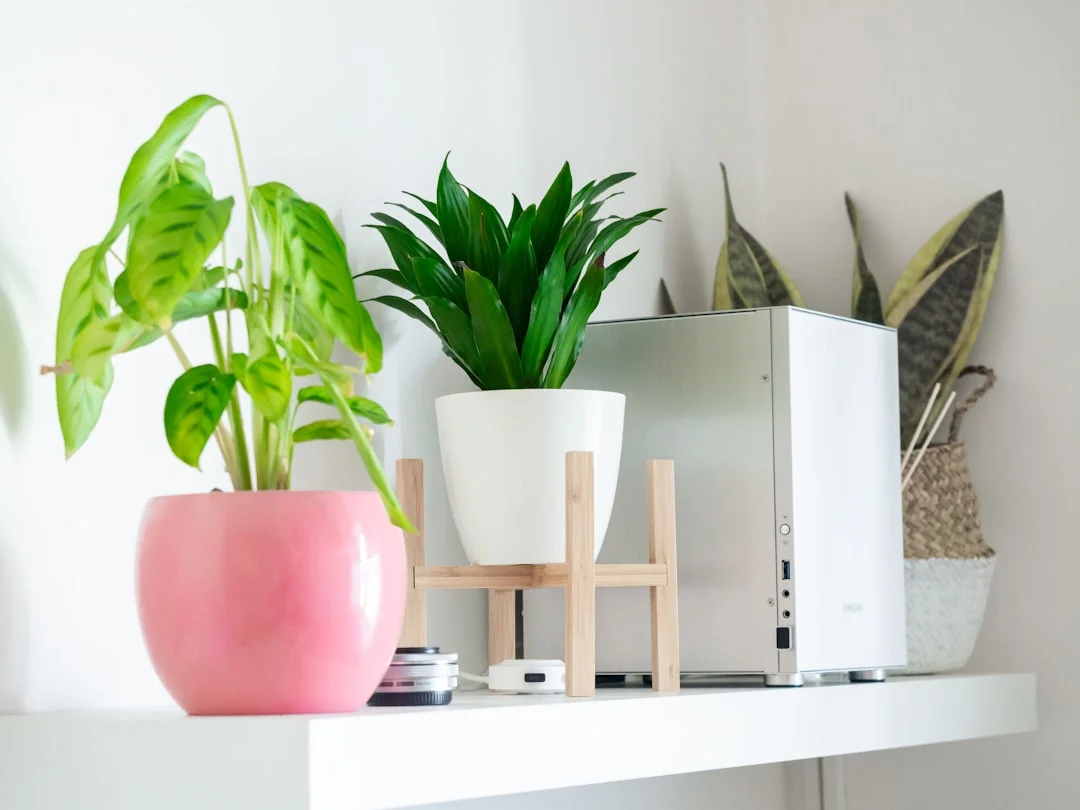
Sansevieria Laurentii (Yellow-Edged Snake Plant)
This is the classic variety most people picture. Tall green leaves with bright yellow margins make it a designer favourite. It grows up to 90–120 cm (3–4 feet) tall. Laurentii suits living rooms, hallways, and offices. It costs slightly more than plain green types because of its showy variegation.
Sansevieria Moonshine (Silver Snake Plant)
Moonshine has pale, silvery-green leaves that almost glow in low light. It stays smaller, around 60 cm (2 feet), making it perfect for desks and bedside tables. Many gardeners find it slightly fussier about light — too little, and the leaves turn dark green. Place it near a bright window with filtered sun.
Sansevieria Hahnii (Bird's Nest Snake Plant)
Hahnii is the cute, compact cousin. It forms a rosette of short leaves, rarely topping 15–20 cm. This dwarf variety fits tiny apartments, terrariums, and bathroom shelves. It’s also one of the cheapest options, making it a great starter plant.
Snake Plant Price Range Across Regions
Prices vary widely based on size, variety, and where you shop. In India, you’ll find small starter plants from ₹150 ($1.80), while large statement pieces can hit ₹3,500 ($42) or more. In the US and UK, expect higher prices because of import costs and greenhouse production. A 4-inch (10 cm) pot typically costs $12–25 in the US, £8–18 in the UK, and AUD 15–30 in Australia.
Rare varieties like Sansevieria masoniana “Whale Fin” or variegated Moonshine can fetch $80–200 globally. That’s because they grow slowly and are hard to propagate in bulk. For first-time buyers, I always recommend starting with a medium Laurentii in a 6-inch pot — it gives the best value and visual impact for around $20–30 (₹600–1,200).
Price Comparison by Size
Small plants (4-inch pot): ₹150–400 / $10–18 / £7–14. Medium plants (6-inch pot): ₹500–1,500 / $20–35 / £15–25. Large floor plants (10–14 inch pot): ₹1,800–4,000 / $50–120 / £40–95. Rare cultivars can go much higher. Always check if the pot is included or extra, as that affects the total cost. Decorative ceramic pots can double the price.
Where to Buy Snake Plants Online and Offline
You have more options than ever in 2026. Online nurseries offer huge variety and home delivery, while local garden centres let you inspect the plant first. Both have their place.
For Indian buyers, the top trusted online sources are Ugaoo (ugaoo.com), NurseryLive (nurserylive.com), and Amazon India’s Plants section. Each offers good packaging, healthy stock, and replacement guarantees. In the US, try The Sill, Bloomscape, or Etsy sellers with high ratings. UK gardeners can shop at Crocus, Patch Plants, or the RHS plant finder. Australian buyers love Bunnings and The Jungle Collective.
Online vs Local Nursery: Which Is Better?
Online shopping wins for variety and convenience. You can browse rare cultivars and read reviews. However, shipping stress can damage leaves, especially in cold weather. Local nurseries let you pick the exact plant you want. You can check the roots, count the leaves, and avoid pest problems. For beginners, I suggest starting local. Once you know what a healthy plant looks like, online shopping becomes safer.
Red Flags When Buying Online
Watch out for sellers with no return policy, unclear photos, or prices that seem too good to be true. Avoid listings without scientific names — those are often mislabelled. Check recent reviews, not just total ratings. Look for sellers who guarantee live arrival and ship with proper insulation, especially in winter. A reputable seller will replace damaged plants without fuss.
What to Look For Before Buying
A healthy snake plant should look firm, upright, and vibrant. Floppy or mushy leaves spell trouble. Use this quick 7-point check whether you’re shopping in person or examining a delivery.
First, check the leaves. They should stand tall and feel firm, not soft or wrinkled. Next, look for clear colour and pattern — variegation should be crisp, not faded. Then, inspect the base for rot or yellowing. After that, gently tug the plant. It should resist, showing healthy roots. Finally, check for pests like mealybugs (white cotton-like specks) or spider mites (fine webbing). A clean, well-rooted plant is worth paying a little extra for.
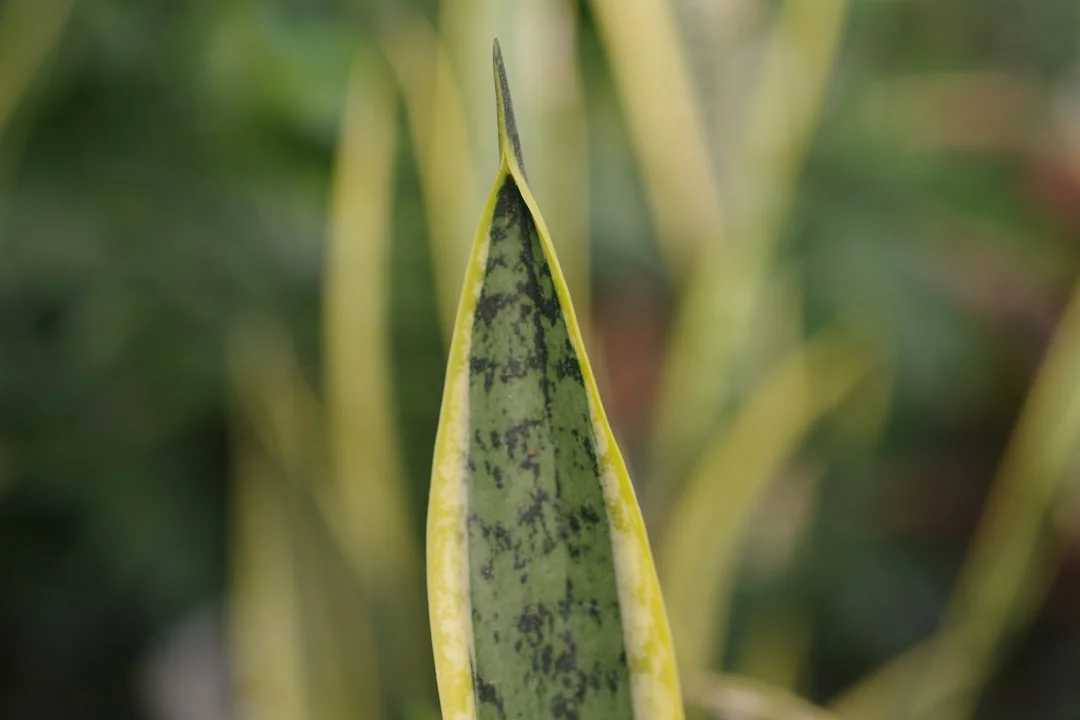
Signs of a Healthy Snake Plant
Healthy plants show stiff, glossy leaves with sharp tips. Roots should be white or light tan, not black or mushy. The soil shouldn’t smell sour. Look for at least 4–6 leaves per pot — fewer suggests the plant is too young or stressed. Bonus points if you spot baby pups (small new shoots) at the base. These mean the plant is actively growing and will reward you for years.
How to Care for Your Snake Plant After Buying
Bringing your plant home is just the start. The first two weeks matter most. Many gardeners make the mistake of repotting right away — don’t. Let your plant settle in first. Here’s a simple step-by-step routine for new owners across any climate.
Climate-Specific Care Tips
In tropical climates (India, Southeast Asia, northern Australia), place it in bright, indirect light and water every 10–14 days. In temperate zones (UK, US Northeast, Canada), keep it near an east-facing window and water every 3–4 weeks in winter. In arid regions (Dubai, Phoenix, southern Spain), avoid direct afternoon sun — it can scorch leaves. In Mediterranean climates, it grows beautifully on shaded patios year-round. Temperature range: 15–30°C (59–86°F). Below 10°C (50°F), bring it indoors.
Common Buying Mistakes to Avoid
Even experienced plant lovers slip up. Here are the top mistakes I see again and again. First, buying the cheapest plant without checking quality — a sick plant costs more in the long run. Second, choosing a pot without drainage holes. Snake plants hate wet feet and will rot quickly. Third, ignoring the variety name. “Snake plant” covers dozens of types, each with different needs.
Furthermore, many buyers underestimate size. A small pup grows into a 4-foot beast over time. Make sure you have space. Finally, don’t buy in winter if shipping is long-distance — cold damage is hard to reverse. Stick to spring or summer deliveries when possible.
Safety, Toxicity, and Pet-Friendly Notes
Here’s something important — snake plants are mildly toxic. They contain saponins, natural chemicals that protect the plant from insects. If a cat, dog, or child chews the leaves, they may experience nausea, vomiting, or drooling. The ASPCA lists Sansevieria as toxic to both cats and dogs. That said, serious harm is rare because the bitter taste puts pets off after one bite.
If you have curious pets or toddlers, place the plant on a high shelf or in a room they don’t access. The snake plant benefits still outweigh this risk for most homes, but awareness matters. According to WebMD, saponins cause mild gastrointestinal upset but rarely require veterinary care. When in doubt, call your vet.
Frequently Asked Questions
What are the main snake plant benefits for indoor air?
The main snake plant benefits for indoor air include filtering toxins like formaldehyde, benzene, and xylene. According to the NASA Clean Air Study, Sansevieria removes these pollutants slowly but steadily. It also releases oxygen at night, unlike most plants. That makes it ideal for bedrooms. While you'd need several plants to fully clean a room, even one helps improve air quality in small spaces like flats, offices, and hostels.
Can I grow a snake plant indoors in a cold climate like the UK or Canada?
Yes, absolutely. The snake plant thrives indoors in cold climates as long as you keep it above 10°C (50°F). Place it near an east or south-facing window for bright, indirect light. Water sparingly in winter — once every 4–5 weeks is enough. Avoid cold draughts from windows or doors. Many UK and Canadian gardeners find it easier than tropical plants because it doesn't need humidity or constant warmth.
Is the snake plant safe for cats and dogs?
No, snake plants are mildly toxic to pets. They contain saponins that cause nausea, vomiting, and drooling if chewed. The ASPCA lists Sansevieria as toxic to both cats and dogs. However, the bitter taste usually puts pets off quickly, so severe poisoning is rare. If you have curious pets, keep the plant on a high shelf or in a pet-free room. Call your vet if your animal eats a large amount.
How often should I water my snake plant?
Water your snake plant every 2–3 weeks in summer and every 4–6 weeks in winter. Always let the soil dry out completely between waterings. Stick your finger 2 inches into the soil — if it's dry, water deeply until it drains out the bottom. Overwatering is the number one killer of snake plants. In humid climates like Mumbai or Singapore, you'll need less water than in dry places like Dubai.
How do I grow a snake plant in a container?
Choose a terracotta pot with drainage holes — it's slightly bigger than the root ball. Use well-draining cactus or succulent mix, or make your own with 2 parts potting soil, 1 part perlite, and 1 part sand. Place the plant at the same depth as before, firm the soil gently, and water lightly. Set it in bright, indirect light. Repot only every 2–3 years when roots start pushing out of the pot.
What are the spiritual snake plant benefits in Vastu and Feng Shui?
In Vastu Shastra, the snake plant benefits include attracting positive energy when placed in the east or southeast corner. It's said to absorb negative vibes and promote prosperity. Feng Shui experts recommend it for offices and entryways because its upright leaves symbolise protective "wood" energy. Many people place it near the front door to shield the home. Whether you believe in these traditions or not, the calming visual effect is real.
Why are the leaves of my snake plant turning yellow?
Yellow leaves usually mean overwatering or poor drainage. Check the soil — if it's soggy, let it dry fully before watering again. Inspect the roots for rot (black, mushy roots need trimming). Other causes include too much direct sun, cold damage, or natural ageing of older leaves. Move the plant to bright, indirect light and switch to a terracotta pot with drainage holes. Most yellowing reverses once watering is corrected.
How long does a snake plant live?
Snake plants are long-lived houseplants. With good care, they easily last 10–25 years. Some specimens in botanical gardens are over 50 years old. They grow slowly but steadily, producing new pups from the base each year. That makes them a wonderful heirloom plant — you can divide and share with friends or family. One healthy plant can become dozens over a decade, making it one of the best long-term investments in your indoor garden.
Final Thoughts
Bringing home a snake plant is one of the smartest moves any plant lover can make. The snake plant benefits — clean air, night-time oxygen, low maintenance, and stunning looks — make it perfect for every kind of home, from tropical Mumbai flats to chilly London apartments. When buying, focus on healthy leaves, firm roots, and a trusted seller. Whether you shop at Ugaoo in India, The Sill in the US, or your local nursery in Sydney, the same rules apply: inspect carefully, ask questions, and start with a reliable variety like Laurentii or Moonshine. Care is simple — bright indirect light, water sparingly, and a well-draining pot. Keep it out of reach of pets and kids. With minimal effort, this plant will reward you for decades. So go ahead, pick one out this week and let your home breathe easier. Happy planting!

