
⏱ 30 min read
Table of Contents
- What Is the Bear Paw Succulent?
- Bear Paw Succulent Characteristics at a Glance
- Bear Paw Succulent Names Around the World
- Bear Paw Succulent Care: Soil and Fertilizer
- Watering Your Bear Paw Succulent
- Sunlight and Temperature Requirements
- How to Grow Bear Paw Succulent Step by Step
- Propagating Bear Paw Succulent
- Common Problems and How to Fix Them
- Seasonal Care Tips for Every Climate
- Uses and Cultural Significance
Bear paw succulent care is surprisingly simple once you understand what this plant actually needs — and surprisingly easy to get wrong if you follow generic succulent advice. Cotyledon tomentosa gets its name from those irresistible, chubby leaves tipped with tiny reddish ‘claws,’ and it’s one of the most visually distinctive succulents you can grow. But here’s the thing: bear paw succulent care differs from most other succulents in a few critical ways that catch even experienced growers off guard. In this guide, you’ll learn exactly how to keep your bear paw thriving — whether you’re growing it on a sunny windowsill in London, a balcony in Mumbai, or a drought-tolerant garden in Los Angeles. By the end, you’ll know precisely why your previous attempts may have struggled, and what to change today. For more tips, check out our detailed article on how to propagate succulents.
Quick Highlights
- Discover the exact watering rhythm that prevents the #1 killer of bear paw succulents worldwide
- Understand light requirements for every climate — tropical, temperate, arid, and Mediterranean
- Learn the correct soil mix ratio that mimics Cotyledon tomentosa's native South African habitat
- Master propagation from leaves and stem cuttings with a step-by-step numbered process
- Identify the 4 most common pests and diseases before they cause irreversible damage
- Apply seasonal care adjustments that keep your plant healthy across all 12 months of the year
Plant Characteristics at a Glance
| Common Name | Bear Paw Succulent |
| Scientific Name | Cotyledon tomentosa |
| Family | Crassulaceae |
| Origin | Eastern Cape and Western Cape provinces, South Africa |
| Habitat | Rocky hillsides and semi-arid scrubland (Karoo biome), typically on well-drained stony substrate |
| Plant Type | Perennial succulent shrublet |
| Indoor Plant | Yes — excellent houseplant; thrives on bright windowsills globally |
| Outdoor Plant | Yes — in USDA Zones 9b–11 (Mediterranean, subtropical, and arid climates); container plant elsewhere |
| Leaves | Thick, ovate, velvety; covered in fine white hairs; tipped with 2–10 reddish-brown teeth ('claws'); pale to mid-green |
| Flowers | Tubular, pendant, orange-red to yellow-orange; borne on tall erect stems (cymes) |
| Flowering Season | Late spring to early summer (in the Northern Hemisphere: April–June; Southern Hemisphere: October–December) |
| Fruit | Small, dry capsule; splitting at maturity to release fine seeds; not ornamentally significant |
| Seeds | Tiny, dust-like; viable but slow and difficult to germinate; best stratified at 20–25°C (68–77°F) |
| Roots | Fibrous, shallow root system; susceptible to rot in heavy or waterlogged soil |
| Height | 20–30 cm (8–12 inches) indoors; up to 50 cm (20 inches) in sheltered outdoor gardens |
| Growth Rate | Slow — typically 2–5 cm (1–2 inches) per year |
| Light Requirements | Bright indirect to direct light; 4–6 hours daily; avoid harsh midday sun above 38°C (100°F) |
| Soil Requirements | Fast-draining; 50% inorganic (perlite, pumice) + 50% organic (cactus mix or coir); pH 6.0–7.0 |
| Water Requirements | Soak and dry method; every 10–14 days during active season; every 3–4 weeks during dormancy |
| Temperature Requirements | Ideal: 10–30°C (50–86°F); tolerates brief dips to 5°C (41°F); frost-sensitive below 0°C (32°F) |
| Humidity Requirements | Low to moderate; thrives at 30–50% RH; avoid misting the velvety leaves directly |
| Propagation | Stem cuttings (preferred, 70–80% success); leaf cuttings (unreliable, 20–30% success); seed (slow, advanced) |
| Uses | Ornamental houseplant; container garden specimen; succulent arrangements; fairy gardens; interior décor |
| Medicinal Properties | No documented traditional medicinal use for this species; close relatives used topically in South African folk medicine |
| Toxicity | Toxic to cats, dogs, and livestock; contains bufadienolide compounds; keep away from pets and children |
| Cultural Significance | Popular globally in succulent collecting, social media plant communities, Japandi interior styling, and fairy garden design |
| Common Pests | Mealybugs (most common), spider mites, scale insects, vine weevil (in outdoor UK/European gardens) |
| Common Diseases | Root rot (Pythium, Phytophthora spp.); fungal leaf spots in high humidity; powdery mildew in cool damp conditions |
| Special Care Tips | Handle by pot only — leaves detach easily; never mist leaves; use terracotta pots; repot every 2–3 years |
| Cultural Practices | Quarter-turn every 2 weeks for even growth; trim leggy stems in early growing season; remove dead flower stalks after bloom |
| Vastu Direction | East or North — associated with positive, nurturing energy in Vastu Shastra tradition |
Bear paw succulent care Names in Different Languages
| English | Bear Paw Succulent |
| Mandarin Chinese | 熊掌景天 (Xióng zhǎng jǐng tiān) |
| Spanish | Pata de oso |
| Hindi | Bear Paw Succulent (commonly used as-is; no established vernacular name) |
| Gujarati | Bear Paw Succulent (no established regional name; sold by English name at nurseries) |
| Arabic | نبات مخلب الدب (Nabāt mikhlab al-dubb) |
| Bengali | ভাল্লুকের থাবা গাছ (Bhālluker thābā gāch) |
| Portuguese | Pata de urso suculenta |
| Russian | Котиледон лохматый (Kotiledon lokhatyy) |
| Japanese | クマの爪 (Kuma no tsume) |
| Punjabi | ਰਿੱਛ ਦੇ ਪੰਜੇ ਵਾਲਾ ਬੂਟਾ (Rich de panje wala boota) |
| German | Bärenpfoten-Sukkulente |
| Javanese | Tanaman cakar beruang |
| Korean | 곰발 다육식물 (Gombal dayugsingmul) |
| French | Plante patte d'ours |
| Telugu | బేర్ పా సక్యులెంట్ (Bēr pā sakyulent) |
| Marathi | अस्वलाचा पंजा वनस्पती (Asvalāchā pañjā vanaspatī) |
| Tamil | கரடி நகம் செடி (Karaṭi nakam ceṭi) |
| Urdu | ریچھ کے پنجے والا پودا (Reech ke panjay wala poda) |
| Turkish | Ayı pençesi sukulenti |
| Vietnamese | Cây móng gấu |
What Is the Bear Paw Succulent?
Picture a plant so charming that it stops people mid-stride at a garden centre. That’s Cotyledon tomentosa — the bear paw succulent — a compact, slow-growing succulent native to the Eastern Cape and Western Cape provinces of South Africa. It belongs to the Crassulaceae family, the same large family that includes jade plants, echeverias, and sedums. According to Kew Gardens, Cotyledon tomentosa was formally described by Harvey in 1862, and it remains one of the most beloved ornamental succulents in cultivation today.
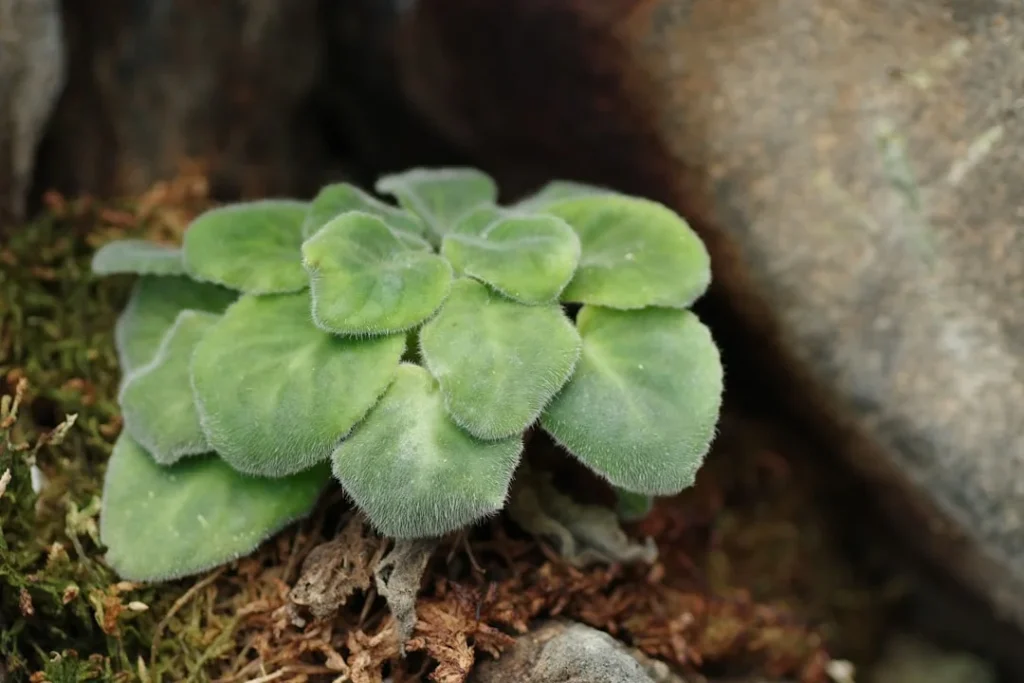
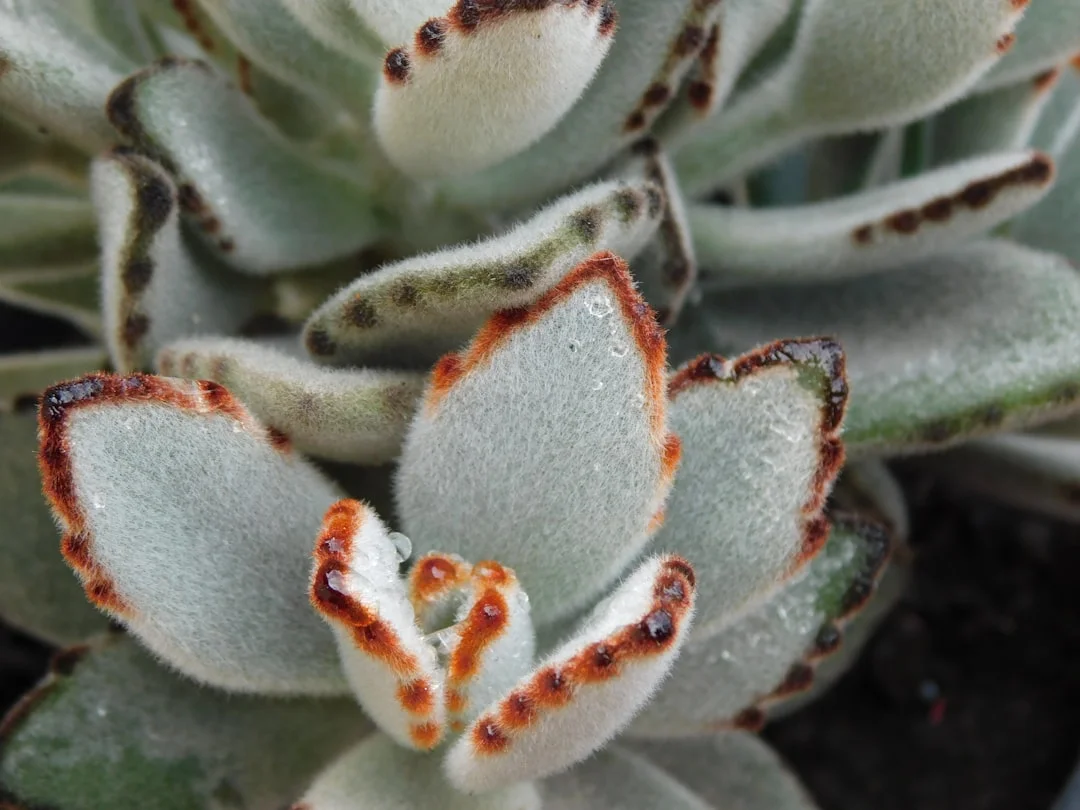
The leaves are the real showstopper. Thick, velvety, and covered in tiny white hairs, each leaf ends in two to ten reddish-brown teeth that look uncannily like a bear’s claws. In spring and early summer, it produces tubular, pendant orange-red flowers that attract pollinators. The whole plant typically stays under 30 cm (12 inches) tall indoors, though garden specimens in Mediterranean climates can occasionally reach 50 cm (20 inches). If you enjoy growing this plant, you might also find our guide on how to propagate succulents very useful.
Here’s what surprises most people: despite its South African origins, the bear paw succulent has adapted remarkably well to indoor growing across the globe. Gardeners in the UK, Canada, Japan, and Brazil all cultivate it successfully as a houseplant. In fact, it’s one of the few succulents that tolerates slightly lower light than its desert cousins — as long as a few key care conditions are met. If you enjoy growing this plant, you might also find our guide on Peperomia Plant Care very useful.
Is Bear Paw Succulent the Same as Cotyledon tomentosa subsp. ladismithensis?
Good question — and one that causes a fair amount of confusion online. Cotyledon tomentosa has two recognised subspecies: the standard tomentosa and the subspecies ladismithensis. The main difference is leaf size and tooth count. Subspecies ladismithensis (sometimes sold as ‘kitten paws’) has smaller, rounder leaves with fewer teeth, while the standard tomentosa has more pronounced claws. Both require essentially identical care, so bear paw succulent care tips in this guide apply equally to both. Many gardeners who grow this plant also love to read about succulent soil mix guide.
Where Does It Grow Naturally?
In its native South Africa, Cotyledon tomentosa grows on rocky outcrops and hillsides in semi-arid scrubland, known locally as the Karoo. It experiences hot, dry summers and cool, moist winters — the opposite of many other succulents. This seasonal reversal is one of the most important facts to understand about bear paw succulent care, because it means this plant prefers most of its water in the cooler months, not summer. More on that in the watering section — and it’s a detail that changes everything. Many gardeners who grow this plant also love to read about how to propagate succulents.
Bear Paw Succulent Characteristics at a Glance
Before diving into care specifics, it helps to have a clear picture of exactly what you’re working with. The table below captures the key botanical and horticultural characteristics of Cotyledon tomentosa. Keep it bookmarked — it’s the quickest reference you’ll need when making care decisions.
Bear Paw Succulent Names Around the World
One of the joys of growing a plant with such a distinctive appearance is that its common names around the world are almost universally descriptive and charming. From Japanese to German, growers everywhere have noticed those signature claw-tipped leaves. The names table below gives you the local name used in each region — useful when searching for this plant at local nurseries or in regional gardening forums.
Bear Paw Succulent Care: Soil and Fertilizer
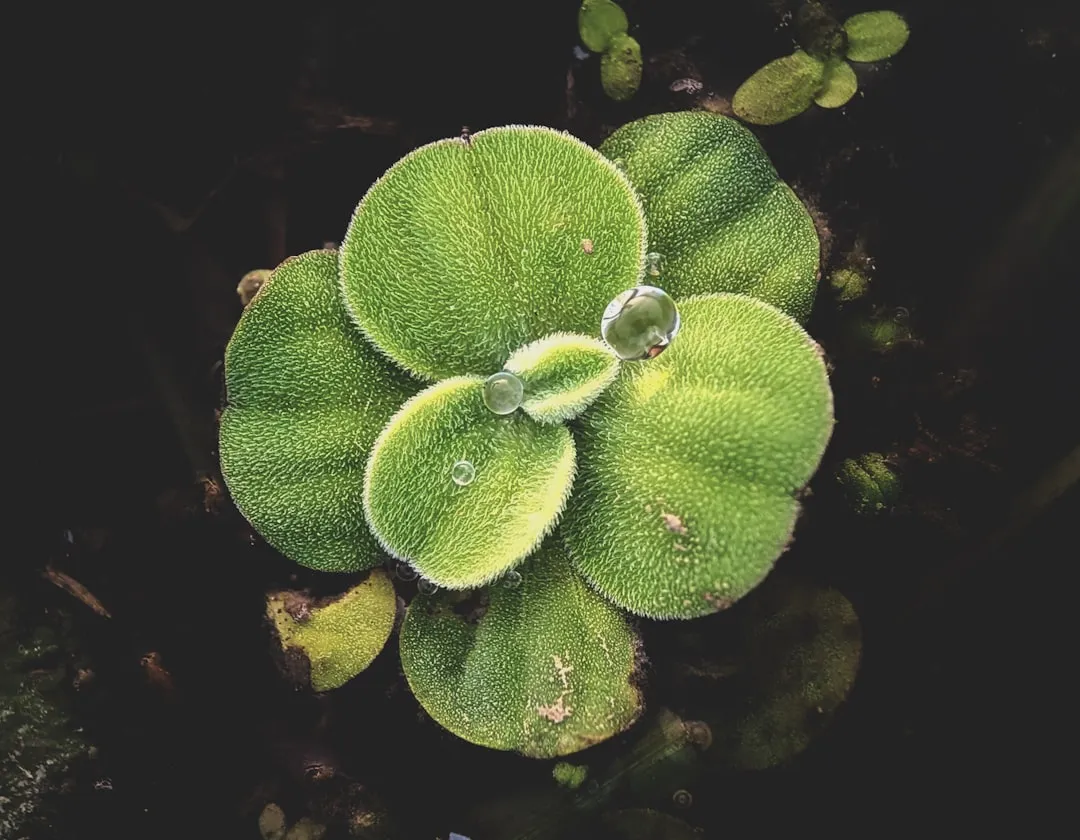
Getting the soil right is the single most important step in bear paw succulent care. Get it wrong, and no amount of correct watering or light will save your plant. Cotyledon tomentosa needs fast-draining soil that mimics the rocky, mineral-rich substrate of its South African home. Standard potting mix holds far too much moisture and will cause root rot within weeks — sometimes within days in humid climates.
The ideal mix is roughly 50% inorganic material (perlite, pumice, or coarse grit) and 50% organic matter (a cactus/succulent potting mix or coconut coir). In my experience, adding a layer of gravel or coarse sand at the base of the pot provides that extra drainage buffer that makes a real difference in wetter climates like the UK Pacific Northwest or Southeast Asia. Perlite is widely available globally — you’ll find it at garden centres in the US, UK, Australia, and through online retailers in India and the Middle East.
Fertilizer needs are modest. Over-feeding is a common mistake, producing soft, leggy growth that’s prone to pests. During the active growing season (autumn and spring in most climates), feed once a month with a balanced, low-nitrogen liquid fertilizer diluted to half strength. Look for fertilizers with an NPK ratio around 5-10-10 — lower nitrogen, higher phosphorus and potassium, which encourages compact growth and good root development. The RHS recommends avoiding high-nitrogen feeds for most succulents, as they promote weak, watery tissue.
During summer dormancy and winter, stop fertilizing entirely. The plant isn’t actively growing, and feeding it now is like waking someone up to eat in the middle of the night — it just causes stress.
What Pot Material Works Best?
Terracotta pots are the gold standard for bear paw succulent care. They’re porous, allowing moisture to evaporate through the walls — which is exactly what this plant needs. Plastic pots retain moisture longer, which increases root rot risk. If you only have plastic pots available, simply water less frequently and ensure drainage holes are generously sized. Self-watering pots are a hard no for this plant. Wherever you are in the world, terracotta is widely available and relatively affordable — typically $3–$8 USD (roughly £2.50–£6 GBP or ₹250–₹650 INR) for a small pot.
Soil pH and Mineral Content
Bear paw succulents prefer slightly acidic to neutral soil, ideally in the pH range of 6.0 to 7.0. In alkaline-heavy tap water regions — common in parts of the Middle East, hard-water areas of the UK, and the US Southwest — water with collected rainwater or filtered water occasionally to prevent mineral buildup. A simple soil pH test kit (available globally for under $10 USD) is worth the investment if your plant seems consistently unhappy despite good care.
Watering Your Bear Paw Succulent
Here’s where bear paw succulent care diverges most sharply from general succulent advice — and where most gardeners make their biggest mistake. Because Cotyledon tomentosa originates from a winter-rainfall region of South Africa, it follows a different seasonal rhythm than the classic ‘water sparingly in summer’ rule that applies to many cacti and desert succulents.
In its natural habitat, the growing season is autumn through spring (cool, moist months). Summer is the dormant, dry period. So if you’re in the Northern Hemisphere, water more freely from September through April, and pull back significantly from May through August. In the Southern Hemisphere — Australia, South Africa, South America — reverse this: water more from March through October.
The ‘soak and dry’ method works beautifully here. Water thoroughly until it drains from the bottom of the pot, then wait until the top 3–4 cm (1–1.5 inches) of soil is completely dry before watering again. During the active season, that typically means watering every 10–14 days. During dormancy, once every 3–4 weeks — sometimes less.
Have you ever noticed your bear paw’s leaves wrinkling slightly? That’s the plant politely asking for water. Soft, mushy leaves, on the other hand, are a sign of overwatering — and by that point, root rot may already be underway. Always check the soil before reaching for the watering can.
Watering in Different Climates
Gardeners in humid tropical climates — Mumbai, Singapore, Bangkok, Lagos — need to water far less frequently than those in dry climates, because ambient humidity slows soil evaporation. In these regions, overwatering is the dominant risk. Conversely, gardeners in hot, arid climates like Dubai, Phoenix, or Rajasthan may find the soil dries out faster indoors due to air conditioning. Always let the soil — not a calendar schedule — guide your watering decisions. A moisture meter (widely available online for $8–$15 USD) removes all guesswork.
Water Quality Matters
Avoid using softened water, as it contains sodium salts that build up in the soil over time and damage roots. Tap water is generally fine in most regions, but if your water is heavily chlorinated — as it often is in US cities and parts of the Middle East — let it sit in an open container overnight before using it. The chlorine dissipates. Alternatively, collected rainwater is ideal and completely free. Gardeners across the UK, Australia, and New Zealand often collect rainwater specifically for their succulents.
Sunlight and Temperature Requirements
Bear paw succulent care depends heavily on getting the light balance right — and it’s a balance, not simply ‘as much as possible.’ Cotyledon tomentosa loves bright light, but it’s one of the few succulents that can actually suffer from intense, direct midday sun, particularly in hot climates. The fine white hairs on its leaves provide some natural UV protection, but prolonged exposure to harsh afternoon sun above 38°C (100°F) can cause sunscorch — brown, papery patches that don’t recover.
Indoors, a south-facing window (north-facing in the Southern Hemisphere) that receives 4–6 hours of bright, indirect or filtered light is ideal. In the UK and northern Europe, where winter light is genuinely weak, you may need to supplement with a grow light from October through February — aim for a cool-white LED positioned 15–20 cm (6–8 inches) above the plant for 12–14 hours daily.
Outdoors, a spot with morning sun and afternoon shade is the sweet spot in most climates. In Mediterranean-climate gardens — California, southern France, coastal South Africa, southern Australia — the bear paw thrives beautifully as a garden plant year-round. In continental climates like the US Midwest or central Europe, it’s best treated as a container plant brought indoors before the first frost.
Temperature-wise, this plant is comfortable between 10°C and 30°C (50°F to 86°F). It can tolerate brief dips to around 5°C (41°F) but is not frost-hardy. The USDA hardiness zone rating is Zone 9b–11, and the RHS hardiness rating is H2 (protect from temperatures below -1°C/30°F).
Handling Summer Heat in Tropical and Arid Climates
Gardeners in South India, Southeast Asia, the Middle East, and the American Southwest should be particularly careful during peak summer. In these regions, move the plant away from direct midday sun — even indoors, a south-facing window in June can transmit enough heat to stress the plant. Providing dappled shade outdoors, similar to the conditions under a sparse tree canopy, closely mimics the rocky hillside habitat the bear paw knows naturally.
Winter Care in Cold Climates
In temperate zones — the UK, Canada, the northern US, northern Europe, and highland areas of India — winter care is about keeping the plant above the frost threshold and managing reduced light. Bring container plants indoors well before the first frost, typically by October in the Northern Hemisphere. Reduce watering to once every 3–4 weeks. Don’t place the plant near radiators or heating vents, as the dry, hot air rapidly desiccates the soil and stresses the velvety leaves.
How to Grow Bear Paw Succulent Step by Step
Growing a bear paw succulent from scratch — whether from a nursery transplant, a cutting, or a leaf — follows a clear and repeatable process. The steps below are designed to work across climates, whether you’re potting up in a Toronto apartment in March or establishing a garden specimen in Cape Town. Follow them in order, and you’ll give your plant the strongest possible start.
Repotting an Established Plant
Repot your bear paw succulent every 2–3 years, or when you see roots emerging from the drainage holes. Choose a new pot just one size larger — going too large creates excess moist soil around the roots, inviting rot. The best time to repot is early in the active growing season, which is late summer to early autumn in the Northern Hemisphere. After repotting, wait 5–7 days before watering to allow any root damage to callous and heal.
Container Growing for Apartment Dwellers
Bear paw succulents are exceptionally well-suited to container growing, which makes them ideal for apartment dwellers across the globe — from high-rises in Tokyo and Singapore to studio flats in London and New York. A 10–15 cm (4–6 inch) terracotta pot is sufficient for most plants. The key is ensuring the container has at least one drainage hole. If you fall in love with a decorative pot without drainage, simply use it as a cachepot — place the plant in a terracotta grower’s pot inside the decorative outer pot.
Propagating Bear Paw Succulent
Propagation is one of the most rewarding aspects of bear paw succulent care — and one of the trickiest if you follow the wrong advice. Here’s the honest truth: leaf propagation with Cotyledon tomentosa is notoriously unreliable. Unlike echeverias, which propagate easily from leaves, bear paw leaves often fail to produce roots even under ideal conditions. According to records from succulent societies in the US and UK, stem cuttings have a dramatically higher success rate — often 70–80% versus 20–30% for leaf propagation.
Stem cutting propagation is the recommended method. Take a clean cutting of 5–8 cm (2–3 inches) with at least two pairs of leaves. Use a sterilised sharp knife or scissors — this is non-negotiable to prevent bacterial infection. Allow the cut end to dry and callous in a warm, dry location for 3–5 days before planting. Then place it in barely moist propagation mix (50:50 perlite and coir) and keep it in bright indirect light. Roots typically emerge in 3–6 weeks.
Patience is the real skill here. Many people overwater during propagation, hoping to speed things up. That’s this is where most people go wrong — the cutting needs minimal moisture until roots form. Mist lightly just once every 4–5 days.
Leaf Propagation: When to Try It
Even though leaf propagation is unreliable, it’s worth attempting if you accidentally knock off a leaf — which happens easily given how loosely attached the leaves are. Place the detached leaf on dry propagation mix in bright indirect light. Do not bury or water it. Simply mist lightly every 3–4 days and wait. If a small rosette and roots appear at the base after 4–6 weeks, pot it up carefully. If nothing happens after 8 weeks, it’s not your fault — this variety simply doesn’t propagate reliably from leaves.
Seed Propagation
Growing from seed is possible but slow and best left to enthusiast growers or botanical gardens. Seeds need a well-draining seed compost, consistent warmth of 20–25°C (68–77°F), and humidity maintained under a propagation dome. Germination can take 3–6 weeks, and seedlings are extremely delicate in their first year. The USDA Plant Database lists several Cotyledon species with detailed seed germination notes for those who want to explore this further.
Common Problems and How to Fix Them
Even with perfect bear paw succulent care, problems can arise. The good news is that most issues give visible warning signs well before they become fatal — as long as you know what to look for.
Root rot is the most common cause of bear paw succulent death worldwide. It’s caused by overwatering or poor drainage, and it shows up as soft, translucent, or blackened stems at the base of the plant. If you catch it early, remove the plant from its pot, trim away all blackened roots with sterilised scissors, dust the wound with powdered cinnamon (a natural antifungal), and repot in fresh dry soil. Wait a week before watering.
Mealybugs are the most frequent pest. These small, white, cottony insects hide in leaf joints and on the undersides of leaves. They’re common in warm indoor environments globally. Treat with a cotton swab dipped in 70% isopropyl alcohol, applied directly to each pest. For larger infestations, neem oil spray (diluted to 2% in water with a few drops of dish soap) applied weekly for three weeks is highly effective.
Leaf drop is another common complaint — and it’s almost always caused by rough handling. The bear paw’s leaves detach very easily when the plant is moved, bumped, or repotted carelessly. Handle the plant by its pot, never its stems or leaves.
Why Are My Bear Paw Leaves Losing Their Claws' Red Colour?
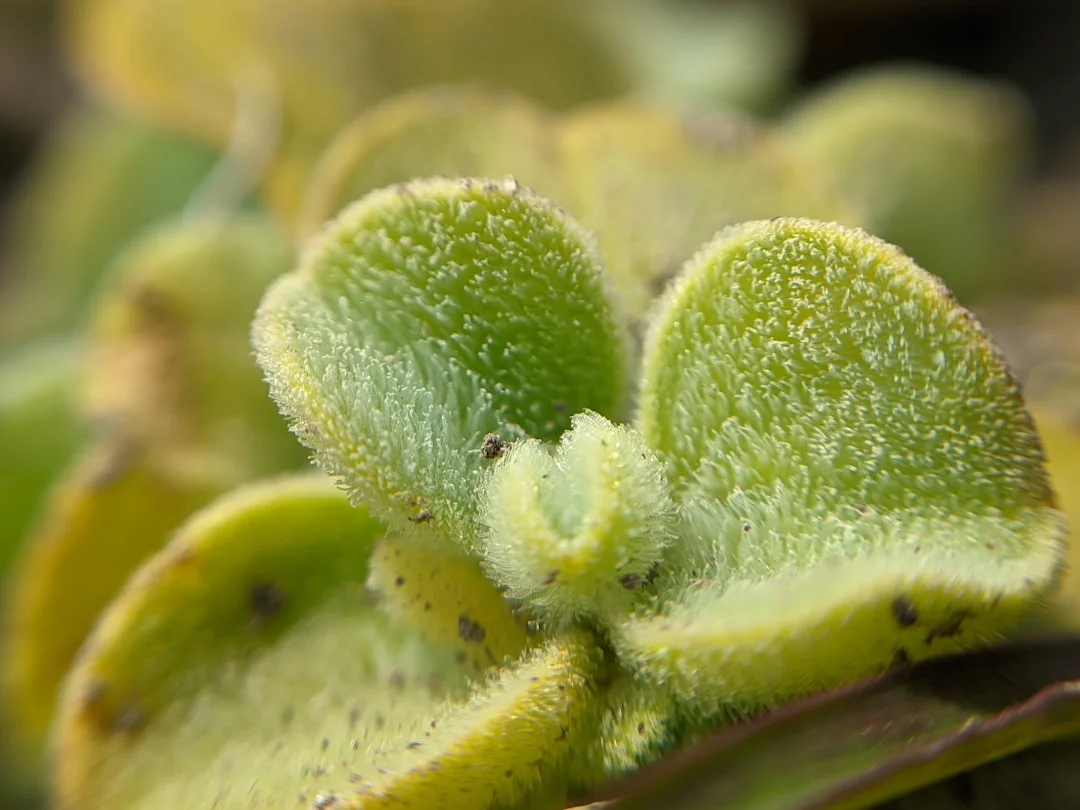
Those distinctive reddish-brown claw tips are a stress response — technically a type of anthocyanin pigmentation triggered by bright light and slight temperature stress. If your plant is in low light, the tips will gradually fade to green. This is purely cosmetic and harmless, but if you love the red claws, move the plant to a brighter spot. In temperate climates, placing it outdoors in a sheltered spot during summer intensifies the colour beautifully. Similarly, the colour deepens naturally as temperatures drop in autumn.
Etiolation: When Your Plant Stretches and Loses Shape
Etiolation — the scientific term for a plant stretching toward a light source — turns a compact, sculptural bear paw into a leggy, unattractive specimen. It happens when light is insufficient. Etiolated growth can’t be reversed, but you can prune back leggy stems to encourage bushier new growth. Going forward, give the plant a quarter turn every 2 weeks to ensure even light exposure on all sides. This simple habit prevents etiolation in any climate.
Seasonal Care Tips for Every Climate
One of the most important aspects of bear paw succulent care that most guides overlook is the seasonal calendar — and how it differs by hemisphere and climate zone. Because Cotyledon tomentosa is a winter-growing succulent, its care calendar is essentially the reverse of summer-growing species like echeverias and aloes.
In the Northern Hemisphere, the active growing season runs from late August through April. This is when you water more, fertilize monthly, and can take cuttings for propagation. From May through July — the core summer months — the plant enters a semi-dormant state. Reduce watering significantly, stop fertilizing, and provide shade from harsh midday sun.
In the Southern Hemisphere, reverse the calendar. Active growth runs from roughly February through October. Dormancy falls during the hottest months of November through January.
In tropical climates near the equator — Singapore, Sri Lanka, Kenya, coastal Brazil — seasonal temperature variation is minimal, so the plant grows fairly steadily year-round. In these regions, regulate watering based on the plant’s visual cues rather than the calendar: water when the top soil layer is dry, and hold back whenever rainfall is heavy and ambient humidity is high.
Meanwhile, in June specifically — which marks the start of summer in the Northern Hemisphere — growers from the UK to the US should be entering light-watering mode, watching for signs of heat stress, and avoiding fertilizer until temperatures cool in late August.
Preparing for Winter in Cold Climates
In USDA Zones 1–9a (most of Canada, the northern US, northern Europe, and highland India), the bear paw must come indoors before the first frost. Check nighttime forecasts from mid-September. Before bringing the plant inside, inspect it thoroughly for pests — outdoor plants often pick up unwanted hitchhikers. A preventive neem oil spray two weeks before bringing it indoors is a wise habit. Once inside, reduce watering and move the plant to your brightest available window.
Monsoon Season Management in Tropical Regions
Gardeners in South and Southeast Asia, West Africa, and tropical South America face a unique challenge: the monsoon. Heavy rainfall and persistently high humidity during the monsoon season create ideal conditions for fungal disease and root rot in bear paw succulents. If the plant is outdoors, bring it under cover — a covered veranda or a greenhouse works perfectly. Indoors, increase airflow with a gentle fan and cut watering to near-zero during prolonged wet spells.
Uses and Cultural Significance
The bear paw succulent’s primary value is ornamental, and it’s genuinely one of the most photogenic succulents in cultivation — a fact that has driven its popularity enormously on social media platforms globally. It’s a staple of succulent arrangements, fairy gardens, and minimalist interior plant styling across Europe, North America, East Asia, and Australia.
In terms of medicinal or traditional use, Cotyledon tomentosa does not have a documented history in Ayurveda, traditional Chinese medicine, or Western herbalism. However, other Cotyledon species have been used historically. Cotyledon orbiculata, a close relative, has been used in traditional South African medicine — particularly by the Khoikhoi people — as a topical treatment for corns and warts, and its juice was sometimes applied to earaches. It’s worth noting, importantly, that Cotyledon species as a whole contain bufadienolide compounds, which are toxic if ingested. These are cardiotoxic compounds that can cause heart irregularities in livestock and pets.
According to Wikipedia's entry on Cotyledon tomentosa, the plant has no significant traditional medicinal use, but its close relatives have a documented presence in South African ethnobotany. Always treat it as an ornamental plant, not a medicinal one.
In home décor, the bear paw succulent is frequently used in Japandi-style interiors (the Japanese-Scandinavian minimalist aesthetic), succulent terrariums, and as focal specimens in shallow clay bowls called ‘bonsai dishes.’ Its compact size and slow growth rate make it ideal for small-space gardening worldwide.
Toxicity Warning: Is Bear Paw Succulent Safe for Pets and Children?
This is a critical safety point for any bear paw succulent care guide. Cotyledon tomentosa is considered toxic to cats, dogs, and other pets due to its bufadienolide content. Ingestion can cause vomiting, weakness, and in serious cases, heart irregularities. The ASPCA lists Cotyledon species as toxic to dogs and cats. Keep this plant out of reach of pets and small children. If ingestion is suspected, contact a veterinarian or poison control centre immediately. In the US, the ASPCA Animal Poison Control hotline is +1-888-426-4435.
Vastu and Feng Shui Considerations
In Vastu Shastra, the ancient Indian spatial science, succulents with soft, rounded leaves — like the bear paw — are generally considered positive plants for the home, associated with gentle, nurturing energy. Placing them in the east or north direction is traditionally recommended to invite positive chi and creative energy. In feng shui tradition, rounded leaf plants symbolise positive flow of energy and are preferred in living spaces over sharp-leaved plants, which are believed to direct energy too sharply.
Frequently Asked Questions
How often should I water my bear paw succulent?
During the active growing season (autumn through spring in the Northern Hemisphere), water every 10–14 days using the soak-and-dry method — water thoroughly, then wait until the top 3–4 cm (1.5 inches) of soil is completely dry. In summer dormancy, reduce to once every 3–4 weeks. In humid tropical climates, always water less than guides suggest. Overwatering causes root rot far more often than underwatering in bear paw succulent care.
Can I grow a bear paw succulent indoors in a cold climate?
Absolutely. Bear paw succulents thrive as indoor plants in cold climates — the UK, Canada, Scandinavia, and the northern US. Place it in your brightest south-facing window (or north-facing in the Southern Hemisphere). If natural light is insufficient during winter, a full-spectrum LED grow light for 12–14 hours daily solves the problem effectively. Keep temperatures above 10°C (50°F) and away from cold draughts or frost-prone windowsills.
Is bear paw succulent safe for pets?
No. Cotyledon tomentosa is toxic to cats, dogs, and other pets due to bufadienolide compounds, which can cause vomiting, lethargy, and heart irregularities if ingested. The ASPCA lists Cotyledon species as toxic. Keep the plant out of reach of pets and small children. If your pet has chewed on this plant, contact your vet or the ASPCA Animal Poison Control hotline (+1-888-426-4435) immediately.
Why are my bear paw succulent leaves falling off?
Leaf drop is almost always caused by rough handling — the leaves of Cotyledon tomentosa are loosely attached by design and detach very easily when the plant is touched, moved, or bumped. Always handle it by the pot, never by the stems or leaves. Secondary causes include overwatering (which causes soft, mushy leaves that drop), or, less commonly, extremely dry conditions. Examine the leaf base when it falls: firm and green means handling was the issue; mushy means overwatering.
How do I grow bear paw succulent in a container on a balcony?
Container growing is perfect for this plant. Use a 10–15 cm (4–6 inch) terracotta pot with drainage holes and a fast-draining succulent mix. Place it where it receives morning sun and afternoon shade — this protects it from heat stress while providing sufficient light. In summer, watch for extreme heat buildup on south-facing balconies (common in the Middle East, Mediterranean, and Australian summers) and move it to a shadier position during peak heat months.
What are the most common bear paw succulent care mistakes?
The four most common mistakes are: (1) overwatering — by far the biggest killer; (2) using soil that retains too much moisture instead of a gritty, fast-draining mix; (3) placing the plant in insufficient light, causing etiolation; and (4) misting the velvety leaves, which traps moisture in the hairs and promotes fungal disease. Avoiding these four errors solves the vast majority of problems growers encounter.
When does a bear paw succulent flower, and how do I encourage blooming?
Bear paw succulents flower in late spring to early summer — typically April to June in the Northern Hemisphere, and October to December in the Southern Hemisphere. To encourage blooming, ensure the plant experiences a cooler winter rest period (around 10–15°C / 50–59°F), reduce watering during dormancy, and resume regular watering and monthly fertilizing in early spring. Plants in bright outdoor locations tend to flower more reliably than those kept indoors year-round.
How do I propagate a bear paw succulent from stem cuttings?
Stem cuttings are the most reliable propagation method for Cotyledon tomentosa. Take a 5–8 cm (2–3 inch) cutting with at least two leaf pairs using a sterilised blade. Allow the cut end to callous in a dry, shaded spot for 3–5 days. Plant in barely moist 50:50 perlite and coir mix. Keep in bright indirect light and mist lightly every 4–5 days. Roots typically emerge in 3–6 weeks. Resist the urge to water heavily during this period.
Final Thoughts
Bear paw succulent care is genuinely rewarding once you understand what makes Cotyledon tomentosa different from most other succulents. It’s a winter-growing species, so its watering calendar runs opposite to what you might expect. It loves bright light but needs protection from scorching midday sun in hot climates. It demands fast-draining soil and terracotta pots, and it absolutely cannot tolerate overwatering. Nail those fundamentals, and this charming, velvety-leaved plant will thrive on your windowsill, balcony, or garden bed for years — whether you’re in London, Lagos, Los Angeles, or Lucknow. Handle it gently, trust the soak-and-dry method, and give it that slightly cooler winter rest it craves. In return, you’ll get a sculptural, conversation-starting plant that practically grows itself. Now that you have the complete picture of bear paw succulent care, it’s time to get growing.

