
⏱ 31 min read
Table of Contents
- What Is the Hens and Chicks Succulent?
- Hens and Chicks Characteristics at a Glance
- Hens and Chicks Succulent Care: Sunlight Requirements
- Soil and Potting Mix for Sempervivum
- Watering: The Most Misunderstood Part of Hens and Chicks Succulent Care
- Feeding and Fertilizing Sempervivum
- How to Propagate Hens and Chicks
- Seasonal Care Throughout the Year
- Common Problems and How to Fix Them
- Traditional and Ethnobotanical Uses
- Growing Hens and Chicks in Different Climates
Here’s something most gardeners don’t expect: one of the toughest plants on earth looks like a delicate rosette of jewels. Hens and chicks (Sempervivum tectorum) survive alpine winters, scorching Mediterranean summers, and weeks of drought — yet they’re just as happy in a windowsill pot in rainy Manchester or a rooftop garden in Singapore. If you’ve struggled to keep succulents alive before, this one might genuinely change your mind. Hens and chicks succulent care is surprisingly forgiving once you understand the plant’s logic: it wants neglect, not attention. In this complete guide, you’ll learn exactly how to grow, water, feed, propagate, and troubleshoot Sempervivum tectorum in any climate — from tropical to temperate, arid to continental. By the end, you’ll know precisely why your previous attempts may have failed and what to do differently this time. The answer involves one crucial detail about drainage that almost nobody mentions. If you enjoy growing this plant, you might also find our guide on Echeveria care guide very useful.
Quick Highlights
- Discover the exact soil mix that prevents the most common cause of hens and chicks death — root rot
- Learn climate-specific watering schedules for tropical, temperate, arid, and cold continental zones
- Understand how to propagate dozens of new plants from a single 'hen' for free
- Identify the top 5 problems that kill Sempervivum and how to fix each one fast
- Master seasonal care adjustments across all four seasons so your rosettes thrive year-round
- Explore the traditional and modern uses of Sempervivum, from folk medicine to living roof design
Plant Characteristics at a Glance
| Common Name | Hens and Chicks, Houseleek, Common Houseleek |
| Scientific Name | Sempervivum tectorum |
| Family | Crassulaceae |
| Origin | Southern European mountains — Alps, Pyrenees, Carpathians, Apennines |
| Habitat | Rocky outcrops, stone walls, mountain slopes, thin gritty soils at up to 3,000 m (9,800 ft) |
| Plant Type | Hardy evergreen perennial succulent (monocarpic rosette) |
| Indoor Plant | Yes — requires bright, direct light (south/west window or grow light); best results outdoors |
| Outdoor Plant | Excellent outdoor plant; fully hardy in USDA Zones 3–8, RHS H7 |
| Leaves | Thick, fleshy, pointed; arranged in tight rosettes; green, silver, red, burgundy, or near-black depending on cultivar and conditions |
| Flowers | Star-shaped, 12–14 petals; pink, red, or purple; borne on tall stalks 15–30 cm (6–12 in) |
| Flowering Season | Summer — June to August (Northern Hemisphere); December to February (Southern Hemisphere) |
| Fruit | Small capsules containing tiny seeds; not ornamentally significant |
| Seeds | Tiny, numerous; viable; surface-sow in spring at 15–20°C (59–68°F) |
| Roots | Shallow, fibrous root system; highly efficient at absorbing brief moisture from thin soils |
| Height | Rosettes: 5–15 cm (2–6 in) tall; flower stalks: 15–30 cm (6–12 in) |
| Growth Rate | Slow in first year; moderate thereafter; spreads by offsets to form colonies 30–60 cm (12–24 in) wide |
| Light Requirements | Full sun preferred — minimum 6 hours direct sunlight daily; afternoon shade above 38°C (100°F) |
| Soil Requirements | Well-draining, gritty, low-nutrient; pH 6.0–7.5; cactus mix + 30–40% perlite ideal |
| Water Requirements | Soak-and-dry method; every 7–21 days depending on climate and season; drought-tolerant once established |
| Temperature Requirements | Ideal: 5–25°C (41–77°F); tolerates -30°C (-22°F) in dormancy; heat stress above 38°C (100°F) |
| Humidity Requirements | Low to moderate; prefers dry air; high humidity increases fungal disease risk — ensure good air circulation |
| Propagation | Primarily by natural offsets (chicks); also from seed; offset propagation easiest and most reliable |
| Uses | Rock gardens, green roofs, container gardening, wall crevices, living mulch, ground cover, ornamental collections |
| Medicinal Properties | Traditional folk use: leaf sap applied topically for burns, insect stings, earache; not approved by WHO or modern clinical evidence for medicinal claims |
| Toxicity | Non-toxic to humans; considered non-toxic to cats and dogs according to ASPCA guidelines |
| Cultural Significance | Roman and medieval roof plant (lightning protection belief); referenced by Pliny the Elder (77 AD); Charlemagne decreed its planting on all rooftops; used in modern green roof design across Europe and North America |
| Common Pests | Vine weevil grubs (roots), aphids (flower stalks), mealybugs (leaf axils), slugs (young offsets in wet climates) |
| Common Diseases | Root rot (overwatering/poor drainage), grey mould/Botrytis (high humidity), rust fungus (rare) |
| Special Care Tips | Never let water pool in the rosette centre; remove dead outer leaves regularly; allow soil to dry completely between waterings; do not repot unnecessarily — Sempervivum thrives when slightly root-bound |
| Cultural Practices | Used in traditional European roof planting; featured in heritage rock gardens at Kew Gardens and RHS Wisley; grown in alpine trough gardens across UK, Germany, and Scandinavia |
| Vastu Direction | East or South-East — associated with vitality, resilience, and positive energy; suitable for entrance areas and balconies |
Hens and chicks succulent care Names in Different Languages
| English | Hens and Chicks / Common Houseleek |
| Mandarin Chinese | 長生草 (Cháng shēng cǎo) |
| Spanish | Siempreviva / Hierba puntera |
| Hindi | सेम्परविवम / हेन्स एंड चिक्स |
| Gujarati | સેમ્પરવિવમ |
| Arabic | حي الدهر (Hayy al-dahr) |
| Bengali | সেম্পারভিভাম (Semparvivam) |
| Portuguese | Sempreviva / Barba de Júpiter |
| Russian | Молодило (Molodilo) |
| Japanese | セダム・センペルビウム (Sendamu Senperobiumu) |
| Punjabi | ਸੇਮਪਰਵੀਵਮ (Semparvivam) |
| German | Hauswurz / Dach-Hauswurz |
| Javanese | Sempervivum |
| Korean | 바위솔 유사종 (Sempervivum) |
| French | Joubarbe des toits |
| Telugu | సెంపర్వివమ్ (Semparvivam) |
| Marathi | सेम्परविवम (Semparvivam) |
| Tamil | செம்பர்விவம் (Cemparvivam) |
| Urdu | ہمیشہ زندہ (Hamisha Zinda) |
| Turkish | Damkoruğu / Ev pırası |
| Vietnamese | Sen đá trường sinh |
What Is the Hens and Chicks Succulent?
Sempervivum tectorum is a hardy, mat-forming succulent native to the mountain ranges of southern Europe — the Alps, Pyrenees, Carpathians, and Apennines — where it clings to rocky outcrops and stone walls at elevations up to 3,000 metres (9,800 ft). The name ‘Sempervivum’ literally means ‘always alive’ in Latin, which tells you everything about this plant’s survival instinct. The common name ‘hens and chicks’ describes its growth habit perfectly: a central rosette (the ‘hen’) produces multiple smaller offsets (the ‘chicks’) on short stolons, forming dense, spreading colonies over time. According to Kew Gardens, the genus Sempervivum contains around 40 species, with tectorum being the most widely cultivated worldwide. The species name ‘tectorum’ means ‘of the rooftops’ — Roman and medieval Europeans planted it on thatch and tile roofs believing it protected homes from lightning. That habit of growing on rooftops is still practiced in parts of Scandinavia and central Europe today. Each rosette is monocarpic, meaning it flowers once and then dies, but not before producing a ring of chicks to carry on the colony. This is a key detail that surprises new growers — your ‘hen’ dying after flowering isn’t failure; it’s the plant’s natural life cycle.
Why Is It Called Hens and Chicks?
The name is wonderfully descriptive. The central, larger rosette acts like a mother hen, while the cluster of smaller rosettes that form around it resemble chicks gathered close. Each ‘chick’ is an offset — a genetically identical clone of the parent plant connected by a thin runner called a stolon. Once the chick develops its own roots, it becomes independent. Some cultivars produce dozens of chicks in a single growing season, which is exactly why hens and chicks are so easy and rewarding to propagate. Many gardeners who grow this plant also love to read about Lithops Care Guide.
Sempervivum vs. Echeveria: What's the Difference?
Many beginners confuse Sempervivum with Echeveria, since both form rosettes and are called ‘hens and chicks’ in some regions. Here’s the key difference: Sempervivum is frost-hardy (surviving to -30°C / -22°F in some varieties), while Echeveria is frost-sensitive and prefers warm climates. If you’re in a cold-winter region like Canada, the UK, or Scandinavia, Sempervivum is your go-to. In tropical zones like Southeast Asia or West Africa, Echeveria tends to perform better. Always check which genus you have before planning your care routine — the watering and temperature needs differ significantly. Many gardeners who grow this plant also love to read about Echeveria care guide.
Hens and Chicks Characteristics at a Glance
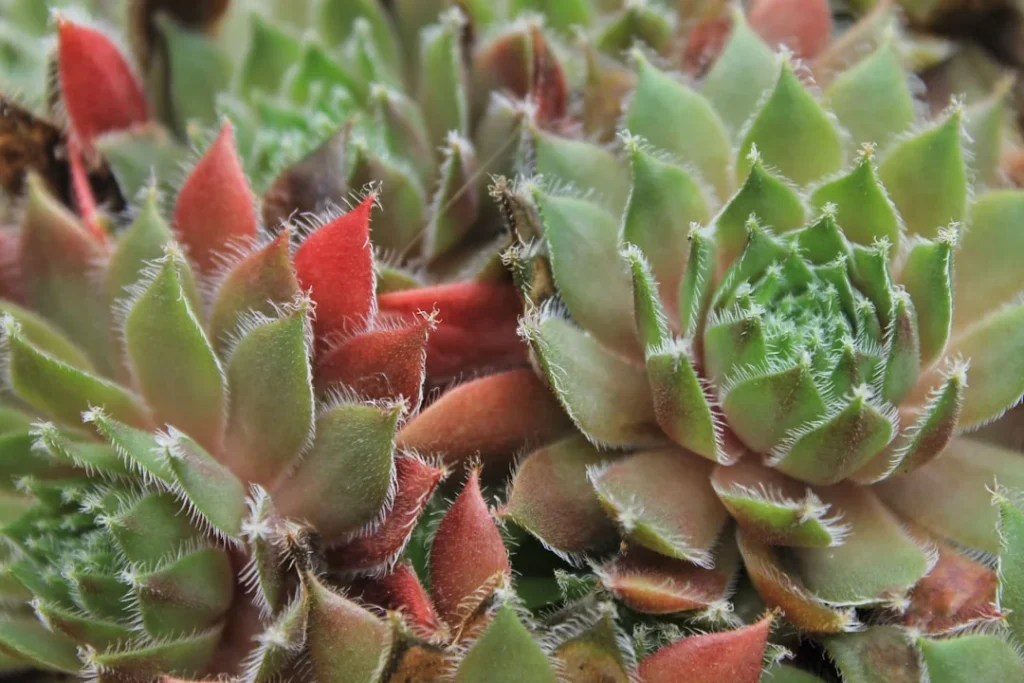
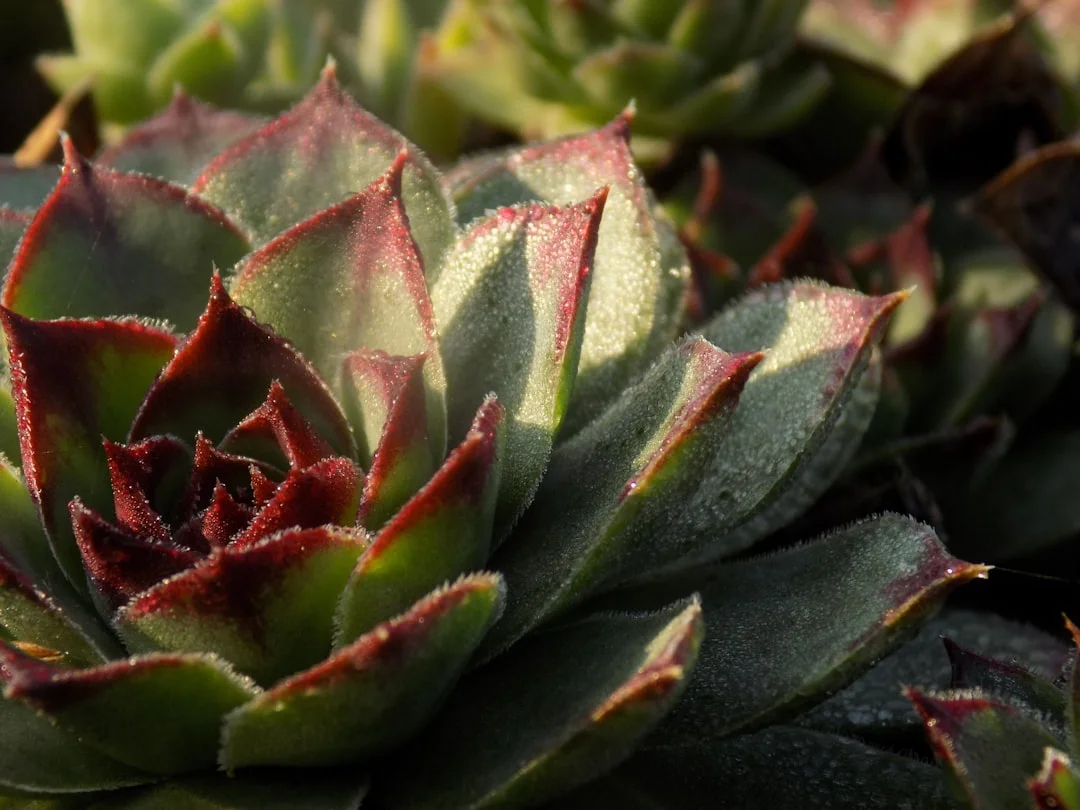
Before diving into hens and chicks succulent care specifics, it helps to understand the plant’s biology at a glance. Sempervivum tectorum is a monocarpic perennial that forms evergreen rosettes typically 5–15 cm (2–6 inches) in diameter, though some cultivars reach 20 cm (8 inches). The thick, fleshy leaves store water efficiently — a classic succulent adaptation. Leaf colours range from green and silver-grey to deep burgundy and near-black, depending on sun exposure and temperature. In fact, colder temperatures and bright light intensify the red and purple pigments (anthocyanins), giving the plant its most dramatic colouring. The RHS has awarded Sempervivum tectorum its prestigious Award of Garden Merit, confirming its outstanding performance in garden conditions across the UK and temperate Europe. It’s one of the few succulents that truly thrives outdoors year-round in USDA Hardiness Zones 3–8 and RHS Hardiness Rating H7 — meaning it can survive temperatures as low as -20°C (-4°F) without protection.
Growth Habit and Flowering
Sempervivum grows slowly during its first year but accelerates once established, spreading by offsets to form colonies 30–60 cm (12–24 inches) wide. Flowering occurs in summer (June–August in the Northern Hemisphere), when a central rosette sends up a tall, star-shaped flower stalk 15–30 cm (6–12 inches) high bearing pink, red, or purple star-shaped blooms. After flowering, that rosette dies — but surrounding chicks continue the colony. This monocarpic cycle is completely normal and nothing to worry about. For more tips, check out our detailed article on Echeveria care guide.
Hens and Chicks Succulent Care: Sunlight Requirements
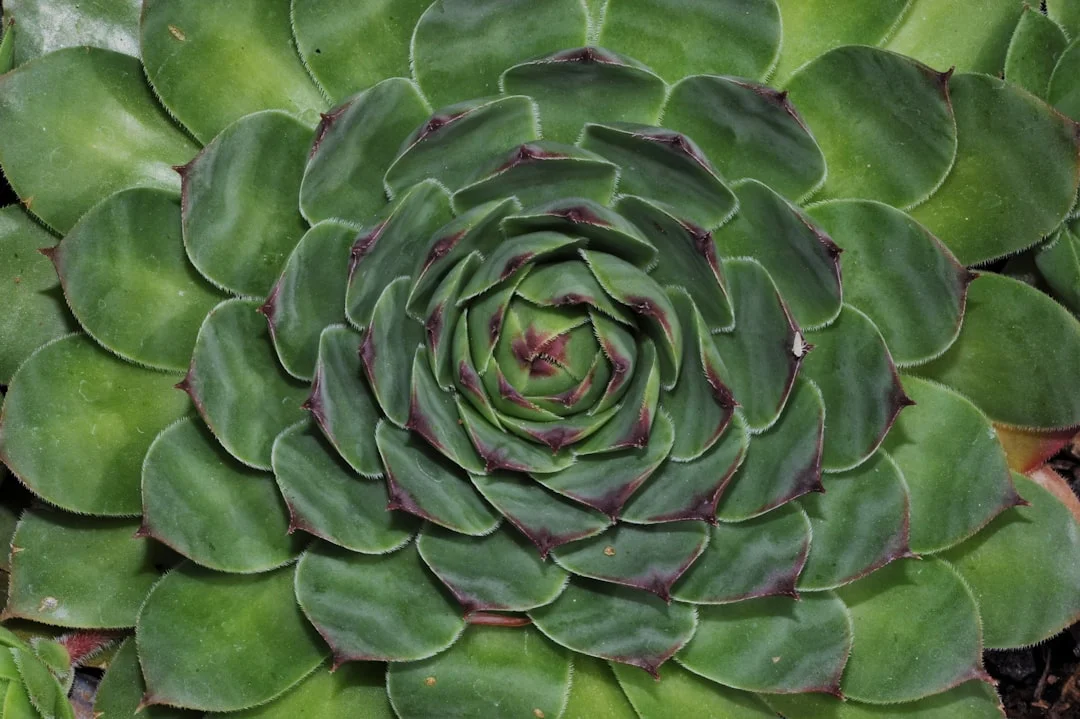
Sunlight is the single most important variable in hens and chicks succulent care. Get this right and almost everything else falls into place. Sempervivum tectorum thrives in full sun — ideally 6 hours or more of direct sunlight daily. In their native alpine habitats, these plants receive intense, high-altitude UV radiation for most of the day. However, there’s an important nuance that catches many growers off guard. In extremely hot, arid climates — think Dubai, Phoenix, or inland Australia — afternoon shade during the hottest months (typically 2 pm to 5 pm) actually helps prevent leaf scorch and bleaching. Morning sun is always beneficial; harsh mid-afternoon sun in climates above 40°C (104°F) can damage the outer leaves. In temperate climates like the UK, Pacific Northwest USA, or New Zealand’s South Island, you’ll want to maximise every hour of available sunshine, especially in winter. A south-facing windowsill or south-facing garden bed (north-facing in the Southern Hemisphere) is ideal. Many gardeners find that Sempervivum grown in too much shade becomes etiolated — stretched and pale — as it reaches for light. If your rosettes start elongating, move them to a sunnier spot immediately. For more tips, check out our detailed article on Echeveria care guide.
Can Hens and Chicks Grow Indoors?
Yes, but with an important caveat. Sempervivum can survive indoors, but it genuinely prefers outdoor conditions. If growing inside, place it on the brightest windowsill you have — ideally south- or west-facing. A grow light set to 12–14 hours daily makes a significant difference in low-light seasons. In my experience, indoor-grown Sempervivum tends to lose its vivid colouring and compact form without sufficient light. If you can, move pots outdoors during spring and summer for the best results.
Sunlight Across Different Climates
Gardeners in tropical regions (India, Southeast Asia, West Africa) should note that Sempervivum may struggle with heat above 38°C (100°F) combined with high humidity. In these zones, grow it in filtered light or on a shaded balcony with excellent air circulation. Meanwhile, gardeners in continental climates (Chicago, Moscow, Calgary) benefit from Sempervivum’s extraordinary cold tolerance — these plants can remain outdoors in containers even through harsh winters, as long as drainage is excellent to prevent freeze-thaw root damage.
Soil and Potting Mix for Sempervivum
Here’s the thing — drainage is everything for hens and chicks. This is where most indoor succulent growers go wrong. Sempervivum’s roots evolved in thin, gritty, low-nutrient mountain soils with exceptional drainage. They cannot tolerate sitting in wet, compacted, or clay-heavy soil for more than a few hours without risking root rot. The ideal growing medium is sharp, fast-draining, and low in organic matter. A standard commercial potting mix is far too water-retentive on its own and must be amended. The good news is that creating the right mix is straightforward and inexpensive anywhere in the world. Furthermore, getting the soil right from the start saves you from the heartache of rotting plants later. Think of it this way: your Sempervivum’s roots need to dry out between waterings — wet roots combined with poor drainage is the number one killer of this otherwise indestructible plant.
DIY Soil Mix Recipe
Combine 50% coarse horticultural grit or perlite with 50% standard potting compost. Alternatively, use a purpose-made cactus and succulent compost (available globally from brands like Miracle-Gro, Westland, or Lechuza) and add 30–40% extra perlite or coarse sand. Avoid fine builder’s sand — it compacts too readily. For container growing, always use pots with drainage holes. Terracotta pots are ideal because they allow moisture to evaporate through their walls, further improving drainage. In wet climates like the UK or Pacific Northwest, a layer of grit on the soil surface also helps keep the base of the rosette dry.
Ground Planting Soil Preparation
If planting directly in garden beds, dig in generous quantities of horticultural grit or coarse sand to improve drainage — at least 30% by volume of the backfill. Raised beds and rock gardens work particularly well. In clay-heavy soils (common across much of the UK and US Midwest), raised beds or mounded planting sites are strongly recommended. The USDA Plant Database notes Sempervivum tectorum’s natural preference for well-drained, rocky soils with a pH of 6.0–7.5, which should guide your soil preparation.
Watering: The Most Misunderstood Part of Hens and Chicks Succulent Care
The internet tells you to water succulents sparingly. Experienced gardeners know the real answer is more nuanced — it’s not just about frequency, it’s about the complete wet-to-dry cycle. Proper hens and chicks succulent care means watering deeply and then allowing the soil to dry completely before watering again. This ‘soak and dry’ method mimics the natural rainfall patterns of alpine environments, where heavy rain is followed by days or weeks of dry conditions. How often you water depends entirely on your climate, season, and pot type. In a hot, dry summer in Southern California or central Spain, you might water every 7–10 days. In a cool, cloudy UK summer, every 14–21 days may be sufficient. In winter dormancy (more on this in the seasonal care section), many established outdoor plants need no supplemental watering at all — natural rainfall is enough. Have you ever noticed your Sempervivum’s outer leaves drying up and going papery? Before assuming drought, check the soil moisture 5 cm (2 inches) down. Overwatering is the far more common problem.
Watering by Climate Zone
Tropical and subtropical growers (India, Southeast Asia, Caribbean): Water every 10–14 days in dry season; reduce significantly during monsoon or rainy season when natural rainfall may be sufficient. Ensure pots drain freely — standing water in monsoon conditions causes rapid root rot. Temperate climates (UK, northern Europe, New Zealand): Water every 14–21 days in summer; allow natural rainfall to provide winter moisture for outdoor plants. Arid and Mediterranean climates (California, South Africa, Middle East): Water every 7–14 days in dry summer; dramatically reduce in cool wet winters. Cold continental climates (Canada, northern US, Russia): Water moderately in the growing season (April–September); stop watering container plants before the first hard frost.
Signs of Overwatering vs. Underwatering
Overwatering symptoms: soft, mushy, translucent leaves, especially at the centre of the rosette; brown or black stem base; foul smell from soil. Underwatering symptoms: shrivelled, wrinkled leaves that feel thin rather than plump; dry soil pulling away from pot edges. The important distinction is this — with succulents, overwatering kills far faster than underwatering. A shrivelled Sempervivum can usually recover within days of a good watering. A rotted one cannot be saved as easily.
Feeding and Fertilizing Sempervivum
Here’s a counterintuitive truth about hens and chicks succulent care: less fertilizer is almost always better. Sempervivum evolved in nutrient-poor alpine soils and actually prefers lean conditions. Overfeeding produces lush, soft growth that’s more susceptible to pests, disease, and frost damage — the opposite of what you want. That said, a light, well-timed feed can support healthy growth and vibrant colouring, especially in containers where nutrients deplete faster than in open ground. In my experience, container-grown plants benefit most from feeding, while ground-planted specimens rarely need any supplemental nutrition at all if planted in reasonable quality soil. Feed once in spring (March–April in the Northern Hemisphere) and once in early summer (June). Use a balanced, low-nitrogen liquid fertilizer — something like a 5-10-10 or purpose-made succulent feed — diluted to half the recommended strength. Importantly, never feed in autumn or winter, as this stimulates soft growth that won’t survive cold temperatures. Avoid high-nitrogen fertilizers entirely; they promote leafy, weak growth at the expense of the compact, colourful rosettes that make Sempervivum so attractive.
Organic Feeding Options
Globally available organic options include diluted worm castings tea, diluted seaweed extract (such as Seasol in Australia or Maxicrop in the UK), or a light top-dressing of well-rotted compost in spring. These provide gentle, slow-release nutrients without the risk of over-stimulating growth. In India and South Asia, diluted cow dung slurry (used in traditional horticulture for centuries) applied once in spring works as an effective, low-cost alternative. Similarly, diluted banana peel water provides a gentle potassium boost that supports root development and stress tolerance.
How to Propagate Hens and Chicks
Propagation is one of the most satisfying parts of growing Sempervivum — and it’s almost foolproof. The plant does most of the work for you. Each ‘hen’ naturally produces offsets (chicks) on short stolons throughout the growing season. Once these chicks are roughly one-third the size of the mother plant and have visible roots of their own, they’re ready to be separated and replanted. This is best done in spring or early summer when the plant is in active growth. However, in warmer climates where Sempervivum grows year-round, propagation can happen at almost any time. A single established hen can produce 4–12 chicks per season depending on the cultivar and growing conditions, which means one plant can become a colony of dozens within just two or three growing seasons. Furthermore, the chicks are genetically identical to the mother, so you preserve all the characteristics you love — the colour, form, and vigour.
Step-by-Step Offset Propagation
First, identify a chick that has developed its own small root system — gently tug it; it should have slight resistance. Next, use clean scissors or a knife to cut the stolon as close to the chick as possible, leaving a small stub. Then allow the cut end to callous over in a dry, shaded spot for 24–48 hours — this critical step prevents rotting when planted. After that, place the chick on top of (not buried in) a prepared gritty succulent mix, pressing it lightly into the surface. Finally, mist lightly every 2–3 days for the first two weeks until new roots anchor the plant. Avoid full watering until you feel resistance when gently tugging — this indicates roots have established.
Propagation from Seed
Sempervivum can also be grown from seed, though it’s slower and less commonly practiced. Sow seeds on the surface of a gritty, moist seed compost in spring. Do not cover — they need light to germinate. Keep at 15–20°C (59–68°F) and expect germination in 2–4 weeks. Seedlings are tiny and slow-growing in the first year; patience is essential. Note that cultivar characteristics may not come true from seed, so offset propagation is preferred for named varieties.
Seasonal Care Throughout the Year
One of the reasons hens and chicks succulent care is so globally adaptable is Sempervivum’s built-in seasonal intelligence. The plant naturally slows down in winter, rests briefly in dormancy, then surges back to life in spring with new growth and vivid colouring. Understanding this cycle — and working with it rather than against it — is the key to long-term success. In June (the current month), Northern Hemisphere growers are in peak growing season: plants are actively spreading, producing offsets, and some may already be flowering. This is the best time to propagate, repot if needed, and enjoy the plant’s most dramatic colours. Southern Hemisphere growers in June are entering winter rest — now is the time to ease off watering and hold off on feeding entirely.
Spring Care (March–May, Northern Hemisphere)
Spring is the most important season for Sempervivum. As temperatures rise above 5°C (41°F), the plant wakes from dormancy. Remove any dead outer leaves from winter. Apply one light feed of diluted balanced fertilizer. This is the best time to repot, divide colonies, and replant chicks. Check drainage in containers — winter rain may have compacted the top layer of grit.
Summer Care (June–August, Northern Hemisphere)
Summer is the active growing and flowering season. In hot climates above 35°C (95°F), provide afternoon shade and reduce watering slightly to prevent stress. Watch for flowering rosettes — enjoy the blooms, then remove the spent flower stalk once the rosette dies. Propagate offsets freely. Water using the soak-and-dry method, checking soil moisture before each watering.
Autumn and Winter Care
As temperatures drop below 10°C (50°F), growth slows significantly. Stop feeding completely in September. Reduce watering for container plants. Outdoor ground-planted specimens need no special winter protection in Zones 3–8 — they’re cold-hardy by nature. In Zone 9 and warmer (Southern California, Mediterranean coastlines), winter is actually the active growing season for Sempervivum, so maintain normal watering and even light feeding through the cooler months. For tropical growers keeping Sempervivum in containers, move pots to a cool but frost-free spot (a garage, covered terrace, or cool room) if temperatures drop near freezing.
Common Problems and How to Fix Them
Even the toughest plants have their vulnerabilities. Understanding the most common issues in hens and chicks succulent care helps you act fast before a small problem becomes a plant-killer. The good news is that most problems are preventable with correct soil, drainage, and watering habits. In my experience, the vast majority of Sempervivum deaths trace back to a single cause: water sitting too long around the roots or base of the rosette. Once you solve the drainage puzzle, you eliminate roughly 80% of the problems listed below. That said, pests and fungal issues can still arise, especially in humid climates or crowded plantings.
Root Rot
Root rot is caused by consistently waterlogged soil — usually a combination of overwatering and poor drainage. Symptoms include a mushy, dark-coloured base and collapsing rosette. To fix: unpot the plant, cut away all rotten roots and stem tissue with a sterile knife, dust the cuts with powdered cinnamon (a natural antifungal), allow to dry for 48 hours, then replant in fresh, dry, gritty mix. Hold off watering for one week. Prevention is always easier than cure — always use well-draining soil and pots with drainage holes.
Pests: Vine Weevil, Aphids, and Mealybugs
Vine weevil grubs (common in UK and European gardens) attack roots, causing plants to suddenly collapse. If a rosette lifts out of the soil without resistance, check for white C-shaped grubs. Treat with nematode biological control (widely available in the UK and Europe) or imidacloprid-based soil drenches. Aphids and mealybugs occasionally attack flowering stalks and young offsets. Treat with insecticidal soap spray, neem oil solution, or a cotton swab dipped in rubbing alcohol for small infestations. In humid climates, ensure good air circulation between plants to reduce pest pressure.
Etiolation and Colour Loss
If your Sempervivum stretches upward and loses its compact rosette shape, it’s not getting enough light — a condition called etiolation. Similarly, if colours fade from deep burgundy to plain green, insufficient sunlight is usually the cause. Move the plant to a brighter location immediately. Unfortunately, already-stretched growth won’t revert, but new growth in better light will be compact and colourful. Outdoors, this is rarely a problem; indoors, it’s the most common issue by far.
Traditional and Ethnobotanical Uses
Sempervivum tectorum has a fascinating ethnobotanical history stretching back over two thousand years across Europe and parts of Asia. The Roman author Pliny the Elder described it in his ‘Naturalis Historia’ (77 AD) as a plant that, when placed on rooftops, protected homes from lightning and fire — a belief so widespread that Emperor Charlemagne reportedly decreed that every home in his empire should grow Sempervivum on its roof. This is directly reflected in the species name ‘tectorum’ (of the rooftops). In traditional European folk medicine, the fresh leaves were split open and the cool, gel-like sap applied topically to burns, insect stings, sunburn, and skin inflammations — an application remarkably similar to the modern use of Aloe vera. According to ethnobotanical records held by Kew Gardens, Sempervivum leaf sap was used in rural France, Austria, and Hungary as a soothing remedy for earaches, warts, and corns well into the 20th century. It’s important to note, however, that these are traditional uses: Sempervivum is not classified as a medicinal herb by WHO, and scientific clinical trials supporting its internal or external medicinal use are limited. Always consult a qualified healthcare provider before using any plant medicinally.
Sempervivum in Modern Landscape Design
Beyond folk tradition, Sempervivum has found a modern purpose in green roof design — a full-circle return to its rooftop heritage. Landscape architects in Scandinavia, Germany, the UK, and North America use Sempervivum extensively in sedum-and-succulent green roof systems because of its drought tolerance, shallow root system, and year-round visual interest. A 2019 report from the German Institute for Building Biology noted that Sempervivum-based green roofs provide measurable urban heat island reduction and support pollinators during flowering season. It’s both beautiful and ecologically functional.
Growing Hens and Chicks in Different Climates
One of the most remarkable things about hens and chicks succulent care is how adaptable the plant truly is — but ‘adaptable’ doesn’t mean ‘the same everywhere.’ Each climate zone requires specific adjustments. Understanding these differences is what separates thriving colonies from struggling plants. Let’s walk through the major climate scenarios that readers on theleafycare.com are likely growing in, from tropical Asia to the cold prairies of North America.
Tropical and Subtropical Climates (Southeast Asia, South Asia, Caribbean)
Sempervivum is challenging (though not impossible) in true tropical climates with year-round heat and humidity above 30°C (86°F). The main issues are heat stress and fungal problems from high humidity. Grow in containers for easy management. Use extra-gritty, open soil mix. Provide afternoon shade from 12 pm onwards. Ensure maximum air circulation. Choose a cool, dry season to establish new plants. Many gardeners in Mumbai, Singapore, and Bangkok keep Sempervivum successfully on shaded balconies and cool indoor spaces — treating it more like a cool-season plant that gets a summer rest.
Temperate Climates (UK, Northern Europe, Pacific Northwest USA, New Zealand)
Temperate climates are where Sempervivum genuinely shines. It’s fully hardy outdoors year-round, thrives in rock gardens and containers, and shows its most vivid winter colouring in cool, bright conditions. The only concern is waterlogging in heavy, wet soils during the UK’s wet winters — excellent drainage remains essential. The RHS recommends planting in raised beds or gravel gardens in the UK for best results. USDA Zones 5–8 (most of the UK, Ireland, and the Pacific Northwest) are ideal.
Arid and Mediterranean Climates (California, Spain, South Africa, Middle East)
In Mediterranean climates with hot, dry summers and mild, wet winters, Sempervivum thrives with minimal intervention. Summer heat above 38°C (100°F) warrants afternoon shade and reduced watering. Winter rainfall usually provides adequate moisture for ground-planted specimens. In arid climates (Dubai, Riyadh, Phoenix), growing in containers with shade cloth during summer months and bringing plants indoors to air conditioning during peak heat is the most successful strategy. Furthermore, choosing compact, heat-tolerant cultivars like ‘Pacific Plum’ or ‘Commander Hay’ improves heat resilience significantly.
Frequently Asked Questions
How often should I water hens and chicks succulents?
Water hens and chicks using the 'soak and dry' method — water deeply, then allow the soil to dry out completely before watering again. In warm, sunny climates (Southern California, Mediterranean Europe, South Africa), this typically means every 7–10 days in summer. In cooler, cloudier climates (UK, Pacific Northwest), every 14–21 days is usually sufficient. In winter, outdoor ground-planted specimens need little to no supplemental water. Always check the soil 5 cm (2 inches) down before watering — if it's still damp, wait. Overwatering is the leading cause of hens and chicks succulent care failure.
Can I grow hens and chicks indoors in a cold climate?
Yes, though Sempervivum strongly prefers outdoor conditions. In cold climates like Canada, Scandinavia, or the northern US, it's actually hardy enough to stay outdoors year-round — it tolerates temperatures as low as -30°C (-22°F). If growing indoors, place it on your brightest, sunniest windowsill (south-facing is ideal) or use a grow light for 12–14 hours daily. Indoors, plants often lose their compact form and vivid colour without sufficient light. Moving pots outside in spring and summer significantly improves results.
Is the hens and chicks succulent safe for pets and children?
Good news — Sempervivum tectorum is considered non-toxic to cats, dogs, and humans according to ASPCA guidelines. It's a genuinely pet-safe succulent, unlike many others in the Crassulaceae family. That said, as with any plant, ingestion in large quantities may cause mild stomach upset. Keep out of reach of very young children out of general caution. Always wash hands after handling plants, and consult a veterinarian immediately if your pet shows unusual symptoms after contact.
Why is my hens and chicks succulent dying after flowering?
This is completely normal and nothing to worry about. Sempervivum is monocarpic — each individual rosette (the 'hen') flowers once in its lifetime, then dies. The flowering rosette sends up a tall stalk with star-shaped blooms, sets seed, then fades. However, it produces a ring of 'chicks' (offsets) before dying, so the colony continues. Simply remove the dead rosette once it has fully dried, and the surrounding chicks will fill the gap. This natural cycle is a hallmark of hens and chicks succulent care, not a sign that you've done anything wrong.
How do I grow hens and chicks in containers or pots?
Container growing works beautifully for Sempervivum. Choose a wide, shallow pot with drainage holes — terracotta is ideal because it allows moisture to evaporate through the walls. Fill with a gritty succulent mix (50% perlite, 50% potting compost, or a ready-made cactus mix with added grit). Space rosettes 8–10 cm (3–4 inches) apart to allow for offset spread. Water using the soak-and-dry method. Feed lightly once in spring. Containers are especially useful in tropical or very wet climates where you need precise control over drainage and sun exposure.
What is the best soil for hens and chicks?
Hens and chicks succulent care depends heavily on fast-draining, low-nutrient soil. The ideal mix is 50% coarse horticultural grit or perlite with 50% standard potting compost. Ready-made cactus and succulent compost (amended with extra perlite) also works well. Avoid standard potting mixes used alone — they retain too much moisture. Never use heavy clay soil without significant amendment. Soil pH should sit between 6.0 and 7.5. For garden beds, incorporate generous quantities of grit or coarse sand into the planting area before planting.
Can hens and chicks survive a tropical or very hot climate?
Sempervivum can be grown in tropical and subtropical climates with careful management, though it's not its preferred environment. Grow in containers for full control. Use a very open, gritty mix and ensure pots drain freely. Provide afternoon shade to protect from temperatures above 38°C (100°F). Grow in the coolest, driest season available. In cities like Mumbai, Singapore, or Bangkok, many gardeners successfully keep Sempervivum on shaded, well-ventilated balconies. High humidity combined with heat is the main challenge — excellent air circulation is essential to prevent fungal problems.
How long does it take for hens and chicks offsets to root?
After separating a chick from the mother plant, allow the cut end to callous for 24–48 hours in a dry, shaded spot. Then place the offset on the surface of a gritty potting mix and mist lightly every 2–3 days. Roots typically establish within 2–4 weeks in spring or summer conditions. You'll know rooting has occurred when you feel slight resistance if you gently tug the plant. After rooting, transition to normal hens and chicks succulent care watering — deep watering followed by complete drying between sessions.
Final Thoughts
Sempervivum tectorum is one of those rare plants that rewards you generously the more you leave it alone. The core principles of hens and chicks succulent care are simple: give it full sun, fast-draining gritty soil, water deeply and infrequently, feed lightly twice a year, and trust the plant’s extraordinary survival instincts. Whether you’re growing it on a rooftop in Bristol, a balcony in Singapore, a rock garden in British Columbia, or a terrace in Cape Town, the fundamentals don’t change — only the details of how often you water and whether you need to provide shade. The one thing I want you to take away from this guide is this: drainage is non-negotiable. Solve the drainage puzzle, and you’ll join the long line of gardeners across two millennia who’ve found this plant to be one of the most satisfying and nearly indestructible they’ve ever grown. Start with a single hen. Within two seasons, you’ll have enough chicks to share with every gardener you know.

