
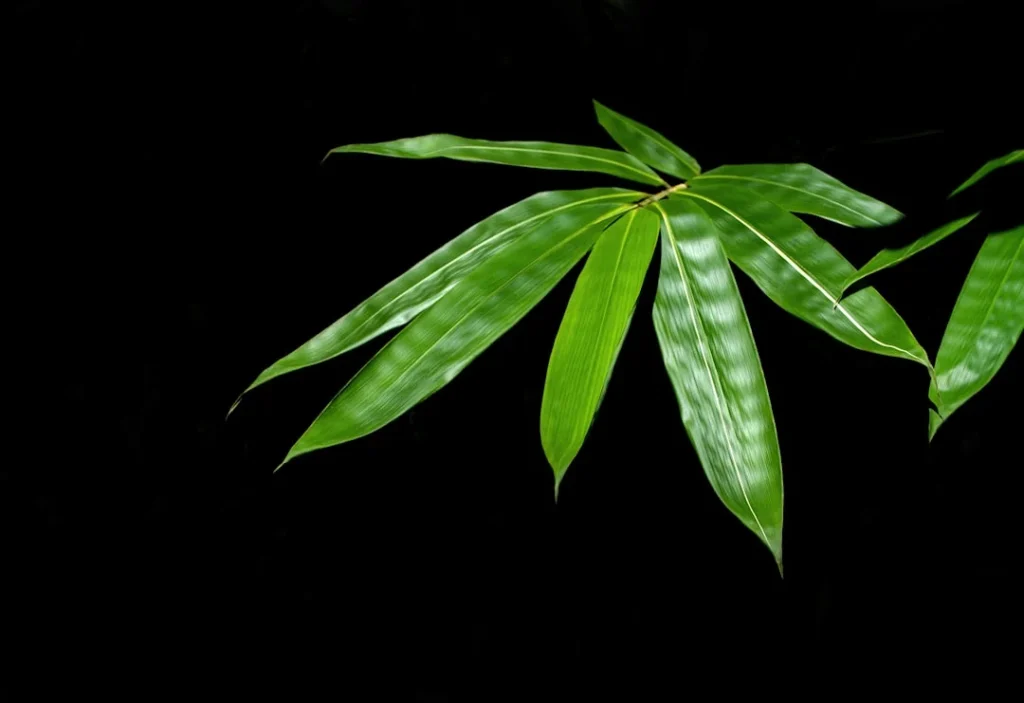
⏱ 25 min read
Table of Contents
- What Is Lucky Bamboo?
- Lucky Bamboo Vastu Benefits Explained
- Stalk Numbers and Their Meanings
- How to Grow Lucky Bamboo
- Soil, Water and Fertilizer Needs
- Light and Temperature Requirements
- Common Problems and Fixes
- How to Propagate Lucky Bamboo
- Seasonal Care Through the Year
- Uses, Symbolism and Safety
- Frequently Asked Questions
A reader in Pune once told me her family fortunes seemed to shift the week she placed a three-stalk plant on her office desk. Coincidence? Maybe. But the lucky bamboo vastu benefits she described have fascinated people across continents for centuries. Lucky Bamboo (Dracaena sanderiana) isn’t actually bamboo at all — it’s a tropical water plant from Central Africa, prized in Feng Shui and Vastu Shastra alike. So what makes it special? The lucky bamboo vastu benefits link directly to where you place it, how many stalks it has, and the direction it faces. Here’s the surprising part: this plant thrives in plain water, needs almost no soil, and survives in low light that would kill most houseplants. In this guide, you’ll learn exactly how to grow it, where to position it for maximum good energy, and why your past attempts may have failed. By the end, you’ll know one placement secret that most owners never discover. If you enjoy growing this plant, you might also find our guide on Areca Palm Benefits Indoors very useful.
Quick Highlights
- Unlock the meaning behind stalk numbers and their vastu significance
- Position your plant correctly to attract wealth and harmony
- Grow healthy stalks in water or soil with simple steps
- Avoid the three mistakes that turn leaves yellow
- Discover why the southeast corner matters most
- Keep your plant thriving year-round in any climate
Plant Characteristics at a Glance
| Common Name | Lucky Bamboo (also Friendship Bamboo, Ribbon Plant) |
| Scientific Name | Dracaena sanderiana |
| Family | Asparagaceae |
| Origin | Central Africa (mainly Cameroon) |
| Habitat | Shady, humid tropical rainforest near streams |
| Plant Type | Evergreen perennial; grows in water or soil |
| Indoor Plant | Yes — ideal indoor houseplant |
| Outdoor Plant | Only in frost-free tropical zones, in shade |
| Leaves | Long, narrow, glossy green strap-like leaves |
| Flowers | Rare indoors; small, fragrant white blooms in the wild |
| Flowering Season | Very rarely flowers in cultivation |
| Fruit | Small orange-red berries (rare in cultivation) |
| Seeds | Rarely produced indoors; propagated by cuttings |
| Roots | Reddish-orange fleshy roots, healthy when bright |
| Height | Up to 1.5 m (5 ft) indoors; usually kept much shorter |
| Growth Rate | Moderate; faster in warm, bright conditions |
| Light Requirements | Bright, indirect light; no direct sun |
| Soil Requirements | Well-draining mix, pH 6.0–6.5; or pebbles in water |
| Water Requirements | Chlorine-free water; change weekly if water-grown |
| Temperature Requirements | 18–32°C (65–90°F); avoid below 12°C (54°F) |
| Humidity Requirements | Moderate to high; mist in dry indoor air |
| Propagation | Stem cuttings rooted in water |
| Uses | Ornamental, gifting, Feng Shui and Vastu décor |
| Medicinal Properties | None proven; purely ornamental and symbolic |
| Toxicity | Toxic to cats and dogs (saponins); mild to humans |
| Cultural Significance | Symbol of luck, prosperity in Feng Shui and Vastu |
| Common Pests | Mealybugs, spider mites |
| Common Diseases | Root rot, stem rot, algae buildup |
| Special Care Tips | Use filtered water; rotate weekly; replace stale water |
| Cultural Practices | Gifted in odd-numbered stalks; avoid four stalks |
| Vastu Direction | Southeast (wealth) and East (health/family) |
Lucky bamboo vastu benefits Names in Different Languages
| English | Lucky Bamboo |
| Mandarin Chinese | 富贵竹 (Fùguì zhú) |
| Spanish | Bambú de la suerte |
| Hindi | लकी बैंबू |
| Gujarati | લકી બામ્બૂ |
| Arabic | خيزران الحظ (Khaizurān al-haẓẓ) |
| Bengali | লাকি ব্যাম্বু |
| Portuguese | Bambu da sorte |
| Russian | Бамбук счастья (Bambuk schastya) |
| Japanese | ミリオンバンブー (Mirion banbū) |
| Punjabi | ਲੱਕੀ ਬਾਂਬੂ |
| German | Glücksbambus |
| Javanese | Bambu hoki |
| Korean | 행운의 대나무 (Haengun-ui daenamu) |
| French | Bambou de la chance |
| Telugu | లక్కీ బ్యాంబూ |
| Marathi | लकी बांबू |
| Tamil | லக்கி மூங்கில் |
| Urdu | لکی بانس |
| Turkish | Şans bambusu |
| Vietnamese | Trúc phú quý |
What Is Lucky Bamboo?
Here’s the thing most people get wrong from day one. Lucky Bamboo looks like bamboo, but it isn’t. It’s actually Dracaena sanderiana, a member of the asparagus family (Asparagaceae), and a close cousin of the corn plant you might already own. The confusion comes from its hollow, jointed stems that mimic true bamboo canes. For more tips, check out our detailed article on Fiddle Leaf Fig Care Tips.
This plant comes from the tropical rainforests of Central Africa, mainly Cameroon. In the wild, it grows in shady, humid spots near streams. That tells you a lot about how to keep it happy at home — it loves indirect light and steady moisture.
The modern craze, however, started in Asia. Feng Shui masters in China popularised twisted, curled stalks as symbols of good fortune. From there, Vastu Shastra practitioners in India embraced it too. According to Kew Gardens botanical records, the species was named after Henry Sander, a famous orchid grower in the 1800s.
In my experience, beginners love this plant because it’s nearly impossible to kill. It survives in a glass of water on a windowsill. But surviving and thriving are two different things — and the difference is where the real magic happens. Up next, let’s explore why this humble plant carries such powerful meaning.
Bamboo or Not? Clearing Up the Confusion
True bamboo belongs to the grass family (Poaceae). Lucky Bamboo doesn’t. So why the name? Marketers in the 1990s borrowed bamboo’s reputation for strength and resilience. The label stuck. In fact, you’ll often see it sold as ‘Friendship Bamboo’ or ‘Ribbon Plant’ in Western shops. Knowing the real identity matters because care advice for true bamboo won’t work here. Real bamboo needs rich soil and full sun. Lucky Bamboo wants water and shade. Treat it like the Dracaena it really is, and you’ll avoid the most common beginner mistakes. If you enjoy growing this plant, you might also find our guide on Monstera Plant Care India very useful.
Lucky Bamboo Vastu Benefits Explained
Let’s get to the heart of it. The lucky bamboo vastu benefits come from the way it combines all five natural elements in one small plant. Wood is the stalk. Water feeds the roots. Earth supports it through pebbles. The red ribbon often tied around it represents Fire. And a coin or metal container brings Metal. Vastu Shastra teaches that balancing these five elements invites harmony into your home. If you enjoy growing this plant, you might also find our guide on Variegated Monstera Price India 2026 very useful.
Many families place it to attract wealth, health, and peaceful relationships. The plant’s upward growth symbolises rising prosperity and steady progress.
Importantly, placement decides everything. The most powerful lucky bamboo vastu benefits appear when you set it in the southeast corner — the zone linked to money and abundance. The east is best for health and family bonds. Many gardeners who grow this plant also love to read about Philodendron Plant Care.
Here’s a fact many owners never learn: a dying or yellowing plant is believed to absorb negative energy. So replacing a sickly stalk quickly is part of the tradition, not just good gardening. While science can’t measure ‘good energy’, studies do show that indoor plants reduce stress. A 2015 study in the Journal of Physiological Anthropology found that caring for plants lowered blood pressure. That’s a benefit anyone can appreciate. But the number of stalks changes the meaning entirely — and that’s where it gets interesting.
Best Vastu Placement Directions
First, the southeast corner. This zone rules wealth in Vastu, so a plant here is said to boost finances. Next, the east — perfect for a living room, as it supports family health and unity. Avoid the south and southwest, which are linked to fire and earth energies that clash with this water-loving plant. For desks, place it on the left side as you sit, since the left relates to the wood element. A quick tip here: keep the plant clean and dust-free, because Vastu teaches that healthy, vibrant plants amplify positive lucky bamboo vastu benefits far more than neglected ones.
Stalk Numbers and Their Meanings
This surprises almost everyone. The number of stalks completely changes the symbolism. It’s the single biggest factor in choosing your plant, yet most buyers grab whatever looks nice.
In both Feng Shui and Vastu, each number carries meaning. Some bring luck. One number is actively avoided. So before you buy or gift one, it pays to know the code.
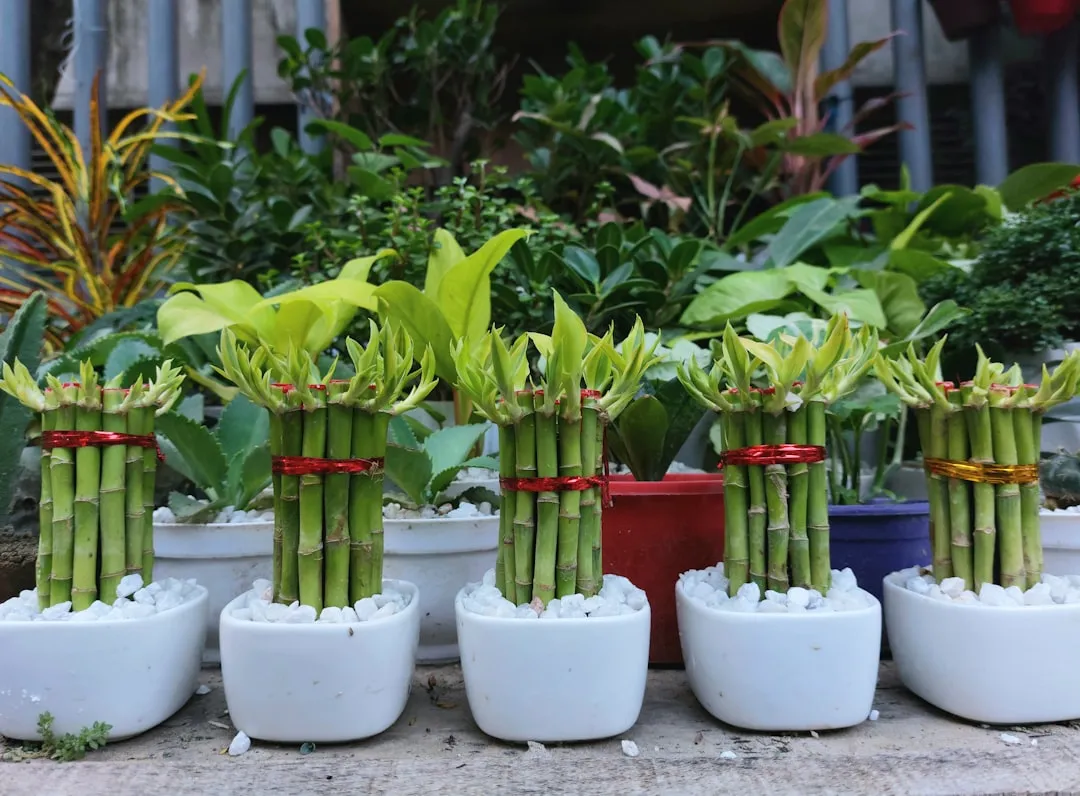
The lucky bamboo vastu benefits tied to stalk count are surprisingly specific. Two stalks represent love and marriage. Three bring happiness, wealth, and long life — the most popular gift. Five attract all-round abundance across health, wealth, and emotions. Eight symbolise growth and fertility, while nine are thought to bring great fortune.
But here’s the warning. Four stalks are avoided. In Chinese, the word for ‘four’ sounds almost identical to the word for ‘death’. So a four-stalk gift is considered deeply unlucky. Never give one as a present.
Furthermore, larger arrangements have grand meanings. Twenty-one stalks represent a powerful all-purpose blessing. Now that you know what to look for, let’s get your plant growing the right way.
Quick Stalk Number Guide
Here’s a simple breakdown you can save. One stalk: simplicity and steady life. Two stalks: love and partnership. Three stalks: happiness, wealth, longevity. Five stalks: balance and overall prosperity. Six stalks: good luck and smooth finances. Seven stalks: good health. Eight stalks: growth and fertility. Nine stalks: great fortune. Ten stalks: completeness. Twenty-one stalks: a powerful blessing for the whole home. Remember the golden rule — skip four stalks entirely. While the differences may seem like folklore, they shape how people gift and display the plant worldwide, from Singapore offices to London living rooms.
How to Grow Lucky Bamboo
Growing this plant is genuinely easy — that’s part of its global charm. You can grow it in water or soil, and both work well. Most people start with water because it looks elegant in a clear glass vase.
First, choose a container at least 5 cm (2 inches) deep. Next, add a layer of clean pebbles or glass marbles to hold the stalks upright. Then position your stalks and pour in water until the roots are covered by about 3 cm (1 inch).
Here’s where many gardeners go wrong. Tap water often contains chlorine and fluoride, which scorch the leaf tips brown. So use filtered, distilled, or rainwater instead. If you only have tap water, let it sit out overnight so the chlorine evaporates.
Whether you’re growing in a tropical garden in Chennai or a cool flat in Manchester, the steps stay the same. The RHS recommends bright, indirect light for healthy Dracaena growth.
That said, soil-grown plants tend to live longer and grow stronger. We’ll cover that choice in detail next.
Step-by-Step Setup in Water
First, rinse your pebbles to remove dust. Second, arrange them in a clean vase. Third, trim any dead roots with sterilised scissors. Fourth, position the stalks among the pebbles so they stand firm. Fifth, fill with chlorine-free water, covering the roots but never the stalks fully. Finally, place the vase in indirect light away from heating vents or direct sun. Change the water every 7 to 10 days to keep it fresh and clear. Once you see new white roots forming within a few weeks, you’ll know your setup is working perfectly.
Soil, Water and Fertilizer Needs
Let’s talk about the foundation. Whether you choose water or soil shapes everything else about your care routine.
For water growing, freshness is king. Change the water every week. Stagnant water grows algae and breeds odour. In hot climates like the Gulf states or northern Australia, you may need to refresh it more often as evaporation speeds up.
For soil growing, pick a well-draining potting mix. A blend of regular potting soil with a handful of perlite or coco coir works beautifully. The soil should stay lightly moist but never soggy, because soggy roots rot fast. Aim for a pH around 6.0 to 6.5, which is slightly acidic.
Feeding is simple — and easy to overdo. This is where most people go wrong. Lucky Bamboo barely needs any food. Use a liquid houseplant fertiliser diluted to one-tenth of the recommended strength, once every two months at most. For water-grown plants, a single drop in the vase is plenty.
Furthermore, too much fertiliser turns leaves yellow and burns roots. When in doubt, feed less. The plant’s natural toughness means it gets most of what it needs from clean water alone.
Water vs Soil: Which Is Better?
Both methods work, so it comes down to your lifestyle. Water growing looks stunning and suits busy people who forget to water on a schedule — you simply top it up. However, water-grown plants stay smaller and live a shorter life. Soil growing demands a little more attention but rewards you with taller, sturdier, longer-lived stalks. If you want the plant for decades and stronger lucky bamboo vastu benefits through robust growth, soil is the smarter long-term choice. Many gardeners start in water for a year, then transplant to soil once a strong root system forms. That hybrid approach gives you the best of both worlds.
Light and Temperature Requirements
Get the light right and half your battle is won. This plant evolved under the rainforest canopy, so it craves bright but filtered light. Think of a spot a few feet from a sunny window, shielded by a sheer curtain.
Have you ever noticed your plant lean toward the window? That’s it stretching for light. Rotate the vase a quarter turn each week so it grows evenly.
Direct sunlight is the enemy. It scorches leaves and turns them yellow within days. On the other hand, too little light slows growth and fades the green colour. Pale, leggy stalks mean it needs more brightness.
Temperature-wise, it likes warmth. Aim for 18°C to 32°C (65°F to 90°F). It maps to USDA hardiness zones 10 to 11 and an RHS rating of H1B, meaning it can’t survive frost. Below 12°C (54°F), growth stalls and leaves may drop.
So gardeners in cold regions like Canada or northern Europe should keep it indoors year-round. Meanwhile, those in tropical zones like India, Singapore, or coastal Brazil can grow it almost anywhere shaded. Next, let’s tackle the problems that trip up so many owners.
Signs of Wrong Lighting
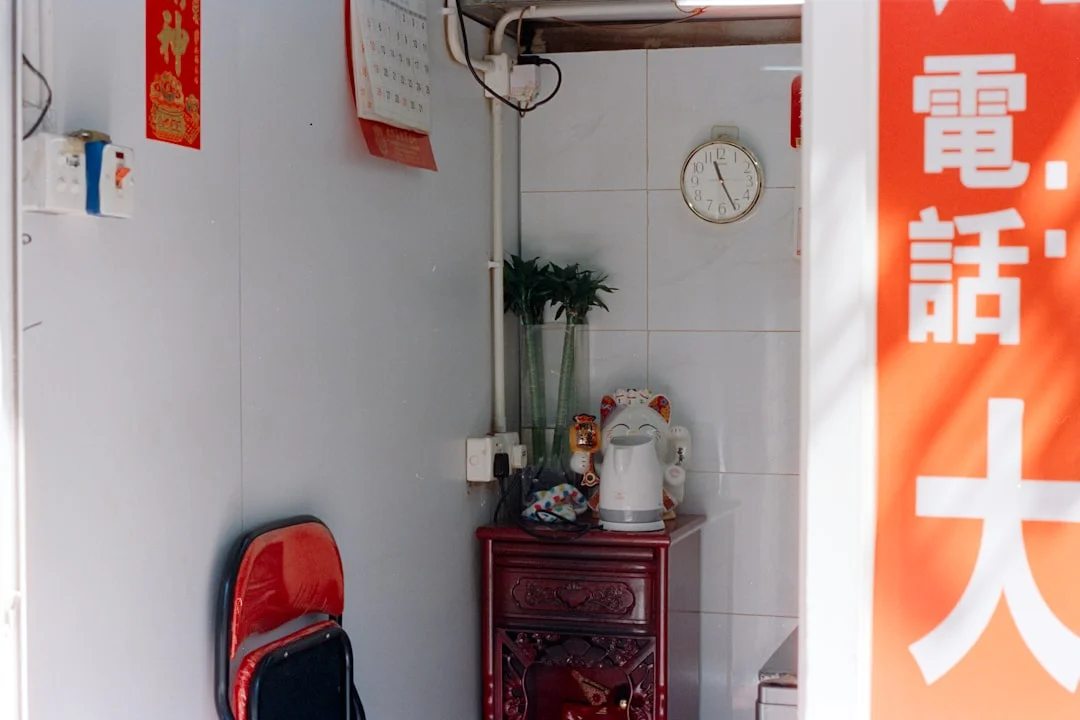
Yellow, crispy leaf edges usually scream too much direct sun — move it back from the window immediately. Faded, weak green colour with stretched-out stems points to too little light, so shift it closer to a bright spot. Brown leaf tips, however, often signal water quality issues rather than light. A healthy plant shows deep green leaves and steady, compact growth. In my experience, an east-facing window with a thin curtain produces the best results across most climates, from a Sydney sunroom to a Toronto kitchen counter. Watch your plant for a week and let it tell you what it needs.
Common Problems and Fixes
Even a plant this tough can struggle. The good news is that nearly every problem traces back to one of three causes: bad water, wrong light, or overfeeding. Spot the cause, fix it fast, and your plant bounces back.
Yellow stalks are the number one complaint. The cause? Usually chlorinated tap water or too much fertiliser. Switch to filtered water and stop feeding. Sadly, a fully yellow stalk rarely recovers, so cut it out to protect the rest.
Yellow leaves alone often mean too much sun or stale water. Move the plant and refresh the water. Brown leaf tips point to chemicals in the water or dry air.
Root rot smells foul and turns roots mushy and grey. Healthy roots are red or orange. If you spot rot, rinse the roots, trim the damaged parts, and start with fresh clean water.
Meanwhile, mushy black spots on stalks signal serious decay. Trim above the spot and reseal the cut with a dab of melted candle wax. As long as you act early, most plants recover beautifully.
Pests and Algae Control
Pests are rare but possible. Watch for mealybugs — tiny white cottony clusters — and spider mites, which leave fine webbing. Wipe them off with a cotton bud dipped in diluted neem oil, a natural remedy trusted in Ayurveda for centuries. Algae is the bigger nuisance for water-grown plants. That green slime in the vase comes from light hitting the water. Switch to an opaque or coloured container, change the water weekly, and keep it out of direct sun. A quick rinse of the pebbles every fortnight keeps things sparkling. Clean water equals a happy, healthy plant.
How to Propagate Lucky Bamboo
Want more plants for free? Propagation is wonderfully simple, and June is a great month to try it as the warm season speeds up rooting in the Northern Hemisphere.
This plant grows from stem cuttings, not seeds in home settings. So you snip a healthy section and root it in water. Within weeks, you’ll have a brand-new plant ready to share or gift.
First, pick a healthy stalk with at least one leaf joint, called a node. Next, use clean, sharp scissors to cut a section about 10 to 15 cm long, just below a node. Then remove the lower leaves so they won’t rot underwater.
After that, place the cutting in a glass of chlorine-free water. Keep it in bright, indirect light. Change the water every few days. White roots should appear within two to four weeks.
Finally, once roots reach 5 cm, transplant into pebbles and water or into soil. A homemade plant makes a heartfelt gift — and sharing the lucky bamboo vastu benefits with friends and family is part of the tradition itself.
Encouraging Bushier Growth
Here’s a trick few owners know. To make your plant fuller, cut just above a node on the main stalk. New shoots will sprout from that point, creating a bushier look. Seal the parent cut with candle wax to prevent rot and infection. Meanwhile, the piece you removed can be rooted as a new plant. So one trim gives you two plants and a fuller original. Do this in spring or early summer when growth is fastest. Patience pays off — new shoots can take several weeks to emerge, but the lush result is worth the wait.
Seasonal Care Through the Year
Although this plant looks the same all year, its needs shift slightly with the seasons. Adjusting your routine keeps it thriving no matter where you live.
In spring and summer, growth speeds up. So change the water more often, since warmth encourages algae. This is also the best time to propagate and feed lightly. In tropical regions like India during the monsoon, watch for higher humidity, which the plant actually loves.
In autumn and winter, growth slows right down. Stop fertilising completely. The plant rests, and feeding now does more harm than good. Importantly, keep it away from cold windowsills and heating radiators, both of which stress it. Dry winter air from central heating in the UK, US, or Canada can brown the leaf tips, so a light misting helps.
For readers in arid regions like Dubai or Arizona, summer evaporation is the main challenge — top up water often and keep the plant out of air-conditioning blasts. Across every season, steady care protects both the plant’s health and its lucky bamboo vastu benefits, because a thriving plant is believed to radiate the strongest positive energy.

Uses, Symbolism and Safety
Beyond its luck, this plant earns its place in homes worldwide. It’s a low-maintenance decorator’s dream, fitting offices, bathrooms, and bedside tables alike. Designers love it for adding a clean, sculptural touch.
Symbolically, it bridges cultures. In Feng Shui, it harmonises energy. In Vastu Shastra, it balances the five elements. The plant also makes a meaningful gift for housewarmings, weddings, and new businesses across Asia, Europe, and beyond.
Now for the important safety note. Lucky Bamboo is toxic to pets. According to the ASPCA, Dracaena species contain compounds called saponins, which can cause vomiting, drooling, and weakness in cats and dogs if eaten. So keep it out of reach of curious pets and small children. While not deadly in small amounts, it’s best to be cautious.
Unlike some plants in Ayurveda or TCM, true Lucky Bamboo isn’t used medicinally — that’s a common myth. Its value is ornamental and symbolic. Still, the proven mood-lifting effect of indoor greenery, backed by NIH research, means the lucky bamboo vastu benefits go hand in hand with real wellbeing.
Is It Safe Around Children and Pets?
Honestly, caution is wise. The leaves and stalks are mildly toxic if chewed, thanks to natural saponins. Symptoms in pets include drooling, vomiting, and loss of appetite. In children, eating leaves may cause stomach upset. So place your plant on a high shelf or in a room your pets don’t roam. The water in the vase can also harbour bacteria, so don’t let pets drink from it. That said, simply having the plant in your home poses no risk — the danger only comes from eating it. With sensible placement, you enjoy all the beauty and luck without worry.
Frequently Asked Questions
Got questions? You’re not alone. Below are the most common queries I hear from readers across India, the UK, the US, Australia, and Southeast Asia. These answers cover the practical and the symbolic, so you can grow your plant with total confidence.
Frequently Asked Questions
Can I grow Lucky Bamboo indoors in a cold climate?
Yes, absolutely. In cold regions like Canada, northern Europe, or the US Midwest, grow it as an indoor plant year-round. It can't survive frost and stops growing below 12°C (54°F). So keep it in a warm room between 18°C and 32°C (65°F to 90°F), away from cold windowsills and heating radiators. Bright, indirect light from an east-facing window works best. In winter, dry indoor heating can brown the leaf tips, so a light misting helps. With these simple steps, you'll enjoy the lucky bamboo vastu benefits even through the coldest months.
Is Lucky Bamboo safe for pets?
No, it's not fully safe. According to the ASPCA, Dracaena sanderiana is toxic to cats and dogs because it contains natural compounds called saponins. If a pet chews the leaves or stalks, it may cause drooling, vomiting, weakness, or loss of appetite. It's rarely deadly in small amounts, but it's best to keep the plant well out of reach. Place it on a high shelf or in a pet-free room. Also stop pets drinking the vase water, since it can hold bacteria. With careful placement, you keep both your pets and your plant happy.
How many stalks should I choose for the best vastu benefits?
It depends on what you wish to attract. For overall lucky bamboo vastu benefits, three stalks are the classic choice — they bring happiness, wealth, and long life. Five stalks attract all-round prosperity across health, money, and emotions. Two stalks suit love and relationships, while eight symbolise growth and fertility. Whatever you do, avoid four stalks, since the number four sounds like 'death' in Chinese and is considered very unlucky. So pick an odd number like three, five, or seven for the safest and most positive symbolism in both Vastu and Feng Shui.
Why are my Lucky Bamboo leaves turning yellow?
Yellow leaves usually mean one of three things. First, your water may contain chlorine or fluoride, common in tap water, which scorches the plant. Switch to filtered, distilled, or rainwater. Second, too much direct sun burns the leaves, so move it to a shadier spot. Third, overfeeding is a common culprit — Lucky Bamboo needs barely any fertiliser, so cut back completely. Stale water can also cause yellowing, so change water-grown plants weekly. A fully yellow stalk rarely recovers, so trim it out. Fix the cause early and your plant will bounce back beautifully.
How often should I water Lucky Bamboo grown in water?
For water-grown plants, you don't really 'water' — instead you top up and refresh. Top up the water whenever the roots aren't fully covered, keeping the level about 3 cm (1 inch) above the roots. Completely change the water every 7 to 10 days to keep it fresh and prevent algae. In hot or arid climates like Dubai or northern Australia, evaporation is faster, so check it more often. Always use chlorine-free water. If you only have tap water, let it sit out overnight first. Fresh, clean water is the single most important factor for a thriving plant.
Where should I place Lucky Bamboo for maximum vastu benefits?
Placement is everything in Vastu. For the strongest lucky bamboo vastu benefits, set it in the southeast corner of your home or office — this zone governs wealth and abundance. The east is the next best spot, ideal for living rooms, as it supports health and family harmony. On a work desk, place it on the left side as you sit, linked to the wood element. Avoid the south and southwest directions, which carry fire and earth energies that clash with this water-loving plant. Keep it clean and healthy, because a vibrant plant is believed to radiate the most positive energy.
How do I make my Lucky Bamboo grow bushier?
To get a fuller plant, prune it. Use clean, sharp scissors to cut just above a node — the small ring on the stalk where leaves grow. New shoots will sprout from that point, creating a bushier look. Seal the cut on the main stalk with a dab of melted candle wax to stop rot. Meanwhile, root the piece you cut off in water to grow a brand-new plant. Do this pruning in spring or early summer when growth is fastest. Be patient — new shoots can take several weeks to appear, but the lush result is worth the wait.
Does Lucky Bamboo need fertilizer?
Very little. This is where most owners go wrong by overfeeding. Lucky Bamboo gets most of its needs from clean water alone. If you want to feed it, use a liquid houseplant fertiliser diluted to one-tenth of the normal strength, no more than once every two months. For water-grown plants, a single drop in the vase is plenty. Stop feeding entirely in autumn and winter when growth slows. Too much fertiliser turns leaves yellow and burns the roots, so when in doubt, feed less. Honestly, you'll rarely go wrong by under-feeding this tough, forgiving plant.
Final Thoughts
Lucky Bamboo proves that good things really do come in small, easy-to-grow packages. Whether you keep it for its sculptural beauty or its symbolism, the lucky bamboo vastu benefits make it one of the most meaningful plants you can own. Remember the essentials: chlorine-free water, bright indirect light, and warmth between 18°C and 32°C. Choose three, five, or seven stalks — never four — and place your plant in the southeast for wealth or the east for health. Refresh the water weekly, feed sparingly, and keep it away from curious pets. Do these few things, and your plant will thrive for years. From a sunny windowsill in Mumbai to a cosy flat in London or a desk in Sydney, this little plant carries the same promise of luck, harmony, and calm. So go ahead — set yours in the right spot today, and let the good energy grow. Your future self, and your home, will thank you.

