
⏱ 25 min read
Table of Contents
- What is the ZZ Plant?
- Top Benefits of Growing a ZZ Plant
- How to Grow a ZZ Plant Successfully
- Soil and Fertilizer Requirements
- Watering Your ZZ Plant the Right Way
- Sunlight and Temperature Needs
- Common Problems and How to Fix Them
- How to Propagate a ZZ Plant
- Seasonal Care Across Climates
- Uses, Safety, and Cultural Significance
A friend in Stockholm once messaged me in panic — her ZZ Plant had sat in a windowless office bathroom for two years, watered maybe four times, and somehow looked better than her pampered fiddle leaf fig. That’s the strange magic of Zamioculcas zamiifolia. This zz plant care guide will explain exactly why this East African native thrives on neglect, and where most owners accidentally kill it. Here’s the thing — the ZZ Plant isn’t truly indestructible. It just dies slowly, often from kindness. In this complete zz plant care guide, I’ll walk you through watering, light, soil, propagation, and the one mistake almost every new owner makes (it involves a watering can and good intentions). Whether you garden in tropical Mumbai, arid Dubai, or a cold Toronto apartment, the same core rules apply. By the end, you’ll know why some ZZ Plants double in size every year — and why identical ones in the same room sit frozen for a decade. For more tips, check out our detailed article on Lucky Bamboo Vastu Benefits.
Quick Highlights
- Discover why Zamioculcas zamiifolia survives weeks without water
- Learn the exact light range that triggers fastest growth
- Master watering schedules for tropical, temperate, and arid climates
- Spot the 3 early warning signs of root rot before it spreads
- Propagate new plants from a single leaf — step by step
- Protect curious pets and toddlers from the plant's hidden toxicity
Plant Characteristics at a Glance
| Common Name | ZZ Plant, Zanzibar Gem, Eternity Plant |
| Scientific Name | Zamioculcas zamiifolia |
| Family | Araceae |
| Origin | Eastern Africa (Kenya, Tanzania, Zanzibar) |
| Habitat | Dry grasslands, rocky lowlands, partial forest shade |
| Plant Type | Evergreen tropical perennial |
| Indoor Plant | Yes — one of the best low-maintenance indoor plants |
| Outdoor Plant | Only in USDA zones 9-11 / RHS H1B (frost-free) |
| Leaves | Pinnate, glossy, dark green, 40-60 cm long |
| Flowers | Spadix-spathe, small, cream-coloured, rare indoors |
| Flowering Season | Late summer to autumn (uncommon in cultivation) |
| Fruit | Small white berry (rare in indoor conditions) |
| Seeds | Round, brown; slow to germinate |
| Roots | Thick rhizomes with water-storing tubers |
| Height | 60-100 cm indoors; up to 150 cm in ideal conditions |
| Growth Rate | Slow — 2-4 new stems per year |
| Light Requirements | Bright indirect; tolerates low light |
| Soil Requirements | Well-draining, gritty mix; pH 6.0-7.0 |
| Water Requirements | Low — every 2-4 weeks when topsoil is dry |
| Temperature Requirements | 18-26°C (65-79°F); minimum 10°C (50°F) |
| Humidity Requirements | Tolerates 30-60%; no misting needed |
| Propagation | Leaf cuttings, stem cuttings, rhizome division |
| Uses | Ornamental, air purification, Feng Shui décor |
| Medicinal Properties | None documented; not used medicinally |
| Toxicity | Toxic to pets and humans (calcium oxalate crystals) |
| Cultural Significance | Prosperity symbol in Feng Shui and Vastu |
| Common Pests | Spider mites, mealybugs, scale (rare) |
| Common Diseases | Root rot from overwatering; fungal leaf spot |
| Special Care Tips | Underwater rather than overwater; rotate monthly |
| Cultural Practices | Repot every 2-3 years; wipe leaves monthly |
| Vastu Direction | Southeast or east corner for prosperity |
Zz plant care guide Names in Different Languages
| English | ZZ Plant / Zanzibar Gem |
| Mandarin Chinese | 金钱树 (Jīnqián shù) |
| Spanish | Planta ZZ / Gema de Zanzíbar |
| Hindi | ZZ प्लांट / ज़ेड ज़ेड पौधा |
| Gujarati | ZZ છોડ |
| Arabic | نبات الـ ZZ / زاميوكولكاس |
| Bengali | জেডজেড গাছ |
| Portuguese | Zamioculca / Planta ZZ |
| Russian | Замиокулькас (Долларовое дерево) |
| Japanese | ザミオクルカス / ZZプラント |
| Punjabi | ZZ ਪੌਦਾ |
| German | Glücksfeder / Zamie |
| Javanese | Tanaman ZZ |
| Korean | 금전수 (Geumjeonsu) |
| French | Plante ZZ / Zamioculcas |
| Telugu | ZZ మొక్క |
| Marathi | ZZ झाड |
| Tamil | ZZ செடி |
| Urdu | زیڈ زیڈ پودا |
| Turkish | ZZ Bitkisi / Zamya |
| Vietnamese | Cây Kim Tiền |
What is the ZZ Plant?
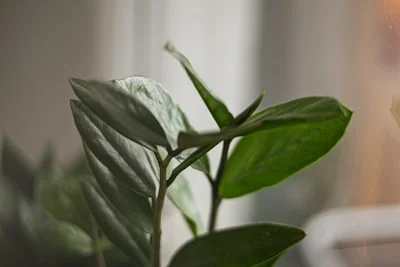
The ZZ Plant, botanically known as Zamioculcas zamiifolia, is a hardy evergreen from the Araceae family. It hails from the dry grasslands and rocky lowlands of eastern Africa — think Kenya, Tanzania, and the drylands of Zanzibar. According to Kew Gardens, the species was first described scientifically in 1856, but it only entered the global houseplant trade in the 1990s after Dutch nurseries began mass-propagating it. Here’s a fact most owners don’t know: those thick, glossy stems aren’t really stems. They’re called rachises — modified leaf structures that store water like a camel’s hump. Underground, the plant grows fat potato-like rhizomes that act as emergency reservoirs. That’s why a ZZ Plant can survive months of drought that would kill almost any other houseplant. In my experience, this single anatomical quirk explains 90% of ZZ Plant care. Once you understand the rhizome, you understand the plant. But knowing what it is only scratches the surface — the real question is why so many people consider it the best beginner plant on earth.
Origin and Natural Habitat
Zamioculcas zamiifolia grows wild in seasonal grasslands where rain falls heavily for a few months, then vanishes. The plant evolved to gulp water fast, store it, and survive the dry spell. This is why your ZZ Plant resents constant moisture — its biology expects drought. Wild specimens often grow under partial tree canopy, protected from harsh afternoon sun. In Tanzania’s coastal forests, botanists have recorded plants thriving in light levels as low as 50 foot-candles — roughly what you’d get 3 metres from a north-facing window in London. For more tips, check out our detailed article on Areca Palm Benefits Indoors.
Why It's Called the ZZ Plant
The nickname comes from the awkward-to-pronounce scientific name. Most plant lovers shorten Zamioculcas zamiifolia to “ZZ” — and the name stuck. In the trade, you’ll also see it called the Zanzibar Gem, eternity plant, or aroid palm (though it’s not a palm at all). Each name hints at a quality: longevity, exotic origin, or its feathered, palm-like leaf shape. Many gardeners who grow this plant also love to read about Fiddle Leaf Fig Care Tips.
Top Benefits of Growing a ZZ Plant
Why has the ZZ Plant exploded in popularity from Singapore studios to Berlin lofts? Because it delivers benefits few houseplants can match. First, it’s almost impossible to kill through neglect. Forget to water for three weeks? It barely notices. Second, it tolerates low light better than nearly any other glossy-leaved plant. Office workers in windowless cubicles in Toronto have kept them alive for years under fluorescent bulbs alone. Third, and this is the part that surprised researchers — a 1989 NASA Clean Air Study found related aroids effectively remove volatile organic compounds (VOCs) like benzene, toluene, and xylene from indoor air. Later research, including a 2014 University of Copenhagen study, confirmed Zamioculcas zamiifolia’s ability to absorb airborne toxins. That said, you’d need dozens of plants to meaningfully clean a room’s air — so treat this as a bonus, not a primary reason. There’s also a cultural angle most Western articles skip. In Feng Shui and Vastu traditions, the upward-growing fronds symbolise steady prosperity. Many Asian businesses place a ZZ Plant near the entrance for exactly this reason. But the most surprising benefit? I’ll cover it in the propagation section — it involves making free plants from a single fallen leaf. If you enjoy growing this plant, you might also find our guide on Monstera Plant Care India very useful.
Air Purification and Wellness
A 2014 peer-reviewed study published via NIH PubMed showed Zamioculcas zamiifolia removes measurable amounts of benzene and ethylbenzene from indoor air. While the effect is modest, combined with other houseplants it contributes to a healthier indoor environment. Many gardeners find that adding 3-5 plants per room subtly reduces dust and stuffiness — likely from increased humidity and surface particle capture.
How to Grow a ZZ Plant Successfully
Growing a ZZ Plant well comes down to one mindset shift: treat it like a succulent, not a tropical leafy plant. This zz plant care guide approach saves more plants than any other single tip. Start with a healthy specimen — look for firm, glossy leaves with no yellowing at the base. Avoid plants with mushy stems or a sour smell from the soil; that’s root rot you’ll inherit. The pot matters more than people realise. Choose a container with drainage holes, no exception. Terracotta works beautifully because it wicks excess moisture, although glazed ceramic is fine in dry climates like Phoenix or Perth. Size up only when rhizomes visibly press against the pot wall — typically every 2-3 years. Here’s where most gardeners go wrong. They buy a beautiful big pot, thinking the plant will “grow into it.” Instead, the oversized soil mass stays wet too long, and the rhizomes rot. Pot up just one size at a time. Place the plant somewhere with bright indirect light if possible, but don’t stress if your only option is a dim corner — it’ll cope. The next section explains the soil mix that makes all the difference. Many gardeners who grow this plant also love to read about Variegated Monstera Price India 2026.
Choosing the Right Pot
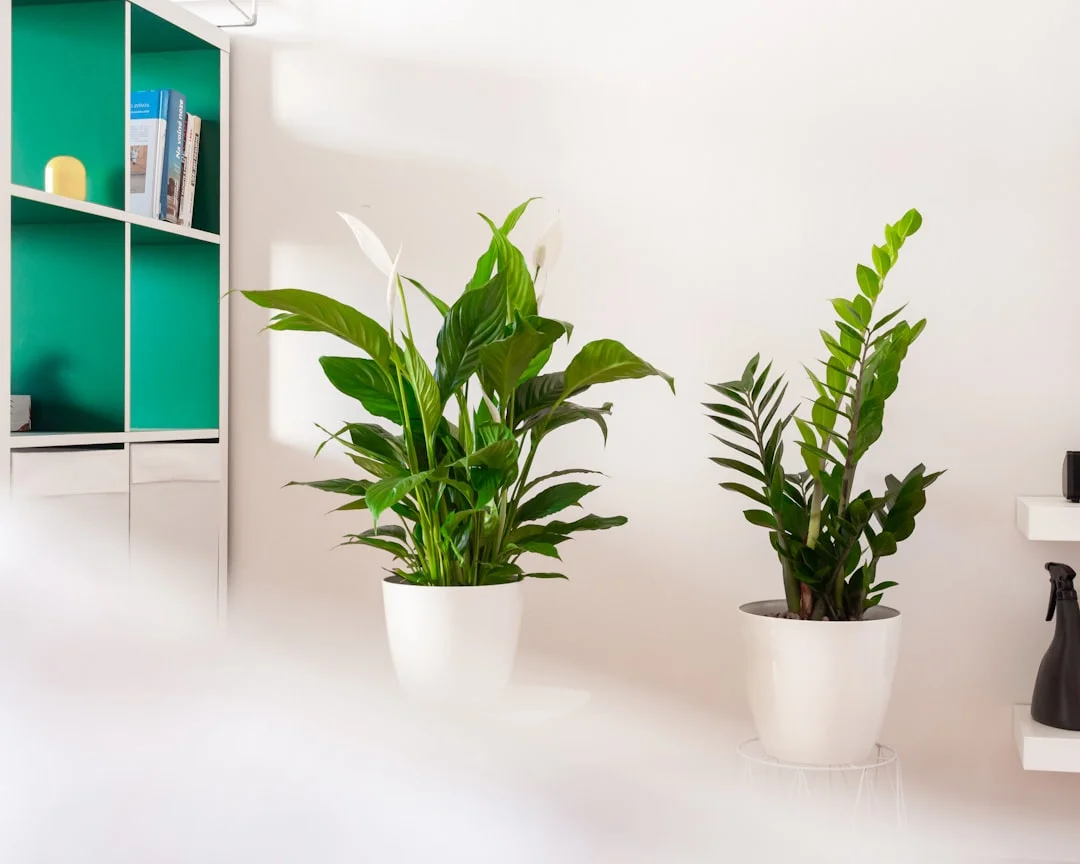
Pick a pot only 2-3 cm wider than the root ball. Terracotta suits humid climates (Mumbai, Bangkok, Miami) because it breathes. Plastic or glazed ceramic works better in arid zones (Dubai, Las Vegas, Alice Springs) where you actually want soil to retain moisture longer. Always check for at least one drainage hole — drill one if needed.
Best Time to Plant or Repot
Repot during active growth: spring through early summer in the Northern Hemisphere (March-June), or September-November in Australia and southern Africa. Avoid disturbing the plant in winter, when growth slows and recovery from root disturbance is poor. June, when many readers find this zz plant care guide, is actually perfect timing for Northern Hemisphere repotting.
Soil and Fertilizer Requirements
Soil is where 70% of ZZ Plant deaths begin. The plant evolved on gritty, fast-draining African soils — give it dense, water-retentive compost and the rhizomes suffocate. The ideal mix is roughly 50% standard potting compost, 30% perlite or coarse sand, and 20% orchid bark or pumice. This zz plant care guide recipe drains within seconds when you pour water through it. If you’re in India or Southeast Asia, swap perlite for coco coir chunks plus river sand — both are cheaper and locally available. In the UK and US, RHS recommended cactus and succulent mixes work brilliantly straight from the bag. Target pH 6.0 to 7.0 — mildly acidic to neutral. Most commercial mixes already sit in this range. Feed sparingly. ZZ Plants are slow feeders, and over-fertilising burns the rhizomes. Use a balanced liquid fertiliser (NPK 10-10-10 or 20-20-20) diluted to half the label strength, applied once every 6-8 weeks during spring and summer. Stop feeding entirely in autumn and winter. A quick tip from years of trials: if you only remember to fertilise twice a year, that’s enough. Underfeeding rarely kills a ZZ Plant — overfeeding often does. Now for the topic that confuses everyone: watering.
DIY Soil Mix Recipe
Mix 4 parts quality potting compost, 2 parts perlite, 1 part coarse sand, and 1 part orchid bark. Add a small handful of horticultural charcoal to keep the mix sweet. This blend drains fast yet retains just enough moisture between waterings. Test it by squeezing a damp handful — it should crumble apart, not form a sticky ball.
Watering Your ZZ Plant the Right Way
Here’s the single most important rule in this entire zz plant care guide: when in doubt, don’t water. The ZZ Plant kills more owners with their watering cans than any pest or disease ever will. The rhizomes hold weeks of water in reserve, so the plant rarely needs a drink. As a general rule, water only when the top 5-7 cm of soil feels bone dry. Stick your finger in — if you feel any moisture, wait. In tropical climates with high humidity (Kerala, Jakarta, northern Queensland), this might mean watering once every 3-4 weeks. In arid climates (Riyadh, Tucson, Adelaide), every 2-3 weeks. In cool, dim winters in London or Toronto, you might go 6 weeks between waterings — and the plant will be perfectly fine. When you do water, soak thoroughly until water runs out the drainage holes. Then tip away any saucer water within 15 minutes. Never let the pot sit in standing water. In my experience, the single biggest indicator of trouble is a soft, wrinkled stem near the soil line — that’s already root rot, and you’ll need to act fast. But how do you know if you’ve already overwatered? The next section reveals the warning signs.
Signs of Over- and Underwatering
Overwatering: yellowing lower leaves, mushy stems, sour soil smell, leaves dropping suddenly. Underwatering: wrinkled stems, leaves curling inward, slow new growth. Counterintuitively, both can look similar at first. The test: gently squeeze a stem. Firm means underwatered (just water it). Soft or hollow means rot has set in — unpot immediately, trim damaged rhizomes, and repot in fresh dry mix.
Water Quality Matters
ZZ Plants tolerate tap water in most regions, but they sulk under heavily chlorinated or fluoridated supplies. If you live somewhere with hard water (much of the UK, parts of Australia, northern India), leave water out overnight before using it, or collect rainwater when possible. Filtered water also works well for sensitive specimens.
Sunlight and Temperature Needs
Light flexibility is the ZZ Plant’s superpower. It tolerates everything from bright indirect light to deep shade — though it definitely has preferences. The sweet spot is bright, filtered light: 2-3 metres from a south or west-facing window in temperate zones, or near an east-facing window in tropical regions where the sun is fierce. Under these conditions, expect 2-4 new stems per year. In low light, the plant survives but barely grows. I’ve seen specimens in basement offices in Manchester produce one new stem every 18 months — alive, but static. Direct midday sun is the one thing to avoid. In hot climates like Dubai, Phoenix, or Chennai, even an hour of harsh afternoon sun will scorch the glossy leaves yellow or brown. Temperature-wise, the plant prefers 18-26°C (65-79°F). It tolerates short dips to 10°C (50°F) but suffers below that. Anything under 5°C (41°F) causes permanent damage. For US growers, that’s USDA hardiness zones 9-11 outdoors; for UK readers, RHS hardiness H1B — strictly an indoor plant in most of Britain. Humidity isn’t critical. ZZ Plants thrive in dry rooms most tropical plants would hate. There’s one growing condition almost nobody discusses — and it explains why some plants double in size every year. Read on.
The Secret: Light Direction and Rotation
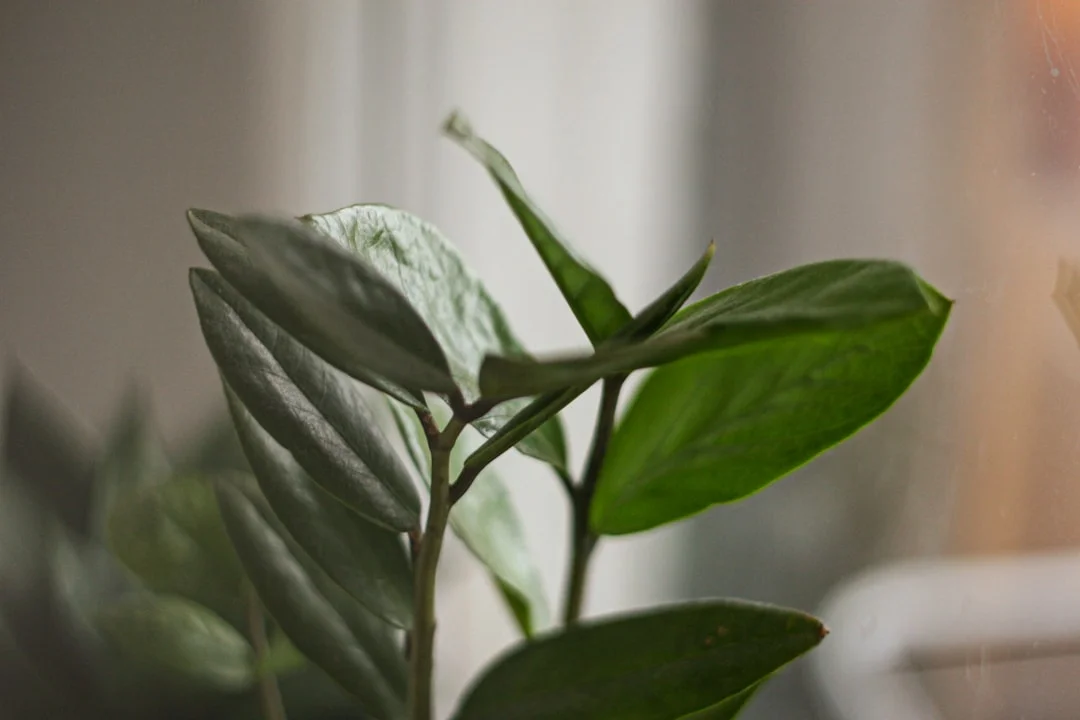
Here’s the rarely-mentioned trick: rotate your ZZ Plant 90 degrees every 2-3 weeks. The plant grows stems toward the brightest light source, and without rotation, it becomes lopsided. Owners who rotate consistently report symmetrical, full plants. Those who don’t end up with a one-sided specimen that leans permanently. It’s the single easiest upgrade to your zz plant care guide routine.
Common Problems and How to Fix Them
Even this tough plant has weak spots. The good news? Most problems trace back to just three causes: too much water, too little light, or pests sneaking in from nearby plants. Yellow leaves usually mean root rot from overwatering. Pull the plant from its pot, rinse the rhizomes, snip off any mushy black sections with sterilised scissors, dust the cuts with cinnamon powder (a natural antifungal used in both Ayurveda and Western herbalism), and repot in fresh dry mix. Don’t water for two weeks. Brown leaf tips often signal fluoride or salt buildup from tap water, or very dry air combined with direct sun. Flush the soil thoroughly with distilled water every few months. Drooping or splayed stems mean the plant needs more light. Move it closer to a window. Pests are rare but possible. Spider mites show up in dry indoor air — look for fine webbing on the underside of leaves. Mealybugs appear as white cottony patches in leaf joints. For both, wipe with a cotton bud dipped in 70% isopropyl alcohol, then spray weekly with neem oil solution (5 ml neem oil + 1 litre water + 2 drops dish soap). Neem, widely used in Indian agriculture and recommended by ICAR, is safe, effective, and globally available.
Reviving a Sick ZZ Plant
If your plant looks beyond hope, check the rhizomes before giving up. Even with all top growth dead, a single firm rhizome can regrow an entire plant. Cut away rot, let the healthy piece dry on a paper towel for 48 hours, then plant in fresh dry mix. Water once lightly, then leave alone for a month. New shoots often appear within 8-12 weeks.
How to Propagate a ZZ Plant
Remember the surprising benefit I mentioned earlier? This is it. You can grow an entire new ZZ Plant from a single leaflet. It’s slow — painfully slow — but it works. The catch: it can take 9-12 months to see results. Patience is the price of free plants. There are three reliable methods: leaf cuttings, stem cuttings, and rhizome division. Division is fastest, leaf propagation is most satisfying. Spring and early summer (or the equivalent in the Southern Hemisphere — September to November) are the best times because warmth speeds rhizome formation. This propagation walkthrough is one of the most practical parts of any zz plant care guide because it lets you turn one plant into a whole windowsill collection without spending a penny.
Leaf Cutting Method (Step-by-Step)
First, pluck a healthy leaflet with a tiny bit of stem attached. Next, let it dry for 24-48 hours so the cut callouses over. Then, dip the cut end in rooting hormone (optional but helpful). After that, push the leaf base 1 cm deep into moist, gritty propagation mix. Finally, keep at 22-26°C (72-79°F) in bright indirect light. A small rhizome forms in 3-4 months; new stems appear by month 9-12.
Division Method
When repotting a mature plant, gently tease apart the rhizome clump. Each section needs at least one healthy rhizome plus one or two stems. Let cut surfaces dry for 24 hours, then pot each piece individually. Water sparingly for the first month. This method produces full-sized plants within a single growing season — far faster than leaf propagation.
Seasonal Care Across Climates
Climate dictates routine. A ZZ Plant in a humid Singapore apartment needs vastly different care from one in a dry Calgary loft. Here’s how to adjust by season and region. In tropical climates (India, Southeast Asia, northern Australia, Florida), the plant grows almost year-round. Water every 2-3 weeks, feed twice in the monsoon or wet season, and watch for fungal issues during peak humidity. Wipe leaves monthly to remove dust. In temperate climates (UK, most of US and Canada, New Zealand), the plant enters a clear rest period from October to February. Stop feeding entirely, water only every 5-6 weeks, and move closer to windows as days shorten. Heating vents dry the air — keep the pot away from radiators. In arid climates (Middle East, Arizona, central Australia), watering frequency stays low but indoor air conditioning saps soil moisture faster than you’d expect. Check soil weekly with a finger test. In Mediterranean climates (California coast, southern Europe, parts of Chile), the ZZ Plant can summer outdoors in dappled shade — bring it back inside before night temperatures drop below 12°C (54°F).
Monsoon and Rainy Season Care
During heavy rains in tropical regions, indoor humidity can hit 90%. Move the plant to a well-ventilated spot and reduce watering by half. Many gardeners in Mumbai and Bangkok find this is the peak risk period for root rot — even though they’re watering less than usual, the air is so saturated that soil never fully dries.
Uses, Safety, and Cultural Significance
Beyond its ornamental beauty, the ZZ Plant carries cultural weight in several traditions. In Feng Shui, its upward-sweeping fronds represent rising fortune, which is why you’ll see it in shops and offices across China, Vietnam, and Indonesia. In Vastu Shastra, placing it in the southeast corner of a home is believed to attract prosperity. Importantly, the ZZ Plant has no documented medicinal uses in Ayurveda or TCM — don’t confuse it with similar-looking edible aroids. In fact, every part of Zamioculcas zamiifolia contains calcium oxalate crystals, which are toxic if ingested. Symptoms include mouth burning, swelling, and digestive upset in humans, cats, and dogs. The ASPCA lists it as toxic to pets. Keep it out of reach of curious toddlers and animals. Wear gloves when repotting — the sap can irritate sensitive skin. Despite this caution, the plant remains one of the safest houseplants to live with as long as nobody chews on it. In my experience, the toxicity is significantly overhyped online; you’d need to eat a substantial amount to cause real harm. Still, with pets and children, the simplest precaution is placement: high shelves and out-of-reach windowsills work perfectly.
Vastu and Feng Shui Placement
Place your ZZ Plant in the east or southeast for wealth energy, or in office settings near the entrance to welcome prosperity. Avoid bedrooms in Vastu tradition, as the slow-growing energy is considered better suited to active spaces. Whether or not you follow these traditions, the placement happens to match the plant’s biological preference for bright, indirect morning light.
Frequently Asked Questions
Can I grow a ZZ Plant indoors in a cold climate like Canada or northern Europe?
Yes, absolutely. The ZZ Plant is one of the best houseplants for cold climates because it stays strictly indoors and tolerates the dry air from central heating. Keep it away from cold windows in winter, since temperatures below 10°C (50°F) damage the rhizomes. Place it 1-2 metres from a south or east-facing window, water only every 5-6 weeks during winter, and stop fertilising from October to February. Following this zz plant care guide, gardeners in Toronto, Stockholm, and Edinburgh report thriving plants year-round.
Is the ZZ Plant safe for cats, dogs, and small children?
No — the ZZ Plant is toxic if chewed or eaten. Every part contains calcium oxalate crystals, which cause mouth burning, swelling, drooling, and vomiting in pets and humans. The ASPCA officially lists it as toxic to cats and dogs. That said, it's not deadly in small accidental nibbles; the unpleasant taste usually stops further chewing. Keep plants on high shelves, hanging planters, or rooms pets can't access. Wash hands after handling, and wear gloves when repotting since the sap can irritate sensitive skin.
Why are my ZZ Plant leaves turning yellow?
Yellow leaves almost always mean overwatering and the start of root rot. The thick rhizomes store water for weeks, so frequent watering drowns them. Check by tipping the plant out — healthy rhizomes are firm and pale; rotting ones are soft, brown, and smell sour. Trim away mushy parts with sterilised scissors, dust cuts with cinnamon, and repot in fresh, gritty, dry soil. Don't water for two weeks. Less often, yellowing can mean intense direct sun or extreme cold — both fix themselves once you move the plant.
How fast does a ZZ Plant grow?
Slowly. Even under ideal conditions, expect just 2-4 new stems per year, each adding 15-30 cm of height. In low light, growth nearly stops — a plant might produce only one new stem in 18 months. To speed things up, give it bright indirect light, feed at half-strength every 6-8 weeks in spring and summer, and rotate the pot every few weeks. Don't be tempted to over-fertilise; it backfires by burning the rhizomes. Patience is part of this zz plant care guide — the plant rewards consistency over years, not weeks.
Can I keep my ZZ Plant in a bathroom or windowless office?
Yes, more than almost any other houseplant. The ZZ Plant happily survives in bathrooms (the humidity is a bonus, not a need) and windowless offices lit only by fluorescent or LED bulbs. Growth will be slow, but the plant won't decline. Many gardeners find office specimens last 5+ years on minimal care. If possible, swap the plant out monthly with a sibling kept in brighter conditions — this rotation keeps both healthy and growing. Even a single 8-hour daily exposure to artificial light is enough to maintain a ZZ Plant.
How do I grow a ZZ Plant in a container on a balcony?
Container growing works well in warm climates if you avoid direct midday sun. Choose a terracotta or ceramic pot with drainage holes, 2-3 cm wider than the root ball. Use a gritty mix (50% compost, 30% perlite, 20% bark). Place the pot in dappled shade or under a covered balcony where it receives bright filtered light. In hot regions like Dubai, Delhi, or Brisbane, summer afternoons require protection from harsh sun. In cooler zones, bring the pot indoors when nights drop below 12°C (54°F). Water only when the top 5 cm of soil is dry.
Do ZZ Plants really purify indoor air?
Modestly, yes. NASA's 1989 Clean Air Study and a 2014 University of Copenhagen study found Zamioculcas zamiifolia absorbs measurable amounts of benzene, toluene, ethylbenzene, and xylene from indoor air. However, the effect is small per plant — you'd need 10-20 plants to meaningfully clean an average room. Treat the air-purifying quality as a pleasant bonus, not a primary reason to buy one. The bigger health benefits come from the psychological boost of living greenery and slight humidity increases.
When should I repot my ZZ Plant?
Repot every 2-3 years, or when you see rhizomes pushing against the pot wall or even cracking plastic containers. The best time is spring or early summer (March-June in the Northern Hemisphere, September-November in the Southern). Increase pot size by just 2-3 cm — never jump to a much larger pot, since excess wet soil causes rot. Use fresh gritty mix, and don't water for 5-7 days after repotting to let any damaged roots heal. New growth typically appears within 6-8 weeks of a successful repot.
Final Thoughts
Mastering this zz plant care guide really comes down to one mindset shift: less is more. Less water, less fertiliser, less fussing. The Zamioculcas zamiifolia evolved in tough African drylands, and your home — whether in tropical Chennai, temperate Manchester, or arid Phoenix — is luxury compared to its wild origins. Give it bright indirect light when you can, water only when the soil is bone dry, feed sparingly twice a year, and repot every 2-3 years. That’s genuinely all it needs. Watch for yellow leaves as the first warning sign of overwatering, keep it away from curious pets and toddlers, and rotate the pot every few weeks for symmetrical growth. In return, you’ll have a glossy, sculptural companion that may well outlive every other plant in your collection. Start with one healthy specimen, apply the principles in this guide, and within a year you’ll be propagating cuttings to share with friends across the world.

