
⏱ 23 min read
Table of Contents
- Why Every Season Matters for Your Fiddle Leaf Fig
- Getting to Know Ficus lyrata
- Preparation: Setting Up the Perfect Spot
- Light and Placement Across Climates
- Watering Changes Through the Year
- Fertilizing for Lush, Glossy Leaves
- Soil, Potting, and Repotting Basics
- Pest Alert: Common Problems and Fixes
- Pruning, Shaping, and Propagation
- Recovery: Reviving a Stressed Plant
- Safety, Toxicity, and Cultural Notes
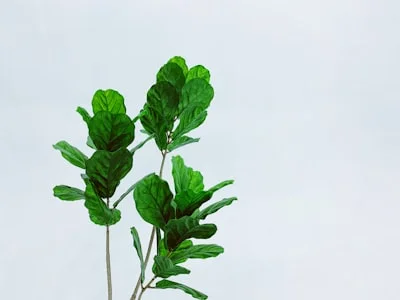
If you’ve ever admired a tall, glossy-leaved plant in a designer’s living room, chances are you were looking at a Ficus lyrata. The best fiddle leaf fig care tips start with one simple idea: this plant wants stability. It loves bright light, steady warmth, and a regular watering rhythm. Get those three right, and you’re already halfway there. Many gardeners who grow this plant also love to read about Monstera Plant Care India.
Native to the lowland rainforests of western Africa, the fiddle leaf fig has become a global favourite. You’ll spot it in Mumbai apartments, London lofts, Sydney sunrooms, and New York studios. However, it has a reputation for being fussy. That’s mostly because many growers misread its signals. Many gardeners who grow this plant also love to read about Variegated Monstera Price India 2026.
In this guide, I’ll share practical fiddle leaf fig care tips drawn from 15 years of hands-on work with tropical foliage plants. Whether you’re in a humid tropical zone or a chilly temperate flat, you’ll learn exactly how to keep your फिडल लीफ फिग thriving through every season. These proven fiddle leaf fig care tips will transform how you approach this beautiful, architectural plant. Many gardeners who grow this plant also love to read about Philodendron Plant Care.
Quick Highlights
- Discover the ideal light, water, and humidity balance for glossy, healthy leaves
- Learn season-by-season fiddle leaf fig care tips for tropical, temperate, and arid climates
- Spot early warning signs of root rot, pests, and nutrient deficiencies
- Master the right soil mix and feeding schedule for steady growth
- Get safe, expert-backed advice on toxicity, repotting, and pruning
- Follow a clear step-by-step recovery plan for stressed or dropping plants
Plant Characteristics at a Glance
| Common Name | Fiddle Leaf Fig |
| Scientific Name | Ficus lyrata |
| Family | Moraceae |
| Origin | Western Africa (Cameroon to Sierra Leone) |
| Habitat | Lowland tropical rainforests |
| Plant Type | Evergreen broadleaf tree |
| Indoor Plant | Yes — excellent indoor specimen |
| Outdoor Plant | Yes, in USDA zones 10–12 / RHS H1c |
| Leaves | Large, violin-shaped, glossy green, 30–45 cm long |
| Flowers | Tiny, inconspicuous; rarely flowers indoors |
| Flowering Season | Year-round in native habitat; uncommon indoors |
| Fruit | Small green figs, 2–3 cm; not edible |
| Seeds | Tiny, contained within figs |
| Roots | Fibrous, moderately deep; aerial roots possible |
| Height | 2–3 m indoors; up to 12–15 m outdoors |
| Growth Rate | Moderate; 30–60 cm per year in good conditions |
| Light Requirements | Bright, indirect light; 6+ hours daily |
| Soil Requirements | Well-draining, slightly acidic, pH 6.0–7.0 |
| Water Requirements | Moderate; let top 5 cm dry between waterings |
| Temperature Requirements | 15–24°C (59–75°F); avoid below 10°C / 50°F |
| Humidity Requirements | 40–60% relative humidity |
| Propagation | Stem cuttings, air layering |
| Uses | Ornamental, air purification, interior design |
| Medicinal Properties | None clinically established |
| Toxicity | Mildly toxic to pets and humans; sap irritates skin |
| Cultural Significance | Symbol of modern home design; sacred Ficus species in Asia |
| Common Pests | Spider mites, mealybugs, scale, fungus gnats |
| Common Diseases | Root rot, bacterial leaf spot, fungal leaf spot |
| Special Care Tips | Avoid moving; wipe leaves monthly; rotate quarterly |
| Cultural Practices | Annual top-dressing; repot every 18–24 months |
| Vastu Direction | East or southeast corner of living room |
Fiddle leaf fig care tips Names in Different Languages
| English | Fiddle Leaf Fig |
| Mandarin Chinese | 琴叶榕 (Qín yè róng) |
| Spanish | Ficus Lira |
| Hindi | फिडल लीफ फिग |
| Gujarati | ફિડલ લીફ ફિગ |
| Arabic | فيكس ليراتا |
| Bengali | ফিডল লিফ ফিগ |
| Portuguese | Figueira-lira |
| Russian | Фикус лировидный |
| Japanese | カシワバゴム (Kashiwaba gomu) |
| Punjabi | ਫਿਡਲ ਲੀਫ ਫਿਗ |
| German | Geigenfeige |
| Javanese | Ficus lyrata |
| Korean | 떡갈잎고무나무 (Tteokgalip gomunamu) |
| French | Figuier lyre |
| Telugu | ఫిడిల్ లీఫ్ ఫిగ్ |
| Marathi | फिडल लीफ फिग |
| Tamil | பிடில் இலை அத்தி |
| Urdu | فڈل لیف فگ |
| Turkish | Keman yapraklı incir |
| Vietnamese | Cây bàng Singapore |
Why Every Season Matters for Your Fiddle Leaf Fig
Here’s the thing about Ficus lyrata: it doesn’t follow a single playbook. Its needs shift with the seasons, and ignoring those shifts is where most people go wrong. In its native African rainforests, the plant enjoys warm days, humid nights, and filtered sunlight all year. Most of us, though, grow it indoors where conditions swing wildly.
During spring and summer, your plant pushes new leaves. It drinks more water, feeds hungrily, and stretches toward the light. Meanwhile, in autumn and winter, growth slows. Watering needs drop, and cold drafts become real threats. Understanding fiddle leaf fig care tips season by season helps you avoid the dreaded leaf drop. If you enjoy growing this plant, you might also find our guide on Golden Pothos Care very useful.
For example, gardeners in tropical India or Singapore might see continuous growth, while those in the UK or Canada will notice a clear dormancy period. Adjust accordingly. According to the Royal Horticultural Society, Ficus lyrata performs best when maintained in stable indoor conditions between 15–24°C (59–75°F).
Tropical vs Temperate Growing Realities with Fiddle Leaf Fig Care Tips
In tropical zones like Mumbai, Bangkok, or Lagos, your fiddle leaf fig may grow nearly year-round. However, monsoon humidity can invite fungal spots, so airflow matters considerably. In temperate regions such as London or Toronto, the challenge flips entirely: dry indoor heating and short daylight hours cause significant stress. Many gardeners in cooler climates find grow lights essential from October through March. Arid zones like Dubai or Phoenix bring their own twist — air conditioning sucks humidity dry, so a pebble tray or humidifier becomes non-negotiable. The key fiddle leaf fig care tips all point to the same conclusion: read your plant, not the calendar. Many gardeners who grow this plant also love to read about Rubber Plant Care India.
Getting to Know Ficus lyrata
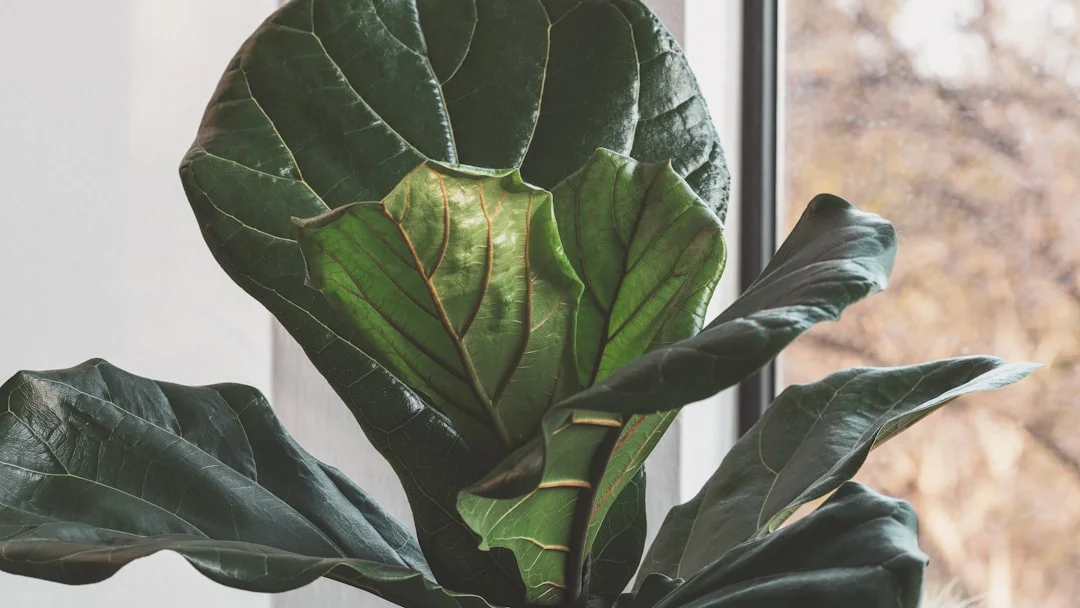
The fiddle leaf fig gets its name from those large, violin-shaped leaves. Each leaf can reach 30–45 cm long, with bold veins and a leathery texture. In the wild, this plant grows as a banyan-like strangler fig, sometimes reaching 12–15 metres. Indoors, expect a far more polite 2–3 metres over several years.
Botanically, it belongs to the Moraceae family, the same group as mulberries and rubber plants. As noted by Kew Gardens, Ficus lyrata is native to lowland tropical rainforests from Cameroon to Sierra Leone. Although it’s not used in classical Ayurveda, related Ficus species like Ficus religiosa (peepal) and Ficus benghalensis (banyan) hold deep medicinal value in Indian tradition.
What Makes This Plant Special
It’s the leaves. They’re glossy, dramatic, and architectural. Designers love them because a single mature plant can anchor an entire room. Beyond aesthetics, the plant also filters indoor air, removing trace compounds like formaldehyde — though don’t rely on it as a primary air purifier. The trade-off? Ficus lyrata is slower to adapt than a pothos or snake plant. Move it too often, and it sulks noticeably.
Preparation: Setting Up the Perfect Spot
Before you bring a fiddle leaf fig home, prepare the space thoughtfully. This isn’t a plant you can shuffle around weekly. Stability is essential, so pick a permanent spot with bright, indirect light and consistent temperatures.
First, check the light. East or north-facing windows work beautifully in the Northern Hemisphere; flip that orientation for the Southern Hemisphere. Next, feel the air. Avoid spots near heaters, air conditioners, or drafty doors. Then, consider humidity. Aim for 40–60% relative humidity. In dry climates or winter-heated homes, that often means adding a small humidifier nearby.
The right pot matters too. Choose a container with drainage holes and roughly 5 cm wider than the root ball. Terracotta breathes well but dries fast — great for humid climates, tricky for dry ones. Glazed ceramic or plastic retains moisture longer, which suits arid homes better.
Tools and Supplies You'll Need
Keep things simple. You’ll need a moisture meter (or just your finger), sharp pruning shears, a soft microfibre cloth for leaf cleaning, a watering can with a long spout, and a balanced liquid fertilizer. Optional but helpful: a grow light for low-light flats, a pebble tray for humidity, and neem oil for pest prevention. Most of these are available worldwide at garden centres or online for under $30 (₹2,500 / £25 / AU$45).
Light and Placement Across Climates
Light is the single biggest factor in fiddle leaf fig success. These plants evolved under a rainforest canopy, so they want bright, filtered light — never harsh midday sun on bare leaves. That said, they need considerably more light than most people realise. A dim corner simply won’t cut it.
In tropical regions, place your plant about 1–2 metres from a sunny window. A sheer curtain helps soften the rays effectively. In temperate zones with weak winter light, push the plant right up to the brightest window available. Many gardeners in northern Europe or Canada find that a full-spectrum LED grow light running 8–10 hours daily makes a huge difference from November through February.
Rotate the pot a quarter turn every two weeks. This practice keeps growth even and prevents that lopsided lean toward the light source.
Reading Light Cues from Your Plant
Your plant will communicate what it needs. Pale, small new leaves usually mean too little light. Brown crispy patches in the centre of leaves often mean direct sun scorch. Leggy stems with wide gaps between leaves? Definitely under-lit. In my experience, most indoor fiddle leaf figs need around 200–400 foot-candles of light, which roughly equals a bright spot within 1.5 metres of a south-facing window in temperate zones.
Watering Changes Through the Year
Watering is where most owners stumble. Too much and roots rot; too little and leaves crisp. The trick isn’t a fixed schedule — it’s checking the soil consistently. Stick your finger 5 cm into the soil. If it’s dry at that depth, water deeply until liquid runs from the drainage holes. If it’s still damp, wait another day or two.
During warm growing months (March–October in the Northern Hemisphere), this usually means watering once every 7–10 days. During cooler dormant months, stretch that interval to every 14–21 days. Tropical gardeners may water year-round on a similar weekly rhythm because growth never fully pauses.
These fiddle leaf fig care tips are especially critical in winter: cold, wet soil kills more plants than any pest. Always use room-temperature water. Cold tap water shocks the roots and can trigger sudden leaf drop.
Signs of Over and Under-Watering
Overwatering shows up as brown spots that start in the centre of leaves and spread outward, often with a soft, mushy stem base. Lower leaves may yellow and fall off. Underwatering, on the other hand, causes crispy brown leaf edges, drooping foliage, and dry, pulling-away soil. When in doubt, underwater rather than overwater. This plant recovers far better from a thirsty week than from soggy roots.
Fertilizing for Lush, Glossy Leaves
A well-fed fiddle leaf fig produces those Instagram-worthy leaves. However, more fertilizer isn’t better. Use a balanced liquid fertilizer with an NPK ratio around 3-1-2 or 10-10-10, diluted to half strength. Feed every 4 weeks during active growth — typically spring through early autumn.
In winter, skip feeding entirely in temperate zones. The plant isn’t growing much, and unused fertilizer salts accumulate in the soil, burning the roots over time. Tropical growers can feed lightly year-round but should still pause if growth visibly slows.
These fiddle leaf fig care tips on feeding apply globally: always water your plant first, then apply fertilizer to damp soil. This approach prevents root burn. Once or twice a year, flush the pot with plain water to wash out salt buildup.
Organic vs Synthetic Options
Organic choices include worm castings, diluted seaweed extract, or compost tea. These release nutrients gradually and improve soil biology over time. Synthetic liquid feeds work faster and give precise control — useful if your plant is recovering from stress. Both approaches work well; select what suits your style and availability. Avoid heavy granular slow-release fertilizers in small indoor pots since they’re difficult to control.
Soil, Potting, and Repotting Basics
Fiddle leaf figs want soil that drains fast but holds some moisture. A good mix combines 60% high-quality potting soil, 20% perlite or pumice, and 20% coco coir or pine bark fines. This blend is airy enough to prevent root rot yet rich enough to nourish the plant.
Repot every 18–24 months, or when roots circle the bottom of the pot. Spring is the best time globally, though tropical gardeners can repot in early autumn too. Choose a new pot only 5 cm wider than the old one. Going too large traps excess moisture and invites rot.
If your plant is already substantial and you don’t want it bigger, simply top-dress instead. Scrape off the top 5 cm of old soil and replace with fresh mix annually.
Step-by-Step Repotting Process
First, water your plant a day before repotting to reduce transplant stress. Next, gently tip the pot sideways and slide the root ball out carefully. Then, loosen any circling roots with your fingers and trim damaged ones with clean shears. After that, add fresh mix to the new pot and centre the plant at the same depth as before. Finally, fill in around the sides, press lightly, and water thoroughly. Keep the plant out of direct sun for a week as it settles into its new container.
Pest Alert: Common Problems and Fixes
Even the best-cared-for plants attract pests occasionally. The most common offenders are spider mites, mealybugs, scale insects, and fungus gnats. Check the undersides of leaves and leaf joints every two weeks. Early detection makes treatment significantly easier.
Spider mites love dry air, so they’re common in heated winter rooms. You’ll see fine webbing and tiny yellow speckles on leaves. Mealybugs look like white cotton tufts clustered in joints. Scale appears as small brown bumps stuck to stems. Fungus gnats hover around persistently damp soil.
For most infestations, wipe leaves with a soft cloth dipped in diluted neem oil (5 ml neem oil + 2 ml mild liquid soap per litre of water). Repeat weekly for three weeks. Severe scale may need manual removal with a cotton swab dipped in rubbing alcohol.
Preventing Pests in the First Place
Prevention beats treatment every time. Wipe leaves monthly with a damp cloth — this removes dust and dislodges early pests before they establish. Quarantine new plants for two weeks before placing them near your fiddle leaf fig. Keeping humidity elevated also discourages spider mites. Avoid letting soil stay constantly wet, which attracts fungus gnats. A small fan running nearby improves airflow and reduces fungal issues, especially in humid monsoon climates.
Common Diseases to Watch
Root rot is the number one killer, caused by persistent overwatering. Leaf spot diseases — usually bacterial or fungal — show as brown patches with yellow halos. Trim affected leaves with sterilized shears and improve airflow immediately. Reduce watering right away. If the stem feels soft at the base, you may need to take healthy cuttings and start fresh, as advanced root rot is often fatal to the whole plant.
Pruning, Shaping, and Propagation
Pruning isn’t just cosmetic — it encourages bushier growth and removes weak or damaged stems. The best time to prune is late spring or early summer when the plant is actively growing. Use clean, sharp shears and cut just above a leaf node at a slight angle.
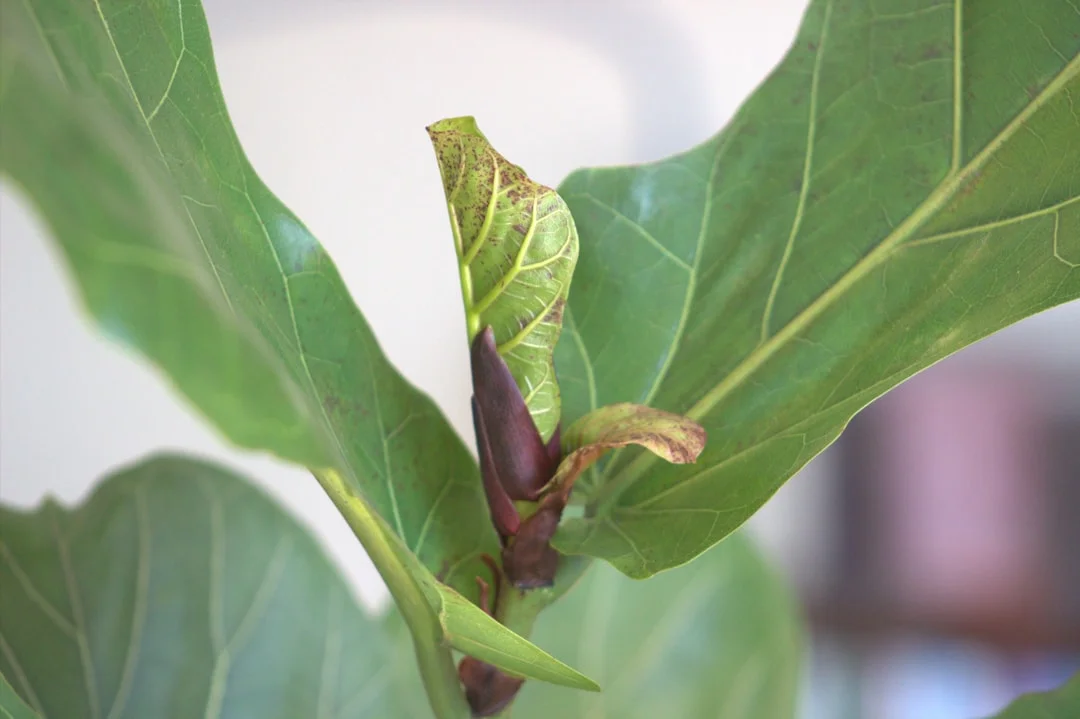
To encourage branching, snip the top growth tip decisively. This signals dormant buds along the stem to activate and produce side branches. Many gardeners find that one bold prune transforms a single-stem plant into a fuller, tree-like shape within a year.
Propagation is straightforward. Take a stem cutting with 2–3 leaves, dip the cut end in rooting hormone (optional), and place it in water or moist perlite. Roots usually appear in 4–6 weeks. Once roots reach about 5 cm long, pot up in your standard soil mix.
Air Layering for Bigger Cuttings
Air layering works exceptionally well for tall, leggy plants. Make a small upward cut on the stem, wrap the wound in damp sphagnum moss, and cover with plastic wrap secured at both ends. Roots form inside the moss within 6–8 weeks. Then cut below the new roots and pot up in fresh mix. This method preserves a larger, more mature cutting than simple stem propagation.
Recovery: Reviving a Stressed Plant
Don’t panic if your plant looks rough. Most stressed fiddle leaf figs recover with patience and consistency. First, identify the cause — overwatering, underwatering, light shock, cold draft, or pests. Then address that single issue rather than changing everything simultaneously. Plants hate sudden, multiple changes.
When leaves are dropping, check soil moisture and recent temperature fluctuations. If brown spots are spreading, inspect roots for rot. Trim any black, mushy roots, repot in fresh dry mix, and hold off watering for a week. For sun-scorched leaves, move the plant back from the window gradually over several days.
Applying major fiddle leaf fig care tips during recovery — consistent light, careful watering, no fertilizer until new growth appears — usually brings the plant back within 6–8 weeks.
When to Be Patient vs Take Action
Losing one or two lower leaves occasionally is entirely normal. Multiple leaves dropping in a week signals a real problem requiring attention. Slight drooping after repotting is normal for 1–2 weeks. Persistent wilting with wet soil strongly indicates root rot. Trust new growth as the truest sign of recovery — even a single small leaf bud confirms your plant is bouncing back successfully.
Safety, Toxicity, and Cultural Notes
Important safety note: Ficus lyrata is mildly toxic to cats, dogs, and humans if ingested. The milky sap contains compounds that can irritate skin and cause mouth and stomach upset. Keep the plant out of reach of pets and small children. Wear gloves when pruning if you have sensitive skin, since the sap can cause contact dermatitis in some individuals.
Although not used in traditional Ayurveda or Traditional Chinese Medicine directly, related Ficus species feature heavily in both healing traditions. Ficus religiosa is sacred in Hinduism and Buddhism. In West African folk traditions, fiddle leaf fig wood and bark have been used in small-scale local remedies. However, no clinical studies support medicinal use of Ficus lyrata itself, so treat it purely as an ornamental specimen.
Following these key fiddle leaf fig care tips ensures your plant remains a beautiful, safe, and thriving addition to your home environment.
Vastu and Feng Shui Placement
In Vastu Shastra, large-leaved indoor plants are believed to bring positive energy when placed in the east or southeast corners of a living room. Feng Shui practitioners often recommend round-leaved plants over pointed ones, but the broad fiddle leaf fig is generally seen as a wealth-attracting plant when positioned in the wealth corner (southeast). Whatever your tradition, just make sure the spot also offers the bright, stable light the plant truly needs to flourish.
Frequently Asked Questions
Can I grow a fiddle leaf fig indoors in a cold climate?
Yes, absolutely. The fiddle leaf fig thrives indoors in cold climates as long as you keep room temperatures above 15°C (59°F) and position it away from icy windows or drafts. Place it near your brightest window — ideally south or west-facing in the Northern Hemisphere. From November to March, supplement with a full-spectrum LED grow light running 8–10 hours daily. These proven fiddle leaf fig care tips help gardeners in the UK, Canada, and northern Europe keep their plants vigorous and healthy through long, dark winters.
Is fiddle leaf fig safe for pets and children?
No, it's mildly toxic. The milky white sap of Ficus lyrata contains compounds that can cause mouth irritation, drooling, vomiting, and skin rash if chewed or touched. According to the ASPCA, it's toxic to both cats and dogs. Keep the plant out of reach of curious pets and toddlers. If accidental ingestion occurs, rinse the mouth thoroughly and contact a vet or doctor promptly. Wear gloves when pruning if your skin is sensitive to plant saps.
How often should I water my fiddle leaf fig?
Watering frequency depends on your climate, pot size, and season. Generally, water every 7–10 days during warm growing months and every 14–21 days during winter. Always check the top 5 cm of soil first — if it feels dry, water deeply until liquid drains out the bottom. If it's still moist, wait. Tropical gardeners may water more often year-round, while those in arid air-conditioned homes need extra ambient humidity rather than additional water. Applying consistent fiddle leaf fig care tips around moisture management makes a significant difference in plant health.
Why are my fiddle leaf fig's leaves turning brown?
Brown leaves usually point to one of three issues. Brown spots starting in the centre often indicate overwatering or root rot. Crispy brown edges suggest underwatering or insufficient humidity. Brown patches on leaves facing a window typically signal sun scorch damage. Inspect the soil moisture, check for soft stems, and review your light arrangement. Following consistent fiddle leaf fig care tips — steady watering, stable light, and 40–60% humidity — prevents most browning issues before they escalate.
How do I grow a fiddle leaf fig in a container on a balcony?
Container growing works well in warm, sheltered balconies with adequate light. Choose a sturdy pot at least 30 cm wide with drainage holes. Use a well-draining mix of potting soil, perlite, and coco coir. Position the pot where it receives bright, filtered light — never harsh midday sun in hot climates like India, the Middle East, or Australia. Shield from strong winds, which can tear the large leaves. Water when the top soil dries, and bring indoors if temperatures drop below 10°C (50°F). These fiddle leaf fig care tips apply equally to balcony and indoor growing.
When is the best time to repot a fiddle leaf fig?
Spring is the ideal repotting time in most regions, when the plant is entering active growth and can recover quickly. In tropical climates, early autumn also works since growth continues year-round. Repot every 18–24 months or when roots visibly circle the pot's base. Choose a new container only 5 cm wider than the current one. Avoid repotting in winter, as cold soil and slow growth make recovery significantly harder.
How do I make my fiddle leaf fig grow taller or bushier?
For a taller plant, provide more light, regular feeding during the growing season, and a stake for support if it leans. For a bushier shape, prune the top growth tip in late spring. This action forces dormant buds along the stem to break and form side branches. You can also notch the stem just above a node to trigger branching without removing height. Patience is essential — branching can take several weeks to become visible.
Can fiddle leaf figs grow outdoors year-round?
Only in warm, frost-free climates. Outdoor growing works in USDA zones 10–12, which includes parts of southern Florida, coastal California, southern India, Singapore, northern Australia, and portions of sub-Saharan Africa. In these zones, the plant can develop into a large, impressive tree. Elsewhere, treat it as a summer-patio plant and bring it indoors before night temperatures fall below 10°C (50°F). Always acclimate slowly to outdoor light intensity to avoid leaf scorch.
Final Thoughts
Growing a fiddle leaf fig is genuinely rewarding once you understand its rhythm. It’s not a fussy plant — it’s a particular one. Give it bright indirect light, water it only when the top soil dries, keep temperatures stable, and feed it lightly during growth months. Those four habits handle 90% of what your plant needs.
Remember, the best fiddle leaf fig care tips come down to consistency. Don’t relocate your plant constantly. Don’t overwater out of misplaced love. Don’t panic over one dropped leaf. Watch for new growth as your true success signal, and adjust slowly when problems appear. The key fiddle leaf fig care tips shared throughout this guide are designed to build that consistent, confident approach.
Whether you’re nurturing a Ficus lyrata in a Mumbai balcony, a London flat, or a Sydney sunroom, the same principles apply. Trust the process, observe your plant weekly, and enjoy watching those glossy violin-shaped leaves unfurl one by one. Your patience will reward you with one of the most beautiful, dramatic indoor plants in the world.

