
⏱ 20 min read
A reader in Pune sent me a photo last monsoon — a single giloy cutting she’d pushed into a pot of mud, now sprawling across her balcony in just eight weeks. That’s the magic of this plant. When people ask about giloy plant benefits immunity, the short answer is this: Tinospora cordifolia is one of the most studied immune-boosting herbs in Ayurveda, and growing it at home is surprisingly easy. The giloy plant benefits immunity by supporting your body’s natural defences, thanks to compounds that researchers have examined in NIH-backed studies. But here’s what most buying guides skip — not every giloy plant you buy is genuine, and a fake one won’t give you those benefits at all. In this guide, you’ll learn which varieties to pick, what they cost, where to buy them safely online and offline, and exactly how to care for them after they arrive. By the end, you’ll know how to spot a healthy plant in seconds — including one sign almost nobody checks. Many gardeners who grow this plant also love to read about Marua Plant Benefits Kadha.
Quick Highlights
- Boost your home apothecary with giloy, one of Ayurveda's top immunity herbs
- Spot a genuine, healthy giloy plant before you spend a single rupee
- Compare prices across Ugaoo, NurseryLive, and Amazon Plants at a glance
- Grow giloy in pots, balconies, or gardens across tropical and temperate zones
- Learn safe dosage limits and key safety warnings before you use any part
- Master monsoon planting — the single best season for fast, sturdy growth
Plant Characteristics at a Glance
| Common Name | Giloy (Guduchi, Heart-leaved Moonseed) |
| Scientific Name | Tinospora cordifolia |
| Family | Menispermaceae |
| Origin | India and tropical Asia |
| Habitat | Tropical forests, climbing on trees and shrubs |
| Plant Type | Deciduous climbing shrub (woody vine) |
| Indoor Plant | Yes, in warm conditions with bright light |
| Outdoor Plant | Yes, ideal in tropical and subtropical gardens |
| Leaves | Heart-shaped, deep green, smooth, alternate |
| Flowers | Small, yellow-green, in clusters (often unnoticed) |
| Flowering Season | Summer (males and females on separate plants) |
| Fruit | Small, pea-sized, red when ripe |
| Seeds | Curved, small; propagation usually by stem cuttings |
| Roots | Fibrous, with thin aerial roots from stems |
| Height | Can climb several metres with support |
| Growth Rate | Fast, especially in monsoon/warm humidity |
| Light Requirements | Bright indirect light to partial sun |
| Soil Requirements | Well-draining loamy soil with compost |
| Water Requirements | Moderate; let topsoil dry between waterings |
| Temperature Requirements | 20–35°C (68–95°F); protect below 10°C (50°F) |
| Humidity Requirements | Moderate to high; loves monsoon humidity |
| Propagation | Stem cuttings (easiest), root readily in water/soil |
| Uses | Medicinal, immunity support, ornamental climber |
| Medicinal Properties | Immunomodulatory, anti-inflammatory, antipyretic |
| Toxicity | Low; safe in moderate doses, avoid overuse |
| Cultural Significance | Sacred Rasayana herb in Ayurveda ('Amrita') |
| Common Pests | Aphids, mealybugs, occasional scale |
| Common Diseases | Root rot from overwatering, leaf spot |
| Special Care Tips | Provide a trellis; avoid soggy soil |
| Cultural Practices | Often grown on neem trees for potency |
| Vastu Direction | East or North-East for positive energy |
Giloy plant benefits immunity Names in Different Languages
| English | Giloy / Heart-leaved Moonseed / Guduchi |
| Mandarin Chinese | 宽筋藤 (Kuān jīn téng) |
| Spanish | Tinospora cordifolia (Guduchi) |
| Hindi | गिलोय (Giloy) |
| Gujarati | ગળો (Galo) |
| Arabic | جلوي (Jiluy) |
| Bengali | গুলঞ্চ (Gulancha) |
| Portuguese | Guduchi (Tinospora cordifolia) |
| Russian | Тиноспора сердцелистная (Tinospora serdtselistnaya) |
| Japanese | ギロイ (Giroi) |
| Punjabi | ਗਿਲੋ (Gilo) |
| German | Herzblättrige Mondsame (Tinospora cordifolia) |
| Javanese | Brotowali (related Tinospora) |
| Korean | 기로이 (Giroi) |
| French | Tinospora à feuilles en cœur (Guduchi) |
| Telugu | తిప్పతీగ (Tippateega) |
| Marathi | गुळवेल (Gulvel) |
| Tamil | சீந்தில் கொடி (Seenthil Kodi) |
| Urdu | گلوۓ (Giloy) |
| Turkish | Tinospora cordifolia (Giloy) |
| Vietnamese | Dây ký ninh (Tinospora) |
What Is Giloy? A Quick Overview
Giloy (Tinospora cordifolia) is a climbing shrub native to India and tropical Asia. In Sanskrit, it’s called ‘Amrita’ — meaning ‘the root of immortality.’ That name alone tells you how much ancient healers respected it. The plant has heart-shaped leaves, thin papery bark, and long aerial roots that dangle down like green threads. You’ll often see it twining around neem and mango trees in Indian gardens. If you enjoy growing this plant, you might also find our guide on how to grow tulsi (holy basil) for beginners very useful.
Here’s something many people don’t know: giloy growing on a neem tree is considered the most potent in Ayurveda, because it absorbs neem’s bitter compounds too. According to the Ayush Ministry, giloy is a ‘Rasayana’ herb — one that rejuvenates and strengthens the whole body.
The plant grows fast. In fact, it’s one of the easiest medicinal climbers you can keep. A single cutting can root in water within two weeks. Furthermore, it tolerates poor soil, heat, and neglect — which makes it perfect for beginners. But knowing what giloy is only scratches the surface. The real question every buyer asks comes next: what does it actually do for your immune system? Many gardeners who grow this plant also love to read about Ashwagandha Plant Benefits.
Giloy Plant Benefits for Immunity
The giloy plant benefits immunity in ways that both traditional healers and modern scientists have explored for decades. At its core, giloy contains active compounds called alkaloids, glycosides, and polysaccharides — long names for natural substances that help your body respond to infection. For more tips, check out our detailed article on how to grow tulsi (holy basil) for beginners.
In fact, a 2017 review published on PubMed noted that Tinospora cordifolia showed immunomodulatory activity, meaning it can help balance how your immune system reacts. That’s why so many households in India reach for giloy juice during the monsoon, when fevers and flu spread fast.
The giloy plant benefits immunity by supporting white blood cell activity, which is your body’s frontline defence. Traditional Ayurvedic texts like the Charaka Samhita describe giloy as a fever-fighter and detoxifier. If you enjoy growing this plant, you might also find our guide on Ashwagandha Plant Benefits very useful.
That said, results vary from person to person. Giloy isn’t a cure — it’s a support herb. Many gardeners find that growing their own ensures freshness, unlike store-bought powders that may sit on shelves for months. The good news is that fresh stems are the most potent part. But before you rush to buy, you need to know which variety is worth your money.
Active Compounds That Matter
Giloy stems hold the richest concentration of beneficial compounds. These include berberine, giloin, and tinosporin. Each plays a role in how the giloy plant benefits immunity. Berberine, for example, has been studied for its effect on gut health and blood sugar. The starchy core of the stem stores polysaccharides that may stimulate immune cells. Importantly, the woody mature stems — not the soft young shoots — carry the strongest medicinal value. This is why traditional preparations always use thumb-thick stems rather than tender tips.
Best Giloy Varieties to Buy
Not all giloy is the same. While Tinospora cordifolia is the classic medicinal species, you’ll also find Tinospora sinensis and Tinospora crispa sold under similar names — and they aren’t identical in strength.
For home growing and immunity use, stick with Tinospora cordifolia. It’s the species backed by the most Ayurvedic and scientific research. Here’s a quick tip: giloy grown on a neem host (called ‘Neem Giloy’) is widely considered the premium choice because of those extra bitter compounds.
Most nurseries sell giloy as rooted cuttings or young potted plants. Cuttings are cheaper and root easily, especially in monsoon humidity. Potted plants cost more but give you a head start.
Neem Giloy vs Regular Giloy
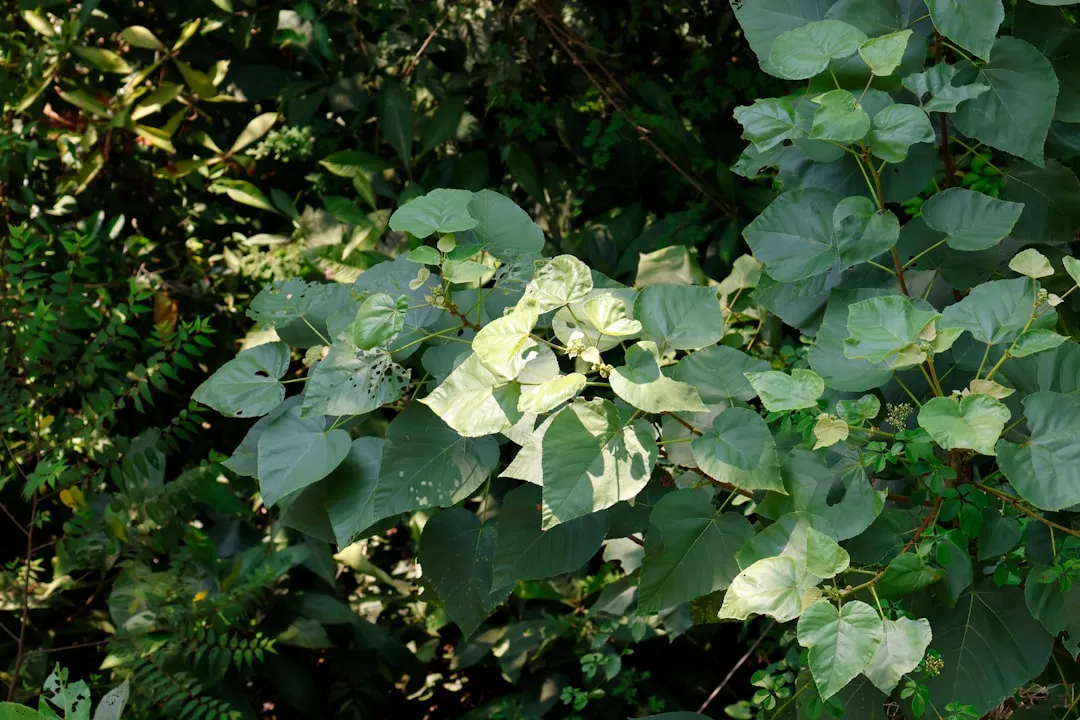
Neem Giloy grows by twining around a neem tree, so its stems carry traces of neem’s bitter alkaloids. Many Ayurvedic practitioners prefer it for stronger effect. Regular giloy, grown on other supports or trellises, still works well for everyday immunity. For most home gardeners, regular giloy is perfectly fine and far easier to source. However, if you want the traditionally ‘premium’ option, look for nurseries that clearly label Neem Giloy — and be cautious, since the label is sometimes used loosely.
Giloy Plant Price Range
Let’s talk money. Giloy is one of the most affordable medicinal plants you can buy, which is part of its charm. Prices vary by plant size, whether it’s a cutting or a rooted plant, and the seller’s reputation.
In India, expect to pay between ₹150 and ₹450 (roughly $2–$5.50 USD, £1.50–£4.50 GBP) for a healthy young plant in a 4–6 inch pot. Rooted cuttings often cost less, around ₹99 to ₹250. Larger, established plants in bigger grow bags can reach ₹500–₹800.
Internationally, giloy is harder to find. In the US, UK, or Australia, it’s usually sold as seeds or dried herb rather than live plants, partly due to import rules. When available as a live plant abroad, expect higher prices — sometimes $15–$30 — because of shipping and rarity.
Price Comparison Across Sellers
Online prices shift with season and demand. During monsoon, supply is high, so prices often dip — a smart time to buy. Festive sales on Ugaoo and NurseryLive can knock 20–30% off. Amazon Plants listings vary widely by third-party sellers, so always check reviews and seller ratings. A quick tip: buying a cutting and rooting it yourself is the cheapest route, and giloy roots so easily that even first-timers succeed.
Where to Buy Giloy (Online & Offline)
In India, you’ve got plenty of trusted options. Online, three names stand out: Ugaoo, NurseryLive, and Amazon Plants. Each delivers across major cities, though delivery times and packaging quality differ.
Ugaoo is known for healthy, well-packed plants and clear care guides. NurseryLive offers a wide range and frequent discounts. Amazon Plants gives convenience and fast delivery, but quality depends on the individual seller — so read reviews carefully.
Offline, your local nursery is often the best bet. You can inspect the plant yourself, and many nurseries sell giloy cheaply during monsoon. Ayurvedic shops and farmers’ markets sometimes offer cuttings too.
Abroad, try specialist herb nurseries or Ayurvedic suppliers. In the UK, some tropical plant specialists stock it occasionally. In the US, check ethnobotanical seed sellers. Meanwhile, gardeners in Southeast Asia and the Middle East may find it at Indian grocery stores or local plant markets, since the climate suits it well.
Buying Online: A Quick Checklist
Before you click ‘buy’, check three things. First, confirm the scientific name reads Tinospora cordifolia, not just ‘giloy.’ Second, read recent reviews mentioning plant condition on arrival. Third, check the seller’s return or replacement policy for damaged plants. Reputable sellers like Ugaoo and NurseryLive replace plants that arrive in poor shape. Furthermore, order early in the week so plants aren’t stuck in transit over a weekend — that’s when heat-damaged deliveries happen most.
What to Look For When Buying Giloy
This is where most people go wrong. They grab the first leafy plant they see and assume it’s healthy. But a few quick checks can save you weeks of frustration.
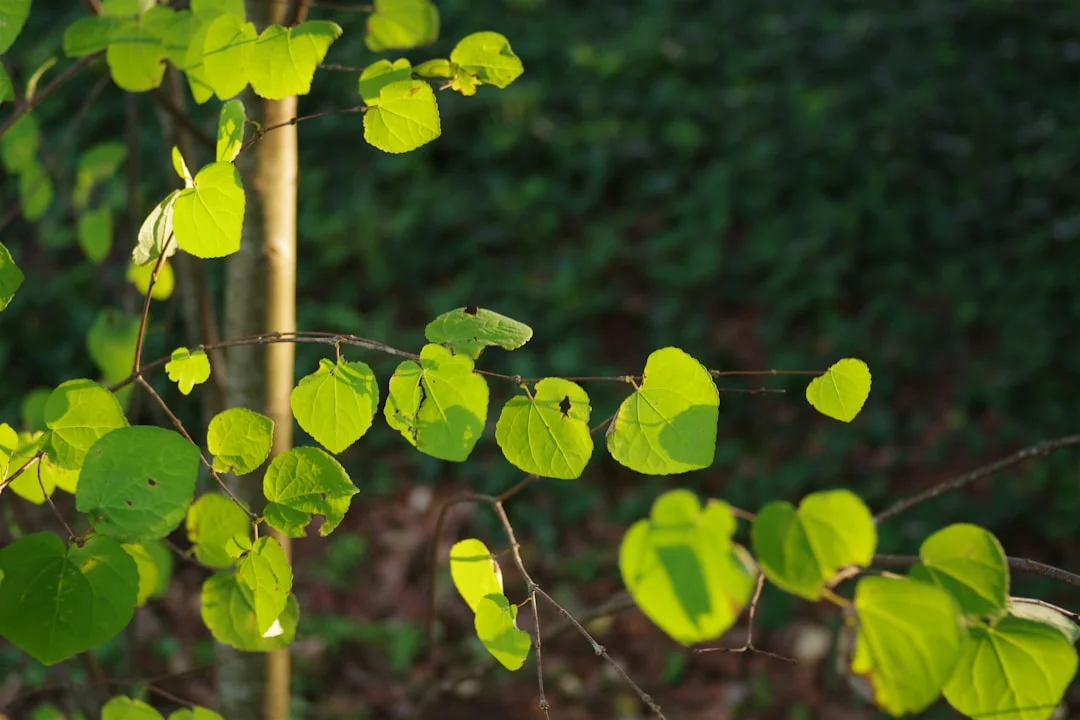
First, look at the stem. A healthy giloy stem is green to greenish-brown, firm, and slightly fleshy — never shrivelled or hollow. Squeeze gently; it should feel solid. Next, inspect the leaves. They should be a clean heart shape, deep green, with no yellow patches or black spots.
Here’s the sign almost nobody checks: aerial roots. A vigorous giloy plant sends down thin thread-like roots from its stems. Their presence is a strong signal that the plant is actively growing and healthy.
Finally, check for pests. Turn leaves over and look for tiny white or black specks. Avoid plants with sticky residue or webbing. A clean, root-active, firm-stemmed plant is exactly what you want — and it tells you the giloy plant benefits immunity will be strongest from fresh, vigorous growth.
Red Flags to Avoid
Walk away if you spot any of these. Mushy, blackened stem bases signal root rot. Widespread yellow leaves often mean overwatering or nutrient stress. A plant with no new growth tips may be dormant or struggling. Lastly, be wary of vague labels that just say ‘medicinal climber’ — insist on confirmation that it’s Tinospora cordifolia. In my experience, a slightly smaller but firm, root-active cutting beats a big leafy plant with a soft stem every single time.
How to Care for Giloy After Buying
The good news? Giloy is almost impossible to kill once it settles in. Still, the first few weeks after buying matter most.
First, give it bright, indirect light or partial sun. Giloy loves warmth. Next, plant it in well-draining soil — a mix of garden soil, compost, and a little sand or coco coir works perfectly. Then, give it a support to climb: a stake, trellis, or nearby tree. As a climber, it grows much faster when it has something to grip.
Water moderately. Let the top inch of soil dry between waterings. Giloy hates soggy roots, so don’t overdo it. During monsoon, you may barely need to water at all.
Feed lightly with organic compost once a month during the growing season. That’s really all it asks for.
Step-by-Step Planting Guide
Follow these steps for a strong start. First, choose a pot at least 10–12 inches wide with drainage holes. Next, fill it with a loose mix of soil, compost, and coco coir. Then, plant your cutting or rooted plant about 2 inches deep. After that, water gently and place it in bright, warm light. Once new shoots appear, add a stake or trellis for climbing. Finally, pinch growing tips occasionally to encourage bushier growth and stronger stems.
Common Care Mistakes
Many gardeners overwater giloy, thinking more is better. It isn’t — soggy soil causes root rot fast. Another mistake is keeping it in deep shade; giloy needs decent light to grow well. Some people also forget the trellis, leaving the plant to sprawl weakly on the ground. Give it something to climb and it rewards you with rapid, healthy growth. Lastly, don’t harvest stems for at least three to four months, so the plant can establish first.
Growing Giloy in Different Climates
Giloy is a tropical plant at heart, but it’s more adaptable than you’d expect. In tropical and subtropical zones — India, Sri Lanka, Southeast Asia, and parts of Africa — it grows year-round outdoors with almost no effort. Monsoon is its peak growing season.
In Mediterranean climates like southern California, Spain, or parts of Australia, giloy thrives outdoors in summer but needs protection from cold, dry winters. Grow it in a pot you can move indoors when temperatures drop.
In temperate regions — the UK, northern US, Canada — giloy won’t survive frost. Here, treat it as a container plant kept in a warm conservatory or greenhouse. The RHS generally classes tender tropical climbers like this as needing a minimum of 10–15°C (50–59°F).
In arid zones like the Middle East, giloy grows well with regular watering and some afternoon shade to prevent leaf scorch.
USDA Zones & Cold Protection
Giloy suits USDA hardiness zones 10–12, where winters stay frost-free. In colder zones (7–9), grow it in pots and bring it indoors before the first frost. Keep it near a sunny window or under a grow light through winter. Aim to keep temperatures above 10°C (50°F). When spring returns, move it back outside gradually so it adjusts. This ‘in-out’ rhythm lets gardeners far from the tropics still enjoy how the giloy plant benefits immunity, even in chilly climates.
Safety, Dosage & Precautions
Giloy is generally safe, but it isn’t for everyone. Here’s the honest truth most sellers won’t tell you.
A common traditional dose is about 1–3 grams of giloy stem powder, or a small glass of fresh stem juice diluted in water, once daily. Don’t exceed recommended amounts, since very high doses may upset the stomach or, rarely, affect the liver. Always start small.
Importantly, pregnant or breastfeeding women should avoid giloy unless a doctor approves it. People with autoimmune conditions should be cautious too, because giloy stimulates the immune system — which isn’t always desirable in those cases. If you take diabetes or blood-pressure medication, check with your doctor, as giloy may lower blood sugar.
For pets, giloy isn’t a known major toxin, but it’s best to keep plants out of reach of curious cats and dogs. When in doubt, consult a qualified healthcare practitioner. Results may vary, and giloy supports health — it doesn’t replace medical treatment.

Frequently Asked Questions
Can I grow giloy indoors in a cold climate?
Yes, you can. In cold regions like the UK, Canada, or northern US, grow giloy in a pot kept indoors near a bright, sunny window. Keep temperatures above 10°C (50°F), since giloy is frost-tender. A small grow light helps during dark winters. Move it outdoors in summer when nights stay warm. While indoor plants grow more slowly, you'll still enjoy how the giloy plant benefits immunity from fresh, homegrown stems. Just avoid overwatering, as indoor pots dry out slowly and soggy roots can rot quickly.
Is giloy safe for pets like cats and dogs?
Giloy isn't listed as a major toxin for pets, but it's still best to keep it out of reach. Cats and dogs sometimes chew climbing plants, which can cause mild stomach upset. There's limited research on giloy's effect on animals, so caution is wise. If your pet eats a large amount and shows vomiting or lethargy, contact a vet. As a rule, place medicinal plants where curious paws and mouths can't reach them. When in doubt, treat any unfamiliar plant as potentially irritating to pets.
How do I grow giloy in containers?
Growing giloy in pots is easy. First, pick a 10–12 inch container with drainage holes. Next, fill it with a loose mix of garden soil, compost, and coco coir for good drainage. Then plant a stem cutting about 2 inches deep and water lightly. Add a stake or small trellis once shoots appear, since giloy is a climber. Place the pot in bright, warm light. Water only when the top inch of soil feels dry. Container growing lets gardeners worldwide enjoy how the giloy plant benefits immunity, even without garden space.
What is the best season to plant giloy?
Monsoon is the best time to plant giloy, which is why June through September is ideal in India. The warm, humid air helps cuttings root fast — often within two weeks. In other regions, plant in late spring or early summer when temperatures stay warm and frost has passed. Gardeners in tropical climates can plant almost year-round. Avoid planting just before cold weather, as giloy won't establish in low temperatures. Plenty of moisture and warmth give the plant its strongest, healthiest start.
How exactly does the giloy plant benefit immunity?
The giloy plant benefits immunity through natural compounds like alkaloids, glycosides, and polysaccharides found mainly in its stems. These help support white blood cell activity and balance immune response, an effect researchers call immunomodulation. Traditional Ayurvedic texts describe giloy as a Rasayana, or rejuvenating herb, used to fight fevers and infections. Modern reviews on PubMed have noted its immune-supporting properties. That said, giloy works best as a daily support, not a cure. Fresh, homegrown stems offer the strongest benefits, which is why many people prefer growing their own.
Can I use giloy from my garden directly, or must I buy products?
You can absolutely use giloy straight from your garden, and many people prefer it. Mature, thumb-thick stems hold the most active compounds. Wash them well, then boil small pieces in water to make a simple decoction, or extract fresh juice. Homegrown giloy is fresher than shelf-bought powders, which lose potency over time. The giloy plant benefits immunity best when stems are fresh. However, always follow safe dosage limits and check with a doctor if you take medication or have a health condition. Start with small amounts to see how your body responds.
Where can I buy a healthy giloy plant online ?
In India, trusted online nurseries include Ugaoo, NurseryLive, and Amazon Plants. Ugaoo is known for healthy, well-packed plants. NurseryLive offers wide variety and frequent discounts. Amazon Plants gives fast delivery, though quality depends on the seller, so read reviews first. Expect to pay ₹150–₹450 for a young plant. Always confirm the listing says Tinospora cordifolia and check the seller's replacement policy. Ordering during monsoon often means better prices and healthier stock, since this is giloy's natural growing season.
Final Thoughts
Giloy is one of those rare plants that gives back far more than it asks. It’s cheap, easy to grow, and steeped in centuries of Ayurvedic respect. Now that you know how the giloy plant benefits immunity, you also know how to buy smart — check the stem, look for aerial roots, and confirm it’s truly Tinospora cordifolia. Stick with trusted sellers like Ugaoo, NurseryLive, or your local nursery, and plant during monsoon for the fastest start. Whether you garden in tropical Mumbai, breezy Sydney, or a chilly London conservatory, giloy can find a home with you. Just remember the basics: bright light, a trellis to climb, well-draining soil, and no overwatering. Follow safe dosage limits, and always check with a doctor if you have health concerns. Start with a single cutting this season — and watch how quickly this ‘root of immortality’ rewards your care. Your home apothecary will thank you.

