
⏱ 21 min read
Table of Contents
- What Is a Variegated Monstera?
- Why Is Variegated Monstera So Expensive?
- Best Varieties to Buy in 2026
- Variegated Monstera Price India: Current Rates
- Where to Buy Variegated Monstera in India
- International Pricing: US, UK, Australia & More
- What to Look for Before Buying
- Care After Buying Your Variegated Monstera
- Common Buying Mistakes to Avoid
Thinking about buying a variegated monstera? You’re not alone. The variegated monstera price India market has exploded since 2020, turning this creamy-white-splashed beauty into one of the most sought-after houseplants worldwide. Whether you’re shopping from Mumbai, Bengaluru, or browsing international nurseries from London or New York, understanding the variegated monstera price India scene helps you spot fair deals and avoid costly mistakes. In this guide, you’ll find current 2026 prices, top varieties like Albo and Thai Constellation, trusted online sellers, and what to check before swiping that card. I’ll also share care tips so your investment thrives — whether you live in tropical Chennai, temperate London, or sunny Sydney. Here’s the thing: prices have softened slightly since the 2022 peak, but rare cultivars still command premium rates. Let’s break down everything you need to know before bringing home this stunning Monstera deliciosa variegata. Many gardeners who grow this plant also love to read about Philodendron Plant Care.
Quick Highlights
- Discover current 2026 variegated monstera prices across India, the US, UK, and Australia
- Compare Albo, Thai Constellation, Aurea, and Mint cultivars side by side
- Shop confidently from trusted nurseries like Ugaoo, NurseryLive, and Amazon Plants
- Spot fake or unhealthy plants before you pay premium prices
- Master post-purchase care for tropical, temperate, and arid climates
- Avoid common scams and grafted variegated monstera tricks
Plant Characteristics at a Glance
| Common Name | Variegated Monstera, Variegated Swiss Cheese Plant |
| Scientific Name | Monstera deliciosa variegata |
| Family | Araceae |
| Origin | Southern Mexico, Central America (mutation cultivated globally) |
| Habitat | Tropical rainforest understory, climbing on trees |
| Plant Type | Evergreen climbing vine |
| Indoor Plant | Yes — excellent indoor plant |
| Outdoor Plant | Yes — only in USDA zones 10–12 or frost-free tropical climates |
| Leaves | Large, glossy, heart-shaped with white/cream variegation and natural splits |
| Flowers | Cream-coloured spadix surrounded by white spathe (rare indoors) |
| Flowering Season | Summer (mature outdoor plants only) |
| Fruit | Edible scaly green fruit when ripe; tastes like pineapple-banana |
| Seeds | Rarely produced indoors; propagation mainly via cuttings |
| Roots | Aerial roots for climbing; fibrous underground roots |
| Height | Indoor: 2–3 m (6–10 ft); Outdoor: up to 20 m (65 ft) |
| Growth Rate | Slow to moderate — slower than non-variegated Monstera |
| Light Requirements | Bright, indirect light; 6+ hours; needs more light than green Monstera |
| Soil Requirements | Well-draining aroid mix; pH 5.5–7.0; coco coir + perlite + bark |
| Water Requirements | Water when top 2 inches dry; every 5–7 days summer, 10–14 days winter |
| Temperature Requirements | 18–30°C (65–86°F); avoid below 12°C (54°F) |
| Humidity Requirements | 60–80% ideal; tolerates 50%+ with effort |
| Propagation | Stem cuttings with node; air layering; tissue culture (Thai Constellation) |
| Uses | Ornamental houseplant, statement decor, investment plant |
| Medicinal Properties | None established; not used in Ayurveda or traditional medicine |
| Toxicity | Toxic to cats, dogs, and humans if ingested — contains calcium oxalate crystals |
| Cultural Significance | Modern status symbol; popular in interior design and plant collecting |
| Common Pests | Thrips, spider mites, mealybugs, scale |
| Common Diseases | Root rot, leaf spot, anthracnose, bacterial leaf blight |
| Special Care Tips | Provide moss pole; prune all-white leaves; maintain green-to-white balance |
| Cultural Practices | Wipe leaves monthly; rotate pot weekly; feed monthly in growing season |
| Vastu Direction | East or North-East for positive energy and growth |
Variegated monstera price Names in Different Languages
| English | Variegated Monstera / Variegated Swiss Cheese Plant |
| Mandarin Chinese | 斑叶龟背竹 (Bān yè guī bèi zhú) |
| Spanish | Monstera Variegada / Costilla de Adán Variegada |
| Hindi | वेरिगेटेड मॉन्स्टेरा |
| Gujarati | વેરિગેટેડ મોન્સ્ટેરા |
| Arabic | مونستيرا متنوعة الألوان |
| Bengali | ভ্যারিগেটেড মনস্টেরা |
| Portuguese | Costela-de-Adão Variegada |
| Russian | Монстера вариегатная |
| Japanese | 斑入りモンステラ (Fuiri Monstera) |
| Punjabi | ਵੈਰੀਗੇਟਡ ਮੋਨਸਟੇਰਾ |
| German | Panaschiertes Fensterblatt |
| Javanese | Monstera Variegata |
| Korean | 무늬 몬스테라 (Munui Monstera) |
| French | Monstera Panaché / Faux Philodendron Panaché |
| Telugu | వేరిగేటెడ్ మాన్స్టెరా |
| Marathi | व्हेरिगेटेड मॉन्स्टेरा |
| Tamil | வேரிகேட்டட் மான்ஸ்டெரா |
| Urdu | ویریگیٹڈ مونسٹیرا |
| Turkish | Alacalı Deve Tabanı |
| Vietnamese | Trầu Bà Lá Xẻ Đốm |
What Is a Variegated Monstera?
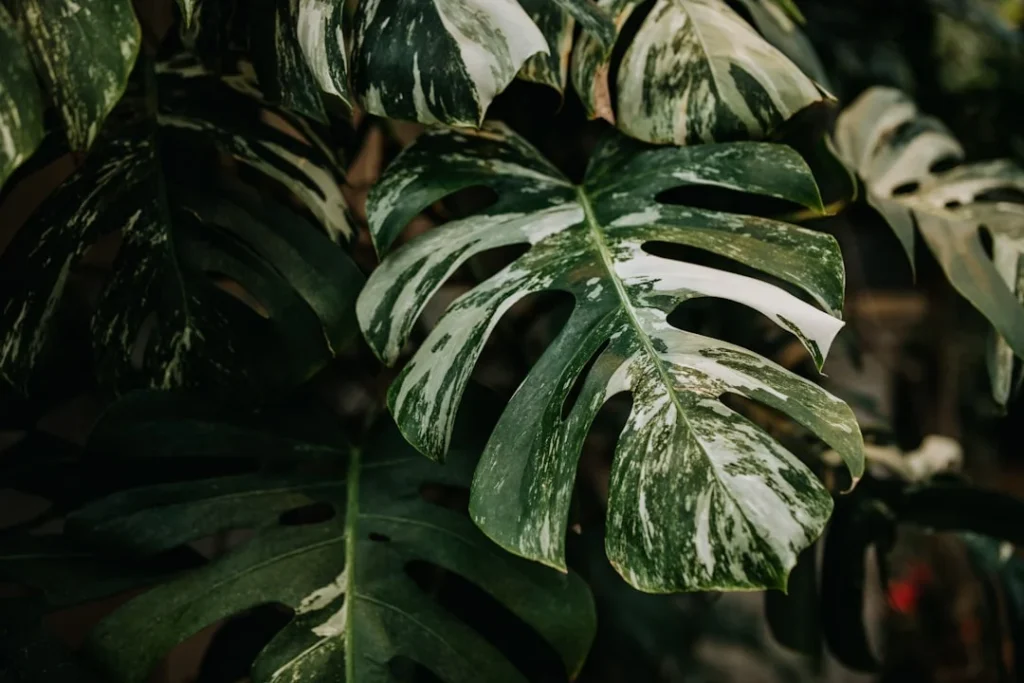
A variegated monstera (Monstera deliciosa variegata) is a rare mutation of the classic Swiss cheese plant. Instead of solid green leaves, this beauty shows creamy white, pale yellow, or mint-green patches. The variegation happens because some plant cells can’t make chlorophyll. As a result, those cells appear white or yellow against the green. According to Kew Gardens, Monstera deliciosa is native to the rainforests of southern Mexico and Central America. However, the variegated form is a chimera — meaning it carries two different genetic tissues in one plant. That’s why every leaf looks different. No two variegated monsteras are identical. Furthermore, this rarity is exactly why collectors pay top dollar. The plant climbs naturally using aerial roots, develops those signature splits and holes (called fenestrations) as it matures, and can grow over 3 metres tall indoors with proper support.
The Science Behind the White Leaves
Here’s the thing about variegation: it’s unstable. Because the white parts lack chlorophyll, they can’t photosynthesise. So the green parts have to work double duty to feed the whole plant. If a leaf is more than 50% white, it often struggles. In fact, some all-white leaves eventually brown and die. That’s why experienced growers prune to maintain a healthy green-to-white ratio. The variegation also can’t be guaranteed in propagation. A cutting from a heavily variegated stem might revert to plain green, or it could produce even more white. This unpredictability adds to the mystique — and the variegated monstera price India listings reflect that gamble. For more tips, check out our detailed article on Golden Pothos Care.
Why Is Variegated Monstera So Expensive?
Three words: rarity, demand, and slow growth. Unlike regular Monstera deliciosa that you can propagate easily, the variegated version takes time. Each cutting must have the right mutation to produce white-splashed leaves. Furthermore, tissue culture labs in Thailand and the Netherlands have helped scale up Thai Constellation production, which is why that variety now costs less than Albo. Still, demand outpaces supply. Social media drove the boom — Instagram and Pinterest turned this plant into a status symbol around 2020. As a result, prices peaked between 2021 and 2022. Meanwhile, since 2024, prices have slowly come down as more nurseries propagate stable stock. However, mature, well-variegated specimens still cost a small fortune. The variegated monstera price India market mirrors global trends — what costs ₹50,000 here might fetch $600 in the US or £450 in the UK. For more tips, check out our detailed article on Rubber Plant Care India.
Market Trends in 2026
In my experience tracking this market since 2019, prices have stabilised significantly. Small Thai Constellation cuttings that sold for ₹40,000 in 2022 now retail around ₹8,000–₹15,000. However, Albo Borsigiana remains pricey because it’s harder to tissue culture. The Aurea (yellow variegated) is gaining popularity too. Many Indian growers now import mother plants from Thailand and Indonesia, which has improved local availability. That said, customs duties and shipping still inflate costs. For more tips, check out our detailed article on Aloe Vera Plant Benefits.
Best Varieties to Buy in 2026
Not all variegated monsteras are equal. Each cultivar has its own look, price tag, and care quirks. Below is a comparison of the four most popular varieties you’ll find on the market today. Whether you want bold white blocks or fine speckles, there’s a variety for every budget and style preference. If you enjoy growing this plant, you might also find our guide on Peace Lily Plant Care very useful.
Monstera Albo Borsigiana
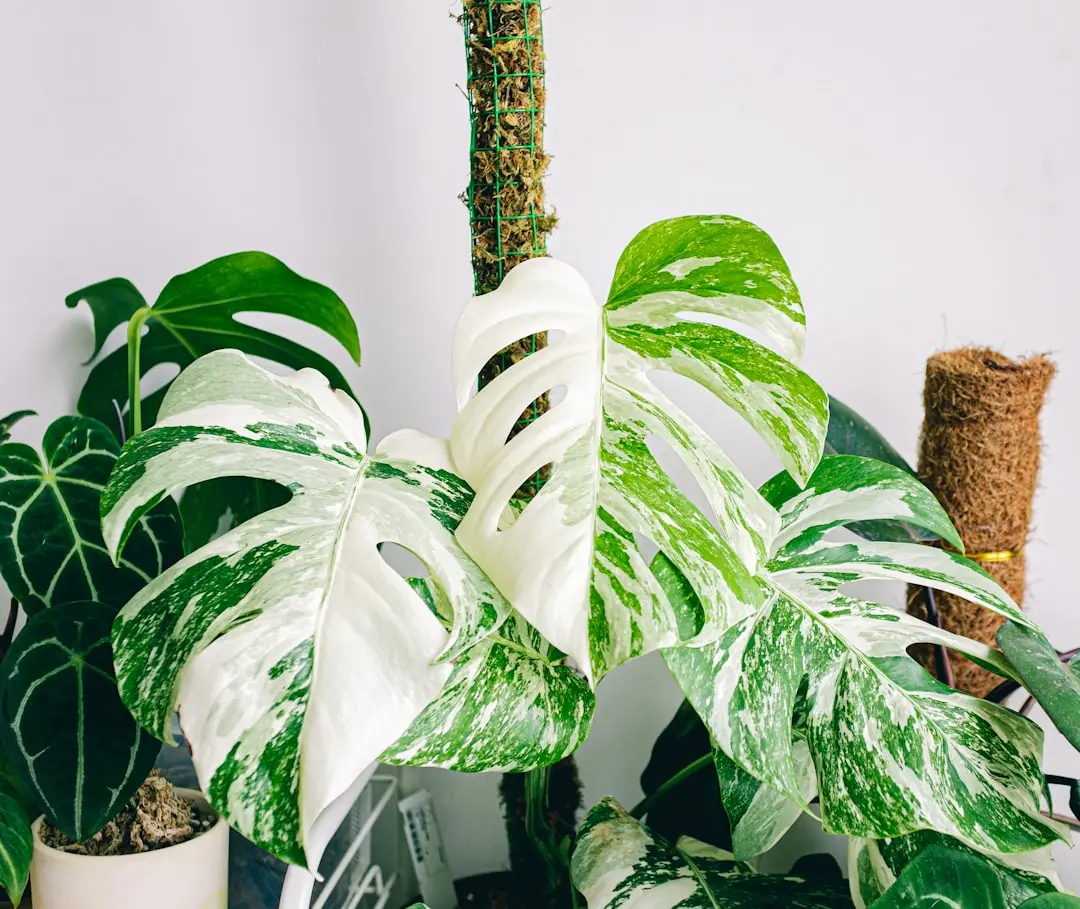
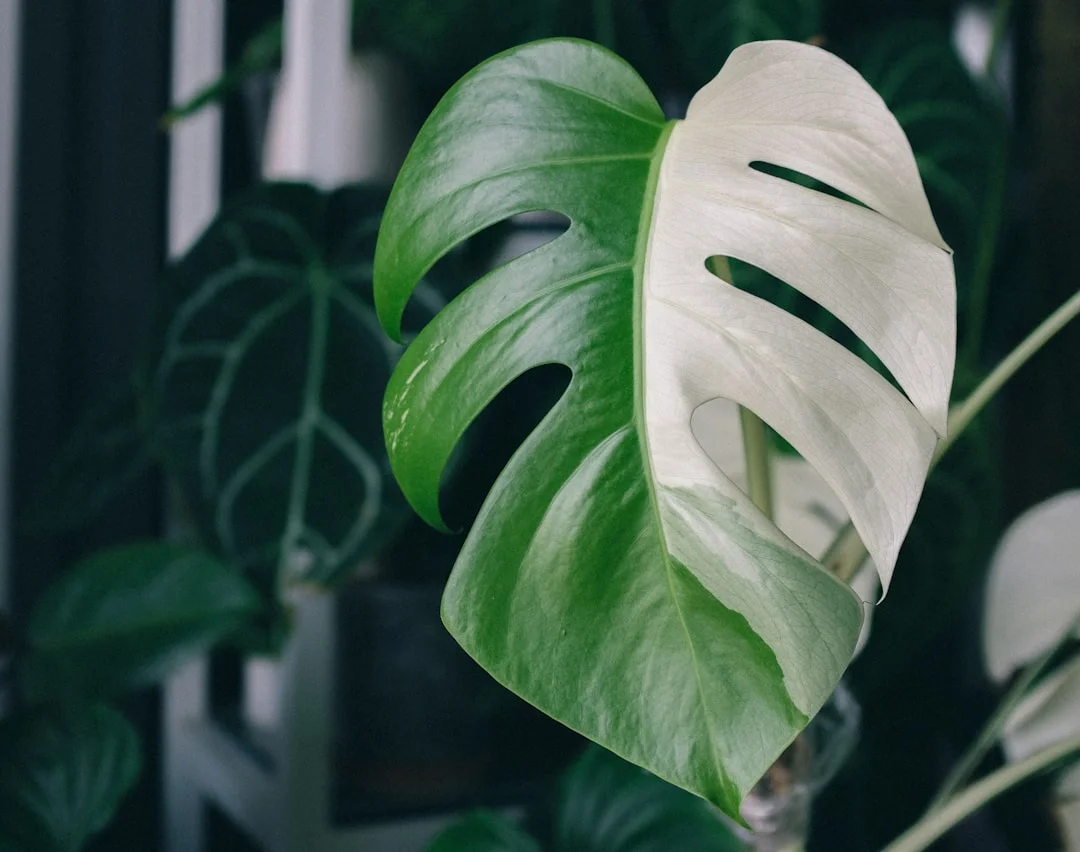
Albo is the rockstar of the variegated world. Its variegation appears in bold, dramatic white sectors — sometimes entire leaves are pure white (called moon leaves). However, Albo is unstable. The plant can revert to green or, worse, produce all-white shoots that die. It’s also slow-growing. Albo can’t be produced through tissue culture reliably, which keeps prices sky-high.
Monstera Thai Constellation
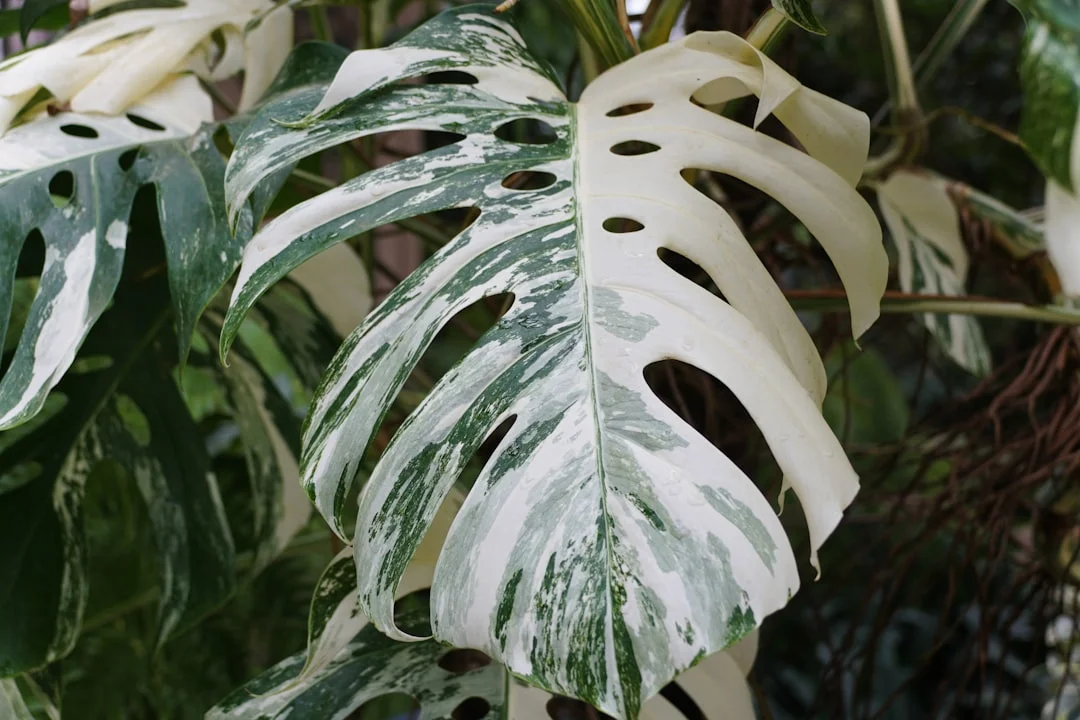
Thai Constellation, developed in a Thai tissue culture lab, shows speckled cream variegation that looks like a starry night sky. Furthermore, it’s stable — meaning it rarely reverts. That makes it the most beginner-friendly variegated monstera. Because labs can mass-produce it, prices have dropped sharply since 2023.
Aurea (Yellow) and Mint Monstera
Aurea (also called Marmorata) shows golden-yellow variegation instead of white. Mint Monstera has soft pale-green patches. Both are rarer than Thai but less expensive than Albo. They’re great middle-ground options for collectors who want something unique without remortgaging the house.
Variegated Monstera Price : Current Rates
Let’s talk numbers. The variegated monstera price India market in June 2026 ranges from ₹3,500 for a single rooted node to over ₹1,00,000 for a mature, heavily variegated specimen. Prices depend on variety, leaf count, variegation percentage, and seller reputation. Here’s a current snapshot: small Thai Constellation cuttings (1–2 leaves) cost ₹6,000–₹12,000. Medium Thai plants with 4–5 leaves range from ₹15,000–₹30,000. Albo Borsigiana cuttings start at ₹8,000 for unrooted nodes and climb to ₹50,000+ for established plants. Aurea variants sit between ₹12,000 and ₹40,000. Importantly, the variegated monstera price India shifts seasonally — demand peaks during festival seasons like Diwali when people gift plants. Furthermore, Bengaluru and Mumbai sellers often charge 15–20% more than nurseries in tier-2 cities. Always compare at least three sellers before buying.
Price Breakdown by Size and Variety
First, consider what you’re paying for. A node with one leaf is cheaper but riskier — it might not root. A 4-inch potted plant with 3+ leaves is the sweet spot for beginners. Next, factor in variegation quality. A 30–40% white plant looks balanced and grows healthier than a 70% white one. The variegated monstera price India also varies based on whether the plant is sold rooted in soil, in water (hydroponic), or as a fresh cutting.
Where to Buy Variegated Monstera
Finding a trusted seller matters more than finding the cheapest price. The variegated monstera price India market unfortunately attracts scammers. Some sellers paint green leaves white, others sell unrooted nodes that never sprout. Stick to nurseries with verified reviews and live plant guarantees. Here are the most reliable options for 2026.
Trusted Online Nurseries
Ugaoo (ugaoo.com) stocks Thai Constellation regularly, with prices starting around ₹8,500. They offer a 7-day replacement policy. NurseryLive lists variegated monstera periodically — sign up for restock alerts. Amazon India hosts third-party sellers; check seller ratings carefully and prefer Amazon-fulfilled listings. For rarer varieties like Albo, try My City Plants, Plantify, or Instagram-based sellers like @plantparentbangalore. Furthermore, plant expos in Bengaluru, Pune, and Delhi often have specialty growers selling at fair rates.
Local Nurseries and Plant Markets
Cities like Bengaluru (Lalbagh Sunday market), Pune (Empress Garden), and Kolkata (Galiff Street) host weekend plant markets. You can inspect plants in person and bargain. However, variegated stock is hit-or-miss locally. Many local sellers source from Thailand wholesalers, so quality varies. Always ask about the plant’s origin and request photos of the mother plant if possible.
International Pricing: US, UK, Australia & More
If you’re reading from outside India, here’s how global prices compare in June 2026. In the US, Thai Constellation cuttings sell for $80–$150 on Etsy and specialty sites like Steve’s Leaves and Pistils Nursery. Mature plants reach $400–$800. Albo Borsigiana commands $200–$1,500 depending on size. In the UK, the RHS lists Monstera deliciosa as a popular houseplant; variegated forms cost £80–£600 from sellers like Patch Plants and eBay UK. Australia has stricter import rules, so prices stay higher — AUD $150–$900 is common via Plant Society and Greenery Unlimited. In Singapore and Malaysia, where the climate suits monsteras perfectly, prices run SGD $60–$400. Meanwhile, in the Middle East (Dubai, Riyadh), expect AED 400–2,500 due to import costs. As you can see, the variegated monstera price India remains one of the more affordable globally for the same quality.
Why Prices Differ Across Countries
Several factors shape global prices. First, import laws — Australia and the US require phytosanitary certificates. Next, tissue culture access matters; countries close to Thailand (like India and Singapore) get cheaper Thai Constellation stock. Then there’s local demand. In cold climates like Canada and northern Europe, monsteras need heated greenhouses, which raises wholesale costs. Even shipping insurance for live plants adds 10–15% to final prices.
What to Look for Before Buying
Before you pay, inspect carefully. A healthy variegated monstera should have firm, glossy leaves with crisp variegation — not muddy or browning patches. Check the stem for green growth points (nodes) because future leaves emerge from these. Furthermore, ensure the variegation pattern is genuine, not painted. Real variegation extends through the leaf tissue; painted leaves show flaky white residue. Ask sellers for clear, well-lit photos of the exact plant you’ll receive. Importantly, the variegated monstera price India often reflects variegation stability — a plant with balanced green-and-white sectors is worth more than one with mostly white leaves that may not survive. Check for root health too; ask for root photos if buying online. Yellow, mushy roots signal rot. Healthy roots are white or light tan and firm.
Red Flags to Avoid
Watch out for these warning signs. First, prices too good to be true — a ₹500 “variegated monstera” is almost certainly fake or a different species (often Epipremnum). Next, sellers refusing video calls or refusing to show the actual plant. Also avoid plants with all-white new leaves; they often die within weeks. Finally, beware of grafted variegated monsteras — some sellers attach a variegated cutting to a green rootstock, which often fails. Always demand a live plant guarantee before paying.
Care After Buying Your Variegated Monstera
Bringing your plant home is just the start. Variegated monsteras need slightly different care than regular ones because the white parts can’t photosynthesise. So they need more light, but never harsh direct sun. Place yours near an east or north-facing window with bright, indirect light. In tropical climates like India, the Philippines, and Indonesia, an indoor spot with filtered sun works perfectly. In temperate zones (UK, US Midwest, Canada), supplement with a grow light during winter when daylight drops below 8 hours. Water when the top 2 inches of soil feel dry — usually every 5–7 days in summer and every 10–14 days in winter. Use a chunky, well-draining mix: 40% coco coir, 30% orchid bark, 20% perlite, and 10% worm castings. Maintain humidity above 60% if possible.
Climate-Specific Care Tips
In hot, humid regions (Mumbai, Chennai, Singapore, Miami), the main challenge is preventing fungal spots. Improve airflow with a small fan. Meanwhile, in arid zones (Dubai, Phoenix, parts of Australia), boost humidity with pebble trays or a humidifier. In cool climates (London, Toronto, Melbourne winters), keep temperatures above 15°C (59°F). The plant goes dormant below 12°C and may drop leaves. USDA zones 10–12 can grow it outdoors year-round; everyone else needs indoor cultivation.
Feeding and Repotting
Feed monthly during spring and summer with a balanced 20-20-20 liquid fertiliser at half strength. Skip feeding in winter. Repot every 18–24 months in spring, going up just one pot size. Bigger pots hold too much moisture and cause root rot. Add a moss pole or coir pole for support — monsteras climb in nature and produce larger, more split leaves when they have something to grip.
Common Buying Mistakes to Avoid
Even seasoned plant collectors make these mistakes. Many gardeners find out the hard way that not every “variegated monstera” listing is genuine. First, don’t buy from Instagram sellers without checking their feedback history and asking for video proof. Next, avoid impulse buying during flash sales — the variegated monstera price India sometimes spikes artificially during promotions. Then, never pay full price for an unrooted cutting unless you have rooting experience. Cuttings without roots can fail, and most sellers won’t refund them. Furthermore, don’t ignore quarantine. New plants should sit alone for 2 weeks to spot pests like thrips, spider mites, or mealybugs before joining your collection. Finally, resist buying the most heavily variegated plant available — those white-dominant beauties often struggle long-term. A balanced 30–50% variegated plant is the smarter investment.
Shipping and Acclimation
When ordering online, choose express shipping (1–3 days). Long transit stresses the plant. Unbox immediately upon arrival and inspect for damage. Don’t repot for at least 2 weeks — let it acclimate first. Keep it in moderate light and avoid fertilising for a month. Yellow leaves or minor leaf drop after shipping is normal; major wilting needs immediate attention.
Frequently Asked Questions
What is the current variegated monstera price in 2026?
The variegated monstera price India in June 2026 ranges from ₹3,500 for a small rooted node to over ₹1,00,000 for mature, heavily variegated specimens. Thai Constellation cuttings (1–2 leaves) typically cost ₹6,000–₹12,000, while medium plants with 4–5 leaves range from ₹15,000–₹30,000. Albo Borsigiana remains pricier at ₹8,000 for nodes and up to ₹50,000+ for established plants. Prices have dropped since the 2022 peak due to increased tissue culture supply from Thailand and Indonesia.
Can I grow Variegated Monstera indoors in a cold climate?
Yes, absolutely. Variegated monsteras thrive indoors in cold climates like the UK, Canada, and northern US as long as you maintain temperatures above 15°C (59°F). Place it near a bright south-facing window during winter and supplement with a grow light when daylight drops below 8 hours. Keep humidity around 60% using a humidifier — central heating dries the air. Avoid placing it near cold drafts or radiators. Many gardeners in London and Toronto successfully grow stunning specimens year-round indoors.
Is Variegated Monstera safe for pets?
No, variegated monstera is toxic to cats, dogs, and other pets. The leaves contain calcium oxalate crystals that cause mouth irritation, drooling, vomiting, and swallowing difficulty if chewed. The ASPCA lists Monstera deliciosa as toxic to both cats and dogs. Keep your plant out of reach using high shelves, hanging planters, or dedicated plant rooms. If ingestion occurs, contact your vet immediately. Children should also avoid touching or eating any plant parts.
Where can I buy authentic variegated monstera ?
Trusted Indian sellers include Ugaoo, NurseryLive, Plantify, and My City Plants. The variegated monstera price India listings on these platforms come with replacement guarantees. Instagram-based sellers in Bengaluru, Pune, and Delhi also offer authentic stock — but verify their reviews and request video proof before paying. Plant expos and Sunday markets like Lalbagh (Bengaluru) and Empress Garden (Pune) sometimes have specialty growers. Avoid suspiciously cheap listings on unverified platforms, as fake painted plants are common scams.
Why are some white leaves turning brown on my variegated monstera?
White leaves brown easily because they lack chlorophyll and can't photosynthesise. So they're more sensitive to direct sun, dry air, and overwatering. First, move your plant away from harsh sunlight — bright indirect light is ideal. Next, increase humidity to 60% or higher using a humidifier or pebble tray. Then, check your watering — let the top 2 inches dry between waterings. Finally, trim heavily damaged white sections to redirect energy to healthy growth.
How do I propagate variegated monstera at home?
Propagation requires a stem cutting with at least one node (the bump where leaves emerge) and ideally an aerial root. First, cut just below a node using sterile scissors. Next, place the cutting in water, sphagnum moss, or perlite. Then keep it warm (24–28°C / 75–82°F) with high humidity. Roots appear in 4–8 weeks. Importantly, only cuttings from variegated sections produce variegated leaves — green cuttings stay green. Pot up once roots are 5 cm long.
Which variegated monstera variety is best for beginners?
Thai Constellation is the best choice for beginners. Unlike Albo Borsigiana, it's stable — meaning it rarely reverts to green and produces consistent speckled variegation. It's also more forgiving with watering mistakes and grows faster than Albo. The variegated monstera price India for Thai Constellation has dropped significantly thanks to tissue culture production, making it affordable for new collectors. Start with a 3–4 leaf plant rather than a node cutting so you can enjoy the foliage immediately while learning care basics.
How often should I repot my variegated monstera?
Repot every 18–24 months in spring, going up just one pot size (2–3 cm wider). Bigger pots hold excess moisture and cause root rot, which kills more variegated monsteras than any pest. Use a chunky aroid mix: 40% coco coir, 30% orchid bark, 20% perlite, 10% worm castings. Add a moss pole during repotting to encourage climbing — this produces larger, more fenestrated leaves. Avoid repotting in winter when the plant is dormant.
Final Thoughts
Buying a variegated monstera is part plant purchase, part investment. Understanding the variegated monstera price India market in 2026 helps you make smart, informed choices. Whether you’re eyeing a budget-friendly Thai Constellation cutting at ₹6,000 or splurging on a mature Albo specimen, knowing what to look for protects you from scams and disappointment. Stick to trusted nurseries like Ugaoo, NurseryLive, and verified Instagram sellers. Inspect plants thoroughly before paying, prioritise balanced variegation over heavily white leaves, and always quarantine new arrivals. After purchase, give your plant bright indirect light, chunky well-draining soil, and 60%+ humidity. With proper care, your variegated monstera will reward you with stunning new leaves for decades. Ready to bring one home? Start with a Thai Constellation if you’re new to variegated plants — it’s forgiving, gorgeous, and genuinely worth every rupee.
