
⏱ 20 min read
Table of Contents
- Rubber Plant Overview: Why It's a Top Pick
- Best Rubber Plant Varieties to Buy in 2026
- Rubber Plant Price Range in India and Globally
- Where to Buy a Healthy Rubber Plant
- What to Look For Before You Buy
- Rubber Plant Care India: First 30 Days After Buying
- Long-Term Care Across Climates
- Common Problems and Quick Fixes
- Safety, Toxicity, and Pet Concerns
Looking to buy a stunning Ficus elastica? You’re in the right place. This complete guide to rubber plant care India covers everything from choosing the healthiest specimen to keeping it thriving for decades. The rubber plant, or रबर प्लांट, is one of the most forgiving indoor trees you can grow. It tolerates low light, irregular watering, and dry indoor air with surprising grace. That’s why it’s beloved by beginners in Mumbai, designers in London, and apartment dwellers from New York to Sydney. For more tips, check out our detailed article on Aloe Vera Plant Benefits.
In this 2026 buying guide, we’ll walk through the best varieties available today, current price ranges across trusted nurseries, and what to inspect before you pay. You’ll also learn proper rubber plant care India after the plant arrives at your home. Whether you’re shopping online from Ugaoo or picking one up at a local Bunnings, the same principles apply. Let’s get growing. Many gardeners who grow this plant also love to read about best indoor plants for beginners in India.
Quick Highlights
- Discover the top 6 rubber plant varieties worth buying in 2026
- Compare price ranges across Ugaoo, NurseryLive, and Amazon Plants
- Learn the 7-point health check before purchasing any Ficus elastica
- Master watering, light, and humidity for thriving indoor growth
- Avoid the 5 most common rookie mistakes after bringing your plant home
- Get climate-specific care tips for tropical, temperate, and arid regions
Plant Characteristics at a Glance
| Common Name | Rubber Plant, Rubber Fig, Rubber Tree |
| Scientific Name | Ficus elastica |
| Family | Moraceae (Mulberry family) |
| Origin | Eastern Himalayas, Nepal, Bhutan, NE India, Myanmar, Indonesia |
| Habitat | Tropical and subtropical forests; widely cultivated indoors |
| Plant Type | Evergreen broadleaf tree (kept as houseplant) |
| Indoor Plant | Yes — excellent indoor specimen |
| Outdoor Plant | Yes, in USDA zones 10–12 / RHS H1B |
| Leaves | Large, glossy, leathery, oval, 20–35 cm long |
| Flowers | Tiny, inconspicuous; rarely flowers indoors |
| Flowering Season | Rare indoors; outdoors in tropics, year-round |
| Fruit | Small green-yellow figs (only on mature outdoor trees) |
| Seeds | Tiny, inside figs; rarely viable in cultivation |
| Roots | Fibrous, can produce aerial roots in humid conditions |
| Height | Indoors: 2–3 m; Outdoors: up to 30 m |
| Growth Rate | Moderate; 30–60 cm per year indoors |
| Light Requirements | Bright, indirect light; tolerates medium light |
| Soil Requirements | Well-draining, slightly acidic (pH 5.5–7.0) |
| Water Requirements | Moderate; water when top 2–3 cm dry |
| Temperature Requirements | 16–29°C (60–85°F); avoid below 10°C (50°F) |
| Humidity Requirements | 40–60% ideal; tolerates 30% |
| Propagation | Stem cuttings, air layering |
| Uses | Ornamental houseplant, air purifier, landscaping in tropics |
| Medicinal Properties | Limited; traditional topical use for joint pain (consult expert) |
| Toxicity | Mildly toxic to cats, dogs, humans; sap is a skin irritant |
| Cultural Significance | Symbol of wealth in feng shui; ornamental icon worldwide |
| Common Pests | Scale, mealybugs, spider mites, thrips |
| Common Diseases | Root rot, leaf spot, anthracnose |
| Special Care Tips | Wipe leaves monthly; rotate weekly for even growth |
| Cultural Practices | Prune in spring; repot every 2–3 years; fertilise monthly in growing season |
| Vastu Direction | Southeast corner brings prosperity; avoid northeast |
Rubber plant care Names in Different Languages
| English | Rubber Plant / Rubber Fig |
| Mandarin Chinese | 印度橡胶树 (Yìndù xiàngjiāo shù) |
| Spanish | Árbol del caucho / Ficus elástica |
| Hindi | रबर का पौधा (Rubber ka Paudha) |
| Gujarati | રબર પ્લાન્ટ (Rubber Plant) |
| Arabic | نبات المطاط (Nabat al-Mattat) |
| Bengali | রবার গাছ (Rubber Gachh) |
| Portuguese | Seringueira-do-himalaia / Falsa-seringueira |
| Russian | Фикус каучуконосный (Fikus kauchukonosnyy) |
| Japanese | インドゴムノキ (Indo gomu no ki) |
| Punjabi | ਰਬੜ ਦਾ ਪੌਦਾ (Rabarh da Paudha) |
| German | Gummibaum |
| Javanese | Wit karet |
| Korean | 인도고무나무 (Indo gomu namu) |
| French | Caoutchouc / Figuier élastique |
| Telugu | రబ్బరు చెట్టు (Rabbaru Chettu) |
| Marathi | रबर वनस्पती (Rubber Vanaspati) |
| Tamil | ரப்பர் மரம் (Rabbar Maram) |
| Urdu | ربڑ کا پودا (Rubber ka Paudha) |
| Turkish | Kauçuk ağacı |
| Vietnamese | Cây cao su Ấn Độ |
Rubber Plant Overview: Why It's a Top Pick
The rubber plant (Ficus elastica) hails from the foothills of the eastern Himalayas, Nepal, Bhutan, and parts of Indonesia. In its wild form, it can grow into a towering 30-metre giant. Indoors, however, it stays a manageable 2 to 3 metres tall. That makes it perfect for living rooms, offices, and bright corners. If you enjoy growing this plant, you might also find our guide on Snake Plant Benefits very useful.
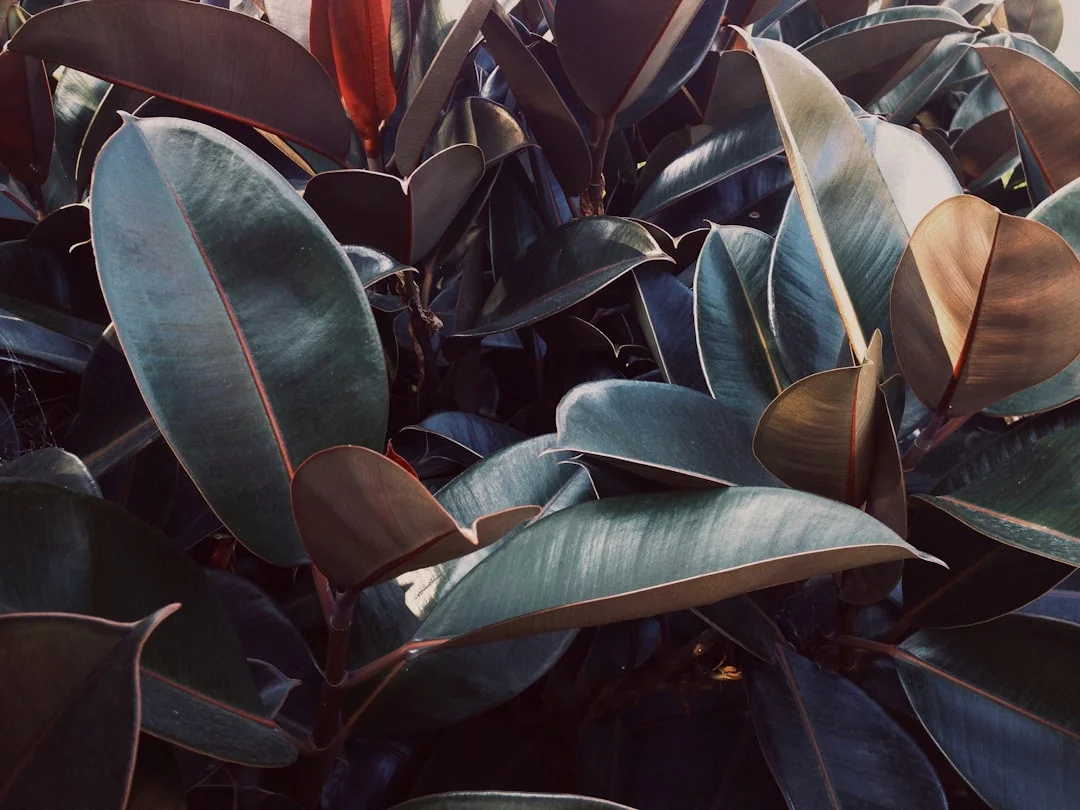
What makes this plant a buyer’s favourite? Its glossy, leathery leaves catch light beautifully. It also cleans indoor air, removing formaldehyde and other VOCs, according to research summarised by NASA's Clean Air Study. Plus, it’s tough. Forget to water it for a week? It usually forgives you.
In my experience, new plant parents thrive with rubber plants because the feedback loop is clear. Droopy leaves mean thirst. Yellowing means too much water. That visual honesty makes it a brilliant teacher plant. Many gardeners who grow this plant also love to read about Jade Plant Benefits.
A Brief Botanical Snapshot
Ficus elastica belongs to the Moraceae family, the same group as figs and mulberries. Its milky white sap was once tapped for natural rubber, though Hevea brasiliensis later took over commercial production. The Royal Botanic Gardens, Kew lists it as one of the most widely cultivated ornamental Ficus species worldwide. It’s hardy in USDA zones 10–12 and rated H1B by the RHS, meaning it needs indoor protection in temperate climates.
Best Rubber Plant Varieties to Buy in 2026
Not all rubber plants look the same. Today’s nurseries stock at least six popular cultivars, each with its own personality. Picking the right one matters because some need brighter light than others. Variegated forms, for example, lose their pattern in shade. For more tips, check out our detailed article on Aloe Vera Care Guide.
Here’s a quick comparison of the most sought-after varieties this year:
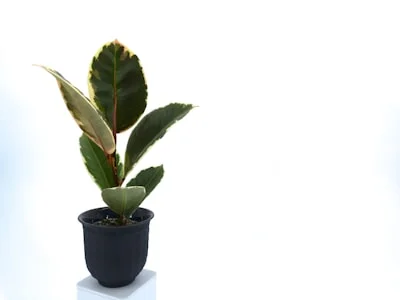
| Variety | Leaf Colour | Light Need | Avg Price (INR) | Best For | |—|—|—|—|—| | Ficus elastica ‘Robusta’ | Deep green | Medium | ₹250–₹600 | Beginners | | ‘Burgundy’ (Black Prince) | Dark maroon | Bright indirect | ₹400–₹900 | Bold décor | | ‘Tineke’ | Cream & green | Bright indirect | ₹600–₹1,500 | Style lovers | | ‘Ruby’ | Pink, cream, green | Very bright | ₹800–₹2,000 | Collectors | | ‘Doescheri’ | Variegated grey-green | Bright indirect | ₹700–₹1,800 | Showpieces | | ‘Melany’ | Compact dark green | Medium | ₹350–₹800 | Small spaces |
Which Variety Suits Homes Best?
For most Indian homes, ‘Robusta’ and ‘Melany’ are the safest picks. They handle the warm humidity of Chennai, the dry heat of Delhi summers, and the cooler air of Bengaluru with equal ease. Variegated varieties like ‘Tineke’ and ‘Ruby’ need a south or east-facing window. Without enough light, their beautiful pink and cream patches fade to plain green. That said, gardeners in tropical climates often find Tineke thrives on balconies with filtered morning sun.
Trendy Picks for 2026
The ‘Ruby’ rubber plant is having a moment on Instagram. Its pink-flushed new leaves photograph beautifully. Meanwhile, ‘Burgundy’ continues to dominate minimalist interiors because of its near-black foliage. If you’re a serious collector, hunt for ‘Sophia’ or ‘Belize’ — both are rare in Indian nurseries but occasionally appear on import-savvy sellers like Ugaoo.
Rubber Plant Price Range and Globally
Prices vary wildly based on size, variety, and pot type. A 6-inch baby Robusta might cost ₹250 ($3 / £2.40), while a 4-foot showpiece Tineke can fetch ₹3,500 ($42 / £33). Understanding rubber plant care India starts with knowing what’s fair to pay. Overpaying for a stressed plant is a common rookie mistake.
Here’s a realistic 2026 price snapshot:
| Size | Robusta | Tineke | Burgundy | Ruby | |—|—|—|—|—| | Small (6–10 inch) | ₹250–₹500 | ₹600–₹1,200 | ₹400–₹700 | ₹800–₹1,400 | | Medium (1–2 ft) | ₹500–₹1,000 | ₹1,200–₹2,200 | ₹700–₹1,400 | ₹1,400–₹2,500 | | Large (3–4 ft) | ₹1,500–₹3,000 | ₹2,500–₹4,500 | ₹2,000–₹3,500 | ₹3,000–₹6,000 |
Globally, expect to pay $15–$25 for a small plant in the US, £12–£20 in the UK, and AU$20–$35 in Australia. Prices in Singapore and Dubai often run 20–30% higher due to import costs.
What Drives the Price Up?
Three things bump prices: variegation, height, and pot quality. A variegated ‘Ruby’ costs 3–4 times more than a plain Robusta of the same size because it grows slower and propagates less reliably. Decorative ceramic pots can add ₹500–₹2,000 to the listed price. So if you already own a nice planter, buy in a nursery grow pot to save money.
Where to Buy a Healthy Rubber Plant
You’ve got three main routes: online nurseries, local garden centres, and big-box marketplaces. Each has trade-offs. Online specialists like Ugaoo and NurseryLive offer better packaging and plant guarantees. Local nurseries let you inspect the plant in person. Marketplaces like Amazon Plants are cheapest but quality varies.
For rubber plant care India enthusiasts, my advice is simple. Buy small plants locally if you can. Buy specific cultivars online because local nurseries rarely stock ‘Ruby’ or ‘Tineke’.
Top Online Nurseries (2026)
Ugaoo leads the pack for plant quality and packaging. They ship in custom corrugated boxes with the root ball secured. NurseryLive offers a wider variety at slightly lower prices but packaging can be hit or miss. Amazon Plants and Flipkart aggregate third-party sellers — read reviews carefully. For premium specimens, check Mybageecha and Greendecor. International readers can try The Sill (US), Patch Plants (UK), and Bunnings (Australia).
Red Flags When Buying Online
Avoid listings with stock photos only. Reputable sellers show real photos of the actual plant range. Skip sellers without return or replacement policies. Furthermore, check the delivery timeline. Plants stuck in transit for 5+ days often arrive stressed. Many gardeners find that ordering on a Monday or Tuesday ensures the plant doesn’t sit in a warehouse over the weekend.
What to Look For Before You Buy
A 60-second inspection can save you months of heartache. Whether you’re at a nursery or unboxing a delivery, run this 7-point check. This is where most people go wrong — they pick the prettiest plant without checking the basics.
The 7-Point Health Check
First, look at the leaves. They should be glossy, firm, and free of brown spots. Second, inspect the underside for pests — scale insects and spider mites love rubber plants. Third, check the soil. It should be slightly moist, not waterlogged or bone dry. Fourth, gently wiggle the stem. A loose, wobbly plant suggests root problems. Fifth, peek at the drainage holes. Roots circling out heavily mean it’s pot-bound. Sixth, count the leaves. A healthy small plant should have 6+ leaves. Finally, smell the soil. A sour, swampy odour signals root rot.
Questions to Ask the Seller
Ask three questions. How long has the plant been in this pot? When was it last fertilised? Has it been kept indoors or outdoors? A plant that’s been outside under shade cloth will need slow acclimatisation to indoor light. In addition, ask about their replacement policy. Reputable sellers replace plants that arrive damaged within 48–72 hours of delivery.
Rubber Plant Care : First 30 Days After Buying
Bringing your new plant home is exciting, but resist the urge to repot immediately. The first month is about helping it adjust. Proper rubber plant care India during this window sets the stage for years of growth.
Week 1: Acclimatisation
Place the plant in bright, indirect light — near an east-facing window is ideal. Don’t water yet unless the soil feels completely dry. Skip fertiliser entirely. Skip repotting. The plant is recovering from transport stress, and any change can shock it. Furthermore, keep it away from AC vents, heaters, and cold drafts.
Week 2–4: Settling In
Begin a regular watering rhythm. Water deeply when the top 2–3 cm of soil feels dry — usually every 7–10 days in summer and every 14–21 days in winter. Wipe the leaves with a damp cloth weekly. This boosts photosynthesis and helps you spot pests early. Around week 4, you can start light fertilisation with a balanced 19:19:19 NPK at quarter strength.
When to Repot
Wait at least 4–6 weeks before repotting. Choose a pot just 2 inches wider than the current one. Use a chunky mix: 50% potting soil, 30% coco coir or peat, 20% perlite or pumice. Good drainage is non-negotiable. The RHS recommends repotting Ficus elastica only every 2–3 years once established.
Long-Term Care Across Climates
Rubber plants are surprisingly adaptable, but they need different care in different climates. Successful rubber plant care India in Mumbai looks different from care in Delhi or in London.
Tropical and Coastal Climates
In Mumbai, Chennai, Bangkok, and Singapore, humidity is your friend. Water roughly every 5–7 days in summer. Watch for fungal spots during monsoon — increase airflow with a small fan. You can place rubber plants on balconies with morning sun, but avoid harsh afternoon rays which scorch the leaves.
Temperate Climates (UK, Northern US, Canada)
Indoor conditions dominate here. Aim for 18–24°C (65–75°F). Below 10°C (50°F), the plant suffers. Light is the bigger challenge — supplement with a grow light during dark winter months. Water less in winter, perhaps every 3 weeks, because cool, low-light conditions slow growth dramatically.
Arid and Mediterranean Climates
In Dubai, Phoenix, or southern Spain, dry air stresses the plant. Group it with other plants, use a humidity tray, or run a humidifier to keep humidity above 40%. Water more frequently in summer because dry air pulls moisture from leaves quickly. Avoid direct desert sun — filtered light through sheer curtains works best.
Common Problems and Quick Fixes
Even seasoned growers run into issues. The good news is that most rubber plant problems have visible, fixable causes. Here’s a troubleshooting cheat sheet built from years of reader questions.
Yellow Leaves
Yellowing usually means overwatering. Check the soil — if it’s soggy, let it dry out completely before watering again. If lower leaves yellow and drop one at a time, that’s normal ageing. However, if multiple leaves yellow at once, suspect root rot. Unpot the plant, trim black mushy roots, and repot in fresh dry mix.
Drooping or Falling Leaves
Drooping usually signals thirst or shock. Feel the soil. If dry, water deeply and the leaves should perk up within 24 hours. Sudden leaf drop, on the other hand, points to a temperature shock — a cold draft, a hot vent, or a move to a new spot. Rubber plants dislike change. Be patient and keep conditions stable.
Pests: Scale, Mealybugs, Spider Mites
Wipe leaves with a cotton pad dipped in neem oil solution (5 ml neem oil + 1 litre water + a drop of dish soap). Repeat weekly for 3 weeks. For heavy scale infestations, scrape off insects with a soft toothbrush first. Many gardeners find isolating new plants for 2 weeks prevents pests spreading to other houseplants.
Safety, Toxicity, and Pet Concerns
Here’s the thing — rubber plants are mildly toxic. The milky white sap contains latex and ficin enzymes that can irritate skin and cause stomach upset if eaten. According to the ASPCA, Ficus elastica is toxic to cats, dogs, and horses. Symptoms include drooling, vomiting, and skin irritation.
Keep the plant out of reach of curious pets and small children. Wear gloves when pruning because the sap can cause contact dermatitis in sensitive individuals. People with latex allergies should avoid this plant altogether. That said, the plant isn’t dangerously toxic — it’s a mild irritant, not a deadly poison. Wash any sap off skin with soap and water immediately.
In Ayurveda, Ficus species are revered, though Ficus religiosa (peepal) and Ficus benghalensis (banyan) hold more medicinal weight than F. elastica. Traditional uses include topical applications for joint pain, but always consult a qualified practitioner.
Frequently Asked Questions
Can I grow a rubber plant indoors in a cold climate?
Yes, absolutely. Rubber plants make excellent indoor specimens in cold climates like the UK, Canada, and the northern US. Keep them above 10°C (50°F) and away from cold drafts and frosty windows. Place them near a bright east or south-facing window. In winter, reduce watering to every 2–3 weeks since growth slows dramatically. A grow light helps during dark months. The plant won't grow much in winter, but it'll happily wait for spring to push out new leaves.
Is the rubber plant safe for pets and children?
Unfortunately no — Ficus elastica is mildly toxic to cats, dogs, and humans. The milky white sap contains latex and ficin enzymes that can cause drooling, vomiting, and skin irritation if ingested. Keep the plant out of reach of curious pets and toddlers. Wear gloves when pruning. People with latex allergies should avoid it entirely. That said, the toxicity is mild — it's an irritant, not a deadly poison. If your pet nibbles a leaf, watch for symptoms and call your vet if drooling or vomiting persists.
How often should I water my rubber plant?
Water when the top 2–3 cm of soil feels dry — typically every 7–10 days in summer and every 14–21 days in winter. Successful rubber plant care India means adjusting to your home's specific conditions. In humid Mumbai, water less. In dry Delhi winters, water slightly more. Always check the soil before watering rather than following a fixed schedule. Water deeply until it drains out the bottom, then empty the saucer. Overwatering is the number one killer of rubber plants.
Why are my rubber plant's leaves falling off?
Sudden leaf drop usually means shock — a cold draft, sudden temperature change, or recent move. The plant dislikes change. If leaves drop slowly over weeks, suspect overwatering or low light. Check the soil moisture and inspect the roots if you suspect rot. Healthy roots are white or tan; rotting roots are black and mushy. Move the plant to brighter indirect light and let the soil dry between waterings. Most plants recover within 4–6 weeks if you stabilise conditions.
What's the best soil mix for a rubber plant?
Use a chunky, well-draining mix: 50% quality potting soil, 30% coco coir or peat moss, and 20% perlite or pumice. This blend retains some moisture while preventing waterlogging — exactly what Ficus elastica needs. Add a handful of orchid bark for extra drainage if you tend to overwater. The ideal pH is slightly acidic, between 5.5 and 7.0. Avoid heavy garden soil or moisture-retentive mixes designed for ferns. Good drainage is the single biggest factor in rubber plant care India.
How tall will my rubber plant grow indoors?
Indoors, expect a mature height of 2–3 metres (6–10 feet) over 5–10 years. Growth rate is moderate — about 30–60 cm per year in good conditions. You can control height by pruning the top, which also encourages branching. Without pruning, rubber plants grow as single tall stems. To make them bushy, snip off the growing tip once the plant reaches your desired height. New shoots will emerge below the cut within 4–8 weeks.
Can I grow a rubber plant from a cutting?
Yes, propagation is straightforward. Take a 15–20 cm stem cutting with 3–4 leaves in spring or summer. Let the cut end dry for 1–2 hours so the sap stops oozing. Dip in rooting hormone, then plant in moist perlite or a coco coir mix. Cover with a clear plastic bag to maintain humidity. Roots usually develop in 4–8 weeks. Air layering works even better for thick stems and gives faster, more reliable results.
Where should I place my rubber plant according to Vastu?
In Vastu Shastra, the rubber plant is traditionally placed in the southeast corner of the home to attract prosperity and stability. Avoid the northeast corner, which is reserved for sacred and lighter energies. The plant's rounded, glossy leaves are also associated with wealth in feng shui — place it in the wealth corner (southeast) of your living room. Beyond tradition, choose a spot with bright indirect light and stable temperature for the healthiest growth.
Final Thoughts
Buying a rubber plant in 2026 is easier than ever, with online nurseries offering everything from humble Robustas to rare Ruby variegated forms. Whether you spend ₹250 or ₹5,000, the secret to long-term success lies in choosing a healthy specimen, easing it into your home, and learning its visual cues. Mastering rubber plant care India isn’t complicated — it’s about consistent light, smart watering, and patience.
Start with a Robusta or Melany if you’re new to the hobby. Graduate to a Tineke or Ruby once you’ve mastered the basics. Inspect every plant carefully before buying. Don’t repot for at least a month after purchase. And remember — yellow leaves mean too much water, droopy leaves mean too little, and dropped leaves mean change. Your rubber plant will reward steady, gentle care with decades of glossy, sculptural beauty. Happy growing!

