
⏱ 24 min read
Here’s something most people don’t know: a single areca palm can release up to a litre of water vapour into your room every day, acting like a living humidifier. That’s just one of the many areca palm benefits indoors that make this feathery plant a favourite from Mumbai apartments to London flats. If you’ve ever wondered why interior designers and air-quality experts keep recommending it, you’re in the right place. The areca palm (Dypsis lutescens) is famous for cleaning air, boosting humidity, and adding a tropical, jungle-like feel to any room. In this complete care guide, I’ll walk you through everything — from the real areca palm benefits indoors to watering, light, soil, and fixing common problems. Whether you garden in the tropics, a cool temperate home, or a dry desert climate, you’ll learn exactly how to keep this palm thriving. By the end, you’ll know why your past attempts may have failed — and what to do differently this time. Many gardeners who grow this plant also love to read about Fiddle Leaf Fig Care Tips.
Quick Highlights
- Purify your indoor air by removing common household toxins naturally
- Boost room humidity with one of nature's best living humidifiers
- Grow easily in low to bright light across any climate zone
- Keep pets and kids safe — this palm is non-toxic and ASPCA-approved
- Propagate new plants free by dividing clumps at the roots
- Add instant tropical greenery to homes, offices, and balconies
Plant Characteristics at a Glance
| Common Name | Areca Palm (also Golden Cane Palm, Butterfly Palm, Yellow Palm) |
| Scientific Name | Dypsis lutescens |
| Family | Arecaceae (palm family) |
| Origin | Madagascar |
| Habitat | Tropical lowlands, forest edges, and riverbanks |
| Plant Type | Evergreen clumping palm |
| Indoor Plant | Yes — one of the most popular indoor palms |
| Outdoor Plant | Yes, in USDA zones 10–11 / frost-free climates |
| Leaves | Arching, feathery, pinnate fronds, yellow-green |
| Flowers | Small yellow flowers; rare indoors |
| Flowering Season | Summer (mainly outdoors in tropics) |
| Fruit | Small yellow-to-purple berries, rare indoors |
| Seeds | Single seed per fruit; slow to germinate |
| Roots | Fibrous, clumping; prefers being slightly root-bound |
| Height | 1.8–3 m (6–10 ft) indoors; up to 9 m outdoors |
| Growth Rate | Moderate — several inches per year |
| Light Requirements | Bright, indirect light; tolerates some shade |
| Soil Requirements | Well-draining, slightly acidic (pH 6.0–6.5) |
| Water Requirements | Moderate; keep evenly moist, never soggy |
| Temperature Requirements | 18–27°C (65–80°F); avoid below 10°C (50°F) |
| Humidity Requirements | Moderate to high (50%+); mist in dry climates |
| Propagation | Division of clumps; seeds (slow) |
| Uses | Air purification, humidity boost, décor, floristry |
| Medicinal Properties | None notable (not the betel nut palm) |
| Toxicity | Non-toxic to cats, dogs, horses, and humans |
| Cultural Significance | Symbol of prosperity in Vastu and Feng Shui |
| Common Pests | Spider mites, mealybugs, scale insects |
| Common Diseases | Root rot, leaf spot, fungal issues from over-watering |
| Special Care Tips | Use filtered water; avoid fluoride; flush soil to remove salts |
| Cultural Practices | Repot every 2–3 years; rotate weekly for even growth |
| Vastu Direction | East or Southeast for positive energy |
Areca palm benefits indoors Names in Different Languages
| English | Areca Palm / Golden Cane Palm |
| Mandarin Chinese | 散尾葵 (Sǎn wěi kuí) |
| Spanish | Palmera areca / Palma bambú |
| Hindi | अरेका पाम (Areca Palm) |
| Gujarati | અરેકા પામ |
| Arabic | نخيل الأريكا |
| Bengali | এরিকা পাম |
| Portuguese | Palmeira-areca / Areca-bambu |
| Russian | Хризалидокарпус (Areca) |
| Japanese | アレカヤシ (Areka yashi) |
| Punjabi | ਅਰੇਕਾ ਪਾਮ |
| German | Areca-Palme / Goldfruchtpalme |
| Javanese | Palem kuning |
| Korean | 아레카야자 (Areka yaja) |
| French | Palmier areca / Palmier multipliant |
| Telugu | అరెకా పామ్ |
| Marathi | अरेका पाम |
| Tamil | அரேக்கா பாம் |
| Urdu | اریکا پام |
| Turkish | Areka palmiyesi |
| Vietnamese | Cau cảnh / Cọ areca |
What Is the Areca Palm?
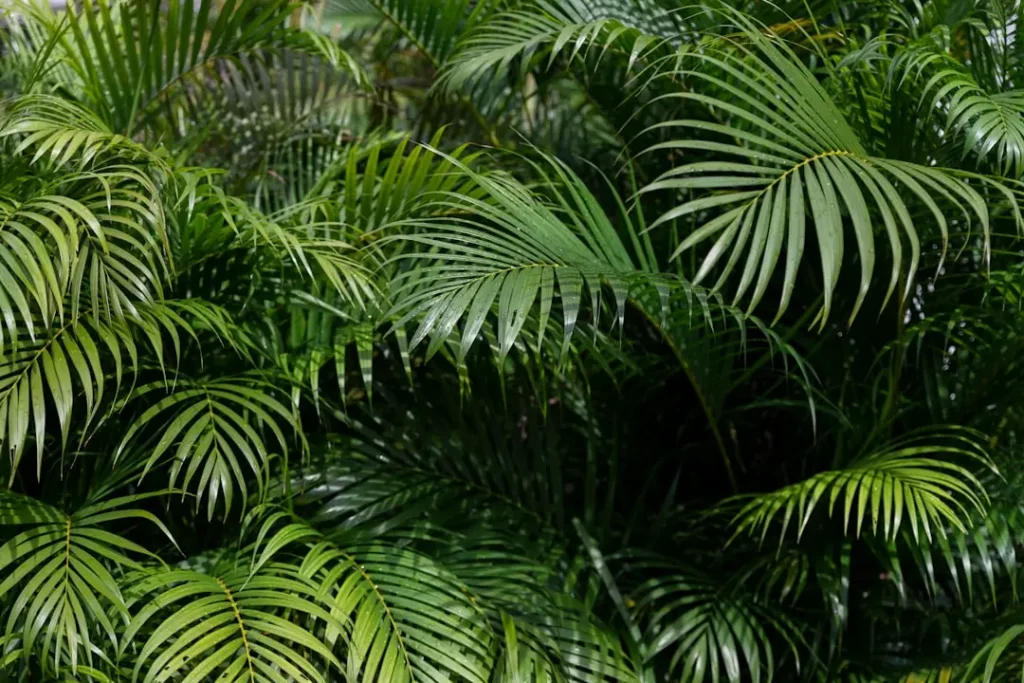
The areca palm (Dypsis lutescens) is a clumping, feathery palm native to Madagascar. You’ll also hear it called the golden cane palm, butterfly palm, or yellow palm — names that come from its bright, golden-yellow stems and arching fronds. In the wild, it grows tall and forms dense thickets. Indoors, though, it stays a manageable size, which is exactly why it’s become one of the world’s most popular houseplants. Many gardeners who grow this plant also love to read about Monstera Plant Care India.
Here’s the surprising part. Despite its tropical roots, this palm adapts beautifully to homes far from the equator. Gardeners in chilly Toronto, mild London, and humid Singapore all grow it successfully indoors. According to Kew Gardens, Dypsis lutescens is now critically endangered in its native Madagascar — yet it thrives as a cultivated houseplant in millions of homes worldwide. That’s a remarkable twist of fate.
The plant belongs to the Arecaceae family, the same group that includes coconut and date palms. But unlike its giant cousins, the areca stays gentle and indoor-friendly. So what makes it worth your windowsill? That’s where the real story begins. Many gardeners who grow this plant also love to read about Variegated Monstera Price India 2026.
Why It's a Global Houseplant Favourite
Three things make this palm a worldwide hit: it’s non-toxic, it cleans the air, and it looks lush without fussy care. NASA even studied it as part of its famous Clean Air research. In my experience, new plant parents love it because it forgives the odd missed watering. Meanwhile, seasoned collectors enjoy how a single pot fills an empty corner with movement and texture. From California living rooms to Dubai offices, this palm fits almost any space — as long as you understand its few simple needs. Many gardeners who grow this plant also love to read about Philodendron Plant Care.
Top Areca Palm Benefits Indoors
Let’s get to the heart of it. The areca palm benefits indoors go far beyond looks. This plant works hard for your health and your home environment every single day. Below are the main reasons it earns a spot in your space. Many gardeners who grow this plant also love to read about Golden Pothos Care.
First, air purification. In NASA’s 1989 Clean Air Study, the areca palm ranked among the best plants for removing toxins like formaldehyde, xylene, and toluene from indoor air. These chemicals come from paint, furniture, and cleaning products. While one plant won’t replace ventilation, several together do make a measurable difference.
Second, humidity. This is one of the most underrated areca palm benefits indoors. Through a process called transpiration — where plants release water vapour through their leaves — the palm naturally raises humidity. That’s a blessing in dry, heated winter rooms across Canada, the UK, and northern US states.
Third, wellbeing. Studies, including research summarised by the NIH, link indoor plants to lower stress and better mood. The soft, swaying fronds create a calming, tropical feel that many find soothing after a long day.
A Natural Humidifier for Dry Homes
Here’s a fact that surprises people. A mature areca palm can release nearly a litre of moisture into the air daily. That makes it one of the best plants for combating dry indoor air — especially in centrally heated homes during winter. Gardeners in arid regions like Arizona or inland Australia find this especially useful. A quick tip: group two or three palms together to multiply the effect. Your skin, throat, and even wooden furniture will thank you. This single feature is why so many people first discover the areca palm benefits indoors.
Safe Around Pets and Children
This matters more than you might think. The areca palm is listed as non-toxic to cats, dogs, and horses by the ASPCA. That’s a huge advantage over popular but poisonous houseplants like pothos or peace lily. So if you have a curious kitten or a toddler who touches everything, this palm is a safe green choice. That said, no plant should be eaten in large amounts. Mild stomach upset can occur if a pet chews the fronds, so it’s still best to discourage nibbling.
How to Grow Areca Palm Indoors
Growing this palm isn’t hard, but it does reward attention to a few key details. Get the basics right and you’ll enjoy lush, arching fronds for years. The good news is that the same core rules work whether you’re in tropical Chennai or temperate Manchester.
Start with the right pot. Choose a container with drainage holes, because soggy roots are this plant’s biggest enemy. A pot just slightly larger than the root ball works best — areca palms actually like being a little snug. Repot only every two to three years.
Next, think about location. This palm loves bright, indirect light and warm, stable temperatures. Avoid cold draughts from doors and windows, and keep it away from heating vents that dry the air too fast.
Finally, be patient. The areca grows at a moderate pace, adding several inches each year under good conditions. Don’t expect overnight jungle vibes. But once it settles in, the areca palm benefits indoors really start to show — cleaner air, higher humidity, and that effortless tropical look. Now let’s dig into the soil it craves.
Choosing the Right Container
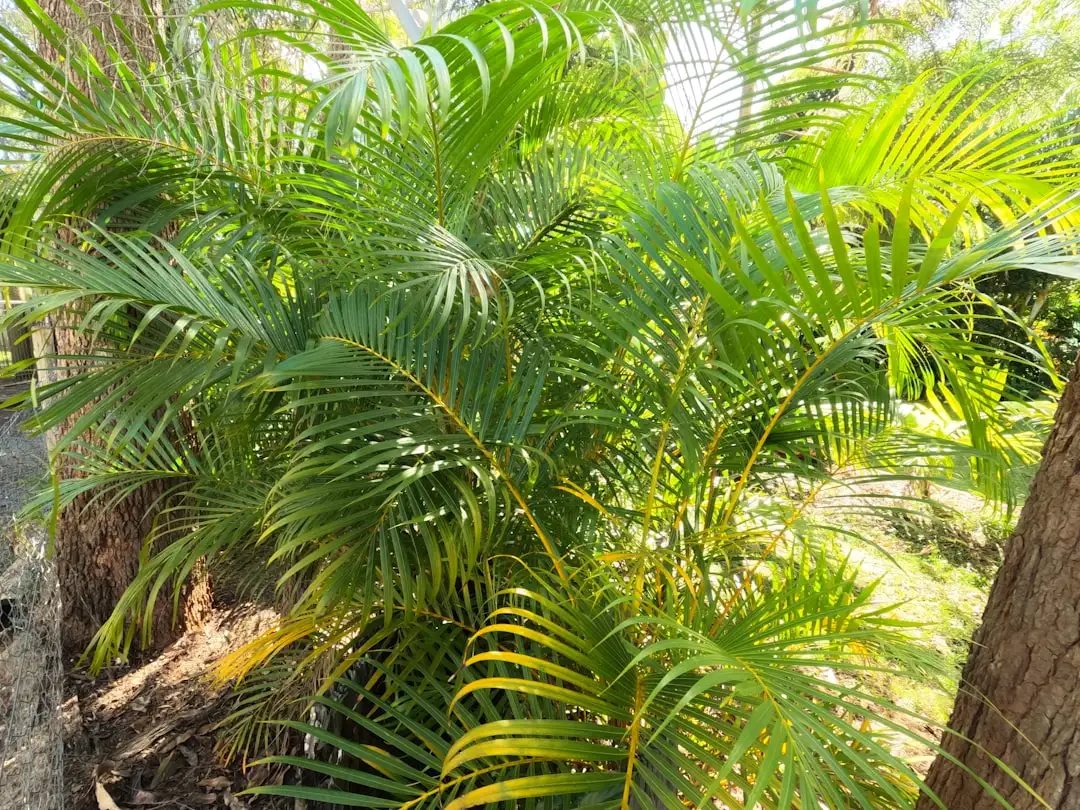
Pot choice matters more than most beginners realise. Terracotta pots breathe well and help excess moisture escape, which suits humid climates. Plastic or glazed ceramic holds water longer — better for dry regions where soil dries fast. Whatever you pick, drainage holes are non-negotiable. Place a saucer underneath, but empty it after watering so the roots never sit in water. In my experience, repotting in spring (or autumn in the Southern Hemisphere) gives the plant time to recover before its main growing season kicks off.
Soil and Fertilizer Needs
The right soil sets the foundation for a thriving palm. Areca palms want a mix that drains fast yet holds just enough moisture. A heavy, water-logged soil is the quickest way to rot the roots.
Here’s a simple recipe I recommend: two parts quality potting soil, one part coco coir or peat, and one part perlite or coarse sand. This blend stays light and airy. Coco coir is widely available worldwide and a great eco-friendly swap for peat. The ideal soil pH sits slightly acidic, between 6.0 and 6.5.
Feeding is just as important. During the growing season — spring and summer in most regions — feed every four to six weeks with a balanced liquid fertilizer diluted to half strength. Palms are heavy feeders of certain nutrients, especially potassium and magnesium.
A word of caution. Over-feeding causes brown, burnt leaf tips. So less is often more. In winter, stop fertilizing altogether, since the plant rests. Getting soil and feeding right unlocks even more areca palm benefits indoors, because a well-fed palm cleans air and raises humidity far more effectively.
Spotting Nutrient Deficiencies
Watch the leaves — they tell you everything. Yellowing between the veins often signals a magnesium shortage, common in areca palms. A dose of Epsom salts (magnesium sulphate) dissolved in water can fix it fast. Meanwhile, brown leaf tips usually mean too much fertilizer salt or dry air. The RHS recommends flushing the soil with plain water every few months to wash out built-up salts. Do this and your palm will stay green and glossy across all seasons.
Watering Your Areca Palm Correctly
Watering is where most people go wrong. The internet tells you to water on a fixed schedule. Experienced gardeners know that’s the fastest way to kill this palm. Instead, water based on what the soil tells you.
Here’s the rule: let the top inch (2.5 cm) of soil dry out before watering again. Stick your finger in to check. If it’s dry, water thoroughly until liquid runs out the drainage holes. If it’s still damp, wait a day or two.
Frequency varies by climate. In hot, dry regions like Rajasthan or Phoenix, you might water twice a week. In cool, humid places like coastal England, once a week — or even less in winter — may be plenty.
Water quality matters too. Areca palms are sensitive to fluoride and chlorine in tap water, which can brown the leaf tips. So use filtered, rain, or distilled water if your tap water is heavily treated. Let tap water sit overnight to let chlorine escape if that’s all you have. Master watering, and you’ll see the full range of areca palm benefits indoors come to life.
Signs of Over- and Under-Watering
Both extremes show clear warning signs. Over-watering turns leaves yellow and makes the soil smell sour — a sign of root rot. Under-watering causes crispy, brown tips and drooping fronds. Here’s a tricky one: yellow lower leaves can mean either problem, so always check the soil before acting. Have you noticed your palm looks fine in the morning but droops by afternoon? That often points to thirsty roots in dry air. Adjust your routine to the season and your home’s conditions, not the calendar.
Sunlight and Placement
Light makes or breaks an indoor palm. The areca loves bright, indirect light — think of a spot near an east or south-facing window, but a few feet back from the glass. Too much direct sun scorches the fronds, leaving yellow or brown patches. Too little, and growth slows while colour fades.
This is where most people struggle. They tuck the palm into a dim corner and wonder why it sulks. While the areca tolerates lower light better than many palms, it won’t truly thrive there.
For temperate readers in the UK, Canada, or the northern US, place it near your brightest window, especially in winter when daylight is short. Meanwhile, gardeners in sunny tropical and Mediterranean climates should filter harsh midday rays with a sheer curtain.
A quick tip: rotate the pot a quarter turn every week. This keeps growth even and stops the plant leaning toward the light. Good light is essential to unlock the air-cleaning and humidity-boosting areca palm benefits indoors that everyone wants.
Growing Under Artificial Light
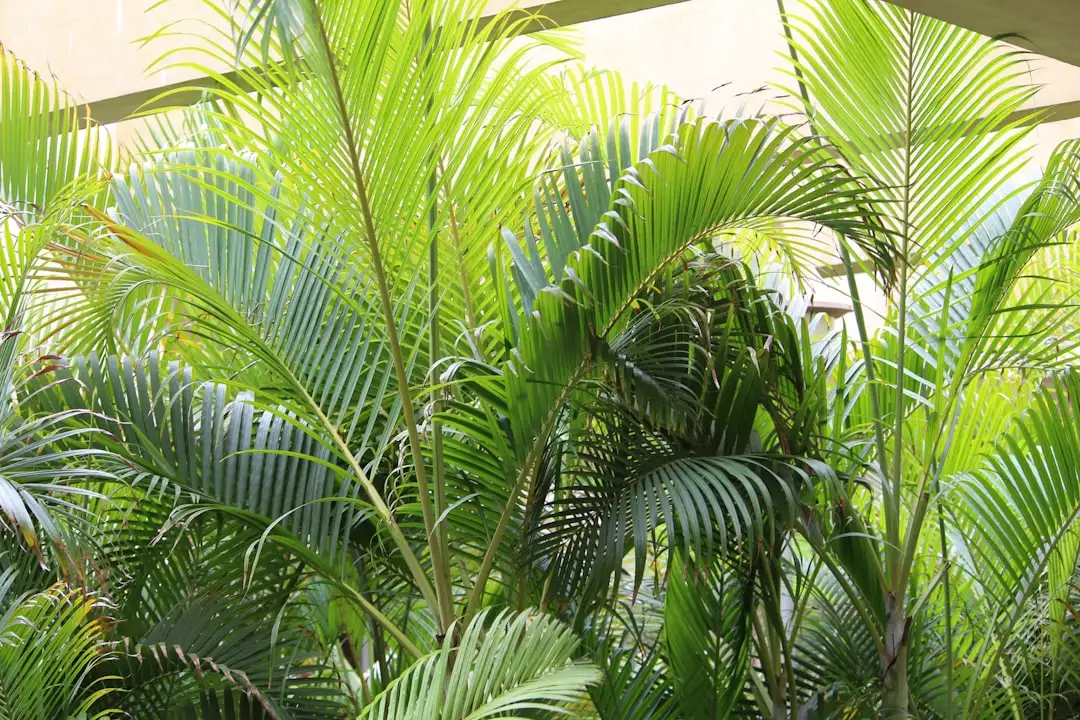
Live in a dim apartment or a basement office? No problem. Areca palms grow well under grow lights. A full-spectrum LED grow light, run for 10 to 12 hours daily, mimics natural daylight beautifully. This is a popular solution in countries with long, dark winters like Norway, Canada, and the northern US. Position the light about 30 cm (12 inches) above the fronds. Many gardeners find this makes the difference between a struggling palm and a flourishing one through the gloomy months.
Common Problems and Fixes
Even easy plants hit snags. The good news is that most areca palm troubles are simple to fix once you know the cause. Let’s tackle the most common ones.
Brown leaf tips top the list. These usually come from dry air, fluoride in tap water, or over-feeding. Raise humidity, switch to filtered water, and ease off the fertilizer. Yellowing fronds, on the other hand, often signal over-watering or a magnesium shortage.
Pests can also strike. Spider mites and mealybugs love dry indoor air. So if you spot fine webbing or white cottony spots, act fast. Wipe leaves with a damp cloth and treat with neem oil or insecticidal soap. Neem oil is a trusted natural remedy used widely in Indian gardening and increasingly worldwide.
Don’t worry if a few old, lower fronds turn brown and drop. That’s normal aging. But if the whole plant declines quickly, check the roots for rot. A healthy root system is firm and white, never mushy or dark.
Three Signs Your Palm Needs Help
Watch for these red flags. First, crispy brown tips across many fronds mean low humidity or water issues. Second, sticky leaves or webbing point to pests. Third — and this one’s counterintuitive — drooping despite moist soil signals root rot, not thirst. In that case, stop watering, let the soil dry, and consider repotting in fresh, well-draining mix. Catching these early saves the plant. Most palms bounce back fully once you correct the underlying cause.
Dealing with Pests Naturally
Prevention beats cure. Keep humidity up and wipe the fronds monthly to deter spider mites, which thrive in dry, dusty conditions. If pests appear, mix a teaspoon of neem oil with a few drops of mild soap in a litre of water and spray every week until they’re gone. For mealybugs, dab them with a cotton swab dipped in rubbing alcohol. These gentle methods work across all climates and keep harsh chemicals out of your home.
How to Propagate Areca Palm
Want more palms for free? You’re in luck. Unlike many plants, the areca can’t be grown from a single leaf or stem cutting. Instead, you propagate it by division — splitting a mature clump into smaller plants. It’s surprisingly easy and the best way to multiply your collection.
The ideal time is spring or early summer, when the plant is actively growing. This gives the new divisions time to settle before the slower, cooler months. Choose a healthy, well-established plant with several stems for the best results.
Division works because the areca naturally grows in clumps, each with its own roots. By separating these clusters carefully, you create several independent plants. Many gardeners find this both rewarding and a great way to share plants with friends. Let’s walk through the steps below.
Growing from Seed
You can also grow areca palms from seed, though it takes patience. Fresh seeds soaked in warm water for a couple of days germinate best. Sow them in a warm, moist mix at around 27°C (80°F), and keep humidity high. Germination can take two to four months — sometimes longer. This route suits committed hobbyists more than beginners. Division is far faster and gives you a sizeable plant straight away, which is why it’s the method I usually recommend.
Seasonal Care Across Climates
Your palm’s needs shift with the seasons — and your local climate. Understanding this is key to year-round success, no matter where you live.
In spring and summer, growth speeds up. Water more often, feed regularly, and enjoy fresh fronds unfurling. This is also the best time to repot or divide. For Southern Hemisphere readers in Australia or South Africa, this active season falls between September and February.
Come autumn and winter, the palm slows down. Cut back on water, stop feeding, and protect it from cold draughts. Temperate-climate gardeners face a special challenge here: dry, heated indoor air. So mist the leaves or use a pebble tray to keep humidity up.
Since I’m writing this in June, Northern Hemisphere readers are right in the thick of peak growing season — perfect for repotting or propagation. Meanwhile, Australian readers are heading into winter and should ease back on watering. Adapting to your season keeps the areca palm benefits indoors flowing all year.
Cold-Climate Winter Survival Tips
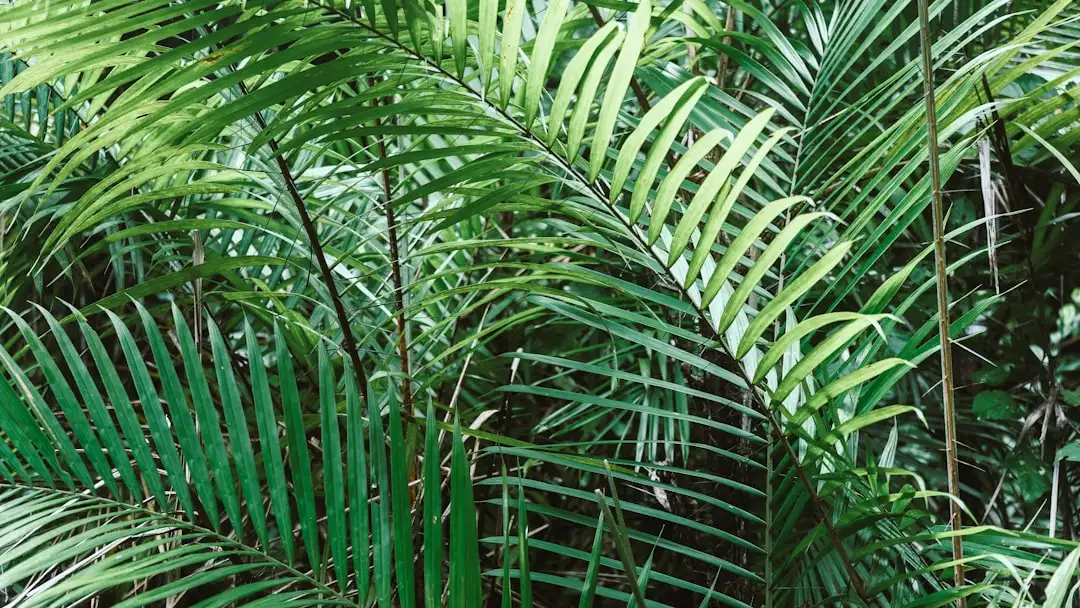
Winter is the danger zone for areca palms in cold regions. Keep the plant well away from freezing windows and cold draughts, since temperatures below 10°C (50°F) cause damage. Move it to the brightest available spot, because daylight is scarce. Reduce watering, but never let the soil bone-dry out. Most importantly, fight dry indoor heating with a humidifier or pebble tray. Gardeners in Canada, the UK, and northern Europe find these steps make all the difference between a palm that limps through winter and one that stays lush.
Traditional and Practical Uses
Beyond its beauty, the areca palm has practical roles too. In its native Madagascar and across the tropics, related palms have long provided materials for thatching, weaving, and shade. The graceful fronds are also popular in floristry and tropical-themed décor worldwide.
It’s worth clearing up a common mix-up. The areca palm (Dypsis lutescens) is different from the betel nut palm (Areca catechu), whose seeds are chewed in parts of Asia. Despite the shared name, Dypsis lutescens is not used that way and isn’t known for medicinal use in the same sense.
That said, its biggest modern value is environmental. As a top air-purifying plant, it supports cleaner, healthier indoor spaces — a benefit backed by NASA’s research. In offices, hotels, and homes from Singapore to San Francisco, designers use it to soften interiors and improve wellbeing. These everyday areca palm benefits indoors are why it remains one of the most planted indoor palms on Earth.
The Plant in Vastu and Feng Shui
Many cultures attach meaning to this lush palm. In Vastu Shastra, the Indian science of placement, the areca palm is believed to bring positive energy and prosperity, especially when placed in the east or southeast of a home. Similarly, in Feng Shui, leafy palms symbolise growth and good fortune. Whether or not you follow these traditions, there’s no denying the calm, uplifting feel a healthy palm adds to any room. It’s a small touch of living luxury that crosses cultures and continents.
Frequently Asked Questions
Can I grow an areca palm indoors in a cold climate?
Yes, absolutely. Areca palms make excellent indoor plants in cold regions like Canada, the UK, and northern Europe, as long as you keep them away from cold draughts and freezing windows. Maintain room temperatures between 18–27°C (65–80°F) and never let it drop below 10°C (50°F). In winter, place it near your brightest window or use a grow light. Boost humidity with a pebble tray or humidifier to fight dry heating. With these steps, you'll enjoy the full areca palm benefits indoors year-round, even in chilly climates.
Is the areca palm safe for pets like cats and dogs?
Yes, it's one of the safest houseplants you can choose. The areca palm is listed as non-toxic to cats, dogs, and horses by the ASPCA. That makes it a great pick for homes with curious pets or small children. While it won't poison your animals, eating large amounts of any plant can cause mild stomach upset, so it's still wise to discourage chewing. This pet-safe quality is a big reason behind the popular areca palm benefits indoors that families love.
How do I grow an areca palm in a container?
Container growing is easy. First, choose a pot with drainage holes that's just slightly larger than the root ball, since this palm likes being a little snug. Next, use a well-draining mix of potting soil, coco coir, and perlite. Water when the top inch (2.5 cm) of soil dries out, and feed every four to six weeks in spring and summer. Place the pot in bright, indirect light and rotate it weekly. Repot only every two to three years to refresh the soil and give roots room.
Why are my areca palm leaves turning brown at the tips?
Brown leaf tips are the most common areca palm complaint, and there are three usual causes. First, dry air — raise humidity with misting or a pebble tray. Second, fluoride or chlorine in tap water — switch to filtered, distilled, or rainwater. Third, over-fertilizing, which builds up salts in the soil — feed less and flush the soil with plain water every few months. Trim the brown tips with clean scissors for a tidy look. Fix the root cause and new growth will come out green and healthy.
How often should I water an areca palm?
Water only when the top inch (2.5 cm) of soil feels dry — not on a fixed schedule. In hot, dry climates this may mean twice a week, while in cool, humid regions once a week or less is plenty, especially in winter. Always water thoroughly until it drains out the bottom, then empty the saucer. Soggy soil causes root rot, the plant's biggest killer. Use filtered or rainwater if your tap water is heavily chlorinated, as areca palms are sensitive to chemicals.
Do areca palms really clean indoor air?
Yes. In NASA's famous 1989 Clean Air Study, the areca palm ranked among the top plants for removing toxins like formaldehyde, xylene, and toluene from indoor air. While a single plant won't transform a whole room, several together do make a real difference. Combined with its natural humidity boost, air cleaning is one of the standout areca palm benefits indoors. For best results, group a few palms and keep their fronds dust-free by wiping them monthly.
How big does an areca palm get indoors?
Indoors, an areca palm typically reaches 1.8 to 3 metres (6 to 10 feet) over many years, growing at a moderate pace of several inches annually. Its size depends on light, pot size, and care. Outdoors in tropical climates, it can shoot up to 9 metres. To keep it compact indoors, leave it slightly root-bound and avoid over-potting. Its clumping habit means it grows wider over time too, filling a corner beautifully with arching, feathery fronds.
Final Thoughts
The areca palm truly earns its place as a global houseplant superstar. From cleaning the air and boosting humidity to staying safe around pets and kids, the areca palm benefits indoors are hard to beat. Best of all, it asks for so little in return: bright indirect light, well-draining soil, careful watering, and a little seasonal attention. Whether you garden in tropical Mumbai, temperate London, or arid Phoenix, this feathery palm adapts beautifully to your home. Remember the golden rules — water only when the top inch of soil dries, use filtered water to avoid brown tips, and ease off feeding in winter. Propagate by division in spring to grow your collection for free. If your past palms struggled, you now know exactly what to fix. So go ahead, bring home this gentle giant of the plant world, and enjoy a healthier, greener, more tropical living space all year round. Your home — and your lungs — will thank you.

