
⏱ 28 min read
Table of Contents
- Why Money Plant Leaves Turn Yellow During Monsoon
- What You Need Before You Start
- Step-by-Step Guide to Fix Yellow Leaves
- Soil and Pot Selection for Monsoon Season
- Monsoon Watering Schedule
- Fertilising During Monsoon
- Common Mistakes That Make Yellowing Worse
- When to Propagate Instead of Rescue
- Money Plant Care Across Different Climates
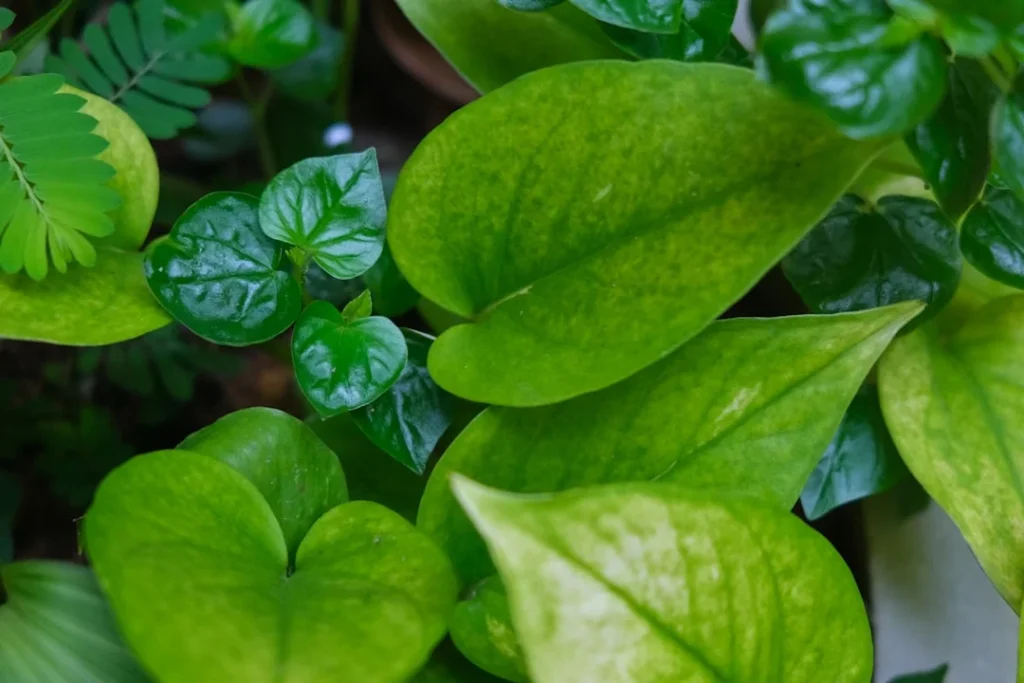
If your money plant’s leaves are turning yellow right as the monsoon arrives, you’re not alone — and the timing is no coincidence. The money plant yellow leaves fix monsoon gardeners need most isn’t complicated, but it does require understanding why this happens specifically during heavy rain season. Here’s the short answer: monsoon conditions create a perfect storm of overwatering, poor drainage, root rot, and low light — all at once. Epipremnum aureum (commonly called golden pothos or money plant) is famously tough, yet it has one real Achilles heel: waterlogged roots. Whether you’re growing it on a balcony in Singapore, a windowsill in London, or a courtyard in Dubai, monsoon-like humidity and excess moisture trigger the same yellowing response. By the end of this guide, you’ll know exactly why your plant is struggling and — more importantly — the precise steps to fix it, fast. Many gardeners who grow this plant also love to read about how to propagate money plant in water.
Quick Highlights
- Identify the 6 most common causes of yellow leaves on money plants during monsoon season
- Follow a proven step-by-step rescue process to revive a yellowing money plant in under 2 weeks
- Learn the exact watering schedule that prevents overwatering even during heavy rainfall
- Discover soil and pot combinations that guarantee drainage in humid, tropical, or temperate climates
- Apply the right fertiliser ratio at the right monsoon timing for lush, deep-green regrowth
- Understand which yellow leaf patterns signal root rot versus nutrient deficiency versus pests
Plant Characteristics at a Glance
| Common Name | Money Plant, Golden Pothos, Devil's Ivy |
| Scientific Name | Epipremnum aureum |
| Family | Araceae |
| Origin | Mo'orea, French Polynesia (naturalised across tropical regions worldwide) |
| Habitat | Tropical and subtropical forests; grows as a climbing vine in the wild |
| Plant Type | Evergreen perennial vine / trailing houseplant |
| Indoor Plant | Yes — extremely popular worldwide; thrives in indirect light indoors |
| Outdoor Plant | Yes, in frost-free climates (USDA Zones 10–12; RHS H1b) |
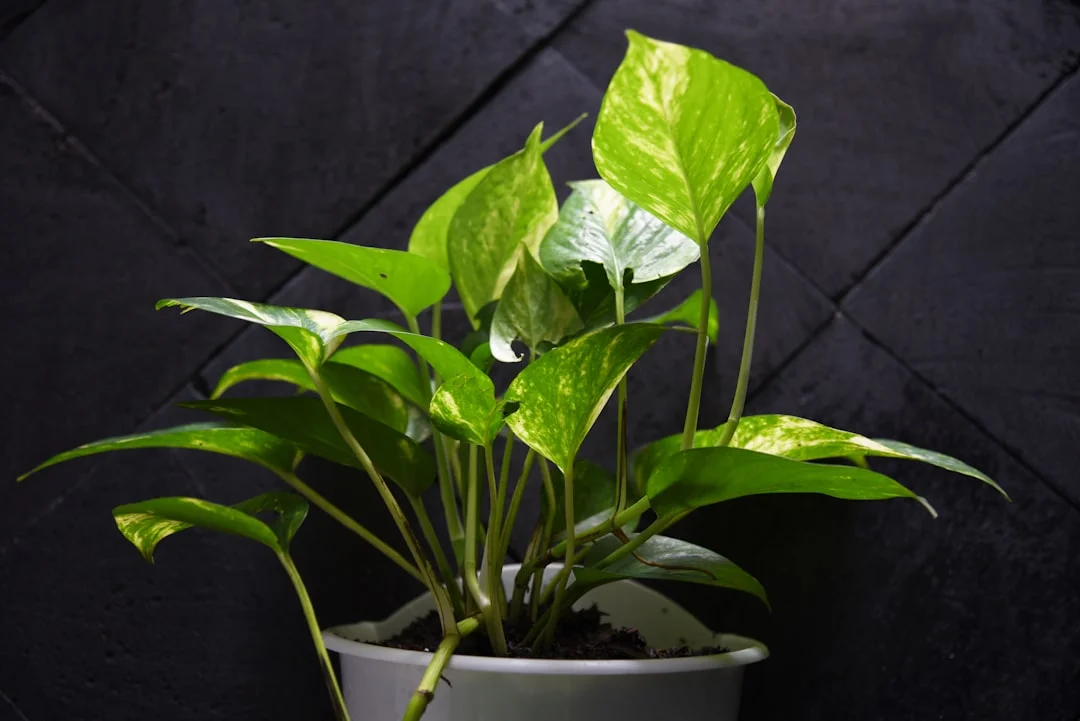
| Leaves | Heart-shaped, waxy, glossy green; variegated with yellow, white, or lime depending on cultivar; 10–30 cm long |
| Flowers | Rarely flowers indoors; spadix-type inflorescence (like all Araceae) when conditions are ideal |
| Flowering Season | Rarely observed; no fixed season in cultivation |
| Fruit | Small berry-like fruits; not common in indoor cultivation |
| Seeds | Rarely produced in cultivation; primarily propagated vegetatively |
| Roots | Aerial roots along nodes (used for climbing); fine white feeder roots in soil; susceptible to rot in waterlogged conditions |
| Height | Trailing/climbing: 1.8–3 m (6–10 ft) indoors; up to 20 m (65 ft) in wild conditions |
| Growth Rate | Fast — can produce 30–45 cm (12–18 in) of new growth per month in optimal conditions |
| Light Requirements | Bright indirect light preferred; tolerates low light but variegation fades; avoid direct afternoon sun |
| Soil Requirements | Light, well-draining mix; pH 6.0–6.5; add 30% perlite or coarse sand for monsoon drainage |
| Water Requirements | Moderate; allow top 2–3 cm soil to dry between waterings; reduce to every 7–14 days during monsoon |
| Temperature Requirements | Optimal: 18–30°C (65–86°F); minimum: 10°C (50°F); avoid frost |
| Humidity Requirements | Prefers 50–70% RH; tolerates higher humidity if drainage is excellent; avoid stagnant moist air |
| Propagation | Stem cuttings in water or soil; node cuttings root readily in 7–14 days at 22–28°C (72–82°F) |
| Uses | Ornamental houseplant; air purification; Vastu and Feng Shui; trailing in hanging baskets; climbing on moss poles |
| Medicinal Properties | NASA Clean Air Study (1989) listed it as a formaldehyde, benzene, and xylene absorber; limited Ayurvedic references |
| Toxicity | TOXIC to cats, dogs, and humans if ingested — contains calcium oxalate crystals; causes oral irritation, drooling, vomiting; keep away from children and pets |
| Cultural Significance | Associated with prosperity and good luck in many Asian cultures; prominent in Vastu Shastra and Feng Shui; given as gift at housewarmings worldwide |
| Common Pests | Spider mites, mealybugs, scale insects, fungus gnats, thrips — all worsen in monsoon humidity |
| Common Diseases | Root rot (Pythium, Phytophthora), leaf spot (Erwinia), bacterial wilt, southern blight — most triggered by overwatering |
| Special Care Tips | Wipe leaves monthly to remove dust; support with a moss pole for larger leaves; rotate pot quarterly for even growth |
| Cultural Practices | In Vastu Shastra, money plant is grown indoors to attract positive energy; in Feng Shui, placed in southeast corners for wealth activation |
| Vastu Direction | Southeast (associated with Venus and fire element); also acceptable in north direction for career growth |
Money plant yellow leaves fix monsoon Names in Different Languages
| English | Money Plant / Golden Pothos / Devil's Ivy |
| Mandarin Chinese | 黄金葛 (Huángjīn gé) |
| Spanish | Pothos dorado / Poto |
| Hindi | मनी प्लांट (Money Plant) |
| Gujarati | મની પ્લાન્ટ (Mani Plant) |
| Arabic | نبات المال / البوتس الذهبي (Nabat al-Mal) |
| Bengali | মানি প্লান্ট (Money Plant) |
| Portuguese | Jiboia / Planta de dinheiro |
| Russian | Эпипремнум золотистый (Epiremnum zolotisty) |
| Japanese | ポトス (Potosu) |
| Punjabi | ਮਨੀ ਪਲਾਂਟ (Money Plant) |
| German | Efeutute / Goldenes Pothos |
| Javanese | Tanduran dhuwit / Pothos |
| Korean | 황금 포토스 (Hwanggeum Potosu) |
| French | Pothos doré / Lierre du diable |
| Telugu | మనీ ప్లాంట్ (Money Plant) |
| Marathi | मनी प्लांट (Money Plant) |
| Tamil | மணி பிளான்ட் (Money Plant) |
| Urdu | منی پلانٹ (Money Plant) |
| Turkish | Sarmaşık / Altın pothos |
| Vietnamese | Cây trầu bà vàng / Cây phong thủy |
Why Money Plant Leaves Turn Yellow During Monsoon
Here’s the thing most plant guides miss: yellow leaves on a money plant aren’t one problem. They’re a symptom of several possible problems — and monsoon season triggers nearly all of them at once. Understanding which cause you’re dealing with is the first step in any money plant yellow leaves fix monsoon plan. Many gardeners who grow this plant also love to read about Seed Germination Tips for Faster Sprouting.
The most common culprit is overwatering combined with poor drainage. When outdoor pots sit in standing water or indoor soil stays soggy for days, the roots can’t breathe. They begin to rot. Rotting roots can’t deliver nutrients upward — so leaves go yellow, then mushy, then fall. Many gardeners who grow this plant also love to read about Best Plants Gift Diwali India.
But overwatering isn’t the only cause. Low light is a major monsoon factor. Heavy cloud cover reduces sunlight dramatically, especially in tropical zones like coastal India, Thailand, Indonesia, and West Africa. In fact, a 2021 study published in Frontiers in Plant Science confirmed that Epipremnum aureum shows visible chlorosis (the technical word for yellowing caused by chlorophyll breakdown) within 10–14 days of sustained low-light conditions. If you enjoy growing this plant, you might also find our guide on best soil mix for indoor tropical plants very useful.
Fungal infections love monsoon humidity. So do spider mites, mealybugs, and root-feeding nematodes. Each of these stresses the plant in slightly different ways — and each produces a slightly different yellowing pattern. That pattern is your clue. For more tips, check out our detailed article on Why Plant Leaves Turning Yellow India.
How to Read the Yellow: What the Pattern Tells You
Not all yellow is the same. Older lower leaves turning uniformly yellow? That’s usually overwatering or root rot. Yellow with brown edges? Likely salt buildup from over-fertilising or hard tap water. Yellow between green veins (called interveinal chlorosis)? Classic iron or magnesium deficiency. Pale, washed-out yellow all over? Low light is your culprit. Small yellow spots with webbing underneath? Check for spider mites immediately — they explode in population during warm, humid monsoon weeks. Once you match the pattern to the cause, your money plant yellow leaves fix monsoon becomes targeted rather than guesswork.
Root Rot: The Silent Monsoon Killer
Root rot caused by the water mould Phytophthora or the fungus Pythium is the number one reason money plants die during monsoon. It often starts invisibly underground. By the time leaves yellow, 30–50% of the root system may already be gone. Gently unpot your plant and check the roots. Healthy roots are white or pale tan and firm. Rotted roots are brown, black, mushy, and smell sour. According to Kew Gardens, Epipremnum aureum is highly susceptible to root rot in non-draining media — a key warning for anyone growing this plant in decorative pots without drainage holes.
What You Need Before You Start
Before diving into the step-by-step fix, gather everything you’ll need. Rushing into a rescue without the right materials is one of the most common mistakes gardeners make — and it often leads to further damage.
The good news is that most of what you need is inexpensive and available worldwide — whether you’re in a garden centre in Melbourne, a plant shop in Nairobi, or ordering online in Toronto.
Tools and Materials Checklist
You’ll need: clean sharp scissors or pruning shears (sterilised with rubbing alcohol), a well-draining potting mix (standard indoor mix plus 30% perlite or coarse sand), a terracotta or plastic nursery pot with drainage holes, a saucer or tray, a spray bottle for neem oil solution, a liquid balanced fertiliser (NPK 10-10-10 or 20-20-20 at half strength), a magnifying glass to check for pests, a soft cloth for wiping leaves, and fresh water — ideally rainwater or water left to sit overnight to off-gas chlorine. In India, you can find perlite at most nurseries or online for around ₹150–₹300 per litre. Globally, expect to pay around $4–$8 USD per litre.
Diagnosing First: The 2-Minute Check
Before touching the plant, spend two minutes observing it closely. How many leaves are yellow? Are they old (lower) leaves or new (upper) leaves? Touch the soil — is it wet, moist, or dry? Lift the pot — is it very heavy (waterlogged) or light? Check the undersides of leaves for pests. Sniff the soil near the base — a sour or rotten smell suggests fungal issues. This quick diagnosis shapes everything that follows. In my experience, gardeners who skip this step often treat the wrong problem — and wonder why their plant keeps declining despite their best efforts.
Step-by-Step Guide to Fix Yellow Leaves
This is the core money plant yellow leaves fix monsoon process. Follow these steps in order — skipping ahead is tempting but rarely works. Each step builds on the last, and together they address the full range of monsoon stressors your plant faces.A word of caution: don't try to fix everything in one day. Plants need time to recover between interventions. Space major steps 2–3 days apart where possible.
- Step 1 Through Step 4: Immediate Triage
First, move the plant out of direct rain or a waterlogged spot. Next, remove all yellow, mushy, or brown leaves cleanly at the stem base using sterilised scissors. Then, unpot the plant gently and inspect the roots. After that, trim off any black or mushy roots with clean shears, cutting back to firm, healthy tissue. Dust the cut root ends lightly with powdered cinnamon — a natural antifungal that's surprisingly effective and available in every kitchen worldwide. Finally, let the root ball air-dry in a shaded, breezy spot for 30–60 minutes before repotting. This drying window is something most guides skip — but it dramatically reduces reinfection risk.
- Step 5 Through Step 8: Repot, Treat, and Monitor
Once roots are dry, repot into fresh, well-draining mix in a clean pot with drainage holes. Water lightly — just enough to settle the soil, not to soak it. Place the plant in bright indirect light. Avoid direct sun for the first week, as stressed plants can't handle full intensity. Spray the leaves with a diluted neem oil solution (5ml neem oil plus 2ml liquid dish soap in 1 litre of water) to prevent fungal infection and repel pests. Check the plant every 2 days for the next 2 weeks. New green growth within 10–14 days is your signal that the rescue has worked.
Soil and Pot Selection for Monsoon Season
Soil is where most money plant yellow leaves fix monsoon failures actually begin — not with watering, not with light, but with a medium that simply can’t drain fast enough during heavy rain season. This is the section most gardeners skip, and it’s the one that makes the biggest difference.
Epipremnum aureum prefers a light, airy, slightly acidic soil with a pH between 6.0 and 6.5. During monsoon, the priority shifts entirely toward drainage. A soil that works perfectly in dry season can become a root-rot trap once rains arrive.
Best Soil Mix for Monsoon Conditions
The ideal monsoon mix for money plant is: 50% standard potting soil, 30% perlite (or coarse river sand), and 20% coco coir. This combination drains fast, retains just enough moisture for healthy roots, and resists compaction even with repeated watering. Avoid garden soil or heavy clay mixes — they compact under rain and suffocate roots. According to the RHS, golden pothos performs best in free-draining compost amended with grit or perlite, especially in high-humidity environments. Coco coir, widely available across Southeast Asia, Africa, and online globally for around $3–6 USD per brick, is an excellent sustainable peat alternative.
Pot Choice: Drainage Is Everything
During monsoon, always choose a pot with at least one large drainage hole — ideally two or three. Terracotta pots are excellent because their porous walls allow excess moisture to evaporate through the sides. Plastic nursery pots work well too, as long as you never let them sit in a saucer full of water. Decorative cachepots (pots without drainage holes) look beautiful but become death traps in wet season. If you love a decorative outer pot, keep your plant in a plastic nursery pot inside it — and empty the outer pot of water after every rainfall or watering session.
Monsoon Watering Schedule
This is where most people go wrong — and the mistake is almost always watering too much, not too little. During monsoon, the air itself is so humid that plants transpire less and dry out more slowly. What worked as a watering schedule in April will absolutely overwater your plant by July.
The money plant yellow leaves fix monsoon approach to watering is simple: let the soil guide you, not the calendar.
The Finger Test: Your Most Reliable Monsoon Tool
Push your finger 2–3 cm (about 1 inch) into the soil. If it feels moist, wait. If it feels dry at that depth, water thoroughly until it drains from the bottom. During active monsoon, most indoor money plants in tropical climates need watering only once every 7–10 days. In temperate climates with high indoor humidity (like a rainy UK summer), once every 10–14 days is often enough. Outdoors in heavy rain zones, you may not need to water at all — just ensure drainage is working. The USDA plant care guidelines for tropical aroids consistently emphasise that drought stress is far less damaging than waterlogging in this species family.
Water Quality During Monsoon
Rainwater is actually the best water for money plants — it’s naturally soft, slightly acidic, and free of the fluoride and chlorine found in tap water. If you’re collecting rainwater from a clean roof or balcony, use it directly on your plants. However, if rainwater has pooled and sits stagnant for more than 48 hours, discard it — stagnant water can harbour fungal spores and mosquito larvae. In areas with hard tap water (common across the Middle East, parts of Europe, and hard-water regions of the US), leave water in an open container overnight before using it. This allows chlorine to evaporate and softens the water slightly.
Fertilising During Monsoon
Many gardeners stop fertilising entirely during monsoon, thinking the plant is stressed and doesn’t need feeding. That’s a mistake — but so is fertilising too heavily. The right approach is light, consistent feeding that supports recovery without burning already-stressed roots.
During active growth in the monsoon season, money plants actually benefit from a gentle fertiliser boost — because the combination of warmth and humidity (when drainage is correct) creates ideal growing conditions.
What to Feed and When
Use a balanced liquid fertiliser at half the recommended strength — NPK 10-10-10 or 20-20-20 both work well. Apply once every 3–4 weeks during monsoon, never more. If your plant is recovering from root rot or yellow leaves, wait until you see at least 2–3 new healthy leaves before fertilising. Feeding a severely stressed plant causes fertiliser burn, which worsens yellowing rather than fixing it. For an organic alternative, diluted seaweed extract (available globally, around $5–12 USD for a concentrate) is gentle, rich in micronutrients, and supports beneficial soil microbes. In India, liquid Panchagavya (a traditional fermented plant tonic mentioned in ancient agricultural texts) diluted to 3% is an excellent monsoon fertiliser option.
Signs of Over-Fertilising vs. Under-Fertilising
Over-fertilising during monsoon looks like: yellowing that starts at leaf tips and edges, white crusty salt deposits on soil surface, and wilting despite moist soil. Under-fertilising looks like: pale overall leaf colour, slow growth, and small new leaves. If you see salt crust, flush the soil thoroughly with plain water — pour water slowly until it drains freely from the bottom several times in a row. This washes excess fertiliser salts out of the root zone. Then wait 4–6 weeks before feeding again.
Common Mistakes That Make Yellowing Worse
Even well-meaning gardeners can make the yellowing worse when trying to help. Here are the most common errors in any money plant yellow leaves fix monsoon attempt — and how to avoid each one.
Many gardeners find that the rescue effort itself causes a second round of stress if not done carefully. The plant has already been weakened — it needs gentle, consistent care, not aggressive intervention.
Mistake 1: Moving the Plant Into Direct Sunlight
A common instinct is to put a yellowing plant in maximum sunlight to ‘boost’ it. With money plant, this is exactly wrong — especially after repotting or root trimming. Stressed roots can’t keep up with the water demand that direct sun creates. The leaves scorch or wilt further. Instead, place recovering plants in bright, indirect light — near a north or east-facing window in the Northern Hemisphere (a south or east-facing window in Australia and southern hemisphere regions), away from direct midday sun. Bright indirect light for 6–8 hours daily is the sweet spot for Epipremnum aureum according to Wikipedia's botanical entry for the species.
Mistake 2: Removing All Yellow Leaves at Once
It feels satisfying to strip off every yellow leaf in one go. But if more than 30–40% of the plant’s leaves are affected, removing them all at once shocks the plant further — it loses too much of its photosynthetic capacity in one hit. Instead, remove the worst leaves first (mushy, brown-tipped, or completely yellow). Leave pale yellow leaves that still have some green — they may recover or at least keep photosynthesising while new growth establishes. Over 2–3 weeks, remove the rest gradually as new leaves appear.
Mistake 3: Repotting Into a Much Larger Pot
More root room sounds like it would help. But a pot that’s too large holds far more soil than the root system can draw moisture from — and during monsoon, that extra soil stays wet for weeks, creating the exact root-rot conditions you’re trying to escape. When repotting a recovering money plant, go up only one pot size (2–4 cm / 1–1.5 inches in diameter larger). This gives roots room to grow while keeping moisture levels manageable. Furthermore, always choose a pot with multiple drainage holes, regardless of size.
When to Propagate Instead of Rescue
Sometimes a plant is too far gone to save — and the kindest, most practical thing to do is propagate healthy stem cuttings before the whole plant is lost. This is especially true when root rot has spread to more than 60–70% of the root mass.
The good news is that Epipremnum aureum is one of the easiest plants in the world to propagate. A single healthy stem cutting with 2–3 nodes can become a thriving new plant within 3–4 weeks — even during monsoon.
How to Take Cuttings During Monsoon
Choose a stem with at least 2–3 nodes (the small brown bumps where leaves attach) and at least 2 healthy green leaves. Cut cleanly just below the lowest node with sterilised scissors. Remove any leaves that would sit below the waterline. Place the cutting in a glass of clean water in bright indirect light — roots typically appear in 7–14 days during warm monsoon temperatures of 25–30°C (77–86°F). Once roots are 3–5 cm (1–2 inches) long, pot into the same well-draining monsoon mix described earlier. This propagation method works beautifully in tropical and temperate climates alike — just keep temperatures above 15°C (59°F) for reliable rooting.
Money Plant Care Across Different Climates
One of the most frequently asked questions I receive is: ‘Does the monsoon yellowing advice apply to my climate?’ The answer is yes — with small adjustments. The core money plant yellow leaves fix monsoon principles (drainage, light, moderate watering) apply universally, but the specifics shift depending on where you live.
Epipremnum aureum is classified as USDA Hardiness Zone 10–12 for outdoor growing, which means it’s naturally suited to frost-free tropical and subtropical climates. However, it thrives indoors in virtually any climate.
Tropical Climates: India, Southeast Asia, West Africa
In true monsoon climates — Mumbai, Bangkok, Accra, Jakarta — the monsoon season brings intense, sustained rainfall and high humidity (often 80–95% RH). Here, outdoor money plants face the greatest risk of root rot and fungal leaf spot. Prioritise elevated planters with excellent drainage, reduce watering to near zero during active rain periods, and apply neem oil preventatively every 2 weeks. Indoor plants in these climates benefit from improved air circulation — a small fan running on low near the plant for a few hours daily reduces fungal pressure significantly.
Temperate and Cold Climates: UK, Canada, Northern Europe
In the UK, Canada, Scandinavia, and the northern US, money plants are almost exclusively grown indoors. Here, ‘monsoon conditions’ are simulated by overwatering, bathroom humidity, or summer rain on balcony plants. The same yellow-leaf causes apply — but the fix often focuses more on light supplementation than drainage alone. Summer in the UK brings long days but variable cloud cover; a grow light on a timer (10–12 hours) can prevent the light-stress yellowing that British money plant growers frequently report. The RHS recommends keeping indoor tropical plants away from cold draughts, particularly in autumn when temperatures drop suddenly.
Arid and Mediterranean Climates: Middle East, Australia, California
In Dubai, Riyadh, Perth, or Los Angeles, the monsoon-style threat comes not from rain but from heavy indoor air conditioning combined with the urge to water frequently due to heat. Indoor plants in air-conditioned environments dry out faster on the surface (fooling gardeners into watering too often) but hold moisture deeper in the pot due to low air circulation. Use a moisture meter rather than finger-testing alone in these environments. Outdoors in arid climates, brief summer storms can waterlog plants that usually drain fast — so always check drainage after any rainfall event, however minor.
Frequently Asked Questions
Why are my money plant leaves turning yellow specifically during monsoon?
Monsoon creates the perfect conditions for yellowing: waterlogged soil, reduced sunlight from cloud cover, high humidity that encourages fungal growth, and poor air circulation. The money plant yellow leaves fix monsoon process starts with identifying which of these factors is dominant in your situation. Check drainage first — it's the cause in roughly 70% of cases. Then assess light levels and inspect for pests. Most yellowing triggered by monsoon conditions is fully reversible if caught within 2–3 weeks.
Can I grow a money plant indoors in a cold climate like Canada or the UK?
Absolutely. Money plant (Epipremnum aureum) is one of the world's most popular indoor plants precisely because it adapts to temperate interiors. In the UK, Canada, or northern Europe, grow it in bright indirect light near a window, keep temperatures above 10°C (50°F), and water every 10–14 days in summer, less in winter. In these climates, yellowing is more often caused by overwatering or low winter light than by monsoon conditions — but the fix is identical: adjust drainage, light, and watering frequency.
Is money plant safe for pets and children?
No — money plant is toxic to cats, dogs, and humans if ingested. It contains calcium oxalate crystals, which cause immediate oral irritation, drooling, swallowing difficulties, and vomiting in pets. According to the ASPCA, Epipremnum aureum is listed as toxic to both cats and dogs. Keep it on high shelves or in hanging baskets out of reach of curious pets and children. If ingestion is suspected, contact a vet or poison control centre immediately. Skin irritation can also occur in sensitive individuals when handling cut stems — wear gloves when pruning.
How many times a week should I water my money plant during monsoon?
During monsoon, most money plants need watering only once every 7–14 days — sometimes less. The exact frequency depends on your climate, pot size, and drainage quality. Always use the finger test: push your finger 2–3 cm into the soil. Water only when that depth feels dry. Outdoors in heavy rain zones, you may not need to water at all during peak monsoon weeks. Overwatering is the single biggest cause of yellow leaves during this season, so when in doubt, wait an extra day or two.
Can I use yellow-leaved cuttings for propagation?
Only if the cutting has at least one fully green, healthy leaf attached to the stem. A cutting taken from a yellow, stressed stem often fails to root reliably because it lacks the energy reserves needed for new root development. For the best propagation success, always choose a healthy green stem with 2–3 nodes, even if the rest of the plant is struggling. Place it in clean water in bright indirect light, and change the water every 3–4 days to prevent bacterial buildup.
Will yellow leaves on a money plant turn green again?
Once a leaf has turned fully yellow, it will not turn green again — chlorophyll breakdown is irreversible at that stage. However, pale or partially yellow leaves that are addressed quickly (by fixing drainage, light, or nutrients) can sometimes stabilise and retain their remaining green portions. The real goal isn't to turn yellow leaves back — it's to stop the yellowing from spreading to new leaves. If new growth coming in is green and healthy, your money plant yellow leaves fix monsoon process is working.
How do I prevent yellow leaves during next monsoon season?
Preparation before monsoon hits makes all the difference. Switch to a fast-draining soil mix in late spring (adding 30% perlite). Move outdoor pots to covered locations where rain can't pool. Reduce fertiliser frequency. Set up a regular pest inspection schedule. Improve air circulation around indoor plants. Many gardeners find that a pre-monsoon repot in May or early June — using fresh, well-draining mix — prevents nearly all of the waterlogging and root rot issues that trigger the typical money plant yellow leaves fix monsoon cycle.
Is money plant the same as Pothos? I've seen both names in different countries.
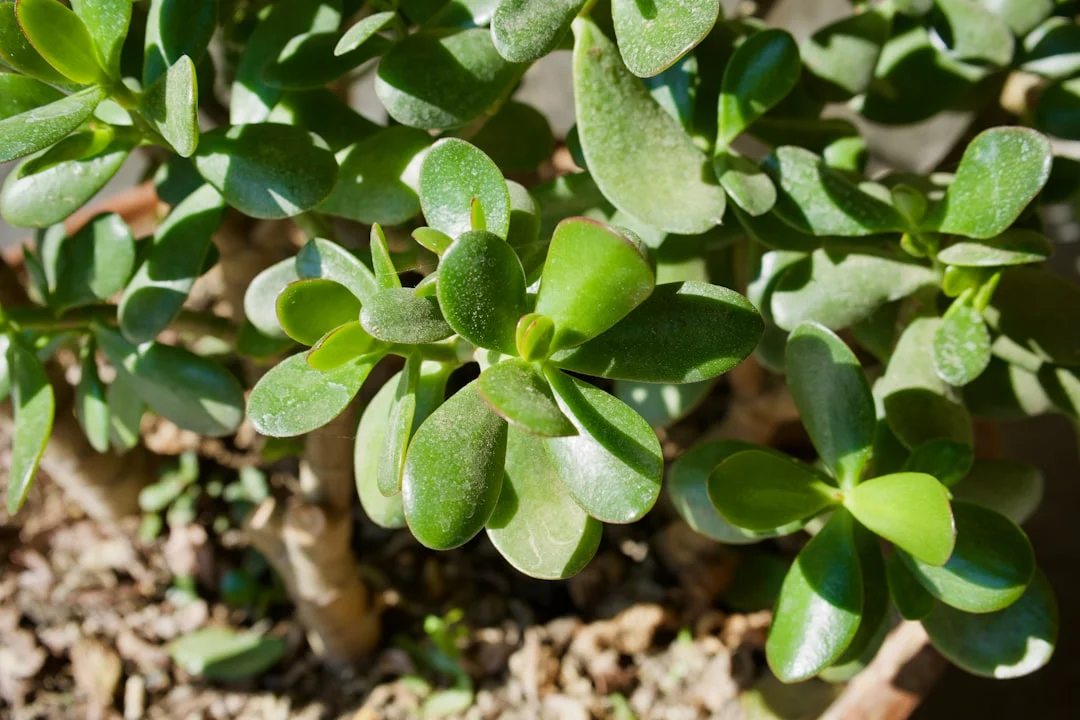
Yes — 'money plant' and 'pothos' (or 'golden pothos') refer to the same species: Epipremnum aureum. The name 'money plant' is most commonly used in South Asia, Southeast Asia, and parts of the Middle East, while 'golden pothos' or simply 'pothos' is the dominant name in the US, UK, and Australia. In some regions, 'money plant' also refers to Crassula ovata (jade plant) or Lunaria annua — so when shopping or researching, always cross-check with the scientific name Epipremnum aureum to make sure you have the right plant.
Final Thoughts
Yellow leaves on a money plant during monsoon season are frustrating — but they’re also one of the most fixable plant problems you’ll encounter. The complete money plant yellow leaves fix monsoon process comes down to four pillars: fast-draining soil, a pot with proper drainage holes, a watering schedule guided by the finger test rather than the calendar, and bright indirect light even when the sky is overcast. Whether you’re growing this beautiful vine in a tropical courtyard in Bangkok, a London flat, or a balcony in Dubai, the biology doesn’t change. Waterlogged roots cause yellow leaves. Fix the drainage, trim the rot, support recovery with gentle feeding, and your money plant will reward you with lush, glossy growth — even in the middle of the heaviest monsoon. Don’t wait for the next leaf to turn. Start with the step-by-step guide above today, and you’ll see new green growth within two weeks.

