
⏱ 27 min read
Table of Contents
- What Is the Kailashpati Tree?
- Kailashpati Tree Characteristics at a Glance
- Kailashpati Tree Uses Benefits: Medicinal & Therapeutic Properties
- Ayurvedic and Traditional Uses Across Cultures
- Ornamental and Environmental Benefits
- How to Grow Couroupita guianensis in Your Climate
- How to Use Kailashpati Tree Parts Safely
- Safety, Toxicity, and Dosage Guidelines
- Buying Guide: Where to Find This Rare Tree
There’s a tree that blooms directly from its trunk, fills the air with a fragrance so powerful it stops people mid-step, and has been sacred to multiple civilisations for over a thousand years — yet most gardeners have never heard of it. The kailashpati tree uses benefits span everything from traditional Ayurvedic medicine to stunning ornamental value in tropical and subtropical gardens worldwide. Botanically known as Couroupita guianensis, this extraordinary tree — also called the Cannonball Tree — produces some of the most bizarre and beautiful flowers on earth. Understanding kailashpati tree uses benefits starts with appreciating both its science and its deep cultural roots. In this complete guide, you’ll learn exactly what this tree offers medicinally, how to grow it across different climates, where to buy it, and why it has earned a place of honour in temple gardens from South Asia to South America. By the end, you’ll know precisely why gardeners who discover this tree never want to grow without one. If you enjoy growing this plant, you might also find our guide on Rain Tree Shade Garden very useful.
Quick Highlights
- Discover the full range of kailashpati tree uses benefits — medicinal, ornamental, and spiritual
- Learn how to grow Couroupita guianensis successfully across tropical, subtropical, and greenhouse conditions
- Understand key safety considerations and traditional Ayurvedic uses backed by modern research
- Explore the tree's extraordinary cauliflorous blooms and their biological significance
- Find out where to buy this rare tree globally, with price ranges in USD, GBP, and INR
- Access a complete characteristics table, multilingual names, and expert growing tips in one place
Plant Characteristics at a Glance
| Common Name | Kailashpati Tree, Cannonball Tree, Nagalingam Tree |
| Scientific Name | Couroupita guianensis Aubl. |
| Family | Lecythidaceae |
| Origin | Tropical Central and South America (Guyana, Venezuela, Amazon Basin) |
| Habitat | Tropical rainforests, riverbanks, temple gardens, botanical collections |
| Plant Type | Large tropical tree; semi-deciduous |
| Indoor Plant | Possible in very large containers with heated greenhouse overwintering in cool climates |
| Outdoor Plant | Yes — ideal for tropical and subtropical outdoor gardens |
| Leaves | Simple, oblong-lanceolate, glossy dark green, 8–30 cm long; clustered at branch tips |
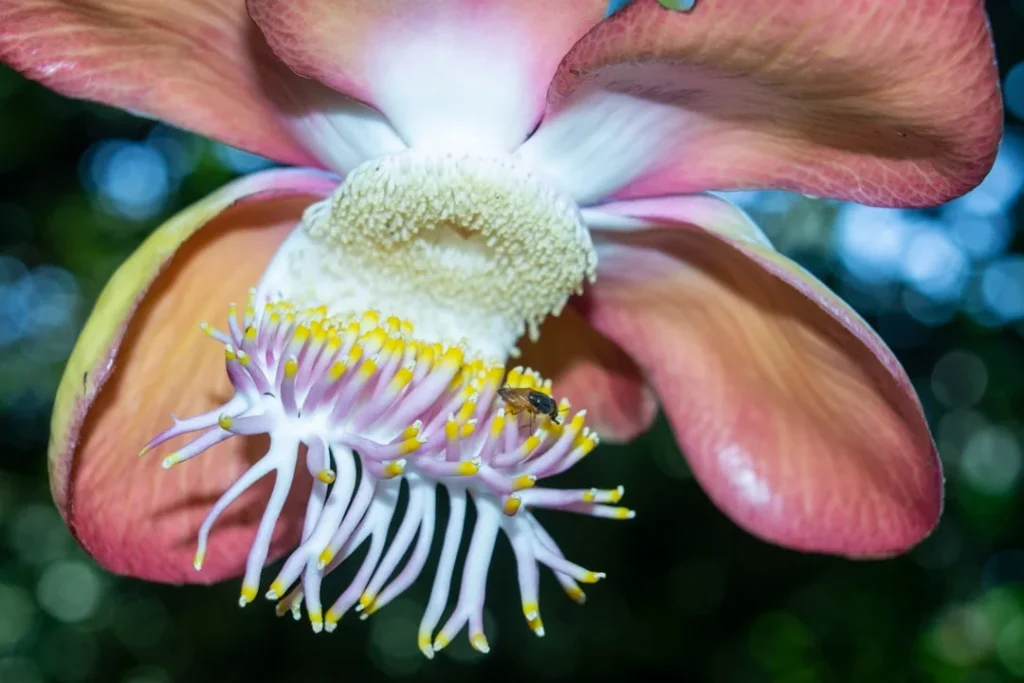
| Flowers | Cauliflorous (trunk-borne); pink, crimson, and cream with golden stamen dome; highly fragrant; 6-petalled |
| Flowering Season | Year-round in tropical climates; peak during warmer months; each flower lasts one day |
| Fruit | Large, spherical woody capsule ('cannonball'); 15–25 cm diameter; brown-grey; contains 200–300 seeds in aromatic pulp |
| Seeds | Edible; enclosed in fruit pulp; resemble small Brazil nuts; require careful extraction |
| Roots | Deep taproot system; moderately spreading; does not tolerate waterlogging |
| Height | 15–35 metres (50–115 feet) at maturity; container specimens kept smaller with pruning |
| Growth Rate | Fast in tropical conditions — up to 1–2 metres per year when young |
| Light Requirements | Full sun (6–8 hours direct sunlight daily); tolerates partial shade when young |
| Soil Requirements | Well-draining loamy soil; pH 6.0–7.0; rich in organic matter; does not tolerate heavy clay |
| Water Requirements | Moderate; deep watering twice weekly in dry seasons; reduce in cooler months; drought-tolerant once established |
| Temperature Requirements | Optimal 20–35°C (68–95°F); minimum 10°C (50°F); frost-intolerant; USDA Zones 10b–12; RHS H1a |
| Humidity Requirements | Prefers 60–90% relative humidity; mist container plants in dry indoor conditions |
| Propagation | By seed (fresh, surface-sow at 25–30°C); air layering; cuttings (less reliable) |
| Uses | Ornamental specimen tree; temple/sacred plant; traditional medicine (Ayurveda, Siddha, Amazonian folk medicine); fragrance; edible seeds |
| Medicinal Properties | Antimicrobial, antifungal, anti-inflammatory, antioxidant, wound-healing; contains alkaloids, saponins, tannins, lupeol, couroupitine |
| Toxicity | Fruit pulp mildly toxic when oxidised — do not consume directly. Seeds are edible when properly extracted. Caution with pets and children around fallen fruits. |
| Cultural Significance | Sacred to Hindus (associated with Lord Shiva); revered in Thai and Cambodian Buddhism; used in Amazonian spiritual ceremonies |
| Common Pests | Scale insects, mealybugs, leaf-eating caterpillars; generally pest-resistant when healthy |
| Common Diseases | Root rot (from overwatering); powdery mildew in humid stagnant conditions; leaf spot in poorly drained soil |
| Special Care Tips | Allow fallen fruits to be cleared promptly; protect from frost; feed phosphorus-rich fertiliser to encourage flowering; prune only after flowering flush |
| Cultural Practices | Planted in Hindu and Buddhist temple precincts worldwide; flowers used as daily sacred offerings in Shiva temples; revered during Mahashivaratri festival |
| Vastu Direction | North or East of the property — considered auspicious for spiritual energy and positive vibrations in Vastu Shastra tradition |
Kailashpati tree uses benefits Names in Different Languages
| English | Cannonball Tree / Kailashpati Tree |
| Mandarin Chinese | |
| Spanish | Árbol de bala / Coco de mono |
| Hindi | Kailashpati / Nagalingam |
| Gujarati | Kailashpati / Topakiya Vriksha |
| Arabic | شجرة القنبلة (Shajarat al-qunbula) |
| Bengali | Kailashpati / Nagalinga |
| Portuguese | Abricó-de-macaco / Castanha-de-macaco |
| Russian | Пушечное дерево (Pushechnoye derevo) |
| Japanese | キャノンボールツリー (Kyanonbōru tsurī) |
| Punjabi | Kailashpati Darakht |
| German | Kanonenkugelbaum |
| Javanese | Pohon bola meriam |
| Korean | 캐논볼 나무 (Kaenon-bol namu) |
| French | Boulet de canon (arbre) |
| Telugu | Nagalingam / Shivalingam Chettu |
| Marathi | Nagalingam Jhad |
| Tamil | Nagalingam / Shivalinga Pushpam |
| Urdu | Kailashpati Darakht / Nagalingam |
| Turkish | Top ağacı |
| Vietnamese | Cây đại bác / Cây bom |
What Is the Kailashpati Tree?
Picture this: a massive tropical tree erupting with salmon-pink and crimson flowers — not from its branches, but directly from its bark. That’s Couroupita guianensis, the tree Hindus call Kailashpati, meaning ‘Lord of Kailash,’ after its association with Shiva. It’s also widely known as the Cannonball Tree, named for its enormous round fruits that thud to the ground like artillery shells. Many gardeners who grow this plant also love to read about Coconut Tree Grow Care India.
Originally native to the tropical rainforests of Central and South America — particularly Guyana, Venezuela, and the Amazon basin — this tree has spread across tropical Asia, Africa, and the Pacific islands over centuries of trade and religious exchange. Today it grows in temple gardens across South and Southeast Asia, in botanical gardens from Kew to Singapore, and in private tropical collections worldwide. For more tips, check out our detailed article on Peepal Tree Benefits Oxygen.
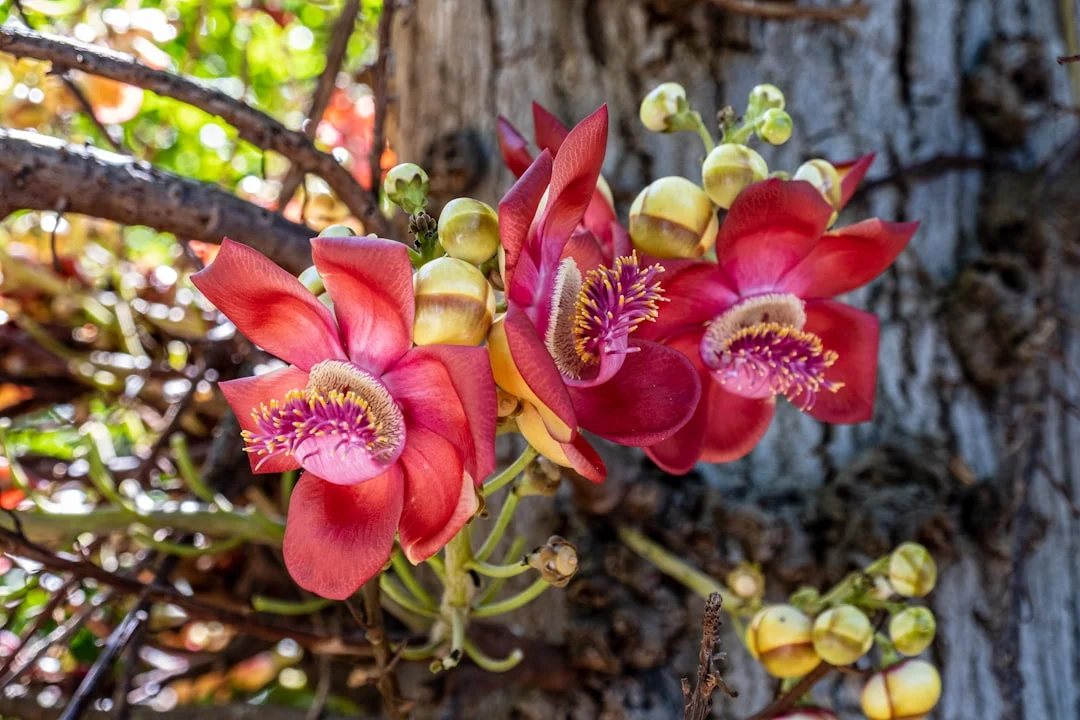
Here’s what makes it truly extraordinary. The flowers emerge directly from the trunk in long, pendulous racemes (hanging flower clusters), sometimes stretching 3 metres (10 feet) long. Each bloom lasts just a single day, yet the tree produces hundreds of them simultaneously throughout the year. Meanwhile, those giant fruits — up to 25 cm (10 inches) in diameter — take a full 12 months to mature after flowering. Many gardeners who grow this plant also love to read about best sacred plants for a temple garden.
According to Kew Gardens, Couroupita guianensis belongs to the Lecythidaceae family, the same plant family as the Brazil nut tree. That relationship explains a lot about its biology — and its surprisingly edible seeds.
Why Is It Called Kailashpati?
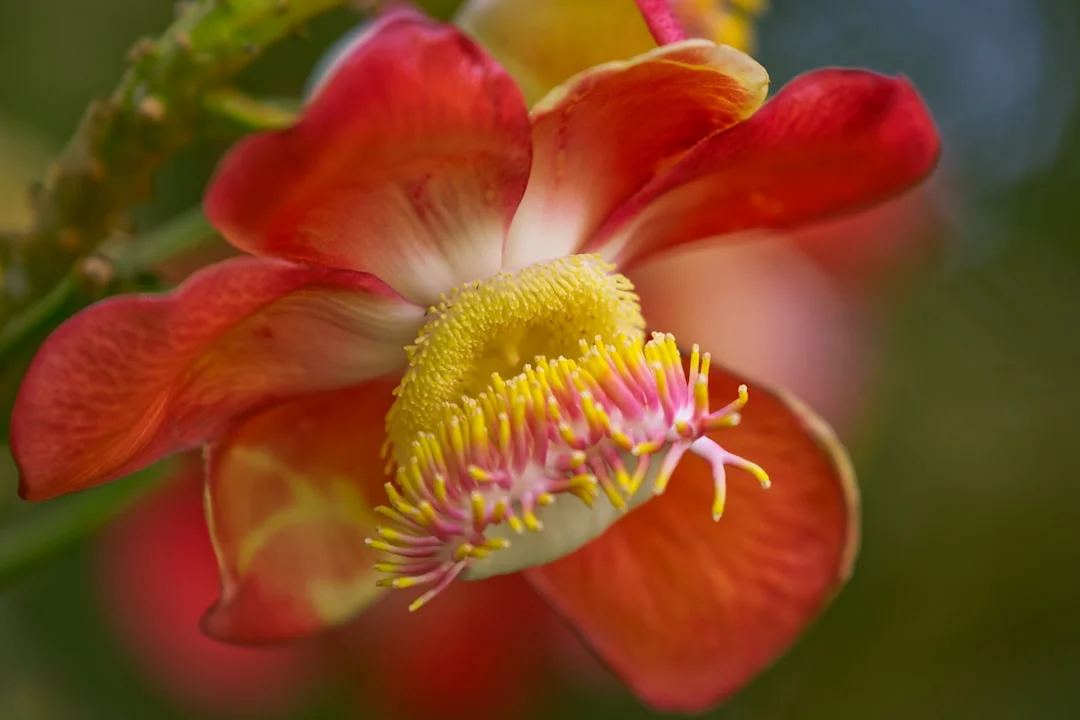
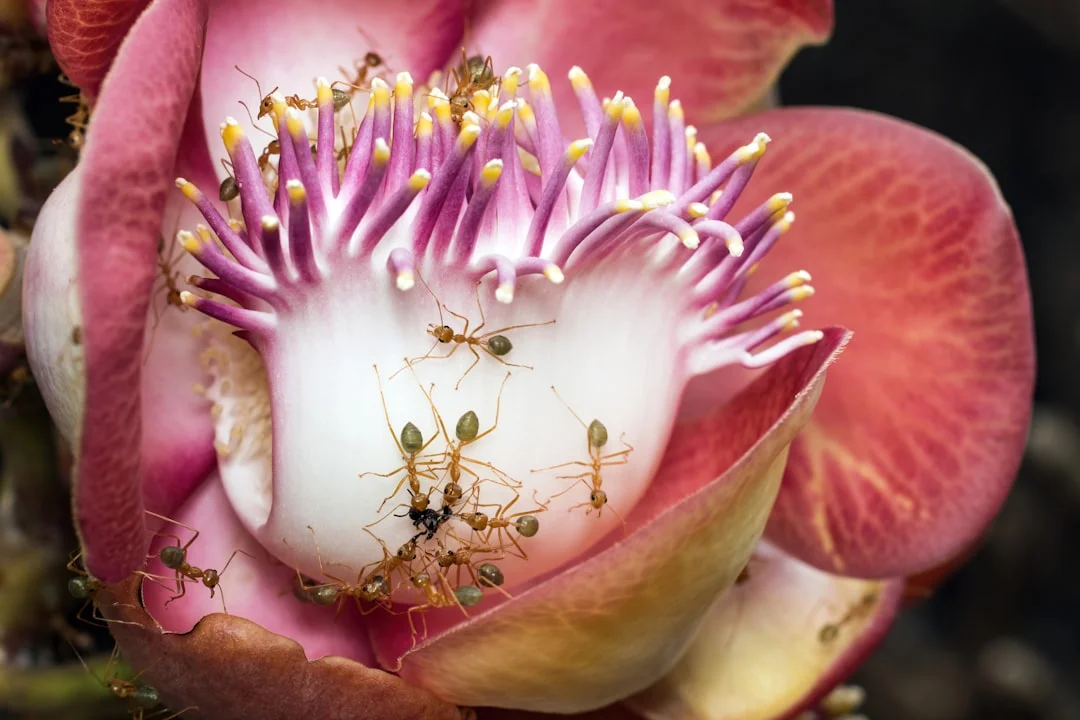
The name Kailashpati is deeply rooted in Hindu tradition. The flower’s inner structure bears a striking resemblance to a Shivalinga — the sacred symbol of Lord Shiva — surrounded by a hood reminiscent of the serpent Naga. As a result, the tree became closely associated with Shiva worship and is frequently planted in or near Shiva temples across India, Nepal, and Sri Lanka. In Thai Buddhist tradition, the tree is believed to be sacred because the flowers resemble the Buddhist flame, and it is planted in temple compounds throughout Thailand, Myanmar, and Cambodia. The spiritual significance of this tree runs far deeper than decoration — it’s woven into the living architecture of sacred spaces across two major world religions. Many gardeners who grow this plant also love to read about Mango Tree Grow Pot Home.
Kailashpati Tree Characteristics at a Glance
Before exploring the full kailashpati tree uses benefits, it helps to understand the plant’s core characteristics. This is a large, fast-growing tropical tree — not a container plant for most climates. However, with the right approach (which we’ll cover in the growing section), it can be cultivated in pots and even indoors in cooler regions.
The tree is semi-deciduous, meaning it sheds its leaves briefly before producing a flush of new growth. Its bark is thick, grey-brown, and deeply furrowed. The flowers are hermaphroditic — each one contains both male and female parts — and are pollinated primarily by bats and large bees, particularly carpenter bees (Xylocopa species).
Interestingly, the ripe fruit contains a pulp that becomes toxic on contact with air. This is an important safety consideration we’ll return to in the safety section. Understanding the full profile of this plant — including its potential hazards — is essential before you plant, harvest, or use it medicinally.
A Note on Its Unusual Flowering Habit
Most trees flower at the tips of their branches, where sunlight is strongest. Couroupita guianensis is cauliflorous — it flowers from woody stem tissue, including its main trunk. This adaptation is common in tropical forest understory plants, where pollinators navigate dense vegetation at lower heights rather than flying to the canopy. In a mature kailashpati tree, the trunk can become so covered in flowering racemes that the bark is barely visible. In my experience visiting botanical gardens in Singapore and Sri Lanka, the sight and scent of a mature flowering specimen is genuinely unforgettable — nothing in temperate horticulture quite compares.
Kailashpati Tree Uses Benefits: Medicinal & Therapeutic Properties
The kailashpati tree uses benefits in traditional medicine are extensive and well-documented across multiple healing traditions. Research published on PubMed/NIH has begun validating several of these traditional applications at the biochemical level.
The leaves, bark, flowers, and fruit pulp all contain bioactive compounds. Key among these are polyphenols, tannins, and essential oils — compounds associated with antimicrobial and anti-inflammatory activity. A 2016 study published in the Journal of Ethnopharmacology identified significant antibacterial activity in leaf extracts against Staphylococcus aureus and E. coli strains.
Furthermore, the flower oil of Couroupita guianensis has been studied for its wound-healing properties. Traditional healers in parts of Brazil and Venezuela apply crushed flower petals directly to skin wounds and minor infections — a practice now supported by laboratory evidence showing the oil inhibits bacterial biofilm formation.
The fruit pulp, despite being mildly toxic when exposed to air, has been used in controlled traditional preparations as an antiseptic. However, this is strongly discouraged for home use without expert guidance.
Antimicrobial and Antifungal Properties
One of the most significant kailashpati tree uses benefits is its antimicrobial activity. Phytochemical analysis of the bark reveals the presence of couroupitine and other alkaloids that show antifungal and antibacterial action. A 2018 study from a Brazilian university found that bark extract demonstrated notable activity against Candida albicans — the fungal pathogen responsible for most human yeast infections. Additionally, the flowers contain saponins and flavonoids that have been linked to antioxidant activity comparable to some synthetic antioxidants used in food preservation. That said, these are laboratory findings, not clinical treatment recommendations.
Anti-inflammatory and Analgesic Uses
Traditional communities in the Amazon and across South Asia have long used leaf decoctions from this tree to reduce inflammation and relieve joint pain. Modern phytochemical research supports this: the leaves contain lupeol, a triterpenoid compound that has shown anti-inflammatory activity in multiple pre-clinical studies. In South Asian traditional practice, leaf poultices are sometimes applied topically to arthritic joints or swollen wounds. While these uses are promising, it’s important to note that peer-reviewed clinical trials on human subjects remain limited. Always consult a qualified healthcare provider before using any part of this tree medicinally.
Ayurvedic and Traditional Uses Across Cultures
Ayurvedic texts describe Couroupita guianensis under the name Nagalingam or Nagalinga Pushpa. While it doesn’t appear prominently in the core classical texts such as the Charaka Samhita, regional Ayurvedic and Siddha traditions — particularly in Tamil Nadu and Kerala — have incorporated its flowers and bark into various formulations. The Ayush Ministry of India has acknowledged its place in traditional botanical medicine, particularly in Siddha practice.
In South American folk medicine, the tree is called Ayahuma in parts of Peru and is used in traditional Amazonian healing ceremonies. The fruit is considered spiritually protective in some indigenous traditions. Meanwhile, in Thailand and Cambodia, the flowers are offered at temples and are believed to carry prayers to the divine — a tradition mirroring the Hindu sacred use half a world away.
This remarkable convergence of independent cultural traditions — from the Amazon rainforest to the Ganges plain to Southeast Asian temple culture — tells us something important. Plants that earn reverence across continents usually offer something genuinely significant, whether spiritually or medicinally.
Siddha and Regional Ayurvedic Applications
In Siddha medicine — one of the world’s oldest medical systems, originating in Tamil Nadu — the bark of Couroupita guianensis is used to treat hypertension, stomachaches, and skin conditions. Practitioners prepare a decoction using dried bark boiled in water, typically administered in small measured doses. The flowers are also used in external applications for wound healing. It’s worth noting that Siddha practice involves precise compound formulations developed over generations — these are not simple home remedies. If you’re interested in Siddha applications, seek a qualified practitioner rather than attempting to replicate formulations at home.
Ornamental and Environmental Benefits
Beyond medicine, the kailashpati tree uses benefits extend powerfully into ornamental horticulture and ecology. This is, without question, one of the most spectacular flowering trees in the plant kingdom. The blooms appear in shades of deep pink, crimson, and cream, with a central dome of golden stamens. They open before dawn and last only until the following evening — yet the tree produces hundreds simultaneously, creating a continuous floral display that can last most of the year in tropical climates.
The fragrance is extraordinary. Sweet, warm, and slightly spicy, the flowers release their scent most intensely at night and in the early morning hours. In tropical garden design — from Singapore’s botanical parks to private estates in Sri Lanka and South Florida — the kailashpati tree is often used as a centrepiece specimen where its trunk display can be fully appreciated.
Environmentally, the tree provides significant bat and bee habitat. Its bat pollination relationship makes it ecologically valuable in tropical garden ecosystems. Furthermore, the large, spreading canopy provides dense shade — useful in tropical urban plantings where heat management is a real landscape objective.
Landscape Uses in Tropical and Subtropical Gardens
In tropical climates — covering most of South and Southeast Asia, Central America, the Caribbean, and coastal West Africa — Couroupita guianensis thrives as a standalone specimen tree. It needs significant space: a mature tree reaches 15 to 35 metres (50 to 115 feet) and spreads widely. For smaller gardens, it can be grown in large containers and kept pruned to a manageable size, though flowering will be reduced. In subtropical gardens — such as those in South Florida, coastal Australia, and parts of the Mediterranean — it grows well but may lose its leaves in cooler winters. It typically rebounds quickly in spring.
How to Grow Couroupita guianensis in Your Climate
Growing the kailashpati tree successfully depends almost entirely on getting the climate conditions right. This is a true tropical species, and it doesn’t apologise for it. However, with the right strategy, gardeners in surprising climates can succeed.
The tree performs best in USDA Hardiness Zones 10b–12 (minimum temperatures above 4°C / 40°F). In RHS terms, it’s rated H1a — suitable for heated glasshouses in the UK and other cool temperate climates. Outdoors, it thrives in tropical and subtropical regions where temperatures stay consistently above 15°C (59°F) year-round.
Many gardeners find that starting with a young container specimen and gradually introducing it to outdoor conditions gives the best results, particularly in subtropical margins. In June — when this guide is being published — it’s peak planting season across South and Southeast Asia, and also an excellent time to establish specimens in pots across the Northern Hemisphere before autumn arrives.
According to the USDA Plant Database, Couroupita guianensis is not cold-hardy in temperate regions and must be overwintered under glass in the UK, northern Europe, Canada, and most of the US.
Climate-Specific Growing Tips
Tropical climates (India, Southeast Asia, Caribbean, West Africa): Plant in full sun, water deeply twice a week, and fertilise with a balanced NPK formula every 4–6 weeks during the growing season. The tree will establish quickly and may flower within 3–5 years from seed.
Subtropical climates (South Florida, coastal Australia, Mediterranean coasts): Grow in a sheltered south-facing position. Mulch the root zone heavily before cooler winters. Expect brief leaf drop in cool periods, but the tree will recover.
Cool temperate climates (UK, northern Europe, Canada, northern US): Grow in the largest container possible — a minimum 100-litre pot. Keep in a heated greenhouse or conservatory through autumn and winter. Move outdoors to a sheltered, sunny position from late May to September.
Soil, Watering, and Fertiliser Requirements
Couroupita guianensis prefers a well-draining, loamy soil with a slightly acidic to neutral pH of 6.0–7.0. It does not tolerate waterlogged roots. In containers, use a mix of good-quality loam, perlite, and compost in a 3:1:1 ratio. Water deeply but allow the top 3–5 cm (1–2 inches) of soil to dry between waterings. Overwatering is the most common mistake — even in tropical climates, established trees prefer occasional deep watering over frequent shallow wetting. Feed monthly during the growing season with a slow-release fertiliser high in phosphorus, which supports flowering. Reduce feeding entirely in cooler months.
How to Use Kailashpati Tree Parts Safely
Understanding how to use the kailashpati tree responsibly is central to appreciating kailashpati tree uses benefits without risk. Different parts of the tree serve very different purposes, and some require caution.
The flowers are the safest part for most people. They’re used fresh in spiritual offerings, and dried flower powder has been incorporated into some traditional topical preparations. The fragrance alone is valued in aromatherapy contexts.
Leaf decoctions — prepared by simmering fresh or dried leaves in water — have traditional use as an external wash for skin conditions. These should not be consumed internally without professional guidance.
The seeds inside the fruit are edible and have a flavour sometimes compared to Brazil nuts — not surprising given their botanical relationship. However, the surrounding fruit pulp becomes mildly toxic when it oxidises on contact with air. So if you’re eating seeds, extract them carefully and rinse thoroughly.
Step-by-Step: Preparing a Traditional Flower Offering
In Hindu and Buddhist traditions, the freshly harvested kailashpati flower is used as a sacred offering. First, collect flowers early in the morning, ideally before sunrise when fragrance is strongest. Next, place them in a clean vessel with a little water to keep them fresh. Then, rinse gently — the flowers are delicate and tear easily. After that, arrange them with other sacred offerings: bilva leaves, marigolds, and rice are common accompaniments in Shiva worship. Finally, use within a few hours, as the flowers begin to close and wilt by mid-afternoon. For those using the flowers for fragrance or aromatherapy purposes, drying at low temperature (below 40°C / 104°F) preserves the essential oils effectively.
Safety, Toxicity, and Dosage Guidelines
Here’s the thing about beautiful plants with deep traditional use — they come with real safety considerations that deserve honest discussion. The kailashpati tree uses benefits are significant, but so are the risks if the plant is misused.
The fruit pulp of Couroupita guianensis produces an unpleasant, musty smell when ripe and becomes mildly toxic through a process of fermentation and oxidation. Consuming fresh fruit pulp directly is not recommended. In traditional Amazonian use, the fruit was sometimes prepared in specific ways to neutralise these compounds, but these methods are not well-documented enough for home replication.
Pet safety is a genuine concern. The fallen fruits attract curious dogs and cats, and ingestion of fruit pulp can cause gastrointestinal distress. If you grow this tree in a garden with pets, ensure fallen fruits are removed promptly. There are no documented cases of severe toxicity in pets from small exposures, but caution is warranted.
For children, keep fallen fruits out of reach. The seeds are not acutely toxic in small amounts, but any ingestion by children should be reported to a poison control centre as a precaution.
Dosage Notes for Medicinal Use
If you’re using any part of this tree under guidance from a qualified Ayurvedic or Siddha practitioner, follow their prescribed dosages exactly. There are no established standardised Western clinical dosages for Couroupita guianensis extracts. General traditional guidance suggests leaf decoctions for external use only, using no more than 5–10 grams of dried leaf material per 500 ml of water. Internal use of any part — leaves, bark, or fruit — should only occur under qualified supervision. Pregnant women, nursing mothers, and people on blood pressure medications or anticoagulants should avoid all internal use of this plant entirely, as the alkaloids may interact with these conditions.
Buying Guide: Where to Find This Rare Tree
Finding a kailashpati tree for sale outside tropical regions takes a little effort — but it’s entirely possible. Here’s where to look, and what to expect to pay.
This is not a common nursery plant in temperate countries. However, it’s increasingly available through specialist tropical plant sellers, particularly online. In tropical countries including India, Sri Lanka, Thailand, and Brazil, young trees are often available at local nurseries and temple plant vendors.
For international buyers, here are the most reliable options:
Etsy Plants (etsy.com) — Sellers in the US, India, and Southeast Asia regularly list young Couroupita guianensis seedlings and small trees. Expect to pay $15–$45 USD (approximately £12–£35 / ₹1,200–₹3,800) for a seedling.
Tropical plant specialists on Amazon — Seeds are more commonly available than plants; seed packets typically cost $5–$15 USD. Germination rates vary significantly by supplier.
Logee’s Tropical Plants (logees.com) — A well-regarded US specialist in tropical plants. They occasionally stock Couroupita guianensis in 3- to 4-inch pots at around $25–$40 USD.
Local botanical gardens — Many botanical gardens in tropical countries sell propagated specimens from their own collections. In India, gardens managed by the Botanical Survey of India sometimes offer plants at very accessible prices (₹100–₹500).
What to look for when buying: Choose a plant with healthy, glossy green leaves, no yellowing or spots, and a firm, undamaged stem. Avoid plants with soggy root balls or signs of root rot. If buying online, check seller reviews carefully and ensure shipping is appropriate for live tropical plants.
Growing From Seed vs. Buying a Young Plant
Growing from seed is entirely feasible and rewarding — but slow. Fresh seeds germinate within 2–4 weeks when kept at 25–30°C (77–86°F) with consistent moisture. However, a seed-grown tree typically takes 5–8 years to flower. Buying a young grafted or air-layered plant from a reputable nursery dramatically shortens this timeline — a well-established young specimen may flower in as little as 2–3 years. For most gardeners focused on the ornamental and spiritual aspects of kailashpati tree uses benefits, purchasing a young plant is the better practical choice.
Frequently Asked Questions
What are the main kailashpati tree uses benefits in traditional medicine?
The main kailashpati tree uses benefits in traditional medicine include antimicrobial, antifungal, and anti-inflammatory properties. The bark, leaves, and flowers contain active compounds — including alkaloids, tannins, saponins, and lupeol — that have shown antibacterial activity against common pathogens in laboratory studies. In Siddha and Amazonian folk medicine, the bark is used for hypertension and skin conditions, while leaf decoctions are applied externally to wounds. Always consult a qualified practitioner before using any part medicinally.
Can I grow a kailashpati tree in a cold climate like the UK or Canada?
Yes, but only in a container with proper winter protection. Couroupita guianensis is rated RHS H1a — suitable for heated greenhouses only in the UK. In Canada and the northern US, it must be overwintered in a heated conservatory or greenhouse above 10°C (50°F). During warmer months (late May to September), move container specimens outdoors to a sheltered, sunny spot. Expect reduced flowering in container conditions, but the tree will still grow beautifully with the right care.
Is the kailashpati tree safe for pets and children?
Caution is needed. The fruit pulp of Couroupita guianensis becomes mildly toxic as it oxidises after falling. Dogs and cats that consume fresh fruit pulp may experience gastrointestinal upset. Fallen fruits should be removed promptly from gardens where pets roam. The seeds, properly extracted, are edible. Keep fallen fruits away from young children. No severe toxicity cases are widely documented, but erring on the side of caution — particularly with pets and children — is always the right approach.
How long does it take for a kailashpati tree to flower?
Seed-grown trees typically take 5–8 years to produce their first flowers. Trees propagated by air layering or purchased as established nursery specimens may flower in 2–3 years. Flowering is most prolific in full sun conditions with consistent warmth above 20°C (68°F) and regular phosphorus-rich feeding. In tropical climates, established trees flower almost continuously throughout the year, each individual bloom lasting just a single day before falling.
What does the kailashpati flower smell like?
The fragrance is warm, sweet, and slightly spicy — often described as a blend of rose, jasmine, and tropical fruit with a faintly woody base note. The scent is strongest in the early morning hours and again after sunset, coinciding with peak bat pollinator activity. Many visitors to botanical gardens in Singapore, Sri Lanka, and South Florida describe it as one of the most memorable fragrances in the plant world. The scent fades gradually as the single-day flower ages through the afternoon.
Where can I buy a kailashpati tree outside of tropical countries?
Outside the tropics, your best sources are specialist tropical plant retailers. Etsy Plants lists seedlings from US, Indian, and Southeast Asian sellers for $15–$45 USD. Logee's Tropical Plants in the US stocks them occasionally for $25–$40. Seeds are available on Amazon for $5–$15, though germination rates vary. In tropical countries, local nurseries and botanical garden plant sales are often the most affordable and reliable option. Always buy from sellers with strong reviews and live plant shipping expertise.
Is the kailashpati tree the same as the Nagalingam tree?
Yes — Kailashpati and Nagalingam are two of the most common names for the same species, Couroupita guianensis. Kailashpati is the Hindi name referencing Lord Shiva (Kailash being Shiva's sacred mountain), while Nagalingam is the Tamil and Telugu name derived from the flower's resemblance to a Shivalinga surrounded by a Naga (serpent) hood. Both names refer to the same plant with the same botanical properties and growing requirements.
Can I grow a kailashpati tree in a pot or container garden?
Yes, container growing is entirely possible and the main strategy for gardeners in temperate climates. Use the largest container you can manage — a minimum 100-litre pot for a mature specimen. Choose well-draining loam mixed with perlite (3:1:1 ratio). Water deeply but allow drying between waterings. Prune annually to manage height. Container trees will be smaller than garden-grown specimens and may flower later, but with consistent care — especially adequate warmth and light — they can and do bloom.
Final Thoughts
The kailashpati tree is, without question, one of the most extraordinary plants you can grow. Its kailashpati tree uses benefits span sacred traditions, ancient medicine, modern phytochemistry, and ornamental horticulture — all wrapped in a tree that produces some of the most spectacular flowers on earth. Whether you’re in Chennai, London, Miami, or Sydney, there is a way to experience this tree. In tropical gardens, it becomes a magnificent specimen that flowers for decades. In cooler climates, a well-cared-for container plant brings that same tropical magic indoors. Start with a young nursery plant, give it warmth and full sun, feed it well, and be patient. The day it first blooms — that fragrance hitting you before sunrise — you’ll understand exactly why civilisations on two continents chose to make this tree sacred. That’s the full promise of kailashpati tree uses benefits, and it’s one worth pursuing.

