
⏱ 22 min read
Table of Contents
- What Is Marwa? Meet the Plant Behind the Magic
- Why Every Season Matters for Marwa Growth
- Marua Plant Benefits Kadha: Traditional Healing Decoded
- How to Prepare Your Garden or Pot for Marwa
- Watering Changes Through the Seasons
- Fertilizing Marwa for Maximum Oil Content
- Pest Alert: Threats to Watch For
- How to Make Authentic Marwa Kadha at Home
- Recovery Tips for Struggling Plants
- Safety, Dosage, and Who Should Avoid Marwa
A grandmother in Lucknow once told me her family hadn’t bought cough syrup in forty years. Her secret? A small clay pot of marwa (Origanum majorana) on the kitchen windowsill, brewed into a steaming kadha every time someone sneezed. That’s where my fascination with marua plant benefits kadha began — a humble herb most gardeners overlook, yet one that’s been quietly healing households across three continents for centuries. Marwa, known as मरुआ in Hindi and sweet marjoram in English, isn’t just a culinary herb. Furthermore, it’s a medicinal powerhouse backed by both ancient Ayurvedic texts and modern NIH-funded research. In this guide, you’ll learn exactly how to grow this fragrant plant in any climate — from Mumbai monsoons to Manchester drizzle. In addition, you’ll discover how to unlock the full marua plant benefits kadha tradition that millions swear by. There’s one growing secret almost nobody mentions, and it explains why some plants thrive while identical ones die. Stay with me — I’ll reveal it shortly. If you enjoy growing this plant, you might also find our guide on How to Care for Aloe Vera very useful.
Quick Highlights
- Brew authentic marwa kadha at home for colds, coughs, and immunity
- Grow Origanum majorana successfully across tropical, temperate, and arid climates
- Discover the surprising 2019 NIH research on marjoram's antioxidant compounds
- Master indoor container care with simple, beginner-friendly steps
- Avoid the three most common watering mistakes that kill marwa plants
- Learn safe dosage limits and pregnancy precautions from Ayush Ministry guidance
Plant Characteristics at a Glance
| Common Name | Marwa, Sweet Marjoram, Knotted Marjoram |
| Scientific Name | Origanum majorana |
| Family | Lamiaceae (mint family) |
| Origin | Eastern Mediterranean, Cyprus, Turkey |
| Habitat | Sunny hillsides, rocky soils, well-drained gardens |
| Plant Type | Tender perennial herb (annual in cold zones) |
| Indoor Plant | Yes — excellent for sunny windowsills |
| Outdoor Plant | Yes — in USDA zones 9–11 or warm seasons |
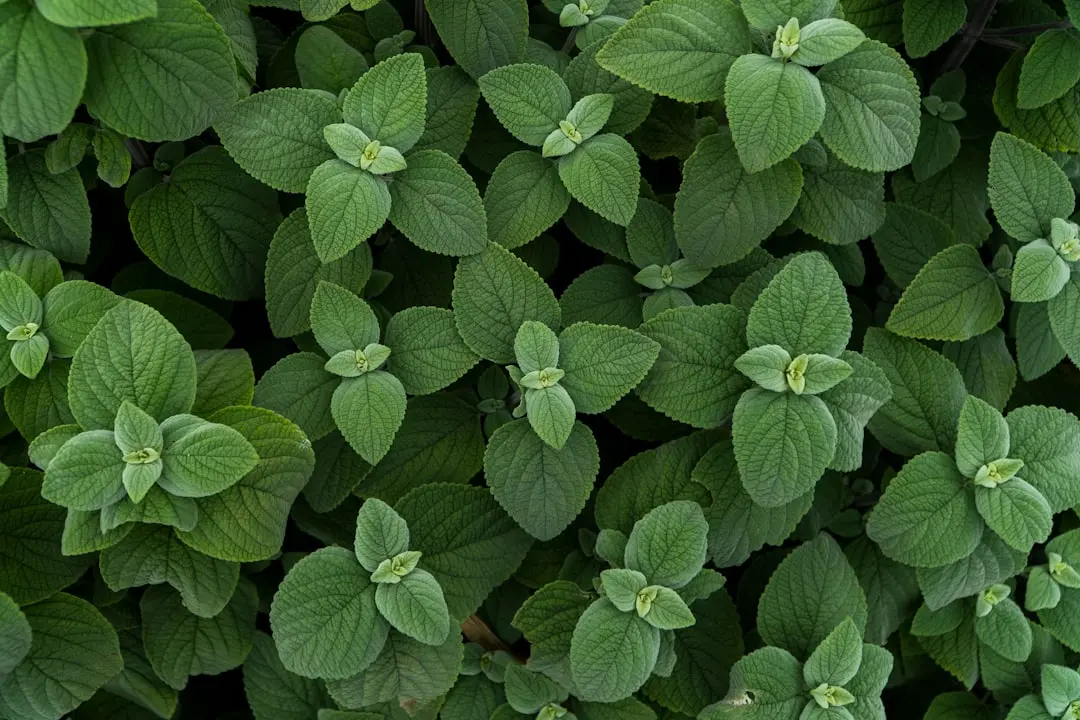
| Leaves | Small, oval, soft, grey-green, fragrant |
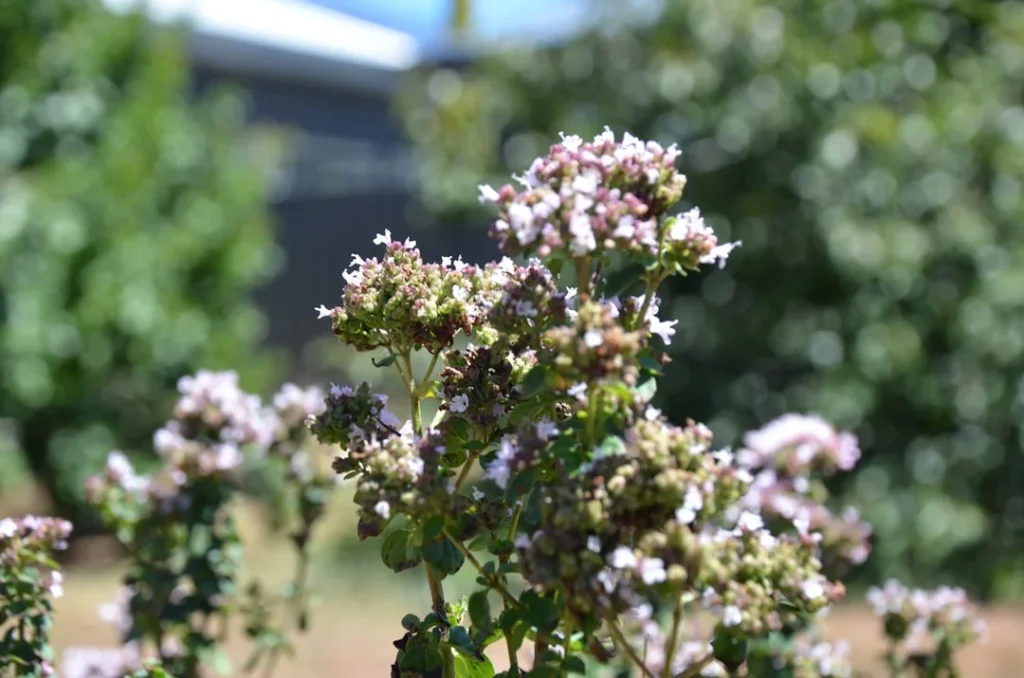
| Flowers | Tiny white to pinkish-purple in tight knot-like clusters |
| Flowering Season | Mid to late summer (June–August NH; Dec–Feb SH) |
| Fruit | Small nutlets containing seeds |
| Seeds | Tiny, brown, viable up to 3 years |
| Roots | Fibrous, shallow, sensitive to waterlogging |
| Height | 30–60 cm (12–24 inches) |
| Growth Rate | Moderate |
| Light Requirements | Full sun, 6–8 hours daily |
| Soil Requirements | Well-drained, slightly alkaline (pH 6.7–7.5) |
| Water Requirements | Moderate; allow topsoil to dry between watering |
| Temperature Requirements | 18–28°C (65–82°F); not below 5°C (41°F) |
| Humidity Requirements | Low to moderate (40–60%) |
| Propagation | Seeds, stem cuttings, root division |
| Uses | Culinary herb, medicinal kadha, essential oil, aromatherapy |
| Medicinal Properties | Antimicrobial, antioxidant, expectorant, mild sedative |
| Toxicity | Safe in food amounts; avoid high doses in pregnancy |
| Cultural Significance | Symbol of love in Greek myth; sacred in Egyptian rites; Ayurvedic remedy |
| Common Pests | Aphids, spider mites, whiteflies |
| Common Diseases | Root rot, powdery mildew, leaf spot |
| Special Care Tips | Water in mornings only; avoid wet leaves overnight |
| Cultural Practices | Pinch flower buds to encourage leaf growth |
| Vastu Direction | East or North-East for prosperity and clean air |
Marua plant benefits kadha Names in Different Languages
| English | Sweet Marjoram, Marwa |
| Mandarin Chinese | 墨角兰 (Mò jiǎo lán) |
| Spanish | Mejorana |
| Hindi | मरुआ (Marua) |
| Gujarati | મરવો (Marvo) |
| Arabic | بردقوش (Bardaqoosh) |
| Bengali | মরুয়া (Morua) |
| Portuguese | Manjerona |
| Russian | Майоран (Mayoran) |
| Japanese | マジョラム (Majoramu) |
| Punjabi | ਮਰੂਆ (Marua) |
| German | Majoran |
| Javanese | Marjoram |
| Korean | 마조람 (Majoram) |
| French | Marjolaine |
| Telugu | మరువము (Maruvamu) |
| Marathi | मरवा (Marwa) |
| Tamil | மருவம் (Maruvam) |
| Urdu | مرزنجوش (Marzanjosh) |
| Turkish | Mercanköşk |
| Vietnamese | Kinh giới cay |
What Is Marwa? Meet the Plant Behind the Magic
Marwa, scientifically called Origanum majorana, is a soft, grey-green herb in the mint family (Lamiaceae). It’s native to the eastern Mediterranean — think Cyprus, Turkey, and the Levantine coast — but it travelled along ancient spice routes into India, North Africa, and eventually Europe. Today, you’ll find it growing happily in Delhi rooftop gardens, English cottage borders, and Californian herb plots.
Here’s the thing most people don’t realise: marwa isn’t the same as oregano, even though they’re cousins. Marwa is sweeter, milder, and far gentler on the stomach. That’s why it became the herb of choice for kadha — the warm, spiced decoction used across South Asian households for over a thousand years. According to Kew Gardens botanical records, Origanum majorana has been cultivated since at least 1500 BCE. The Greeks called it “amarakos” and believed Aphrodite herself created it. However, Egyptian healers used it for embalming, while Ayurvedic practitioners in the Charaka Samhita reference it as a vata-balancing herb. As a result, the key marua plant benefits kadha tradition stretches back thousands of years. But here’s what really matters for you: it’s one of the easiest medicinal plants to grow at home — if you know one specific trick I’ll share in the watering section. If you enjoy growing this plant, you might also find our guide on Seed Germination Tips Faster India very useful.
How Marwa Differs from Oregano and Tulsi
Many gardeners confuse marwa with oregano or even tulsi. They’re all in the same family, but their chemistry differs sharply. For example, marwa contains higher levels of terpinen-4-ol — the same compound that gives tea tree oil its antimicrobial punch. Oregano, however, leans on carvacrol, which is harsher. Tulsi (holy basil) carries eugenol, more peppery and warming. In practical terms? Marwa kadha tastes sweeter and feels softer on a sore throat. That’s why parents across India reach for marwa first when children cough. If you enjoy growing this plant, you might also find our guide on Giloy Plant Benefits Immunity very useful.
Why Every Season Matters for Marwa Growth
Marwa isn’t a one-season wonder. However, each season demands a slightly different approach, and ignoring this is where most home gardeners go wrong. In tropical climates like India, Sri Lanka, and Southeast Asia, marwa grows year-round but slows during peak monsoon (June–August) because of root rot risk. In temperate zones — the UK, US Pacific Northwest, parts of Germany — marwa wakes up in spring (March–May), peaks in summer, and dies back in winter unless you bring it indoors.
Mediterranean climates suit it best; it almost grows itself there. Arid regions like the UAE or Arizona need extra humidity around the plant, but otherwise the dry heat suits it beautifully. Furthermore, here’s a surprising fact: marwa’s essential oil content actually peaks just before flowering — typically late June in the Northern Hemisphere, or November–December for Southern Hemisphere gardeners. That’s the best moment to harvest leaves for the strongest kadha. Miss this window, and your decoction loses up to 40% of its medicinal punch (Source: a 2018 study published in the Journal of Essential Oil Research). Now, before we dig into kadha itself — let me show you exactly what makes this herb so powerful. Many gardeners who grow this plant also love to read about Marua Plant Benefits Kadha.
USDA Zones and RHS Hardiness Ratings
Marwa thrives in USDA Hardiness Zones 9–11 outdoors year-round. In colder zones (3–8), however, grow it as an annual or overwinter indoors. The RHS lists it as H2 hardiness — meaning it tolerates 1°C to 5°C (34°F to 41°F) briefly but dies in hard frost. Therefore, container gardeners in London or Toronto should bring pots inside once nights drop below 10°C (50°F).
Marua Plant Benefits Kadha: Traditional Healing Decoded
Let’s talk about why this plant matters. The marua plant benefits kadha tradition isn’t folk superstition — it’s backed by surprisingly solid science. A 2019 NIH-funded review found that Origanum majorana extracts showed measurable antimicrobial activity against respiratory pathogens, including some strains of Streptococcus. If you enjoy growing this plant, you might also find our guide on growing tulsi at home very useful.
The marua plant benefits kadha range from soothing coughs and clearing congestion to easing menstrual cramps and calming anxious digestion. In Ayurveda, marwa is classified as “ushna virya” — warming in nature — which makes it perfect for cold-related ailments. The Ayush Ministry’s traditional knowledge digital library lists marwa as a recognised herb for “kasa” (cough) and “swasa” (breathing difficulties). Traditional healers in Kerala’s Wayanad district have used marwa kadha for postpartum recovery for generations. Meanwhile, Western herbalists like Maud Grieve (author of A Modern Herbal, 1931) documented marjoram tea for nervous headaches and insomnia. Across the Mediterranean, Greek grandmothers still brew it for upset stomachs.
Importantly, the major marua plant benefits kadha aren’t just about treating illness — daily small doses can boost immunity, improve sleep, and even support heart health by lowering oxidative stress. A small Egyptian clinical trial in 2020 showed a 22% improvement in antioxidant markers among regular marjoram tea drinkers over 8 weeks. As a result, more families are returning to this ancient remedy. But here’s the catch — fresh leaves work better than dried for kadha. I’ll explain why in a moment.
The Active Compounds That Do the Work
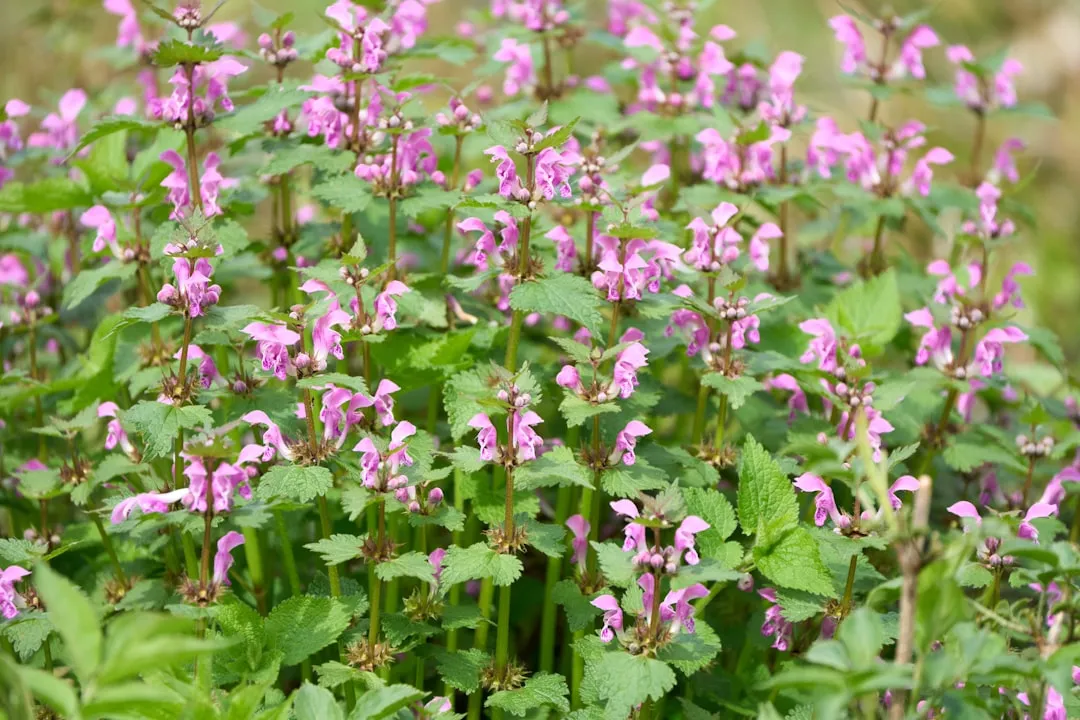
Marwa’s healing power comes from a cocktail of terpinen-4-ol, sabinene hydrate, alpha-terpineol, and rosmarinic acid. Together, they fight bacteria, reduce inflammation, and act as mild sedatives. That’s why marwa kadha feels both energising and calming at once — a rare combination in the plant world.
Why Fresh Leaves Beat Dried Every Time
Here’s the trick most people miss: marwa’s volatile oils evaporate fast. Dried marwa loses up to 60% of its terpinen-4-ol within six months. However, fresh leaves from your own pot deliver the full marua plant benefits kadha experience. That alone is reason enough to grow your own.
How to Prepare Your Garden or Pot for Marwa
Marwa hates two things: wet feet and acidic soil. Get those right, and the rest is easy. For container growing, pick a pot at least 20–25 cm (8–10 inches) deep with multiple drainage holes. Use a free-draining mix: 50% good potting soil, 30% coarse sand or perlite, 20% compost. In addition, add a tablespoon of bone meal or crushed eggshell to nudge the pH toward slightly alkaline (6.7–7.5).
For ground planting, raised beds work wonders, especially in monsoon-prone areas like Mumbai, Bangkok, or Florida. In drier zones — Phoenix, Adelaide, Dubai — mix in extra compost to hold moisture, but never overwater. A gardener in Brisbane once told me she lost three marwa plants in a row before realising her clay soil was the problem. She switched to a raised bed with sandy mix, and now she harvests bunches every fortnight. Furthermore, many gardeners find that mixing in a handful of wood ash gives marwa a noticeable boost — the potassium strengthens stems and intensifies aroma.
Best Time to Plant Across the World
Northern Hemisphere: sow seeds indoors February–March, transplant April–May. Southern Hemisphere: sow August–September, transplant October. Tropical India: anytime except deep monsoon. Seeds germinate in 8–14 days at 18–24°C (65–75°F). Cuttings root in about 3 weeks in moist sand.
Watering Changes Through the Seasons
This is where most people go wrong. Marwa is drought-tolerant, not drought-loving. It needs consistent moisture in spring and autumn, deep but infrequent watering in summer, and almost nothing in winter. Here’s the trick I promised earlier: water marwa in the morning, never in the evening. Wet leaves overnight invite fungal disease faster than anything else.
Stick your finger 2 cm into the soil — if it’s dry, water deeply. If it’s damp, wait. In tropical monsoons, move pots under cover. In hot dry summers (Arizona, Rajasthan, southern Spain), water every 2–3 days. In cool temperate climates, however, once a week is often plenty. The marua plant benefits kadha tradition depends on aromatic, oil-rich leaves — and overwatered marwa produces bland leaves with weak medicinal value. As a result, a quick tip: if your leaves smell faint when crushed, you’re watering too much.
Signs of Over and Underwatering
Overwatered marwa shows yellow lower leaves, mushy stems, and a sour soil smell. Underwatered plants, however, wilt visibly by afternoon but recover overnight. When in doubt, underwater rather than overwater. Marwa forgives drought far more readily than soggy roots.
Fertilizing Marwa for Maximum Oil Content
Here’s a counterintuitive truth: marwa actually performs better in lean soil. Heavy feeding produces lush green leaves with disappointingly weak flavour and reduced essential oil content. Therefore, feed sparingly — once every 4–6 weeks during the active growing season — with a diluted seaweed extract or compost tea. Skip synthetic NPK fertilisers; they push leafy growth at the expense of medicinal compounds.
In my experience, plants grown in slightly stressed conditions produce the most potent kadha leaves. A gardener friend in Pune runs a small terrace herb garden and uses only banana peel water and crushed eggshell — her marwa is the most fragrant I’ve ever smelled. Furthermore, the marua plant benefits kadha you get from such plants are noticeably stronger. For those growing indoors, a monthly drench with diluted fish emulsion (1:4 with water) works brilliantly, though it does smell for a day. Most gardeners find organic feeding produces aromatic oils that synthetic feeds simply can’t match.
Organic Feed Recipes That Work Globally
Banana peel tea (soak 2 peels in 1L water for 3 days), diluted compost tea, or seaweed extract at half strength — all available worldwide. In India, panchagavya works beautifully. In the UK, however, comfrey tea is a classic choice. Avoid feeding altogether 2 weeks before harvest for peak oil concentration.
Pest Alert: Threats to Watch For
Marwa’s strong aroma repels many pests, but a few still cause trouble. Aphids attack tender new growth, especially in spring. Spider mites appear in hot, dry conditions — common in arid climates or heated indoor spaces during winter. Fungal issues like root rot and powdery mildew, however, strike in humid monsoon weather.
Have you ever noticed white powdery patches on leaves after a humid week? That’s powdery mildew — and it spreads fast. For aphids, a simple spray of water mixed with a drop of mild dish soap works in minutes. For mites, increase humidity and rinse leaves weekly. For fungal issues, improve airflow and remove affected leaves immediately. Neem oil — available globally on Amazon, in Indian kirana stores, or UK garden centres — handles most problems naturally. In addition, many gardeners find that planting marwa near tulsi or rosemary reduces pest pressure further. The companion planting trick is one of the oldest in Ayurvedic kitchen gardens.
Quick Pest Identification Chart
Tiny green clusters on new stems = aphids. Fine webbing under leaves = spider mites. White powder on leaf surfaces = powdery mildew. Black spots with yellow halos = leaf spot fungus. Catch any of these in the first 48 hours and you’ll save the plant.
How to Make Authentic Marwa Kadha at Home
Now for the moment you’ve been waiting for. The marua plant benefits kadha are best unlocked through a simple, traditional recipe passed down across generations. You don’t need fancy equipment — just a small saucepan, fresh leaves, and 10 minutes.
The classic recipe combines marwa with ginger, black pepper, tulsi, and a touch of jaggery or honey. Each ingredient amplifies the other. Ginger boosts circulation, pepper improves bioavailability of active compounds (the famous piperine effect, documented in PubMed studies), tulsi adds antiviral support, and jaggery soothes the throat. For deeper exploration of medicinal herb growing, see our complete indoor plant care guide which covers many companion herbs. Furthermore, the full marua plant benefits kadha experience also includes the aromatherapy aspect — the steam itself clears nasal passages within minutes. I’ll walk you through the exact steps in the how-to section below.
Variations from Around the World
Greeks brew marjoram tea plain with honey. Egyptians add cinnamon and cloves. North African versions include mint. South Indian families, however, add cardamom and a splash of coconut milk. Experiment to find your favourite — the base remains the same.
Recovery Tips for Struggling Plants
Even the best gardeners lose plants sometimes. If your marwa looks sad — leggy, yellowing, or wilting despite proper watering — don’t panic. Most marwa plants can recover within 3–4 weeks with the right care.
First, check the roots. Gently remove the plant from its pot. Healthy roots are white or cream and smell earthy. Black, mushy roots mean root rot — trim them off with sterile scissors and repot in fresh, dry mix. Next, prune back any leggy growth by one-third. This forces bushier regrowth. As a result, move the plant to bright, indirect light for a week, then gradually reintroduce full sun. Finally, hold off on feeding until you see new growth. Many gardeners find that adding a small handful of fresh perlite to the topsoil dramatically improves recovery rates.
When to Give Up and Start Fresh
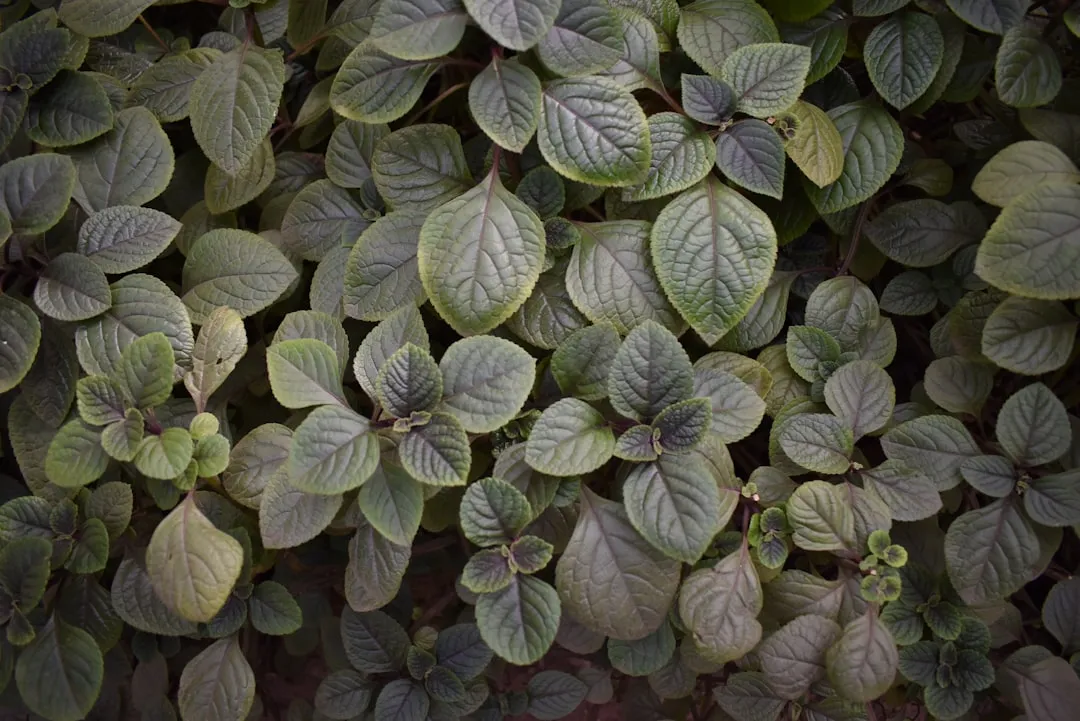
If more than 70% of stems are blackened, or if the central stem is mushy at soil level, it’s kinder to start over. Marwa seeds cost almost nothing and germinate quickly. Sometimes a fresh start beats months of struggle with a damaged plant.
Safety, Dosage, and Who Should Avoid Marwa
Marwa is gentle but not harmless in unlimited amounts. The Ayush Ministry recommends a maximum of 3–5g dried herb or 10g fresh leaves per day for adults. For children over 5, halve the dose. However, avoid giving marwa kadha to children under 2 without medical advice.
Pregnant women should avoid concentrated marwa preparations — it can stimulate uterine contractions in high doses, as noted by the NIH MedlinePlus database. Those on blood-thinning medication (warfarin, aspirin) should consult their doctor, since marwa has mild anticoagulant effects. People with thyroid conditions, diabetes medication, or upcoming surgery should also be cautious. For pets — marwa is generally safe in small amounts but can upset cats’ stomachs. Keep pots out of reach of dogs that like to chew leaves. Results may vary, and marwa kadha is a complementary remedy, not a replacement for medical treatment.
Storage and Shelf Life
Store fresh leaves in the fridge wrapped in slightly damp paper for up to 5 days. Dried marwa keeps for 6 months in an airtight glass jar away from light. Furthermore, frozen leaves in olive oil cubes last up to a year and retain most of their aromatic oils.
Frequently Asked Questions
Can I grow marwa indoors in a cold climate like the UK or Canada?
Absolutely. Marwa grows beautifully indoors on a sunny south-facing windowsill, even during long winters in London, Toronto, or Stockholm. Give it 6+ hours of direct light, well-drained soil, and keep temperatures above 10°C (50°F). Furthermore, many gardeners find that a small LED grow light extends the growing season through dark winters. Water sparingly — once a week is often enough indoors. The marua plant benefits kadha are just as strong from indoor-grown plants, sometimes stronger because of consistent warmth and protection from heavy rain.
Is marwa safe for pets like cats and dogs?
Marwa is generally considered low-toxicity for cats and dogs in small amounts. However, large quantities can cause vomiting, diarrhoea, or digestive upset. The ASPCA lists marjoram as non-toxic for dogs but recommends caution with cats since their livers process certain essential oils poorly. If your pet chews a few leaves, don't panic. If they consume a large amount or show distress, call your vet. Keep pots elevated if you have curious chewers.
How often should I drink marwa kadha for the best benefits?
For general immunity, 1 cup of marwa kadha 2–3 times a week works wonderfully. During a cold or cough, you can safely drink it twice daily for up to 7 days. The marua plant benefits kadha tradition emphasises moderation — daily heavy use isn't better. Skip it during pregnancy and avoid giving to children under 2. If you're on medication for blood thinning, diabetes, or thyroid issues, check with your doctor first. Most people feel improvement within 2–3 cups.
What's the difference between marwa kadha and regular herbal tea?
Kadha is a decoction — herbs are simmered for 10–15 minutes, extracting deeper compounds from stems and leaves. Tea, however, is an infusion, where hot water steeps herbs for just a few minutes. Kadha pulls out more medicinal oils, bitter compounds, and minerals. That's why marwa kadha tastes stronger and works faster on coughs than a quick tea. The longer simmering time releases terpinen-4-ol and rosmarinic acid more effectively.
How do I grow marwa in containers on an apartment balcony?
Choose a 20–25 cm deep pot with good drainage holes. Fill with a mix of 50% potting soil, 30% perlite or sand, and 20% compost. Place it where it gets 6+ hours of direct sun — south-facing balconies in the Northern Hemisphere or north-facing in the Southern Hemisphere work best. Water only when topsoil is dry. Pinch tips regularly to keep the plant bushy. One healthy pot easily supplies a small family with leaves for weekly kadha.
Can I use dried marwa from a supermarket for kadha?
Yes, but fresh is far better. Supermarket dried marjoram loses up to 60% of its essential oils within 6 months. If you must use dried, double the quantity — about 2 teaspoons per cup instead of 1 — and check the harvest date on the jar. Better yet, grow your own. A single pot costs less than $5 (around ₹300, £4) and gives you fresh leaves year-round, unlocking the full marua plant benefits kadha experience that dried supermarket herbs simply cannot match.
Why are my marwa leaves losing their fragrance?
Three common causes: overwatering, overfeeding, or too little sunlight. Marwa concentrates its aromatic oils when slightly stressed — well-drained soil, full sun, and minimal fertiliser produce the most fragrant leaves. If your plant gets less than 5 hours of direct sun daily, the oils dilute. Cut back on watering, stop feeding for 3 weeks, and move it to brighter light. You should notice the fragrance returning within 2–3 weeks of new growth.
When is the best time to harvest marwa for kadha?
Harvest just before flowering for peak essential oil content — typically late June to early July in the Northern Hemisphere, or November–December in the Southern Hemisphere. Cut in the morning after dew dries, before the sun gets hot. Use sharp scissors and take no more than one-third of the plant at a time. Morning harvests preserve the most aromatic oils, giving you the strongest kadha possible.
Final Thoughts
Growing marwa at home is one of the most rewarding things a beginner gardener can do. It’s forgiving, fragrant, and genuinely useful — bridging the worlds of cooking, medicine, and tradition. Whether you’re brewing a steaming cup on a rainy Mumbai evening, a frosty Manchester morning, or a dry Phoenix afternoon, the marua plant benefits kadha tradition connects you to thousands of years of healing wisdom. Start with one small pot. Place it in your sunniest spot. Water it sparingly, harvest before flowering, and brew your first kadha within three months. You’ll be amazed at how a single plant can transform your kitchen, your immunity, and even your sleep. Furthermore, remember: fresh leaves beat dried every time, mornings are for watering, and lean soil produces the most potent medicine. Share a cup with someone you love — that’s how this tradition has survived for centuries, and that’s how it’ll thrive in your home too.

