
The monsoon season brings a refreshing change to our surroundings, and it’s also an excellent time to focus on the health and vitality of your indoor plants. As the rains arrive, so do questions about the best practices for keeping your indoor plants thriving. Let’s explore some key tips and insights to ensure your indoor garden stays lush and vibrant throughout the rainy season.
Table of contents
How to Take Care of Indoor Plants in the Rainy Season?
Taking care of indoor plants during the monsoon requires a little extra attention to ensure they remain healthy. Here are some essential tips:
- Location Matters: Place your indoor plants in spots where they receive indirect sunlight. The cloudy skies of the rainy season might reduce the amount of light your plants get, so avoid keeping them in dark corners. If necessary, consider using grow lights to supplement their light needs.
- Monitor Humidity Levels: The humidity tends to increase during the monsoon, which is generally beneficial for indoor plants. However, too much humidity can lead to fungal growth. Keep the indoor environment balanced by ensuring proper air circulation and avoiding overcrowding of plants.
- Water Wisely: Overwatering is a common mistake during the monsoon. Since the air is already humid, your plants will need less water. Always check the soil moisture before watering and make sure your pots have good drainage to prevent waterlogging.
- Regular Pruning: The rainy season often accelerates plant growth. Regular pruning helps in maintaining the shape and health of your plants by removing dead or excess foliage.
- Pest Control: Monsoon humidity can attract pests. Regularly inspect your plants for any signs of infestation and treat them with natural insecticides if needed.
Which Plants Are Best for the Monsoon Season?
The monsoon season is ideal for planting certain types of plants that thrive in the wet and humid conditions. Some of the best plants to consider during the rainy season include:
- Fern: These plants love the moisture and can thrive indoors during the monsoon.
- Money Plant: Known for its hardiness, the money plant grows rapidly with minimal care, making it perfect for the rainy season.
- Spider Plant: This resilient plant benefits from the humid environment of the monsoon.
- Aloe Vera: Aloe Vera can flourish indoors during the monsoon, given that it’s kept in well-draining soil.
- Peace Lily: This beautiful plant enjoys the indirect light and high humidity, making it a great choice for monsoon indoor gardening.
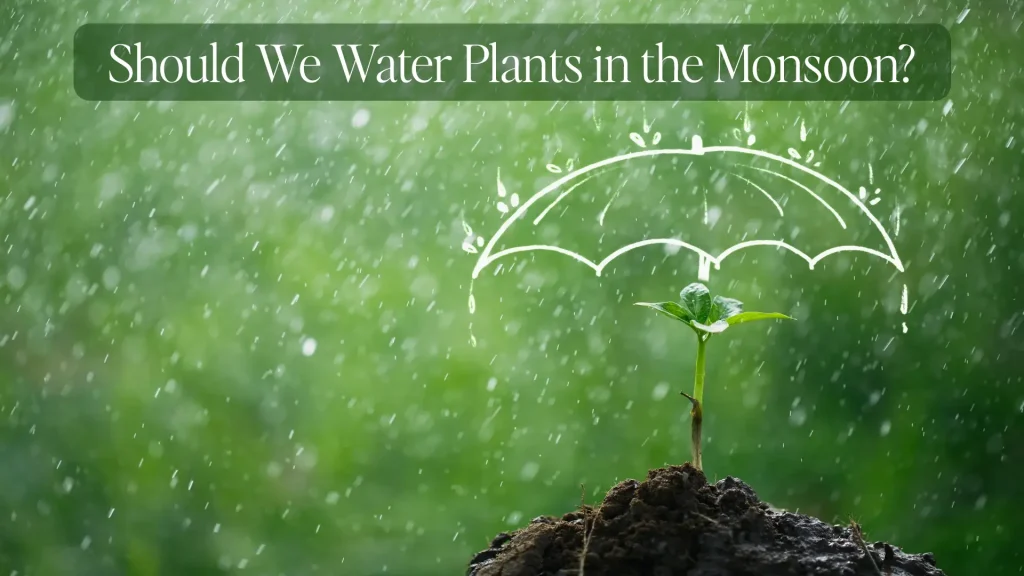
Watering indoor plants during the monsoon requires a careful approach. Here’s what you need to know:
- Less Frequent Watering: Due to the high humidity, indoor plants require less frequent watering. Always check the top layer of soil; if it’s dry, then only water the plant.
- Avoid Waterlogging: Ensure your pots have adequate drainage to prevent water from accumulating at the base, which can lead to root rot.
- Misting: If the air is too dry inside, consider misting your plants to maintain the humidity they need, especially for tropical varieties.
Do Plants Grow Faster in the Rainy Season?
Yes, many plants do experience faster growth during the rainy season. The combination of increased humidity, consistent moisture, and cooler temperatures creates an ideal environment for plant growth. However, rapid growth also means your plants might need more frequent pruning and nutrient replenishment to maintain their health and shape.
Which Plants Are Best to Grow During the Rainy Season?
When it comes to planting during the rainy season, you have a variety of options that thrive in the monsoon climate:
- Basil (Tulsi): This sacred plant loves the monsoon and grows quickly.
- Ginger: Ideal for the rainy season, ginger can be planted in pots and harvested later in the year.
- Turmeric: Another monsoon-friendly plant, turmeric, can be easily grown indoors or outdoors.
- Marigold: These bright flowers thrive in the wet conditions of the rainy season.
- Mint: A favorite for many, mint grows rapidly and flourishes in the monsoon.
Conclusion
The monsoon season is a great time to nurture your indoor plants, provided you take the right precautions. By understanding their needs during this humid and wet season, you can ensure that your indoor garden remains healthy, vibrant, and full of life. Whether it’s adjusting your watering routine, choosing the right plants, or ensuring proper pest control, these tips will help you make the most of the rainy season for your beloved indoor plants.
FAQs
It’s advisable to fertilize your plants every two weeks during the monsoon to replenish nutrients lost due to rainwater.
Yes, but ensure they are not exposed to heavy rains and strong winds. Place them in a sheltered area where they can receive indirect sunlight.
Regularly inspect your plants, avoid waterlogging, and use antifungal sprays as a preventive measure.
While not all plants require pruning, it is beneficial for those that experience rapid growth to maintain their shape and health.
Use a humidifier or mist the plants with water to maintain the required humidity levels.

