
⏱ 20 min read
Table of Contents
- Why Parijat Matters Across Every Season
- Understanding the Night Jasmine Plant
- Preparing Your Parijat for Growth
- Watering Changes Through the Year
- Fertilising for Maximum Blooms
- Pest Alert: Common Threats and Solutions
- Recovery and Pruning Practices
- Medicinal and Cultural Benefits
- Growing Parijat in Containers and Cold Climates
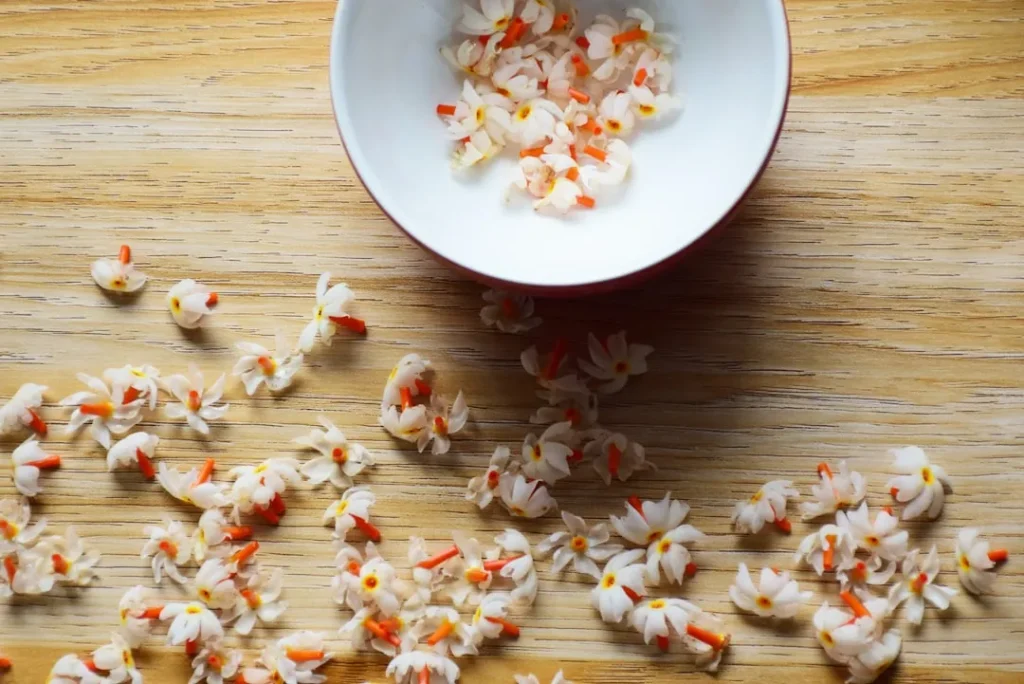
The parijat plant care benefits are remarkable, and once you grow this fragrant tree, you’ll understand why it has captivated gardeners across continents for centuries. Known botanically as Nyctanthes arbor-tristis, the Night Jasmine or Parijat (हरसिंगार) produces tiny white flowers with orange centres that bloom at dusk and fall by dawn — a daily miracle. Whether you’re tending a tropical balcony in Mumbai, a Mediterranean courtyard in Lisbon, or a heated conservatory in Manchester, the parijat plant care benefits extend far beyond ornamental beauty. This guide covers everything you need: soil preparation, watering across seasons, pest management, medicinal uses backed by Ayurveda and modern research, plus practical advice for cold-climate growers using containers. In my experience, gardeners often underestimate how forgiving this tree can be once established. Here’s the thing — get the basics right, and you’ll enjoy fragrant blooms for decades. For more tips, check out our detailed article on growing jasmine varieties indoors.
Quick Highlights
- Master year-round care for Night Jasmine across tropical, temperate, and arid climates
- Unlock Ayurvedic and modern medicinal uses backed by NIH-cited research
- Discover container-growing techniques for cold-climate gardeners in the UK, US, and Canada
- Learn fertilising schedules that double your bloom count each flowering season
- Identify and treat the three most common pests attacking parijat plants
- Apply traditional pruning methods used by Indian and Southeast Asian growers for centuries
Plant Characteristics at a Glance
| Common Name | Night Jasmine, Parijat, Coral Jasmine, Tree of Sorrow |
| Scientific Name | Nyctanthes arbor-tristis |
| Family | Oleaceae |
| Origin | Indian subcontinent and Southeast Asia |
| Habitat | Sub-Himalayan tracts, dry tropical forests, cultivated gardens |
| Plant Type | Small deciduous tree or large shrub |
| Indoor Plant | Yes, in large containers with bright light |
| Outdoor Plant | Yes, ideal for gardens in tropical and subtropical regions |
| Leaves | Opposite, ovate, rough-textured, 6-12 cm long |
| Flowers | Small white petals with orange-red corolla tube, intensely fragrant |
| Flowering Season | August to December in tropics; late summer in temperate zones |
| Fruit | Flat, heart-shaped capsule, 2 cm wide |
| Seeds | 1-2 per capsule, brown, viable for 6-12 months |
| Roots | Moderately deep taproot with fibrous secondary roots |
| Height | Up to 10 metres (33 feet) in ground; 2-3 metres in containers |
| Growth Rate | Moderate, 30-60 cm per year |
| Light Requirements | Full sun to partial shade, minimum 5-6 hours daily |
| Soil Requirements | Well-draining loam, pH 6.0-7.5 |
| Water Requirements | Moderate; deep watering 2-3 times weekly in summer |
| Temperature Requirements | 20-32°C (68-90°F) ideal; tolerates 10-40°C (50-104°F) |
| Humidity Requirements | 50-70% relative humidity |
| Propagation | Seeds, semi-hardwood cuttings, root suckers |
| Uses | Ornamental, medicinal, religious, natural dye, fragrance |
| Medicinal Properties | Anti-inflammatory, antimalarial, antioxidant, hepatoprotective |
| Toxicity | Mildly toxic in large doses; safe in traditional therapeutic amounts |
| Cultural Significance | Sacred in Hinduism, mentioned in Mahabharata and Charaka Samhita |
| Common Pests | Aphids, mealybugs, whiteflies, scale insects |
| Common Diseases | Leaf spot, powdery mildew, root rot in waterlogged soil |
| Special Care Tips | Collect fallen flowers each morning for fragrance and rituals |
| Cultural Practices | Flowers offered in Hindu pujas; petals used to dye Buddhist robes |
| Vastu Direction | Northeast or east for positive energy and prosperity |
Parijat plant care benefits Names in Different Languages
| English | Night Jasmine, Coral Jasmine, Tree of Sorrow |
| Mandarin Chinese | 夜花 (Yè huā) |
| Spanish | Jazmín de noche |
| Hindi | हरसिंगार (Harsingar), पारिजात (Parijat) |
| Gujarati | પારિજાત (Parijat) |
| Arabic | ياسمين الليل (Yasmin al-layl) |
| Bengali | শিউলি (Shiuli) |
| Portuguese | Jasmim da noite |
| Russian | Ночной жасмин (Nochnoy zhasmin) |
| Japanese | ヤコウボク (Yakōboku) |
| Punjabi | ਹਰਸਿੰਗਾਰ (Harsingar) |
| German | Nachtjasmin, Trauerbaum |
| Javanese | Srigading |
| Korean | 야래향 (Yaraehyang) |
| French | Jasmin de nuit, Arbre triste |
| Telugu | పారిజాతం (Parijatam) |
| Marathi | पारिजातक (Parijatak) |
| Tamil | பவளமல்லி (Pavalamalli) |
| Urdu | ہرسنگار (Harsingar) |
| Turkish | Gece yasemini |
| Vietnamese | Hoa lài đêm |
Why Parijat Matters Across Every Season
Parijat isn’t a seasonal showpiece — it’s a year-round companion. Unlike tulips or peonies that demand specific timing, this tree adapts to nearly every month if you understand its rhythm. In tropical zones like India, Sri Lanka, and Thailand, parijat blooms heavily from August through December. However, in Mediterranean regions like southern California or southern Spain, flowering shifts to late summer and early autumn. Meanwhile, gardeners in cooler temperate zones (USDA 9-11, RHS H3) grow it as a container specimen that comes indoors for winter. The parijat plant care benefits become clearer once you grasp this flexibility. Each season demands a slightly different approach — spring brings new growth, summer triggers flower buds, autumn rewards you with blooms, and winter is rest time. According to Kew Gardens, Nyctanthes arbor-tristis is one of the few trees whose flowers are collected from the ground rather than the branches, making seasonal harvest a unique ritual.
Climate Zones Where Parijat Thrives
Parijat does best in USDA zones 10-12 and RHS hardiness H2-H3. That said, you can grow it almost anywhere with the right setup. In tropical India, Bangladesh, and the Philippines, it grows as a small tree reaching 10 metres (33 feet). In Australia’s subtropical Queensland, it stays slightly smaller. Furthermore, growers in the UK, Canada, and northern US states cultivate it successfully in large pots — moving them indoors when temperatures drop below 5°C (41°F). The plant tolerates brief cool spells but suffers permanent damage below freezing. Many gardeners who grow this plant also love to read about Allamanda Yellow Flower Care.
Understanding the Night Jasmine Plant
Before diving into care, let’s understand what makes parijat special. The tree belongs to the Oleaceae family, sharing kinship with olives and true jasmines. Its rough, greyish bark and opposite leaves are distinctive — feel them and you’ll notice a sandpaper-like texture. The flowers, though tiny (just 1.5 cm across), pack an intense fragrance that perfumes entire gardens. In fact, the orange tube at the centre of each white flower has been used as a natural fabric dye for centuries across India and Southeast Asia. The leaves contain compounds like nyctanthin and arbortristoside, which researchers have studied for anti-inflammatory and antimalarial properties. Importantly, every part of the plant — leaves, bark, flowers, seeds — has traditional medicinal use in Ayurveda. The NIH has published multiple studies confirming several of these traditional applications.
Botanical Identification Tips
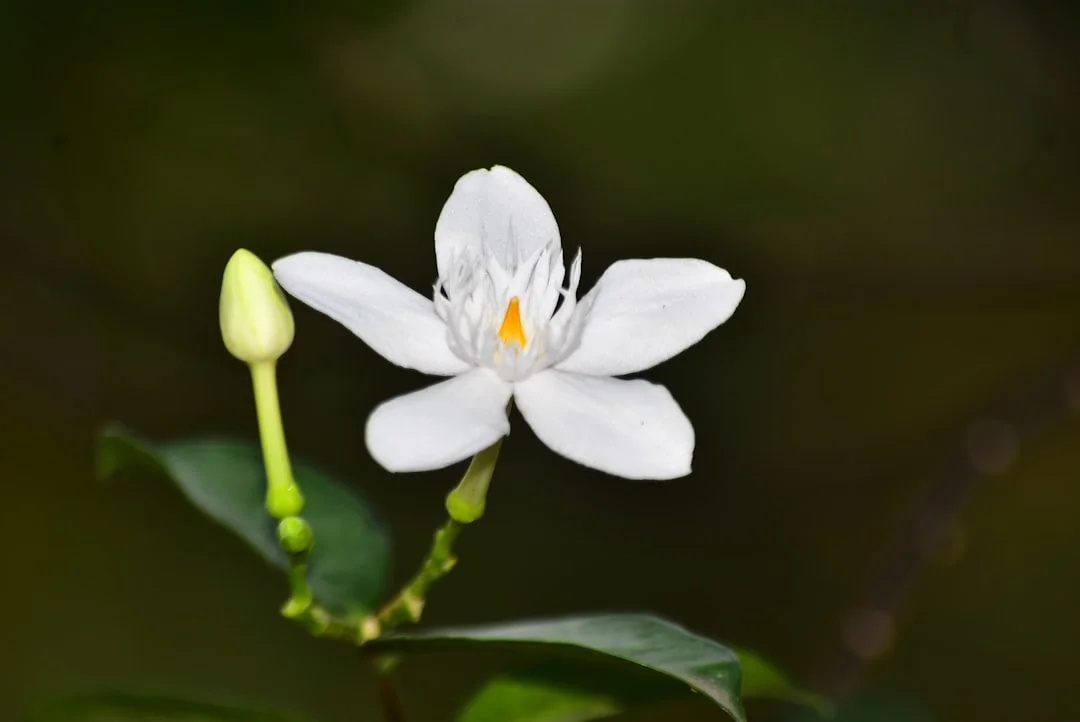
How do you tell a true parijat from look-alikes? First, check the leaves — they’re rough, ovate, and arranged opposite each other on square-ish stems. Next, look at flowering time. Real parijat opens only at night and drops blooms by morning. The orange-red corolla tube is unmistakable. Many gardeners confuse it with common jasmine (Jasminum sambac), but jasmine flowers are pure white with no orange centre and stay attached to the plant much longer. If you enjoy growing this plant, you might also find our guide on Hibiscus Plant Care India very useful.
Lifespan and Growth Habit
A well-tended parijat can live 20 years or more. It grows moderately — about 30-60 cm (12-24 inches) per year in good conditions. The tree branches naturally into a rounded canopy, though regular pruning keeps it manageable for small gardens or rooftops. If you enjoy growing this plant, you might also find our guide on Marigold Grow Pot India very useful.
Preparing Your Parijat for Growth
Getting the foundation right matters more than any fancy fertiliser. Parijat prefers well-draining soil with a slightly acidic to neutral pH (6.0-7.5). Heavy clay is the enemy — roots rot quickly in waterlogged conditions. The parijat plant care benefits really start with smart soil prep. Mix garden loam with compost, coarse sand, and a handful of perlite or coco coir for drainage. For container growing, use a quality potting mix combined with 20% perlite. Choose a sunny spot — at least 5-6 hours of direct light daily. Morning sun is gentler than harsh afternoon rays, especially in arid regions like Dubai, Phoenix, or Perth where summer temperatures soar above 40°C (104°F). Provide afternoon shade in those climates to prevent leaf scorch. According to the Royal Horticultural Society, tropical trees grown in temperate gardens benefit enormously from a sheltered south-facing wall.
Soil Mix Recipe That Works Worldwide
Here’s a tried-and-tested recipe: 40% garden soil or loam, 30% well-rotted compost or leaf mould, 20% coarse river sand, and 10% perlite or coco peat. Add a tablespoon of bone meal per planting hole for slow-release phosphorus. This mix works whether you’re in Bengaluru, Brisbane, or Birmingham. For containers, swap garden soil for a peat-free potting mix to keep weight manageable on balconies. If you enjoy growing this plant, you might also find our guide on Tulip Plant Care & Growing Guide very useful.
Watering Changes Through the Year
Watering is where most beginners trip up. Parijat hates two things equally — drought stress and soggy roots. The trick is consistent moisture without saturation. During the active growth season (spring and summer in most regions), water deeply two to three times weekly. However, frequency depends on your climate. In hot, dry zones like Rajasthan or the American Southwest, daily watering may be needed during peak summer. Meanwhile, in humid coastal areas like Mumbai, Miami, or Singapore, twice-weekly watering often suffices. Always check the top 5 cm (2 inches) of soil first — if it’s dry, water. If it’s still moist, wait. The parijat plant care benefits multiply when you adopt this finger-test habit. Reduce watering significantly in winter when growth slows. Container plants need more frequent watering than ground-planted ones because pots dry faster.
Signs of Over- and Under-Watering
Yellowing leaves with soft, mushy stems usually means too much water. On the other hand, crisp brown leaf edges and drooping that doesn’t recover by evening signals under-watering. Adjust accordingly. A simple rule: when in doubt, water less. Parijat recovers from mild drought far more easily than from root rot.
Fertilising for Maximum Blooms
Want spectacular flowering? Feed your parijat properly. From early spring through late summer, apply a balanced NPK fertiliser (10-10-10) every four to six weeks. Switch to a bloom-booster formula (low nitrogen, high phosphorus and potassium like 5-15-10) once flower buds appear. Organic gardeners can use compost tea, banana peel water, and well-rotted cow dung — all widely available worldwide. Many gardeners find that monthly application of liquid seaweed extract significantly increases bloom count. Stop feeding by late autumn so the tree can prepare for dormancy. Over-fertilising causes lush leaves but few flowers. The parijat plant care benefits include thriving on relatively modest nutrition compared to roses or hibiscus.
Organic Feeding Schedule
First, apply 2 kg of well-rotted compost around the base every spring. Then, add a handful of bone meal in midsummer for phosphorus. Next, mulch with leaf litter or grass clippings to retain moisture and slowly release nutrients. Finally, top-dress with vermicompost in early autumn just before flowering peaks. This four-step cycle suits gardeners from Kerala to Kent.
Pest Alert: Common Threats and Solutions
Parijat is hardy but not pest-proof. Three culprits cause most trouble worldwide: aphids, mealybugs, and whiteflies. Aphids cluster on tender new growth, sucking sap and leaving sticky honeydew. Spray with diluted neem oil (5 ml per litre of water) every seven days until cleared. Mealybugs hide in leaf axils — wipe them off with a cotton swab dipped in isopropyl alcohol. Whiteflies are trickier; use yellow sticky traps and neem-based foliar sprays. Fungal issues like leaf spot appear during humid monsoons in tropical zones or wet British summers. Improve airflow by pruning crowded branches. Avoid overhead watering in the evening. According to PubMed-indexed research, neem extract is effective against multiple parijat pests without harming beneficial insects.
Natural Pest Control Methods
Here’s what works without chemicals: spray a soap solution (1 teaspoon mild dish soap in 1 litre water) for soft-bodied insects. Encourage ladybirds and lacewings — both eat aphids by the hundreds. Plant marigolds or basil nearby as companion deterrents. For mealybugs, neem oil mixed with a drop of liquid soap penetrates their waxy coating effectively.
Disease Prevention Tips
Good hygiene prevents most diseases. Clean fallen leaves weekly, especially during flowering. Sterilise pruning tools with rubbing alcohol between cuts. Mulch to prevent soil splash onto leaves. If leaf spot appears, remove affected leaves immediately and dispose of them away from the compost heap.
Recovery and Pruning Practices
Pruning is essential for shape, health, and flower production. The best time to prune is late winter or very early spring, before new growth starts. Remove dead, diseased, or crossing branches first. Then shape the canopy by cutting back long shoots by one-third. Parijat flowers on new wood, so don’t fear bold cuts — they encourage more blooming branches. After heavy pruning, water deeply and apply a balanced fertiliser to fuel recovery. Trees stressed by cold, pests, or transplant shock recover faster with consistent care: stable temperatures, even moisture, and weak liquid feed every two weeks. In my experience, a struggling parijat often bounces back within six to eight weeks if you address the root cause.
Step-by-Step Pruning Method
Start with clean, sharp secateurs. First, identify the three D’s — dead, damaged, and diseased branches. Remove them at the base. Next, thin out crowded interior branches to improve airflow. Then, shorten outward-growing shoots by one-third to maintain shape. Finally, apply a thin layer of fungicidal paste on cuts thicker than 2 cm to prevent infection.
Medicinal and Cultural Benefits
The parijat plant care benefits extend deep into traditional medicine. Ayurveda has used parijat leaves for sciatica, arthritis, and chronic fever for over 2,000 years, with references in the Charaka Samhita. The leaves are boiled into a bitter decoction taken in measured doses. Modern research published through the Ayush Ministry and various NIH-indexed journals confirms anti-inflammatory, antioxidant, and antimalarial properties. The flowers yield an orange dye used historically in Buddhist robes across Thailand and Myanmar. In Hindu mythology, parijat is considered a divine tree brought from the heavens by Lord Krishna — flowers are offered to deities daily across India. Western herbalism has only recently begun studying the plant, but it’s gaining attention for joint pain support. Safety note: medicinal use should always be guided by a qualified practitioner. Avoid during pregnancy, breastfeeding, and in young children without professional advice.
Traditional Uses Worldwide
In Bangladesh and West Bengal, leaf juice treats coughs and fevers. In Sri Lankan folk medicine, the bark is brewed for stomach ailments. Thai traditional healers use flower extracts for skin conditions. Across all these traditions, dosage matters — typically 5-10 ml of leaf decoction once daily for adults, never more than two weeks without breaks.
Growing Parijat in Containers and Cold Climates
Don’t live in the tropics? No problem. Container growing makes parijat accessible to gardeners in London, Toronto, Berlin, and beyond. Choose a pot at least 40 cm (16 inches) wide with multiple drainage holes. Use the soil mix described earlier. Place the pot outdoors from late spring through early autumn, then move it indoors before frost arrives. Indoors, position near the brightest south-facing window or under a full-spectrum grow light. Maintain humidity around 50-60% using a pebble tray. The parijat plant care benefits remain accessible even in cool climates as long as you respect the plant’s tropical origins. Reduce watering in winter dormancy and skip fertilising entirely from November through February.
Overwintering Tips for Temperate Gardeners
First, gradually acclimatise the plant indoors over two weeks before bringing it inside permanently. Then, keep it in a cool room (15-18°C / 59-64°F) to mimic natural dormancy. Avoid placing it near radiators or cold draughts. Check weekly for spider mites, which thrive in dry indoor air. A quick tip: mist the leaves twice weekly to maintain humidity.
Frequently Asked Questions
Can I grow Night Jasmine indoors in a cold climate?
Yes, absolutely. Gardeners in the UK, Canada, and northern US states grow parijat successfully in large containers. Keep it outdoors from late spring through early autumn, then move it inside before frost. Place it near the brightest south-facing window or under a full-spectrum grow light. Maintain humidity around 50-60% with a pebble tray. Reduce watering in winter and stop fertilising entirely. The parijat plant care benefits remain accessible even in cool climates — just respect its tropical origins by avoiding cold draughts and freezing temperatures.
Is parijat safe for pets like cats and dogs?
Parijat is considered mildly toxic to pets if eaten in large quantities. Although it's not on major pet poison lists like some lilies are, ingestion can cause vomiting, drooling, or mild stomach upset. Keep curious cats and dogs away from the plant and especially from fallen flowers. If your pet does chew leaves, contact a veterinarian. For households with very curious animals, place the plant in elevated containers or fence off the area. Most pets ignore parijat because of its bitter taste.
How do I grow parijat in containers successfully?
Start with a pot at least 40 cm (16 inches) wide with multiple drainage holes. Use a mix of 40% potting soil, 30% compost, 20% coarse sand, and 10% perlite. Place it where it gets 5-6 hours of direct sun. Water deeply when the top 5 cm feels dry. Feed monthly with balanced fertiliser during the growing season. Repot every two years to refresh nutrients. The parijat plant care benefits in containers include easier mobility for cold climates and better control over soil conditions.
Why isn't my parijat flowering?
Several reasons could explain this. First, the plant may be too young — parijat typically flowers after 2-3 years from cuttings or 4-5 years from seed. Next, insufficient sunlight reduces blooms drastically; ensure at least 5 hours daily. Over-fertilising with nitrogen causes leafy growth but few flowers — switch to a phosphorus-rich bloom booster. Lastly, lack of pruning means fewer new flowering branches. Prune in late winter to stimulate fresh growth. Patience helps too; flowering peaks in late summer and autumn.
What are the proven medicinal uses of parijat?
Ayurveda uses parijat leaves to treat arthritis, sciatica, fever, and digestive issues. Modern research has confirmed anti-inflammatory, antimalarial, antioxidant, and hepatoprotective properties. Studies indexed on PubMed and supported by India's Ayush Ministry show that leaf extracts can help reduce joint pain and inflammation. Flowers are used in skincare and aromatherapy. However, always consult a qualified Ayurvedic or medical practitioner before using parijat therapeutically. Avoid during pregnancy, breastfeeding, and in children. Typical adult dose is 5-10 ml of leaf decoction once daily for short periods only.
How often should I water parijat?
Watering depends on climate and season. In hot tropical summers, water deeply 2-3 times weekly. In humid coastal areas, twice weekly is usually enough. During winter dormancy, reduce to once every 10-14 days. The best test is the finger method — push your finger 5 cm into the soil. If it feels dry, water thoroughly. If still moist, wait. Container plants need more frequent watering than ground-planted ones because pots dry faster, especially on hot balconies.
What pests commonly attack Night Jasmine?
Three pests cause the most trouble: aphids, mealybugs, and whiteflies. Aphids cluster on new growth, sucking sap. Mealybugs hide in leaf axils as white cottony masses. Whiteflies fly up in clouds when disturbed. Control all three with neem oil spray (5 ml per litre of water) applied weekly. Yellow sticky traps catch whiteflies effectively. For mealybugs, dab them with cotton dipped in isopropyl alcohol. Encourage ladybirds and lacewings as natural predators. Avoid harsh chemical pesticides that harm pollinators.
Can I propagate parijat from cuttings?
Yes, semi-hardwood cuttings work well. Take 15-20 cm cuttings in late spring or early monsoon from healthy, mature branches. Remove lower leaves and dip the cut end in rooting hormone. Plant in a mix of sand and coco peat. Keep moist but not waterlogged. Place in bright, indirect light with high humidity. Roots usually develop within 4-6 weeks. Transplant to a larger pot once new growth appears. This method is faster than seed propagation, which can take 12-18 months to produce a flowering plant.
Final Thoughts
Growing Night Jasmine is one of the most rewarding gardening experiences you can have. The parijat plant care benefits go far beyond fragrant blooms — they include cultural heritage, traditional medicine, ecological value, and the simple joy of collecting fallen flowers at dawn. Whether you’re in tropical India, Mediterranean Spain, or a chilly British conservatory, this remarkable tree adapts to your conditions with the right care. Remember the basics: well-draining soil, consistent moisture, bright sunlight, seasonal feeding, and gentle pruning. Watch for aphids and mealybugs. Respect its tropical origins in cold climates. Most importantly, enjoy the daily miracle of flowers that bloom at night and carpet the ground by morning. Start with a healthy young plant from a reputable nursery, give it the right home, and you’ll have a fragrant companion for decades. Share your parijat journey with fellow gardeners — every garden tells a story.

