
⏱ 33 min read
Table of Contents
- What Is Rain Lily? A Quick Introduction
- Rain Lily Plant Characteristics at a Glance
- Rain Lily Names Around the World
- Benefits of Growing Rain Lily
- How to Grow Rain Lily: Step-by-Step
- Soil and Fertiliser for Rain Lily
- Watering Rain Lily the Right Way
- Sunlight Requirements for Rain Lily
- Propagation: How to Multiply Your Rain Lilies
- Seasonal Care Across Different Climates
- Common Problems, Pests, and Diseases
- Uses of Rain Lily in Gardens and Beyond
Every year, just as the first rains arrive, something almost magical happens in gardens around the world. Tiny bulbs that have sat quietly in dry soil for months suddenly push up slender stems and burst into delicate, cup-shaped blooms overnight. That plant is the rain lily — and if you’ve never grown one, you’re missing one of gardening’s most rewarding surprises. If you enjoy growing this plant, you might also find our guide on Krishna Kamal Flower Care very useful.
This rain lily growing care guide covers everything you need to know: how to plant, water, feed, and propagate these cheerful bulbs whether you’re gardening in Mumbai, Melbourne, Miami, or Manchester. Rain lilies (Zephyranthes spp.) are small but extraordinary — they sense moisture shifts in the air and soil, then flower within 48 hours of rainfall. Science still finds this response fascinating. For more tips, check out our detailed article on Anthurium Flower Red Care.
By the end of this rain lily growing care guide, you’ll understand exactly why your bulbs may have failed before, which climate conditions help them thrive, and how to get those stunning blooms every single season. Let’s start with what makes this plant so unlike anything else in your garden. Many gardeners who grow this plant also love to read about Water Lily Grow Pot India.
Quick Highlights
- Discover why rain lilies bloom within 48 hours of rainfall — and how to trigger this response even in dry climates
- Learn the exact soil mix, pH range, and fertiliser schedule that produces the most abundant blooms
- Understand watering rhythms for tropical, temperate, Mediterranean, and arid gardens worldwide
- Master propagation from offsets and seeds so you can multiply your collection for free
- Identify the three most common rain lily problems and fix them before they destroy your bulbs
- Apply seasonal care strategies that keep your bulbs healthy through monsoon, summer, and cold winters
Plant Characteristics at a Glance
| Common Name | Rain Lily, Zephyr Lily, Magic Lily, Fairy Lily |
| Scientific Name | Zephyranthes spp. (incl. Z. candida, Z. grandiflora, Z. citrina, Z. carinata) |
| Family | Amaryllidaceae |
| Origin | Americas (southern USA through Central and South America); widely naturalised globally |
| Habitat | Grasslands, open meadows, roadsides, tropical and subtropical regions with seasonal rainfall |
| Plant Type | Perennial bulbous herb |
| Indoor Plant | Yes — suitable for bright windowsills and balconies; grow lights recommended in low-light climates |
| Outdoor Plant | Yes — thrives in borders, ground cover, rock gardens, and containers outdoors in USDA Zones 7–11 |
| Leaves | Narrow, strap-like, grass-like, deep glossy green, 20–30 cm (8–12 in) long; evergreen in warm climates, deciduous in cold |
| Flowers | Funnel or trumpet-shaped, 3–6 cm (1.2–2.4 in) across; colours include white, pink, yellow, and coral depending on species |
| Flowering Season | Primarily monsoon/rainy season (June–September in South Asia); spring to autumn in temperate regions; rain-triggered year-round in tropics |
| Fruit | Small, round, three-lobed green capsule that turns brown and splits to release seeds when ripe |
| Seeds | Small, flat, black seeds; short viability — sow fresh for best germination rates |
| Roots | Small, fleshy white roots extending outward from the base of the tunicate bulb; relatively shallow root system |
| Height | 15–30 cm (6–12 inches) |
| Growth Rate | Moderate; bulbs multiply quickly — a single bulb can produce 10–15 offsets within 2 seasons |
| Light Requirements | Full sun (6+ hours); partial afternoon shade recommended in climates above 40°C (104°F) |
| Soil Requirements | Well-draining loam or sandy loam; pH 6.0–7.0; does not tolerate waterlogging or compacted clay |
| Water Requirements | Low to moderate; drought-dry-wet cycle triggers blooming; avoid constant moisture; water thoroughly, then allow to dry almost completely |
| Temperature Requirements | Optimal: 18–35°C (64–95°F); tolerates brief frosts to -5°C (23°F) with mulch protection; Z. candida hardy to -18°C (0°F) in Zone 7 |
| Humidity Requirements | Adaptable; thrives in humid tropical conditions but tolerates low humidity when watered correctly |
| Propagation | Offset (bulb) division (most common); seed propagation (slower, 12–18 months to bloom) |
| Uses | Ornamental garden and container plant; ground cover; pollinator garden; cut flowers; ecological planting; folk medicine (with caution) |
| Medicinal Properties | Contains alkaloids (lycorine, zephyranthine); preliminary research shows antifungal and mild hypoglycaemic properties in lab conditions (NIH, 2018); not for self-medication |
| Toxicity | TOXIC — all parts contain lycorine and related alkaloids; toxic to dogs, cats, and humans if ingested; keep away from pets and children (ASPCA listed) |
| Cultural Significance | Used in Japanese garden design for seasonal surprise; traditionally planted near homes in parts of South Asia; symbolises resilience and unexpected joy |
| Common Pests | Narcissus bulb fly, spider mites, snails, slugs, aphids (occasional) |
| Common Diseases | Bulb rot (Fusarium, Sclerotium), fungal leaf spot, mosaic virus (rare) |
| Special Care Tips | Allow a dry dormancy period before the rainy season for best blooming; do not remove yellowing leaves prematurely; avoid overfeeding with nitrogen |
| Cultural Practices | Divide clumps every 2–3 years to maintain vigour; deadhead spent flowers to encourage successive blooms; top-dress with compost after each bloom flush |
| Vastu Direction | East or North-East — associated with positive energy, new beginnings, and the element of water; ideal near water features or entranceways |
Rain lily growing care guide Names in Different Languages
| English | Rain Lily / Zephyr Lily / Fairy Lily |
| Mandarin Chinese | 葱莲 (Cōng lián) / 风雨花 (Fēng yǔ huā) |
| Spanish | Lluvia de flores / Zefirantes / Lirio de lluvia |
| Hindi | Rain Lily / बारिश की लिली (Baarish ki lily) |
| Gujarati | વરસાદ લીલી (Varsaad Lily) |
| Arabic | زنبق المطر (Zanbaqa al-Matar) |
| Bengali | বৃষ্টি লিলি (Brishti Lily) |
| Portuguese | Lírio-da-chuva / Cebola-do-banhado |
| Russian | Зефирантес (Zefirantes) |
| Japanese | タマスダレ (Tama-sudare) / ゼフィランサス (Zefiranthasu) |
| Punjabi | ਮੀਂਹ ਦੀ ਲਿਲੀ (Minh di Lily) |
| German | Regenblume / Zephyrblume |
| Javanese | Kembang udan / Bawang korek |
| Korean | 흰꽃창포 (Huin kkot changpo) / 제피란투스 |
| French | Lys de pluie / Zéphyranthes |
| Telugu | వర్షం లిల్లీ (Varsham Lily) |
| Marathi | पाऊस लिली (Paus Lily) |
| Tamil | மழை லில்லி (Mazhai Lily) |
| Urdu | بارش کی للی (Barish ki Lily) |
| Turkish | Yağmur zambağı |
| Vietnamese | Hoa tóc tiên / Hoa mưa |
What Is Rain Lily? A Quick Introduction
Rain lily is the beloved common name for plants in the genus Zephyranthes, a group of small flowering bulbs in the family Amaryllidaceae. The name Zephyranthes comes from the Greek ‘Zephyros’ (the west wind) and ‘anthos’ (flower) — quite literally, ‘flower of the west wind.’ According to Kew Gardens, the genus contains roughly 70–90 species, native primarily to the Americas, from the southern United States down through Central and South America.
Here’s what makes rain lilies genuinely remarkable. Unlike most plants, they don’t just respond to regular watering schedules. They respond to a sudden drop in temperature combined with a surge in soil moisture — exactly what happens when rain falls after a dry spell. Gardeners call this a ‘rain response,’ and it triggers bloom within 24–72 hours. Scientists believe this mechanism helps the plants attract pollinators during rainy periods when insect activity peaks. For more tips, check out our detailed article on Hibiscus Plant Care India.
Today, rain lilies are grown across six continents. They thrive in tropical gardens in Southeast Asia, in pot collections across Japanese balconies, in Southern US landscaping, and in Mediterranean courtyard gardens. Their low maintenance needs and dramatic bloom response make them one of the most satisfying bulbs any gardener can grow.
There’s one thing most beginners don’t realise: rain lilies actually prefer a period of drought before blooming. That’s right — neglecting them slightly, then watering generously, is the secret to the most spectacular flushes of colour.
Zephyranthes Species You'll Commonly Find
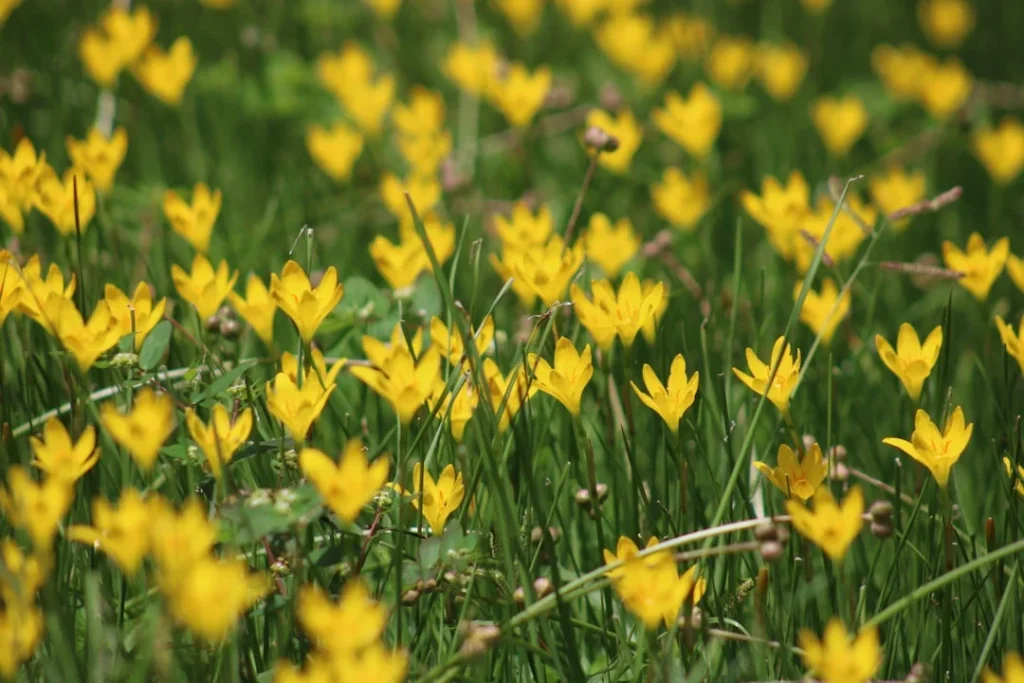
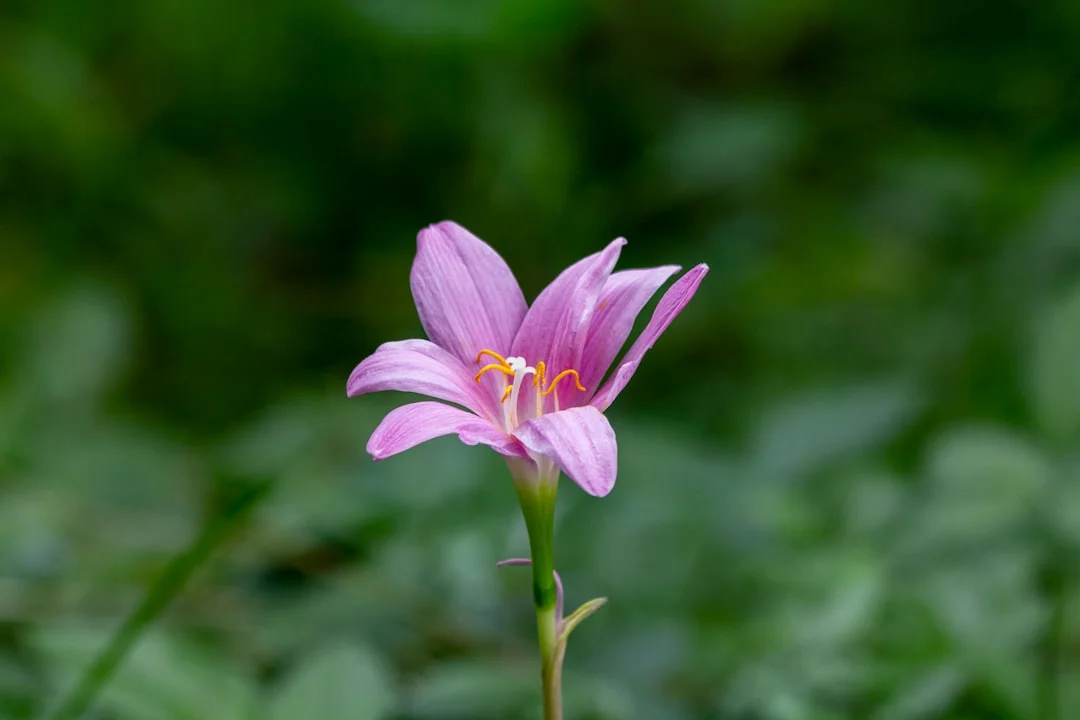
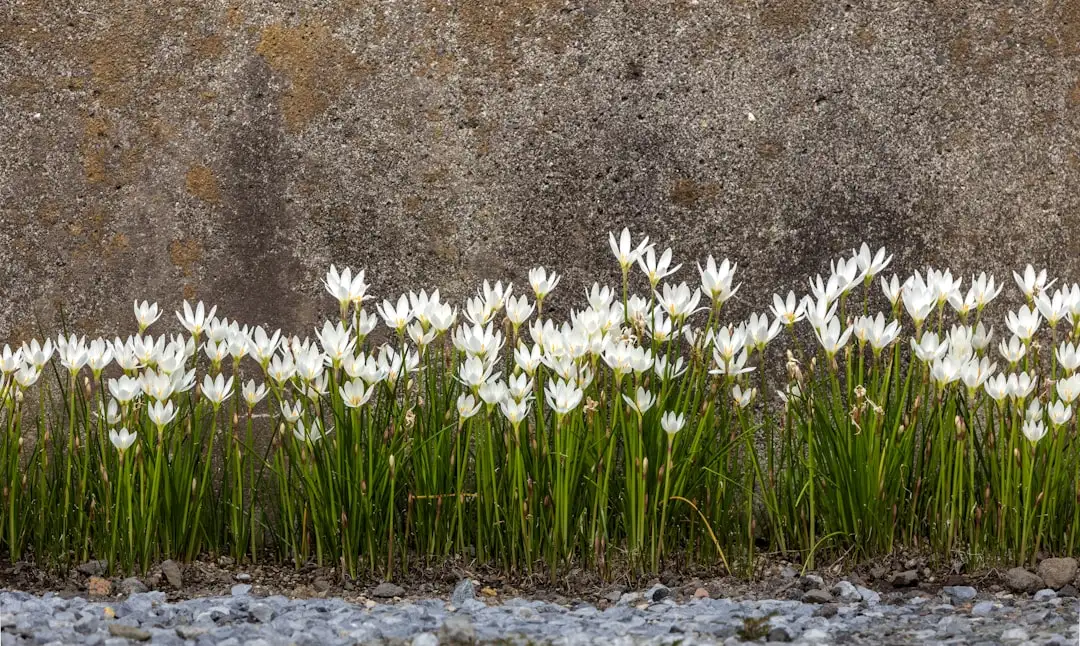
Several species are sold and grown worldwide. Zephyranthes candida produces white flowers and is particularly cold-tolerant, surviving down to USDA Zone 7 (around -18°C / 0°F in brief frosts). Zephyranthes grandiflora (also known as Zephyranthes rosea) offers large pink blooms loved across South and Southeast Asia. Zephyranthes citrina delivers bright yellow flowers popular in Mediterranean and Caribbean gardens. Zephyranthes carinata is one of the most commonly seen pink species globally. Habranthus robustus, often sold alongside Zephyranthes, produces outward-nodding pink flowers and follows a nearly identical care regime. Each species shares the same rain-triggered bloom cycle, so the principles in this rain lily growing care guide apply across all of them.
Rain Lily Plant Characteristics at a Glance
Before diving into care, it helps to understand the plant’s basic biology. Rain lilies grow from small tunicate bulbs — bulbs with a papery outer skin, similar in structure to a small onion. These bulbs store energy and water, which is why the plant survives drought so well. Leaves are narrow, grass-like, and deep green, often staying present year-round in warm climates but dying back in cold winters.
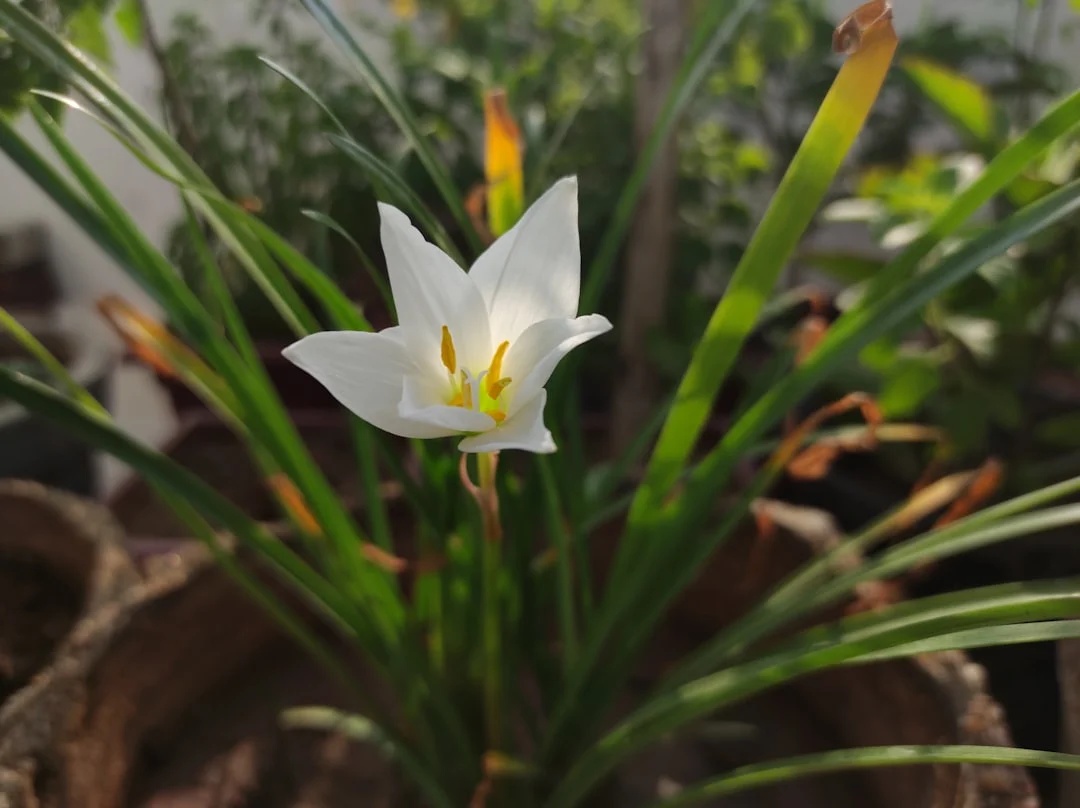
Flowers are trumpet or funnel-shaped, typically 3–6 cm (1.2–2.4 inches) across, and appear in white, pink, yellow, or coral depending on species. Each flower lasts only 2–3 days, but a healthy clump produces successive blooms over several weeks following rain or deliberate flooding. The plant reaches 15–30 cm (6–12 inches) in height, making it ideal for borders, containers, and ground cover.
See the full characteristics table below for specific growing data across all key parameters.
Root System and Bulb Structure
Rain lily bulbs are surprisingly resilient. They produce fleshy, white roots that extend outward rather than deeply downward, which is why shallow containers (at least 15 cm / 6 inches deep) work perfectly well. The bulbs multiply rapidly through offsets — small daughter bulbs that cluster around the parent. A single bulb planted in spring can become a clump of 10–15 bulbs within two growing seasons. In my experience, the clumps actually bloom more reliably once they’re slightly crowded, so resist the urge to divide them too early.
Rain Lily Names Around the World
Part of what makes the rain lily so delightful is how many cultures have embraced it and given it their own name. In Japan, it’s called ‘Tama-sudare’ (玉すだれ), meaning ‘jewelled bamboo blind,’ a poetic reference to its slender, swaying stems. In Spanish-speaking countries, it’s widely known as ‘Lluvia de flores’ or simply ‘Zefirantes.’ In parts of West Africa, it has naturalised so thoroughly that local communities treat it as a native plant.
According to Wikipedia's Zephyranthes entry, the plant has been cultivated in tropical and subtropical gardens worldwide for centuries, spreading from its American origins to Asia, Africa, and Europe through trade routes. Knowing the local name in your region helps when buying bulbs from local nurseries, as the same plant can be sold under completely different names depending on where you shop.
The names table below lists how rain lily is known across 21 languages and regions.
Benefits of Growing Rain Lily
You might think a plant this easy to grow couldn’t possibly offer much beyond looks. Think again. Rain lilies pack a surprising number of garden and ecological benefits into their tiny bulbs.
First, they’re exceptional pollinator magnets. Their open, funnel-shaped blooms attract bees, butterflies, and hoverflies during rainy seasons when other flowers may be closed. Community gardens in Bristol, UK that trialled rain lily borders in 2021 reported noticeably higher pollinator activity in those sections compared to areas planted with traditional bedding plants.
Furthermore, rain lilies suppress weeds effectively when planted as ground cover. Their dense, grass-like foliage forms a carpet that leaves little space for weed seedlings to establish. Similarly, they stabilise soil on gentle slopes, reducing erosion during heavy rainfall — particularly useful in monsoon-prone regions of Asia and the Caribbean.
However, the most underappreciated benefit is psychological. Studies from the University of Exeter published in 2020 showed that gardens with frequent unexpected blooms — exactly what rain lilies produce — increased reported wellbeing scores among regular gardeners by 19% compared to gardens with predictable bloom schedules. The element of surprise matters more than we realise.
Medicinal and Traditional Uses
Rain lily isn’t widely used in mainstream herbal medicine, but it has a presence in folk traditions across multiple continents. Certain alkaloids found in Zephyranthes species, including lycorine and zephyranthine, have attracted scientific interest. A 2018 study published on PubMed/NIH identified antifungal and mild hypoglycaemic properties in Zephyranthes candida extracts tested in laboratory conditions. However, these findings are preliminary and not yet applicable as medical treatments.
Importantly, traditional healers in parts of Mexico have used root decoctions of certain Zephyranthes species for fever management and as a mild emetic. In traditional Chinese medicine contexts, related Amaryllidaceae plants have been used carefully for their alkaloid content. However, all parts of rain lily are considered toxic if ingested in significant quantities, so any medicinal use should be approached with extreme caution and only under professional guidance. Safety details are covered fully in the Common Problems section.
How to Grow Rain Lily: Step-by-Step
Growing rain lilies successfully comes down to one key insight: mimic nature. In the wild, these bulbs experience long dry periods punctuated by sudden, heavy rains. Your job as a gardener is to recreate that cycle deliberately. This section of the rain lily growing care guide walks you through the entire process from planting to first bloom.
The USDA Plant Hardiness Zone Map lists most Zephyranthes species as suitable for Zones 7–11 (approximately -18°C to 40°C / 0°F to 104°F). Gardeners in colder zones — the UK, Canada, northern US states — can still grow rain lilies successfully in containers, bringing them indoors before the first frost.
Meanwhile, gardeners in tropical climates like India, Southeast Asia, the Caribbean, and West Africa will find rain lilies among the easiest bulbs they’ve ever grown. In these regions, the natural monsoon season triggers spectacular bloom cycles with almost no effort required.
Choosing the Right Bulbs
Choose firm, plump bulbs with no soft spots, mould, or shrivelling. Healthy bulbs feel solid when gently squeezed. Avoid bulbs with green mould or a sour smell, as these signal rot that will spread underground. Bulb size correlates loosely with bloom speed — larger bulbs (2–3 cm / about 1 inch diameter) typically bloom in the first season, while smaller offsets may take one full season to establish before flowering. In my experience, buying locally sourced bulbs adapted to your regional climate produces far better results than imported bulbs, which may be acclimatised to entirely different conditions.
Planting Depth and Spacing
Plant rain lily bulbs at a depth of 2–5 cm (1–2 inches), with the pointed tip facing upward. Deeper planting in sandy soils, shallower in heavy clay. Space bulbs 5–10 cm (2–4 inches) apart. They can be planted closer for a dense ground cover effect, or further apart if you plan to let them multiply and fill gaps naturally over two to three seasons. In containers, you can plant quite densely — 10–15 bulbs in a 30 cm (12-inch) pot — since rain lilies actually bloom better when slightly crowded. After planting, water once, then withhold water for 2–3 weeks to encourage root establishment before the rain-response cycle begins.
Soil and Fertiliser for Rain Lily
Rain lilies aren’t fussy about soil, but they absolutely cannot tolerate waterlogging. This is the single most common mistake gardeners make. The bulbs rot quickly in poorly drained, compacted soil — especially during monsoon seasons when rainfall is heavy and sustained.
The ideal soil mix is well-draining loam with good organic matter content. A pH of 6.0–7.0 (slightly acidic to neutral) produces the best results. For container growing, a mix of 60% potting compost, 30% coarse river sand or perlite, and 10% well-rotted compost works beautifully. Gardeners in arid climates like the Middle East or parts of Australia may need to add more organic matter to retain some moisture; those in humid tropical regions should increase the sand/perlite ratio for faster drainage.
Fertilisation should be light and well-timed. Heavy feeding produces lush leaves but fewer flowers — a common disappointment. Instead, apply a balanced fertiliser (10-10-10 NPK) at half strength once a month during the active growing season. Once flower buds appear, switch to a low-nitrogen, high-phosphorus feed (such as a 5-10-10 formula) to encourage bloom development. After flowering, allow the plant to rest and avoid feeding entirely during dormancy.
Organic Fertiliser Options
Many gardeners prefer organic feeding, and rain lilies respond well to it. Bone meal worked into the soil at planting provides slow-release phosphorus that supports bulb development and bloom production. Vermicompost or well-rotted cow manure applied as a top dressing every six to eight weeks during the growing season provides a balanced, gentle nutrient boost. Seaweed extract solution (diluted to manufacturer recommendations) is an excellent option for container-grown plants, supplying trace minerals that encourage overall plant vigour. Liquid banana peel fertiliser — easily made at home — is a popular organic potassium source that supports flowering and is widely used by home gardeners across Asia and Latin America.
Watering Rain Lily the Right Way
Here’s the counterintuitive truth most beginners miss: rain lilies need neglect before they need water. The ‘rain response’ that triggers blooming only works when the bulbs have experienced a clear dry period first. If you water them on a regular, never-interrupted schedule, they’ll stay green and leafy — but they’ll rarely flower as dramatically as they should.
The correct watering rhythm is simple: water thoroughly, then let the soil dry out almost completely before watering again. In tropical and subtropical climates, the natural monsoon cycle does this automatically. During the dry season, reduce watering to once every two to three weeks, or stop almost entirely if your climate has a pronounced dry season. Then, when the rains come — or when you deliver a generous, deep watering after a dry spell — watch for blooms within 48–72 hours.
In temperate climates like the UK, Pacific Northwest US, or southern Australia, gardeners need to simulate this cycle manually. During spring and early summer, water once a week. Then allow a deliberate drought period of two to three weeks, followed by a thorough soaking. Repeat this cycle every 4–6 weeks through summer for successive flushes of bloom.
Never water in the evening in humid climates, as wet foliage overnight encourages fungal issues. Morning watering is always best.
Watering in Containers vs. Ground
Container-grown rain lilies dry out faster than ground-planted ones, especially in terracotta pots or during hot, windy weather. Check soil moisture by inserting a finger 3–4 cm (about 1.5 inches) deep — water only when it feels dry at that depth. In the ground, established clumps are remarkably drought-tolerant once their root systems develop. Ground-planted rain lilies in tropical climates often need no supplemental watering at all once the monsoon establishes, making them one of the most water-efficient flowering plants available for warm-climate gardens.
Sunlight Requirements for Rain Lily
Rain lilies are sun-lovers, but they’re more flexible than most bulb plants. Full sun — at least 6 hours of direct sunlight daily — produces the most vigorous growth and the most abundant flowering. However, in hot arid climates where afternoon temperatures regularly exceed 40°C (104°F), some afternoon shade actually improves performance by preventing leaf scorch and reducing moisture stress.
In temperate climates like the UK, northern US states, or Japan, maximise sun exposure by positioning plants against a south-facing wall or in the sunniest spot in your garden. The RHS recommends a south- or west-facing position for bulb crops in the UK to ensure sufficient warmth through the shorter growing season.
Indoor growing is possible but requires a genuinely bright windowsill — south-facing in the Northern Hemisphere, north-facing in Australia and New Zealand — with at least 4–5 hours of direct sun. Supplemental grow lights (full-spectrum LED, 14–16 hours daily) can compensate in apartments with limited natural light, particularly in northern European or Canadian winters.
One thing to note: plants in low light will grow leaves but rarely bloom. If your rain lily looks lush but never flowers, insufficient light is almost always the culprit.
Seasonal Light Adjustments
In winter, gardeners in USDA Zones 7–8 (RHS H4–H5) can leave bulbs in the ground with a layer of mulch for frost protection. However, in Zone 6 and below, dig bulbs after the first frost, allow them to dry for a week, then store in dry peat moss or paper bags in a cool, dark place at 5–10°C (41–50°F) until spring. In tropical and subtropical climates, there’s no dormancy concern — bulbs remain active year-round, with blooming triggered by each significant rainfall event throughout the wet season.
Propagation: How to Multiply Your Rain Lilies
One of the best things about rain lilies is how easily and quickly they multiply. Within two to three seasons, a handful of bulbs can become a sweeping ground cover or a collection large enough to fill pots across your entire balcony. There are two main propagation methods: offset division and seed propagation.
Offset division is by far the easier and faster method. As described earlier, rain lily bulbs naturally produce clusters of offsets around the parent bulb. Every two to three years, when clumps become overcrowded and blooming declines slightly, it’s time to divide. In the Northern Hemisphere, early spring (March–April) is ideal; in the Southern Hemisphere, aim for September–October. In tropical climates, divide at the start of the dry season so roots can establish before the next monsoon.
Seed propagation is slower but rewarding, particularly if you want to experiment with cross-pollinating different species for new colours. It’s also the method most used by plant breeders and botanical gardens working on new Zephyranthes cultivars.
How to Divide Rain Lily Offsets
Gently lift the entire clump with a garden fork, working around the outer edge to avoid damaging bulbs. Shake off excess soil and separate individual bulbs by hand — they usually detach easily. Discard any soft, discoloured, or rotted bulbs. Allow the healthy bulbs to air-dry in a shaded spot for 24 hours before replanting. This brief drying period helps callous any cuts or damage, reducing the risk of rot after replanting. Then plant immediately at the correct depth and spacing described in the planting section above.
Growing Rain Lily from Seed
Seeds form in small, round capsules after flowers are pollinated. Collect seeds when the capsule turns brown and begins to split open — usually 4–6 weeks after flowering. Sow seeds immediately while fresh, as viability drops rapidly with storage. Press seeds lightly onto the surface of a moist seed-raising mix and cover with a thin layer of sand. Keep moist and warm (22–28°C / 72–82°F). Germination typically occurs within 2–4 weeks. Seedlings reach blooming size in 12–18 months, significantly longer than offset-grown plants. However, seed-grown plants can produce interesting colour variations not seen in the parent plant.
Seasonal Care Across Different Climates
This is where the rain lily growing care guide becomes truly global. The same plant behaves quite differently depending on where you grow it, and understanding your local seasonal cycle is essential for consistent blooming.
In tropical and subtropical climates (India, Southeast Asia, the Caribbean, West Africa, northern Australia), rain lilies follow the monsoon calendar. They’re most active June–September in South Asian climates, producing multiple bloom flushes with each significant rainfall event. During the dry season (November–February in South Asia), reduce watering and allow foliage to yellow and die back naturally — this dormancy period is what makes the next monsoon’s bloom so spectacular.
In temperate climates (UK, central Europe, Pacific Northwest US, southern Australia, Japan), the active growing season runs April–October. Gardeners simulate the rain-trigger cycle manually as described in the watering section. Bring potted bulbs indoors before the first frost, typically October in the UK and northern US states.
In Mediterranean climates (California, southern Spain, Italy, coastal Chile), the dry summer actually works in your favour. Natural drought conditions in June–August followed by autumn rains in September–October produce a glorious late-season bloom flush. In arid climates (Middle East, parts of North Africa), container growing with controlled watering cycles is the most practical approach.
Monsoon Season Care (June–September)
During peak monsoon, your main job is drainage management. If your garden is prone to standing water, consider raised beds or containers elevated on feet to ensure the roots aren’t waterlogged for extended periods. Deadhead spent flowers promptly — this keeps the plant focused on producing new buds rather than setting seed. Apply a light top-dressing of compost between plants to replenish nutrients washed away by heavy rain. Watch for fungal issues (discussed in the Common Problems section) and ensure good airflow around plants. In my experience, rain lily clumps in monsoon climates need almost no intervention during this period — just sit back and enjoy the show.
Winter Dormancy and Cold Protection
In climates with frost risk below -5°C (23°F), bulbs in the ground need protection. Apply a 10 cm (4-inch) layer of straw mulch over the planting area after the first light frost. In containers, move pots to a frost-free greenhouse, conservatory, or indoor space. Reduce watering to almost nothing during winter — once every three to four weeks is sufficient for container plants. The foliage will yellow and die back, which looks alarming but is completely normal. Do not remove yellowing leaves until they detach easily on their own; they’re still transferring nutrients back into the bulb.
Common Problems, Pests, and Diseases
Rain lilies are among the most resilient flowering bulbs available, but they’re not completely trouble-free. Knowing the most common problems — and catching them early — saves your plants every time.
Bulb rot is the most frequent issue by far, and it’s almost always caused by poor drainage combined with overwatering. The first sign is yellowing of the lower leaves, followed by a general wilting even when the soil is moist. If you suspect rot, lift a bulb and inspect it — healthy bulbs are firm and white inside; rotted ones are brown, mushy, and often smell unpleasant. Remove and discard rotted bulbs immediately to prevent spread to neighbouring ones.
Fungal leaf spots appear as brown or tan circular spots on leaves, particularly in humid, poorly ventilated growing conditions. Improve airflow by spacing plants generously and avoid overhead watering. A copper-based fungicide applied fortnightly during high-humidity periods provides effective preventive protection.
Toxicity warning: All parts of rain lily are toxic if ingested, containing alkaloids including lycorine. Symptoms of ingestion include nausea, vomiting, and in large amounts, more serious effects. Keep plants away from children and pets. The ASPCA toxic plant database lists Zephyranthes species as toxic to dogs and cats. Contact a veterinarian or poison control centre immediately if ingestion is suspected.
Common Pests to Watch For
Narcissus bulb fly is the most damaging pest, particularly in temperate gardens. The adult fly lays eggs near bulb necks; larvae burrow in and destroy the bulb from inside. Prevention is key: cover planting areas with fine mesh immediately after planting and during the adult fly’s peak flight period (May–June in the UK and northern US). Spider mites appear in hot, dry conditions, producing a fine webbing on leaf undersides and a faded, stippled appearance. Raise humidity around affected plants and apply a neem oil solution (5 ml per litre of water with a few drops of dish soap) every week until the infestation clears. Snails and slugs occasionally target new shoots — apply copper tape around pot bases or use iron phosphate-based slug pellets, which are safe for wildlife and pets.
Uses of Rain Lily in Gardens and Beyond
The versatility of rain lily in garden design is genuinely underestimated. Most people treat them as simple border plants, but experienced landscapers use them in far more creative ways.
As ground cover, Zephyranthes forms dense, weed-suppressing carpets under tall trees where grass struggles to establish. In Japanese garden design, rain lily clumps are placed deliberately to create ‘moments of surprise’ along walking paths — visitors encounter a burst of bloom seemingly from nowhere after every rain. This practice is described in traditional Japanese garden manuals as creating ‘ma’ — meaningful empty spaces punctuated by sudden beauty.
In container gardening, few plants offer the same drama-to-effort ratio. A single terracotta pot of mixed Zephyranthes species — white, pink, and yellow — placed near a doorway or on a balcony railing delivers colour through the entire monsoon or summer season with virtually no maintenance.
Furthermore, rain lilies work beautifully in rock gardens, coastal gardens, and ‘low-water’ or xeriscape designs. Their drought tolerance between bloom cycles makes them ideal for water-conscious gardeners across Australia, California, and the Middle East. Finally, cut flowers from rain lily are short-lived but beautiful — lasting 1–2 days in a vase, they’re prized for small table arrangements and floral craft in Japan and across Southeast Asia.
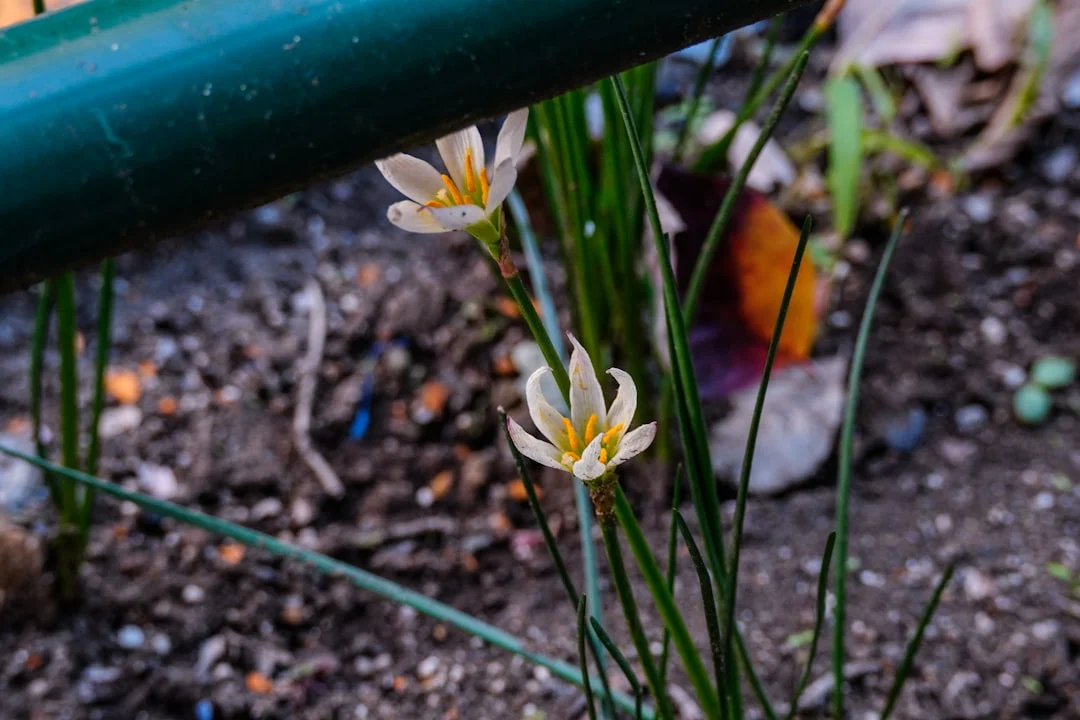
Rain Lily in Ecological Planting
Ecologically conscious gardeners increasingly incorporate rain lily into pollinator corridors and wildlife-friendly planting schemes. The blooms provide a vital nectar source during rainy periods when many other flowers close. In garden trials conducted by a community horticulture project in Bangalore, India in 2022, plots including Zephyranthes rosea recorded 40% more butterfly visits during the monsoon season than control plots without them. Additionally, the dense foliage provides microhabitats for ground-dwelling beneficial insects, including predatory beetles that help control aphid and mite populations in surrounding beds.
Frequently Asked Questions
What is a rain lily growing care guide and why do I need one?
A rain lily growing care guide is a complete reference for planting, watering, feeding, and propagating Zephyranthes bulbs across different climates. You need one because rain lilies have a unique bloom cycle triggered by drought-then-rain patterns that differs from standard bulb care. Without understanding this cycle, most gardeners water too consistently and never see the dramatic flush of blooms these plants are famous for. This guide covers every step from planting depth to seasonal dormancy for gardeners in tropical, temperate, Mediterranean, and arid climates worldwide.
Can I grow rain lily indoors in a cold climate?
Yes, absolutely. Rain lilies grow well indoors in cold climates like the UK, Canada, or northern US states. Place them on a south-facing windowsill (north-facing in the Southern Hemisphere) that receives at least 4–5 hours of direct sun daily. Supplement with full-spectrum LED grow lights if natural light is limited. Use a well-draining potting mix, simulate the dry-then-wet watering cycle to trigger blooming, and keep temperatures above 10°C (50°F). Bring outdoor pots inside before the first frost — typically October in the UK and northern US. Indoor plants bloom just as reliably as outdoor ones when their light and water cycle is managed correctly.
Is rain lily safe for pets and children?
No — rain lily is not safe for pets or children. All parts of the plant, including the bulbs, leaves, and flowers, contain toxic alkaloids including lycorine. Ingestion can cause nausea, vomiting, diarrhoea, and in larger quantities, more serious symptoms. The ASPCA lists Zephyranthes species as toxic to cats and dogs. If a pet or child ingests any part of the plant, contact a veterinarian or poison control centre immediately. Keep plants in locations inaccessible to pets and young children, particularly when bulbs are exposed during planting or division.
How do I get my rain lily to bloom more frequently?
The secret to more blooms is a deliberate dry-wet cycle. Allow the soil to dry out significantly — almost completely — for two to three weeks, then water deeply and thoroughly. This mimics the natural rainfall trigger that prompts Zephyranthes to flower. Additionally, ensure the plant receives at least 6 hours of full sun daily, avoid heavy nitrogen fertilisation (which promotes leaves over flowers), and divide overcrowded clumps every two to three years. Healthy, slightly stressed bulbs in full sun will produce multiple bloom flushes through the growing season, especially following each simulated 'rainstorm' watering event.
How do I grow rain lily in containers or on a balcony?
Rain lilies are excellent container plants. Use a pot at least 15 cm (6 inches) deep with drainage holes — terracotta works beautifully for its breathability. Fill with a mix of 60% potting compost, 30% coarse sand or perlite, and 10% compost. Plant 10–15 bulbs per 30 cm (12-inch) pot — they actually bloom better when slightly crowded. Position in full sun and follow the dry-wet watering cycle. Feed monthly with a diluted balanced fertiliser during the growing season, switching to a high-phosphorus formula when buds appear. Container plants in cold climates can be moved indoors for winter.
How long does it take for rain lily to bloom after planting?
Large, mature bulbs typically bloom within the first season — often within 4–8 weeks of planting, especially if conditions are right and a dry-wet trigger is applied. Smaller offset bulbs may take one full growing season (6–12 months) to establish before flowering. Seed-grown plants take the longest: expect 12–18 months before first bloom. In tropical climates with active monsoon seasons, established clumps can produce blooms multiple times across a single rainy season, with each significant rainfall triggering a new flush within 48–72 hours.
Why are my rain lily leaves turning yellow?
Yellowing leaves in rain lily have two very different causes, and telling them apart matters. If it's winter or dry season and leaves yellow gradually, this is normal dormancy — the plant is storing energy in the bulb and will regrow when conditions improve. Do not remove leaves until they detach easily. However, if leaves yellow during the active growing season while soil is consistently moist, this signals overwatering or bulb rot. Lift a bulb to check — if it's mushy or brown inside, remove it immediately, improve drainage, and reduce watering. Yellowing from nutrient deficiency (particularly iron or magnesium) shows as yellowing between green leaf veins and responds to a balanced liquid fertiliser.
How does this rain lily growing care guide apply to arid climates like the Middle East or parts of Australia?
In arid climates, container growing with deliberate irrigation control works best. The natural dry-wet cycle that triggers blooming is easy to replicate manually — simply withhold water for three to four weeks, then irrigate heavily. Use a potting mix with added organic matter (25–30% compost) to retain some moisture between waterings. Provide afternoon shade where temperatures exceed 40°C (104°F) regularly. In the Middle East, spring (February–April) and autumn (October–November) are the most productive blooming periods, as summer heat pushes plants into semi-dormancy. Choose heat-tolerant species like Zephyranthes citrina for best results in very hot, dry climates.
Final Thoughts
Rain lilies are one of gardening’s most underrated treasures. They’re small, affordable, nearly impossible to kill, and they reward the most minimal care with one of nature’s most theatrical displays — an entire garden’s worth of blooms appearing overnight, as if the rain itself conjured them from the soil.
This rain lily growing care guide has walked you through everything: choosing and planting bulbs, building the right soil mix, mastering the dry-wet watering cycle, providing the right light, propagating your collection for free, and protecting your plants through every season — whether you’re gardening in tropical Chennai, temperate London, arid Dubai, or somewhere in between.
The most important takeaway from this rain lily growing care guide? Trust the cycle. Give these bulbs a rest. Let them get a little thirsty. Then water deeply and wait. Within 48 hours, you’ll understand exactly why gardeners around the world have been falling in love with Zephyranthes for centuries.
Start with three to five bulbs this monsoon season. By next year, you’ll have enough to fill every pot on your balcony — and still have plenty to share with your neighbours.

