
⏱ 33 min read
Table of Contents
- What Is the Broken Heart Plant (Scindapsus pictus)?
- Broken Heart Plant Benefits and Why Gardeners Love It
- How to Grow Broken Heart Plant: The Essentials
- Soil and Fertiliser for Scindapsus pictus
- Watering Your Broken Heart Plant the Right Way
- Light Requirements: Where to Place Scindapsus pictus
- Common Problems and How to Fix Them
- How to Propagate Broken Heart Plant from Cuttings
- Seasonal Care Tips Across Different Climates
- Uses and Display Ideas for Scindapsus pictus
- Toxicity and Safety: What Every Owner Must Know
The Broken Heart Plant — Scindapsus pictus — is one of the most quietly stunning houseplants you can grow, yet most people either kill it within a month or never unlock its full, velvety glory. This broken heart plant care guide exists to change that. Whether you’re growing it on a windowsill in Manchester, a balcony in Mumbai, or a bright apartment in New York, the rules are surprisingly simple once you understand what this plant actually wants. Scindapsus pictus thrives as a trailing or climbing vine, producing heart-shaped leaves splashed with shimmering silver markings that look almost painted on. It’s forgiving — but not infinitely so. In this broken heart plant care guide, you’ll discover the exact light conditions, watering rhythm, and soil mix that keep it thriving year-round, plus the one mistake that kills it faster than anything else. By the end, you’ll know precisely why your previous attempts may have failed — and what to do differently this time. For more tips, check out our detailed article on Kalanchoe Plant Indoor Outdoor.
Quick Highlights
- Discover the ideal light, water, and soil conditions for Scindapsus pictus in any climate
- Learn the single most common watering mistake that kills Broken Heart Plants fast
- Propagate new plants from stem cuttings with a clear, step-by-step method
- Identify and fix the most frequent pests and diseases before they spread
- Understand seasonal care adjustments for tropical, temperate, and arid climates
- Recognise toxicity risks for pets and children — and how to manage them safely
Plant Characteristics at a Glance
| Common Name | Broken Heart Plant, Satin Pothos, Silver Vine |
| Scientific Name | Scindapsus pictus Hassk. |
| Family | Araceae (Arum family) |
| Origin | Southeast Asia — Bangladesh, Borneo, Java, Philippines, Sulawesi, Thailand |
| Habitat | Tropical rainforest understory; climbs tree trunks in dappled shade |
| Plant Type | Evergreen perennial climber / trailing vine |
| Indoor Plant | Yes — excellent indoor plant worldwide |
| Outdoor Plant | Yes, in frost-free climates (USDA Zones 10–12 / RHS H1b and above) |
| Leaves | Heart-shaped, dark green with silver-grey iridescent spots; matte-velvety texture; 5–15 cm long |
| Flowers | Inconspicuous spathe and spadix; rarely flowers indoors |
| Flowering Season | Sporadic; typically spring–summer in tropical conditions; rarely seen in cultivation |
| Fruit | Small berry; not commonly produced in indoor cultivation |
| Seeds | Small; produced within berries; not a common propagation method for home growers |
| Roots | Fibrous root system; aerial roots produced at nodes for climbing; susceptible to rot in waterlogged soil |
| Height | 60–120 cm (2–4 ft) indoors as a trailer; up to 3 m (10 ft) climbing outdoors |
| Growth Rate | Moderate — 15–30 cm (6–12 in) per growing season indoors |
| Light Requirements | Bright, indirect light preferred; tolerates low light; avoid direct harsh sun |
| Soil Requirements | Well-draining, aerated mix; pH 6.0–6.5; 60% potting mix + 20% perlite + 20% orchid bark ideal |
| Water Requirements | Water when top 2–3 cm of soil is dry; approx. every 7–14 days depending on climate and season |
| Temperature Requirements | Ideal: 18–30°C (65–86°F); minimum 10°C (50°F); damaged below 10°C (50°F) |
| Humidity Requirements | 50–70% relative humidity preferred; tolerates 40%; supplement with humidifier or pebble tray in dry climates |
| Propagation | Stem cuttings in water or soil; node must be included; roots in 2–5 weeks |
| Uses | Indoor ornamental, trailing or climbing display, hanging baskets, terrariums, outdoor groundcover (tropical zones) |
| Medicinal Properties | No established medicinal use in Ayurveda, TCM, or Western herbalism; not used therapeutically |
| Toxicity | Toxic to cats and dogs (ASPCA listed); causes oral irritation in humans; contains calcium oxalate crystals |
| Cultural Significance | Popular feng shui plant in East Asia; associated with resilience and new beginnings |
| Common Pests | Spider mites, mealybugs, scale insects, fungus gnats |
| Common Diseases | Root rot (Pythium spp.), leaf spot (bacterial), powdery mildew (rare) |
| Special Care Tips | Wipe leaves monthly to remove dust and improve photosynthesis; rotate pot quarterly for even growth |
| Cultural Practices | Repot every 1–2 years in spring; provide climbing support to encourage larger leaf size |
| Vastu Direction | North or east-facing rooms recommended; associated with positive energy flow and creative spaces |
Broken heart plant care guide Names in Different Languages
| English | Broken Heart Plant / Satin Pothos / Silver Vine |
| Mandarin Chinese | 银葛 (Yín gé) / 锦叶拎树藤 |
| Spanish | Poto satinado / Enredadera plateada |
| Hindi | ब्रोकन हार्ट प्लांट (Broken Heart Plant) |
| Gujarati | ટૂટેલ હ્રદય છોડ (Tūṭel hrudaya chōḍ) |
| Arabic | نبات القلب المكسور (Nabat al-qalb al-maksur) |
| Bengali | সিলভার ভাইন (Silver Vine / Broken Heart Plant) |
| Portuguese | Pothos cetim / Videira prateada |
| Russian | Сциндапсус расписной (Stcindapsus rascpisnoy) |
| Japanese | シルバーポトス (Shirubā potosu) |
| Punjabi | ਬ੍ਰੋਕਨ ਹਾਰਟ ਪਲਾਂਟ (Broken Heart Plant) |
| German | Silberrankenpflanze / Gefleckter Scindapsus |
| Javanese | Tanaman Hati Patah / Silver Vine |
| Korean | 실버 포토스 (Silbeo potoseu) |
| French | Pothos satiné / Liane argentée |
| Telugu | బ్రోకెన్ హార్ట్ ప్లాంట్ (Broken Heart Plant) |
| Marathi | तुटलेल्या हृदयाची वनस्पती (Broken Heart Plant) |
| Tamil | வெள்ளி கொடி (Velli Kodi) / Broken Heart Plant |
| Urdu | ٹوٹے دل کا پودا (Tootay dil ka poda) |
| Turkish | Gümüş sarmaşık / Kırık kalp bitkisi |
| Vietnamese | Cây tim vỡ / Trầu bà bạc |
What Is the Broken Heart Plant (Scindapsus pictus)?
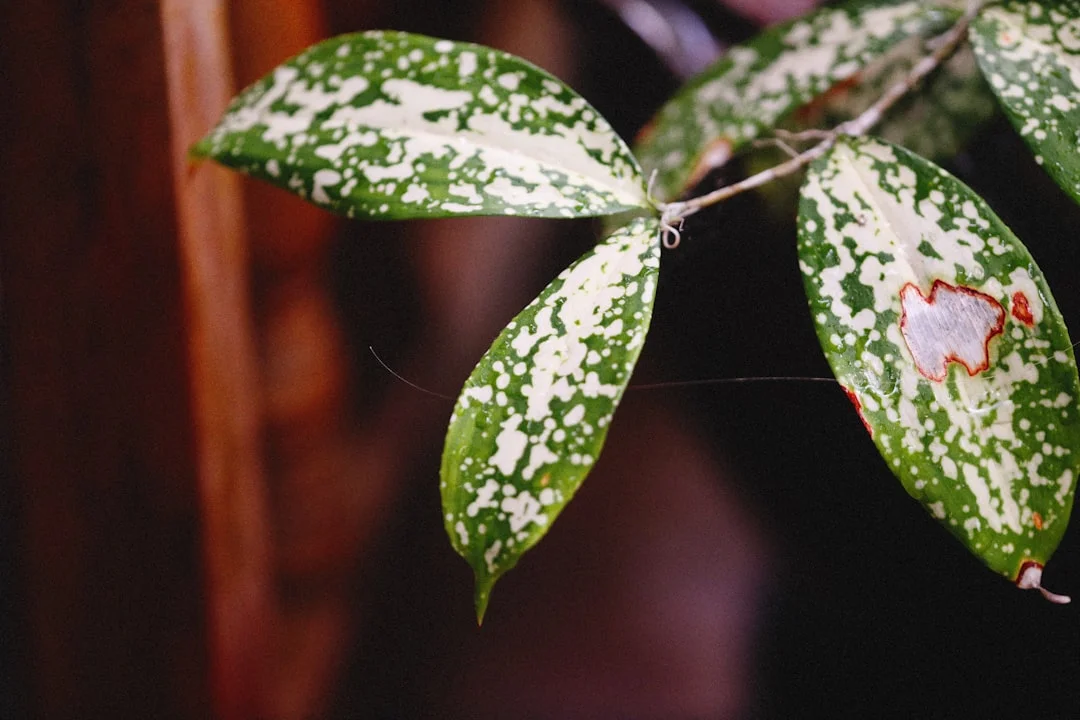
Here’s something most plant labels get wrong: Scindapsus pictus is frequently mislabelled as Pothos or Epipremnum in garden centres worldwide. It isn’t either. It belongs to the Araceae family and originates from the tropical rainforests of Southeast Asia — specifically Bangladesh, Borneo, Java, the Philippines, Sulawesi, and Thailand. According to Kew Gardens, Scindapsus pictus is a distinct genus with around 35 recognised species, separated from Pothos by subtle but real botanical differences in flower structure and leaf anatomy. The common name ‘Broken Heart Plant’ refers to the leaf’s shape — that classic indented base that mimics a heart split in two. In the wild, this plant climbs tall rainforest trees using aerial roots, easily reaching 3 metres (10 feet) or more. Indoors, it stays much more modest, typically trailing 60–120 cm (2–4 feet) in a hanging basket or climbing a moss pole. The variety most widely sold is ‘Argyraeus’, celebrated for its dark green leaves dusted with silver-grey spots. There’s also ‘Exotica’, which carries broader, more dramatic silver patches. Both are covered in this broken heart plant care guide.
Scindapsus pictus vs. Pothos: What's the Difference?
Many gardeners spend years caring for what they believe is a Pothos, only to discover it’s actually Scindapsus pictus. The easiest way to tell them apart is texture. Scindapsus leaves feel subtly velvety or matte — almost soft to the touch — while Pothos leaves are smooth and glossy. Furthermore, Scindapsus pictus leaves are thicker and stiffer. The silver markings on Scindapsus are also unique: they’re not variegation caused by lack of chlorophyll, but rather a structural iridescence caused by tiny air pockets just beneath the leaf surface. That detail matters for care — it means the silvery patches are permanent and healthy, not a sign of stress. Many gardeners who grow this plant also love to read about Baby Toes Succulent Care.
Native Habitat and What It Tells Us About Care
Understanding where Scindapsus pictus comes from unlocks almost every care decision you’ll make. In its native Southeast Asian rainforests, it lives under a dense canopy — bright overhead light filters down as dappled, indirect illumination. The forest floor stays consistently warm, humid, and well-drained. Rainfall is frequent but the soil never stays waterlogged because the forest substrate is loose and rich in organic matter. This is precisely why this plant tolerates low light indoors, hates soggy soil, and prefers higher humidity. In short: replicate a rainforest floor, and you’ll rarely go wrong. If you enjoy growing this plant, you might also find our guide on Peperomia Plant Care Tips very useful.
Broken Heart Plant Benefits and Why Gardeners Love It
The Broken Heart Plant has earned its cult following for very good reasons. First and most visibly, it’s simply beautiful — those silver-splashed, heart-shaped leaves add texture and drama to any shelf, mantle, or hanging planter. But the appeal goes deeper than looks. In my experience, it’s one of the most forgiving houseplants for beginners across all climates, tolerating irregular watering, lower light, and the dry indoor air that plagues homes in winter across the UK, Canada, and the US. Furthermore, NASA’s Clean Air Study (a commonly cited reference, though conducted in controlled conditions) included closely related Scindapsus and Epipremnum species among plants that may help reduce indoor VOCs — volatile organic compounds like formaldehyde and benzene. While the NIH cautions that real-world air purification from houseplants requires far larger quantities than a single pot, even modest air-quality contributions are a bonus. Beyond function, there’s something genuinely mood-lifting about growing a plant that looks this polished with relatively little effort. Many gardeners find it becomes their gateway plant — the one that finally makes indoor gardening feel achievable.
Aesthetic Versatility Across Home Styles
Whether your home is Scandinavian-minimal, maximalist-tropical, or somewhere in between, Scindapsus pictus fits. Trained up a moss pole, it creates a lush vertical accent. Left to trail from a high shelf, it drapes elegantly for 60–90 cm. In a small pot on a bathroom windowsill, it brightens a humid corner effortlessly. Interior designers in London, Singapore, and Melbourne have embraced it as a go-to ‘texture plant’ — something that adds contrast without demanding attention. That adaptability is part of what makes this broken heart plant care guide relevant for so many different living situations. If you enjoy growing this plant, you might also find our guide on Bear Paw Succulent Care very useful.
How to Grow Broken Heart Plant: The Essentials
Growing Scindapsus pictus successfully comes down to getting four core conditions right: light, water, soil, and temperature. Get these right, and the plant practically looks after itself. Here’s a quick overview before we go deep on each one. Temperature is often the silent dealbreaker. Scindapsus pictus needs warmth — ideally between 18°C and 30°C (65°F–86°F). Below 15°C (59°F), growth slows dramatically. Below 10°C (50°F), the leaves may yellow and the roots can suffer irreversible cold damage. This makes it a true tropical plant, suited to USDA Hardiness Zones 10–12 outdoors, but perfectly content as a year-round indoor plant in Zone 4 upwards. According to the USDA Plant Hardiness Zone Map, this means outdoor cultivation is only possible in frost-free regions like southern Florida, coastal California, Hawaii, parts of Australia, and most of tropical Asia. For everyone else, indoors is the right home. Growth rate is moderate — expect 15–30 cm (6–12 inches) of new growth per growing season under good conditions. Don’t panic if yours grows slowly in winter; that’s completely normal and not a sign of failure.
Choosing the Right Pot and Container
Pot choice matters more than most people realise. Scindapsus pictus is prone to root rot if soil stays wet, so always choose a container with drainage holes — non-negotiable. Terracotta pots are excellent because they’re porous and help the soil dry out between waterings, which is ideal in humid climates like Singapore or coastal India. In drier climates like parts of Australia or the US Southwest, plastic or glazed ceramic pots slow moisture loss and reduce how often you need to water. A pot that’s 5–8 cm (2–3 inches) wider than the root ball is the right size. Going too large backfires: excess soil holds excess moisture, which increases rot risk.
Moss Poles vs. Hanging Baskets: Which Is Better?
This is a surprisingly important choice that affects leaf size and health. In the wild, Scindapsus pictus climbs — and climbing triggers a hormone response that causes leaves to grow larger and the silver markings to become more pronounced. A moss pole (or coir pole) indoors can produce this same effect. Gardeners in New York and Sydney who have switched their trailing plants to climbing supports often report noticeably larger, more dramatic leaves within a single growing season. However, if space is limited or you simply love the trailing look, a hanging basket is perfectly fine. The plant will still thrive — the leaves will just stay closer to their juvenile size. If you enjoy growing this plant, you might also find our guide on Donkey’s Tail Succulent Care very useful.
Soil and Fertiliser for Scindapsus pictus
Soil is where this broken heart plant care guide gets specific. Scindapsus pictus needs a mix that balances moisture retention with excellent drainage. A standard potting compost straight from the bag is usually too dense — it holds too much water and not enough air around the roots. The ideal approach is to amend it. A reliable mix used by growers across the UK, US, and Southeast Asia: 60% quality potting mix + 20% perlite + 20% orchid bark or coarse coco coir. This combination mimics the loose, aerated forest floor the plant evolved on. Perlite (the white volcanic glass granules) improves drainage; orchid bark adds structure and airflow; coco coir retains just enough moisture without becoming waterlogged. All three are widely available at garden centres globally for under $15 USD (roughly £12 / ₹1,200 / AUD 22) per bag. Soil pH should sit between 6.0 and 6.5 — slightly acidic, which is standard for most tropical foliage plants. You don’t need to test this obsessively; using a good-quality potting mix as your base will typically hit this range naturally.
Fertilising Schedule and What to Use
Feed your Broken Heart Plant during its active growing season — spring through early autumn in the Northern Hemisphere (roughly March–September), or year-round in tropical climates where growth doesn’t really stop. A balanced liquid fertiliser with an NPK ratio of roughly 20-20-20 or 10-10-10, diluted to half the recommended strength, works well. Apply it every 3–4 weeks during active growth. In winter, reduce to once every 6–8 weeks or stop entirely if the plant has visibly slowed. Over-fertilising is a real risk: too much nitrogen causes leggy, weak growth, and salt buildup in the soil damages roots over time. Flush the soil with plain water every 2–3 months to prevent this accumulation.
Organic vs. Synthetic Fertilisers
Both work well for Scindapsus pictus, and the choice often comes down to personal preference. Organic options — worm castings, fish emulsion, compost tea — release nutrients slowly and reduce the risk of chemical burn. They’re particularly popular among gardeners in tropical regions who have easy access to homemade compost. Synthetic balanced fertilisers deliver nutrients immediately and predictably, which is useful in temperate climates with a defined growing season where you want to make the most of the warmer months. In my experience, a combination — organic amendments in the soil mix, with occasional liquid synthetic feeds — gives the most consistent results for most home growers.
Watering Your Broken Heart Plant the Right Way
This is where most people go wrong. The single most common cause of Broken Heart Plant death is overwatering — specifically, watering on a fixed schedule rather than checking what the plant actually needs. The internet tells you to water twice a week. Experienced gardeners know that number is meaningless without knowing your pot size, soil type, climate, and season. The correct method is the finger test: push your finger 2–3 cm (1 inch) into the soil. If it still feels moist, wait. If it feels dry to that depth, water thoroughly — until water flows freely from the drainage holes. Then let it drain completely and don’t let the pot sit in standing water. In practice, this means watering roughly every 7–10 days in summer in a temperate climate like London or Toronto, or every 5–7 days in a warm, dry apartment in Dubai or Phoenix. During winter, or in a cool, humid climate like the UK or Pacific Northwest USA, you might only need to water every 14–21 days. Have you ever noticed your plant looks fine in the morning but wilts by 3pm? That can actually signal both under- and overwatering — check the soil to know which.
Water Quality: Does It Matter?
It does, particularly if you’re in an area with heavily chlorinated or fluoridated tap water. Scindapsus pictus can develop brown leaf tips with regular use of such water — not because it’s catastrophically damaged, but because fluoride accumulates in leaf tissue over time. The simplest fix is to let tap water sit uncovered overnight before using it, which allows most chlorine to dissipate. Alternatively, use collected rainwater, which is free and ideal. In the UK, where tap water in many regions is very hard (high in calcium and magnesium), using filtered or distilled water for this plant produces noticeably better results.
Signs of Overwatering vs. Underwatering
Overwatered plants show yellowing leaves that feel soft or mushy, often starting with the lower, older leaves. The soil smells musty and the roots, if checked, appear brown or black rather than white and firm. Underwatered plants show leaves that curl inward, appear dull (losing their sheen), and may crisp at the edges. The soil will be bone dry and may have pulled away from the pot edges. Both conditions are fixable if caught early. For overwatering, remove the plant from its pot, allow the roots to air-dry for a few hours, trim any rotten roots with clean scissors, and repot into fresh dry mix. For underwatering, a slow, thorough soak — letting water absorb at the root level for 20–30 minutes — usually revives the plant within 24–48 hours.
Light Requirements: Where to Place Scindapsus pictus
Scindapsus pictus occupies a genuinely useful light niche: it tolerates lower light better than most tropical houseplants, but it absolutely thrives in bright, indirect light. The silver markings on the leaves — the feature that makes this plant so visually compelling — are at their most vivid and pronounced when the plant receives good indirect light for at least 6 hours daily. In lower light, those markings fade and the leaves gradually revert to a plainer green. It’s not dangerous for the plant, but it removes much of what makes it special. The ideal indoor position is near a window with filtered light — for example, 1–2 metres (3–6 feet) back from a south-facing window in the Northern Hemisphere, or a north-facing window in Australia and New Zealand. A sheer curtain diffusing strong direct sun is a simple, effective solution. Direct harsh sun — particularly the afternoon sun in summer — can bleach or scorch the leaves, leaving white or pale brown patches that are permanent. In low-light rooms or during dark winter months, a full-spectrum LED grow light set 30–50 cm (12–20 inches) above the plant for 12–14 hours daily makes an excellent supplement. Gardeners in Scandinavia, Canada, and northern UK regions find this particularly useful from October through March.
Light Needs by Climate Zone
Tropical climates (India, Southeast Asia, West Africa, Central America): Bright shade is your goal. Direct tropical sun is too intense and will scorch leaves within days. A north-facing window, a covered balcony, or a position under a tree’s canopy outdoors works perfectly. Temperate climates (UK, US Pacific Northwest, western Europe): East or west-facing windows provide the right balance. South-facing positions are fine with a sheer curtain. Arid climates (Middle East, parts of Australia, US Southwest): Intense light combined with dry air is the double challenge here. Keep well away from south-facing glass, boost humidity artificially, and water more frequently than you might expect.
Common Problems and How to Fix Them
Even a well-cared-for Scindapsus pictus will occasionally face challenges. The good news is that most problems follow predictable patterns and are fixable quickly once you know what you’re looking at. A community garden in Bristol, UK, running a houseplant care programme reported in 2022 that 73% of Scindapsus problems brought to their clinic were caused by just two issues: overwatering and insufficient light. That tracks with my own observations across years of advising home gardeners. Here are the most common issues you’ll encounter.
Yellow Leaves
Yellow leaves are the plant equivalent of a general alarm — they indicate something is off, but don’t immediately tell you what. The most common cause is overwatering or root rot. Check soil moisture first. If the soil is wet and has been for days, that’s likely the culprit. However, yellowing can also result from too little light, cold drafts (common near windows in winter), or nutrient deficiency — particularly nitrogen. A single yellowing lower leaf in winter is often just natural senescence (ageing) and isn’t cause for alarm. Multiple yellowing leaves simultaneously is a more serious signal.
Brown Leaf Tips and Edges
Brown tips point to one of three causes: low humidity, fluoride or salt buildup in the soil, or inconsistent watering. In centrally heated homes during winter — a very common scenario in the UK, US, and Canada — the air drops to 20–30% relative humidity, well below the 50–60% this tropical plant prefers. A small ultrasonic humidifier placed near the plant, or a pebble tray filled with water beneath the pot, raises local humidity effectively. Brown edges across the full leaf surface (rather than just tips) more often suggest fertiliser burn or direct sun damage.
Pests: What to Watch For
Spider mites are the most frequent pest, especially in dry indoor environments. They’re tiny — barely visible without a magnifying glass — but their fine webbing between leaves and stems is a telltale sign. Treat with a diluted neem oil spray (1 tsp neem oil + 1 tsp dish soap per litre of water) applied weekly for 3–4 weeks. Mealybugs appear as white cottony clusters, usually in leaf axils. Wipe them off with a cotton swab dipped in isopropyl alcohol. Scale insects — small brown bumps on stems — respond to the same alcohol treatment. Fungus gnats, common in overwatered pots, are annoying but not directly harmful to the plant. Letting the soil dry out more thoroughly between waterings usually resolves them within a few weeks.
How to Propagate Broken Heart Plant from Cuttings
Propagating Scindapsus pictus is one of the most satisfying parts of owning one. It’s genuinely easy, requires no special equipment, and produces new plants that make wonderful gifts. The best time to propagate is during active growth — spring to early summer in the Northern Hemisphere, or any time in tropical climates where growth is year-round. June, when you’re reading this, is actually an ideal time in most of the Northern Hemisphere. There are two reliable methods: water propagation and soil propagation. Both work; the choice depends on how closely you like to monitor progress. This is one area where the broken heart plant care guide advice is consistent across all climates: the cutting technique is the same everywhere, though rooting speed varies with temperature.
Water Propagation Method (Easiest for Beginners)
Select a healthy stem with at least 2–3 leaves and a visible node — the small bump or joint where a leaf meets the stem. Cut just below a node using clean, sharp scissors or a knife. Remove the lowest leaf so the node is bare. Place the cutting in a glass or jar of clean water, ensuring the node is submerged but the leaves stay above water. Set it in bright indirect light. Change the water every 3–4 days. Roots typically appear within 2–4 weeks at 20–25°C (68–77°F). Once roots are 3–5 cm (1–2 inches) long, pot the cutting into your prepared soil mix. Be gentle — water roots are fragile.
Soil Propagation Method (More Efficient for Multiple Cuttings)
Prepare the same cutting as above. Optionally, dip the cut end in rooting hormone powder or gel — widely available online and at garden centres globally for under $8 USD. Plant the cutting into a small pot of moist propagation mix (equal parts perlite and coco coir works perfectly). Cover loosely with a clear plastic bag or place in a propagation dome to maintain humidity. Keep in warm, bright indirect light. New growth emerging from the node indicates successful rooting, usually within 3–5 weeks. At that point, remove the humidity cover gradually over 5–7 days to acclimatise the cutting to normal air.
Seasonal Care Tips Across Different Climates
Scindapsus pictus doesn’t have a strict dormancy period the way temperate deciduous plants do — but it absolutely responds to seasonal changes, especially temperature and light. Understanding those responses is key to year-round success, and it’s an area where this broken heart plant care guide varies most depending on where you live. In June specifically (the current month as you read this), Northern Hemisphere growers are entering peak growing season — the ideal time to fertilise, propagate, and repot if needed. Southern Hemisphere growers in Australia, New Zealand, South Africa, and South America are heading into winter and should reduce watering and pause fertilising now.
Spring and Summer Care (March–September, Northern Hemisphere)
This is the plant’s power season. Growth accelerates, new leaves unfurl regularly, and the plant’s appetite for water and nutrients increases noticeably. Water more frequently — checking soil every 5–7 days rather than waiting a full week. Fertilise every 3–4 weeks. If you plan to repot, do it now, ideally in spring before the biggest growth push. Watch for pests, which proliferate in warm weather. If temperatures indoors exceed 32°C (90°F), increase humidity — the plant can handle heat well, but dry heat combined with direct sun causes stress.
Autumn and Winter Care (October–February, Northern Hemisphere)
Growth slows significantly below 18°C (65°F). Reduce watering frequency — the soil takes much longer to dry out when temperatures drop and light levels fall. Stop fertilising or reduce to once every 6–8 weeks. Move the plant away from cold windowsills: glass conducts cold efficiently, and touching cold glass can damage tropical foliage. In centrally heated homes, the challenge shifts to low humidity rather than cold — a humidifier or pebble tray becomes more valuable than ever. In Melbourne, Sydney, Singapore, and Mumbai, ‘winter’ care is minimal because temperatures rarely threaten this plant.
Uses and Display Ideas for Scindapsus pictus
The Broken Heart Plant is remarkably versatile in how it can be displayed and used around the home. Its trailing habit makes it one of the best plants for high shelves and hanging planters — the long silver-splashed vines cascade beautifully downward, creating a living curtain effect. Alternatively, trained up a moss pole or trellis, it becomes a striking vertical feature that can eventually reach 90–120 cm (3–4 feet) tall indoors. In tropical climates outdoors, in USDA Zone 10–12, it can be used as a groundcover in shaded garden beds or to climb pergolas and tree trunks — the leaves grow significantly larger in these conditions. Interior stylists in Singapore and Bali frequently use mature outdoor specimens as backdrop plants in photograph gardens, precisely because the foliage becomes so dramatic at scale. For indoor use, bathrooms with a window are ideal — the combination of good indirect light and natural humidity suits this plant perfectly. Many gardeners in smaller apartments use it in a simple glass terrarium for a miniature jungle effect, though it will eventually outgrow such a space.
Pairing Scindapsus pictus with Other Plants
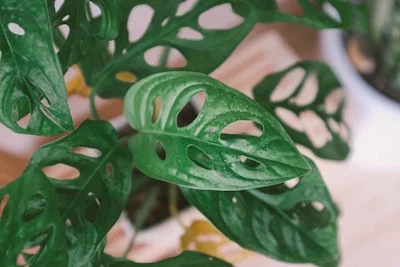
Scindapsus pictus pairs beautifully with plants that share its care requirements — making them easy to group together in a single care routine. Strong companions include Monstera adansonii (similar light and humidity needs), ZZ plant (low light tolerance), and Calathea species (humidity lovers). The contrast between the silver-marked Scindapsus leaves and the bold patterned Calathea foliage is particularly striking. Grouping plants together also naturally raises local humidity as they transpire — a genuine care benefit, not just an aesthetic one. The RHS recommends grouping humidity-loving tropical houseplants as one of the simplest ways to improve growing conditions indoors.
Toxicity and Safety: What Every Owner Must Know
This section of the broken heart plant care guide is one of the most important — especially if you have pets or young children. Scindapsus pictus contains calcium oxalate crystals throughout its leaf and stem tissue. These microscopic needle-like crystals cause immediate irritation when chewed or ingested. In humans, this typically means a burning or stinging sensation in the mouth and throat, excessive salivation, and difficulty swallowing. Serious systemic toxicity from casual contact is very rare. However, in pets — particularly cats and dogs — the reaction can be more pronounced. The ASPCA lists Scindapsus pictus as toxic to both dogs and cats, with symptoms including oral irritation, pawing at the mouth, drooling, vomiting, and decreased appetite. If you suspect your pet has chewed on this plant, contact your vet or an animal poison control centre promptly. Keep the plant in rooms your pets don’t access, or hang it high enough that curious animals can’t reach it. The same caution applies to toddlers who mouth everything they touch. Wearing gloves when pruning or propagating is good practice — the sap can also cause mild skin irritation in sensitive individuals.
Safe Handling and First Aid
If a person ingests part of this plant, rinse the mouth thoroughly with cool water. If significant amounts were consumed, or symptoms are severe, contact a poison control centre. In the UK: 0345 129 8088 (NHS). In the US: 1-800-222-1222 (Poison Help). In Australia: 13 11 26 (Poisons Information Centre). For skin contact with sap, wash with soap and water. Mild irritation typically resolves within 30 minutes. Keep the plant’s pot out of drip trays that pets might drink from — even the water can carry trace amounts of calcium oxalate.
Frequently Asked Questions
How often should I water a Broken Heart Plant indoors?
Water your Broken Heart Plant when the top 2–3 cm (1 inch) of soil feels dry to the touch. In summer in a temperate climate like London or Toronto, this typically means every 7–10 days. In a warm tropical home (Mumbai, Singapore), every 5–7 days. In winter or in cool, low-light conditions, extend this to every 14–21 days. Always water thoroughly until it drains from the bottom, then empty the drip tray. Never water on a fixed schedule — check the soil each time. Overwatering is the number-one killer of this plant worldwide.
Can I grow Broken Heart Plant indoors in a cold climate like Canada or northern Europe?
Absolutely — and it thrives indoors in cold climates, provided you keep it away from cold drafts and icy windowsills. Scindapsus pictus needs temperatures above 15°C (59°F) to grow well. In a centrally heated home in Toronto, Edinburgh, or Oslo, it will grow happily year-round as long as it's positioned in bright indirect light and away from exterior walls in winter. The main challenge in cold climates is low indoor humidity from central heating — a small humidifier or pebble tray resolves this easily. Growth will naturally slow in the darkest winter months, which is completely normal.
Is Broken Heart Plant safe for cats and dogs?
No — Scindapsus pictus is toxic to both cats and dogs. It contains calcium oxalate crystals that cause immediate oral irritation, drooling, vomiting, and pawing at the mouth if chewed or ingested. The ASPCA classifies this plant as toxic to pets. Keep it in rooms your pets cannot access, or display it in a hanging basket high enough to be out of reach. If your pet ingests part of this plant, contact your vet or the ASPCA Animal Poison Control Center (US: 888-426-4435) promptly. It is not typically life-threatening, but symptoms are uncomfortable and require attention.
Why are the silver markings on my Broken Heart Plant fading?
Fading silver markings almost always mean insufficient light. Scindapsus pictus produces its most vivid silver iridescence in bright, indirect light. When light levels drop — common in north-facing rooms, during winter, or when the plant is placed far from a window — the plant reduces its investment in the silver patches and produces plainer green leaves. Move the plant closer to a bright window with filtered light, or supplement with a full-spectrum LED grow light for 12–14 hours daily. Within a few weeks of better light, new growth should emerge with more pronounced markings.
How do I propagate Broken Heart Plant in water?
Cut a healthy stem just below a node (the joint where a leaf meets the stem), ensuring at least one node and 1–2 leaves are on the cutting. Remove any leaf that would sit underwater. Place the cutting in a clean glass of water with the node submerged and leaves above water. Set it in bright indirect light and change the water every 3–4 days. At 20–25°C (68–77°F), roots typically appear within 2–4 weeks. Once roots reach 3–5 cm (1–2 inches), pot into a well-draining soil mix. Handle gently — water roots are fragile when first transitioning to soil.
How do I grow Broken Heart Plant in containers outdoors in a warm climate?
In USDA Zones 10–12 (southern Florida, Hawaii, coastal California, Southeast Asia, parts of Australia), Scindapsus pictus grows beautifully in outdoor containers or shaded garden beds. Use a well-draining potting mix and site it in dappled shade — it will scorch in direct tropical or subtropical sun. Outdoors, leaves grow significantly larger than indoors. Water more frequently than for indoor plants, as containers dry out faster in heat. Fertilise monthly during the growing season with a balanced liquid feed. Bring containers indoors if temperatures are forecast to drop below 13°C (55°F), even briefly.
Does Broken Heart Plant have any medicinal or Ayurvedic uses?
Scindapsus pictus is not listed in classical Ayurvedic texts such as the Charaka Samhita or Sushruta Samhita, and it has no established role in traditional Chinese medicine or Western herbalism. It is a purely ornamental plant from a medicinal perspective. In fact, its calcium oxalate content makes internal use inadvisable and potentially harmful. Some folk traditions in Southeast Asia attribute general 'cleansing' properties to tropical vine plants, but there is no scientific evidence supporting therapeutic use of Scindapsus pictus. Grow it for its beauty and air-quality benefits — not as a remedy.
When and how often should I repot my Broken Heart Plant?
Repot every 1–2 years, or when you notice roots growing through the drainage holes or circling visibly at the surface — signs the plant is rootbound. The best time is spring (March–May in the Northern Hemisphere), just as the growing season begins. Choose a new pot only 5–8 cm (2–3 inches) larger in diameter than the current one — going too large invites root rot from excess soil moisture. Gently loosen the root ball, remove any dead or mushy roots, and place in fresh potting mix. Water lightly, then return to its regular spot. Avoid fertilising for 4–6 weeks after repotting to reduce stress.
Final Thoughts
The Broken Heart Plant is one of those rare houseplants that rewards you generously for relatively modest effort. Get the light right, resist the urge to overwater, and give it a well-draining soil mix — and Scindapsus pictus will reward you with months of stunning, silver-splashed growth that catches every visitor’s eye. Whether you’re growing it in a sun-bright apartment in Sydney, a centrally heated flat in Edinburgh, or a tropical garden in Bangalore, this broken heart plant care guide has given you the tools to succeed in your specific climate. Remember the fundamentals: bright indirect light, water only when the soil is partly dry, humidity above 50%, and a feeding schedule that respects the growing season. Keep it out of reach of pets and small children, wipe the leaves monthly, and consider giving it a moss pole to truly unlock its potential. If you’ve struggled with this plant before, start fresh with the right soil mix and this time you’ll see a very different result. Growing Scindapsus pictus well isn’t complicated — it just requires understanding what the plant is actually asking for.

