
⏱ 17 min read
Table of Contents
- Why Every Season Matters for Tulsi Care
- Understanding the Top Tulsi Plant Benefits
- Preparing Your Tulsi Plant for Year-Round Growth
- Watering Changes Across Seasons and Climates
- Fertilizing Tulsi for Maximum Health
- Pest Alert: Protecting Your Tulsi Plant
- Recovery: Reviving a Struggling Tulsi
- Harvesting and Using Tulsi at Home
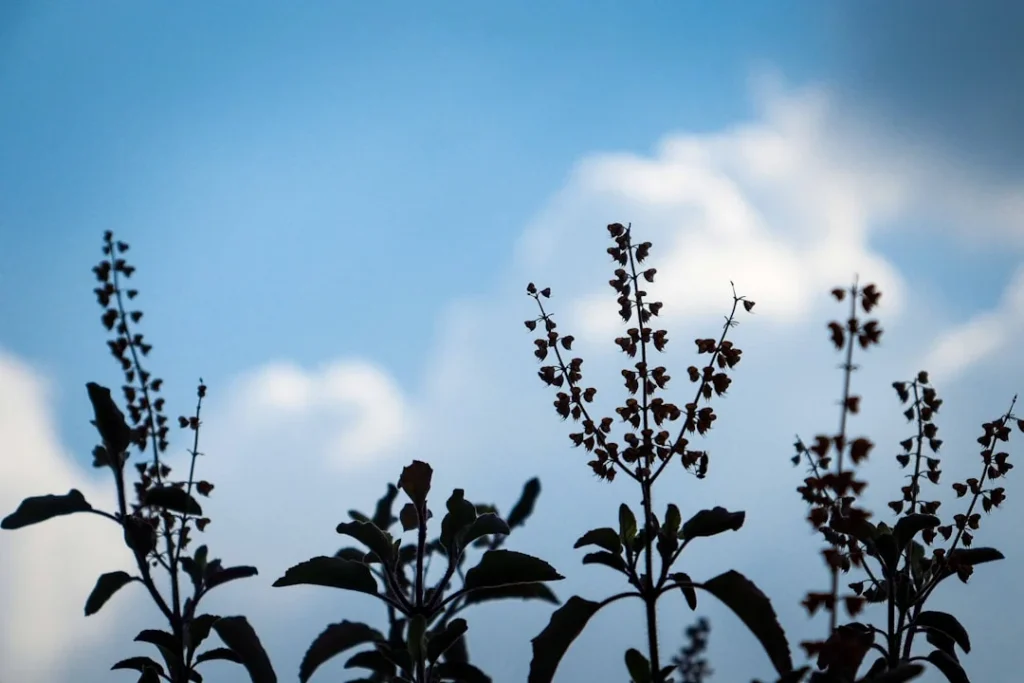
Few plants carry as much reverence, science, and everyday usefulness as tulsi (Ocimum sanctum). Known as holy basil across the world, this aromatic herb has been part of Ayurvedic medicine for over 3,000 years. The tulsi plant benefits extend far beyond spiritual tradition — from boosting immunity to purifying indoor air, this little plant punches well above its weight. Whether you’re gardening on a sunny balcony in Mumbai, a windowsill in London, or a backyard in Sydney, you can grow it successfully. In this guide, you’ll learn how to care for tulsi through every season, troubleshoot common problems, and unlock the full range of tulsi plant benefits at home. I’ve grown tulsi in three continents, and I’ll share what actually works — not just textbook theory. Let’s dig in. If you enjoy growing this plant, you might also find our guide on Ashwagandha Plant Benefits very useful.
Quick Highlights
- Boost immunity naturally with one of Ayurveda's most respected herbs
- Grow tulsi successfully in tropical, temperate, or arid climates
- Purify indoor air and repel mosquitoes around your home
- Harvest fresh leaves year-round with simple seasonal care tips
- Use tulsi safely in teas, tinctures, and traditional remedies
- Discover propagation tricks that work for beginners worldwide
Plant Characteristics at a Glance
| Common Name | Tulsi, Holy Basil, Sacred Basil |
| Scientific Name | Ocimum sanctum (syn. Ocimum tenuiflorum) |
| Family | Lamiaceae (mint family) |
| Origin | Indian subcontinent, Southeast Asia |
| Habitat | Tropical and subtropical regions, cultivated worldwide |
| Plant Type | Aromatic perennial herb / subshrub |
| Indoor Plant | Yes — thrives on sunny windowsills |
| Outdoor Plant | Yes — in zones with frost-free summers |
| Leaves | Oval, slightly toothed, fragrant; green or purple varieties |
| Flowers | Small, purple-pink or white, in terminal spikes |
| Flowering Season | Late summer to autumn (varies by climate) |
| Fruit | Small nutlets containing seeds |
| Seeds | Tiny, reddish-brown, viable for 2–3 years |
| Roots | Fibrous, shallow root system |
| Height | 30–90 cm (12–36 inches) |
| Growth Rate | Fast in warm conditions |
| Light Requirements | 6+ hours of direct sunlight daily |
| Soil Requirements | Well-draining loam, pH 6.0–7.5 |
| Water Requirements | Moderate; keep soil consistently moist, not soggy |
| Temperature Requirements | 20°C–35°C (68°F–95°F); below 10°C (50°F) causes damage |
| Humidity Requirements | 40–70% relative humidity |
| Propagation | Seeds or stem cuttings |
| Uses | Medicinal, culinary, spiritual, air-purifying |
| Medicinal Properties | Adaptogenic, antimicrobial, anti-inflammatory, immune support |
| Toxicity | Generally safe in food amounts; mildly toxic to cats and dogs in large quantities |
| Cultural Significance | Sacred in Hinduism; key herb in Ayurveda and Thai cuisine |
| Common Pests | Aphids, whiteflies, spider mites, mealybugs |
| Common Diseases | Root rot, powdery mildew, leaf spot |
| Special Care Tips | Pinch flowers to extend leaf production; bring indoors before frost |
| Cultural Practices | Daily watering rituals in Hindu households; pruning every 2–3 weeks |
| Vastu Direction | Northeast or east of the home (per traditional Vastu Shastra) |
Tulsi plant benefits Names in Different Languages
| English | Holy Basil / Sacred Basil |
| Mandarin Chinese | 圣罗勒 (Shèng luólè) |
| Spanish | Albahaca sagrada |
| Hindi | तुलसी (Tulsi) |
| Gujarati | તુલસી (Tulsi) |
| Arabic | الريحان المقدس (Al-rayhan al-muqaddas) |
| Bengali | তুলসী (Tulshi) |
| Portuguese | Manjericão sagrado |
| Russian | Священный базилик (Svyashchennyy bazilik) |
| Japanese | ホーリーバジル (Hōrī bajiru) |
| Punjabi | ਤੁਲਸੀ (Tulsi) |
| German | Indisches Basilikum / Heiliges Basilikum |
| Javanese | Telasih |
| Korean | 툴시 (Tulsi) |
| French | Basilic sacré |
| Telugu | తులసి (Tulasi) |
| Marathi | तुळस (Tulas) |
| Tamil | துளசி (Thulasi) |
| Urdu | تلسی (Tulsi) |
| Turkish | Kutsal fesleğen |
| Vietnamese | Húng quế thánh |
Why Every Season Matters for Tulsi Care
Tulsi isn’t a set-and-forget plant. Its needs shift with the seasons, and understanding these changes is the key to a thriving herb. In tropical regions like India, Thailand, and parts of Australia, tulsi grows as a perennial shrub. However, in temperate zones such as the UK, Canada, or the US Midwest, it behaves as a tender annual that must be brought indoors before frost. Many gardeners who grow this plant also love to read about Tulsi Plant Benefits.
The plant loves warmth. It thrives between 20°C–35°C (68°F–95°F) and sulks below 10°C (50°F). Meanwhile, hot, dry summers in Mediterranean climates like California or southern Spain demand more frequent watering. Cool, damp UK summers, on the other hand, call for less water and more sunlight. For more tips, check out our detailed article on Ashwagandha Plant Benefits.
In my experience, gardeners who adjust their routine four times a year see twice the leaf yield. That’s why this guide breaks down care by season, not just by general rules.
Tropical vs Temperate Growing
In tropical climates, tulsi can live for 2–3 years outdoors with regular pruning. Gardeners in Bengaluru or Singapore often grow it directly in the ground. However, in temperate zones, you’ll need to pot it up and overwinter indoors. The RHS recommends growing holy basil as a glasshouse crop in the UK, where outdoor temperatures rarely meet its needs.
Arid and Mediterranean Adjustments
In Dubai, Phoenix, or Athens, tulsi needs shade during the hottest afternoon hours. Although it loves sun, scorching dry heat above 40°C (104°F) can crisp the leaves. A quick tip: cluster pots together to raise local humidity, and mulch with coco coir to retain soil moisture.
Understanding the Top Tulsi Plant Benefits
The tulsi plant benefits span health, home, and habitat. According to research published by the NIH, Ocimum sanctum has documented adaptogenic, antimicrobial, and anti-inflammatory properties. In simple words, it helps your body cope with stress, fights germs, and reduces swelling.
Furthermore, traditional systems back this up. The Charaka Samhita, one of Ayurveda’s foundational texts, describes tulsi as a powerful rasayana — a rejuvenating tonic. Western herbalism uses it similarly for nervous tension and respiratory support. Traditional Chinese Medicine values its warming, qi-moving qualities.
Beyond health, tulsi purifies indoor air. It releases oxygen for more hours each day than most houseplants, and its essential oils naturally repel mosquitoes. That’s a win for any home, whether you’re in Mumbai’s monsoon or a Toronto summer.
Health and Wellness Uses
The medicinal tulsi plant benefits include supporting immune response, easing coughs and colds, and helping blood sugar regulation. A cup of tulsi tea (2–3 fresh leaves steeped in hot water for 5 minutes) is the most common preparation worldwide. However, pregnant women and those on blood-thinning medication should consult a doctor first, since tulsi can affect clotting.
Spiritual and Cultural Significance
In Hindu tradition, तुलसी is considered sacred and is often planted in a central courtyard. Meanwhile, in Thailand, holy basil (kaphrao) flavours the iconic dish pad kaphrao. Across cultures, this herb bridges kitchen, garden, and altar — few plants carry such universal respect.
Practical Home Benefits
One of the lesser-known tulsi plant benefits is natural mosquito control. Place a pot near doorways or open windows. The aromatic oils deter mosquitoes, gnats, and flies. In addition, the plant absorbs minor indoor pollutants, making it a smart pick for bedrooms and kitchens.
Preparing Your Tulsi Plant for Year-Round Growth
Good preparation prevents 80% of problems. Start with the right pot, soil, and location, and your tulsi will mostly take care of itself. Choose a container at least 25–30 cm (10–12 inches) deep with drainage holes. Terracotta works best because it breathes and prevents root rot.
For soil, mix 60% garden loam, 30% compost, and 10% coarse sand or perlite. The ideal pH sits between 6.0 and 7.5 — slightly acidic to neutral. If you’re in a region with heavy clay soil (much of the UK and the US Midwest), raised beds or containers make life easier.
Place your tulsi where it gets at least 6 hours of direct sunlight. South-facing windowsills work well in the Northern Hemisphere, while north-facing spots suit Australian and South African gardens.
Seed Starting vs Cuttings
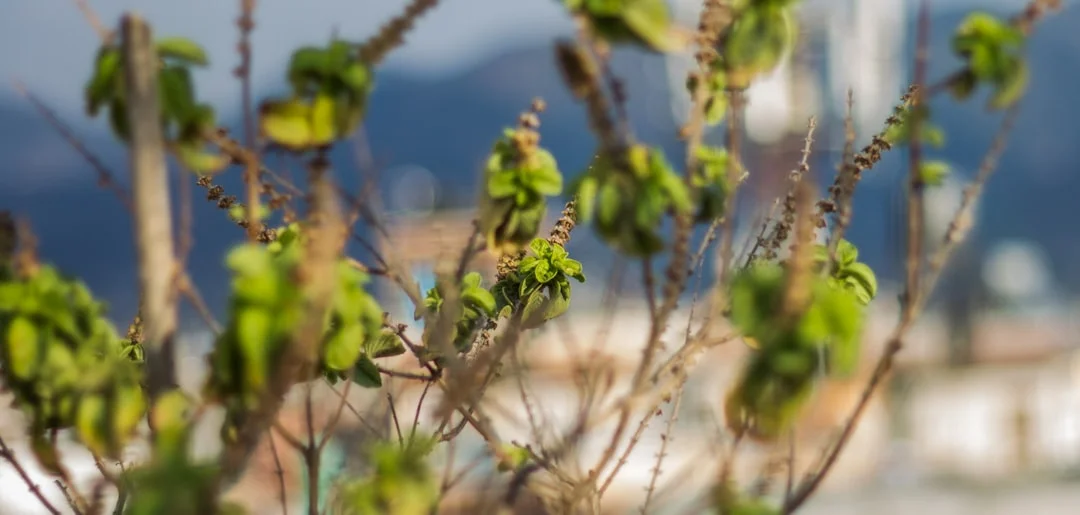
Seeds take 1–2 weeks to germinate at 20°C–25°C (68°F–77°F). Cuttings, however, root faster — usually within 10 days in water or moist soil. Many gardeners find cuttings more reliable, especially in cooler climates. Take a 10 cm (4 inch) non-flowering stem, strip the lower leaves, and dip it in rooting hormone if you have some.
Watering Changes Across Seasons and Climates
Watering tulsi correctly is where most people go wrong. The plant likes consistently moist soil but hates soggy roots. Here’s the thing — your watering schedule must shift with the weather.
In summer, water deeply every 2–3 days in temperate zones and daily in hot, dry regions like Rajasthan or Arizona. During monsoon or rainy seasons, cut back drastically — sometimes once a week is enough. In winter, especially indoors, water only when the top 2 cm (1 inch) of soil feels dry to the touch.
Furthermore, always use room-temperature water. Cold tap water shocks the roots, particularly in winter. A quick finger test beats any watering schedule.
Signs of Overwatering vs Underwatering
Yellow lower leaves and a musty smell signal overwatering. Crispy, drooping leaves with dry soil mean it’s thirsty. Importantly, both look similar at first glance, so always check the soil before reaching for the watering can. In my experience, more tulsi plants die from too much love (water) than too little.
Fertilizing Tulsi for Maximum Health
Tulsi isn’t a heavy feeder, but regular light feeding boosts leaf production and essential oil content. During the active growing season (spring through early autumn), feed every 3–4 weeks. Use a balanced organic fertilizer like diluted seaweed extract, compost tea, or a 5-5-5 NPK formula.
Meanwhile, in winter, skip fertilizing entirely. The plant rests, and extra nutrients only stress it. Many gardeners find that a handful of vermicompost worked into the topsoil monthly does wonders. It’s gentle, slow-release, and globally available.
Avoid synthetic high-nitrogen fertilizers. They produce lush leaves but reduce the medicinal compounds that make tulsi special. After all, you want the tulsi plant benefits, not just pretty foliage.
Organic Feeding Options Worldwide
Banana peel water, diluted cow manure, and fish emulsion all work well. In tropical regions, neem cake adds nutrients while deterring soil pests. For temperate gardeners, worm castings from a home bin are perfect. Whichever you choose, dilute to half strength — tulsi prefers a gentle hand.
Pest Alert: Protecting Your Tulsi Plant
Although tulsi’s aromatic oils repel many pests, a few still cause trouble. Aphids, whiteflies, spider mites, and mealybugs are the usual suspects worldwide. Fungal issues like powdery mildew strike during humid monsoons or damp British summers.
For example, if you spot tiny white cottony spots, those are mealybugs. Wipe them off with a cotton swab dipped in diluted neem oil (5 ml per litre of water). Spider mites cause faint yellow speckling on leaves — a strong spray of water under each leaf usually clears them.
The good news is tulsi rarely needs chemical pesticides. Neem oil, insecticidal soap, and good airflow handle most problems naturally.
Natural Pest Control Recipe
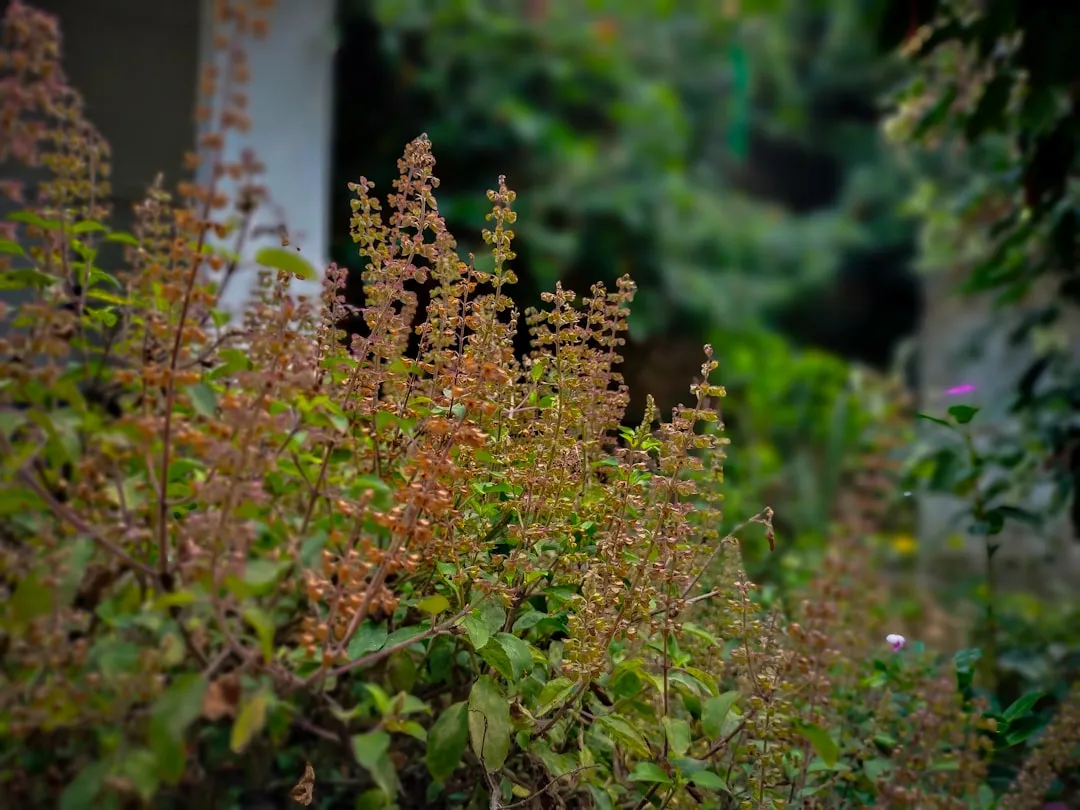
Mix 10 ml neem oil, 2–3 drops mild liquid soap, and 1 litre of water. Spray weekly in the evening, covering both leaf surfaces. This recipe works globally and costs almost nothing. Furthermore, it’s safe for bees and beneficial insects when applied at dusk.
Recovery: Reviving a Struggling Tulsi
Don’t worry if your tulsi looks sad. Most problems are reversible if you act early. Yellowing leaves, leggy growth, or sudden wilting are common cries for help.
First, check the soil moisture. If it’s soggy, let it dry out completely and remove any blackened roots. Next, inspect for pests under the leaves. Then, move the plant to brighter light if it’s been stretching toward a window. Finally, prune off any flowering tops — this redirects energy back into leaf growth and extends the plant’s life by months.
Many gardeners find that a tired tulsi bounces back within 2 weeks of corrected care. Patience pays off here.
When to Start Over
If the main stem turns black or mushy, root rot has set in too deep. Take healthy tip cuttings before discarding the plant. Root them in water or moist seed-starting mix, and you’ll have a new tulsi within 3 weeks. That’s the beauty of this plant — it gives you second chances.
Harvesting and Using Tulsi at Home
Harvesting correctly multiplies the tulsi plant benefits you get from each plant. Pinch off the top 5–7 cm (2–3 inches) of each stem above a leaf pair. This encourages bushier growth and prevents early flowering. Harvest in the morning after the dew dries, when essential oil levels peak.
Fresh leaves go into teas, salads, soups, and Thai stir-fries. To preserve, air-dry small bunches in a shaded, ventilated spot for 7–10 days. Once crisp, store in airtight glass jars away from sunlight. Dried tulsi keeps its potency for about 6 months.
According to the Ayush Ministry, a daily intake of 2–3 grams of dried tulsi (about a teaspoon) is generally considered safe for adults.
Simple Tulsi Tea Recipe
Take 5–6 fresh leaves or 1 teaspoon dried tulsi. Pour 250 ml of just-boiled water over them. Cover and steep for 5–7 minutes. Add honey or ginger to taste. Drink once or twice daily. That’s it — one of the easiest ways to enjoy tulsi plant benefits every morning.
Frequently Asked Questions
Can I grow tulsi indoors in a cold climate?
Yes, absolutely. In cold climates like the UK, Canada, or the northern US, grow tulsi as an indoor plant year-round. Place it on a south-facing windowsill with at least 6 hours of bright light. If natural light is weak, use a small LED grow light for 10–12 hours daily. Keep room temperatures above 15°C (59°F) and water sparingly in winter. Many gardeners find indoor tulsi produces smaller but equally aromatic leaves through the cold months.
Is tulsi safe for pets like cats and dogs?
Tulsi is generally low-risk but not entirely pet-safe. The ASPCA notes that essential oils in basil species can cause mild stomach upset, vomiting, or drooling in cats and dogs if eaten in large amounts. Small nibbles rarely cause harm. However, if you have curious pets, place your tulsi out of reach. For safety, consult your vet before using tulsi medicinally on animals.
How do I grow tulsi successfully in containers?
Container growing is one of the easiest ways to enjoy tulsi plant benefits worldwide. Use a 25–30 cm (10–12 inch) terracotta pot with drainage holes. Fill with a mix of 60% loam, 30% compost, and 10% perlite or sand. Place in full sun, water when the top 2 cm dries, and feed monthly with diluted compost tea. Pinch flowering tops to keep leaves coming. One healthy potted tulsi can supply a small family with fresh leaves year-round.
What are the main health benefits of drinking tulsi tea daily?
Daily tulsi tea offers several research-backed tulsi plant benefits. Studies summarised by the [NIH](https://www.nih.gov/) show it may help reduce stress, support immunity, ease respiratory congestion, and assist blood sugar balance. One to two cups a day (using 5–6 fresh leaves or 1 teaspoon dried) is generally safe for healthy adults. However, pregnant women, people on blood thinners, and those trying to conceive should consult a healthcare provider first.
Why is my tulsi plant turning yellow and dropping leaves?
Yellowing leaves usually point to overwatering, poor drainage, or insufficient light. Check the soil first — if it's soggy, let it dry out completely and improve drainage. Next, ensure the plant gets at least 6 hours of direct sunlight. Yellow lower leaves with healthy tops often mean natural ageing or nitrogen deficiency. Try a light feed of diluted seaweed extract. If yellowing spreads quickly with a musty smell, root rot has likely set in.
When is the best time to harvest tulsi leaves?
Harvest tulsi in the morning, after the dew has dried but before the heat peaks. This is when essential oil content is highest, giving you stronger flavour and more medicinal value. Pinch off the top 5–7 cm of each stem just above a leaf pair. Regular harvesting every 2–3 weeks encourages bushier growth. Avoid harvesting more than one-third of the plant at once, so it has enough leaves left to recover.
How long does a tulsi plant live?
In tropical climates, tulsi lives 2–3 years as a perennial with regular pruning. In temperate or cold regions, it usually behaves as a tender annual, lasting one growing season unless overwintered indoors. To extend life, pinch off flower spikes as soon as they appear — flowering signals the plant to set seed and decline. Many gardeners find that taking fresh cuttings every spring keeps a continuous tulsi supply going for years.
Which variety of tulsi is best for medicinal use?
Three main varieties exist: Rama tulsi (green leaves, mild flavour), Krishna tulsi (purple leaves, stronger, peppery), and Vana tulsi (wild forest variety, very aromatic). All offer similar tulsi plant benefits, but Krishna tulsi is often considered the most medicinally potent in Ayurvedic tradition due to its higher essential oil content. For everyday tea, Rama is gentler. For stronger remedies, Krishna or a blend of all three works beautifully.
Final Thoughts
Growing tulsi rewards you in ways few plants can match. From immunity-boosting teas to natural mosquito control and a calm sense of green presence at home, the tulsi plant benefits truly span body, mind, and space. With the right pot, sunny spot, and gentle seasonal care, you can grow this sacred herb almost anywhere in the world — whether your garden sits in tropical Chennai, temperate Manchester, or sunny Melbourne. Start with a single plant. Pinch the tops regularly, water with care, and watch it reward you with fragrant leaves week after week. Don’t stress about perfection — tulsi is forgiving and forgiving plants make the best teachers. So grab a pot, some seeds or a cutting, and bring this 3,000-year-old herbal companion into your life. Your morning tea (and your immune system) will thank you.

