
Introduction to Satin Pothos
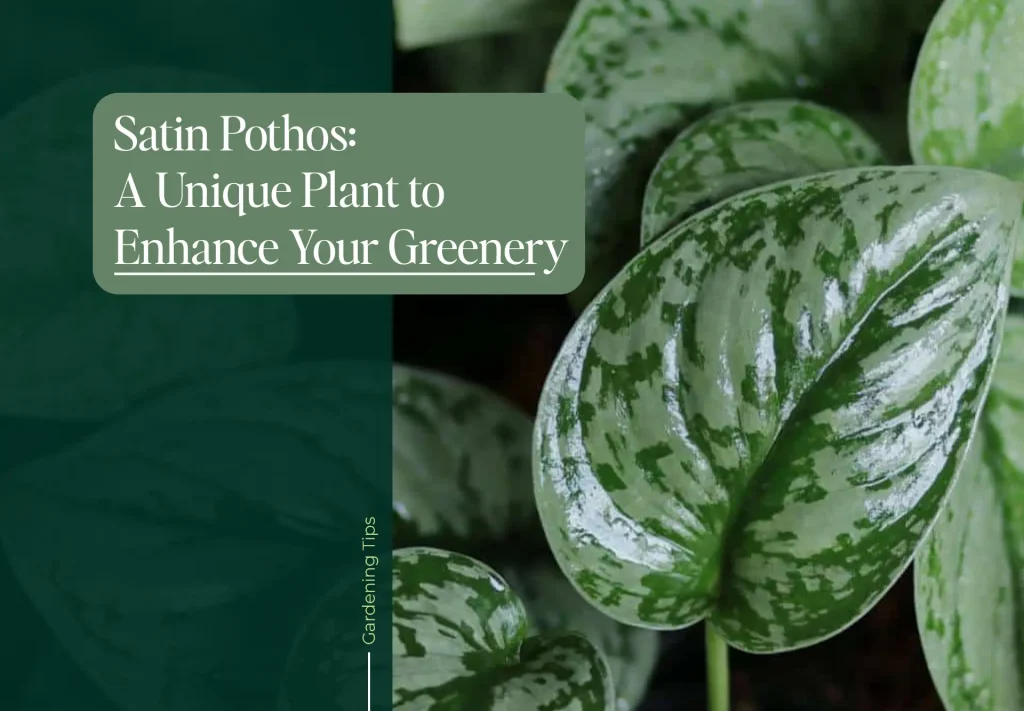
The Silver Satin Pothos (Scindapsus pictus) is one of the most popular indoor plants, loved for its beautiful, heart-shaped leaves adorned with silvery spots and a satin-like sheen. This low-maintenance plant is an excellent choice for both novice and experienced gardeners alike, making it a favorite for homes and offices. Satin Pothos is not only visually appealing but also contributes to a healthier living environment by purifying the air.
Table of contents
In this comprehensive guide, we will delve into the various aspects of Satin Pothos, including its physical characteristics, care requirements, propagation methods, common problems, and much more. By the end of this article, you’ll have all the knowledge needed to nurture this wonderful plant in your own space.
Characteristics of Satin Pothos
| Characteristic | Details |
|---|---|
| Common Name | Satin Pothos |
| Scientific Name | Scindapsus pictus |
| Family | Araceae |
| Origin | Southeast Asia, particularly Indonesia |
| Habitat | Tropical forests |
| Plant Type | Evergreen climber |
| Indoor Plant | Yes |
| Outdoor Plant | Yes (in warm climates) |
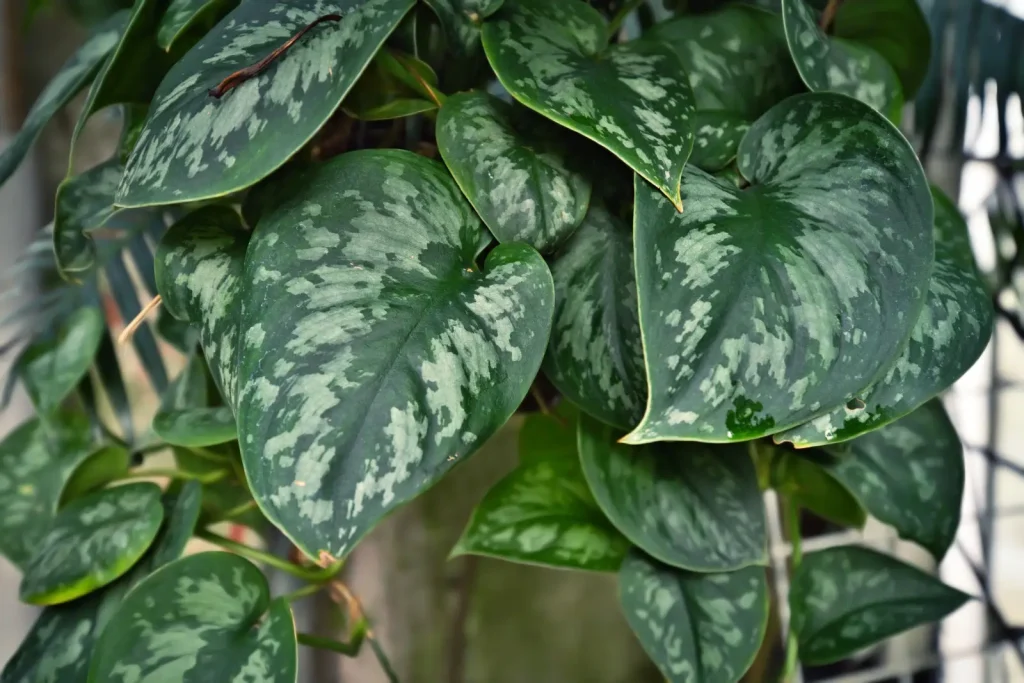
| Leaves | Heart-shaped, dark green with silver spots, satin-like sheen |
| Flowers | Rarely flowers indoors |
| Flowering Season | N/A |
| Fruit | Not commonly observed in indoor settings |
| Seeds | Rarely produced indoors |
| Roots | Aerial roots that help in climbing |
| Height | 3-10 feet (can be controlled with pruning) |
| Growth Rate | Fast under ideal conditions |
| Light Requirements | Indirect bright light, tolerates low light |
| Soil Requirements | Well-draining potting mix |
| Water Requirements | Water when the top inch of soil is dry |
| Temperature Requirements | 65-85°F (18-29°C) |
| Humidity Requirements | Prefers higher humidity, tolerates normal indoor levels |
| Propagation | Stem cuttings in water or soil |
| Uses | Ornamental, air purification |
| Medicinal Properties | None |
| Toxicity | Toxic to pets if ingested |
| Cultural Significance | Popular in indoor gardening |
| Common Pests | Spider mites, aphids |
| Common Diseases | Root rot if overwatered |
| Special Care Tips | Prune regularly to maintain shape, mist leaves in dry conditions |
| Cultural Practices | Keep away from direct sunlight to prevent leaf burn |
| Vastu Direction | East or southeast direction in the house is considered auspicious |
Silver Pothos vs. Satin Pothos: Understanding the Difference
While the names Silver Pothos and Satin Pothos are often used interchangeably, they refer to the same plant species, Scindapsus pictus. The term “Silver Satin Pothos” is typically used to highlight the plant’s silvery variegation, which gives it a distinct and sophisticated appearance. Essentially, they are the same plant, with different names emphasizing its unique visual qualities.
Caring for an Satin Pothos: Essential Tips
Caring for a Satin Pothos is relatively straightforward, making it a perfect plant for beginners. Here’s how you can ensure your plant thrives:
- Soil and Fertilizer: Satin Pothos prefers a well-draining potting mix, such as a peat-based soil with added perlite. Fertilize once a month during the growing season (spring and summer) with a balanced liquid fertilizer to encourage lush growth.
- Light Requirements: Satin Pothos thrives in bright, indirect light but can also tolerate lower light conditions. However, its silver variegation is more pronounced with sufficient light. Avoid direct sunlight as it can scorch the leaves.
- Watering Guidelines: Water the plant when the top inch of soil feels dry. Overwatering can lead to root rot, so ensure the soil is well-draining and the pot has adequate drainage holes.
- Temperature and Humidity: This tropical plant thrives in temperatures between 65-85°F (18-29°C) and prefers higher humidity levels. While it can adapt to average indoor humidity, misting the leaves occasionally can help maintain moisture, especially during dry winter months.
Propagation Techniques
Stem Cuttings in Water
One of the most popular ways to propagate Satin Pothos is through stem cuttings. Cut a healthy vine just below a node, ensuring the cutting has at least two or three leaves. Place the cutting in water, and within a few weeks, roots will begin to develop. Once the roots are a few inches long, transplant the cutting into soil.
Stem Cuttings in Soil
Alternatively, you can plant the cuttings directly in soil. After taking the cutting, plant it in a small pot filled with moist soil. Cover the pot with a plastic bag to retain moisture and create a greenhouse effect, encouraging faster rooting. Keep the cutting in a warm, well-lit area, and water it sparingly until it establishes roots.
Satin Pothos Varieties: Exploring Different Types
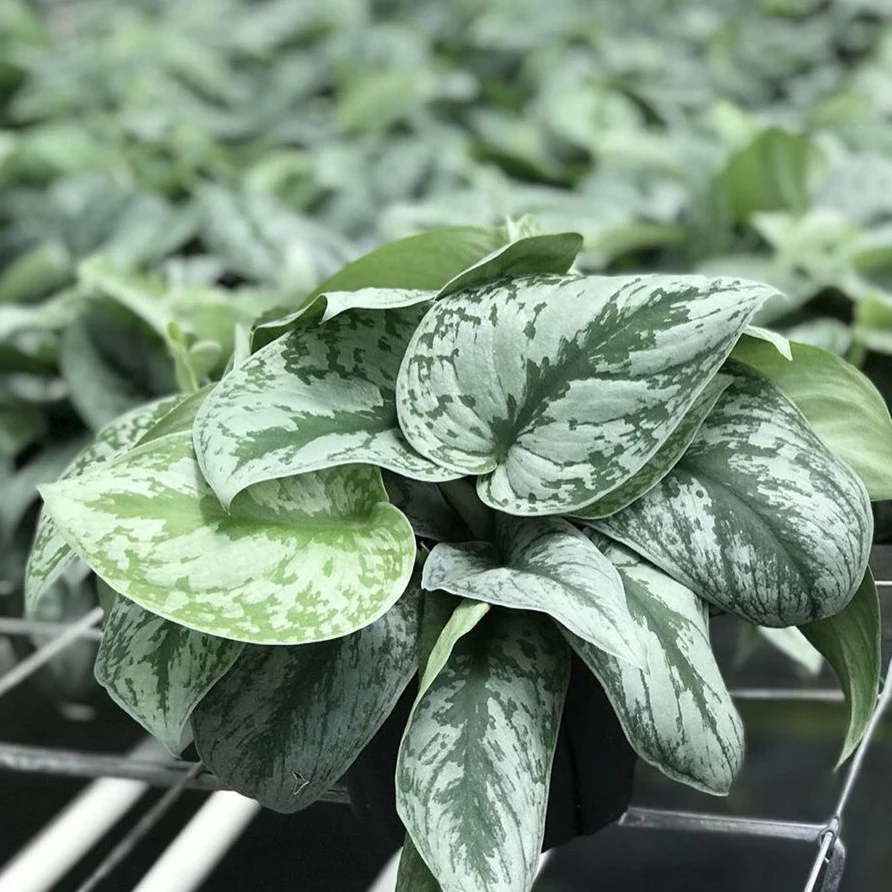
There are a few notable varieties of Satin Pothos, each with its own unique characteristics:
- Satin Pothos ‘Argyraeus’: This variety features smaller leaves with more defined silver spots, offering a delicate and refined appearance.
- Satin Pothos ‘Exotica’: Known for its larger leaves, ‘Exotica’ boasts a broader and more pronounced silver variegation, making it a standout in any collection.
- Satin Pothos ‘Silver Ann’: A rarer variety, ‘Silver Ann’ is distinguished by its heavy silver markings, sometimes covering most of the leaf, giving it a nearly all-silver look.
Where to Buy Satin Pothos
If you’re ready to add a Silver Satin Pothos to your collection, you can conveniently purchase one online. Check out this link to buy a healthy, beautiful Satin Pothos and have it delivered right to your doorstep.
Common Problems and Solutions
Yellowing Leaves
Yellow leaves are often a sign of overwatering. To remedy this, reduce the watering frequency and ensure that the pot has adequate drainage. Removing affected leaves can help the plant focus its energy on healthy growth.
Wilting or Drooping Leaves
Wilting leaves generally indicate that the plant is not receiving enough water. Water the plant thoroughly, and ensure that the soil remains consistently moist but not waterlogged.
Pests and Diseases
Satin Pothos can be susceptible to pests such as spider mites and aphids. These can be managed by wiping the leaves with a damp cloth or using an insecticidal soap. For prevention, keep the plant in a well-ventilated area with good light.
Benefits of Growing Satin Pothos
Air Purification
Satin Pothos is recognized for its ability to purify indoor air by absorbing toxins such as formaldehyde, benzene, and carbon monoxide. This makes it a great addition to any indoor space, contributing to a healthier living environment.
Decorative Appeal
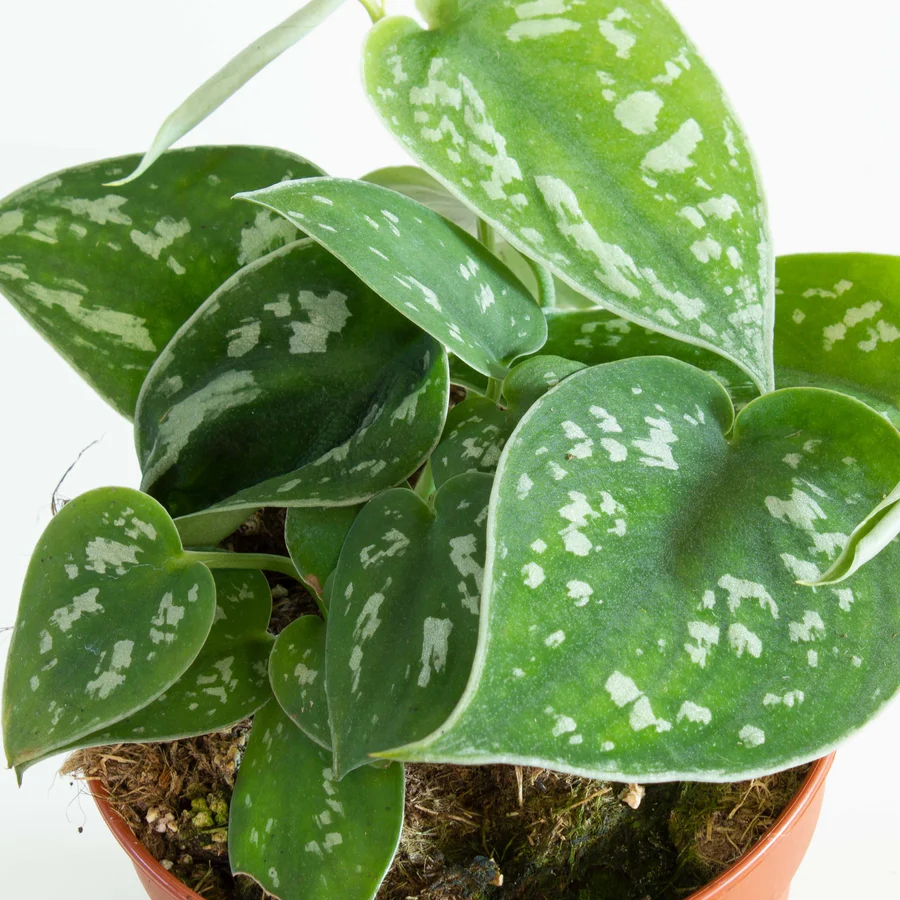
With its striking leaves and trailing vines, Satin Silver Pothos adds a touch of elegance and freshness to any room. It’s a versatile plant that can be used in various ways, from hanging baskets to table centerpieces, enhancing the aesthetic appeal of your home or office.
Mental Health Benefits
Indoor plants like Satin Pothos have been shown to reduce stress and anxiety levels. The presence of greenery in your living or working space can improve your mood, increase productivity, and create a more peaceful atmosphere.
Special Care Tips
- Pruning: Regularly trim back the vines to control the size and encourage fuller growth.
- Cleaning: Wipe the leaves with a damp cloth to remove dust and maintain their sheen.
- Repotting: Repot the plant every 1-2 years to refresh the soil and provide more space for root growth.

Satin Pothos in Different Languages
| Language | Name |
|---|---|
| English | Satin Pothos |
| Mandarin Chinese | 绸缎银苞芋 (Chóudàn yín bāo yù) |
| Spanish | Potus de Satén |
| Hindi | साटन पोथोस |
| Gujarati | સાટિન પોથોસ |
| Arabic | بوتوس الساتان |
| Bengali | সাটিন পোথোস |
| Portuguese | Pothos de Cetim |
| Russian | Сатиновый Потос |
| Japanese | サテンポトス (Saten potosu) |
| Punjabi | ਸਾਟਿਨ ਪੋਥੋਸ |
| German | Satin Pothos |
| Javanese | Pothos Satin |
| Korean | 새틴 포토스 (Saetin potoseu) |
| French | Pothos Satin |
| Telugu | సాటిన్ పొథోస్ |
| Marathi | साटन पोथोस |
| Tamil | சாட்டின் போதோஸ் |
| Urdu | ساٹن پوتھوس |
| Turkish | Saten Pothos |
| Vietnamese | Trầu bà satin |
Conclusion
Satin Pothos is a remarkable indoor plant that not only enhances your living space with its beauty but also contributes to a healthier and more peaceful environment. Easy to care for and resilient, it is an excellent choice for both beginner and experienced plant enthusiasts. By following the care tips provided in this guide, you can enjoy the lush greenery of Satin Silver Pothos in your home or office for years to come.
FAQs about Satin Pothos
Satin Pothos thrives in bright, indirect light but can tolerate low light conditions.
Water Satin Pothos when the top inch of soil feels dry. Avoid overwatering.
Satin Pothos is toxic to pets if ingested, so keep it out of reach of cats and dogs.
While it prefers higher humidity, Satin Pothos can tolerate average indoor humidity levels.
Propagate Satin Pothos by taking stem cuttings and placing them in water or directly in soil.

