
⏱ 30 min read
Table of Contents
- What Is Peperomia? A Quick Plant Profile
- Peperomia Plant Care Tips: Light Requirements
- Soil and Fertiliser for Peperomia
- Watering Peperomia the Right Way
- Temperature, Humidity, and Climate Zones
- How to Grow Peperomia Indoors and Outdoors
- Propagating Peperomia: Three Easy Methods
- Common Peperomia Problems and How to Fix Them
- Seasonal Peperomia Plant Care Tips
- Uses and Benefits of Peperomia
- Toxicity and Pet Safety
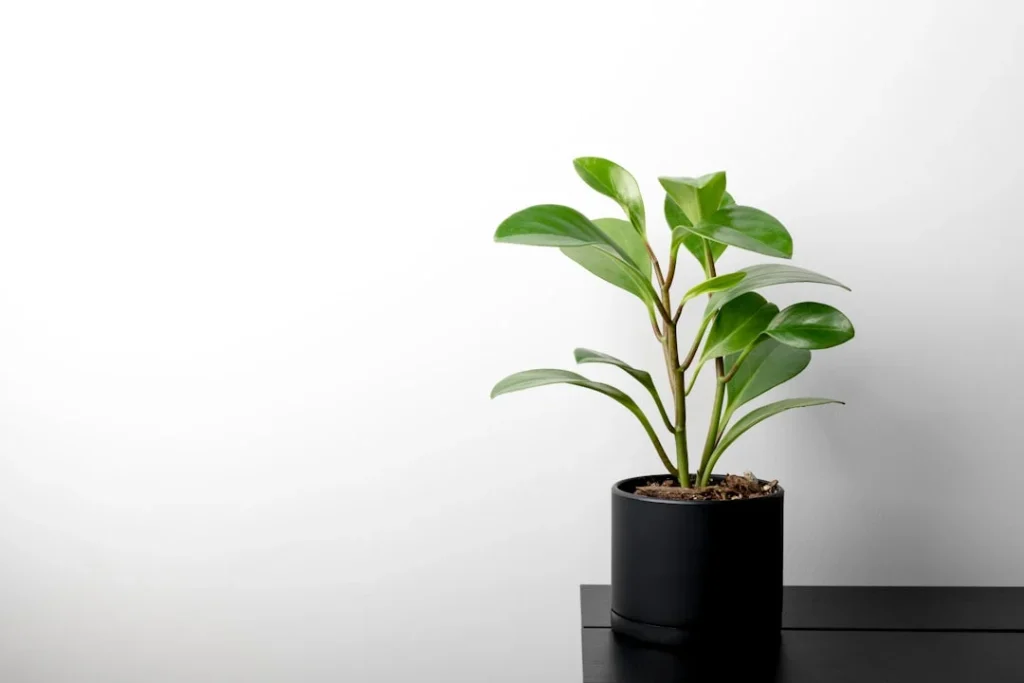
Peperomia plant care tips are easier to follow than most people expect — and that’s exactly what makes this genus one of the most rewarding houseplant groups on the planet. With over 1,000 known species, Peperomia spp. adapts beautifully to apartments in London, balconies in Mumbai, and windowsills in Toronto alike. Here’s the surprising part: most people who struggle with peperomia are doing too much, not too little. Overwatering, over-fertilising, and moving plants around too often are the three most common culprits. Peperomia genuinely thrives on a little neglect. In this guide, you’ll discover the exact peperomia plant care tips that experienced growers rely on — from choosing the right soil mix to understanding why your leaves suddenly look wrinkled. Whether you’re a first-time plant parent or a seasoned collector, by the end of this guide you’ll know precisely why your previous attempts may have struggled — and exactly what to do differently this time. If you enjoy growing this plant, you might also find our guide on Bear Paw Succulent Care very useful.
Quick Highlights
- Discover which soil mix keeps peperomia roots healthy and rot-free in any climate
- Learn the single most important watering rule that prevents 80% of peperomia problems
- Understand light requirements across tropical, temperate, and arid growing zones
- Master three simple propagation methods to multiply your collection for free
- Identify the five most common peperomia problems and fix them fast
- Apply seasonal care adjustments so your plant thrives all year round
Plant Characteristics at a Glance
| Common Name | Peperomia, Radiator Plant, Baby Rubber Plant (species-dependent) |
| Scientific Name | Peperomia spp. (1,000+ species) |
| Family | Piperaceae (Pepper family) |
| Origin | Tropical and subtropical regions, primarily Central and South America; also Africa and Asia |
| Habitat | Forest floors, tree crevices, rocky outcrops in tropical and subtropical zones |
| Plant Type | Perennial herbaceous plant; epiphytic or terrestrial depending on species |
| Indoor Plant | Yes — excellent houseplant suitable for all indoor environments globally |
| Outdoor Plant | Yes, in USDA Zones 10–12 (tropical and subtropical climates); must be sheltered in temperate zones |
| Leaves | Variable: smooth, ridged, quilted, or succulent-like; colours range from solid green to variegated silver, cream, and red |
| Flowers | Tiny, inconspicuous; arranged on slender, upright rat-tail spikes (spadix-like inflorescences) |
| Flowering Season | Variable by species; most bloom spring to summer; some flower intermittently year-round |
| Fruit | Tiny, berry-like drupes; not ornamentally significant |
| Seeds | Very small; propagation by seed is possible but rarely practised — cuttings are far more reliable |
| Roots | Shallow, fine, fibrous root system; sensitive to waterlogging |
| Height | 15–45 cm (6–18 inches) indoors; trailing species can reach 60 cm+ in length |
| Growth Rate | Slow to moderate; more vigorous in warm conditions with good indirect light |
| Light Requirements | Bright indirect light; tolerates low light but grows best at 1,000–2,500 lux |
| Soil Requirements | Well-draining, airy mix; 50% potting compost + 30% perlite + 20% orchid bark; pH 6.0–7.0 |
| Water Requirements | Low to moderate; water when top 2–5 cm (1–2 inches) of soil are dry; avoid standing water |
| Temperature Requirements | Optimal 18–26°C (64–79°F); minimum 10°C (50°F); protect from frost; max threshold ~35°C (95°F) |
| Humidity Requirements | Moderate; 40–60% relative humidity; adapts to typical indoor levels |
| Propagation | Stem cuttings, leaf cuttings, and division; easiest in spring and summer |
| Uses | Ornamental houseplant, biophilic interior design, traditional folk medicine (some species), air quality improvement |
| Medicinal Properties | Preliminary studies show antimicrobial and anti-inflammatory properties in some species; not for self-medication |
| Toxicity | Non-toxic to cats, dogs, and humans (ASPCA); mild GI discomfort if consumed in large amounts |
| Cultural Significance | Popular globally as a low-maintenance houseplant; used in folk medicine in Peru and West Africa |
| Common Pests | Mealybugs, spider mites, fungus gnats, scale insects |
| Common Diseases | Root rot (Pythium spp.), Phytophthora crown rot, cercospora leaf spot, Pythium damping off |
| Special Care Tips | Prefers slightly root-bound conditions; avoid moving frequently; terra cotta pots highly recommended |
| Cultural Practices | Bottom-watering preferred; wipe leaves gently with damp cloth monthly to remove dust; prune leggy stems in spring |
| Vastu Direction | North or east-facing placement recommended; considered beneficial for home energy as a low-maintenance, healthy plant |
Peperomia plant care tips Names in Different Languages
| English | Peperomia / Radiator Plant / Baby Rubber Plant |
| Mandarin Chinese | 椒草 (Jiāo cǎo) |
| Spanish | Peperomia / Hierba Luna |
| Hindi | पेपेरोमिया (Peperomia) |
| Gujarati | પેપેરોમિયા (Peperomia) |
| Arabic | بيبيروميا (Bībirūmiyā) |
| Bengali | পেপেরোমিয়া (Peperomia) |
| Portuguese | Peperômia / Planta Radiadora |
| Russian | Пеперомия (Peperomiya) |
| Japanese | ペペロミア (Peperomia) |
| Punjabi | ਪੇਪੇਰੋਮੀਆ (Peperomia) |
| German | Peperomie / Zwergpfeffer |
| Javanese | Peperomia |
| Korean | 페페로미아 (Peperomia) |
| French | Péperomia / Plante Radiateur |
| Telugu | పెపెరోమియా (Peperomia) |
| Marathi | पेपेरोमिया (Peperomia) |
| Tamil | பெபெரோமியா (Peperomia) |
| Urdu | پیپیرومیا (Peperomia) |
| Turkish | Peperomya / Cüce Biber |
| Vietnamese | Cây Peperomia / Hồ Tiêu Cảnh |
What Is Peperomia? A Quick Plant Profile
A gardener in Bristol once told me she thought peperomia was a single plant. She was amazed to discover it’s actually a genus of over 1,000 species — one of the largest plant genera on Earth. Peperomia belongs to the family Piperaceae, making it a distant cousin of black pepper (Piper nigrum). Most species are native to tropical and subtropical regions of Central and South America, though they’re now grown as houseplants on every continent. According to Kew Gardens, Peperomia is among the most species-diverse genera in the entire plant kingdom, with new species still being formally described by botanists each year. What unites this enormous family is a set of shared traits: thick, fleshy leaves that store water (similar to succulents), compact growth habits, and an extraordinary tolerance for indoor conditions. Some species have deeply textured, almost corrugated leaves. Others are smooth and glossy, or striped in silver and green. A few even have trailing stems, making them ideal for hanging baskets. That variety is part of their charm — and understanding a species’ natural habitat is the first step toward giving it exactly what it needs.
Key Botanical Traits
Peperomia roots are typically shallow and fine, which means they do best in small pots with excellent drainage. The leaves are the plant’s main water-storage organ, which explains why overwatering is so damaging — the roots simply don’t handle sustained moisture well. Flowers appear as slim, spike-like structures called rat-tail inflorescences. They’re not particularly showy, but some gardeners find them endearing. The plant rarely grows taller than 30–45 cm (12–18 inches) indoors, making it perfectly suited to shelves, desks, and small spaces. If you enjoy growing this plant, you might also find our guide on Donkey’s Tail Succulent Care very useful.
Popular Species to Know
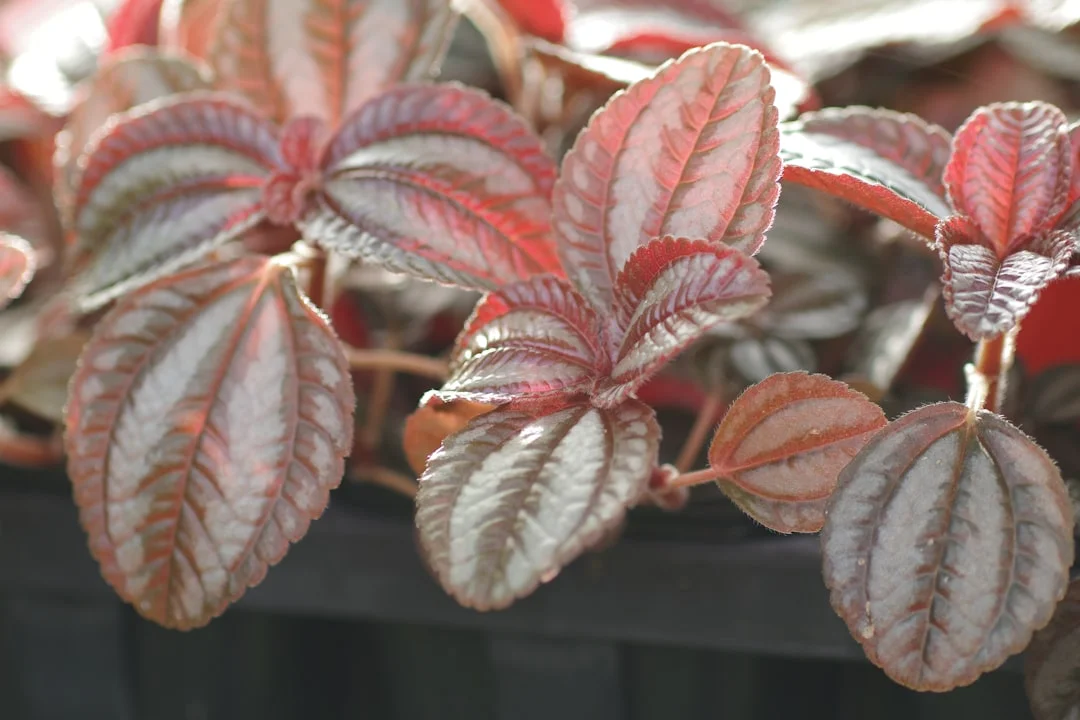
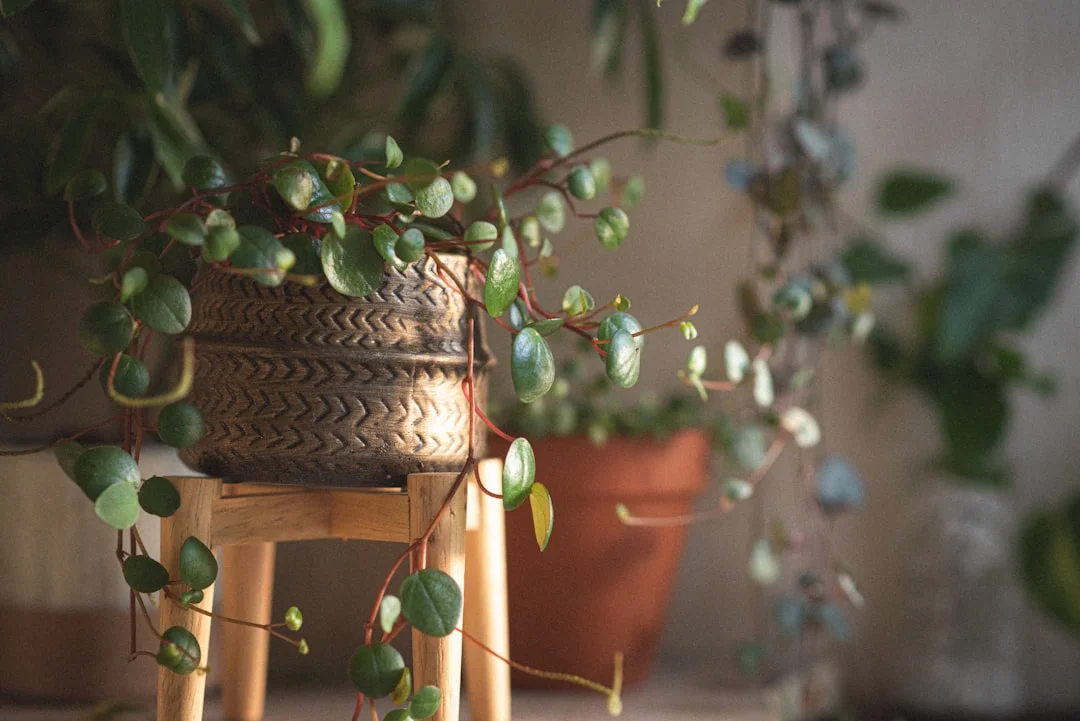
Among the most widely grown species are Peperomia obtusifolia (baby rubber plant), Peperomia caperata (ripple peperomia), Peperomia argyreia (watermelon peperomia), and Peperomia rotundifolia (trailing jade). Each has slightly different preferences, but the core peperomia plant care tips apply across all of them. In fact, once you understand the principles — rather than memorising rules for each species — you can care for any peperomia with confidence. Many gardeners who grow this plant also love to read about Hens and Chicks Succulent Care.
Peperomia Plant Care Tips: Light Requirements
Here’s the thing about peperomia and light: it’s not as fussy as many other tropical houseplants, but it’s also not indestructible. The sweet spot is bright, indirect light — think a spot 1–2 metres (3–6 feet) from an east- or north-facing window in the Northern Hemisphere. Direct afternoon sun, especially through glass, can bleach or scorch the leaves within days. However, too little light causes equally serious problems. Plants in dim corners produce pale, elongated growth and become more vulnerable to rot. In my experience, the plants that look most vibrant are those placed near a bright window with a sheer curtain filtering the harshest rays. Many gardeners underestimate how much light varies by season. In June across the Northern Hemisphere, days are long and light is intense — so shade protection becomes more important. Meanwhile, in December in the UK or Canada, supplemental grow lights can make a real difference. The RHS recommends fluorescent or LED grow lights for indoor tropical plants during winter months in temperate climates, and peperomia responds well to this approach.
Light by Climate Zone
In tropical climates — such as South and Southeast Asia, West Africa, and Central America — peperomia grows naturally in dappled forest shade. Outdoors in these regions, keep plants under 30–50% shade cloth or beneath a tree canopy. In temperate zones like the UK, northern Europe, and the US Pacific Northwest, a south- or west-facing windowsill (without direct midday sun) tends to work best. In arid climates like the Middle East or parts of Australia, strong light combined with dry air is the main challenge — shade cloth and regular misting become essential tools. Many gardeners who grow this plant also love to read about Peperomia Plant Care.
Signs Your Peperomia Needs More (or Less) Light
Too much light: leaves fade to pale yellow-green, develop dry brown patches, or feel crispy at the edges. Too little light: stems stretch toward the light source (etiolation), leaves become smaller, and growth slows dramatically. Variegated varieties like Peperomia obtusifolia ‘Variegata’ need slightly more light than solid-green types to maintain their colourful patterns — a useful detail that many care guides overlook. Many gardeners who grow this plant also love to read about Lithops Care Guide.
Soil and Fertiliser for Peperomia
This is where most people go wrong. Peperomia roots are fine, shallow, and highly sensitive to compacted or waterlogged growing media. A standard all-purpose potting mix holds too much moisture for most species. Instead, aim for a well-draining, slightly airy mix that mimics the organic debris-rich, fast-draining forest floor soil where peperomia naturally grows. A reliable mix: 50% quality potting compost + 30% perlite + 20% orchid bark. This combination drains freely while still holding enough nutrients and structure. Perlite is widely available — from garden centres in the US, UK, and Australia to online suppliers in India and Southeast Asia. Orchid bark adds airiness and mimics the chunky organic matter found in tropical forest soils. As for pH, peperomia prefers a slightly acidic to neutral range of 6.0–7.0, which most standard potting mixes fall within naturally. Fertilising is straightforward. During the active growing season — broadly spring through early autumn in the Northern Hemisphere, or year-round in the tropics — apply a balanced liquid fertiliser at half the recommended strength once a month. A product with an NPK ratio close to 10-10-10 or 20-20-20 works well. Importantly, stop feeding entirely in winter for plants in temperate climates, as the plant enters a slow-growth phase and excess nutrients can burn roots.
Repotting: When and How
Peperomia actually prefers being slightly root-bound. Repot only when roots visibly emerge from drainage holes or the plant looks consistently stressed despite good watering habits — usually every 2–3 years. Choose a pot only 2–5 cm (1–2 inches) larger than the current one. Terra cotta pots are excellent because they allow moisture to evaporate through the walls, reducing overwatering risk. Plastic pots work too, but require more careful watering discipline.
Organic Fertiliser Options
For those who prefer organic feeding, diluted worm castings (vermicompost) tea applied monthly is gentle and effective. Seaweed extract is another excellent option, widely available globally. Both provide trace minerals that support leaf colour and overall vigour without the risk of chemical salt build-up, which can damage peperomia’s sensitive roots over time.
Watering Peperomia the Right Way
The internet tells you to water houseplants regularly. Experienced peperomia growers know that inconsistency is actually less damaging than consistent overwatering. Here’s the rule that changes everything: water thoroughly, then wait until the top 2–5 cm (1–2 inches) of soil feel dry before watering again. This approach works across all climates, although the frequency varies significantly. In hot, dry conditions — like summer in Dubai or Delhi — you might water every 5–7 days. In cool, humid conditions — like autumn in London or Vancouver — once every 12–14 days is more appropriate. The bottom-watering method is particularly effective for peperomia. Simply place the pot in a tray of water for 20–30 minutes, allowing the soil to absorb moisture from below, then remove and let excess drain away. This encourages deeper root development and prevents the crown of the plant from getting wet, which can trigger rot. During June in the Northern Hemisphere — the current month — check soil moisture more frequently as indoor temperatures rise and evaporation rates increase. Even so, resist the urge to water on a fixed schedule; always check the soil first.
Signs of Overwatering vs. Underwatering
Overwatering: leaves turn yellow, feel soft or mushy, and may drop. The soil smells sour or earthy in an unpleasant way. Stems may appear dark at the base — an early sign of rot. Underwatering: leaves look wrinkled, feel slightly limp, and the soil pulls away from the pot edges. Fortunately, underwatered peperomia recovers quickly after a good watering session. Overwatered plants are much harder to rescue, especially if root rot has set in.
Water Quality Matters Too
Peperomia is moderately sensitive to fluoride and chlorine in tap water, which can cause brown leaf tips. If you notice this problem, let tap water sit overnight before using it — the chlorine dissipates naturally. Alternatively, collect rainwater, which is naturally soft and free of additives. In areas with very hard tap water (common in many parts of the UK, Middle East, and northern India), filtered water or rainwater produces noticeably healthier growth.
Temperature, Humidity, and Climate Zones
Peperomia is comfortable within a broad temperature range of 15–30°C (59–86°F), which corresponds to USDA Hardiness Zones 10–12 for outdoor growing. The USDA Plant Hardiness Zone Map is a useful reference for US-based growers assessing outdoor suitability. In terms of RHS hardiness, most peperomia species fall into H1c (minimum 5°C / 41°F), meaning they must be protected from frost in all temperate climates. The critical cold threshold is around 10°C (50°F) — below this, growth stalls and cold-induced stress can cause leaf drop. Temperatures above 35°C (95°F) combined with low humidity are equally problematic, causing rapid moisture loss from the leaves. In terms of humidity, peperomia prefers moderate levels — 40–60% relative humidity. This is lower than many tropical houseplants, which is one reason peperomia adapts so well to typical indoor environments. Most homes maintain 40–55% humidity naturally, making this an easy requirement to meet. However, in very dry climates — or near winter radiators and air conditioners — humidity can drop below 30%, which stresses the plant. A simple pebble tray filled with water beneath the pot raises local humidity without wetting the roots. Grouping several plants together also helps.
Growing Peperomia Outdoors in Different Climates
In tropical and subtropical climates — including coastal India, Sri Lanka, Malaysia, Thailand, parts of Australia’s Queensland coast, and the Caribbean — peperomia can thrive outdoors year-round as a ground cover or container plant under shade. In Mediterranean climates like California, southern France, or coastal Spain, it can be grown outdoors in containers that come inside during cooler months. In temperate and continental climates (most of the UK, Canada, northern US, northern Europe), peperomia is strictly an indoor or greenhouse plant during autumn and winter.
How to Grow Peperomia Indoors and Outdoors
Growing peperomia successfully starts with choosing the right location — and this decision looks different depending on where you live. Indoors, the ideal spot combines bright, filtered light with stable temperatures away from cold draughts and heating vents. Avoid windowsills above radiators, which blow dry, hot air upward and stress the leaves. Avoid air conditioning vents too, which create sudden temperature swings. A consistent environment is far more important than a perfect one. For outdoor growing in warmer climates, position peperomia in partial shade — under a pergola, on a covered balcony, or beneath a tree canopy. Direct rainfall in heavy monsoon conditions can be too intense; move container plants to a sheltered spot during downpours. In dry, hot climates, outdoor shade cloth rated at 30–50% is ideal during the hottest months. Container selection matters more than many people realise. Shallow, wide pots suit peperomia’s root system better than deep, narrow ones. A 10–15 cm (4–6 inch) pot is appropriate for most species. Ensure drainage holes are present — this is non-negotiable. Standing water at the bottom of a pot is the fastest route to root rot.
Choosing the Right Container
Terra cotta remains the top choice for peperomia because its porous walls allow excess moisture to evaporate. Glazed ceramic pots look beautiful but retain moisture longer, requiring careful watering. Self-watering pots, while convenient, are generally not recommended — the reservoir system keeps soil too consistently moist for peperomia’s preference. If you use a decorative cachepot without drainage, always remove the inner pot to water, then replace it only after the drainage has fully stopped.
Grouping and Display Ideas
One of the most enjoyable aspects of peperomia is the diversity of form — you can create a striking display using several different species on a single shelf. Group trailing varieties like Peperomia rotundifolia with compact mound-formers like Peperomia caperata for visual contrast. Since they all share similar care needs, managing a mixed collection is surprisingly simple. Furthermore, grouping plants naturally raises local humidity, benefiting all of them.
Propagating Peperomia: Three Easy Methods
Here’s one of the most rewarding peperomia plant care tips: this plant is extraordinarily easy to propagate. A single healthy plant can produce dozens of new ones over time — at zero cost. There are three main methods, and all three work reliably for home gardeners across any climate. The key is to propagate during the active growing season — spring or early summer in the Northern Hemisphere (which makes June an ideal time to start) or at any time of year in tropical climates with consistent warmth.
Stem Cutting Propagation
Take a cutting of 5–8 cm (2–3 inches) with at least two leaf nodes. Remove the lower leaves to expose the node. Allow the cut end to dry for 1–2 hours (this reduces rot risk), then insert it into a mix of moist perlite and compost. Keep the cutting in a warm, bright spot — around 20–25°C (68–77°F) — and cover loosely with a clear plastic bag to maintain humidity. Roots typically develop within 3–5 weeks. This method works for almost all peperomia species.
Leaf Cutting Propagation
This technique works best for thick-leaved species like Peperomia caperata and Peperomia obtusifolia. Remove a healthy, mature leaf with its petiole (stem) intact. Insert the petiole into moist propagating mix at a 45-degree angle. New plantlets emerge from the base of the petiole within 6–10 weeks. In my experience, using a propagating mix of 50% perlite and 50% coco coir gives the best results — it stays moist enough without ever becoming waterlogged.
Division
When repotting a mature, clumping peperomia, you’ll often find the root ball has divided naturally into two or more sections. Gently tease these apart with clean hands or a sterilised knife and pot each section individually. This is the quickest way to produce a large, instantly presentable plant — useful when you want to share a plant with a friend or expand your collection rapidly. After division, water lightly and keep in a warm spot away from direct sun for 1–2 weeks while the roots settle.
Common Peperomia Problems and How to Fix Them
Even with the best peperomia plant care tips in hand, problems can and do occur. The good news is that most peperomia issues fall into a handful of predictable categories — and once you can identify them correctly, fixing them is usually straightforward. The most important skill here is diagnosis before action. Many gardeners panic and change three things at once, making it impossible to know what actually worked. Change one variable at a time, wait two weeks, and observe.
Yellowing Leaves
Yellow leaves are almost always a watering problem — usually overwatering, occasionally underwatering. Check the soil moisture first. If the soil feels wet and has been that way for more than a week, reduce watering frequency immediately and improve drainage. If the soil is bone dry, water thoroughly and observe recovery over 48 hours. Yellow leaves can also result from nitrogen deficiency — in that case, a light application of balanced liquid fertiliser should show improvement within 2–3 weeks.
Root Rot
Root rot is the most serious peperomia problem and results almost exclusively from overwatering or poor drainage. Signs include mushy, dark brown roots, wilting despite moist soil, and a sour smell from the potting mix. To treat: unpot the plant, cut away all affected roots with sterilised scissors, dust the remaining roots with a small amount of cinnamon (a natural antifungal), and repot in fresh, dry mix. Do not water for 7–10 days afterward.
Common Pests
Mealybugs are the most frequent peperomia pest — look for white, cottony clusters in leaf axils. Remove them with a cotton swab dipped in 70% isopropyl alcohol. Spider mites appear in hot, dry conditions, causing fine stippling on the leaf surface. Increase humidity and treat with neem oil spray (diluted at 5 ml per litre of water). Fungus gnats are attracted to moist soil — allow the soil to dry out more between waterings to break their breeding cycle.
Seasonal Peperomia Plant Care Tips
One of the most overlooked areas of peperomia plant care tips is seasonal adjustment. This plant doesn’t need dramatic changes through the year, but small tweaks in response to seasonal shifts make a noticeable difference in long-term health. The key principle: match your care intensity to the plant’s growth rate. When it’s growing actively, give it more. When it’s resting, give it less. It really is that simple.
Spring and Summer Care (Northern Hemisphere: March–August)
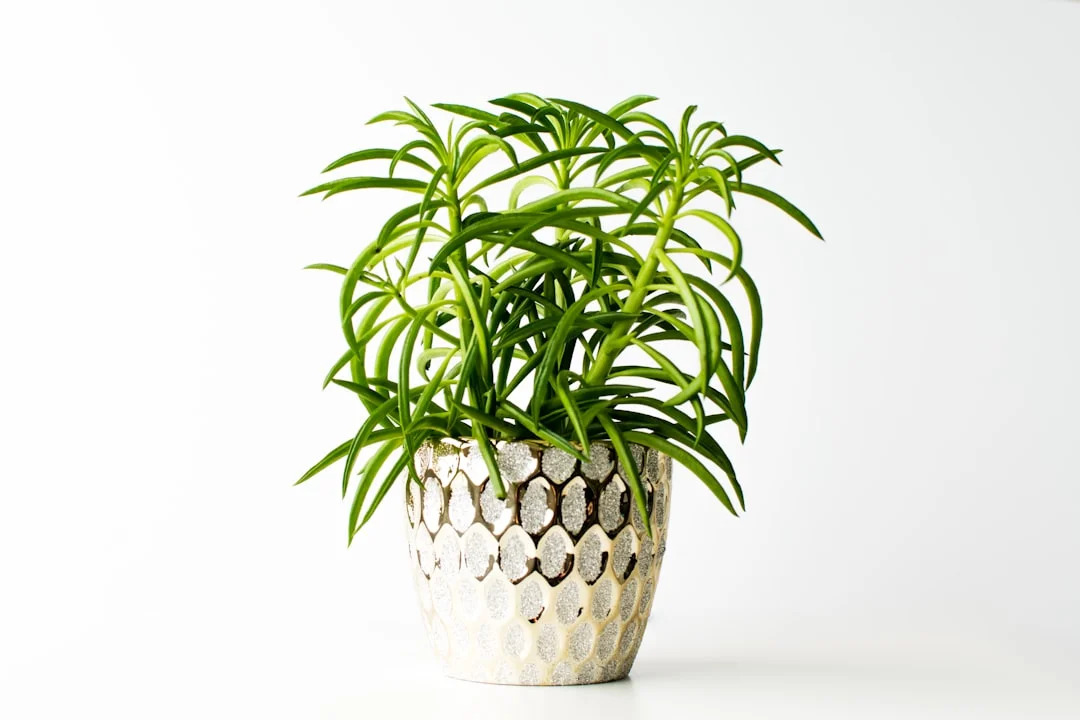
This is peak growing season. Check soil moisture more regularly as temperatures rise. Resume fertilising with a half-strength balanced liquid feed once a month. June — the current month — is ideal for taking stem cuttings, repotting if needed, and pruning leggy growth to encourage bushiness. Protect from harsh afternoon sun as day length and light intensity increase. For outdoor container plants in tropical climates, move to a shadier spot as heat peaks.
Autumn and Winter Care (Northern Hemisphere: September–February)
Growth slows significantly in winter in temperate climates. Stop fertilising from October through February. Reduce watering frequency — the soil takes much longer to dry out in cooler, dimmer conditions. Move plants away from cold windowsills on frosty nights; even brief exposure to temperatures below 10°C (50°F) can cause leaf drop. Consider adding a grow light on a 12-hour timer to compensate for short winter days, particularly in northern latitudes above 50°N.
Year-Round Care in Tropical Climates
Gardeners in equatorial and tropical climates — including much of South and Southeast Asia, Central Africa, and the Caribbean — don’t experience the same seasonal growth cycles. Peperomia grows actively throughout the year in these regions, so maintain consistent feeding, watering checks, and pest monitoring all twelve months. During monsoon season, reduce watering of outdoor plants and ensure containers have excellent drainage to prevent waterlogging from heavy rainfall.
Uses and Benefits of Peperomia
Peperomia isn’t just decorative — though it excels at that. Several traditional and emerging scientific uses make this genus genuinely interesting beyond its good looks. While it’s not as well-documented in classical Ayurvedic texts as plants like tulsi or neem, some species of Peperomia have a documented history of folk medicinal use across South America, West Africa, and parts of Asia. According to a study indexed on PubMed/NIH, extracts from certain Peperomia species have shown antimicrobial, anti-inflammatory, and antifungal properties in preliminary laboratory research. These findings are early-stage and have not been established in clinical trials on humans — so this isn’t a plant to self-medicate with. However, it does suggest that the genus is worthy of serious scientific attention. In traditional Peruvian folk medicine, Peperomia dolabriformis and related species have been used as wound-healing compresses and anti-inflammatory poultices. In West African ethnobotany, certain species are used in remedies for skin complaints. These traditions deserve mention, even as we acknowledge that evidence-based validation is still ongoing.
Air Quality and Indoor Environment
Peperomia is commonly cited as an air-purifying houseplant. While NASA’s Clean Air Study (1989) included several foliage plants, the effect of individual houseplants on indoor air quality in a typical room is modest, according to more recent analysis. That said, any living plant contributes to oxygen production and adds humidity to indoor air — and the psychological benefit of living with greenery is well-documented. Peperomia’s compact size and non-toxic status make it one of the best choices for bedrooms, home offices, and children’s spaces.
Ornamental and Biophilic Design Uses
Interior designers across Europe, North America, and Asia have embraced peperomia as a key element in biophilic design — the practice of incorporating natural elements into built environments. Its range of leaf textures (corrugated, smooth, quilted, trailing) makes it versatile for everything from minimalist Scandinavian interiors to lush, layered tropical room aesthetics. Furthermore, its low maintenance requirements make it the ideal plant for offices, hotel lobbies, retail spaces, and healthcare environments where consistent care may be limited.
Toxicity and Pet Safety
This is one question every responsible plant owner should ask — and the answer for peperomia is reassuring. Peperomia is considered non-toxic to both cats and dogs, according to the ASPCA (American Society for the Prevention of Cruelty to Animals). It’s also generally regarded as safe around children. This makes it one of a relatively small group of popular houseplants that you can keep without concern if you share your home with curious pets or young children. That said, ‘non-toxic’ doesn’t mean ‘edible.’ Eating large quantities of any plant material can cause mild digestive discomfort in animals or humans. If a pet chews on your peperomia and shows signs of vomiting or lethargy, contact your vet — not because the plant is dangerous, but because any unusual behaviour deserves professional attention. For households with cats in particular, note that some peperomia varieties with very smooth, glossy leaves (like Peperomia obtusifolia) can be tempting for chewing. A light misting of diluted bitter apple spray on the leaves deters this effectively without harming the plant.
Safe Placement Around Children
Because peperomia is non-toxic and compact, it’s an excellent choice for children’s bedrooms and playrooms. However, small children may damage the plant by pulling leaves or knocking pots over. Place plants on a stable, elevated surface out of easy reach. The plant recovers well from minor leaf loss — a broken leaf or two won’t harm it — but toppled pots with soil spills are more disruptive to clean up than they are harmful to the child.
Frequently Asked Questions
How often should I water my peperomia plant?
Water peperomia only when the top 2–5 cm (1–2 inches) of soil feels dry to the touch. In warm climates this may be every 5–7 days; in cool or temperate climates, every 10–14 days is more typical. Always check the soil before watering rather than following a fixed schedule. Overwatering is the single most common cause of peperomia death, so when in doubt, wait an extra day or two.
Can I grow peperomia indoors in a cold climate like the UK or Canada?
Yes — peperomia is actually one of the best houseplants for cold climates precisely because it thrives indoors. Keep it in a warm room away from cold draughts and frosty windowsills, ideally between 18–26°C (64–79°F). In winter, add a grow light on a 12-hour timer to compensate for short days. Reduce watering frequency in winter, and stop fertilising until spring. Many UK and Canadian gardeners successfully grow peperomia year-round on a bright windowsill.
Is peperomia safe for cats and dogs?
Yes. Peperomia is considered non-toxic to cats and dogs according to the ASPCA. It's also generally safe around children. However, eating large quantities of any plant material can cause mild stomach upset in animals. If your pet chews on peperomia and shows signs of vomiting or unusual behaviour, contact your vet for advice. As a precaution, placing the plant on an elevated surface limits access for curious pets.
Why are my peperomia leaves turning yellow?
Yellow leaves on peperomia almost always point to overwatering. Check that the soil isn't staying wet for long periods and that your pot has proper drainage holes. Less commonly, yellow leaves can indicate low nitrogen — in which case a half-strength balanced liquid fertiliser applied monthly during the growing season should help. Occasionally, very low light levels trigger yellowing; moving the plant closer to a bright window often resolves this within a few weeks.
What is the best soil mix for peperomia?
The best soil mix for peperomia is one that drains quickly and stays airy. A reliable recipe: 50% good-quality potting compost, 30% perlite, and 20% orchid bark. This mimics the loose, organic forest floor material where peperomia naturally grows. Avoid dense, heavy potting soils that retain moisture for long periods. The target pH range is 6.0–7.0. If you notice water taking a long time to drain through the pot, it's time to amend or replace the mix.
How do I propagate peperomia at home?
Peperomia propagates easily using three methods: stem cuttings (most reliable for nearly all species), leaf cuttings (best for thick-leaved types like Peperomia caperata), and division at repotting time. Stem cuttings root in 3–5 weeks in a moist perlite-compost mix kept at 20–25°C (68–77°F). Spring and early summer are the ideal times to propagate, though in tropical climates any time of year works. Clean, sharp tools and allowing cut ends to dry briefly before planting both improve success rates.
How much light does peperomia need?
Peperomia prefers bright, indirect light — typically 1,000–2,500 lux. Position it 1–2 metres from an east- or north-facing window in the Northern Hemisphere. It tolerates lower light better than many tropical plants, but direct afternoon sun causes leaf scorch. Variegated varieties need slightly more light than solid-green types to maintain their colour patterns. In winter in temperate climates, a supplemental LED grow light on a 12-hour timer can make a significant difference to plant health.
Does peperomia need humidity?
Peperomia prefers moderate humidity — around 40–60% relative humidity — which happens to be the range most homes maintain naturally. It handles lower humidity better than most tropical houseplants, making it ideal for offices, bedrooms, and air-conditioned spaces. In very dry environments (below 30% humidity), tips may brown and growth slows. A pebble tray with water beneath the pot or grouping plants together are the easiest ways to raise local humidity without creating the wet conditions that cause root rot.
Final Thoughts
Peperomia is proof that low-maintenance doesn’t mean low-reward. Once you understand the core peperomia plant care tips — bright indirect light, fast-draining soil, restrained watering, and a stable warm environment — this plant practically takes care of itself. It adapts to apartments in Tokyo, terraces in Lagos, greenhouses in Bristol, and sunny windowsills in São Paulo with equal grace. The secret, if there is one, is to resist the urge to fuss. Check the soil before watering. Feed lightly during the growing season. Give it a comfortable spot and leave it be. Whether you’re growing a single watermelon peperomia on your desk or building a collection of a dozen different species on a plant shelf, these principles scale perfectly. June is an excellent month to start — propagate a cutting, repot an overcrowded plant, or simply move an existing one to a better-lit spot. Your peperomia will reward your attention with glossy, vibrant leaves that genuinely brighten any space it inhabits.

