
⏱ 22 min read
Table of Contents
- What Is Mogra? A Quick Introduction
- Benefits and Uses of Mogra
- How to Grow Mogra: Getting Started
- Key Mogra Plant Care Tips for Soil and Fertilizer
- Watering Mogra the Right Way
- Sunlight and Temperature Needs
- Pruning and Training Your Mogra Plant
- Common Problems and How to Fix Them
- How to Propagate Mogra from Cuttings
- Seasonal Care Calendar for Mogra
- Cultural and Medicinal Uses
If you’ve ever walked past a blooming mogra bush on a warm summer evening, you’ll never forget that sweet, heady fragrance. Mogra (Jasminum sambac), also known as Arabian jasmine or sampaguita, is one of the most loved flowering shrubs across the world. From temple gardens in India to balcony pots in California and conservatories in the UK, this little plant wins hearts everywhere. In this guide, I’ll share the most practical mogra plant care tips I’ve gathered over 15 years of growing and studying this fragrant beauty. Whether you live in tropical Mumbai, sunny Sydney, breezy London, or arid Dubai, these proven mogra plant care tips will help your plant thrive. We’ll cover everything from soil mixes and watering schedules to pruning, propagation, and fixing yellow leaves. Here’s the thing — mogra isn’t fussy, but it does have preferences. Get those right, and you’ll enjoy waves of snow-white, perfumed blooms from late spring through autumn. For more tips, check out our detailed article on Parijat Plant Care Benefits.
Quick Highlights
- Discover proven mogra plant care tips for year-round fragrant blooms
- Learn the ideal soil mix, watering rhythm, and feeding schedule for Jasminum sambac
- Master pruning techniques that boost flowering by up to 40%
- Solve common problems — yellow leaves, bud drop, pests — with simple fixes
- Grow mogra successfully in tropical, temperate, Mediterranean, and arid climates
- Propagate new plants from cuttings using a step-by-step method that actually works
Plant Characteristics at a Glance
| Common Name | Mogra, Arabian Jasmine, Sampaguita |
| Scientific Name | Jasminum sambac |
| Family | Oleaceae |
| Origin | Tropical South and Southeast Asia |
| Habitat | Warm, humid tropical and subtropical regions |
| Plant Type | Evergreen flowering shrub |
| Indoor Plant | Yes, with bright light and warmth |
| Outdoor Plant | Yes, in USDA zones 9-11 |
| Leaves | Glossy, oval, dark green, 4-12 cm long |
| Flowers | Small, waxy, snow-white, highly fragrant |
| Flowering Season | Late spring to autumn (peak summer) |
| Fruit | Rarely produces fruit in cultivation |
| Seeds | Small, dark; rarely viable in hybrids |
| Roots | Fibrous, shallow to medium depth |
| Height | 1-3 metres (3-10 feet) |
| Growth Rate | Moderate |
| Light Requirements | 4-6 hours direct sunlight daily |
| Soil Requirements | Well-draining, slightly acidic (pH 6.0-7.0) |
| Water Requirements | Moderate; keep evenly moist, not soggy |
| Temperature Requirements | 20-35°C (68-95°F); minimum 10°C (50°F) |
| Humidity Requirements | 50-70% |
| Propagation | Semi-hardwood cuttings, layering |
| Uses | Ornamental, perfumery, garlands, tea, aromatherapy |
| Medicinal Properties | Cooling, calming, mild sedative, antimicrobial |
| Toxicity | Non-toxic to humans, cats, and dogs |
| Cultural Significance | National flower of Philippines and Indonesia; sacred in India |
| Common Pests | Mealybugs, aphids, whiteflies, spider mites |
| Common Diseases | Leaf spot, root rot, powdery mildew |
| Special Care Tips | Hard prune annually; pinch tips for bushier growth |
| Cultural Practices | Used in weddings, religious offerings, and hair garlands |
| Vastu Direction | East or North-East for positive energy |
Mogra plant care tips Names in Different Languages
| English | Arabian Jasmine |
| Mandarin Chinese | 茉莉花 (Mòlì huā) |
| Spanish | Jazmín de Arabia |
| Hindi | मोगरा (Mogra) |
| Gujarati | મોગરો (Mogro) |
| Arabic | الفل (Al-Full) |
| Bengali | বেলি ফুল (Beli phul) |
| Portuguese | Jasmim-da-Arábia |
| Russian | Жасмин самбак (Zhasmin sambak) |
| Japanese | マツリカ (Matsurika) |
| Punjabi | ਮੋਤੀਆ (Motia) |
| German | Arabischer Jasmin |
| Javanese | Melati Putih |
| Korean | 아라비안 재스민 (Arabian Jaeseumin) |
| French | Jasmin d'Arabie |
| Telugu | మల్లె (Malle) |
| Marathi | मोगरा (Mogra) |
| Tamil | மல்லிகை (Mallikai) |
| Urdu | موتیا (Motia) |
| Turkish | Arap yasemini |
| Vietnamese | Hoa Nhài |
What Is Mogra? A Quick Introduction
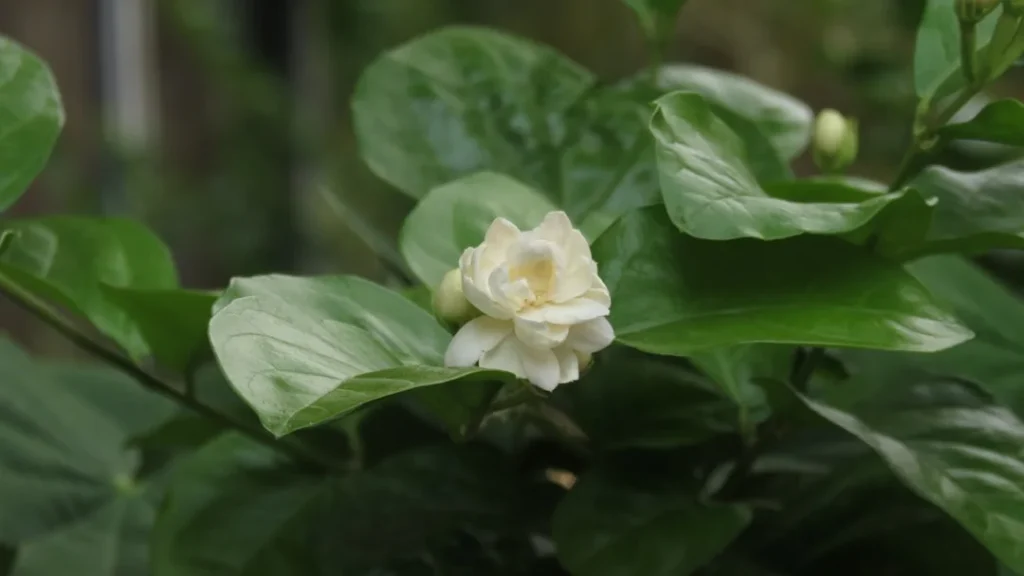
Mogra (Jasminum sambac) is a small, evergreen shrub native to tropical Asia. Many gardeners know it as Arabian jasmine, even though it didn’t actually originate in Arabia. The plant grows 1 to 3 metres tall and produces clusters of waxy, snow-white flowers with an unmistakable sweet scent. In June 2026, as summer peaks across the Northern Hemisphere, mogra is hitting its main flowering season. According to Kew Gardens, Jasminum sambac belongs to the Oleaceae family, which also includes olives and lilacs. The plant has played a central role in cultures across the globe. It’s the national flower of the Philippines (sampaguita) and Indonesia (melati putih). In India, मोगरा garlands grace temples, weddings, and hair braids. Meanwhile, in China, mogra buds flavour the famous jasmine tea. That said, mogra is more than just pretty. It’s tough, adaptable, and forgiving — perfect for beginners and pros alike.
Botanical Background
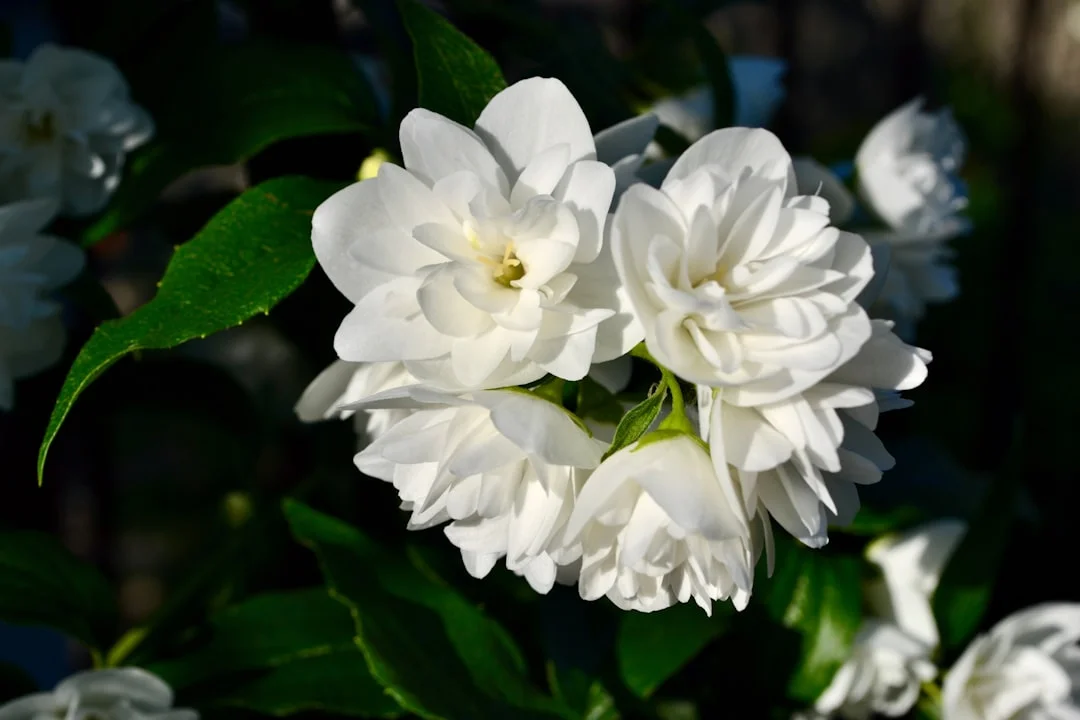
Jasminum sambac is a true jasmine, unlike some plants that share the name but belong to other groups. The shrub has glossy, oval leaves and produces flowers in three main forms: single (Maid of Orleans), semi-double (Belle of India), and fully double (Grand Duke of Tuscany). Each variety has its own charm. The Grand Duke, for example, looks almost like a small white rose. Although mogra is technically a tropical plant, it adapts well to USDA zones 9–11 and RHS hardiness H1c. In cooler zones, gardeners grow it as a conservatory or houseplant. Interestingly, the flowers open at dusk and release their strongest fragrance overnight — a trait shared with many night-pollinated plants. If you enjoy growing this plant, you might also find our guide on Jasmine Plant Care Grow Guide very useful.
Where Mogra Grows Best
Mogra thrives in warm, humid climates with plenty of sun. In tropical regions like India, Sri Lanka, and Southeast Asia, it grows outdoors year-round. In Mediterranean zones — think southern Spain, California, or coastal Australia — it does beautifully in the ground. However, gardeners in temperate climates like the UK, northern US, or Canada usually grow mogra in pots and bring it indoors during winter. In arid regions like the UAE or parts of inland Australia, it needs afternoon shade and extra humidity. The key is matching its tropical nature with your local conditions. For more tips, check out our detailed article on Allamanda Yellow Flower Care.
Benefits and Uses of Mogra
Mogra isn’t just a pretty face. The plant offers benefits that span fragrance, wellness, culture, and even cuisine. For centuries, traditional medicine systems have valued it for cooling, calming, and aromatic properties. Modern research is starting to confirm what grandmothers always knew. For more tips, check out our detailed article on Hibiscus Plant Care India.
Aromatherapy and Mental Wellness
The scent of mogra is famously calming. A study published on PubMed found that jasmine fragrance can reduce stress markers and improve mood. In Ayurveda, mogra is considered cooling and is used to calm excess heat in the body. Traditional Chinese Medicine uses jasmine flowers to soothe the liver and ease tension. Western herbalists often recommend jasmine essential oil for anxiety relief. Many gardeners find that just sitting near a blooming mogra plant in the evening helps them unwind after a long day.
Culinary and Cultural Uses
Mogra buds are the heart of traditional Chinese jasmine tea. The buds are layered with green tea leaves so the tea absorbs their fragrance. In India, the flowers are strung into gajras (hair garlands) worn by women, especially at weddings. In the Philippines, sampaguita garlands are offered at altars. The flowers also flavour desserts, syrups, and even some craft cocktails. Importantly, only use unsprayed, food-grade flowers if you plan to eat them. If you enjoy growing this plant, you might also find our guide on Marigold Grow Pot India very useful.
How to Grow Mogra: Getting Started
Starting with a healthy plant makes everything easier. The best mogra plant care tips begin with smart choices at the nursery. Look for a bushy plant with dark green leaves and a few flower buds — that tells you it’s already happy. Avoid plants with yellowing leaves, sticky residue, or droopy stems.
Choosing the Right Variety
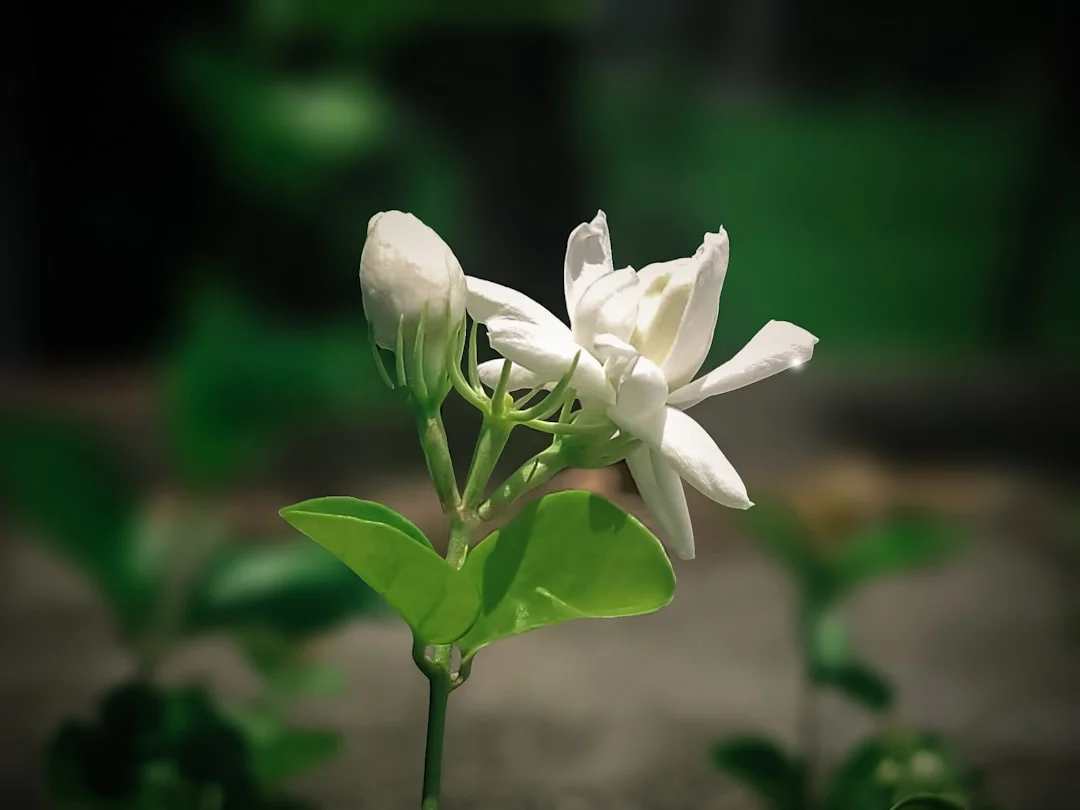
First, decide which variety suits you. Maid of Orleans flowers heavily and almost continuously in warm weather — perfect for gajra lovers. Belle of India has elegant, elongated semi-double blooms. Grand Duke of Tuscany blooms less often but each flower lasts longer and looks stunning. For beginners, I usually recommend Maid of Orleans because it’s the most forgiving and rewards you with constant blooms.
Pot vs Ground Planting
If you live in USDA zones 9–11 or similar warm climates, plant mogra directly in the ground. Choose a spot with morning sun and well-draining soil. For everyone else, containers are the way to go. Pick a pot at least 30 cm (12 inches) wide with drainage holes. Terracotta works well because it breathes, though plastic pots hold moisture longer in dry climates. A pot-grown mogra can easily move indoors when temperatures drop below 10°C (50°F).
Key Mogra Plant Care Tips for Soil and Fertilizer
Mogra loves rich, well-draining, slightly acidic soil. Get the soil right, and half your work is done. The plant hates waterlogged roots more than almost anything else, so drainage is non-negotiable.
The Ideal Soil Mix
Aim for a pH of 6.0 to 7.0. A simple, globally available mix works beautifully: 40% garden soil or potting mix, 30% compost or well-rotted cow manure, 20% coco coir or peat moss, and 10% perlite or coarse sand. This blend holds moisture but drains fast. In tropical areas with heavy clay soil, add extra sand. In sandy soils like those in coastal Australia or the Mediterranean, add more compost to boost water retention. The RHS recommends acid-loving plant compost for jasmines grown in pots in the UK.
Feeding Schedule
During the growing season (spring through autumn), feed mogra every 2 weeks. Use a balanced NPK fertilizer like 10-10-10, or switch to a bloom booster (higher phosphorus, like 10-30-20) when you see buds forming. Organic options work just as well — banana peel water, mustard cake liquid, or compost tea. One of my favourite mogra plant care tips is adding a pinch of Epsom salt (magnesium sulphate) once a month. It deepens leaf colour and supports flowering. In winter, stop feeding completely and let the plant rest.
Watering Mogra the Right Way
Watering is where most people go wrong. Mogra likes moist soil but absolutely hates soggy roots. The rule I follow: water deeply, then let the top 2–3 cm (1 inch) of soil dry before watering again. In summer, that might mean every 1–2 days for potted plants in hot climates. A cool British summer, on the other hand, usually needs only once or twice a week.
Climate-Based Watering Guide
In tropical India or Southeast Asia, expect to water daily during peak summer, often early morning and late evening. In Mediterranean climates like southern California or Spain, water 3–4 times a week. In temperate UK or coastal US zones, twice a week is usually enough. In arid areas like Dubai or Phoenix, daily watering plus afternoon misting helps. Always check the soil first — stick your finger 2 cm deep. If it feels dry, water. If it’s still damp, wait.
Signs of Overwatering and Underwatering
Yellow leaves dropping from the bottom up usually means overwatering. Wilting, crispy leaf edges, and bud drop point to underwatering. Here’s a quick tip: lift the pot. A light pot needs water; a heavy pot doesn’t. After flowering peaks, slightly reduce water to encourage the next flush of buds. Don’t worry if leaves look a bit tired in late afternoon heat — they often perk up by evening without needing water.
Sunlight and Temperature Needs
Mogra is a sun lover. It needs 4–6 hours of direct sunlight daily to bloom well. Without enough light, you’ll get a leafy plant but few flowers. However, in extremely hot climates, harsh afternoon sun can scorch leaves and dry buds before they open.
Best Light Conditions by Region
In Mumbai, Bangkok, or Singapore, place mogra where it gets full morning sun and dappled afternoon shade. In London, Seattle, or Toronto, give it the sunniest spot you have — south-facing windows or unobstructed gardens. In Dubai or inland Australia, morning sun until 11 am, then bright shade, works best. If you’re growing mogra indoors during winter in cold climates, a grow light helps. LED grow lights with full-spectrum output, used 10–12 hours a day, keep the plant healthy until spring.
Temperature Tolerance
Mogra thrives between 20–35°C (68–95°F). It tolerates short spikes up to 40°C (104°F) with extra water. The danger zone is below 10°C (50°F) — growth slows, leaves yellow, and frost will kill it. Gardeners in temperate zones should bring potted mogra indoors before the first frost. Place it near a bright window, away from cold drafts and heating vents. Humidity matters too — aim for 50–70%. In dry indoor air, group plants together or use a humidifier.
Pruning and Training Your Mogra Plant
Pruning is one of the most overlooked mogra plant care tips, yet it’s the single biggest factor in heavy flowering. Mogra blooms on new growth, so regular pruning forces the plant to produce more flowering shoots. Skip pruning, and you’ll end up with a leggy, sparse plant with few blooms.
When and How to Prune Mogra
Hard-prune mogra once a year, in late winter or very early spring — usually February or March in the Northern Hemisphere, August or September in the Southern. Cut back about one-third of the plant. Remove dead, weak, or crossing branches first. Then shorten healthy stems to encourage bushiness. Use clean, sharp secateurs. During the flowering season, do light tip-pinching every 4–6 weeks. This keeps the plant compact and triggers new flowering shoots.
Training and Shaping
Mogra is naturally a sprawling shrub, but you can train it as a small standard tree, a climber on a trellis, or a tight rounded bush. For a bush shape, pinch the growing tips regularly. For a climber, tie young stems gently to a support with soft plant ties. In my experience, even a single hard prune in spring can double the number of blooms you get that summer. Don’t be afraid to cut — mogra bounces back fast.
Common Problems and How to Fix Them
Even with the best mogra plant care tips, problems happen. The good news is that mogra issues are usually easy to fix once you spot them early. Here are the most common troubles and what to do about them.
Yellow Leaves and Bud Drop
Yellow leaves usually point to one of three things: overwatering, nutrient deficiency, or pH imbalance. Check the soil first. If it’s soggy, ease off watering and improve drainage. If the soil is fine, feed with a balanced fertilizer plus a little iron supplement. Bud drop is often caused by sudden changes — moving the plant, temperature swings, or letting it dry out completely. Keep conditions stable during budding.
Pests and Diseases
The main pests are mealybugs, aphids, whiteflies, and spider mites. Spray with neem oil solution (5 ml neem oil + 2 ml mild soap per litre of water) every 7–10 days until clear. Insecticidal soap also works well. For fungal issues like leaf spot or root rot, improve air flow, remove affected leaves, and avoid wetting leaves when watering. Most diseases trace back to poor drainage or overcrowding, so prevention beats cure every time.
How to Propagate Mogra from Cuttings
Propagating mogra is one of the most satisfying gardening projects. You can grow a whole hedge from one healthy mother plant. Cuttings work best because they grow true to the parent and flower within a year. The best time to take cuttings is late spring or early summer, when the plant is actively growing.
Success Tips for Cuttings
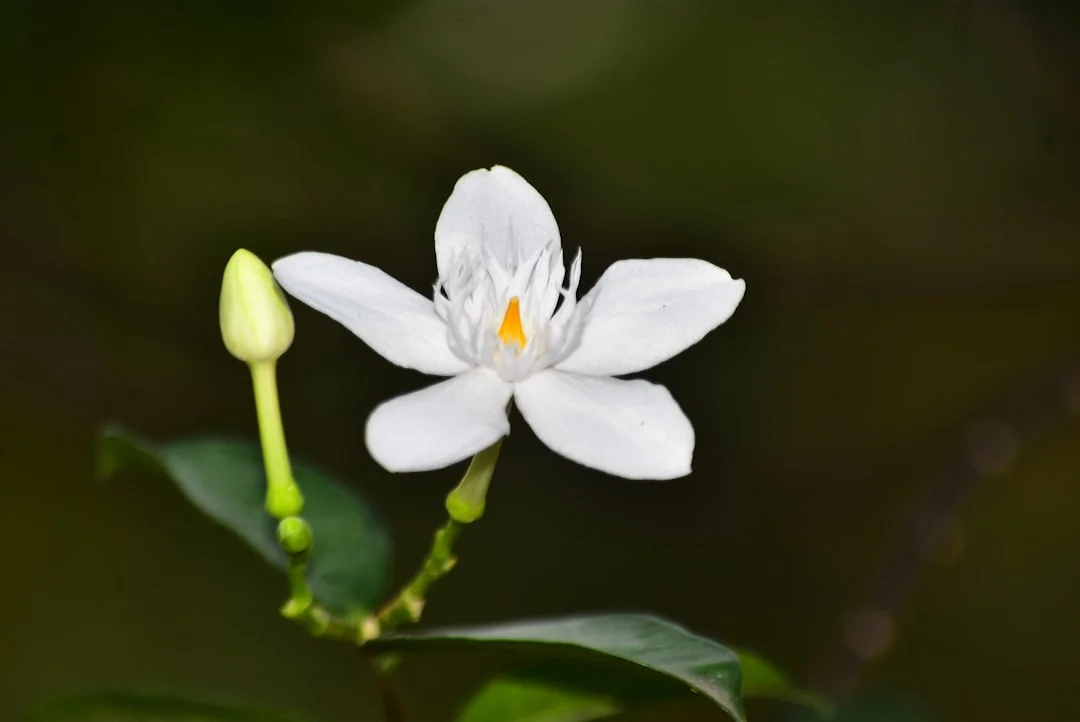
Use semi-hardwood cuttings — stems that aren’t too soft and not too woody. Look for stems about pencil-thick. Expect a success rate of 60–70% with the right method, higher with rooting hormone and bottom heat. Keep humidity high by covering cuttings with a clear plastic bag or dome. Avoid direct sun on fresh cuttings — bright indirect light is perfect. Roots usually appear in 4–6 weeks.
Seasonal Care Calendar for Mogra
Mogra’s needs change with the seasons. Following a simple seasonal calendar takes the guesswork out of care. Here’s how to adjust through the year, whether you’re in the Northern or Southern Hemisphere.
Spring and Summer Care
Spring is wake-up time. Hard-prune in early spring, repot if needed, and start feeding. As temperatures climb into summer, the plant enters peak growth and flowering. Water deeply, feed every 2 weeks, and pinch tips regularly. Watch for pests since warm weather speeds up their life cycles. June 2026, right now in the Northern Hemisphere, is prime mogra time — you should see your first big flush of blooms. These major mogra plant care tips for spring set the tone for the entire season.
Autumn and Winter Care
As autumn arrives, slow down feeding and watering. The plant will start preparing for rest. In warm zones, mogra may keep flowering lightly through autumn. In cold zones, bring potted plants indoors before nights drop below 10°C (50°F). During winter, water sparingly — once every 10–14 days is often enough. Don’t fertilize, don’t prune heavily. Just let the plant rest. According to USDA hardiness data, mogra needs winter protection in zones 8 and below.
Cultural and Medicinal Uses
Mogra holds deep cultural and healing significance across continents. Understanding this side of the plant makes growing it even more rewarding. From ancient Ayurvedic texts to modern aromatherapy, this little flower has earned its place in wellness traditions worldwide.
Traditional Medicine
Ayurveda mentions mogra in texts like the Charaka Samhita as a cooling herb used for headaches, eye issues, and skin conditions. The Ministry of Ayush recognises jasmine in several formulations. Traditional Chinese Medicine uses jasmine flowers to ease stress and digestive complaints. Western herbalism values jasmine essential oil as a mood-lifter. However, always consult a qualified practitioner before using mogra medicinally, especially during pregnancy, as jasmine can affect uterine activity.
Safety and Toxicity
True jasmines like Jasminum sambac are generally non-toxic to humans, cats, and dogs according to the ASPCA. That said, large quantities of any plant can upset a pet’s stomach. Don’t confuse mogra with Carolina jessamine (Gelsemium sempervirens), which looks similar but is highly toxic. The essential oil is very concentrated — never apply undiluted to skin, and keep it away from young children.
Frequently Asked Questions
Can I grow mogra indoors in a cold climate?
Yes, absolutely. Gardeners in the UK, northern US, Canada, and other cold regions grow mogra successfully indoors. Place the pot near the sunniest window you have — south-facing is ideal. Maintain temperatures above 15°C (59°F), and use a humidifier or pebble tray to keep humidity around 50–60%. In winter, reduce watering and stop fertilizing. These key mogra plant care tips for indoor growing mean you can enjoy fragrant blooms even during snowy winters. A full-spectrum LED grow light helps during dark months. Move the plant outdoors once nights stay above 10°C (50°F) in late spring.
Why is my mogra plant not flowering?
Lack of flowering usually comes down to four causes: not enough sunlight, no pruning, wrong fertilizer, or overwatering. Mogra needs at least 4–6 hours of direct sun. If your plant is leafy but bloomless, switch to a high-phosphorus fertilizer (like 10-30-20) and prune lightly to trigger new growth. Avoid nitrogen-heavy feeds, which push leaves instead of flowers. Also check that the plant isn't sitting in soggy soil. Once you correct these issues, expect buds within 4–6 weeks during the growing season. Applying these proven mogra plant care tips for flowering can turn a stubborn plant around quickly.
How often should I water mogra in summer?
In hot tropical summers like in India or Southeast Asia, water potted mogra every 1–2 days. In Mediterranean or warm temperate climates like California or southern Europe, 3–4 times a week is usually enough. Always check the top 2 cm of soil first — if it's dry, water deeply until water runs from the drainage holes. Morning watering works best because it lets foliage dry before evening, reducing fungal risk. These mogra plant care tips on watering rhythm are the single biggest factor in healthy summer growth.
Is mogra safe for pets like cats and dogs?
Yes, true jasmines including Jasminum sambac are listed as non-toxic to cats, dogs, and horses by the ASPCA. However, eating large amounts of any plant can cause mild stomach upset in pets. Be careful not to confuse mogra with similar-looking but toxic plants like Carolina jessamine (Gelsemium sempervirens). If your pet shows symptoms like vomiting or tiredness after chewing leaves, contact your vet. Keep essential oils well out of reach — concentrated jasmine oil can be harmful to pets.
How do I grow mogra in containers successfully?
Start with a pot at least 30 cm (12 inches) wide with good drainage holes. Use a well-draining mix of potting soil, compost, coco coir, and perlite. Place the pot where it gets morning sun. Water when the top inch of soil dries out, and feed every two weeks during the growing season. Repot every 2–3 years into a slightly larger pot. Prune hard in early spring to keep the shape tidy. These mogra plant care tips for containers are straightforward, and container-grown mogra is actually easier to manage because you can move it to follow the sun or shelter it from cold.
When is the best time to prune mogra?
The best time for hard pruning is late winter to very early spring, just before new growth begins — usually February or March in the Northern Hemisphere, August or September in the Southern. Cut back about one-third of the plant, removing dead and weak stems first. During the flowering season, do light tip-pinching every 4–6 weeks to encourage bushier growth and more blooms. Mogra flowers on new wood, so regular pruning directly increases your flower count. Always use clean, sharp secateurs to prevent disease.
Can mogra grow in hot, dry climates like Dubai or Arizona?
Yes, but it needs extra care. In arid climates, give mogra morning sun until about 11 am, then bright afternoon shade. Water more frequently, sometimes daily in peak summer, and mist the foliage in the evening to boost humidity. Mulch the soil with organic matter to retain moisture. Group it with other plants to create a sheltered microclimate. Avoid placing it near air conditioner units, which dry the air. With these adjustments, mogra can flower beautifully even in desert climates, though blooms may be slightly smaller than in humid tropical conditions.
How long does a mogra plant live?
With proper care, a mogra plant can easily live 15–20 years or more. I've seen well-tended specimens in Indian temple courtyards that are over 30 years old. The key to longevity is annual hard pruning, repotting every 2–3 years for container plants, and consistent feeding during the growing season. Plants do slow down with age, so consider taking cuttings every 5–7 years to start fresh, vigorous plants. Following the major mogra plant care tips in this guide, you'll always have a productive mogra blooming in your garden.
Final Thoughts
Growing mogra is one of the most rewarding gardening journeys you can take. With these mogra plant care tips, you now have everything you need — from picking the right variety and soil mix to mastering watering, pruning, and seasonal adjustments. Remember the essentials: bright sun, well-draining soil, deep but careful watering, regular feeding during the growing season, and a confident hard prune each spring. Whether you’re tending a balcony pot in London, a backyard bush in Sydney, or a temple-side shrub in Pune, mogra will reward you with cascades of fragrant white blooms throughout summer. Don’t be afraid to experiment, take cuttings, and share plants with friends — that’s how garden traditions stay alive across generations and continents. Start with one healthy plant this season, follow the care calendar, and by next summer you’ll have a mogra that perfumes your whole garden. Happy growing, and may your evenings always smell of jasmine.

