
⏱ 30 min read
Table of Contents
- What Are Hens and Chicks Succulents?
- Benefits and Uses of Sempervivum tectorum
- Hens and Chicks Succulent Care: Sunlight Requirements
- Soil and Fertiliser for Hens and Chicks
- Watering Hens and Chicks: Less Is Truly More
- How to Grow Hens and Chicks in Containers and Gardens
- Propagation: How to Multiply Your Collection for Free
- Common Problems, Pests, and Diseases
- Seasonal Care Through the Year
Hens and chicks succulent care is surprisingly simple — yet most gardeners still get it wrong in the same three ways. Sempervivum tectorum is one of the toughest plants on earth. It survives frost, drought, and near-total neglect. Yet somehow, people manage to kill it. The culprit? Almost always overwatering or wrong soil. This guide covers everything you need to keep your hens and chicks thriving — whether you’re growing them in a rooftop garden in Singapore, a windowsill pot in London, a raised bed in Denver, or a sunny courtyard in Cape Town. You’ll learn exactly how much water, light, and fertiliser these rosette-forming succulents need, how to propagate them, and how to handle every common problem. By the end, you’ll know precisely why your previous attempts may have failed — and what to do differently. Let’s start with what makes this plant so extraordinary. Many gardeners who grow this plant also love to read about Broken Heart Plant Care Guide.
Quick Highlights
- Discover the exact watering schedule that prevents root rot in every climate — from humid tropics to dry continental winters
- Learn how to propagate dozens of new plants from a single mother rosette at no extra cost
- Understand the soil mix ratios that give your hens and chicks the drainage they need to survive and thrive
- Identify common pests and diseases early and treat them with simple, globally available remedies
- Master seasonal care adjustments so your plants look stunning year-round, even through summer heat or winter frost
- Explore the folklore, traditional uses, and fascinating cultural history of Sempervivum across Europe and beyond
Plant Characteristics at a Glance
| Common Name | Hens and Chicks, Houseleek, Common Houseleek |
| Scientific Name | Sempervivum tectorum |
| Family | Crassulaceae |
| Origin | Mountains of Europe and the Mediterranean (Alps, Pyrenees, Apennines, Carpathians) |
| Habitat | Rocky slopes, cliff faces, alpine meadows, rooftops; elevations up to 3,000 m (9,800 ft) |
| Plant Type | Hardy perennial succulent; monocarpic rosette-forming mat |
| Indoor Plant | Yes — requires bright, direct sunlight; best on sunny south- or west-facing windowsill or under grow lights |
| Outdoor Plant | Yes — ideal in rockeries, alpine beds, green roofs, containers, and ground cover in well-drained soils |
| Leaves | Thick, fleshy, pointed; arranged in tight rosettes; colour ranges from green to red, purple, bronze, and silver depending on variety and season |
| Flowers | Star-shaped, 12–16 petals; colours include pink, red, yellow, and white; produced on tall (15–30 cm / 6–12 inch) upright stems |
| Flowering Season | Summer — June to August in the Northern Hemisphere; December to February in the Southern Hemisphere |
| Fruit | Small dry follicles containing numerous tiny seeds; not ornamentally significant |
| Seeds | Very small; best sown on surface of fine gritty compost; germination 1–3 weeks at 18–22°C (64–72°F) |
| Roots | Shallow, fibrous root system; stolons connect mother rosette to offsets; does not tolerate waterlogged roots |
| Height | Rosettes: 5–15 cm (2–6 inches) tall; flower stalks: 15–30 cm (6–12 inches) at bloom |
| Growth Rate | Moderate; offsets produced prolifically in spring and summer; colony can double in size within one growing season |
| Light Requirements | Full sun preferred (6+ hours daily); tolerates partial shade but colours fade and rosettes etiolate |
| Soil Requirements | Fast-draining, gritty, low organic matter; pH 6.0–7.0; 50% coarse sand/perlite + 50% compost recommended |
| Water Requirements | Low; drought-tolerant once established; water only when top 2–3 cm of soil is completely dry; every 10–21 days in summer depending on climate |
| Temperature Requirements | Hardy to -30°C (-22°F) in ground; optimal growth 10–27°C (50–80°F); heat tolerance up to 38°C (100°F) with afternoon shade |
| Humidity Requirements | Prefers low to moderate humidity; high humidity (above 80%) increases rot risk; ensure excellent airflow in humid climates |
| Propagation | Primarily by offsets (chicks) — easiest and most reliable; also by seed; leaf cuttings not reliably successful |
| Uses | Ornamental ground cover, rockery, green roofs, container gardening, erosion control; historical topical medicinal use in European folk medicine |
| Medicinal Properties | Contains flavonoids and tannins; historically used in European folk medicine for topical soothing of burns and insect stings; not used in Ayurveda or TCM |
| Toxicity | Non-toxic to cats, dogs, and humans (ASPCA confirmed); safe for children; patch test advised for topical use on sensitive skin |
| Cultural Significance | Associated with Roman and medieval European belief that rooftop planting warded off lightning and evil spirits; Charlemagne reportedly ordered planting across his empire |
| Common Pests | Mealybugs, vine weevil larvae, aphids (rare); treat mealybugs with isopropyl alcohol; use biological nematodes for vine weevil |
| Common Diseases | Root rot (overwatering), rust fungus (humid conditions); improve drainage and airflow; use copper fungicide for rust if needed |
| Special Care Tips | Never water into the rosette centre; remove dead mother rosette after flowering; top-dress with gravel to protect crown from moisture |
| Cultural Practices | Widely grown in European alpine gardens; used in green roof landscaping globally; popular in Japanese rock gardens (Karesansui-inspired succulent arrangements) |
| Vastu Direction | East or south-facing placement recommended; associated with positive energy and longevity in some European folk traditions |
Hens and chicks succulent care Names in Different Languages
| English | Hens and Chicks / Common Houseleek |
| Mandarin Chinese | 長生草 (Cháng shēng cǎo) |
| Spanish | Siempreviva / Hierba de los Callos |
| Hindi | हेन्स एंड चिक्स / हाउसलीक |
| Gujarati | સેમ્પરવિવમ (Sempervivam) |
| Arabic | عشبة المنزل / السرمدية (Al-Sarmdiyya) |
| Bengali | হাউসলিক (Hauslik) |
| Portuguese | Sempreviva / Barba de Júpiter |
| Russian | Молодило обыкновенное (Molodilo obyknovennoye) |
| Japanese | センペルビウム / 屋根の草 (Yane no kusa) |
| Punjabi | ਹਾਊਸਲੀਕ (Hauslīk) |
| German | Hauswurz / Dach-Hauswurz |
| Javanese | Tanaman Hens and Chicks (Sempervivum) |
| Korean | 셈퍼비붐 (Semperbibum) |
| French | Joubarbe des toits / Artichaut sauvage |
| Telugu | హౌస్లీక్ (Hauslīk) |
| Marathi | हाउसलीक (Hauslīk) |
| Tamil | ஹவுஸ்லீக் (Havuslīk) |
| Urdu | ہاؤس لیک (Haus Lēk) |
| Turkish | Damkoruğu / Ev Damı Otu |
| Vietnamese | Cây Trường Sinh / Sempervivum |
What Are Hens and Chicks Succulents?
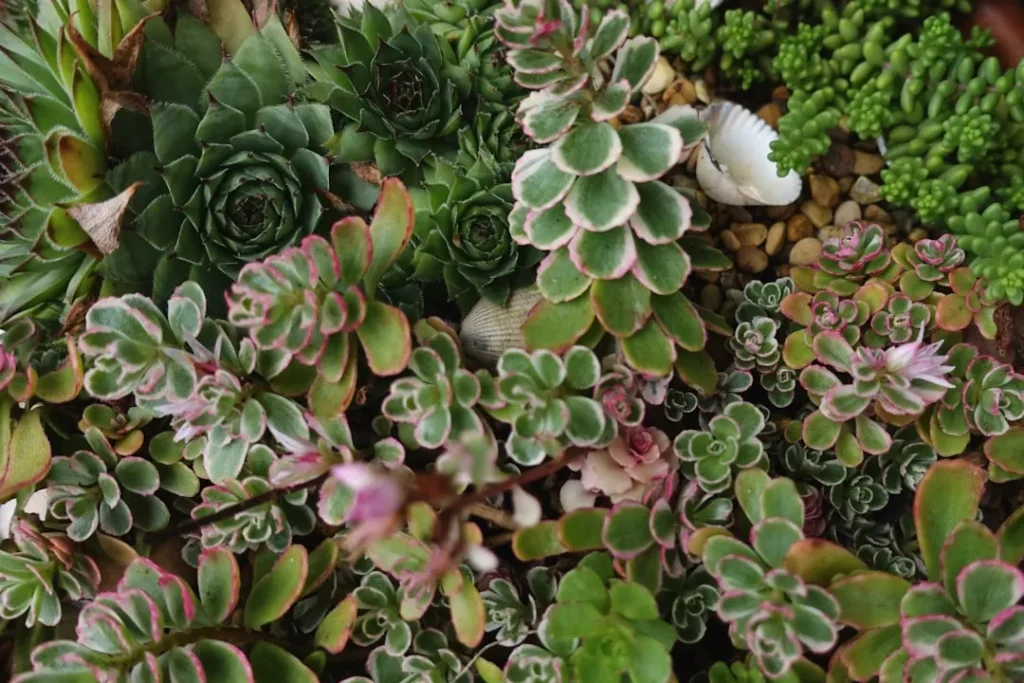
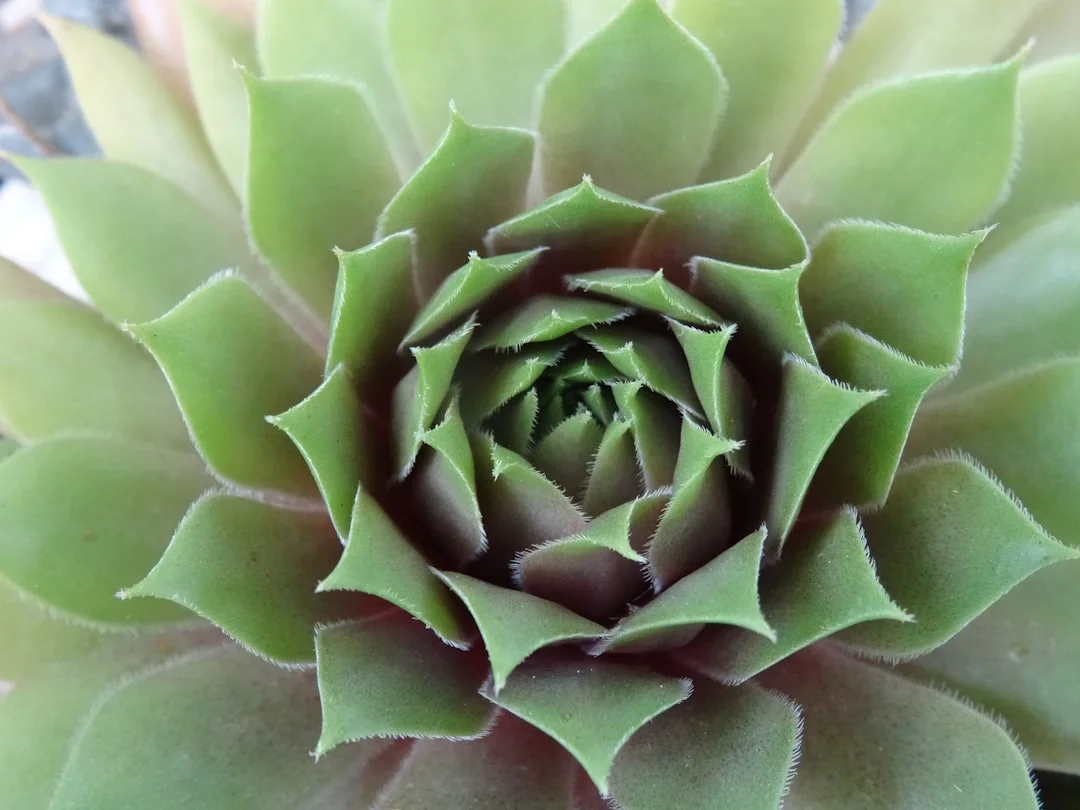
Most people recognise the shape before they know the name — tight, symmetrical rosettes packed together in clusters, looking almost architectural. Sempervivum tectorum, commonly called hens and chicks, belongs to the Crassulaceae family. The name ‘Sempervivum’ is Latin for ‘always alive,’ and frankly, that’s not an exaggeration. It’s native to the mountain regions of Europe and the Mediterranean — the Alps, the Pyrenees, the Apennines — where it clings to rocky outcrops and withstands temperatures as low as -30°C (-22°F). The ‘hen’ is the large central rosette. The ‘chicks’ are the small offsets that grow around it, connected by thin stolons. Over time, a single hen can produce dozens of chicks, forming a dense mat. This spreading habit is part of what makes hens and chicks succulent care so rewarding — one plant becomes many within a single growing season. According to Kew Gardens, Sempervivum tectorum is one of over 40 species in the genus, many of which hybridise freely in cultivation, creating stunning colour variations from green to deep burgundy to silvery-purple.
How Does It Get Its Name?
The ‘hens and chicks’ name is purely visual and beautifully descriptive. The mother rosette (the hen) sits in the centre, surrounded by smaller rosettes (the chicks) that she has produced vegetatively. Once a hen rosette matures — usually after two to four years — it sends up a tall flower stalk, blooms, and then dies. This process is called monocarpic flowering. Don’t be alarmed when it happens. The chicks carry on, and the colony continues growing. Many gardeners find this life cycle strangely moving — a little drama in an otherwise low-maintenance plant. If you enjoy growing this plant, you might also find our guide on Kalanchoe Plant Indoor Outdoor very useful.
Are Hens and Chicks Hardy Everywhere?
Yes — almost. Sempervivum tectorum is rated USDA Hardiness Zone 3–8 and RHS Hardiness Rating H7, meaning it tolerates temperatures down to -20°C (-4°F) in the ground. In the UK, it survives most winters outdoors without protection. In Canada and the US Midwest, it’s fully winter-hardy. In tropical climates like Southeast Asia and coastal India, however, the main challenge is excessive humidity and heat rather than cold. Temperatures consistently above 35°C (95°F) with high humidity can stress the plant. In those regions, container growing with excellent drainage and afternoon shade becomes critical to successful hens and chicks succulent care. For more tips, check out our detailed article on best soil mix for succulents.
Benefits and Uses of Sempervivum tectorum
Here’s something most gardeners don’t know: hens and chicks were once considered serious medicine in European folk traditions. Roman soldiers reportedly planted Sempervivum on their camp rooftops to ward off lightning strikes — and Charlemagne allegedly ordered it planted on rooftops across his empire for this purpose. That historical connection even lives in the species name ‘tectorum,’ meaning ‘of the roofs.’ Beyond folklore, there are documented applications. In European folk medicine, the fresh leaf gel was applied topically to soothe burns, insect stings, and minor skin irritations — very similar to how aloe vera gel is used today. A 2018 review published on PubMed noted that Sempervivum species contain flavonoids and tannins with demonstrated anti-inflammatory properties in laboratory settings. However, these plants are not widely used in Ayurveda or Traditional Chinese Medicine (TCM), as they’re not native to those regions. Western herbalism traditions in Germany and France, however, do document topical applications for minor burns and ear complaints.
Garden and Landscape Benefits
From a purely horticultural standpoint, hens and chicks offer remarkable practical value. They’re excellent ground cover for rocky, poor-soil areas where other plants fail. They control erosion on slopes and embankments. Their dense mat-forming habit suppresses weeds naturally. In green roof projects — increasingly popular in London, Amsterdam, and Singapore — Sempervivum is a go-to species because of its extreme drought tolerance and minimal weight requirements. In containers, their architectural form complements both modern minimalist designs and traditional cottage styles. Furthermore, they’re genuinely child-friendly garden plants — non-toxic, visually engaging, and easy enough for beginners of any age. If you enjoy growing this plant, you might also find our guide on Peperomia Plant Care Tips very useful.
Safety and Toxicity
Good news for pet owners: Sempervivum tectorum is considered non-toxic to cats, dogs, and horses according to the ASPCA. It’s also safe for children. While eating large quantities of any plant material isn’t advisable, hens and chicks pose no known serious toxicity risk. That said, always wash hands after handling plants, especially before preparing food. If you’re using the gel topically, do a small patch test first, since some individuals with sensitive skin may experience mild irritation. In short — this is one of the safest plants you can keep around a family home or community garden. For more tips, check out our detailed article on best soil mix for succulents.
Hens and Chicks Succulent Care: Sunlight Requirements
Sunlight is where hens and chicks succulent care gets interesting. These plants are sun-lovers at heart. They produce their most vibrant leaf colours — deep reds, purples, and bronzes — when given at least six hours of direct sunlight daily. Grown in shade, they tend to etiolate (stretch towards the light), losing their compact rosette form and turning a flat, uninspiring green. In temperate climates like the UK, Germany, and the US Pacific Northwest, a south-facing spot is ideal. In Mediterranean climates — California, southern Spain, coastal Australia — full sun all day is perfectly fine. In continental climates with scorching summers, like parts of the US Midwest, central India, and interior Australia, some afternoon shade during the peak heat of July and August actually helps the plant. This is especially true when temperatures regularly exceed 38°C (100°F).
Growing Indoors: What You Need to Know
Indoors, hens and chicks succulent care becomes more demanding — mostly because of light. These are not typical low-light houseplants. They need a south- or west-facing window that gets at least four to six hours of direct sun. A sunny windowsill in Toronto, Manchester, or Seoul in winter can just about work, but growth will be slow. Supplemental grow lights (full-spectrum LED, 14–16 hours per day) can fill the gap during short winter days. Without adequate light indoors, the rosettes stretch, flatten, and lose colour. In my experience, most indoor failures with Sempervivum come down to insufficient light more than any other factor.
Seasonal Light Adjustments
In summer — particularly June through August in the Northern Hemisphere — hens and chicks are at their most active. They’re producing offsets, deepening in colour, and photosynthesising rapidly. This is the time to give them maximum sun. In Southern Hemisphere summers (December–February), the same logic applies for gardeners in Australia, New Zealand, and South Africa. During winter, in areas with snow cover, the plants go semi-dormant and don’t need to be moved or supplemented — they simply wait. The exception is container-grown plants indoors, where maintaining as much natural light as possible supports healthy dormancy and spring rebound.
Soil and Fertiliser for Hens and Chicks
If there’s one thing that separates successful hens and chicks succulent care from a frustrating failure, it’s soil drainage. Sempervivum roots despise sitting in wet soil. Even 48 hours of waterlogged conditions can trigger root rot, especially in humid climates. The ideal soil is gritty, fast-draining, and relatively low in organic matter. A standard mix of 50% coarse sand or perlite combined with 50% regular potting compost works well. Alternatively, a dedicated cactus and succulent mix — widely available at garden centres across the US, UK, Europe, and Australia — is a reliable off-the-shelf option. In garden beds, if your native soil is clay-heavy, dig in generous amounts of horticultural grit or coarse gravel before planting. The RHS recommends a minimum of 20–30% grit amendment by volume for clay soils used to grow succulents. Soil pH should ideally sit between 6.0 and 7.0 — slightly acidic to neutral. Hens and chicks are quite tolerant of poor, stony soils, which is why they thrive naturally on rocky alpine slopes.
Fertilising: How Much Is Too Much?
Here’s the thing about fertilising hens and chicks: less is genuinely more. Overfertilising causes soft, lush growth that’s more susceptible to rot, pests, and winter damage. If you’re growing in garden soil with any reasonable level of organic matter, you likely don’t need to fertilise at all. For container plants, a single application of a balanced, diluted liquid fertiliser (NPK ratio around 10-10-10, diluted to half strength) in early spring is plenty. That single feed supports the entire growing season. Avoid high-nitrogen fertilisers — they push leafy growth at the expense of the compact form that makes these plants so attractive. Slow-release granular fertilisers applied at the soil surface in spring also work well for low-maintenance gardeners.
Container Soil Mix Recipe
For gardeners who prefer to mix their own growing medium, here’s a reliable recipe used by succulent growers across the US, UK, and Australia: combine two parts coarse horticultural sand or perlite, one part standard potting compost, and one part fine gravel or grit. Mix thoroughly before filling your container. Ensure the pot has at least one large drainage hole — ideally two or three for pots larger than 20cm (8 inches). Terracotta pots are particularly well-suited because their porous walls allow moisture to evaporate from the sides, reducing rot risk. In humid tropical climates, raising the pot on feet or a stand further improves airflow beneath the container.
Watering Hens and Chicks: Less Is Truly More
Watering is the area where most new gardeners struggle most with hens and chicks succulent care. The instinct to water regularly — as you would a tomato or a fern — is the single biggest mistake. Sempervivum stores water in its thick, fleshy leaves. It’s built for drought. In an average UK summer, rainfall alone is often sufficient for garden-grown plants. In a dry summer in California or South Africa, watering once every 10–14 days is typically enough for established plants. For newly planted hens and chicks — whether in pots or garden beds — water moderately for the first two weeks to help roots establish, then gradually reduce frequency. The golden rule: always check the soil before watering. Push your finger 2–3 cm (about 1 inch) into the soil. If it’s still slightly damp, wait. Only water when the top layer is completely dry.
Watering in Different Climates
Climate makes a significant difference to watering needs. In tropical regions like Southeast Asia, coastal India, and Central America, humidity stays high year-round. Plants may need watering only once every two to three weeks, even in summer. In arid regions like the Middle East, parts of Australia, and the US Southwest, weekly watering in peak summer heat may be necessary — but always check soil moisture first. In temperate climates (UK, northern Europe, US Pacific Northwest), rainfall typically handles most of the work from October through April. During summer dry spells, every 10–14 days is usually sufficient. In all cases, water at the base of the plant, not over the rosette. Water sitting in the rosette centre, especially overnight, encourages fungal rot.
Signs of Overwatering vs. Underwatering
Knowing which problem you’re facing matters enormously. Overwatered hens and chicks develop soft, mushy, translucent leaves — often starting at the base of the rosette. The plant may look healthy from above but be rotting from the roots up. Underwatered plants show wrinkled, shrivelled leaves — the plant is drawing on stored moisture. Slightly wrinkled leaves are actually fine and self-correcting once you water. Mushy leaves are a warning sign requiring immediate action: remove the plant from its pot, cut away rotten roots, allow to dry for 24–48 hours, and replant in fresh dry mix. Don’t worry if you’ve made this mistake — most experienced succulent growers have too. The recovery rate is good if you catch it early.
How to Grow Hens and Chicks in Containers and Gardens
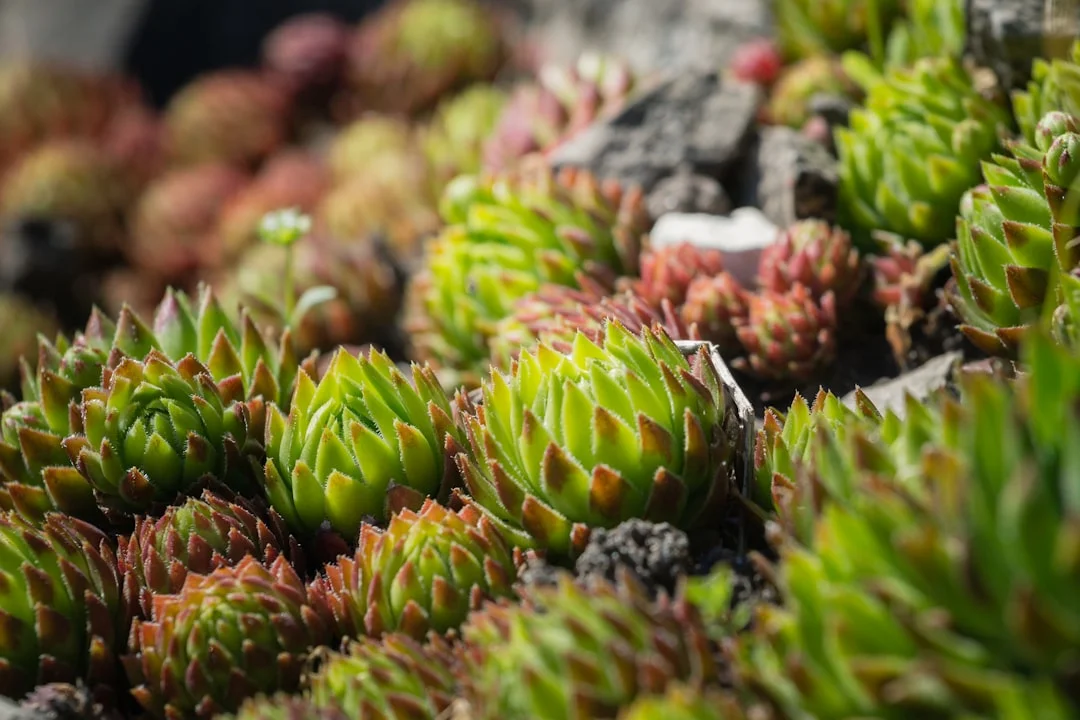
One of the great joys of hens and chicks succulent care is just how versatile these plants are in terms of placement. In garden beds, they work brilliantly as border edging, rockery fillers, and drought-tolerant ground cover. Plant them 10–15 cm (4–6 inches) apart and watch them fill in within a single season. In containers, the options are almost endless. Shallow terracotta bowls, stone troughs, old boots (yes, genuinely), wall-mounted frames, and even vertical pocket planters all work. Because the root system is relatively shallow, containers don’t need to be deep — 10–15 cm (4–6 inches) of depth is sufficient for a thriving plant. However, width matters more than depth. Wide, shallow containers allow the colony to spread naturally, producing a more dramatic display. For our complete guide to growing succulents and other low-maintenance plants, visit our indoor plant care guide for more in-depth advice on container gardening.
Choosing the Right Container
Container choice directly affects moisture retention, which directly affects root health. Terracotta is the classic choice — breathable, heavy enough to resist tipping, and widely available. Glazed ceramic works too but retains moisture longer, so water less frequently. Plastic pots are lightweight and inexpensive, but require careful watering discipline since they dry out more slowly. Whatever container you choose, drainage holes are non-negotiable. A layer of gravel or broken pot shards at the bottom of the container is optional — modern research suggests it doesn’t dramatically improve drainage — but a well-draining soil mix absolutely does. In cold climates, avoid thin terracotta pots that may crack in frost; choose frost-resistant ceramic or move containers under cover in winter.
Garden Bed Planting Step by Step
Planting hens and chicks in a garden bed is straightforward, but a few steps make a significant difference to long-term success. First, choose a location with at least six hours of direct sun. Next, dig the bed to about 20–25 cm (8–10 inches) deep and amend the soil heavily with grit or coarse sand if drainage is poor. Then, plant rosettes at the same depth they were growing previously — avoid burying the crown. After planting, water once to settle the soil and leave them alone for at least 10 days before watering again. Finally, add a top dressing of fine gravel around the plants to prevent moisture accumulating around the crown and to give the display a polished, professional look.
Propagation: How to Multiply Your Collection for Free
Propagating hens and chicks is one of gardening’s more satisfying experiences — and it’s almost effortless. The plants do most of the work themselves. Each mother rosette produces offsets (chicks) throughout the growing season, particularly in spring and early summer. These chicks are already developing their own root systems while still attached to the mother. To propagate, simply wait until the offset is at least 2–3 cm in diameter — large enough to have a reasonable root system developing. Then gently twist or cut it free using clean scissors or a small knife. Allow the cut end to callous (dry) for 24–48 hours in a shaded, dry spot. Then place it on top of — not buried into — a pot of well-draining succulent mix. Within two to three weeks, new roots will anchor the offset. Mist lightly every few days until roots establish, then switch to the standard watering routine.
Propagation from Leaf Cuttings
Unlike many succulents (such as echeveria), Sempervivum tectorum doesn’t propagate reliably from individual leaf cuttings. The offset method is by far the most successful technique. However, if a rosette head falls off accidentally, you can try pressing it onto moist, well-draining soil in indirect light. Success rates are variable — perhaps 30–40% — but it’s worth attempting rather than discarding the plant material. In my experience, offsets removed in late spring through early summer root fastest and most reliably, because the plant is in active growth and hormone levels are high.
Seed Propagation
Hens and chicks can also be grown from seed, although this is slower and less commonly done by home gardeners. Seeds are tiny and require a fine-grained, well-draining seed compost. Sow on the surface — don’t cover — and keep barely moist in a bright, warm location (18–22°C / 64–72°F). Germination takes 1–3 weeks. Seedlings grow slowly and will need 12–18 months before they look like recognisable rosettes. Seed-grown plants also show considerable variation in colour and form, which is actually an advantage if you want to develop a diverse, mixed collection. Hybrid seeds are available from specialist nurseries in the US, UK, Netherlands, and Japan.
Common Problems, Pests, and Diseases
Hens and chicks succulent care is low-effort precisely because the plant has few serious natural enemies. However, a few problems do occur — usually when growing conditions aren’t quite right. Root rot is the most common issue, almost always caused by overwatering or poorly draining soil. It’s preventable by following the soil and watering guidelines above. Rust fungus is another concern in humid climates — you’ll see orange-brown pustules on leaves. Improve airflow, remove affected leaves, and if necessary, apply a copper-based fungicide. Mealybugs sometimes appear, especially on indoor plants — small white cottony clusters in the leaf axils. A cotton swab dipped in isopropyl alcohol applied directly to the bugs is highly effective and non-toxic to the plant. Vine weevils can damage roots, particularly in the UK and northern Europe — the larvae eat roots unseen underground. Check roots when repotting and use biological nematode controls if an infestation is confirmed.
Why Is My Hen Dying After Flowering?
This surprises many gardeners, but it’s perfectly normal. When a Sempervivum rosette flowers — sending up a tall, star-shaped flower stalk — it has reached the end of its natural life cycle. This is called monocarpy: the plant flowers once, sets seed, and dies. The good news is that by the time flowering happens, the mother rosette will have produced multiple chicks that will carry on. Simply remove the spent mother rosette after it dies and allow the chicks to fill in the space. Think of it as a generational handover rather than a loss. It usually takes two to four years for a rosette to reach flowering stage.
Dealing with Rot in Humid Climates
For gardeners in humid tropical and subtropical zones — Singapore, the Philippines, coastal Brazil, or Kerala — the greatest challenge in hens and chicks succulent care isn’t cold or drought. It’s moisture. In these climates, growing hens and chicks in containers with a very gritty mix, raised off the ground, in a spot with good airflow and afternoon shade, gives the best results. Avoid placing them where they’ll get drenched by monsoon rain — a sheltered overhang or a balcony with morning sun and afternoon protection works well. Some growers in tropical climates bring their hens and chicks indoors under grow lights during the wettest months, which sidesteps the issue entirely.
Seasonal Care Through the Year
Understanding how hens and chicks change across the seasons helps you give them exactly what they need at the right time. These plants aren’t static — they grow, colour up, slow down, and restart in a clear annual rhythm that reflects their alpine origins. In June — right now, in the Northern Hemisphere — hens and chicks are in peak active growth. This is the best time to propagate offsets, apply a light feed to container plants, and ensure they’re getting maximum sun. In the Southern Hemisphere, June marks the beginning of winter, so plants will be in semi-dormancy — reduce watering and avoid fertilising until spring returns in September. Across all climates, paying attention to seasonal shifts is what separates casual growers from genuinely skilled ones.
Spring: The Awakening (March–May Northern Hemisphere)
Spring is the most exciting season for hens and chicks. New offsets appear rapidly, leaf colours intensify, and any winter damage becomes apparent. As soil temperatures rise above 5°C (41°F), resume a moderate watering schedule. If you’re growing in containers, early spring is the ideal time to repot into fresh soil or a larger container if the colony has outgrown its current home. Apply a single diluted balanced fertiliser feed in early spring to support the growing season. Remove any dead or mushy outer leaves from winter. For gardeners in the Southern Hemisphere, this applies in September–November.
Autumn and Winter Dormancy
As temperatures drop in autumn (September–November in the Northern Hemisphere), growth slows significantly. Hens and chicks don’t need watering more than once every three to four weeks in autumn, and virtually not at all if there’s natural rainfall. In winter, garden-grown plants are essentially self-sufficient — they go semi-dormant under snow without issue, and the cold actually triggers the stunning burgundy and purple leaf colours many growers prize. Container plants outdoors in cold climates should be moved to a sheltered spot or unheated greenhouse if temperatures will drop below -15°C (5°F) for extended periods, since containers don’t insulate roots the way open ground does.
Frequently Asked Questions
Can I grow hens and chicks indoors in a cold climate?
Yes, with the right setup. Hens and chicks succulent care indoors requires a south- or west-facing window that receives at least four to six hours of direct sunlight daily. In cold climates like Canada, northern Europe, or the northern US, winter light levels are often insufficient. Supplement with a full-spectrum LED grow light running 14–16 hours per day. Keep the room between 10–22°C (50–72°F), use well-draining soil, and water sparingly. Growth will slow in winter, which is completely normal. Move them back outdoors in spring when frost risk passes.
Are hens and chicks safe for pets and children?
Hens and chicks (Sempervivum tectorum) are non-toxic to cats, dogs, and horses according to the ASPCA, making them one of the safest succulents for pet-owning households. They're also safe for children to handle and touch. If a pet or child chews on the leaves, no serious harm is expected, although eating large quantities of any plant material is never advisable. As a precaution, wash hands after handling, and do a patch test before using the fresh gel on skin.
How do I grow hens and chicks in containers?
Container growing is one of the best ways to enjoy hens and chicks succulent care. Choose a wide, shallow container — at least 15 cm (6 inches) wide — with drainage holes. Fill with a gritty, fast-draining succulent mix (50% coarse sand or perlite, 50% compost). Plant rosettes at the same depth as before. Place in full sun — at least six hours daily. Water only when the top 2–3 cm of soil is fully dry, approximately every 10–14 days in summer. Terracotta containers are ideal because they allow moisture to evaporate through the walls, reducing rot risk.
Why is my hen dying after it flowers?
This is completely normal and not a cause for concern. Sempervivum tectorum is a monocarpic plant — each rosette flowers once, then dies. The mother rosette (hen) sends up a tall flower stalk, blooms, sets seed, and then withers. By this point, she will have produced multiple offsets (chicks) that carry on the colony. Simply remove the dead mother rosette after it dries out and allow the chicks to fill the space. The process usually takes two to four years from planting to flowering.
How often should I water hens and chicks in tropical or humid climates?
In tropical and subtropical climates — Southeast Asia, coastal South Asia, Central America, or northern Australia — hens and chicks succulent care requires even more restraint with watering than in temperate zones. Humidity keeps the soil moist for longer, and the risk of root rot is higher. Water every two to three weeks in the growing season, only when the top layer of soil is fully dry. Use a very gritty soil mix, raise containers off the ground to improve airflow, and avoid spots where monsoon or heavy rain will soak the plants repeatedly.
What is the best soil mix for hens and chicks?
The ideal soil for hens and chicks succulent care is fast-draining and gritty. A reliable home mix is two parts coarse sand or perlite combined with one part standard potting compost and one part fine gravel. Alternatively, a pre-made cactus and succulent potting mix — available at most garden centres globally — works well straight from the bag. The soil pH should be 6.0–7.0. Avoid heavy, clay-rich soils entirely unless you amend them heavily with grit. The [RHS](https://www.rhs.org.uk/) recommends at least 20–30% grit amendment by volume for clay-based beds.
How do I propagate hens and chicks for the first time?
Propagating hens and chicks is one of the easiest tasks in hens and chicks succulent care. In spring or early summer, when offsets (chicks) are at least 2–3 cm wide, gently twist or cut them free from the mother rosette using clean scissors. Let the cut end dry for 24–48 hours in a shaded spot. Then place the offset on the surface of well-draining succulent mix — don't bury it. Mist lightly every two to three days. Within two to three weeks, the offset will anchor with new roots. After that, treat it like a mature plant.
Can hens and chicks survive frost and snow?
Yes — Sempervivum tectorum is exceptionally cold-hardy. It's rated USDA Zone 3–8 and RHS H7, tolerating temperatures as low as -30°C (-22°F) when grown in the ground. In the UK, Canada, northern Europe, and most of the continental US, garden-grown hens and chicks survive winter outdoors without any protection. Snow cover can actually be beneficial, insulating the crowns from extreme cold. Container-grown plants in very cold climates (-15°C / 5°F or below for extended periods) should be moved to a sheltered but unheated space, since containers don't insulate roots as effectively as open ground.
Final Thoughts
Hens and chicks succulent care really comes down to a few core principles: excellent drainage, minimal watering, full sun, and patience. Get those right, and these plants will reward you for years — spreading, colouring up, and producing new generations of rosettes with almost no effort on your part. Whether you’re in a frost-prone garden in Edinburgh, a balcony in Singapore, a sunny courtyard in Phoenix, or a rooftop in Mumbai, there’s a way to grow Sempervivum tectorum successfully. The key is adapting the fundamentals to your climate rather than following one-size-fits-all advice. In my experience, gardeners who struggle with hens and chicks almost always cite the same culprit: too much water. Cut that back, improve your drainage, and most problems resolve themselves. Start with a single rosette, propagate the chicks each spring, and within a couple of seasons you’ll have a thriving, expanding colony that costs almost nothing to maintain. That’s the real magic of hens and chicks succulent care — a living, self-renewing garden that does most of the work itself.

